
Reviewed · SHENZHEN TOURS
200-year-old Hakka Residence Tour +Ancient Buddhist temple
Shenzhen has older stories. This 2.5-hour tour takes you away from the city’s towers to a 200-year-old Hakka residence, a 1,000-year-old Buddhist temple, and the restored wetlands along Longgang River. I like the contrast: modern Shenzhen is only part of the picture, and this outing gives you a clear look at how local people lived before the city’s huge transformation.
I also like the small group of no more than five people and the chance to ask questions in English. Guide Jimmy has been praised for his humor, patience, and strong command of history. The main consideration is that this is a walking tour, not a relaxed sightseeing bus ride, so comfortable shoes matter and pregnant women should not book it.
In This Review
- Key Points To Know Before You Book
- Why This Makes a Good Break From Shenzhen
- Walking Into the Luo Clan Residence
- Finding Calm at the 1,000-Year-Old Temple
- Seeing Longgang River Recover
- What You Get For $47
- How The Afternoon Feels In Practice
- Who Should Book This Shenzhen Tour?
- Is The 2.5-Hour Tour Worth Booking?
- FAQ
- How long is the Hakka residence and Buddhist temple tour?
- Where is the meeting point?
- How far is the meeting point from Luohu?
- What does the $47 price include?
- Are meals and water included?
- Is the tour conducted in English?
- How large is the tour group?
Key Points To Know Before You Book
- A 25,000-square-meter Hakka residence: The Luo Clan complex contains more than 300 rooms, with original layouts, furniture, kitchens, and classrooms still visible.
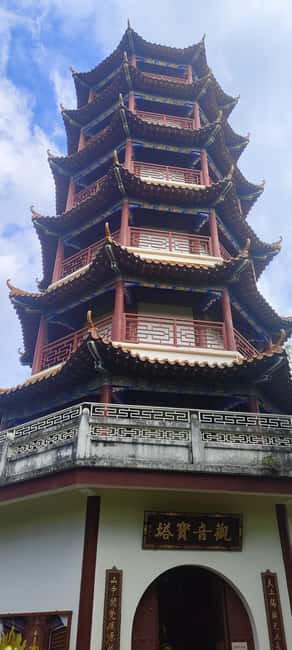
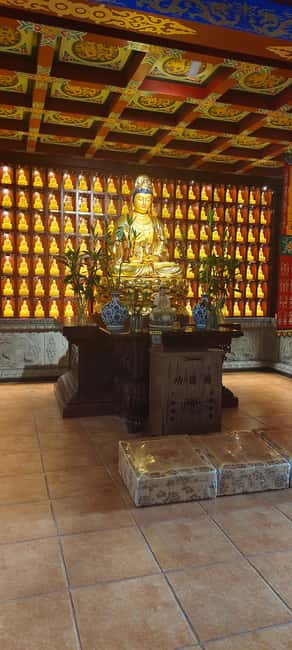
- A Buddhist temple with a 1,000-year story: Several buildings form the monastery, including a pagoda dedicated to a lady god where locals pray for luck and fortune.
- A restored Longgang River wetland: The river once suffered from heavy pollution, but wetland work helped return it to a more natural state.
- A useful escape from central Shenzhen: From Luohu, the MTR journey takes about 60 minutes before the walking portion begins.
- An English-speaking tour with personal attention: The group is limited to five participants, making it easier to ask about Hakka customs and local history.
- A $47 experience with transport between sites: Meals and water are not included, so bring your own drink and plan to eat before or after.
Why This Makes a Good Break From Shenzhen
Shenzhen is often presented through its skyline, shopping centers, technology companies, and fast-moving urban life. That version of the city is real, but it can leave you with little sense of what came before. This tour offers a practical way to spend part of an afternoon with older buildings and local religious traditions.
The setting also gives you a useful timeline. Hakka people migrated from central China toward the Shenzhen area about 500 years ago. The residence you visit was built around 200 years ago by the Luo Clan. The Buddhist temple reaches much farther back, with a history of about 1,000 years.
That does not make the tour a full survey of Chinese history. It does give you three distinct points of reference: family life in an imperial-era residence, religious practice at an old temple, and environmental repair beside a river. I appreciate that mix because the stops do not all tell the same story.
The tour begins at 2pm at Nanlian Metro station, Line 3, Exit C1. In Chinese, the station is 南联站 C 1出口. From Luohu, the MTR ride takes about an hour, so allow enough time to reach the meeting point without rushing. The long ride is part of the trade-off. You are not stepping out of central Shenzhen into old buildings within a few minutes, but you are getting beyond the familiar city center.
A few more tours worth putting side by side
- Shenzhen Tech Tour: Explore the Future
★ 5.0 · 49 reviews - Customizable Private Shenzhen Tour with Local guide and Car
★ 5.0 · 48 reviews - Shenzhen Private Flexible Day Tour with Guide and Driver Service
★ 5.0 · 41 reviews
Walking Into the Luo Clan Residence
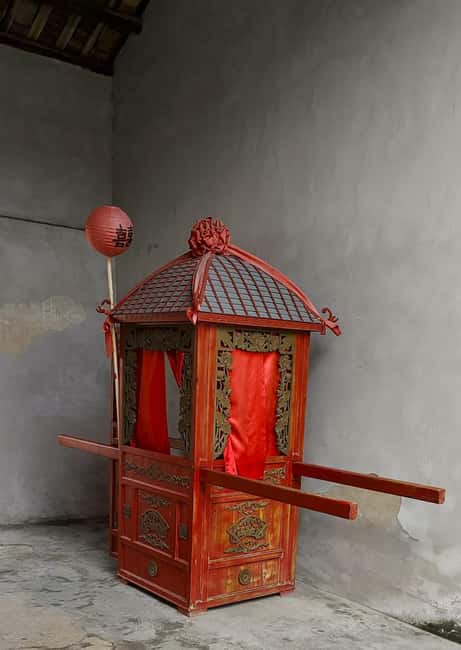
The Hakka residence is the main historical stop, and the scale helps explain why it is worth the trip. The complex covers more than 25,000 square meters and contains over 300 rooms. This is not a single preserved house with one or two furnished rooms. It is a large housing complex built for a clan community.
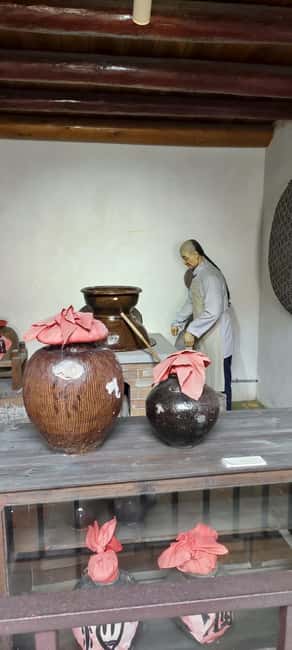
As you walk through, you can still see the original layout and furniture. That matters because empty walls tell you only so much. A room arranged for daily use gives a better sense of how families organized work, meals, study, and household life.
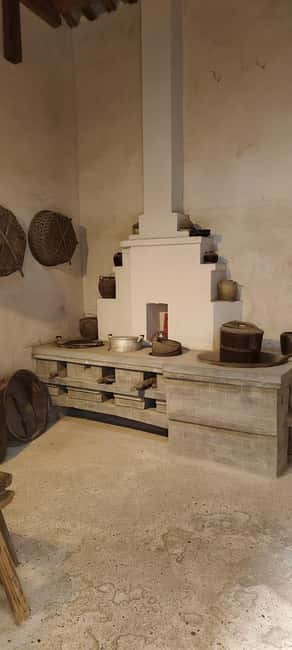
The historic kitchen is still intact and ready for cooking. I find details like this more useful than grand architectural claims. A kitchen shows the practical side of life. It brings the residence down from an abstract monument to a place where people prepared food, stored supplies, and managed the daily routine of a large family network.
You can also see classrooms where children studied Confucianism. This adds an important layer to the visit. The complex was not only a collection of sleeping rooms. It supported education and family expectations, giving you a clearer idea of how learning fit into community life.
The guide is especially valuable here. The buildings may be visually impressive, but the meaning of the rooms is not always obvious on your own. Jimmy has been praised for making the history easy to follow, answering questions patiently, and keeping the tone light. His colleague has also led the tour, so your guide may vary.
The word Hakka refers to a cultural group whose communities formed in different parts of southern China after earlier migration from central China. At this residence, you get a local example of how Hakka families established themselves in the Shenzhen area. The tour does not claim that every Hakka family lived in exactly this way, but the complex provides a strong physical setting for discussing clan life and settlement.
Give yourself time to look upward and across the courtyards. With more than 300 rooms, the complex can feel much larger than a standard historic house visit. It is also a good place for photographs, especially if you enjoy doorways, courtyards, old furniture, and preserved architectural details.
The drawback is simple: old residences require walking, and the information comes through the guide rather than through a long list of modern displays. If you prefer polished museums with extensive labels in several languages, this may feel less convenient. If you want to see original spaces and ask direct questions, it is a stronger fit.
Finding Calm at the 1,000-Year-Old Temple
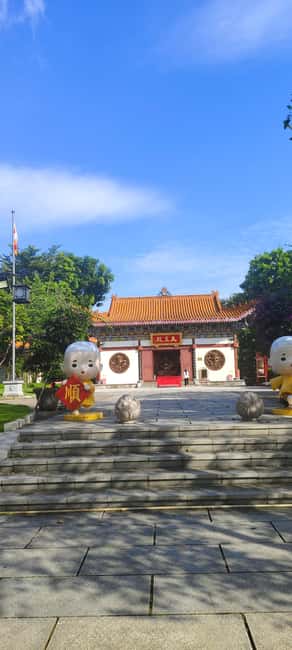
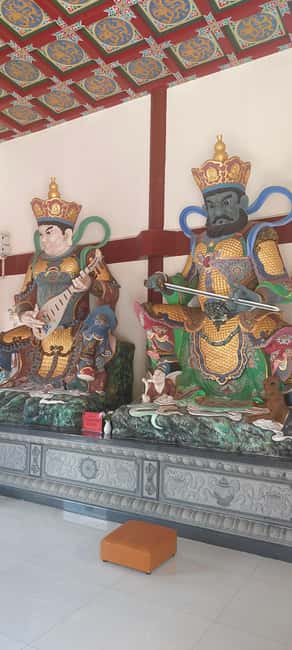
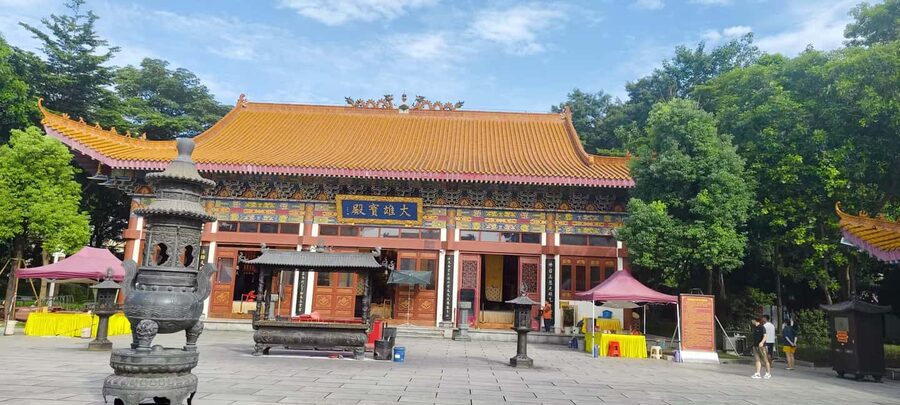
The second major stop changes the mood. After the size and family focus of the Hakka residence, the Buddhist temple offers a quieter setting. The monastery is made up of several structures, so you are not visiting only one hall or one isolated religious building.
The temple has a history of about 1,000 years, while many of the visible structures have been renovated. That combination is worth keeping in mind. You are seeing a living religious place with old roots, not a perfectly untouched site frozen in time.
One of the distinctive features is a pagoda dedicated to a lady god. Locals pray there for luck and fortune, and you can make a wish as part of the visit. The value of this stop is not only architectural. It lets you see how religious practice remains part of ordinary local life.
I would approach the temple respectfully and treat it as a place of worship first, photo stop second. The peaceful setting makes it a good counterpoint to Shenzhen’s busy urban center. You can walk around, look at the structures, and learn how the site functions for local people.
The temple also gives the guide another chance to explain local beliefs and customs. English explanations are included, and the small group makes it easier to ask what you are seeing instead of silently guessing. That personal contact is one of the tour’s strongest features.
Still, you should keep expectations realistic. This is a short visit within a 2.5-hour tour, not an extended temple study. You will see several structures and hear about the site, but the exact amount of time at each building can vary with the group and the pace of the walk.
Seeing Longgang River Recover
The final feature is Longgang River, a natural waterway that runs into the Shenzhen River. The Shenzhen River separates Hong Kong and Shenzhen, so the river connection gives the stop wider local context.
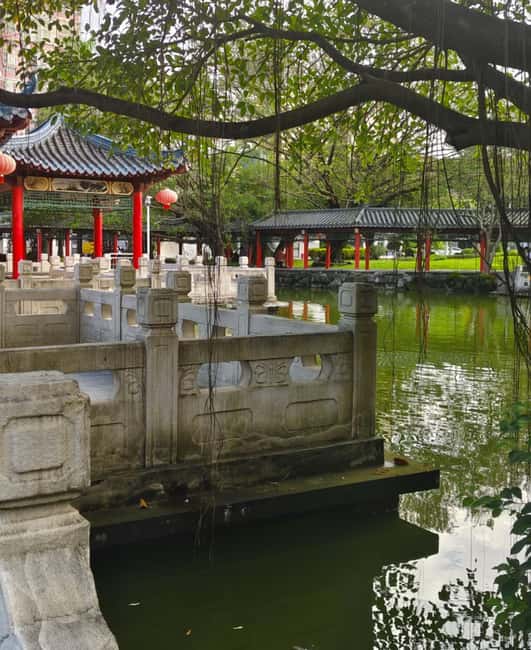
Longgang River was once one of the more polluted rivers in Shenzhen. During the last decade, wetland work helped filter pollution and return the river to a more natural condition. You are not simply looking at water beside a path. You are seeing an example of environmental repair tied to the area’s rapid urban growth.
The wetland setting adds breathing room to the tour. The Hakka residence is enclosed and architectural. The temple is quiet and spiritual. The river offers open views and a chance to notice how water, plants, and urban development meet.
I like this part because it prevents the outing from becoming a simple old-building circuit. Shenzhen’s past is not only found in surviving walls. It also appears in efforts to repair places damaged by fast development. You may find the river stop most rewarding if you enjoy seeing how a city handles its environmental problems.
The supplied details do not specify a long nature walk or a particular wildlife program, so do not book this expecting a full wetland expedition. Think of it as a scenic stop included in a historical walking tour. The attraction is the river and its restoration story, not a guaranteed wildlife sighting.
A completely different kind of day out on the same trip:
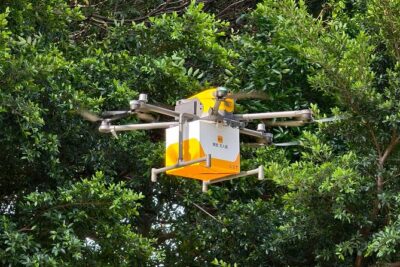
- Shenzhen Tech Tour: Robotaxi, Drone Delivery & Innovation Demos
★ 5.0 · 18 reviews - From Hong kong to Shenzhen tour with Flexible Itinerary / English
★ 5.0 · 16 reviews - Shenzhen Self-Guided Tour with Private Car and Driver Service
★ 5.0 · 10 reviews - Shenzhen Private Day Tour with Car Service Tech+Culture+Shopping
★ 5.0 · 9 reviews
What You Get For $47
At $47 per person, the tour sits in a reasonable range for a guided half-day outing, especially with transportation between the sites included. The price is easier to justify if you are interested in context, because the guide connects the residence, temple, Hakka migration, and river restoration into one afternoon.
You are also paying for a very small group. With a maximum of five participants, you should have more access to the guide than you would on a large coach tour. That matters at the residence, where questions about rooms, kitchens, classrooms, and family life can make the buildings much easier to understand.
Meals and water are not included. Bring water with you, and plan your meal around the 2pm start and the 2.5-hour duration. This is a minor extra cost, but it is the sort of detail that can affect your comfort on a walking tour.
Transportation between the sites is included, which keeps the afternoon simple once you meet the guide. You do need to handle your own journey to Nanlian station. From Luohu, the MTR trip takes roughly 60 minutes, so the tour is best viewed as an outing beyond central Shenzhen rather than a quick local walk.
Free cancellation is available up to 24 hours in advance, with a full refund. You can also reserve now and pay later, which is useful if your Shenzhen schedule is still shifting.
How The Afternoon Feels In Practice
The fixed meeting time is 2pm at Nanlian Metro station, Exit C1. Arrive ready to walk, with comfortable shoes and water in your bag. The tour description identifies the activity as a walking tour, and the route includes several historical and outdoor settings.
The English guide is a major part of the experience. The strongest praise has focused on clear English, humor, patience, and the ability to make Chinese history enjoyable rather than dry. Jimmy is specifically named as a guide who combines teaching with a friendly manner. His colleague has also received warm feedback.
The small group makes the outing more flexible in feel, although you should not assume that every stop can be extended indefinitely. A group of five allows questions and conversation, but the tour still needs to cover its scheduled sites within 2.5 hours.
The timing suits visitors who want to fill an afternoon without committing to a full-day excursion. It does not suit someone looking for a slow, private photography session at every building. You will cover three different settings, so the pace needs to keep moving.
Who Should Book This Shenzhen Tour?
I would recommend it to you if you want to understand Shenzhen beyond technology and new construction. It is particularly well suited to people interested in family history, traditional architecture, Chinese religious sites, or urban environmental recovery.
It also works well for first-time visitors who want a guided introduction to an area they might not reach on their own. The English commentary and transport between the sites remove some of the uncertainty of planning separate visits.
Photographers should find plenty to work with at the Hakka residence and temple, especially in the original rooms and older structures. The river and wetland add a different type of setting, with open views rather than enclosed courtyards.
You may want to skip it if you dislike walking, have limited time in Shenzhen, or want a major city sightseeing experience. The MTR ride from Luohu takes about an hour, and the tour is focused on older local places rather than skyscrapers, shopping, or modern attractions.
Pregnant women are listed as unsuitable for this activity. Anyone with mobility concerns should also consider the walking format carefully, since no accessibility details are provided.
Is The 2.5-Hour Tour Worth Booking?
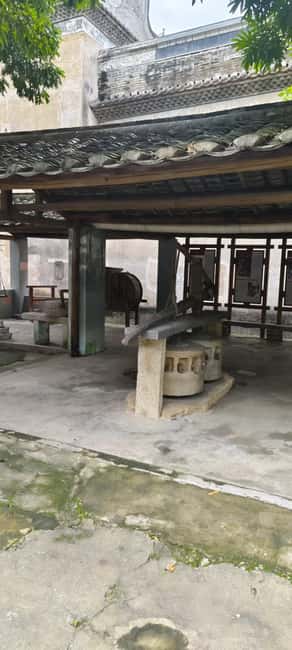
Book this tour if you want a focused, human-scale look at Shenzhen’s past. The 200-year-old Luo Clan residence is the centerpiece, with enough surviving rooms and household details to make the visit feel substantial. The temple adds a calm religious setting, while Longgang River shows how the area is working to repair its natural surroundings.
The $47 price is fair when you value an English-speaking guide, transport between sites, and a group capped at five people. Bring water, wear comfortable shoes, and allow about an hour to reach Nanlian from Luohu by MTR.
I would not choose this for a completely effortless outing or a broad city tour. I would choose it for the chance to leave Shenzhen’s modern core behind and spend an afternoon with places that explain what the city was, how local families lived, and how its waterways are changing.
FAQ
How long is the Hakka residence and Buddhist temple tour?
The tour lasts 2.5 hours.
Where is the meeting point?
Meet at 2pm at Nanlian Metro station, Line 3, Exit C1. The station name in Chinese is 南联站 C 1出口.
How far is the meeting point from Luohu?
The MTR journey from Luohu takes about 60 minutes.
What does the $47 price include?
The price includes a guided tour and transportation between the sites.
Are meals and water included?
No. Meals and water are not included, so bring your own water and plan food separately.
Is the tour conducted in English?
Yes. The tour has a live English-speaking guide.
How large is the tour group?
The group is limited to five participants.
Newest reviews from Shenzhen
- Shenzhen: Dapeng Peninsula Day Tour with Hotel Pickup★ 3.6 · 4 reviews
- Shenzhen Private Shopping Tour with Local Shopping Guru★ 5.0 · 5 reviews
- 1 day Car Hire in Shenzhen with Driver (10 hours)★ 3.0 · 5 reviews
- Shenzhen Customized Local Tour with Transfer★ 5.0 · 6 reviews
- Shenzhen:8h City Walk & Future Experience Highlights Trip★ 4.4 · 6 reviews
- Iconic Shenzhen Skyscraper – Ping An Finance Center★ 3.4 · 6 reviews
- Huaqiangbei Insider Tour: Explore Shenzhen’s Tech Wonderland★ 5.0 · 6 reviews
- Private Transfer in Shenzhen with English Service★ 5.0 · 6 reviews
Shenzhen Tours, compared.
Customizable Private Shenzhen Tour with Local guide and Car
Read our review →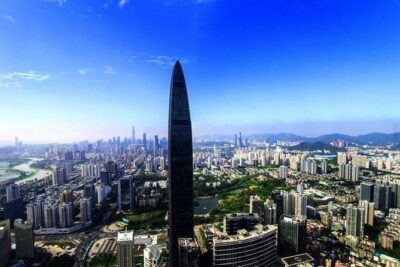
Shenzhen Private Flexible Day Tour with Guide and Driver Service
Read our review →
Shenzhen Tech Tour: Robotaxi, Drone Delivery & Innovation Demos
Read our review →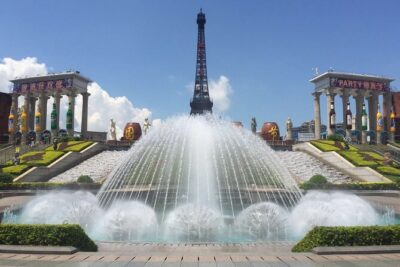
From Hong kong to Shenzhen tour with Flexible Itinerary / English
Read our review →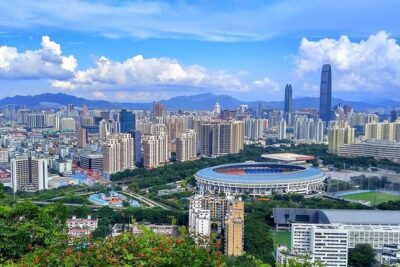
Shenzhen Self-Guided Tour with Private Car and Driver Service
Read our review →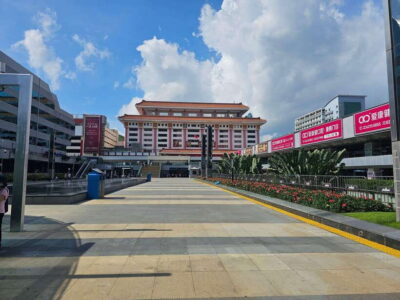
Historia and Entertain Tour of the Youngest City of China
Read our review →
Shenzhen Private Day Tour with Car Service Tech+Culture+Shopping
Read our review →Browse the lists this tour appears in