Reviewed · SHANGHAI TOURS
Afternoon Tea and Dessert Tour on the Huaihai Road in Shanghai
Sweet things explain a city surprisingly well. This three-hour walk along Huaihai Road connects moon cakes, Chinese tea, and Cantonese desserts in a small-group setting. I like the mix of tasting and cultural explanation, and I like that the tour moves through central Shanghai rather than keeping you in one restaurant. The main consideration is the $82 price, which is fair only if you value the guided tea ceremony and cultural context as much as the food.
I also like the gentle afternoon pace. You visit two pastry shops, sit for a proper tea ceremony, and finish with cold desserts instead of rushing from one snack stop to the next. The tour is limited to 10 people per booking, although the overall activity may reach 15, so the exact group size can matter if you prefer very personal attention.
In This Review
- Key points at a glance
- Why this Shanghai food walk works
- Mooncakes on Huaihai Road
- Tea ceremony in Xintiandi
- Cantonese sweets in the Former French Concession
- What the $82 price really buys
- Timing, meeting point, and walking needs
- Who should book this experience
- A few practical expectations
- Should you book the Huaihai Road tea and dessert tour?
- FAQ
- How long does the tour last?
- Where does the tour start?
- Where does the tour end?
- What food is included?
- Which teas can I taste?
- Is hotel transportation included?
- How large is the group?
- Can children join?
- What happens if I need to cancel?
Key points at a glance
- Two mooncake stops on Huaihai Road: Try both sweet and savory fillings while learning why these round pastries are linked with family reunions and the Mid-Autumn Festival.
- A real tea ceremony, not just a cup of tea: Taste pu-erh, ginseng oolong, jasmine, and Fujian tea while watching how cups, rinses, and water temperatures affect the drink.
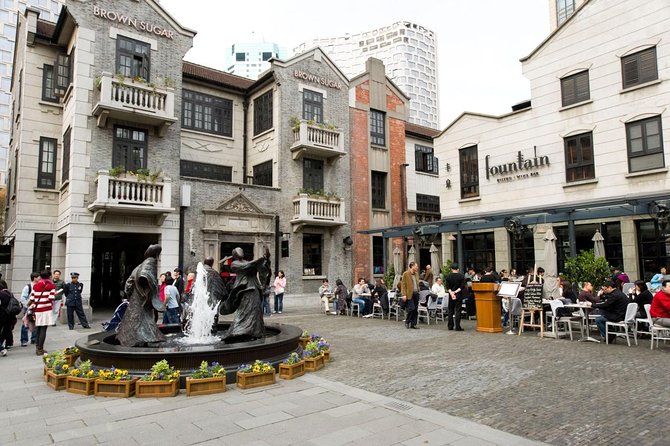
- A calm route through central Shanghai: The walk connects Huaihai Road, Xintiandi, and the Former French Concession area.
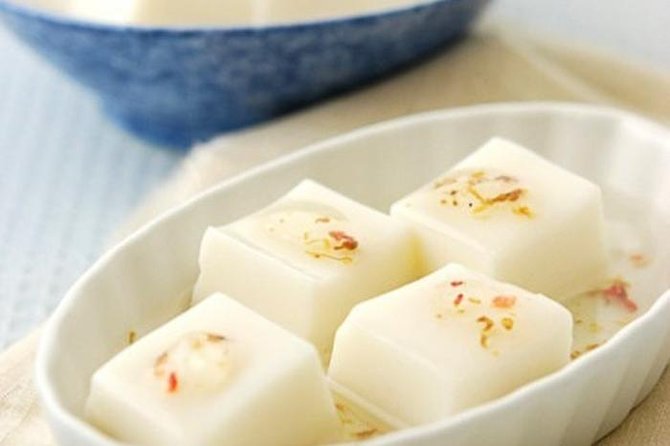
- Cantonese desserts finish the afternoon: Expect milk pudding with purple sticky rice, jellied mousse cake, papaya, mango purée, and almond tofu.
- Small groups help the guide teach: The format allows questions and discussion, with guides such as Jim praised for making the cultural side clear and lively.
- A useful rainy-day option: The tour operates in all weather, but comfortable shoes and suitable clothing are essential.
Why this Shanghai food walk works
This is not a full meal and it is not a standard sightseeing walk. Think of it as a compact introduction to Chinese tea culture with sweets arranged around it. The food gives you something concrete to taste, while the guide explains why those foods matter.
The route begins at 2:00 p.m. in central Shanghai, at 333 Huai Hai Zhong Lu in Huangpu District. That timing is useful if you have already spent the morning sightseeing and want a slower afternoon. You finish in the French Concession area of Xuhui District, so the tour doubles as a pleasant way to move between well-known parts of the city.
I especially like the balance between commercial Shanghai and older food customs. Huaihai Road is a major shopping and dining street, while mooncakes and tea connect you to traditions that reach well beyond the modern storefronts.
The tour is conducted in a small group, with a maximum of 10 people per booking and a stated activity maximum of 15. That is still far more manageable than a large coach outing. It also means you can ask about unfamiliar flavors, tea etiquette, or the history of a particular ingredient without shouting across a room.
Other days out in Shanghai that get booked alongside this one:
- Authentic Local Food Tour in Central Shanghai
★ 5.0 · 1,382 reviews - Zhujiajiao Water Town and Shanghai City Private Day Tour
★ 5.0 · 1,016 reviews - Private Shanghai Full Day City Tour with Old and New Highlights
★ 5.0 · 995 reviews
Mooncakes on Huaihai Road
The first food stop takes place at two local pastry shops. You sample Chinese mooncakes and learn how they are normally served with tea. This is a smart opening because mooncakes are dense, rich pastries, and tea helps explain how people traditionally balance their sweetness.
Mooncakes have a round shape that symbolizes family reunion. They are especially associated with the Mid-Autumn Festival, when families gather and share them. Their fillings can be sweet or savory, so tasting more than one variety gives you a better sense of how broad the category is.
Do not expect every mooncake to suit your taste. The pastry can be heavy, and fillings vary widely in sweetness and texture. That is part of the point. The two-shop format lets you compare styles rather than treating one pastry as the final word on Chinese baking.
I would pay attention to how the guide explains the role of the cakes, not just which flavor you prefer. A familiar-looking pastry can carry a lot of social meaning, and this stop makes that clear without turning the afternoon into a formal lecture.
The location also adds value. Huaihai Road is a major commercial street, so you get a look at one of Shanghai’s central shopping areas while moving between tastings. The walk is part of the experience, but you should wear shoes that handle several stops on foot.
Tea ceremony in Xintiandi
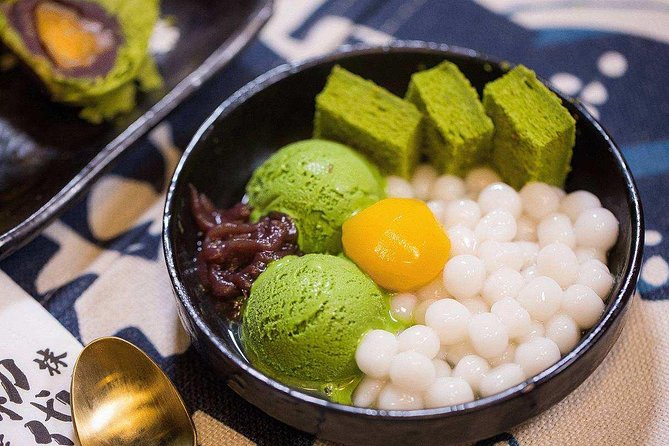
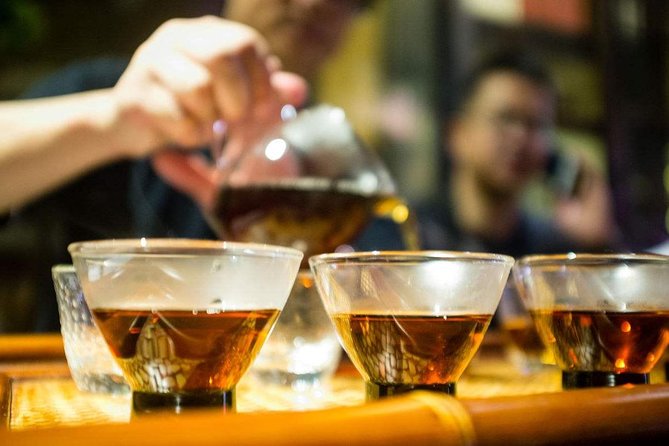
After the pastry shops, you sit in a tea house near the dessert shops for about an hour. This is the heart of the experience. You taste several teas and watch the preparation rather than simply receiving a mug of hot water.
The selection includes pu-erh, ginseng oolong, jasmine tea, and black and green teas from Fujian. Each brings a different flavor and style. Pu-erh is often earthy, oolong can be fragrant and layered, jasmine is floral, and black tea offers a fuller profile. The tour gives you a chance to compare them side by side.
The ceremony also covers practical details that are easy to miss when you order tea casually. You learn why different cup sizes are used, how water temperature changes from one tea to another, and how tea is rinsed and refilled. One particularly useful detail from the experience is the chance to notice flavors developing through repeated rinses.
That makes this more than a tasting flight. You learn how preparation affects what reaches your cup. A tea that seems mild at first may change after another infusion, while water that is too hot can flatten more delicate leaves.
The guide also places tea in a wider historical setting, including its rise in popularity in the West during the 1800s. I like that the focus remains practical. You are not expected to memorize dynasties or tea-producing regions. You are given enough context to understand why tea etiquette and preparation still matter.
Guide quality is important here. Jim is specifically praised for his enthusiasm and clear explanations, and another account describes a tea master preparing several kinds while showing how the flavors develop. Individual guides can vary, but this tour depends on a good teacher, so that personal touch matters more than it would on a simple food crawl.
If you are new to Chinese tea, this should be the most rewarding section. If you already know tea well, you may find the information familiar, though the tasting and ceremony can still offer a pleasant refresher.
Cantonese sweets in the Former French Concession
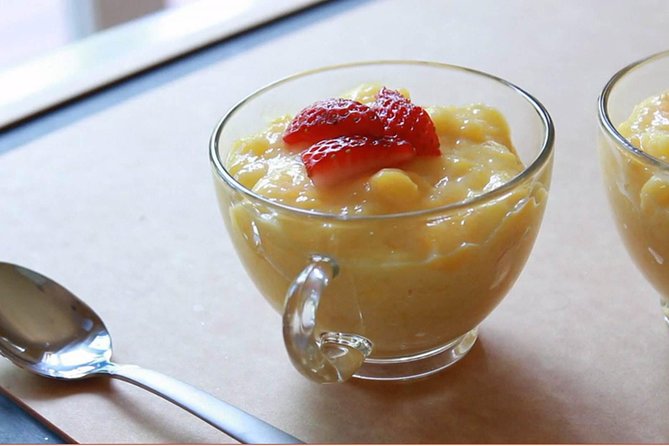
The final stop is a Cantonese dessert restaurant in the Former French Concession area. You spend about 45 minutes trying several cold sweets, which gives the afternoon a lighter finish after the mooncakes and hot tea.
The listed desserts include milk pudding with purple sticky rice, jellied mousse cake, papaya, mango purée, and almond tofu. The variety is useful because Cantonese desserts often rely on soft textures, fruit, chilled ingredients, and gentle sweetness rather than the heavy frosting common in Western cakes.
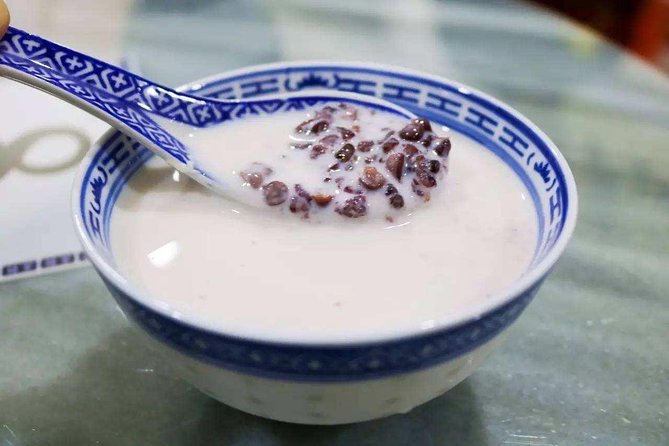
Milk pudding with purple sticky rice gives you a contrast between smooth dairy texture and chewy grain. Mango purée brings a bright fruit flavor, while almond tofu is soft and delicate. Papaya adds another fresh note, and the mousse cake provides a different texture again.
The word dessert can mislead some people. These are not necessarily large slices of cake or oversized restaurant portions. You are tasting several traditional sweets, so the value comes from comparison and variety. If you prefer substantial meals, you should eat beforehand or plan dinner afterward.
This stop also shows how Cantonese food differs from the mooncakes you tried earlier. The first part leans toward pastry and festival customs. The last part turns to chilled sweets and softer textures. Together, they make the food portion feel more complete than a tour devoted to one kind of pastry.
The tour ends in the area after dessert, with no hotel drop-off. That is convenient if you plan to continue exploring the Former French Concession, but you need to arrange your own transport back to your hotel.
A few more tours worth putting side by side
- Shanghai: Hop-on Hop-off Bus Ticket and Optional Attractions
★ 3.4 · 692 reviews - Shanghai Private Tour: Zhujiajiao Water Town and Boat Ride
★ 5.0 · 661 reviews - Eat Like A Local: Shanghai Night Food Tour
★ 5.0 · 616 reviews - Huangpu Night Cruise: Cozy Vibe & Modern Shanghai Glow
★ 4.3 · 520 reviews
What the $82 price really buys
At $82 per person, this is not the cheapest way to sample Shanghai sweets. You are paying for more than the food itself. The price includes a local guide, the food tastings, desserts, and the afternoon tea ceremony, but not hotel pickup or drop-off.
The strongest value comes from the guided instruction. You could buy mooncakes and desserts independently for less money, and you could order tea without joining a tour. What would be harder to reproduce alone is the organized progression, the explanation of etiquette, the range of teas, and the chance to observe a tea master prepare them.
The price makes more sense for a first visit to Shanghai, especially if you want an easy cultural activity rather than a long list of famous sights. It is also useful for people who feel unsure about ordering unfamiliar Chinese sweets on their own.
For a dedicated food enthusiast, the comparison across two pastry shops and a Cantonese dessert restaurant helps justify the cost. For someone mainly seeking a filling afternoon meal, the value is weaker. Portions are described as tastings, and the experience finishes with sweets rather than savory dishes.
The excellent rating and strong recommendation record suggest that the format has worked well for past bookings, particularly when the guide is as engaged as Jim. Still, no food tour is entirely guide-proof. Much depends on your interest in asking questions and trying flavors outside your usual comfort zone.
Timing, meeting point, and walking needs
You meet at 2:00 p.m. at 333 Huai Hai Zhong Lu, Huangpu District, Shanghai 200021. Check the exact map point before leaving, since central Shanghai streets can be busy and similarly named locations can cause confusion.
The route lasts about three hours and finishes in the French Concession in Xuhui District, postal code 200031. Since the start and end points differ, this is useful as part of a larger day plan. You can arrange an evening activity near the finishing area rather than returning to the starting point.
There is no hotel pickup or drop-off. The tour is near public transportation, so you can reach the meeting point independently and continue from the ending area on your own.
The walk operates in all weather conditions. Rain will not automatically cancel the experience, so bring suitable clothing and wear comfortable walking shoes. The food stops provide indoor breaks, but you should still expect to walk between locations.
Children must be accompanied by an adult. Children under three can join free of charge. Most people can participate, and service animals are allowed. If you have dietary requirements, tell the operator when booking, since the experience includes several pastries, dairy-based sweets, fruit preparations, and tea.
Who should book this experience
I would recommend this tour to you if you want a low-pressure introduction to Shanghai food customs. It suits first-time visitors, couples, small groups, and anyone who enjoys learning the story behind a snack instead of simply checking it off a list.
It is a good choice for tea drinkers. The ceremony covers several tea types, brewing temperatures, cup sizes, rinsing, and repeated infusions. Even if you are not a tea expert, you will leave with a better idea of why Chinese tea service involves more care than filling a large cup.
It also suits people who enjoy desserts with unusual textures. Milk pudding, purple sticky rice, almond tofu, jellied cake, and fruit purée are different from the standard bakery selection many visitors know. You should be willing to try soft, chilled, chewy, and lightly flavored sweets.
Families can join, provided children have adult supervision. The three-hour length is manageable, though very young children may not care much about tea etiquette. Guests with food restrictions should provide details before the tour rather than hoping the guide can adjust everything at the last minute.
I would be less likely to recommend it if your main goal is famous architecture, extensive sightseeing, or a full savory food tour. You see parts of Huaihai Road, Xintiandi, and the Former French Concession, but the focus stays on tea and desserts.
A few practical expectations
The tour is described as a small-group experience, but the published limits differ slightly. A booking can include up to 10 people, while the activity itself may have a maximum of 15. If group size is crucial to you, confirm the current arrangement before paying.
Confirmation is provided at booking. Free cancellation is available if you cancel at least 24 hours before the 2:00 p.m. start time. Cancellations or changes made inside that window are not accepted for a refund.
The experience runs in all weather, so do not treat rain as an automatic reason to stay away. A light jacket, weather-appropriate clothing, and good walking shoes will make the afternoon easier.
Most of the value comes from the guide. The best moments are likely to be the explanations of tea preparation and the chance to ask about flavors as you taste them. If you approach the tour as a moving classroom with good snacks, rather than as a cheap way to get dessert, the price is easier to understand.
Should you book the Huaihai Road tea and dessert tour?
Book it if you want a relaxed three-hour introduction to Chinese tea customs and traditional sweets, with enough walking to connect the food to central Shanghai. The two mooncake shops, tea ceremony, and Cantonese dessert stop create a well-shaped afternoon, and the small-group format gives the guide room to explain what you are tasting.
At $82, it is best for you if cultural context matters as much as quantity. You will not get a full meal, hotel transfers, or a long sightseeing program. You will get guided comparisons, a proper tea presentation, several unusual desserts, and a convenient route through Huaihai Road, Xintiandi, and the Former French Concession.
If that sounds like your kind of afternoon, this is a strong pick. If you want a budget snack crawl or a savory dinner, spend your money elsewhere.
FAQ
How long does the tour last?
The tour lasts approximately three hours, beginning at 2:00 p.m.
Where does the tour start?
It starts at 333 Huai Hai Zhong Lu, Huangpu District, Shanghai, China 200021.
Where does the tour end?
The tour ends in the French Concession area of Xuhui District, Shanghai, China 200031.
What food is included?
The experience includes mooncake tastings at two pastry shops, afternoon tea and a tea ceremony, plus Cantonese desserts such as milk pudding with purple sticky rice, jellied mousse cake, papaya, mango purée, and almond tofu.
Which teas can I taste?
The tea tasting can include pu-erh, ginseng oolong, jasmine tea, and black and green teas from Fujian.
Is hotel transportation included?
No. Hotel pickup and drop-off are not included.
How large is the group?
A maximum of 10 people is stated per booking. The overall activity may have a maximum of 15 people.
Can children join?
Yes. Children must be accompanied by an adult, and children under three years old can join free of charge.
What happens if I need to cancel?
You can receive a full refund if you cancel at least 24 hours before the local start time. Cancellations or changes made less than 24 hours before the start are not accepted for a refund.
Newest reviews from Shanghai
- Private Qibao Ancient Town Walking Tour with Tea Tasting and Calligraphy Experience★ 5.0 · 4 reviews
- Shanghai Pudong and Shanghai Hongqiao Airport to Hotels Transfer★ 5.0 · 4 reviews
- Flexible Airport Layover Tour of Shanghai City Highlights with Spa Option★ 5.0 · 4 reviews
- Discover Local Life and Street Food Shanghai Bike Adventure★ 5.0 · 4 reviews
- Quick Tour to Xi’an Terracotta Warriors from Shanghai by Air in One Day★ 5.0 · 4 reviews
- Shanghai Zhujiajiao water town,Yugarden&Bund one day tour★ 5.0 · 4 reviews
- Wuzhen Private Full-Day Tour from Shanghai★ 5.0 · 4 reviews
- Private Round Trip Transfer to Zhouzhuang Water Village from Shanghai★ 5.0 · 4 reviews
Shanghai Tours, compared.
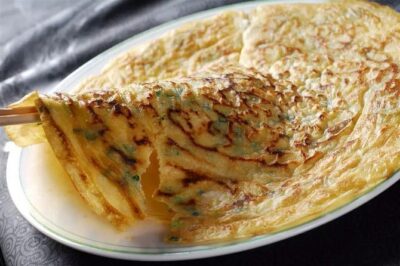
Authentic Local Food Tour in Central Shanghai
Read our review →
Zhujiajiao Water Town and Shanghai City Private Day Tour
Read our review →
Private Shanghai Full Day City Tour with Old and New Highlights
Read our review →
Hop-on Hop-off Bus Ticket and Optional Attractions
Read our review →
Shanghai Private Tour: Zhujiajiao Water Town and Boat Ride
Read our review →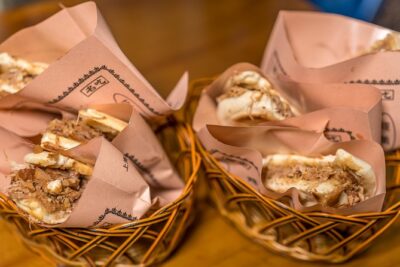

Huangpu Night Cruise: Cozy Vibe & Modern Shanghai Glow
Read our review →