Reviewed · BEIJING TOURS
Beijing: Imperial Cuisine Experience & Cultural Performance
Royal dinner, modern logistics. The Yuxiandu Imperial Cuisine Museum pairs a museum devoted to five millennia of imperial cuisine with a palace-style meal and cultural performance in Beijing’s Haidian District. I like the way dinner is tied to historical objects and royal recipes, and I like that the show adds music, dance, costumes, and color rather than leaving you with a meal alone. The main drawback is the price: at $137 per person, it is a costly evening if your main goal is simply to eat Chinese food.
The experience lasts about three to four hours and takes place near Sijiqing Bridge. Arrive before the meal check-in time, since lunch admission begins at 11:38 AM for a 12:10 PM performance, while dinner check-in is at 6:28 PM and the show begins at 6:50 PM. The performance earns the strongest praise, but some diners feel the ticket costs more when purchased through a booking platform than it might directly.
In This Review
- Key points at a glance
- What the Yuxiandu Imperial Cuisine Museum offers
- Entering a royal dining setting near Sijiqing Bridge
- The museum displays turn dinner into a history lesson
- What arrives on the imperial menu
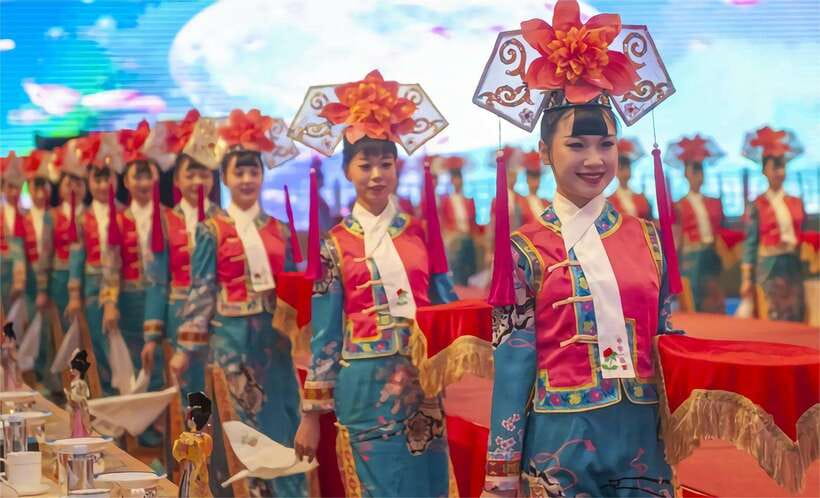
- The cultural performance is the evening’s main draw
- Is $137 a fair price?
- Timing, tickets, and arrival advice
- Who will enjoy this experience most?
- Should you book the Imperial Cuisine Experience?
- FAQ
- Where is the Imperial Cuisine Experience held?
- How long does the experience last?
- How much does it cost?
- Is a meal included?
- Is the cultural performance included?
- What time is lunch ticket checking?
- What time is dinner ticket checking?
- Is traditional clothing included?
- Is makeup transformation included?
- Is the experience wheelchair accessible?
- Are children under two allowed?
- Is the QR code from GetYourGuide the actual ticket?
- Can I cancel for a full refund?
- Can I reserve now and pay later?
Key points at a glance
- A museum and restaurant in one: More than 1,000 historical objects connect the meal with royal dining customs.
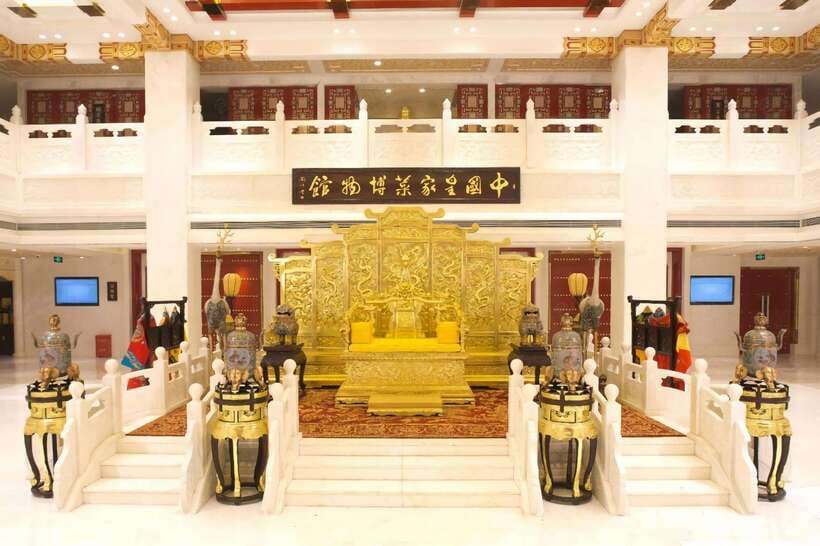
- A palace-style setting: The dining room is designed to suggest an ancient court, making the evening feel like a staged journey into imperial China.
- A broad tasting menu: You receive dishes such as sea cucumber with fish maw, jujube-wood roast duck, roasted lamb, longevity noodles, and traditional desserts.
- A colorful cultural show: Traditional dress, music, dance, and historical presentation are included with the meal.
- Strict timing matters: Lunch check-in is at 11:38 AM, and dinner check-in is at 6:28 PM.
- Best for food and culture fans: The experience suits people who want a polished evening program, not a casual neighborhood meal.
What the Yuxiandu Imperial Cuisine Museum offers
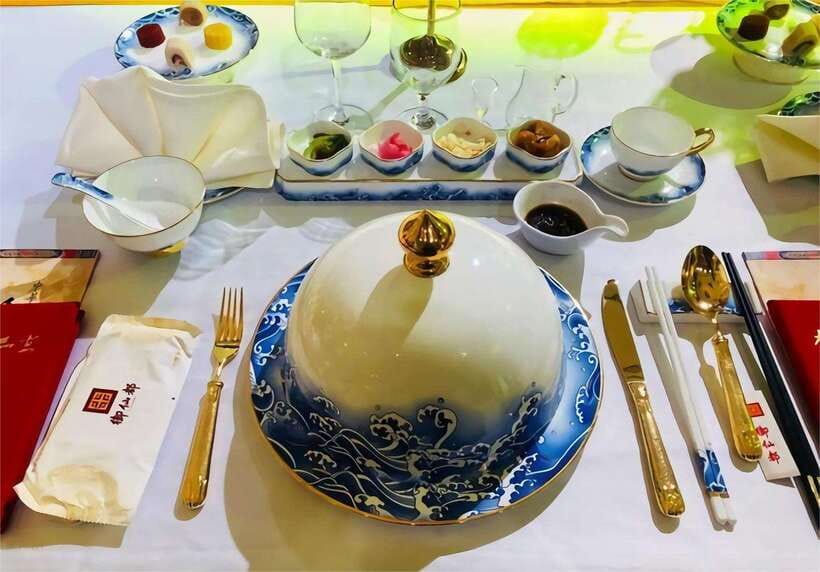
The Yuxiandu Imperial Cuisine Museum is in Beijing’s Haidian District, close to Sijiqing Bridge. It is not just a restaurant with decorative palace furniture. The institution is designed to explain how food functioned inside China’s imperial court, from ancient periods through the Qing Dynasty.
The museum presents the development of royal dishes across roughly five thousand years. That long time span matters because Chinese imperial food was never one fixed menu. Ingredients, cooking methods, court customs, and ideas about status changed over time.
You will also see more than 1,000 historical objects, including dining utensils and documents. These items give the meal a useful setting. Instead of treating the dinner as a simple banquet with costumes added afterward, the experience links food to court life, ceremony, rank, and the people who prepared meals for emperors.
The exhibits also introduce famous royal dishes and chefs from different periods. That part should appeal to you if you enjoy the story behind food. A dish can tell you about available ingredients, technical skill, social rank, and the kind of message a ruler wanted to send through a feast.
The museum has national AAA-level tourist attraction status. That designation signals an organized attraction with established visitor facilities, though it does not mean the experience will suit every budget or taste.
A few more tours worth putting side by side
- From Beijing: Mutianyu Great Wall Tours with Options
★ 4.9 · 9,216 reviews - Beijing: Forbidden City Tour(Group/Private)-Tickets Included
★ 4.8 · 7,974 reviews - Beijing: T-Square & Forbidden City Group or Private Tour
★ 4.8 · 4,446 reviews
Entering a royal dining setting near Sijiqing Bridge
The restaurant is arranged to resemble an ancient palace. You are not eating in an ordinary Beijing dining room, and that changes the mood from the start. The setting is meant to make you feel like part of an imperial household, at least for one carefully timed meal.
I like this approach because the room, food, and performance support the same theme. The setting would have less value on its own, but it becomes more effective when paired with the museum displays and court-related menu.
Keep your expectations in check. This is a produced cultural attraction, not a preserved imperial dining hall. You are receiving a polished interpretation of palace life rather than stepping into an untouched court setting. For many people, that is exactly the point. You get history, food, and entertainment in one sitting, with little need to plan separate stops.
The experience is also practical for an evening in Beijing. You can spend three to four hours at one venue instead of arranging a museum visit, dinner reservation, and performance on separate parts of the city.
The museum displays turn dinner into a history lesson
Before or around the meal, the museum gives you a chance to examine the objects connected with imperial cuisine. The collection includes elegant serving pieces, utensils, and written records. These details help explain how food was presented and why dining in the court involved far more than filling a plate.
A royal meal had ceremony. The equipment mattered. The ingredients mattered. The identity of the chef mattered. The museum’s focus on these elements gives you a better sense of food as a cultural system rather than a collection of famous recipes.
I would pay particular attention to the references to chefs and well-known court dishes. They add human detail to a subject that can otherwise feel distant. You begin to see that imperial cuisine was shaped by cooks, officials, suppliers, and changing court tastes, not only by emperors.
The five-millennium timeline is ambitious. You will not receive a full academic study of every period during one visit, but you will get a broad frame for understanding how royal dishes developed. If you want a quiet museum experience with lengthy time at every object, the dinner-and-show format may feel too busy. If you want an accessible introduction before eating, the arrangement works well.
What arrives on the imperial menu
The meal includes a long sequence of snacks, appetizers, main dishes, noodles, and sweet items. The menu is fixed in the supplied information, so you should expect a set feast rather than choosing from a standard restaurant menu.
The listed dishes include:
- Snacks
- An appetizer and appetizer platter
- Braised sea cucumber with fish maw in a casserole
- Marinated tofu and bamboo shoots
- Jujube-wood roast duck
- Chinese cabbage in soup
- Roasted lamb
- Longevity noodles with poached eggs
- Fried dough sticks, known as youtiao, with milk
- Yogurt filled with honey
The menu moves between dishes associated with luxury, comfort, symbolism, and familiar Chinese breakfast or dessert foods. Sea cucumber and fish maw signal the expensive side of banquet cooking, while tofu, bamboo shoots, cabbage, noodles, youtiao, milk, and yogurt give the meal more range.
The longevity noodles are a fitting part of a celebratory feast. In Chinese food culture, long noodles are linked with long life, making them more than a filler course. The poached egg adds another simple, recognizable element to the presentation.
The jujube-wood roast duck should interest you if you want a Beijing classic presented within a royal theme. The menu does not provide preparation details beyond the wood used, so I would not assume it is identical to every famous Peking duck service in the city. Still, its place in the banquet gives you a chance to compare a familiar dish with less familiar court-style items.
The braised sea cucumber with fish maw may be the most distinctly banquet-oriented course. These ingredients are prized in Chinese cuisine for their texture and status. If you are comfortable trying dishes that may be new to you, this is one of the courses that makes the dinner feel different from an ordinary Chinese meal.
The closing items are more relaxed. Fried dough sticks with milk and honey-filled yogurt provide a sweet finish, with flavors and textures that may feel more familiar than the seafood course. The full menu is clearly designed to offer variety, though the experience may not suit someone who wants a small meal or a single specialty dish.
No dietary information is provided in the available details. If you have allergies, religious dietary rules, or strong food restrictions, you should confirm what can be changed before booking.
A completely different kind of day out on the same trip:
- All-Inclusive Tour: Tiananmen Square, Forbidden City, Great Wall
★ 5.0 · 2,873 reviews - MuBus: Mutianyu Great Wall ENG/ESP/RUS Guided Bus Tour
★ 5.0 · 2,361 reviews - 4-Hour Small Group Tour to Forbidden City with Entry Tickets
★ 5.0 · 1,863 reviews - Beijing: Tiananmen Square Registration Service(Ticket)
★ 4.5 · 1,704 reviews
The cultural performance is the evening’s main draw
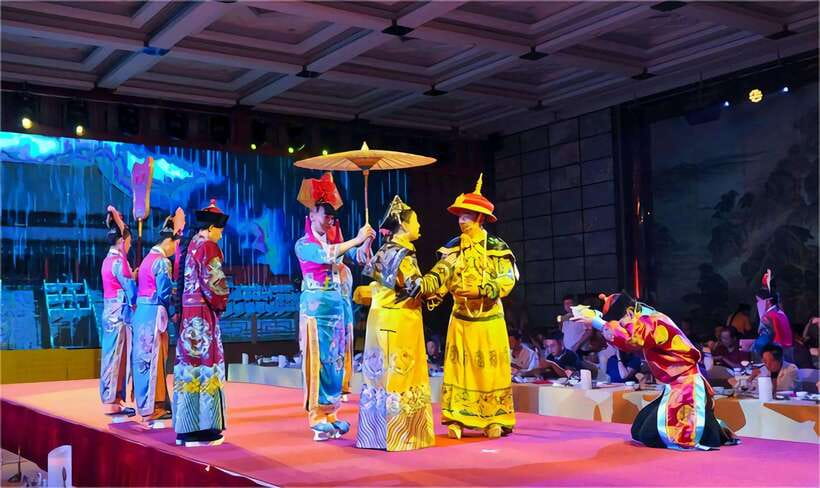
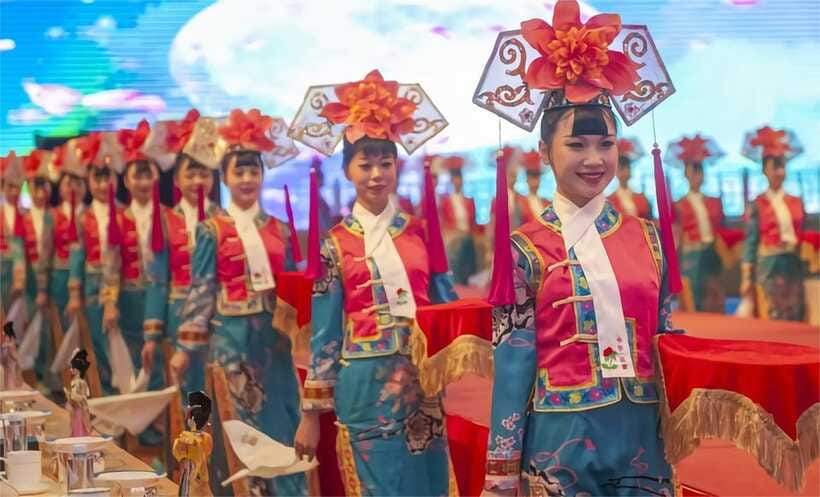
The performance begins at 12:10 PM after lunch check-in at 11:38 AM, or at 6:50 PM after dinner check-in at 6:28 PM. The exact sequence of the show is not specified, but the available description and direct feedback identify traditional costumes, music, dance, colors, and historical presentation as central features.
This is not background entertainment while you eat. The performance is one of the two included parts of the experience, alongside the meal. You should plan to be seated and ready before it begins.
The show appears to be the strongest reason to choose this experience. It gives the museum’s subject a theatrical form. Costumes make historical periods easier to picture, music changes the pace of the evening, and dance turns court culture into something you can watch rather than only read about.
I also like that the performance seems to present history through more than spoken explanation. That can work well when you are visiting Beijing for a short stay and want cultural context without committing to a long lecture or specialist tour.
The tradeoff is that a staged show will simplify history. You are seeing a polished interpretation, not a complete account of imperial life. Think of it as an introduction with strong visual appeal. If your priority is authentic local food in a quiet setting, the performance may feel too formal. If you want a memorable night program, it adds real value.
Is $137 a fair price?
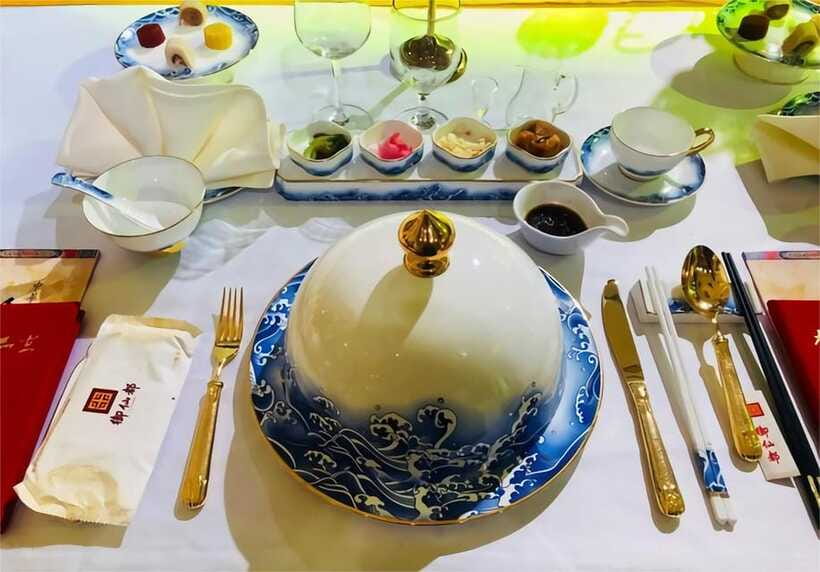
At $137 per person, this is not a bargain meal. You are paying for a package that includes the museum setting, the fixed banquet, and the performance. The price makes more sense if you value all three parts and would otherwise pay separately for dinner and a cultural show.
The cost is harder to justify if you mainly want to sample Beijing dishes. Beijing has many less expensive ways to eat roast duck, noodles, tofu, lamb, and other local specialties. The museum experience is about presentation and context as much as flavor.
One direct assessment rated the experience three out of five because the performance was the favorite part, while the ticket seemed expensive through the booking platform. That is useful advice. Before paying, compare the total price with any direct purchase option offered by the venue. The booking platform may give you useful cancellation terms and payment flexibility, but convenience can come at a higher cost.
Other feedback was strongly positive. The overall rating is 4.7 from six reviews, and several five-star responses praise the atmosphere, the variety of Chinese dishes, and the show. One Polish-language response particularly appreciated the historical presentation, traditional costumes, music, dance, colors, and food tasting. A French response also judged the atmosphere and range of dishes worth the high price.
My advice is simple: book it as a full cultural evening, not as a restaurant deal. At that price, you need to care about the setting and performance for the experience to feel worthwhile.
Timing, tickets, and arrival advice
The schedule is precise, and you should treat the check-in times as real deadlines. For lunch, ticket checking begins at 11:38 AM and the performance starts at 12:10 PM. For dinner, check-in begins at 6:28 PM and the show starts at 6:50 PM.
Arriving a few minutes early gives you time to handle queues and find your seat. Do not aim to arrive at the performance start. The meal and show are linked, so arriving late could affect your place in the program.
Pay close attention to the ticket instructions after booking. The QR code generated by GetYourGuide is not the actual ticket. The real ticket is sent by email, so check your inbox and any filtered mail folder before setting out.
The experience lasts three to four hours. That is long enough to fill a major part of your day, so do not schedule a distant attraction immediately afterward. The Haidian District location also means you should allow enough time to reach the venue from your previous stop in Beijing.
The activity is wheelchair accessible. Children under two are not suitable for the experience. Traditional costumes and makeup transformation are not included, so you should not expect a costume photo package as part of the standard booking.
Free cancellation is available up to 24 hours in advance for a full refund, and you can reserve now and pay later. Those terms are helpful if your Beijing schedule is still shifting.
Who will enjoy this experience most?
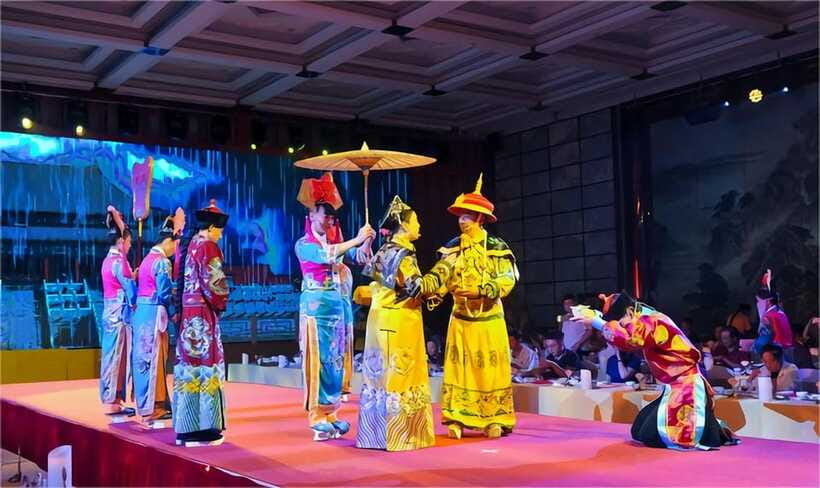
I would recommend the dinner to you if you want an easy way to combine food, history, and a stage show. It is especially suitable for first-time visitors who want a broad introduction to Chinese court culture without arranging several separate activities.
Families with older children may also find the mix of food and performance more engaging than a conventional museum. Children under two are excluded, and the fixed meal format may not suit very young children or picky eaters.
Food lovers should book only if they are interested in banquet tradition and presentation. This is not primarily a class, a market walk, or a chance to choose street food from a menu. You receive a set meal built around the idea of imperial dining.
The experience may be less suitable for you if you want a low-cost evening, a small meal, or a highly personal food tour. The performance and palace design are central, so anyone who dislikes staged cultural entertainment may feel the price is too high.
Should you book the Imperial Cuisine Experience?
Book it if you want a polished Beijing evening with a historical theme, a broad set menu, and a colorful performance. The strongest features are the court-related museum collection, the palace-style dining room, and the show with traditional costume, music, and dance.
Think carefully before booking if $137 is a stretch or if food alone is your priority. Compare prices before paying, arrive ahead of the exact check-in time, and remember that the emailed ticket is the real one. For the right audience, this is a memorable cultural night. For a budget-conscious diner, it is better treated as an optional splurge than a must-do meal.
FAQ
Where is the Imperial Cuisine Experience held?
It is held at the Yuxiandu Imperial Cuisine Museum in Beijing’s Haidian District, near Sijiqing Bridge.
How long does the experience last?
The activity lasts approximately three to four hours.
How much does it cost?
The listed price is $137 per person.
Is a meal included?
Yes. The meal is included in the experience.
Is the cultural performance included?
Yes. The performance is included along with the meal.
What time is lunch ticket checking?
Lunch ticket checking begins at 11:38 AM, and the performance starts at 12:10 PM.
What time is dinner ticket checking?
Dinner ticket checking begins at 6:28 PM, and the performance starts at 6:50 PM.
Is traditional clothing included?
No. Traditional costume is not included.
Is makeup transformation included?
No. Makeup transformation is not included.
Is the experience wheelchair accessible?
Yes. The activity is wheelchair accessible.
Are children under two allowed?
No. The experience is not suitable for children under two.
Is the QR code from GetYourGuide the actual ticket?
No. The QR code generated after booking is not the actual ticket. The real ticket is sent by email, so you should check your inbox for it.
Can I cancel for a full refund?
Yes. You can cancel up to 24 hours in advance for a full refund.
Can I reserve now and pay later?
Yes. Reserve now and pay later is available for this experience.
Newest reviews from Beijing
- Jinshanling Great Wall to Simatai West Sunset Hiking Private Tour★ 5.0 · 4 reviews
- Private Tour: Mutianyu/Badaling Great Wall and Temple of Heaven★ 5.0 · 4 reviews
- Beijing: Forbidden City Guided Tour with Options★ 4.3 · 4 reviews
- Beijing: Acrobatic Show Tickets Traditional & Modern Fusion★ 5.0 · 4 reviews
- Beijing: Private Biking Tour Along Central Axis of Beijing★ 4.8 · 4 reviews
- Best Beijing Day Tour To Forbidden City and Great Wall★ 5.0 · 4 reviews
- BusDa- Private Tour: Mutianyu Great Wall &Ming Tombs(Chang Ling)★ 5.0 · 4 reviews
- Beijing: Explore the Forbidden City in Hanfu★ 5.0 · 4 reviews
Beijing Tours, compared.

Forbidden City Tour(Group/Private)-Tickets Included
Read our review →
T-Square & Forbidden City Group or Private Tour
Read our review →
All-Inclusive Tour: Tiananmen Square, Forbidden City, Great Wall
Read our review →
MuBus: Mutianyu Great Wall ENG/ESP/RUS Guided Bus Tour
Read our review →
4-Hour Small Group Tour to Forbidden City with Entry Tickets
Read our review →