Reviewed · TICKETS
Beijing: Zhongshan Park Entrance Ticket
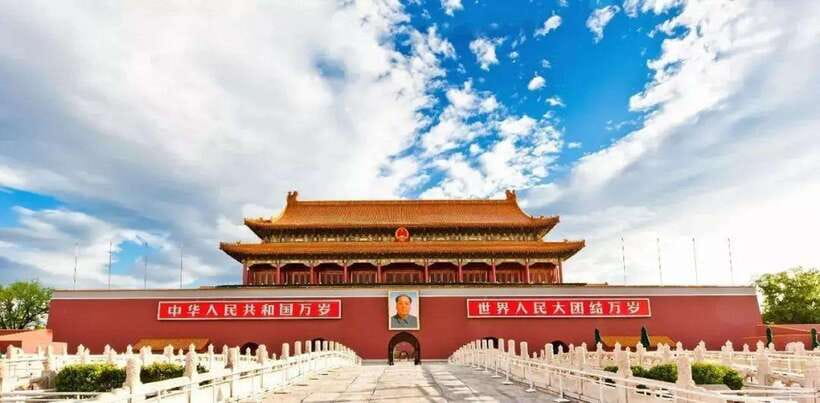
A quiet imperial corner sits beside Tian’anmen. Zhongshan Park gives you a simple way to visit one of central Beijing’s most important ceremonial sites, with an electronic ticket valid for one day. I like the park’s compact size and its unusual focus on royal rituals, farming, and national power rather than grand palace rooms.
I also like that you can skip the ticket line and receive your entry QR code before arrival. The main drawback is that this is only an admission ticket. There is no guide, transport, meal, or hotel pickup, and one recent German visitor needed 30 minutes to sort out a voucher problem at the entrance.
In This Review
- Key points to know before you book
- A ceremonial park beside Tian’anmen Square
- Entering with an electronic QR ticket
- The Five-color Soil Altar and imperial ceremony
- Sacrificial Kitchen, Storehouse, and Animal Sacrifice Pavilion
- Yu Garden and its goldfish
- Laijin Yuxuan, a century-old teahouse
- How long to allow and how to plan the day
- What the $12 price really buys you
- A practical choice for independent visitors
- Should you book Zhongshan Park?
- FAQ
- How much does the Zhongshan Park entrance ticket cost?
- How long is the ticket valid?
- How far in advance must I book?
- What information do I need to provide after booking?
- How will I receive the electronic ticket?
- Is a guide included?
- Is hotel pickup and drop-off included?
- Can I cancel for a full refund?
- Is the park wheelchair accessible?
Key points to know before you book

- The Five-color Soil Altar is the park’s central sight: This ancient altar symbolized the emperor’s duty to the land and the nation’s harvests.
- The park sits west of Tian’anmen Square: It is easy to pair with a day focused on Beijing’s imperial center.
- You must book at least one day ahead: Your full name, passport number, and contact details are needed for the electronic ticket.
- The QR code arrives by email or WhatsApp: Images cannot be received through ordinary booking messages, so provide a valid address.
- This is a self-guided visit: You explore at your own pace, but you must handle navigation and interpretation yourself.
- Wheelchair access is available: That makes the ticket useful for visitors who need step-free access, though no further access details are provided.
A ceremonial park beside Tian’anmen Square
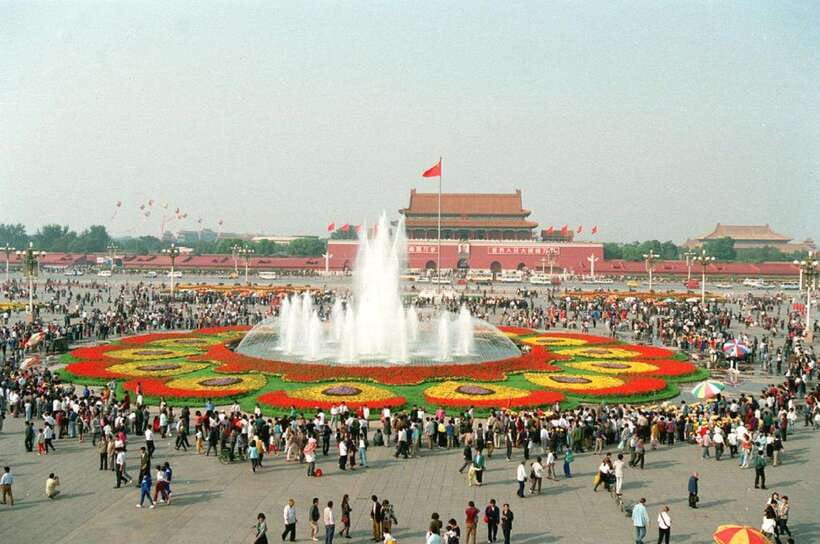
Zhongshan Park covers 23.8 hectares in the center of Beijing. Its position is the first reason to consider it. You are not heading across the city for a distant garden. The entrance is at Zhongshan Park Gate, immediately west of Tian’anmen Square.
The setting also helps explain the park’s purpose. This was not originally designed as a leisure garden for the public. In 1421, the Ming government built the Shejitan, or Altar of Land and Grain, following the traditional arrangement of a left ancestral temple and a right altar beside the imperial center.
That arrangement placed the emperor between the spiritual authority of the ancestors and the practical needs of the nation. At Zhongshan Park, the focus was land, agriculture, and the harvest. The site connected imperial rule with the health of the soil and the food supply.
That makes the visit different from a standard Beijing park stop. You are not simply looking at old trees and handsome buildings. The grounds explain how imperial government understood its responsibility, at least in ceremonial terms.
A few more tours worth putting side by side
- From Beijing: Mutianyu Great Wall Tours with Options
★ 4.9 · 9,216 reviews - Beijing: Forbidden City Tour(Group/Private)-Tickets Included
★ 4.8 · 7,974 reviews - Beijing: T-Square & Forbidden City Group or Private Tour
★ 4.8 · 4,446 reviews
Entering with an electronic QR ticket
You need to book this ticket at least one day before your planned visit. After booking, send every visitor’s full name, passport number, and contact information.
The provider sends an electronic ticket QR code. Since ticket images cannot be delivered through ordinary messages, you should give a working email address or WhatsApp contact that can receive the QR image. Do this carefully for every person in your group.
Bring your passport. It is specifically listed as a required item, and the ticket is tied to personal identification details. A misspelled name or incorrect passport number could create needless trouble at the gate.
The ticket is intended to help you skip the ticket line. Still, I would save the QR code before setting out and keep the passport details close at hand. A recent German visitor reported spending 30 minutes discussing a voucher problem with the entrance control staff. That does not mean every entry will go badly, but it is a good reason to avoid arriving with only a hard-to-open message or an unclear image.
The safest routine is simple:
- Book at least one day in advance.
- Send the requested information promptly.
- Check that the QR code arrives before leaving for the park.
- Keep the code and passport available at the entrance.
- Allow a little extra time in case staff need to verify the ticket.
The ticket is valid for one day. Starting times depend on availability, so check the available date and time before confirming your plans.
The Five-color Soil Altar and imperial ceremony
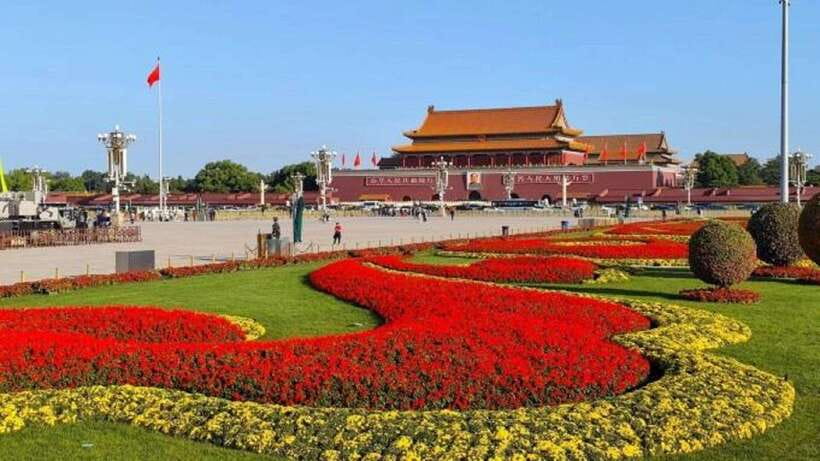
The Five-color Soil Altar is the key reason to visit. It represents the old Shejitan and the ceremony in which emperors of the Ming and Qing dynasties honored the gods of earth and agriculture.
The altar’s colored soil is not a decorative detail added for modern visitors. The five colors represent the traditional regions of the Chinese world and connect the imperial center with the country’s farmland. The symbolism is direct: the emperor’s authority rested partly on the land producing enough food.
You will get more from this sight if you pause to think about its function. This was a place for formal sacrifice, not casual prayer or private reflection. The emperor came here as the state’s chief ritual figure, offering respect to forces that could determine famine, prosperity, and social stability.
As a self-guided stop, the altar may not explain itself fully. There is no guide included to translate the symbolism into a story as you walk. I suggest reading the short historical background before entering, then using the altar as the physical center of your visit.
The site is especially useful for you if Beijing’s imperial history interests you but you want something less familiar than the Forbidden City. The buildings are more restrained, and the experience depends more on understanding what happened there than on grand interiors.
Sacrificial Kitchen, Storehouse, and Animal Sacrifice Pavilion

Zhongshan Park includes several buildings linked to the ceremonies. The Sacrificial Kitchen, Sacrificial Storehouse, and Animal Sacrifice Pavilion show the practical side of imperial ritual.
These structures matter because ceremonies require preparation. Food, offerings, animals, utensils, and staff all had to be organized before the emperor arrived. The supporting buildings reveal the work behind the formal performance.
The Sacrificial Kitchen points to the preparation of offerings. The Sacrificial Storehouse suggests the careful keeping of ritual materials. The Animal Sacrifice Pavilion reflects practices that may feel distant or uncomfortable today, but it belongs to the site’s original religious and political role.
I find these smaller structures valuable because they keep the altar from becoming an isolated monument. Together, the buildings help you picture the full operation: preparation, storage, sacrifice, and the emperor’s public act of honoring the land.
Do not expect a guided sequence with a narrator directing you from one building to the next. Your ticket gives you access, not a set route. Take your time, read any available signs, and connect each building to the central altar.
A few more tours in Beijing worth putting side by side
- 4-Hour Small Group Tour to Forbidden City with Entry Tickets
★ 5.0 · 1,863 reviews - Beijing: Tiananmen Square Registration Service(Ticket)
★ 4.5 · 1,704 reviews - Beijing: The Temple of Heaven or Summer Palace Entry Ticket
★ 4.6 · 1,286 reviews - Beijing Forbidden City Ticket Booking (Optional: guide service)
★ 5.0 · 1,263 reviews
Yu Garden and its goldfish
The park is not only a ceremonial complex. Yu Garden adds a more relaxed garden setting, with precious goldfish as one of its attractions.
This creates a useful change of pace. After the formal altar grounds and ritual buildings, you can spend time in a setting intended for quiet observation. The fish offer an easy stop for families and for anyone who wants a break from historical information.
Yu Garden also shows how the site changed after the imperial period. Zhongshan Park became a public park in 1913, when it was called Central Park. Its later life gave ordinary residents and visitors access to grounds once reserved for imperial ceremony.
The park was renamed Zhongshan Park in 1928 in memory of Sun Yat-Sen. That name adds another layer to the visit. The site moved from imperial altar to public recreation space, then took on a political memorial identity connected with one of modern China’s major revolutionary figures.
You can treat Yu Garden as a scenic pause rather than a separate major attraction. The information provided does not specify a guided program or a particular viewing schedule for the goldfish, so keep your expectations sensible. It is one part of a varied park, not a full aquarium visit.
Laijin Yuxuan, a century-old teahouse
In the eastern part of the park, Laijin Yuxuan provides another historic feature. It is described as a century-old teahouse, making it a natural place to slow down during your visit.
Meals are not included in the ticket. The teahouse’s presence does not mean food or tea is part of the admission package, so plan to pay separately if you choose to use it.
I like the idea of ending the visit here because the teahouse connects the park’s public life with its older buildings. The altar grounds explain state ceremony. Yu Garden offers a garden pause. Laijin Yuxuan brings in the everyday pleasure of sitting with tea.
No menu, prices, or reservation details are provided, so I would not build a tight schedule around a meal there. Treat it as an optional stop inside the park rather than part of the ticket’s promised service.
How long to allow and how to plan the day
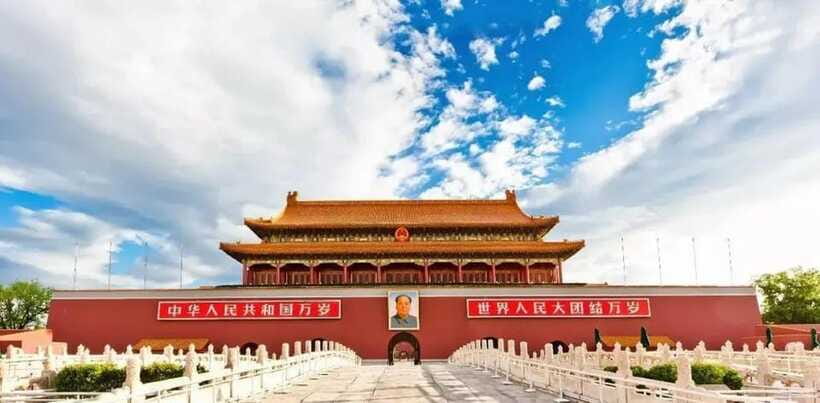
The ticket is valid for one day, but the information does not set a fixed visit length. That flexibility suits an independent visit. You can make Zhongshan Park a short stop near Tian’anmen Square or give it a larger part of your day.
A short visit can focus on the Five-color Soil Altar and the main ceremonial buildings. A slower visit can add Yu Garden, the goldfish, and Laijin Yuxuan.
The park’s 23.8-hectare size is large enough to reward an unhurried walk but compact enough to fit into a wider central Beijing plan. Since no transportation is included, you must arrange your own way to the Zhongshan Park entrance.
The most logical pairing is with nearby Tian’anmen Square because the park sits directly to its west. That arrangement lets you compare two types of public space: the immense political square and the more contained ceremonial garden beside it.
I would avoid treating the park as a full-day guided attraction. The ticket has no tour guide, no scheduled itinerary, and no stated activities beyond admission. Its strength is flexibility, not a packed program.
What the $12 price really buys you
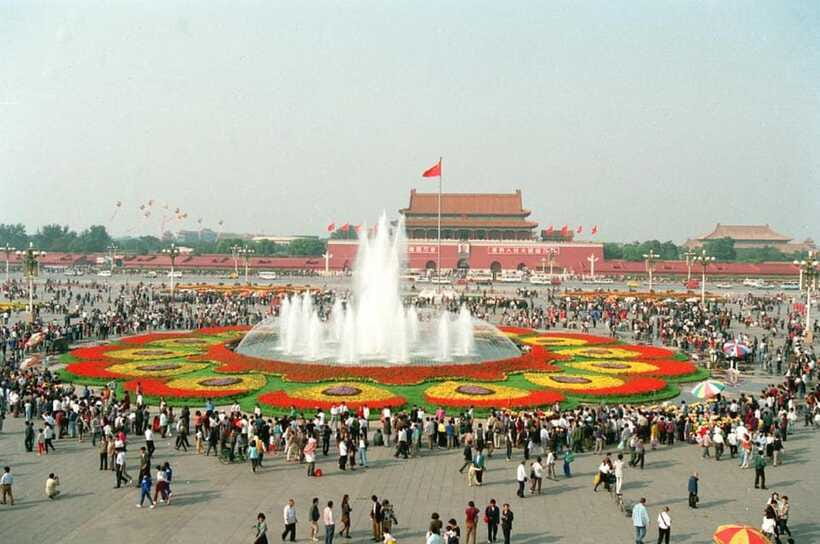
At $12 per person, the ticket is priced as a convenience purchase rather than a complete tour. You are paying for admission and for the service of arranging an electronic entry QR code.
That can be worthwhile if you value skipping the ticket line and prefer to have the entry handled before reaching the gate. It is also useful if you are building your own Beijing itinerary and do not want to arrange a separate guide.
The value is weaker if you expect a narrated history lesson, transportation, or a meal. None of those are included. You still need to reach the park, understand the site on your own, and handle your own food and timing.
The ticket becomes more attractive for a visitor who already plans to see Tian’anmen Square. You are adding a nearby historical stop without committing to a group tour. A history-minded visitor can get a lot from the site by preparing in advance and taking time with the altar and supporting buildings.
The price also needs to be weighed against the QR process. Since you must supply passport details and contact information, the ticket is not a simple walk-up purchase. If you book, check your code early and make sure the details match your passport.
A practical choice for independent visitors
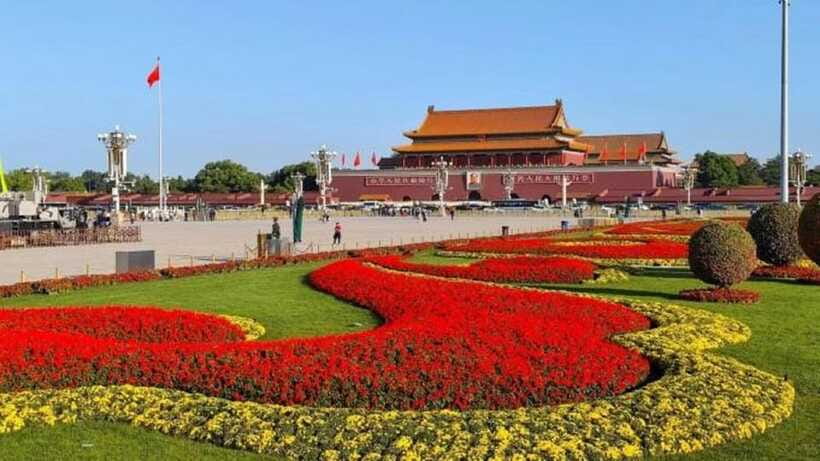
This experience suits you if you like to explore at your own speed. You can stop where you want, spend extra time at the Five-color Soil Altar, and skip the parts that interest you less.
It is also a good fit for visitors who want a quieter counterpoint to Beijing’s biggest sights. The park’s purpose is serious, but the garden areas and teahouse make the visit less formal as you move through it.
Families may appreciate Yu Garden and the goldfish. Visitors with mobility needs may find the wheelchair-accessible designation helpful. Still, no detailed information is provided about the condition of every path, building entrance, or restroom, so you may want to confirm specific access needs before booking.
This is not the best choice if you want someone to explain every building in person. The lack of a guide means you must supply the historical context yourself. It is also not suitable if you need hotel transport or prefer an all-inclusive day.
The organization appears to have been good for at least one German booking, while the voucher problem reported by another visitor shows why careful preparation matters. I would judge the ticket by its simple purpose: it is a useful entry arrangement, not a fully managed tour.
Should you book Zhongshan Park?
Book it if you want a flexible, self-guided visit beside Tian’anmen Square and you are interested in the ceremonial roots of imperial Beijing. The Five-color Soil Altar, the Sacrificial Kitchen, the Storehouse, and the Animal Sacrifice Pavilion give the park a clear purpose beyond ordinary sightseeing.
The $12 price makes sense when the QR ticket saves you time and the park fits naturally into your central Beijing plans. I would book only after confirming that you can provide accurate passport details and a reliable email or WhatsApp address.
Skip it if you need a guide, transport, or a tightly organized itinerary. For independent visitors who prepare the QR code carefully, Zhongshan Park offers a compact and meaningful look at how land, ritual, and imperial power once met in the center of Beijing.
FAQ
How much does the Zhongshan Park entrance ticket cost?
The ticket costs $12 per person.
How long is the ticket valid?
The ticket is valid for one day.
How far in advance must I book?
You must book at least one day in advance.
What information do I need to provide after booking?
You need to provide each visitor’s full name, passport number, and contact details.
How will I receive the electronic ticket?
The electronic ticket QR code is sent as an image, so you should provide a valid email address or WhatsApp contact that can receive it.
Is a guide included?
No. This option includes entrance admission only and does not include a tour guide.
Is hotel pickup and drop-off included?
No. Hotel pickup and drop-off are not included.
Can I cancel for a full refund?
Yes. You can cancel up to 24 hours in advance for a full refund.
Is the park wheelchair accessible?
Yes. The activity is described as wheelchair accessible.
Newest reviews from Beijing
- Jinshanling Great Wall to Simatai West Sunset Hiking Private Tour★ 5.0 · 4 reviews
- Private Tour: Mutianyu/Badaling Great Wall and Temple of Heaven★ 5.0 · 4 reviews
- Beijing: Forbidden City Guided Tour with Options★ 4.3 · 4 reviews
- Beijing: Acrobatic Show Tickets Traditional & Modern Fusion★ 5.0 · 4 reviews
- Beijing: Private Biking Tour Along Central Axis of Beijing★ 4.8 · 4 reviews
- Best Beijing Day Tour To Forbidden City and Great Wall★ 5.0 · 4 reviews
- BusDa- Private Tour: Mutianyu Great Wall &Ming Tombs(Chang Ling)★ 5.0 · 4 reviews
- Beijing: Explore the Forbidden City in Hanfu★ 5.0 · 4 reviews
Tickets, compared.
Forbidden City Tour(Group/Private)-Tickets Included
Read our review →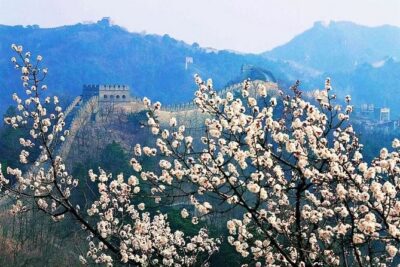
Mutianyu Great Wall Daily Tour with Ticket & Lunch
Read our review →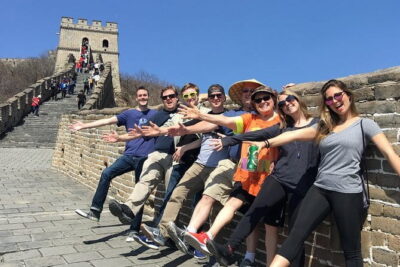
4-Hour Small Group Tour to Forbidden City with Entry Tickets
Read our review →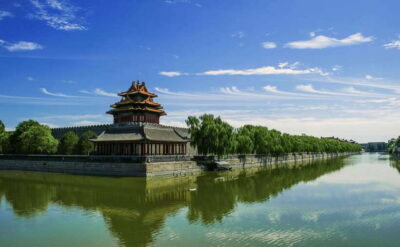
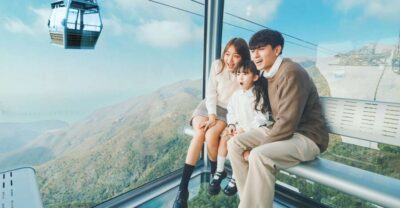
Ngong Ping 360: Cable Car Return Tickets & Combos
Read our review →
The Temple of Heaven or Summer Palace Entry Ticket
Read our review →
Beijing Forbidden City Ticket Booking (Optional: guide service)
Read our review →