
Reviewed · BULLET TRAIN DAY TRIPS
Day Tour to Shenzhen from Hong Kong by High Speed Bullet Train
Shenzhen changes fast. This 9-hour day trip lets you cross from Hong Kong by high-speed bullet train and see several sides of the city in one packed outing. You get a modern museum, a striking subway station, electronics markets, old streets, art studios, and Hakka culture, with a private car and Chinese lunch included.
I especially like the mix of old and new, from Gangxia North Station and Huaqiangbei’s electronics trade to Nantou Ancient City and Gankeng Hakka Old Town. I also like that the return rail fare, private transportation in Shenzhen, and lunch are part of the $177.12 price. The main consideration is the pace: seven stops in about nine hours leave limited time for shopping or lingering.
In This Review
- Key Points at a Glance
- Why This Is an Easy Way to Add Shenzhen
- Starting with Shenzhen’s Most Famous Subway Station
- Contemporary Art and Urban Planning in Futian
- Nantou Ancient City and Shenzhen’s Older Roots
- Lunch and a Practical Break in the Day
- Huaqiangbei, Shenzhen’s Electronics District
- Dongmen Old Street for Food and City Life
- Dafen Oil Painting Village
- Gankeng Hakka Old Town
- How Nelson Shapes the Experience
- What the $177.12 Price Really Covers
- Who Should Book This Shenzhen Day Trip?
- Practical Details Before You Go
- Should You Book It?
- FAQ
- How long is the Shenzhen day tour?
- Where does the tour begin?
- Is the high-speed train included?
- Is lunch included?
- Can I remain in Shenzhen instead of returning to Hong Kong?
- What is the cancellation policy?
Key Points at a Glance
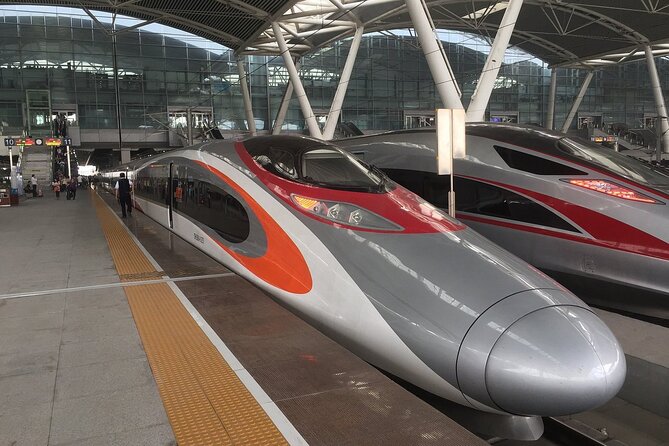
- High-speed rail from West Kowloon Station: The 26-kilometer Hong Kong rail section connects directly with Shenzhen and Mainland China’s wider rail network.
- Seven very different stops: You move from contemporary art and urban planning to an old walled town, giant markets, oil paintings, and Hakka traditions.
- Private car in Shenzhen: This matters on a tight schedule, since the stops are spread across different parts of the city.
- Guide Nelson earns strong praise: He is described as organized, patient, professional, and attentive from the first contact through the return to Hong Kong.
- Chinese lunch is included: That saves you the trouble of finding a meal during an already busy day.
- You may stay in Shenzhen: The return train is included, but you can choose to remain behind if that suits your plans.
Why This Is an Easy Way to Add Shenzhen
Shenzhen is close to Hong Kong, yet it feels like a different chapter of the Pearl River Delta story. Hong Kong gives you a mature international city. Shenzhen shows what rapid economic growth can build in a much shorter period, with huge transport hubs, technology markets, planned districts, and older communities woven through the newer city.
Going independently is possible, but this day includes several stops spread across Shenzhen. A guide and private car make the schedule easier to manage than piecing together each ride yourself. You also avoid spending your limited day working out the best route between places.
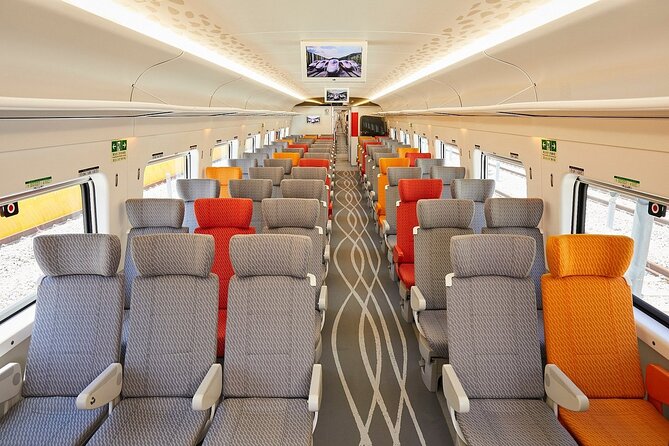
The tour begins at 8:30 am at West Kowloon Station in Jordan. From there, the high-speed train is part of the experience, not just a way to get from one city to another. The Hong Kong section of the railway covers 26 kilometers and links directly with the Mainland high-speed network without an interchange.
Your day ends back at the same meeting point. At $177.12 per person, the price is not the cheapest way to visit Shenzhen, but it bundles rail tickets, a private vehicle with driver, a guide, and lunch. If you value structure and want to cover several districts in one day, that package can make sense.
More bullet train day trips:
- Suzhou Private Day Trip from Shanghai with Bullet Train Option
★ 5.0 · 366 reviews - Private Suzhou Day Trip from Shanghai by Bullet Train with All Inclusive Option
★ 5.0 · 283 reviews - Beijing to Xi’an See Terracotta Warriors with Bullet Train Round Trip Transfer
★ 5.0 · 238 reviews
Starting with Shenzhen’s Most Famous Subway Station

The first stop is Gangxia North Station, with about 30 minutes to look around and take photographs. The station is known for its large, modern interior and unusual design. It is treated as a sight in its own right rather than merely a place to catch a train.
This is a quick stop, so think of it as a visual introduction to Shenzhen’s public infrastructure. You will have time to walk through the station and take pictures, but not to study every detail or use it as a transport base for independent exploring.
It is also a useful contrast with West Kowloon Station. You begin with one major transport space in Hong Kong and then see how Shenzhen presents its own modern civic architecture. If you enjoy buildings, interiors, and city design, this early stop gives the tour a clear theme from the start.
Contemporary Art and Urban Planning in Futian
The Shenzhen Museum of Contemporary Art and Urban Planning receives about an hour. Its exterior has a modern design, and the interior lobby is also part of the visual appeal. The museum combines contemporary art with displays about how Shenzhen has been planned and built.
That combination gives you more context than a simple gallery visit. The art offers a look at present-day creative work, while the planning exhibits help explain the city’s rapid physical growth. You can see Shenzhen not only as a business center, but also as a place consciously shaped through architecture, transport, and public projects.
An hour is enough for a worthwhile visit, though the time will feel short if you prefer to read every display. The stop works best for someone who wants a broad sense of the city rather than a long, specialist museum visit.
Nantou Ancient City and Shenzhen’s Older Roots
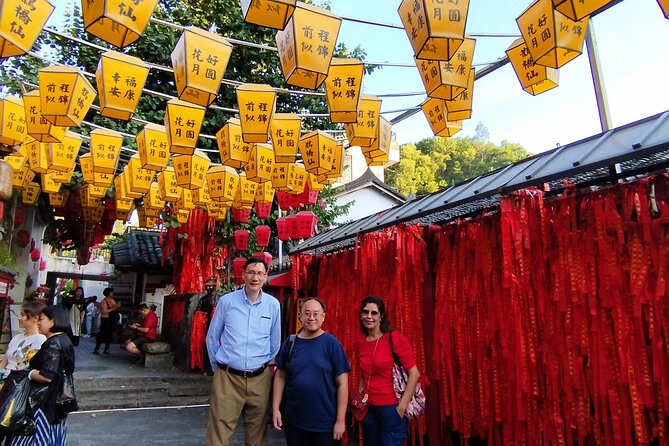
Nantou Ancient City, also called Xin’an Ancient City, brings a sharp change of mood. The site has more than 1,700 years of history and offers a look at Shenzhen’s earlier identity, long before the city became known for electronics and high-rise development.
The planned visit lasts about an hour. That is enough to walk through the historic area and notice the contrast between older streets and the modern city around them. It also prevents the trip from becoming a nonstop tour of new construction and shopping districts.
I like this stop because it gives the day some historical balance. Without it, Shenzhen could appear to be only a young technology center. Nantou shows that the area has older cultural layers beneath its modern reputation.
Do not expect a full historical study in 60 minutes. The value is in seeing the setting and getting a sense of continuity. The tour gives you a quick window into the past, not a half-day archaeological visit.
More train journeys:
- Flexible Hangzhou Private Tour from Shanghai by Bullet Train
★ 5.0 · 220 reviews - Shanghai: Southern Great Wall Day Trip by Bullet Train
★ 4.9 · 179 reviews - Shanghai: All-Inclusive Suzhou Day Trip by Bullet Train
★ 5.0 · 137 reviews - Shanghai: Southern Great Wall Day Trip by Bullet Train
★ 5.0 · 124 reviews
Lunch and a Practical Break in the Day
Traditional Chinese lunch is included. That is a useful feature on a tight itinerary, since you do not have to pause the group to search for a suitable restaurant or negotiate where to eat.
The available information describes the meal as delicious, and the inclusion helps explain part of the price. Lunch also gives you a chance to sit down during a day filled with walking, photography, shopping areas, and car transfers.
The exact menu is not specified, so you should not book this expecting a particular dish. It is best viewed as a convenient traditional Chinese meal included in the program.
Huaqiangbei, Shenzhen’s Electronics District
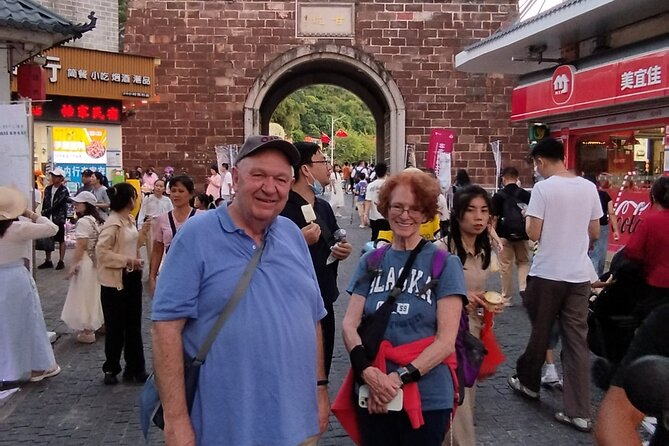
Huaqiangbei Electronic Market is one of the day’s most distinctive stops. The area is known for electronics and is described as a key part of Shenzhen’s technology industry, often called China’s Silicon Valley. You get about an hour here.
This is not simply a shopping street with a few phone shops. Huaqiangbei represents Shenzhen’s role in the electronics trade, making it one of the places where the city’s commercial identity becomes easy to see. Even if you do not plan to buy anything, the market offers a direct look at the scale and energy of the industry.
One hour is enough to get a taste, but it is not long for serious shopping. One guest specifically would have preferred more time in the markets and noted that prices can be much lower than in Hong Kong. That is useful advice: decide before the tour whether you want photographs and a quick look, or whether you hope to compare products and make purchases.
Keep your expectations practical. The schedule gives you an introduction to Huaqiangbei, not an extended shopping expedition with time to visit every building.
Dongmen Old Street for Food and City Life
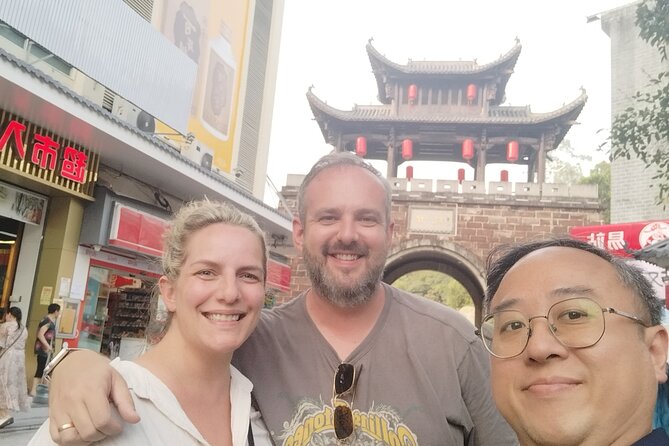
Dongmen Pedestrian Street is another one-hour stop. It is described as the root of modern Shenzhen and is one of the city’s old commercial pedestrian areas, with thousands of shops and many types of food.
This is the place to see Shenzhen’s everyday commercial side. The setting is less about grand civic architecture and more about dense retail, local shopping, snacks, and street activity. It pairs well with Huaqiangbei because the two stops show different kinds of commerce.
Again, one hour passes quickly. You can walk, browse, and take in the atmosphere, but you may need to be selective. If you are happiest when you can shop slowly, this tour may feel rushed. If you prefer a guided overview that lets you sample several districts, the short visit is a fair trade.
The guide’s presence is useful here, especially when the street is busy. Nelson is praised for being patient and respectful, qualities that matter when a group is moving through crowded commercial areas.
Dafen Oil Painting Village
Dafen Oil Painting Village adds an artistic and commercial angle to the day. It began as an ordinary village, and in 1989 a Hong Kong art dealer named Huang Jiang brought the oil painting industry there. More painters followed, and the area became known for its painting production.
The one-hour visit lets you see a part of Shenzhen that is easy to miss if you focus only on skyscrapers and technology. Dafen connects art with trade and manufacturing, showing how creative work can grow into a major local industry.
This stop is likely to appeal most to people interested in painting, workshops, art markets, or the way neighborhoods change around a particular trade. The supplied information does not promise a studio demonstration or a particular purchase, so treat it as a visit to the village and its art scene rather than a guaranteed hands-on activity.
Gankeng Hakka Old Town
The final listed stop is Gankeng Hakka Old Town, with about an hour to explore. Its origins reach back to the Ming and Qing periods, and the area presents Hakka architecture, folk customs, traditional art, food, and pastoral scenery.
This is a strong closing stop because it brings together several cultural elements in one place. After the modern station, planning museum, electronics market, and commercial streets, Gankeng gives you a slower look at traditional Chinese culture in Shenzhen.
The short visit means you will sample the town rather than cover every lane and cultural feature. Still, it helps prevent the tour from presenting Shenzhen as only a city of commerce. For many people, this contrast between new and old will be the most satisfying part of the day.
How Nelson Shapes the Experience
The guide is Nelson, and his role appears to be one of the tour’s strongest assets. He is praised for staying with the group throughout the day, contacting customers several days before departure, and organizing the return to Hong Kong.
That early contact is practical. A cross-border day trip has more moving parts than a simple city walk, so clear communication before the morning meeting can reduce stress. During the tour, Nelson is described as professional, patient, organized, and respectful of customers.
He also receives praise for explaining the city and pointing out interesting places, while helping the group manage the fast schedule. A guide cannot create extra hours, but a well-run day can keep delays from eating into every stop.
The maximum group size is listed as 99 people, so the possible scale is worth noting. The actual feel of your departure may depend on the number booked that day. The private car in Shenzhen and Nelson’s organization help, but a large group can still make short visits feel less flexible.
What the $177.12 Price Really Covers
The fare includes:
- Return high-speed train travel from Hong Kong to Shenzhen
- A private car and driver in Shenzhen
- Traditional Chinese lunch
- Guided sightseeing across the city
That bundle gives the tour a clear value for someone who wants transportation and planning handled in one purchase. A self-planned day could offer more freedom, especially at the markets, but you would need to arrange your own rail tickets, route between seven locations, meals, and timing.
The biggest value is not simply the train ticket. It is the amount of ground covered in one day. You see a museum, station, historic town, electronics market, old commercial street, painting village, and Hakka town without having to connect each stop yourself.
The tradeoff is flexibility. You pay for a prepared route, so you may spend less time than you want at the places that interest you most. The comments about wanting more market time make this especially important for serious shoppers.
Group discounts are available, and the ticket can be used on a mobile device. You can also choose to stay in Shenzhen instead of returning with the group, though the normal activity ends back at West Kowloon Station.
Who Should Book This Shenzhen Day Trip?
I would recommend it to you if this is your first visit to Shenzhen and you want a broad introduction in a single day. It suits people who like a varied schedule, guided transportation, modern architecture, historic areas, markets, and a planned meal.
It is also a good match if you are staying in Hong Kong but want to add Mainland China without arranging a separate overnight stay. The bullet train makes the trip feel substantial, while the return schedule keeps it contained to one day.
You may want another option if your main goal is shopping. One hour at Huaqiangbei and one hour at Dongmen leave little room for careful price comparisons. Art specialists may also prefer more time at Dafen, while museum lovers may want a longer visit to the contemporary art and planning museum.
The itinerary is active and tightly timed. Most people can participate, and the activity is near public transportation, but you should be comfortable with a long day that combines rail travel, walking, car transfers, and several brief visits.
Practical Details Before You Go
The meeting point is West Kowloon Station in Jordan, with an 8:30 am start. Confirmation is provided when you book, and the ticket is available on mobile.
The activity has free cancellation up to 24 hours before the start time. Changes or cancellations made within 24 hours are not accepted for a refund. The tour also depends on suitable weather and a minimum number of participants. If the operator cancels for either reason, you are offered another date or experience, or a full refund.
The tour has received six five-star ratings, with particularly strong praise for Nelson, the included lunch, the train ride, and the range of sights. One New Year’s Day visit encountered very busy conditions, but Nelson was praised for handling the crowds professionally. That is a useful warning for holiday periods: the same full schedule may feel even faster when popular places are crowded.
Should You Book It?
Book this tour if you want a guided sampler of Shenzhen, not a slow, independent exploration. The best reason to choose it is the combination of high-speed rail, private transportation, lunch, and a surprisingly varied set of stops.
I would be cautious if you want long market visits or freedom to change the route. For everyone else, especially a first-time visitor based in Hong Kong, the tour offers a practical way to see Shenzhen’s modern infrastructure, older culture, technology trade, art production, and Hakka traditions in one well-organized day.
FAQ
How long is the Shenzhen day tour?
The tour lasts approximately 9 hours.
Where does the tour begin?
It begins at West Kowloon Station in Jordan, Hong Kong, at 8:30 am.
Is the high-speed train included?
Yes. Return high-speed train travel from Hong Kong to Shenzhen is included in the tour price.
Is lunch included?
Yes. The price includes a traditional Chinese lunch.
Can I remain in Shenzhen instead of returning to Hong Kong?
Yes. You can choose to stay behind in Shenzhen if you prefer.
What is the cancellation policy?
You can cancel up to 24 hours before the experience start time for a full refund. Cancellations or changes made less than 24 hours before the start time are not accepted for a refund.
Newest reviews from Hong Kong
- Lantau Peak Sunrise Climb★ 5.0 · 4 reviews
- Hong Kong MiniBus Transfer: Hotel / Cruise Terminal and Airport★ 4.5 · 4 reviews
- Hong Kong: Lantau Island & Tai O Cruise, Skip The Line Cable Car★ 3.5 · 4 reviews
- Private & Personalized Hong Kong Street Art Tour with a Local★ 5.0 · 4 reviews
- Classic Afternoon Tea Voyage in Hong Kong for 4 Pax★ 4.0 · 4 reviews
- 2025 Chinese New Year Fireworks Open Bar Yacht Dinner Cruise HK★ 4.5 · 4 reviews
- Hong Kong Heritage Walk★ 4.0 · 4 reviews
- Small-Group Tour: The best bites of Mongkok★ 5.0 · 4 reviews
Bullet Train Day Trips, compared.
Suzhou Private Day Trip from Shanghai with Bullet Train Option
Read our review →
Private Suzhou Day Trip from Shanghai by Bullet Train with All Inclusive Option
Read our review →
Beijing to Xi’an See Terracotta Warriors with Bullet Train Round Trip Transfer
Read our review →
Flexible Hangzhou Private Tour from Shanghai by Bullet Train
Read our review →
Private Guided Tour to Hangzhou by Bullet Train
Read our review →Browse the lists this tour appears in