
Reviewed · LONGJI RICE TERRACES TOURS
Longsheng Ethnic Minority & Rice Terraces Full-Day Tour
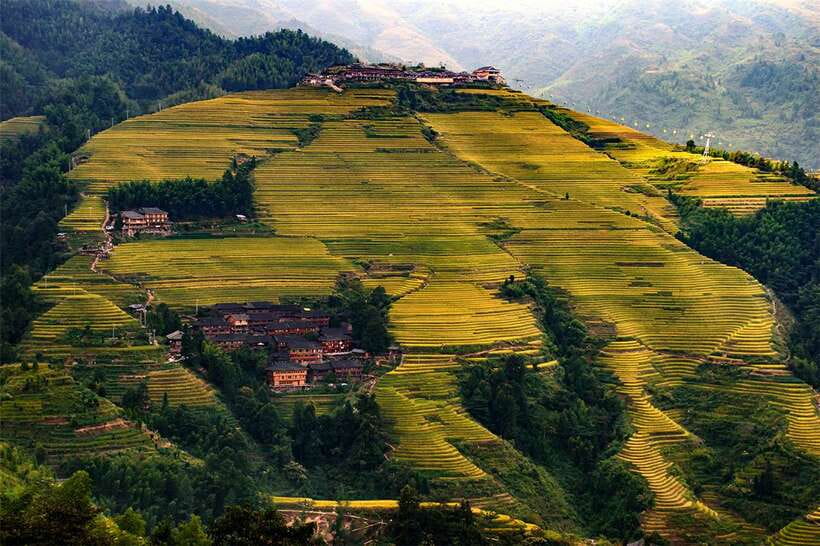
The mountains turn farming into art. This full-day trip from Guilin takes you to the Dragon’s Backbone Rice Terraces, where layered fields climb steep slopes from 300 to 1,100 meters. I like the changing colors through the seasons, and I like that lunch and hotel transport are included. The main catch is the long, bumpy ride and the risk of losing precious terrace time to queues.
You will also visit a Yao village, see traditional dress and a short performance, and walk through one of southern China’s most striking rural areas. Guide quality can make or break the day, so confirm that you want cultural explanation, not just transport and ticket handling.
In This Review
- Key points to know before booking
- Why the Dragon’s Backbone terraces are worth the trip
- The 8:30 pickup and the road into Longsheng County
- The Yao village, costumes, and the tourist question
- Lunch in the village and what comes with it
- Walking the terraces, with stairs and steep sections
- The cable car costs CNY 110, but time is the real issue
- Crowds, mountain roads, and the risk of a rushed visit
- What the guide adds to a $169 experience
- Is $169 a fair price from Guilin?
- Who should book this Longsheng day trip?
- Should you book it?
- FAQ
- Where does the tour begin and end?
- How long does the experience last?
- What time is pickup?
- Is lunch included?
- Is the cable car included?
- Do I need to walk up the rice terraces?
- What should I bring?
- When is the best time to visit?
Key points to know before booking
- The terraces reach 1,100 meters: Expect steep mountain paths, stairs, and big views rather than an easy roadside photo stop.
- The Yao village is highly tourist-focused: Costumes, a performance, and a look at local life are included, but the visit may feel more staged than personal.
- The drive takes a large part of the day: The route from Guilin includes winding, bumpy mountain roads, so motion-sensitive passengers should prepare.
- The cable car costs extra: A round-trip ticket costs CNY 110, and queues can become very long during Chinese holidays.
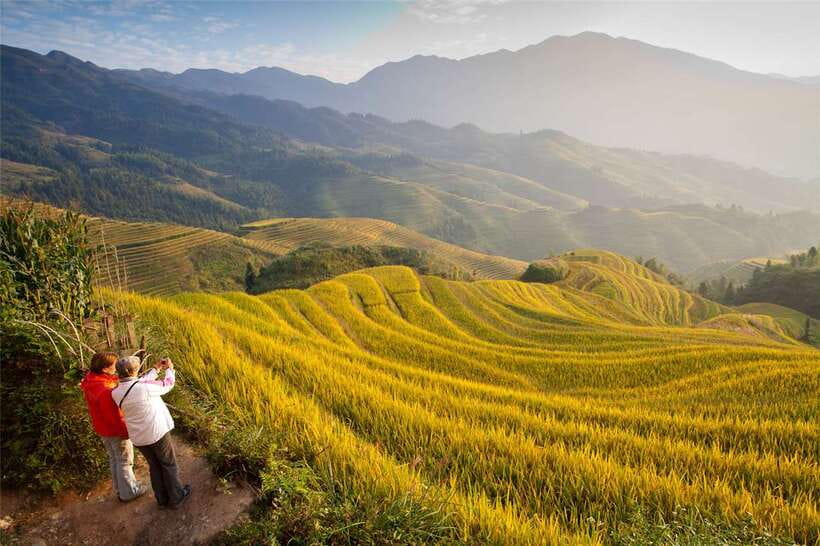
- Season changes the view: Spring fields look silver, summer brings green growth, autumn turns the terraces gold, and winter creates a water-like pattern.
- Guide quality varies: Arthur and Nicky earned especially warm praise, while some earlier departures had limited English and little explanation.
Why the Dragon’s Backbone terraces are worth the trip
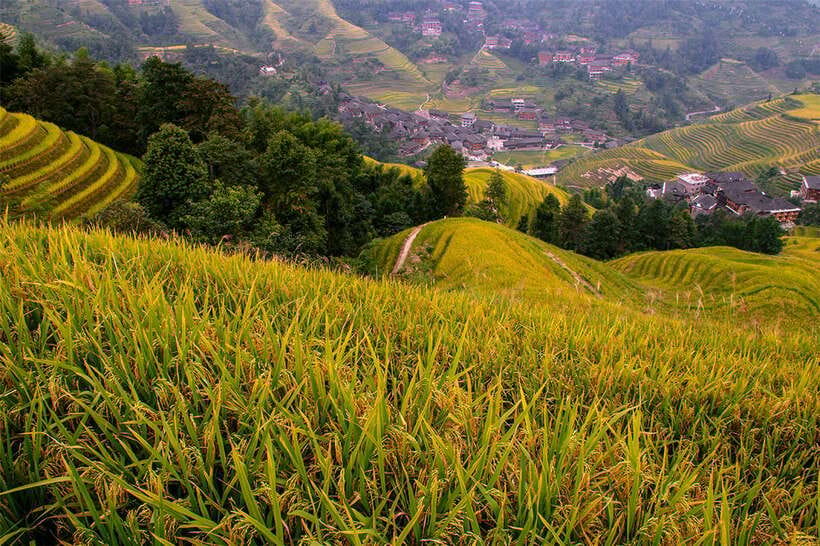
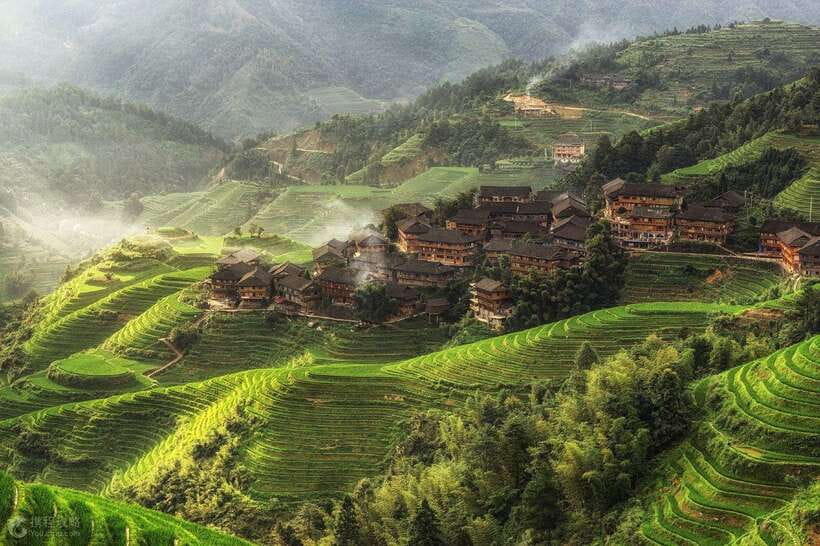
Longji means Dragon’s Backbone, a fitting name for the curves of the rice fields. The terraces were first built in the 13th century and completed around the beginning of the Qing Dynasty. Across about 66 square kilometers, narrow fields follow the mountain contours, climbing slopes with gradients as steep as 50 degrees.
You are not looking at a flat patchwork of paddies. The fields rise in long bands, bend around ridges, and appear to stack one above another. At their highest point, the terraces reach about 1,100 meters. That height gives you broad views over the surrounding mountains, but it also explains why the walk can feel strenuous.
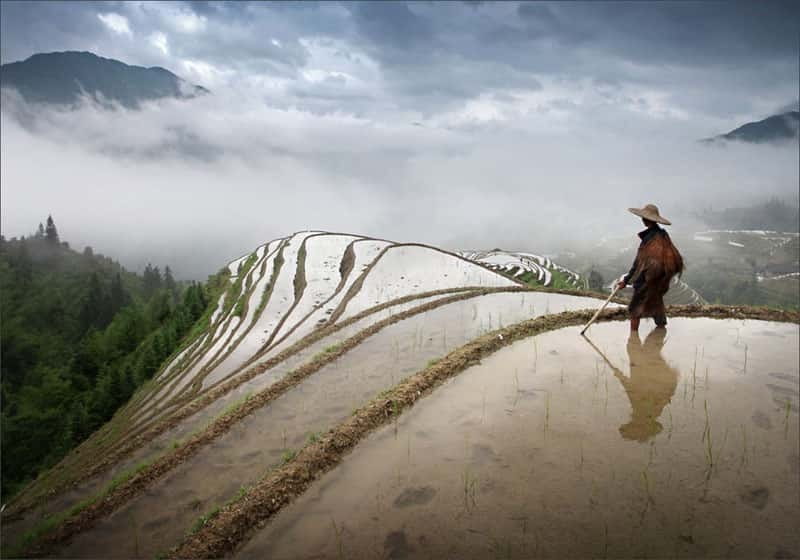
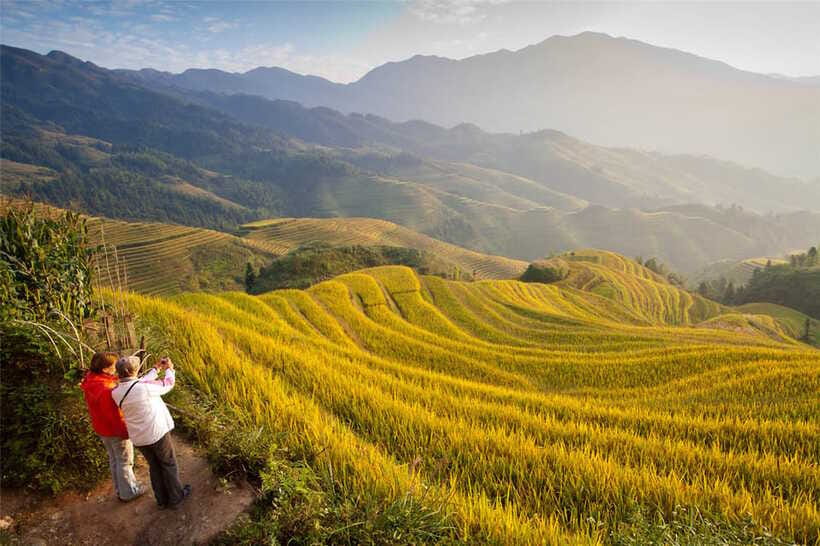
The color depends heavily on the month. In spring, water-filled fields can shine silver. Summer usually brings green growth. Autumn is the classic golden season, while winter gives the terraces a darker, reflective look that can resemble dragons moving through water.
I would not choose a date based on one photograph alone. The terraces are attractive in every season, but the mood changes. If you want gold, aim for fall. If you prefer reflections and fresh planting, spring may suit you better. April through October is listed as the best general visiting period.
More Full-Day Tours in Guilin
- Longji Rice Terraces: Full-Day Private Tour from Guilin
★ 4.8 · 85 reviews - Guilin: Private Full-Day Li River Cruise and Liusanjie Show
★ 4.2 · 27 reviews - Guilin: Private Full-Day City Tour with Fubo Hill
★ 4.6 · 20 reviews
The 8:30 pickup and the road into Longsheng County
Pickup takes place at your downtown Guilin hotel or a designated central meeting point. Your guide meets you in the hotel lobby, with the exact time confirmed the evening before. The planned departure is around 8:30 in the morning.
The ride is by air-conditioned van or coach. That matters because the journey is not a quick hop across town. Previous departures have taken about two hours to reach the mountain area, and the final roads can be very bumpy. Small mountain roads, traffic, and holiday crowds can stretch the journey further.
I would eat a light breakfast, carry water, and keep motion-sickness medicine handy if winding roads bother you. Comfortable shoes are essential, and you should bring your passport or ID card. The trip is not suitable for pregnant women, according to the activity information.
The vehicle is useful, but do not think of this as eight hours of walking and sightseeing. The ride takes a meaningful share of the day. That is the price of reaching Longsheng from Guilin in one day, and it is the first thing to weigh when judging the $169 cost.
The Yao village, costumes, and the tourist question
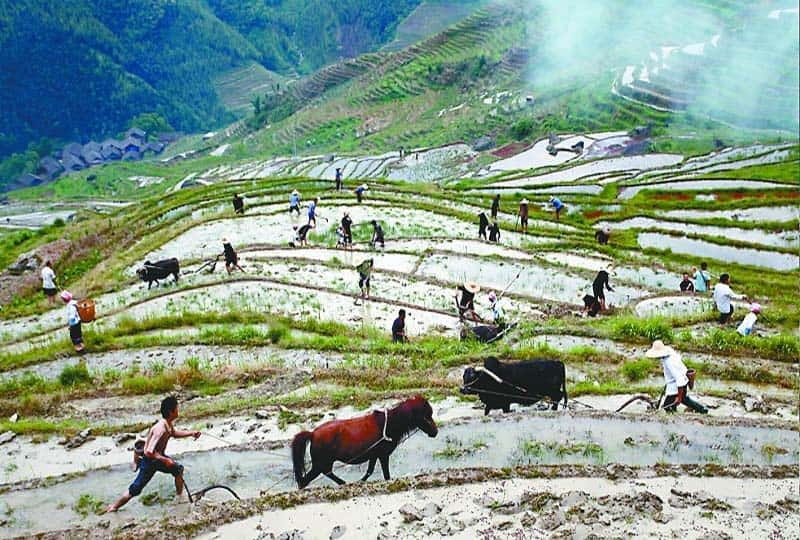
The Yao village visit introduces you to one of the ethnic communities of Longsheng County. You can see traditional clothing, learn about village life, and watch a short cultural performance connected with the long-haired women of the area.
This stop divides opinion for a simple reason: it is designed for tourism. Some people enjoy the music, costumes, and ritual presentation, especially as a first introduction to Yao culture. Others find the performance staged and feel that the visit gives too little explanation about daily life and local traditions.
I would set your expectations correctly. This is not a quiet, unplanned meeting with village families. It is a prepared cultural stop, and parts of it may feel aimed at Chinese tour groups. One earlier departure included a performance in Chinese that some international visitors found difficult to follow.
The value depends greatly on your guide. A good English-speaking guide can explain what you are seeing and put the costumes and customs into context. A guide who mainly organizes tickets and movement may leave you watching a show without understanding much behind it.
Arthur received especially strong praise for his warmth, storytelling, and connection to local culture. Nicky was described as friendly, energetic, and attentive. Those examples point to the best version of this stop: not just a performance, but a chance to ask questions and connect the village visit with the wider region.
Lunch in the village and what comes with it
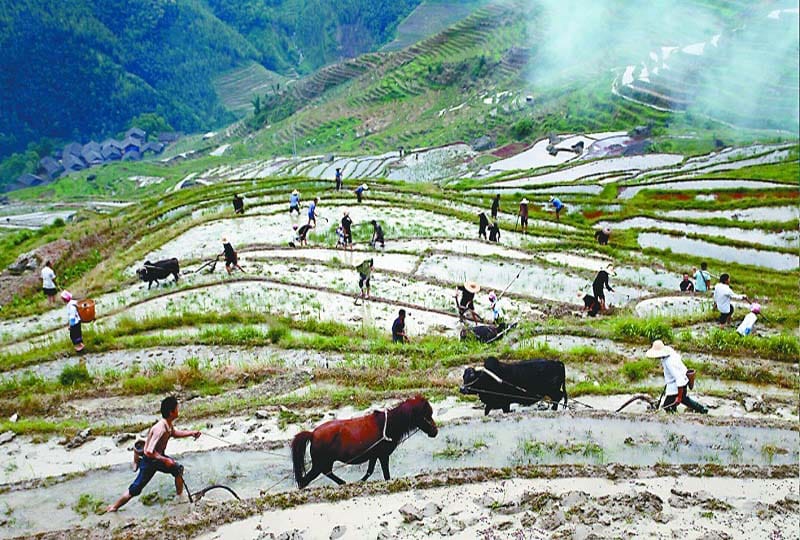
Lunch is included and is described as Chinese food served in the village area. The meal has been praised as good and varied, though you should not expect a refined restaurant experience.
This part of the day makes practical sense. You are in a remote mountain area, and a provided meal saves you from searching for food between scheduled stops. It also gives you a chance to sit down after the drive and before the terrace walk.
The setting is one of the pleasant parts of the meal. You are eating near the mountain scenery rather than in central Guilin. Still, food preferences can be a concern. The information only promises a Chinese lunch, not a choice of menu or special dietary arrangements, so ask before booking if you have strict requirements.
The lunch takes about an hour. That is enough for a proper break, but it also reduces the time available at the terraces if traffic or queues have already delayed the group.
More Longji rice terrace trips:
- Longji Rice Terraces with Minority Village Private Day Tour
★ 5.0 · 122 reviews - 1-DAY Private Longji Rice Terraces and Minority Villages Tour
★ 5.0 · 69 reviews - Longji rice terraces & minority villages private day tour
★ 5.0 · 68 reviews - Mini Group: Longji Rice Terraced Fields and Minority Villages Tour
★ 4.5 · 30 reviews
Walking the terraces, with stairs and steep sections
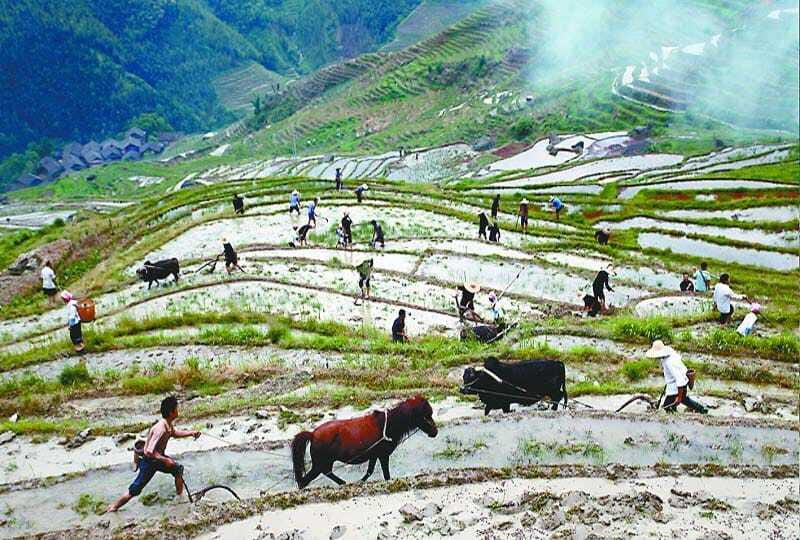
The guided terrace visit is scheduled for about three hours, including the main sightseeing period. You will walk along mountain paths and stairways to reach viewpoints. The walk up can take roughly 50 minutes to an hour for a person who is comfortable with a steady climb.
That is not a tiny detail. The terraces are beautiful because they occupy steep mountains, and seeing the best views often requires working for them. The climb can be exhausting, especially after a long ride and a warm lunch.
If you are fit and prefer walking, you may be able to go up and return on foot. One departure found enough time for a walk in both directions, while another group had only about 30 minutes at the top after delays. Your actual time depends on traffic, queue length, group speed, and the guide’s handling of the schedule.
Wear shoes with a firm sole. Avoid treating this as a stroll in a park. The paths may be manageable, but the height, stairs, and slope add up quickly. Take your time, particularly if you are not used to mountain walking.
The cable car costs CNY 110, but time is the real issue
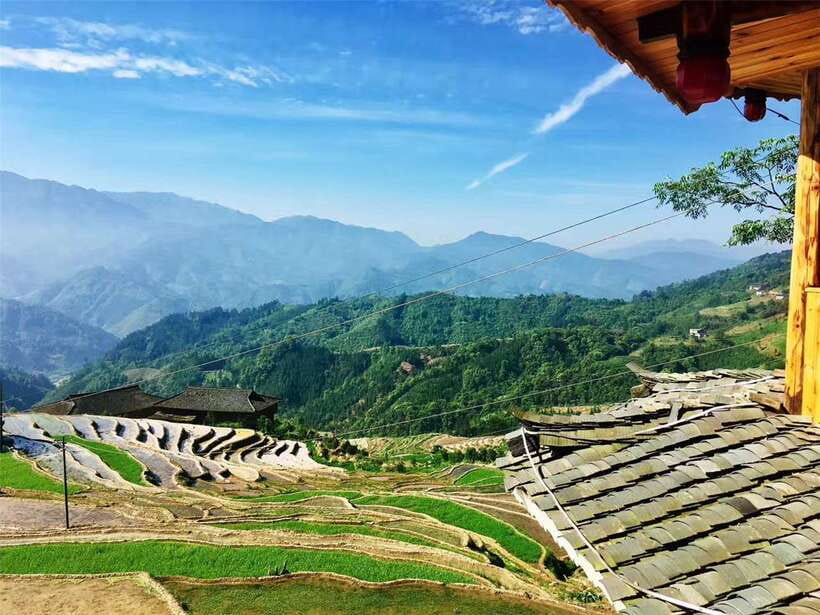
The round-trip cable car is not included. The extra charge is CNY 110, which should be added to the $169 tour price if you want to avoid the main climb.
On paper, the cable car sounds like the easy answer. In practice, queues can be the problem. During Chinese holidays, one group waited about two hours. That is enough to turn a generous sightseeing plan into a rushed photo stop.
A useful tactic is to decide how you want to use the cable car before you arrive. Some people walked up and took the cable car down, saving energy for the return. Others took the cable car both ways because the stairs were too demanding. If the line is long, walking may be faster, but only if you are physically ready.
The cable car also changes the character of the visit. Walking lets you see the terraces at ground level and notice the bends in the paths. The ride saves energy and may give you a broad view, but it does not remove the crowd problem.
Ask your guide about current conditions as soon as you reach the site. Do not assume the cable car will work like a quick city attraction. During peak holiday periods, road traffic and queues can affect the entire schedule.
Crowds, mountain roads, and the risk of a rushed visit
The main weakness of this tour is not the scenery. It is the timetable when conditions go wrong.
Longsheng’s mountain roads can become congested during Chinese holidays. Vehicles may crawl along narrow routes, and cable car queues can last far longer than expected. One group spent much of the day waiting, while another felt that the guide disappeared at times to locate the bus or sort out tickets.
That does not mean every departure will be stressful. It does mean you should avoid the busiest Chinese holiday periods if you have flexibility. A quiet day gives you a better chance of enjoying the terraces rather than watching the clock.
The tour promises eight hours, but that is a tight frame for a distant mountain attraction with two major stops. If the journey takes two hours each way, the remaining time must cover the village, lunch, ticket handling, walking, and the viewpoint. You may have a very good day, but there is little spare time.
I would also ask how much walking time is planned and whether the guide will stay with the group at the viewpoint. Clear communication matters here. A strong guide can keep the schedule moving without making you feel abandoned or hurried.
What the guide adds to a $169 experience
The English-speaking guide is the part of the tour that should justify paying more than arranging basic transport yourself. You are paying for pickup, entry tickets, an organized route, translation, and help dealing with a busy mountain attraction.
When the guide is good, the difference is clear. Arthur was praised for explaining local culture with warmth and care. Nicky was praised for being lively and attentive. With that level of service, the village becomes more than a performance, and the rice terraces gain useful context.
But the guide experience has not been consistent. Some departures received little information about the fields, farming, or local customs. One guide was described as speaking only limited English, while another was said to organize the day rather than explain it.
That is a serious consideration. You should not book this expecting a guaranteed specialist lecture on Yao culture or agricultural history. You might get a memorable personal introduction, or you might mainly receive practical instructions about where to go next.
If cultural explanation is your top priority, ask the provider in advance whether the guide assigned to your date will lead the whole walk and explain the village visit in English.
Is $169 a fair price from Guilin?
At $169 per person, this is not a budget outing. The price includes hotel pickup and return in downtown Guilin, an air-conditioned vehicle, an English-speaking guide, entrance tickets, and lunch. The cable car is extra.
The value is strongest if you want convenience. You do not need to arrange a distant transfer, work out the entrance process, find lunch, or navigate the mountain roads yourself. For a first visit to Guilin, that can remove a lot of friction.
The value is weaker if your priority is maximum time at the terraces. A private taxi or a different arrangement might give you more control over arrival time, walking pace, and the length of the village stop, although the supplied information does not provide a price for those alternatives.
I would view this as a convenience purchase, not a bargain. It makes sense for someone with one free day in Guilin who wants both the terraces and a Yao cultural stop. It makes less sense for someone who dislikes group schedules, long drives, staged performances, or uncertain waits.
Free cancellation up to 24 hours before departure and the option to reserve without paying immediately make the booking less rigid. Those policies help if your Guilin plans are still shifting, but they do not solve the basic issue of travel time.
Who should book this Longsheng day trip?
I think this tour suits you if:
- You have only one day available from Guilin.
- You want transport, tickets, lunch, and a guide handled together.
- You are comfortable with a long ride on bumpy mountain roads.
- You can manage a steep walk of up to about an hour.
- You want a quick introduction to both the terraces and Yao culture.
- You are willing to pay for convenience rather than chase the lowest price.
I would hesitate if you have knee or mobility concerns, dislike crowded attractions, or want a quiet cultural encounter. The tour is also a poor match if you expect several relaxed hours at the viewpoints. The mountain setting is calm, but reaching it in a fixed group can be anything but calm.
Should you book it?
Book this tour if the Dragon’s Backbone terraces are a must-see and you value an organized day from Guilin. The scenery is the clear prize, the included lunch is useful, and a strong guide such as Arthur or Nicky can make the cultural side worthwhile.
Skip it, or seek a slower private option, if you want to avoid long vehicle rides and queues. Try not to travel during Chinese holidays, and budget CNY 110 for the cable car if you do not want the full climb. Go in with realistic expectations: this is a demanding mountain outing with excellent scenery, not a leisurely village walk.
FAQ
Where does the tour begin and end?
The tour begins with pickup in downtown Guilin and ends with transfer back to your Guilin hotel or designated downtown location.
How long does the experience last?
The full experience lasts about eight hours, including transport, the village visit, lunch, and time at the rice terraces.
What time is pickup?
Pickup is planned for about 8:30 in the morning. The exact time and meeting place are confirmed the evening before the tour.
Is lunch included?
Yes. A Chinese lunch is included in the tour price.
Is the cable car included?
No. The round-trip cable car costs CNY 110 and must be paid separately.
Do I need to walk up the rice terraces?
You can use the cable car, walk, or combine both, depending on conditions and your preference. Walking up may take about 50 minutes to an hour.
What should I bring?
Bring comfortable shoes and your passport or ID card. Comfortable footwear is particularly important because the route includes mountain paths and stairs.
When is the best time to visit?
April through October is listed as the best general season. The terraces change color during the year, appearing silver in spring, green in summer, gold in fall, and darker and reflective in winter.
Newest reviews from Guilin
- 3 Days Classic Guilin Tour with 3 star seats for Li River Cruise★ 5.0 · 4 reviews
- Longji Dazhai Rice Terraces Day Tour Cable Car Adventure★ 5.0 · 4 reviews
- Guilin: Elephant Trunk Hill, Reed Flute Cave & Daxu Old Town★ 3.8 · 4 reviews
- 2 days highlights tours : Longji rice terraces & Li River cruise★ 5.0 · 4 reviews
- Longji Rice Terraces: 1-Day Private Tour★ 5.0 · 4 reviews
- Guilin: 3-Day Private Tour with Longsheng&Cruise to Yangshuo★ 4.9 · 5 reviews
- 2-DAY Guilin Rice Terraces, Li River Cuise, YangShuo Leisure Tour★ 5.0 · 5 reviews
- Full-Day Private Biking Activity in Yangshuo★ 4.0 · 5 reviews
Longji Rice Terraces Tours, compared.
Longji Rice Terraces with Minority Village Private Day Tour
Read our review →
Longji Rice Terraces: Full-Day Private Tour from Guilin
Read our review →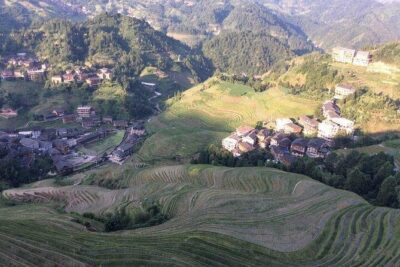
1-DAY Private Longji Rice Terraces and Minority Villages Tour
Read our review →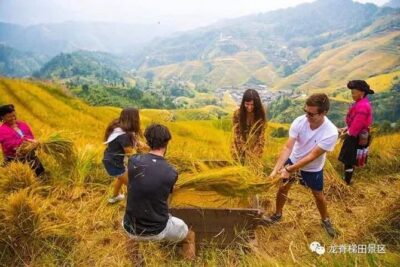
Longji rice terraces & minority villages private day tour
Read our review →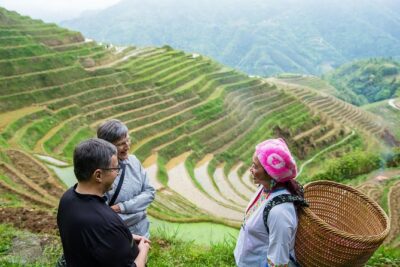
Mini Group: Longji Rice Terraced Fields and Minority Villages Tour
Read our review →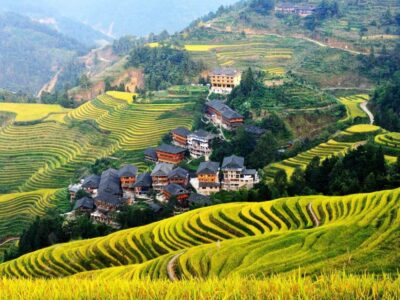
Longji Rice Terraces& Long Hair Village Private Tour
Read our review →
Small Group: Longji Rice Terraces & Minority Village Tour
Read our review →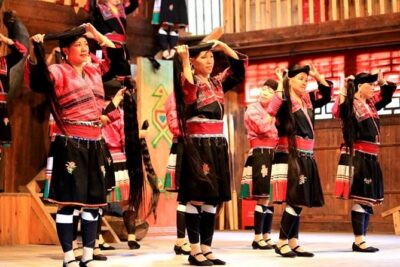
From Guilin/Yangshuo: Longji Rice Terraces and Ethnic Minority Village Day Tour
Read our review →Browse the lists this tour appears in