
Reviewed · CITY TOURS
Pingyao Ancient City Scenic Area Pass Ticket Only
Ancient walls reward slow wandering. I like this QR-entry pass because it gives you access to Pingyao’s main historic sights without forcing you into a guided schedule. I also like the unusually broad coverage, from the city wall and Confucian Temple to old draft banks and bodyguard museums. The main catch is that you get no guide, transport, or meals, so you must plan the day yourself.
At $36 per person, this is a practical choice if you want freedom and already know how to reach Pingyao. One verified French booking from February 17, 2026 found the QR code very easy to use, with no extra paper ticket needed. I would still confirm the ticket’s validity before booking, since the details describe it as valid for three days in one place and one day in another.
In This Review
- Key points to know before you book
- Why Pingyao works best without a tight schedule
- Getting through the gate with the QR code
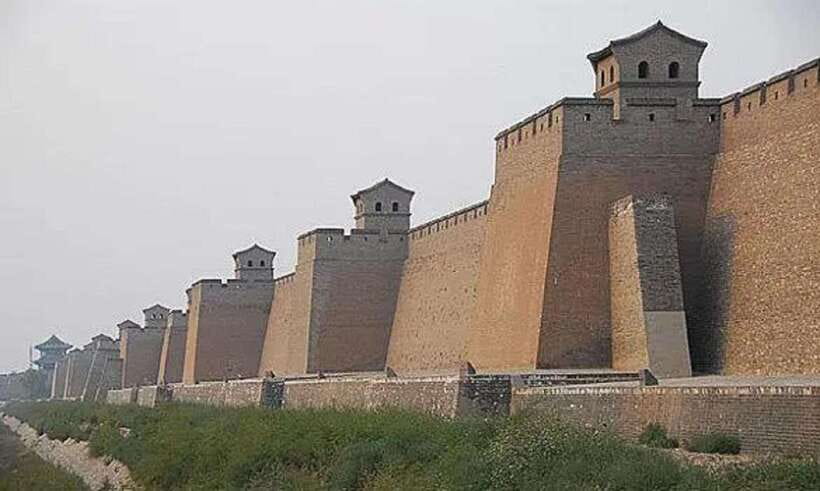
- Starting on the Ancient City Wall
- Ming and Qing Street, where the old city feels most connected
- Draft banks and the story of China’s early finance
- Government, religion, and daily life in one compact area
- Museums that add detail to the merchant city
- Former homes and the family side of Pingyao
- A realistic way to use the three-hour plan
- What the $36 price really buys you
- Practical details that can affect your day
- Who should book this Pingyao pass?
- Should you book it?
- FAQ
- How much does the Pingyao Ancient City Scenic Area Pass cost?
- How long does the experience last?
- Is the ticket valid for one day or three days?
- Do I need a paper ticket?
- What information must I provide when booking?
- Is a tour guide included?
- Is hotel pickup and drop-off included?
- Are meals included?
- Are Shuanglin Temple and Zhenguo Temple included?
- Is photography allowed?
Key points to know before you book
- One QR code replaces the paper ticket: Show the image at the entrance and scan it to enter.
- The pass covers 20 attractions: Highlights include Pingyao’s city wall, ancient government offices, temples, museums, draft banks, and family residences.
- You set the pace: There is no guide, fixed group, hotel pickup, or drop-off.
- Three hours is only a suggested visit length: You can see several major sights in that time, but the pass includes enough places for a much longer visit.
- Shuanglin Temple and Zhenguo Temple are excluded: You need separate arrangements for these important sites.
- Send passport details in advance: Every person’s full name and passport number are required for the booking.
Why Pingyao works best without a tight schedule
Pingyao is about 600 kilometers from Beijing, in Shanxi Province’s Jinzhong area. Its story reaches back roughly 2,700 years, though the buildings and commercial institutions you notice most strongly today grew during the Ming and Qing dynasties.
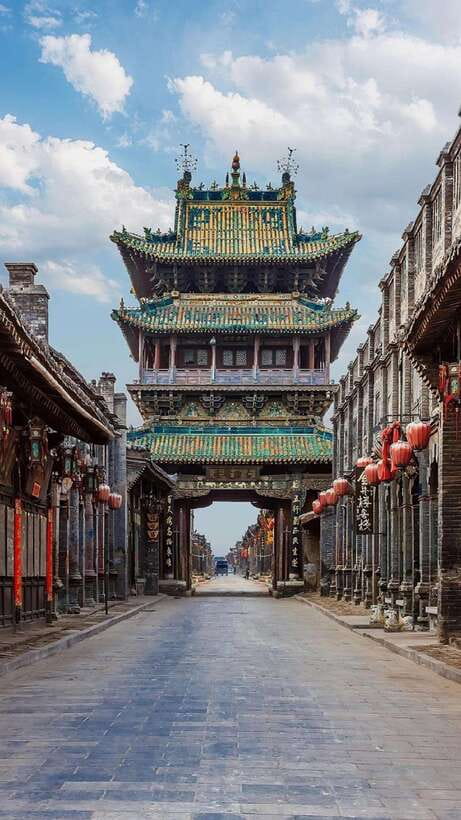
The city was named a Historic and Cultural City of China in 1986 and added to the UNESCO World Heritage list in 1997. Those labels matter because Pingyao is not simply a collection of isolated monuments. Its streets, courtyards, walls, temples, government buildings, and merchant houses form one connected old city.
I like that this pass lets you move through Pingyao as a real place rather than rushing from one famous building to the next. Traditional homes now serve as hotels, restaurants, tea rooms, and wine houses. Former residences of important families have also become museums, so you can see how business, government, religion, and domestic life once fit together inside the same walled town.
The tradeoff is that the pass assumes you are comfortable finding your own way. You receive admission, not interpretation. If you want every building explained in detail, you may prefer to arrange a private guide separately.
A few more tours worth putting side by side
- Private Datong Day Tour Arranged by Local Tour Guide Nancy
★ 5.0 · 46 reviews - Datong Classic Day Tour
★ 5.0 · 13 reviews - Datong: Yungang Grottoes Entrance Ticket Only
★ 4.9 · 12 reviews
Getting through the gate with the QR code
The entry process is designed to be simple. You provide each person’s full name and passport number, then receive a QR image. At the entrance, show the QR code for scanning. A paper ticket is not needed.
This is the strongest practical feature of the experience. You do not have to collect a physical pass or work out which counter handles your booking. The French booking mentioned above found the code easy to use, with no extra step required.
I suggest keeping the QR image saved on your phone before you arrive. Since the ticket information requests passport details for everyone, check the spelling of every name carefully when you submit the information.
The information gives two different validity periods. The highlights say the pass is valid for three days, while the activity details say valid one day. That is too important to ignore. Ask the provider to confirm the exact validity for your booking, especially if you plan to spread the sights across several days.
Starting on the Ancient City Wall
The Pingyao Ancient City Wall is the natural place to begin. It gives you a sense of the town’s shape before you spend time inside its lanes and courtyards.
A wall visit also helps put the city’s historic importance into physical terms. You are not merely entering a museum district. You are moving through a walled urban center that developed over centuries and still retains its old-town structure.
I would begin here because it gives you a useful overview, then move down into the streets. Allow enough energy for walking and stairs, since a city-wall visit is more active than visiting a single indoor exhibit. The pass includes the wall, but it does not include transport or a guide to explain each section.
Ming and Qing Street, where the old city feels most connected
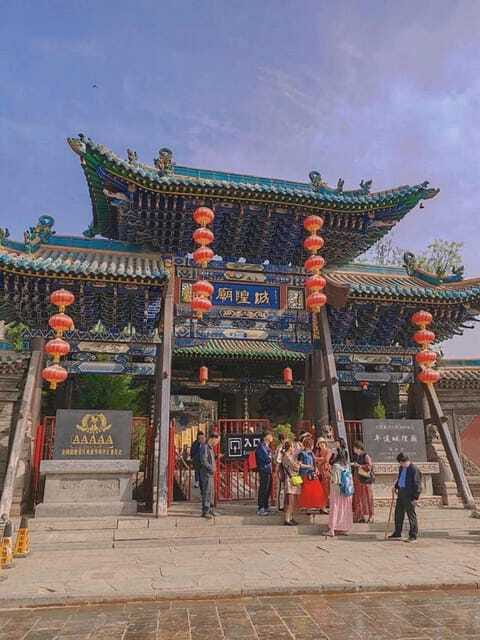
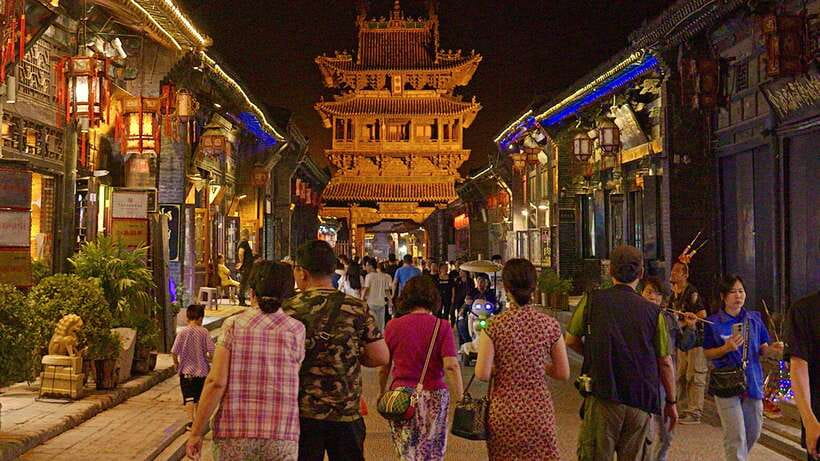
Ming and Qing Street is one of the pass’s central attractions. This is where the old city’s commercial character comes together with its present-day visitor life.
The street is especially useful early in your visit because it helps you understand how the other stops relate to one another. Draft banks, merchant courtyards, temples, and former residences were not scattered randomly. They belonged to a working city of trade, finance, religion, administration, and family life.
You may find the street busier than quieter museum courtyards, particularly because it is one of the recognizable parts of Pingyao. I would not judge the whole city by this one stretch. Use it as an orientation point, then turn toward the smaller museums and historic buildings included in the pass.
A few more tours in China worth putting side by side
- Beijing: Forbidden City Tour(Group/Private)-Tickets Included
★ 4.8 · 7,974 reviews - Beijing: Mutianyu Great Wall Daily Tour with Ticket & Lunch
★ 5.0 · 3,056 reviews - 4-Hour Small Group Tour to Forbidden City with Entry Tickets
★ 5.0 · 1,863 reviews - Beijing: Tiananmen Square Registration Service(Ticket)
★ 4.5 · 1,704 reviews
Draft banks and the story of China’s early finance
Pingyao’s commercial past comes into sharp focus at Rishengchang Ancient Draft Bank, along with Weitaihou, Weishengchang, Baichuantong, and Xietongqing.
These institutions make the pass more than a standard old-town admission ticket. You can trace how merchants handled money and business across a large trading network. The buildings give the financial story a physical setting, with offices, courtyards, and rooms tied to the operation of the banks.
Rishengchang is the key stop for many visitors, but I would not skip the other draft banks if you have time. Seeing several of them helps you compare the scale and layout of these merchant institutions instead of treating one building as the entire story.
The limitation is that this subject can be hard to understand without a guide. Museum displays may provide useful information, but the ticket itself does not include commentary in any language. If commercial history interests you, consider reading a short introduction before you arrive.
Government, religion, and daily life in one compact area
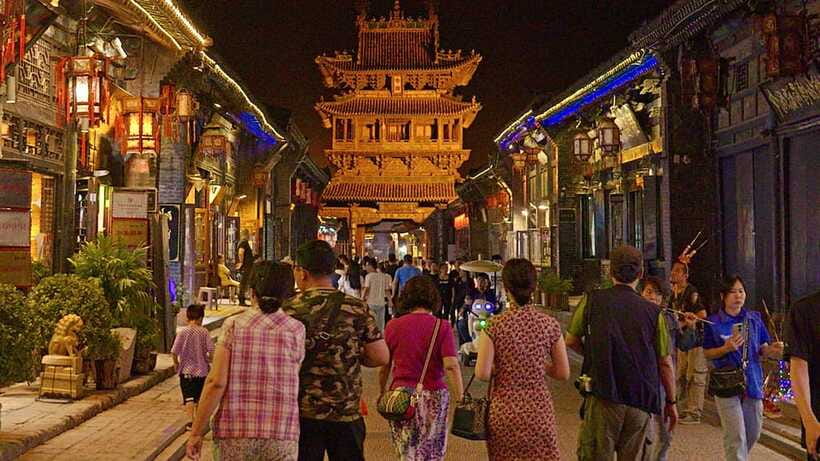
The pass includes Ancient Government Buildings, the historic county office that represents local administration. This is a useful counterpoint to the merchant banks. It shows the official side of Pingyao, where laws, records, and civic duties were handled.
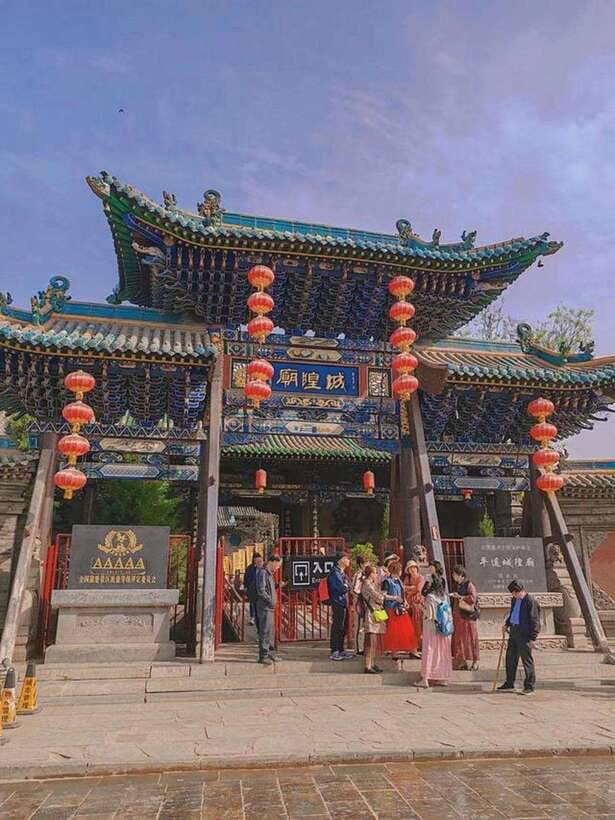
The City God Temple adds a religious and civic dimension. The City God tradition connected spiritual protection with the welfare of the town, making this more than a simple place of worship.
At the Pingyao Confucian Temple, you can consider the influence of education and Confucian values on government and society. The temple helps broaden the visit beyond commerce and architecture.
The Qingxu Taoist Temple and Erlang Taoist Temple add another strand of religious life. I like this mix because the pass lets you compare different institutions within a relatively compact historic center. You can move from government offices to a temple, then to a merchant courtyard, and see how each served a different part of old Pingyao.
Museums that add detail to the merchant city
Several smaller museums fill in subjects that a wall walk or main street cannot explain on its own.
The Huiwuli Bodyguard Agency Museum, Tongxinggong Bodyguard Agency, and North China First Bodyguard Agency focus on the security businesses that supported long-distance trade. These stops are valuable because merchants needed protection as goods and money moved between regions.
The Tianjixiang Museum and Pingyao Chamber of Commerce Museum add more business and civic context. The Chamber of Commerce museum is particularly relevant after visiting the draft banks, since it helps you see how merchants organized themselves within the city.
The China Rare Newspaper Exhibition Hall offers a different subject. It moves you away from architecture and finance toward printed material and public information. The Wentaofang Museum of Ancient Weapons adds another change of pace with its arms-related collection.
I would not try to study every museum at equal length. Choose the subjects that interest you most. A self-guided ticket works best when you accept that some places will receive a quick look while others deserve more time.
Former homes and the family side of Pingyao
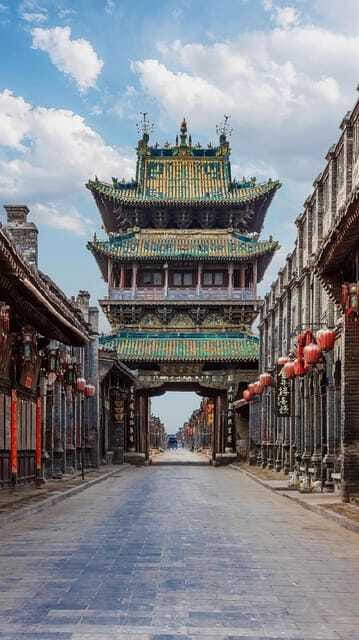
The pass includes Mr. Lei Lutai’s former residence and Ma Family Courtyard. These sites show how prominent individuals and families lived, worked, and presented their status.
Former residences are often among the most approachable historic sites because they make the past personal. Instead of thinking only about dynasties and institutions, you can look at courtyards and rooms as spaces used by actual households.
Ma Family Courtyard is a useful addition to the banks and government office because it shifts attention from public business to family life. The Lei Lutai residence connects an individual figure to Pingyao’s wider commercial story.
These homes are also examples of how traditional residences have been reused as museums. Other old houses in the city now serve as hotels, restaurants, tea rooms, and wine houses, so you will see heritage buildings functioning as part of modern Pingyao rather than sitting apart from it.
A realistic way to use the three-hour plan
The listed self-guided visit takes about three hours. That is enough for a focused introduction, especially if you concentrate on the city wall, Ming and Qing Street, Rishengchang, the county office, one or two temples, and a family courtyard.
It is not enough for a slow visit to every included attraction. The pass covers 20 sites, and several of them deserve more than a quick doorway look. If the ticket is confirmed as valid for three days, you can divide the experience into shorter walks and return to the places that interest you most.
If the pass is valid for only one day, I would make a simple priority list before entering:
- Start with the city wall.
- Visit Ming and Qing Street while you still have energy.
- Choose Rishengchang and at least one other draft bank.
- See the county office and one Confucian or Taoist temple.
- Add the family courtyard or bodyguard museum that best matches your interests.
I would avoid trying to collect every attraction just to say you saw them. Pingyao rewards attention more than speed.
What the $36 price really buys you
At $36 per person, the value depends on how many included sites you visit. If you enter only two or three attractions, the pass may not feel like the best use of your money. If you spend several hours visiting the wall, banks, temples, museums, and courtyards, the broad access becomes much more appealing.
The price also buys convenience. You receive one QR entry method instead of dealing with separate admissions at numerous historic buildings. That matters in a city where the attractions are closely connected but still require repeated decisions about where to go next.
You do not receive a guide, meals, hotel pickup, or drop-off. You also need separate admission or arrangements for Shuanglin Temple and Zhenguo Temple. Those exclusions are important if they are central to your plans.
I see this as a good-value admission product for an independent visitor who wants the main walled-city sights. It is less suitable if you expect a full tour package with transport, explanations, and a meal.
Practical details that can affect your day
The experience begins in Pingyao, not at your hotel. You must arrange your own way to the city and to the entrance. No pickup or drop-off is included.
The pass is listed as wheelchair accessible, which is useful information for visitors who need accessible arrangements. Still, the ticket does not provide a guide or escort, so you may want to confirm the practical route and access conditions for the specific sites you hope to visit.
Photography is allowed, but flash photography is not. Keep your phone or camera ready for the QR code, and remember that indoor museums and historic interiors require respectful use of photography.
Free cancellation is available up to 24 hours before the experience for a full refund. The reserve-now, pay-later option can help if your China schedule is still changing. I would use that flexibility only after confirming the validity period and passport requirements.
Who should book this Pingyao pass?
I would recommend it most strongly to independent visitors who enjoy setting their own pace. It suits people interested in architecture, Chinese finance, temples, historic government, merchant families, and old-town streets.
It also works well if you want to spend more time in one place rather than follow a guide from stop to stop. The large list of included attractions gives you room to change your plans during the day.
I would look elsewhere if you need hotel transport, meals, a detailed explanation at each building, or a clearly fixed group itinerary. The pass gives you access, not a finished tour.
Should you book it?
Book this pass if your main goal is to enter Pingyao’s central historic sights independently and you can handle your own route. The QR system is simple, the attraction list is wide, and the price can be fair when you visit several sites.
Before paying, confirm the one-day versus three-day validity, send accurate passport details for every person, and mark your top five attractions. If you want Shuanglin Temple or Zhenguo Temple, add separate plans. With those points settled, this is a flexible way to meet Pingyao on your own terms.
FAQ
How much does the Pingyao Ancient City Scenic Area Pass cost?
The pass costs $36 per person.
How long does the experience last?
The self-guided visit is listed as lasting about three hours, but the pass includes many attractions and may take longer if you visit them carefully.
Is the ticket valid for one day or three days?
The details give both periods. The highlights say the ticket is valid for three days, while the activity information says valid one day. Confirm the exact validity with the provider before booking.
Do I need a paper ticket?
No. You receive a QR image and show it at the entrance for scanning.
What information must I provide when booking?
You must provide the full name and passport number of every person using the pass.
Is a tour guide included?
No. This is an entrance-only, self-guided option.
Is hotel pickup and drop-off included?
No. You must arrange your own transportation to and from Pingyao.
Are meals included?
No. Meals are not included.
Are Shuanglin Temple and Zhenguo Temple included?
No. Both sites are excluded from this pass.
Is photography allowed?
Yes, photography is allowed, but flash photography is not permitted.
Newest reviews from China
- Beijing: Explore the Forbidden City in Hanfu★ 5.0 · 4 reviews
- Private 2 Day Tour of Dalian City★ 5.0 · 4 reviews
- scooter and hiking trip in the rainforest★ 5.0 · 4 reviews
- Xi’an Night Tour: South Gate Square and Big Wild Goose Pagoda Square★ 4.0 · 4 reviews
- Lantau Peak Sunrise Climb★ 5.0 · 4 reviews
- Beijing Tai Chi and Tea Ceremony Experience★ 5.0 · 4 reviews
- Guangzhou VIP Car Tour– Tailored Sightseeing & Shopping Adventure★ 5.0 · 4 reviews
- Chengdu: City Walking Tour with Food and Culture Stops★ 4.7 · 4 reviews
City Tours, compared.
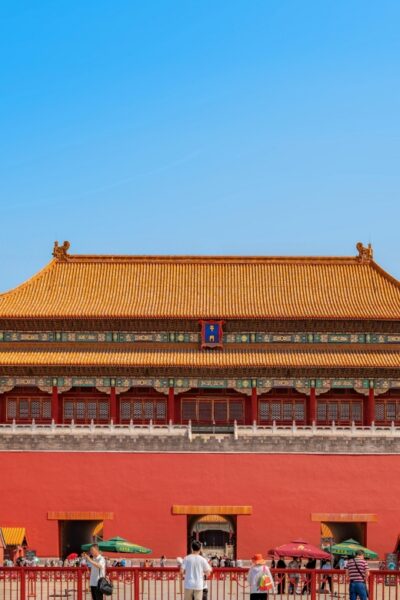
Forbidden City Tour(Group/Private)-Tickets Included
Read our review →
T-Square & Forbidden City Group or Private Tour
Read our review →
All-Inclusive Tour: Tiananmen Square, Forbidden City, Great Wall
Read our review →
4-Hour Small Group Tour to Forbidden City with Entry Tickets
Read our review →
Beijing Full Day Tours: Tiananmen Sq, Forbidden City, Great Wall
Read our review →
Mini Group Xian Day Tour to Terracotta Army, City Wall, Pagoda and Muslim Bazaar
Read our review →
Tianmen Square, Forbidden City & Royal Museum Tours
Read our review →
Beijing Forbidden City Ticket Booking (Optional: guide service)
Read our review →Browse the lists this tour appears in