Reviewed · BEIJING TOURS
Private China Tour to Beijing, Xi’an, Zhangjiajie and Shanghai
China packs a lot into eleven days. This private route links imperial Beijing, ancient Xi’an, Zhangjiajie’s soaring stone pillars, and modern Shanghai, with the Great Wall, Terracotta Army, and Bund all included. I especially like the one-to-one touring format and the way the trip combines major sights with local places such as Beijing’s hutongs, Xi’an’s Muslim Quarter, and Shanghai’s Tianzifang. The main drawback is the pace: several transfer days are long, and you will need good stamina for Zhangjiajie’s stairs, trails, and cable-car areas.
The price includes twin-share hotels, domestic flights, the Beijing to Xi’an high-speed train, six lunches, ten breakfasts, admission fees, bottled water, guides, and private ground transport. That makes $2,999 per person a reasonable package price for a first visit, though international flights, visas, and tips are extra. I would treat the strict no-refund rule as a serious booking consideration.
In This Review
- Key points to know before booking
- Beijing begins with imperial China
- The Great Wall and Ming tombs in one day
- Xi’an puts archaeology and street life side by side
- Zhangjiajie trades palaces for stone pillars
- Shanghai finishes with gardens, water, and city lights
- What $2,999 really covers
- Who will enjoy this route most
- Should you book this private China tour?
- FAQ
- How long is the China tour?
- Which cities are included?
- Is this a private tour?
- Is airport pickup included?
- Are domestic flights and train travel included?
- Are meals included?
- Is the Great Wall admission included?
- Is the tour suitable for people over 80?
Key points to know before booking
- Four very different Chinese destinations: You move from imperial monuments in Beijing to archaeological wonders in Xi’an, dramatic mountain scenery in Zhangjiajie, and the modern skyline of Shanghai.
- Private touring throughout: Your group has its own guide, driver, air-conditioned vehicle, airport pickups, and city transfers rather than joining a large coach.
- The schedule is full: Beijing and Zhangjiajie days run long, while several evenings involve flights, hotel transfers, or train connections.
- Major entrance fees are covered: The Forbidden City, Badaling Great Wall, Terracotta Army, Zhangjiajie sights, Shanghai river cruise, and other listed attractions are included.
- Food is partly organized: Six lunches and ten breakfasts are provided, with a vegetarian option available if you request it when booking.
- Good for a first China visit: You get a broad introduction, but the route leaves little spare time for wandering or extra rest.
Beijing begins with imperial China
Your first day is intentionally simple. After you clear customs and collect your luggage at Beijing Capital Airport, a local guide meets you and a driver takes you to the hotel. The guide also helps with check-in, which matters after a long international flight and an unfamiliar arrival process.
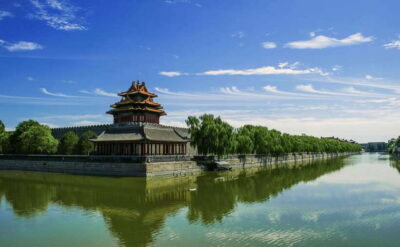
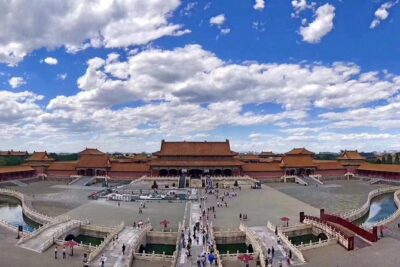
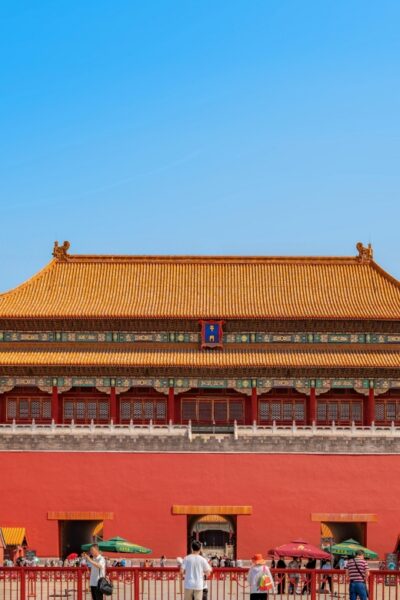
Day two brings the heart of old Beijing. Tiananmen Square takes about 30 minutes, enough to see the enormous open space before entering the Forbidden City. The square is free to visit on this schedule, while the Palace Museum admission is included.
You should allow yourself the full three hours listed for the Forbidden City. This was the center of imperial government and court life, and the scale becomes clear as you pass through its gates, courtyards, halls, and pavilions. Your guide can give the political and ceremonial setting that makes the buildings easier to understand. Without that context, it is easy to see only a long sequence of red walls and grand roofs.
The afternoon shifts from court life to ordinary city life. In Shichahai, you ride a rickshaw through traditional hutong lanes for about 40 minutes, followed by more time in the old neighborhood. This is one of the more human parts of the trip. You are not only looking at monuments. You are seeing the narrow streets and older residential pattern that once shaped Beijing.
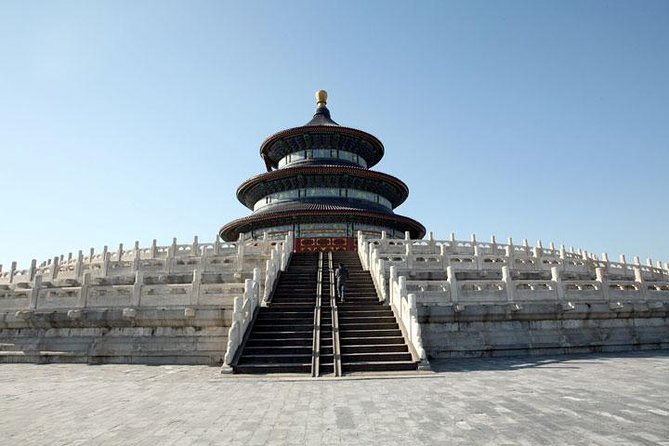
The Temple of Heaven closes the day with another 90-minute visit. Emperors came here to make offerings to Heaven during the Ming and Qing periods. The grounds also give you a change of mood after the formal spaces of the Forbidden City, with open courtyards and a ceremonial setting rather than palace rooms.
This is a strong sightseeing day, but it is not a relaxed one. Tiananmen Square, the Forbidden City, a rickshaw ride, and the Temple of Heaven add up to a lot of walking and information. Wear comfortable shoes and keep your water handy. Two bottles per person per day are supplied, which is a small but useful touch.
A few more tours worth putting side by side
- From Beijing: Mutianyu Great Wall Tours with Options
★ 4.9 · 9,216 reviews - Beijing: Forbidden City Tour(Group/Private)-Tickets Included
★ 4.8 · 7,974 reviews - Beijing: T-Square & Forbidden City Group or Private Tour
★ 4.8 · 4,446 reviews
The Great Wall and Ming tombs in one day
Day three is built around Badaling, the most accessible Great Wall section on this route. You spend about three hours there, which gives you time to walk along the wall and take in its ridges, watchtowers, and long lines across the hills.
Badaling is a practical choice for a tightly organized tour. It is a developed section, so you are not dealing with a remote approach or a difficult independent connection. The tradeoff is that it is one of the best-known sections, so it can feel busy. Still, the sight of the wall climbing and dropping across the hills is the point, and the included guide and transport remove much of the day’s logistical work.
The Ming Tombs follow, with attention to the Sacred Way and Dingling Tomb. One hour is enough for an introduction, but not for a slow study of the whole tomb complex. This pairing works because the wall shows defensive ambition, while the tombs reveal how imperial power continued into death.
On the return to central Beijing, you stop briefly at the Bird’s Nest National Stadium for photographs. Admission is not included, and the scheduled 20 minutes makes this a photo stop rather than a stadium visit. That is sensible, since the day already has two substantial historical sites.
Day four starts at the Summer Palace. Give this garden its full two hours. Its water, hills, pavilions, and imperial buildings provide a softer finish to Beijing than the Forbidden City or Great Wall. You can expect another active morning, but the setting is less rigid and more scenic.
After lunch or the morning program, you transfer to the railway station for the high-speed train to Xi’an. The listed rail segment takes about five hours, and the Xi’an guide and driver meet you at the other end. Having local help on arrival is valuable, especially after a long train ride when you still need to reach the hotel and settle in.
Xi’an puts archaeology and street life side by side
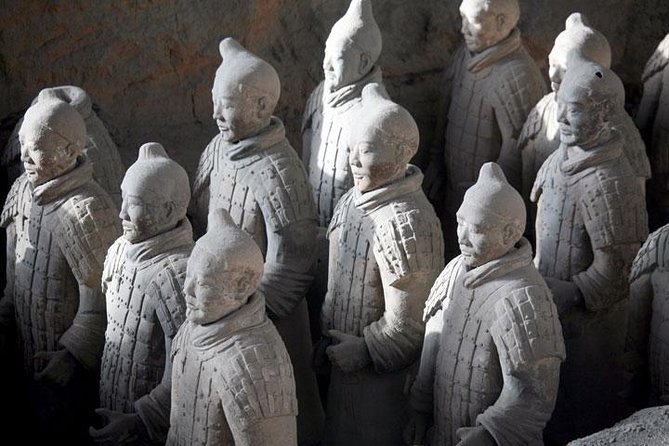
Xi’an’s main event is the Terracotta Army, and the schedule gives it four hours. That is the right amount of time for the three excavated pits, the warrior figures, and the ancient weapons on display. The scale can be hard to grasp in photographs. In person, the organized rows and individual details make the site feel less like a single monument and more like a buried military world.
Lunch is included on this day, which keeps the program moving. I like that the visit is not rushed into a short photo stop. You have enough time to look carefully and listen to the guide’s explanation.
The Small Wild Goose Pagoda and Xi’an Museum follow in the afternoon. The pagoda has survived several earthquakes, and its compact scale gives you a contrast to the huge archaeological halls. The adjacent museum adds another layer to Xi’an’s past without requiring another long transfer.
Day six begins with Xi’an’s City Wall Park and the city wall itself. The park offers a look at ordinary local routines before you climb into one of China’s most complete surviving urban fortifications. Two hours gives you time to appreciate the structure and the city views, though you should not expect to cover every section.
The Great Mosque is a worthwhile change of subject. Its Islamic design within a Chinese setting shows the city’s long connection with trade and cultural exchange. The one-hour visit is enough for a focused introduction.
Then you get free time in the Muslim Quarter, plus a planned snack stop at a popular restaurant. This is one of the best chances to eat your way through the trip. The schedule mentions a variety of local snacks, but lunch arrangements can vary by day, so tell the operator about vegetarian needs when you book.
The day ends with the Han Yang Ling Museum, also called the Tomb of Emperor Jingdi. Its excavation areas differ from the Terracotta Army, giving you a second archaeological experience before the airport transfer. This is an intellectually rewarding stop, but it also makes day six very full.
You then fly to Zhangjiajie. A guide and driver meet you on arrival and take you to the hotel. By this point, you have had a train transfer, several historical sites, and an airport connection in the same day. Plan on an early night if you can.
Zhangjiajie trades palaces for stone pillars
Day seven is devoted to Zhangjiajie National Forest Park and lasts about eight hours. The first major ride is the Bailong Elevator, which takes you to the Yuanjiajie Scenic Area. This area is known for the Southern Sky Column, the stone formation associated with the floating mountains seen in the film Avatar.
The elevator itself is part of the attraction, but you should expect queues and a busy sightseeing environment at major scenic points. The private format helps with coordination, yet it cannot make a famous mountain park empty. The reward is the dramatic view of tall rock pillars rising from the forest, a sharp break from the flat ceremonial spaces of Beijing.
Day eight pairs the Grand Canyon of Zhangjiajie with Golden Whip Brook. The Grand Canyon program takes about four hours and combines mountains, caves, and water. It also includes the famous glass bridge experience, described as the number one glass bridge. If heights unsettle you, this may be the most demanding part of the trip. The schedule gives you a major attraction, not an optional side visit.
After a short energy break, you enter the park from the East Gate and take a scenic vehicle to Shuirao Simen. The Golden Whip Brook walk covers the most scenic part of a route described as 7.5 kilometers long, with about three hours allocated. This is a better day for seeing the park at walking speed, but the trail length and uneven terrain make comfortable shoes essential.
Day nine turns to Tianmen Mountain National Forest Park for about five hours. Tianmen Cave is the natural feature that gives the mountain its name, and energetic visitors can attempt the famous 999 stairs. The wording matters: the stairs are an option for those who feel up to it, not a task you should force after two demanding mountain days.
Later, you fly to Shanghai. The evening flight and airport transfer mean day nine is another travel-heavy day. You will have covered much of Zhangjiajie, but you will not have much time to recover before Shanghai sightseeing begins.
A few more tours in Beijing worth putting side by side
- Beijing:Mutianyu Great Wall Private Trip with English Driver
★ 5.0 · 1,263 reviews - Private Mutianyu Great Wall Trip with English-Speaking Driver
★ 5.0 · 927 reviews - Private Mutianyu Great Wall Trip With English-Speaking Driver
★ 5.0 · 899 reviews - Mutianyu Great Wall&Summer Palace Excursion:Group/Private Options
★ 5.0 · 816 reviews
Shanghai finishes with gardens, water, and city lights
Day ten gives you a useful overview of Shanghai’s growth at the Urban Planning Exhibition Hall. Models, photographs, and city plans explain how the city changed from a small fishing settlement into a huge modern metropolis. It is an especially helpful first stop because Shanghai can otherwise feel like a wall of towers and traffic.
Yu Garden follows. This 400-year-old private garden has carefully arranged halls, rockeries, and courtyards. Outside, Yuyuan Bazaar gives you a more commercial setting, with time to walk and browse before continuing.
After an a la carte lunch, you take a Huangpu River cruise. This is one of the trip’s best visual payoffs. From the water, you see the Bund’s Chinese and Western buildings on one side and Shanghai’s newer skyscrapers on the other. The two-hour block includes the cruise and surrounding time, so you should have room for photographs without turning the visit into a sprint.
Free time at the Bund lets you see the riverfront on foot. I like the combination of boat and promenade because each gives you a different angle. The cruise shows the scale of the city, while the Bund lets you study the older architecture at street level.
Tianzifang ends the day in old lanes filled with cultural and creative businesses. The visit lasts about 40 minutes, so consider it a short introduction rather than a long shopping session. The contrast with the broad riverfront and enormous towers makes the final evening feel varied.
On day eleven, your driver and guide escort you to the airport for your homeward flight. There is no extra sightseeing, which is appropriate after such a dense schedule.
What $2,999 really covers
At $2,999 per person, this is not a budget independent trip. But the number includes several expensive and time-consuming pieces: twin-share hotel accommodation, the Beijing to Xi’an train, one-way economy flights from Xi’an to Zhangjiajie and from Zhangjiajie to Shanghai, airport transfers, private vehicles, professional guides, entrance fees, breakfasts, six lunches, and daily bottled water.
I see the value mainly in the coordination. Four major destinations, multiple airports, one long train journey, and several local transfers can be tiring to arrange alone. Here, your guide and driver meet you at each major arrival point, and your group does not share the daily vehicle with strangers.
There are limits. International airfare, China visa costs, and tips are not included. The accommodation price is based on two people sharing a room, so a solo participant should confirm the single-room cost before paying. Lunch is included on six days, while other meals are your responsibility.
The strict cancellation terms also matter. This experience is non-refundable and cannot be changed for any reason, so I would not book until your flights, passport details, and travel dates are firm.
Who will enjoy this route most
I would recommend it to a first-time visitor who wants China’s headline sights without handling domestic transport alone. It suits people who value a private guide, fixed arrangements, and a wide sample of the country more than long stays in one city.
It is also a good fit if you want more than imperial monuments. Beijing provides palaces and temples, Xi’an adds archaeology and food, Zhangjiajie brings mountains and physical activity, and Shanghai supplies gardens, river views, and modern architecture.
I would be cautious if you prefer slow mornings, independent meals, or several unplanned hours in each city. The route has little spare time, and Zhangjiajie requires stamina. The tour is not suitable for people over 80, and most participants still need to be comfortable with long sightseeing days, stairs, trails, and airport transfers.
Should you book this private China tour?
Book it if you want a carefully managed introduction to four very different parts of China and you are willing to accept a quick pace. The strongest features are the private service, the broad coverage, and the fact that the largest admission costs and domestic connections are already arranged.
Skip it if you want to linger, travel independently, or avoid strenuous mountain outings. For the right person, the $2,999 package offers strong practical value, especially when you add the hotels, guides, flights, rail journey, meals, and private transport. Just confirm your schedule carefully before booking, since the terms leave no room for a change of mind.
FAQ
How long is the China tour?
The tour lasts approximately 11 days, beginning with airport pickup in Beijing and ending with transfer to your homeward flight from Shanghai.
Which cities are included?
The route includes Beijing, Xi’an, Zhangjiajie, and Shanghai.
Is this a private tour?
Yes. Only your own group participates in the activity, with a professional guide, experienced driver, and private air-conditioned vehicle.
Is airport pickup included?
Yes. Pickup is offered at Beijing Capital Airport on arrival, and transfers are also provided when you arrive in Xi’an, Zhangjiajie, and Shanghai.
Are domestic flights and train travel included?
The package includes one-way economy airfare from Xi’an to Zhangjiajie and from Zhangjiajie to Shanghai. It also includes the high-speed train from Beijing to Xi’an. International airfare is not included.
Are meals included?
Ten breakfasts and six lunches are included. A vegetarian option is available if you advise the operator at the time of booking.
Is the Great Wall admission included?
Yes. Admission to Badaling Great Wall is included. The short photo stop at the Bird’s Nest National Stadium does not include admission.
Is the tour suitable for people over 80?
No. The tour information states that it is not suitable for people over 80 years old. The schedule also includes extensive sightseeing, walking, stairs, and mountain trails.
Newest reviews from Beijing
- Jinshanling Great Wall to Simatai West Sunset Hiking Private Tour★ 5.0 · 4 reviews
- Private Tour: Mutianyu/Badaling Great Wall and Temple of Heaven★ 5.0 · 4 reviews
- Beijing: Forbidden City Guided Tour with Options★ 4.3 · 4 reviews
- Beijing: Acrobatic Show Tickets Traditional & Modern Fusion★ 5.0 · 4 reviews
- Beijing: Private Biking Tour Along Central Axis of Beijing★ 4.8 · 4 reviews
- Best Beijing Day Tour To Forbidden City and Great Wall★ 5.0 · 4 reviews
- BusDa- Private Tour: Mutianyu Great Wall &Ming Tombs(Chang Ling)★ 5.0 · 4 reviews
- Beijing: Explore the Forbidden City in Hanfu★ 5.0 · 4 reviews
Beijing Tours, compared.

Forbidden City Tour(Group/Private)-Tickets Included
Read our review →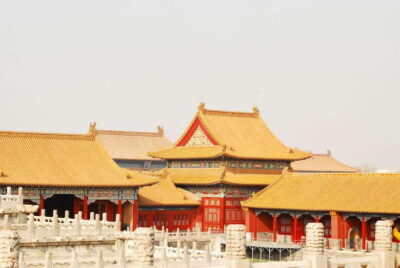
T-Square & Forbidden City Group or Private Tour
Read our review →
All-Inclusive Tour: Tiananmen Square, Forbidden City, Great Wall
Read our review →
MuBus: Mutianyu Great Wall ENG/ESP/RUS Guided Bus Tour
Read our review →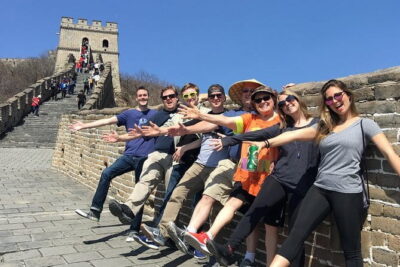
4-Hour Small Group Tour to Forbidden City with Entry Tickets
Read our review →