Reviewed · SHANGHAI TOURS
Shanghai: Jewish Ghetto and Shanghai Bund Private Tour
Shanghai’s past has more layers than its skyline. This three-hour private tour links the Jewish Refugees Museum, old refugee-era streets, and the Bund, giving you a focused look at a part of the city many visitors miss. I especially like the combination of serious history and open-air sightseeing, plus the chance to travel with a private English-speaking guide rather than follow a large group.
I also like the practical hotel pickup and local transportation. Guides such as Lea, Robert, Lia, Sunny, and Mason have been praised for being friendly, flexible, and clear. The main consideration is time: three hours is enough for a strong introduction, but not enough for a slow museum visit, a long neighborhood walk, and a leisurely Bund stop.
In This Review
- What makes this three-hour tour worthwhile
- Starting at your downtown Shanghai hotel
- Inside the Jewish Refugees Museum
- Walking the old refugee-era streets
- The Peace Hotel and the Bund
- A private guide who can adjust the experience
- Is $113 per person fair value?
- Who should book it
- Practical details before you reserve
- Final call: a focused history tour with a strong human side
- FAQ
- How long does the Shanghai Jewish Ghetto and Shanghai Bund tour last?
- Is the tour private?
- What language is the tour conducted in?
- Does the tour include hotel pickup?
- Are hotels near Pudong Airport included for pickup?
- What transportation is used for a group of one to four people?
- What transportation is used for groups larger than four?
- Is the Jewish Refugees Museum admission included?
- Are food and drinks included?
- Does the tour include hotel drop-off?
What makes this three-hour tour worthwhile
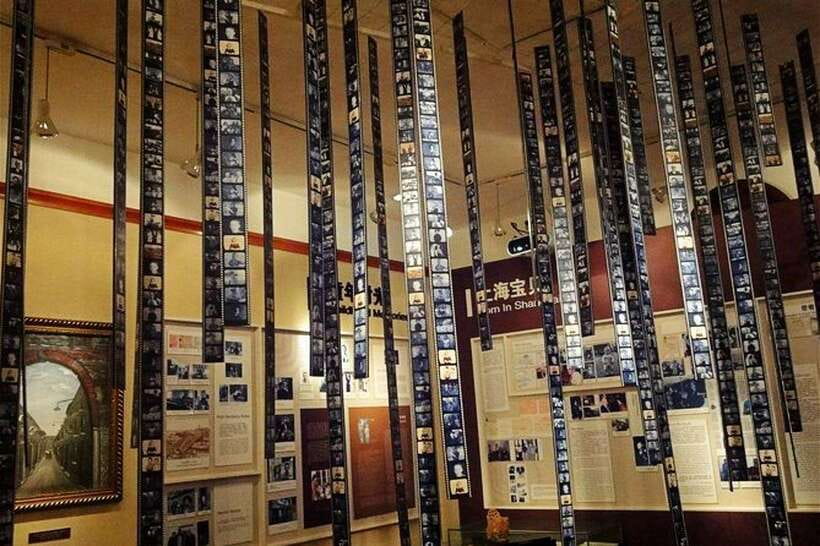
- The Jewish Refugees Museum comes first: You see documents, photographs, films, and personal belongings connected to Jewish refugees in Shanghai during World War II.
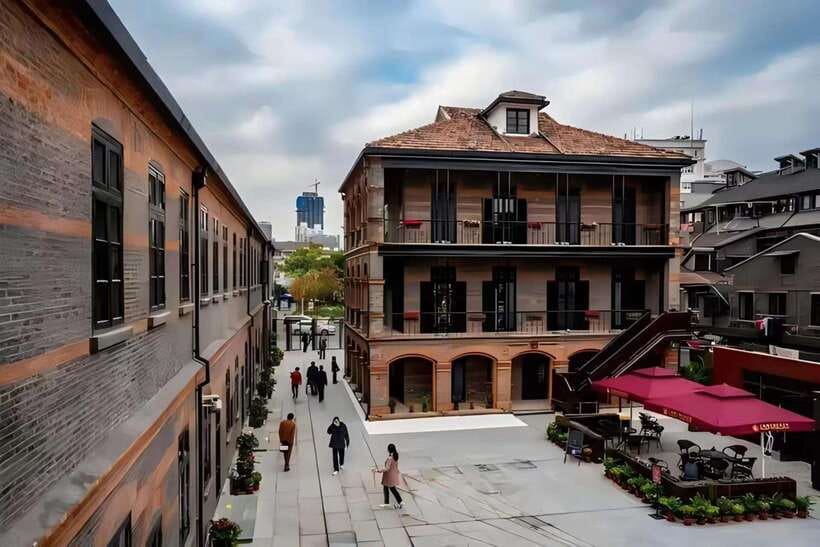
- The old streets add human scale: Stone-framed houses, former Jewish community sites, and the old JDC center help connect museum displays with the neighborhood itself.
- The Bund provides a dramatic contrast: The tour moves from wartime history and residential lanes to Shanghai’s grand riverfront and its mix of historic and modern views.
- A private guide can adjust the pace: Guides have adapted visits to personal interests and physical comfort, which matters on a hot day or during an emotional museum visit.
- Pickup and transport are included: Groups of one to four use local premium Uber transportation, while larger groups receive an air-conditioned minivan.
- The price reflects personal attention: At $113 per person, this costs more than a group walk, but you are paying for a private guide, transport, hotel pickup, and museum admission.
Starting at your downtown Shanghai hotel
The tour begins with pickup from your downtown Shanghai hotel. You are asked to wait in the lobby at the start time, so this is a simple option if you want to avoid finding a meeting point in an unfamiliar part of the city.
Transportation depends on group size. A party of one to four travels by local premium Uber, while groups of more than four receive an air-conditioned minivan. That arrangement keeps a small private tour fairly nimble, though the listing does not promise a private sedan or luxury vehicle for small groups. The transport is best seen as a practical link between the two main areas.
Pickup is not included for every part of Shanghai. Hotels near Pudong Airport, Disneyland, Songjiang District, or the Hongqiao area are outside the included pickup zone. If you stay in one of those areas, you receive a specific meeting point instead. Check this before booking, since a distant hotel can change the convenience of a short tour.
A few more tours worth putting side by side
- Authentic Local Food Tour in Central Shanghai
★ 5.0 · 1,382 reviews - Zhujiajiao Water Town and Shanghai City Private Day Tour
★ 5.0 · 1,016 reviews - Private Shanghai Full Day City Tour with Old and New Highlights
★ 5.0 · 995 reviews
Inside the Jewish Refugees Museum
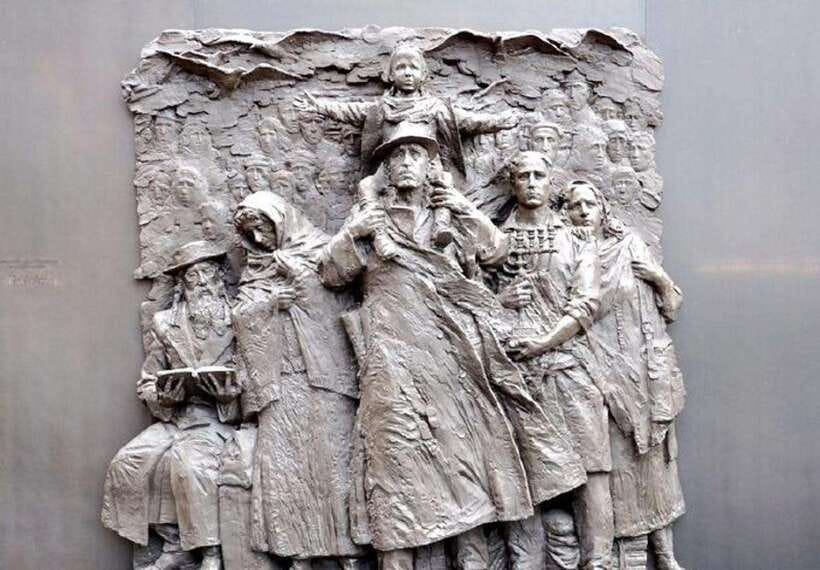
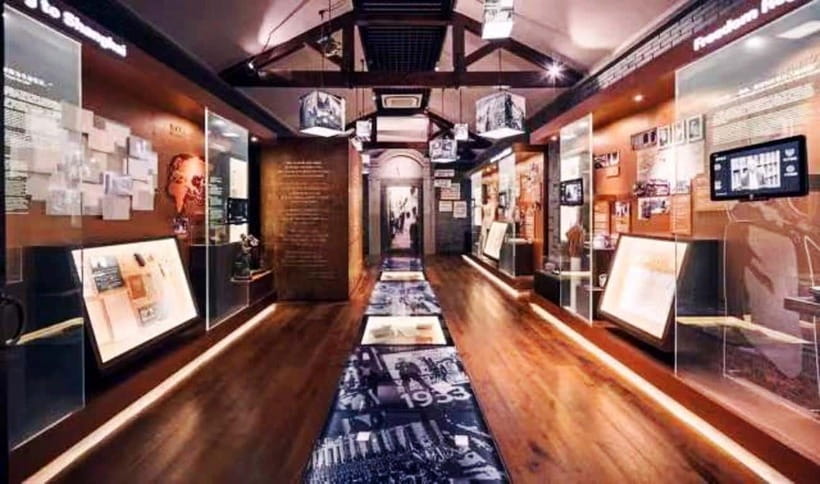
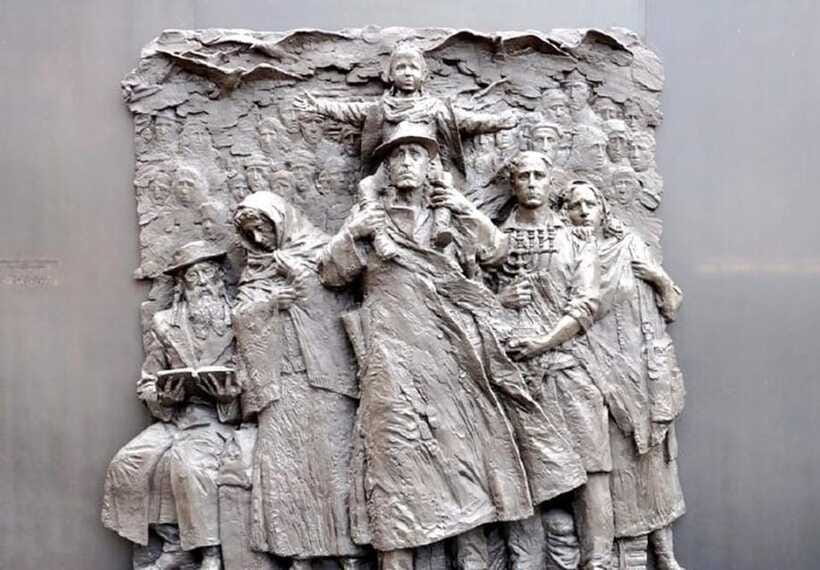
The central stop is the Jewish Refugees Museum, also known as the Ohel Moishe Synagogue. This is where the tour gains its weight. Instead of treating Shanghai as only a city of skyscrapers and shopping streets, the museum introduces the lives of Jewish refugees who spent the World War II period here.
You can expect several kinds of material: life documents, photographs, films, and personal items. These objects give the subject a personal scale. A photograph or document can tell you more about daily life than a string of dates, and the films help place the individual stories within the wider wartime setting.
The museum is a good reason to choose a private guide. You can ask questions as they occur, pause over displays that matter to you, and ask for background when a name or event is unfamiliar. The tour is conducted in English, and the guide is there to explain the material rather than simply lead you from room to room.
Allow yourself a little emotional space here. Peter from Australia described the subject as part of his family history and found the visit emotional. You may have a family connection, a general interest in Jewish history, or no prior knowledge at all. In each case, the museum works best when you do not rush through it.
The drawback is built into the three-hour schedule. The museum has enough material to occupy a serious history enthusiast for longer than the allotted visit. Your guide will help you see the key sections, but you may need to accept a selective visit rather than read every panel at length.
Walking the old refugee-era streets
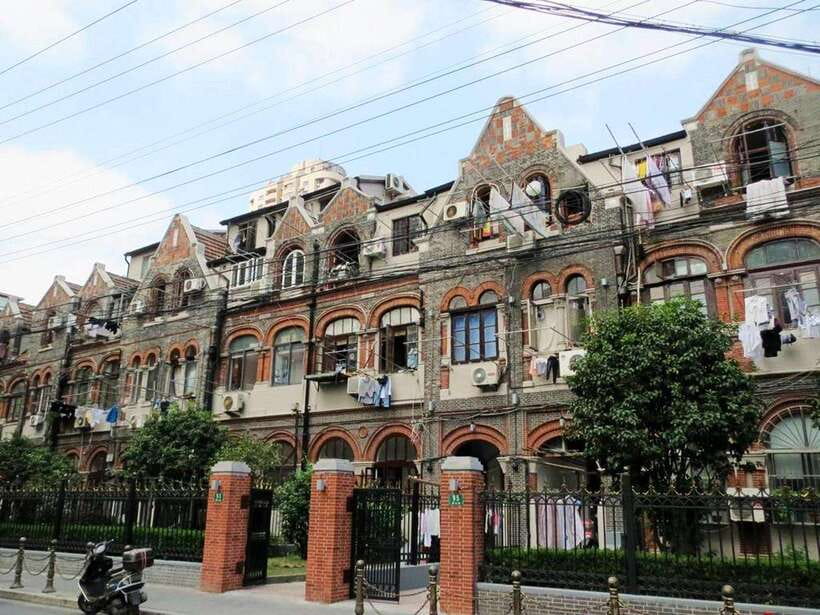
After the museum, the tour moves outdoors through old alley streets. This change matters. Inside the museum, you meet the history through preserved material. Outside, you see the type of built environment where thousands of refugees once lived.
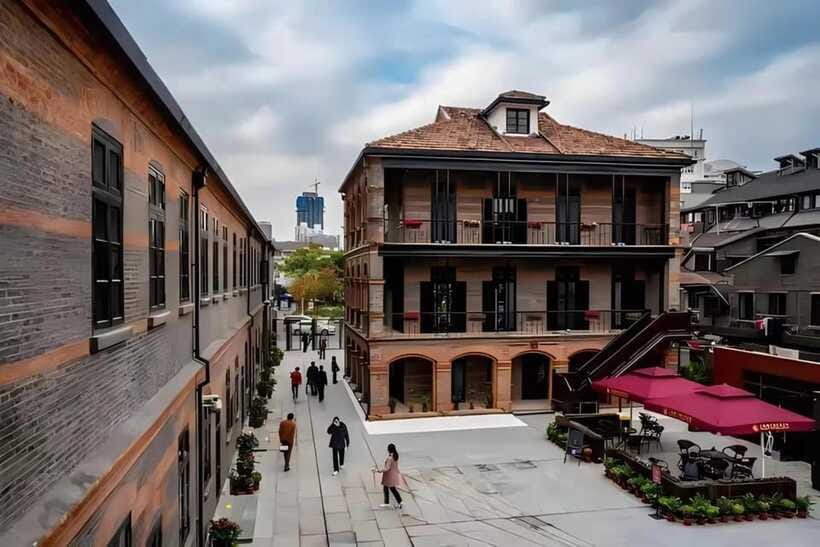
The route includes the old JDC center and historic Shanghai stone-framed houses. These buildings make the story less abstract. You are not only hearing that a community existed here. You are looking at the streets and homes connected with that chapter of Shanghai’s past.
The old Jewish park is another stop. The description presents it as a place where you can watch local life continue around a historic site. That contrast is one of the most useful parts of the walk. The area is not preserved as a silent museum district only. People still go about their daily routines, and the older buildings sit alongside ordinary modern life.
Expect a neighborhood walk rather than a polished attraction route. Old lanes can feel more revealing than grand monuments, but they may also be less tidy, less predictable, and more exposed to the weather. Wear comfortable shoes, and bring water in warm conditions. Lia received particular praise for helping make the visit easier on a hot day, which points to the value of having a guide who watches the pace.
The Peace Hotel and the Bund
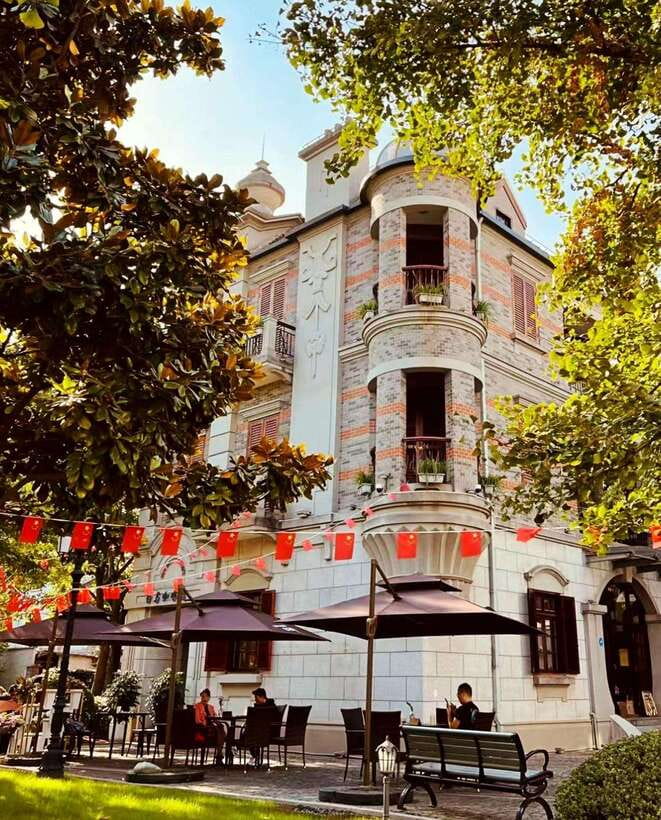
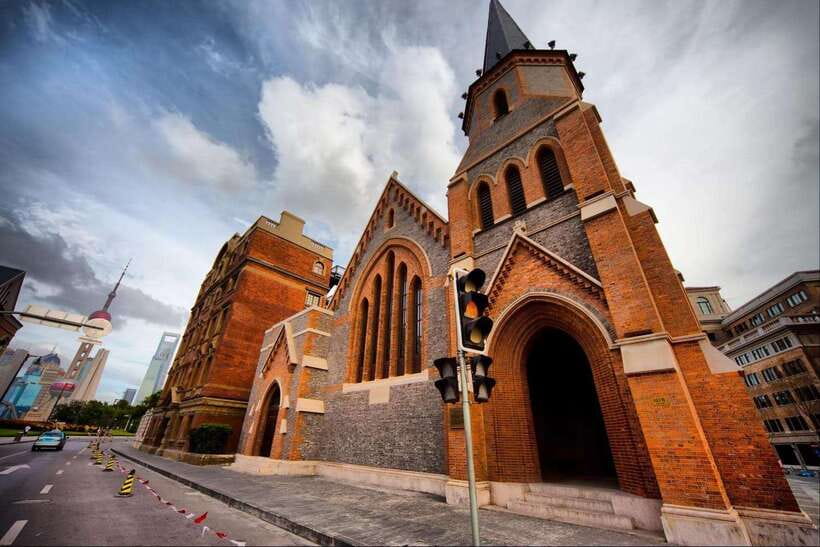
The final portion shifts from refugee history to Shanghai’s best-known riverfront. You visit the Peace Hotel, associated here with the British Jewish Sassoon families and their major role in Shanghai’s grand hotel architecture.
The hotel is valued for its art deco design. This is a different kind of Jewish history from the museum and neighborhood walk. At the museum, you focus on refuge, survival, and personal lives. At the Peace Hotel, you see the public and commercial side of Jewish influence in old Shanghai.
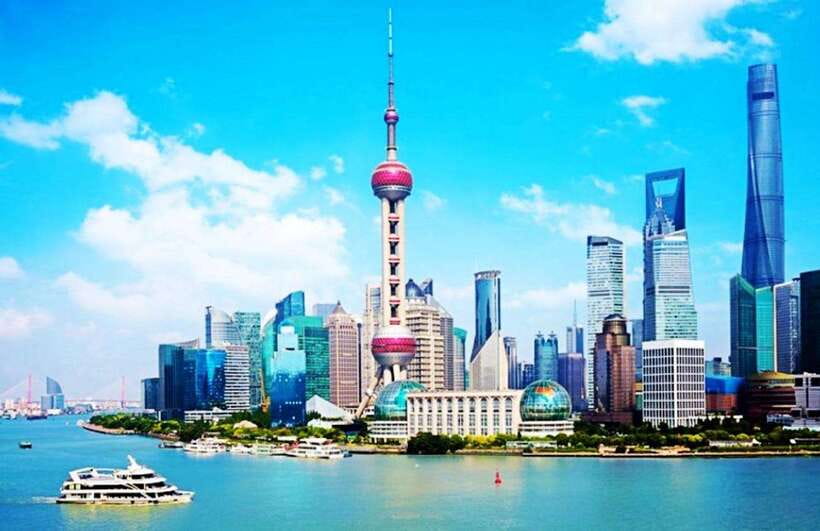
From there, you walk to the riverfront and along the Bund. The reward is the famous contrast between old and new Shanghai. Historic buildings line one side, while the modern skyline appears across the river. Your guide explains the history as you take in the view, so the Bund becomes more than a photo stop.
Timing matters here. The Bund is an active public promenade, and the experience depends partly on the conditions during your visit. The tour gives you a guided introduction and time for views, but it is not designed as a long evening stroll. If you want extensive photography or a relaxed look at every building, you may wish to return on your own.
The Bund also provides a useful finish. After the heavy subject of wartime refugee history, the riverfront gives you physical space and a broad view of Shanghai’s transformation. The two locations feel very different, and that contrast is part of the tour’s appeal.
A few more tours in Shanghai worth putting side by side
- Shanghai Private Tour: Zhujiajiao Water Town and Boat Ride
★ 5.0 · 661 reviews - Shanghai: Zhujiajiao Private Tour w/ Boat Ride & Garden
★ 5.0 · 460 reviews - Suzhou Private Day Trip from Shanghai with Bullet Train Option
★ 5.0 · 366 reviews - Private Full-Day Tour: Incredible Shanghai Highlights
★ 5.0 · 352 reviews
A private guide who can adjust the experience
The strongest pattern in the available feedback is praise for the guides’ personal approach. Lea was described as excellent, Robert as friendly and informative, Lia as helpful on a hot day, Sunny as especially kind and clear, and Mason as both friendly and well informed. Another guest described Maison as flexible and attentive.
The variation in names suggests that you are not booking one named guide. Your guide will be assigned by the operator, Sunny Amazing Tours. Still, the repeated praise for several guides suggests that personal service is a major part of the product.
A private format helps in several ways:
- You can ask more questions than you could in a large group.
- Your guide can explain family or historical connections with greater care.
- The pace can be adjusted if the museum feels emotional or the weather is difficult.
- You can focus more on the museum, the old streets, or the Bund, depending on your interests.
One guide even took a guest to see the old town, although that should not be treated as a guaranteed stop. It shows that some flexibility may be possible, but the published route is the Jewish area and the Bund. If you hope to add another district, ask before the tour begins and understand that the three-hour schedule may not allow it.
Is $113 per person fair value?
At $113 per person, this is not the cheapest way to see the Bund. You can reach the riverfront independently, and Shanghai has many low-cost sightseeing options. The price makes more sense if you want the Jewish history explained properly and prefer not to arrange transport between districts.
Your fee includes an English-speaking local guide, downtown hotel pickup, local transportation, and the entry ticket to the Jewish Museum. It does not include food, drinks, or hotel drop-off. That last point is easy to overlook: the tour finishes without returning you to your hotel, so plan your next stop from the Bund.
The value improves for a small private group that will share the attention and transport. A solo visitor pays more for privacy, but may find the focused guidance useful, especially at the museum. Larger groups receive an air-conditioned minivan, which is practical, though the per-person price may feel less intimate if your group is large.
I would choose this tour over a general Shanghai sightseeing tour if you care about Jewish history, wartime stories, architecture, or less familiar parts of the city. I would not choose it if your main goal is shopping, food, or a long Bund photo session. The route has a clear historical purpose.
Who should book it
This tour suits you best if you want a short, guided introduction rather than an entire day devoted to the subject. It is especially appropriate for people with Jewish family connections, students of World War II history, architecture fans, and first-time visitors who want context for Shanghai beyond its modern skyline.
Families may appreciate the private format because questions are easier to handle. Older visitors may value hotel pickup and local transport, though the itinerary still includes walking through old streets and along the Bund. Anyone sensitive to heat should plan clothing and water carefully, since part of the experience takes place outdoors.
The tour may be less suitable if you dislike museums, prefer to explore at your own speed, or need extensive time at each display. Three hours is efficient, but it is also tight. You are getting a connected introduction, not an exhaustive study of every site.
You should also consider the emotional side. This is not a light sightseeing circuit. The museum deals with refugee lives during wartime, and the subject may feel personal or difficult. That seriousness is a strength for the right visitor, but it is worth knowing before you book.
Practical details before you reserve
The tour lasts three hours and operates with a live English-speaking guide. It is a private group experience, so you do not share the guide with unrelated visitors.
Free cancellation is available up to 24 hours before the start time for a full refund. You can also reserve now and pay later, which helps if your Shanghai schedule is still changing. Check starting-time availability when you select a date.
Bring comfortable shoes for the neighborhood streets and Bund promenade. Food and drinks are not included, so plan those separately. Since hotel drop-off is not included, treat the Bund as the end of the organized portion and decide where you want to go next.
Final call: a focused history tour with a strong human side
I would book this experience if I wanted to understand Shanghai’s Jewish refugee history while still seeing the Bund in the same outing. The museum supplies the evidence, the old streets give it a physical setting, and the Peace Hotel and riverfront broaden the story into architecture and city history.
The main trade-off is speed. You will cover meaningful ground in three hours, but you will not have unlimited time for displays, photographs, or independent wandering. At $113 per person, the tour earns its price through private guidance, transport, pickup, and museum entry, not through the number of attractions squeezed into the schedule.
Book it for the stories and the guide’s personal attention. Skip it if you want only Shanghai’s headline sights or a relaxed riverfront walk.
FAQ
How long does the Shanghai Jewish Ghetto and Shanghai Bund tour last?
The tour lasts three hours.
Is the tour private?
Yes. It is offered as a private group experience.
What language is the tour conducted in?
The live tour guide speaks English.
Does the tour include hotel pickup?
Yes. Pickup is included from downtown Shanghai hotels. You should wait in your hotel lobby at the scheduled start time.
Are hotels near Pudong Airport included for pickup?
No. Pickup and drop-off are not included for hotels in the Pudong Airport, Disneyland, Songjiang District, or Hongqiao areas. A meeting point will be provided instead.
What transportation is used for a group of one to four people?
A group of one to four people travels by local premium Uber.
What transportation is used for groups larger than four?
Groups of more than four people receive an air-conditioned minivan.
Is the Jewish Refugees Museum admission included?
Yes. The entry ticket to the Jewish Museum is included.
Are food and drinks included?
No. Food and drinks are not included in the tour price.
Does the tour include hotel drop-off?
No. Hotel drop-off is not included.
Newest reviews from Shanghai
- Private Qibao Ancient Town Walking Tour with Tea Tasting and Calligraphy Experience★ 5.0 · 4 reviews
- Shanghai Pudong and Shanghai Hongqiao Airport to Hotels Transfer★ 5.0 · 4 reviews
- Flexible Airport Layover Tour of Shanghai City Highlights with Spa Option★ 5.0 · 4 reviews
- Discover Local Life and Street Food Shanghai Bike Adventure★ 5.0 · 4 reviews
- Shanghai Zhujiajiao water town,Yugarden&Bund one day tour★ 5.0 · 4 reviews
- Quick Tour to Xi’an Terracotta Warriors from Shanghai by Air in One Day★ 5.0 · 4 reviews
- Wuzhen Private Full-Day Tour from Shanghai★ 5.0 · 4 reviews
- Private Round Trip Transfer to Zhouzhuang Water Village from Shanghai★ 5.0 · 4 reviews
Shanghai Tours, compared.
Authentic Local Food Tour in Central Shanghai
Read our review →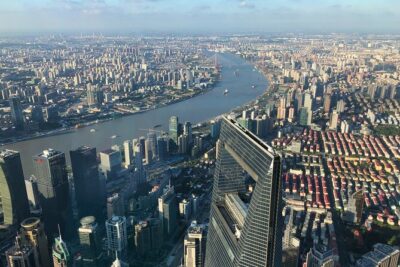
Zhujiajiao Water Town and Shanghai City Private Day Tour
Read our review →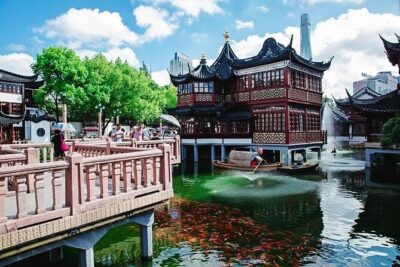
Private Shanghai Full Day City Tour with Old and New Highlights
Read our review →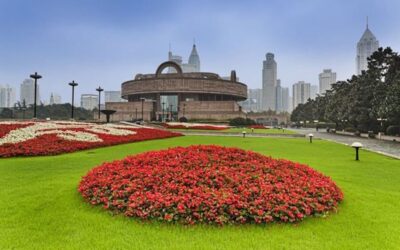
Hop-on Hop-off Bus Ticket and Optional Attractions
Read our review →
Shanghai Private Tour: Zhujiajiao Water Town and Boat Ride
Read our review →
Huangpu Night Cruise: Cozy Vibe & Modern Shanghai Glow
Read our review →