

Reviewed · YU GARDEN TOURS
Shanghai: Yu Garden Entry Ticket with PDF Guidebook
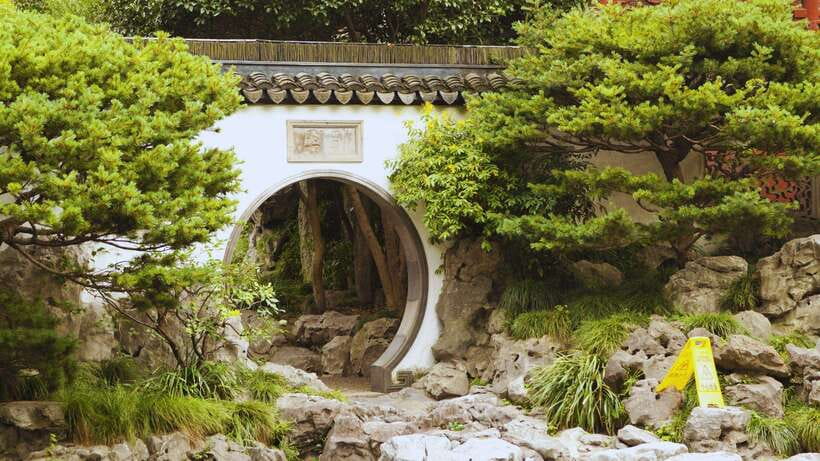
Old Shanghai begins behind a moon gate. Yu Garden gives you instant entry to one of the city’s best-known classical gardens, along with an English PDF guide, a map, photo advice, and message support if you need help at the entrance. I like the immediate QR ticket and the freedom to explore without joining a group. I also like that the guide points out details such as the Exquisite Jade Rock and Nine-Lion Study, which are easy to miss when you wander alone.
The main drawback is crowding. Yu Garden can feel packed, especially around the Nine-turn Bridge and the nearby old-town shopping streets. You also need your original physical passport or ID card, and the garden typically closes at 16:30, with last entry at 16:00. That makes late arrival a poor gamble.
In This Review
- Key points before you book
- What Yu Garden feels like in the middle of Old Shanghai
- Getting your QR ticket and finding the entrance
- A three-hour route through pavilions, ponds, and stone paths
- The Exquisite Jade Rock and Nine-Lion Study
- Huxinting Teahouse and the views around the water
- How the $17 price compares with what you receive
- Timing your visit before the 16:00 last entry
- What the self-guided format does well
- What to bring and what not to expect
- Cancellation and booking flexibility
- Who should choose this Yu Garden ticket?
- Should you book the $17 Yu Garden experience?
- FAQ
- What is included in the Yu Garden ticket?
- How much does the experience cost?
- How long does the visit last?
- Is a live tour guide included?
- How do I receive my admission ticket?
- Do I need my passport?
- What time does Yu Garden close?
- Is hotel pickup included?
- Can I cancel for a refund?
- Are food and drinks included?
Key points before you book

- Instant admission: You receive a QR e-ticket and entry instructions by email or WhatsApp after booking.
- A self-guided classical garden visit: There is no live guide, audio guide, hotel transfer, food, or drink included.
- Useful English PDF: The digital guide includes a map, historical notes, a suggested walking route, and photo locations.
- Three hours is flexible: You can take your time instead of following a fixed group schedule.
- Passport required: Bring the original physical document. A digital copy may be rejected.
- Best for independent visitors: The $17 price mainly pays for convenience, ticket access, and English help rather than a guided tour.
What Yu Garden feels like in the middle of Old Shanghai

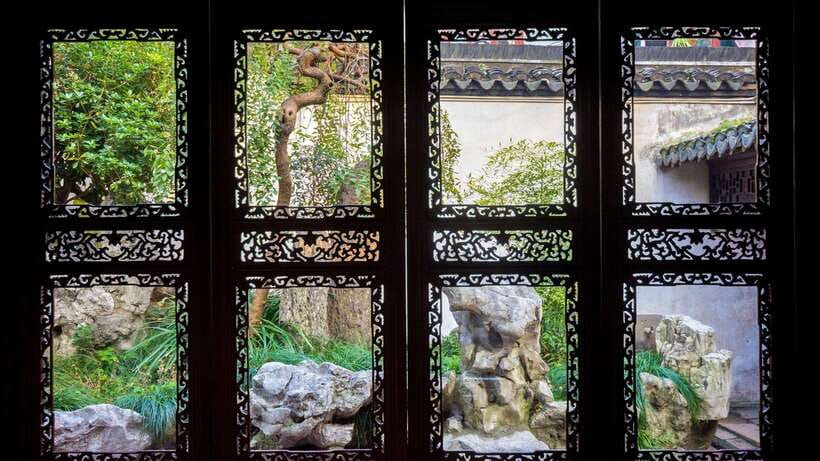
Yu Garden is a Ming Dynasty garden in the center of Shanghai’s Old City area. It is not a wide-open park. Instead, you move through a carefully arranged series of halls, stone paths, ponds, bridges, walls, and small scenic spaces.
That compact design is part of the fun. One turn may show you a carved doorway, another a pavilion reflected in water, and another a strange, weathered rock placed as the main feature of a courtyard. The garden asks you to slow down and look closely rather than simply walk from one large attraction to the next.
Outside the gates, the setting changes quickly. The garden sits in a rebuilt old-town district filled with shops and restaurants. This makes the visit easy to combine with time in the surrounding area, but it also means you should expect commercial activity and plenty of people near the entrance.
I would not come here expecting untouched old Shanghai. The surrounding district has been newly built in an old-style design, while Yu Garden itself provides the historic focus. The contrast is useful to understand: inside, the emphasis is on classical architecture and private-garden design; outside, it is on shopping, food, and a highly visited city sight.
More Yu Garden visits:
- Best of Shanghai Day Tour, including Jade Buddha Temple & Bund & Yuyuan Garden
★ 4.0 · 338 reviews - Shanghai: Yu Garden Admission Ticket
★ 4.6 · 260 reviews - Yu Garden, Old Street, Bund & Zhujiajiao Water Town Bus Tour
★ 4.7 · 244 reviews
Getting your QR ticket and finding the entrance
The practical appeal of this experience begins before you reach the garden. Your QR ticket and instructions arrive immediately after booking through email or WhatsApp. You do not need to work through local ticket apps, which can be a real nuisance if you do not read Chinese or lack a local payment method.
The ticket is intended to let you skip the regular ticket line. That does not mean you can ignore the entrance process. Have the QR code ready, keep your passport with you, and read the instructions before you arrive.
The physical passport rule matters. The original document is required, and digital copies are often rejected. I recommend keeping it in an easy-to-reach pocket rather than buried in hotel luggage. You may also want a screenshot of the QR code in case your connection is weak at the gate.
English message support is available around the clock through GetYourGuide messaging. This is not the same as having a staff member beside you, but it gives you a useful safety net if you have trouble with the QR code or need help understanding the entry instructions.
A three-hour route through pavilions, ponds, and stone paths

The suggested duration is three hours, but this is not a timed itinerary. You can move at your own pace, spend longer in a courtyard, or leave earlier if the crowds become tiring.
The PDF guide provides a walking route intended to help you avoid the busiest areas when possible. That is especially helpful in a garden with many walls and narrow passages. Without a map, it is easy to repeat a section or miss a small hall because the paths do not always feel direct.
Start by giving yourself time to understand the layout. Yu Garden is best appreciated in sections. Look at the way halls frame views, how walls create separation, and how bridges change your sightline across the ponds. The garden’s appeal comes from these small changes rather than one enormous landmark.
The Nine-turn Bridge is one of the most recognizable features. Its sharp angles make the crossing visually interesting, and the turns create different views of the water and nearby architecture. It is also a natural gathering point, so you may need patience if you want a clear photograph.
The pavilions and classical halls provide the garden’s main architectural character. Their value is not only decorative. They show how a traditional Chinese garden uses buildings, windows, rocks, and water to control what you see at each step.
The stone paths are worth taking slowly. Uneven surfaces and changing routes are part of the garden experience, so comfortable shoes are sensible. The paths also make good photographs because they lead the eye toward gates, halls, and shaded corners.
The Exquisite Jade Rock and Nine-Lion Study

The PDF guide calls attention to the Exquisite Jade Rock, one of the details that can disappear in the general rush to see the bridges and ponds. The guide’s historical notes help explain why a particular rock or study matters, rather than leaving you with a garden full of attractive objects but no context.
The Nine-Lion Study is another recommended stop. Its name gives you a reason to pause and look carefully. This is exactly where a written guide can help: you are more likely to examine the details when you know what to search for.
I like this part of the arrangement because the guide does not need to turn the visit into a lecture. A short note, a map reference, and a few points to watch for can be enough to make the garden feel more purposeful.
The guide also identifies good photo locations. That is useful in a crowded place, since the best view may not be the first one you see. It includes advice on the best time for photographs and sightseeing, though you should still allow for changing crowd levels and the garden’s fixed closing time.
A few more tours worth putting side by side
- Authentic Local Food Tour in Central Shanghai
★ 5.0 · 1,382 reviews - Zhujiajiao Water Town and Shanghai City Private Day Tour
★ 5.0 · 1,016 reviews - Private Shanghai Full Day City Tour with Old and New Highlights
★ 5.0 · 995 reviews - Shanghai: Hop-on Hop-off Bus Ticket and Optional Attractions
★ 3.4 · 692 reviews
Huxinting Teahouse and the views around the water

Huxinting Teahouse and the surrounding lakes add a calmer visual center to the visit. From the water, you can take in the pavilions, bridges, and reflections as one composition instead of viewing each feature separately.
The teahouse is a scenic point, but food and beverages are not part of this booking. Do not assume the ticket includes tea service simply because the teahouse is highlighted as part of the setting.
Water is central to the garden’s mood. It breaks up the stone and timber structures and gives you reflections that change as you walk. If photography matters to you, this is a good place to use the PDF’s suggested viewpoints and timing advice.
Crowds are the chief limitation. A Romanian visitor described the garden as interesting but overcrowded, and that is a fair warning. You may find the narrow bridges and scenic viewpoints slow to cross. Going earlier in the day may help, but the available information does not promise a quiet visit at any particular hour.
How the $17 price compares with what you receive
At $17 per person, this is not the cheapest possible way to visit a city attraction. You are paying for more than the garden entrance, but less than a conventional guided tour.
The value comes from four practical services:
- A ticket arranged for international visitors
- Immediate QR delivery
- An English PDF with route and background information
- English message support at any time
If you are comfortable using local booking systems and do not need English instructions, you may decide the extra cost is not worthwhile. If you want a simpler arrival, the price is easier to justify. A sold-out ticket or a confusing entrance process can cost more than $17 in lost time and frustration.
The experience does not include a live guide, private transport, or an audio guide. It is important to set your expectations correctly. You are buying access and support, not personal interpretation from a guide walking beside you.
For a first visit to Shanghai, I consider the price reasonable for someone who values certainty. For a budget-focused visitor who can arrange entry independently, it is less compelling.
Timing your visit before the 16:00 last entry

The garden typically closes at 16:30, and last entry is usually 16:00. Treat 16:00 as a real deadline, not a suggestion. You need time to locate the entrance, find the right gate, open your ticket, and present your passport.
The stated duration is three hours, so a morning or early afternoon arrival makes the most sense. This gives you room to follow the route, stop for photographs, and deal with any entry delay.
Late afternoon can sound appealing for softer light, but it creates a tradeoff. You may get better photo conditions while having less time inside. The guide’s photo advice can help, but it cannot extend opening hours.
I would also avoid planning the garden as the final item in a tightly packed day. The surrounding old-town district has shops and restaurants, so you can continue exploring after the garden, but your garden entry itself has a firm time limit.
What the self-guided format does well

A self-guided visit gives you control. You do not have to keep up with a group, wait for a guide to finish a speech, or follow a fixed pace through every hall. You can spend five minutes studying a rock or move on quickly if a courtyard is crowded.
The PDF is most useful when you read it before entering. Familiarize yourself with the map, the recommended route, and the named points of interest. That way, you can use your phone as a quick reference instead of stopping every few minutes to work out where you are.
The format also suits visitors who like to take photographs. You can wait for a clearer view at the Nine-turn Bridge or return to the lake area without asking a group to pause.
The limitation is the lack of live explanation. If you want detailed answers about architecture, symbolism, or local history, the PDF may feel brief. It gives you a framework, but the quality of the visit depends on how much attention you bring to the details.
What to bring and what not to expect
Bring your original passport or ID card. This is the most important practical instruction.
You should also bring a charged phone so you can display the QR code and open the PDF. The activity does not include a printed guide, so the digital file is your main source of route information.
Pets are not allowed, except assistance dogs. Hotel pickup and drop-off are not included, so you must make your own way to the garden.
Food and beverages are also excluded. The nearby old-town area has shops and restaurants, but those purchases are separate from the $17 ticket.
Because this is a self-guided experience, there is no group size to assess and no live guide to wait for. That is a benefit if you value independence, but it means you are responsible for managing your own time and meeting the entry conditions.
Cancellation and booking flexibility
You can cancel up to 24 hours in advance for a full refund. Reserve-now, pay-later availability also keeps your plans flexible, which is useful when your Shanghai schedule may change.
Do not assume every late cancellation will be refunded. One booking issue involved a missed visit caused by flight and planning problems, with no reimbursement provided. If your arrival time is uncertain, book only when you can realistically reach the garden before last entry, or keep the cancellation deadline in mind.
Who should choose this Yu Garden ticket?
I would recommend it to independent visitors who want a simple way into a major Shanghai sight. It is especially suitable if you do not want to use local apps, need English instructions, or want help available by message if the entrance causes trouble.
It also suits photographers and curious walkers. The route notes and photo tips give you more direction than a bare admission ticket, while the self-guided format leaves room to stop when something catches your eye.
Families and couples may like the flexible pace, provided everyone is comfortable walking on the garden’s stone paths and managing a phone-based ticket. The three-hour duration gives you room for a relaxed visit without requiring a full-day commitment.
I would be less likely to recommend it to someone seeking a detailed cultural lesson or a personal guide. There is no live guide and no audio guide. I would also caution anyone with a tight schedule, a digital passport only, or a late arrival plan.
Should you book the $17 Yu Garden experience?
Book it if you want guaranteed entry, instant instructions, and a useful English route guide without dealing with local ticket systems. The garden itself is attractive and culturally important, and the PDF helps you notice the Exquisite Jade Rock, Nine-Lion Study, pavilions, water views, and photo locations.
Skip it if you already have reliable admission, do not need English support, or want a guided explanation from a person. The biggest risks are crowding, the strict last-entry time, and the need to carry your original passport.
For most first-time international visitors, the $17 fee is a fair convenience charge. Arrive early enough to enjoy the garden properly, keep your QR code and passport ready, and treat the PDF as a companion rather than a replacement for a live guide.
FAQ
What is included in the Yu Garden ticket?
The booking includes entry to Yu Garden and an English PDF guidebook. The PDF includes a map, historical information, a suggested route, and advice about photo locations.
How much does the experience cost?
The listed price is $17 per person.
How long does the visit last?
The stated duration is three hours. It is a self-guided visit, so you can explore at your own pace within the garden’s opening hours.
Is a live tour guide included?
No. This is a self-guided experience. A digital PDF guidebook is included, but there is no live guide or audio guide.
How do I receive my admission ticket?
You receive a QR e-ticket and entry instructions immediately by email or WhatsApp after booking.
Do I need my passport?
Yes. Bring your original physical passport or ID card. Digital copies are often rejected at the entrance.
What time does Yu Garden close?
Yu Garden typically closes at 16:30, with last entry at 16:00. Check the available starting time and arrive early enough to pass through the entrance before the deadline.
Is hotel pickup included?
No. Hotel pickup and drop-off are not included, so you must arrange your own transportation to and from Yu Garden.
Can I cancel for a refund?
Yes. You can cancel up to 24 hours in advance for a full refund.
Are food and drinks included?
No. Food and beverages are not included in the ticket price. Pets are also not allowed, except assistance dogs.
Newest reviews from Shanghai
- Quick Tour to Xi’an Terracotta Warriors from Shanghai by Air in One Day★ 5.0 · 4 reviews
- Shanghai Zhujiajiao water town,Yugarden&Bund one day tour★ 5.0 · 4 reviews
- Wuzhen Private Full-Day Tour from Shanghai★ 5.0 · 4 reviews
- Private Round Trip Transfer to Zhouzhuang Water Village from Shanghai★ 5.0 · 4 reviews
- Full Day Private Tour Amazing Shanghai City Highlights★ 5.0 · 4 reviews
- Shanghai Tower Observation Deck 118 floor Tickets Pre-booking.★ 5.0 · 4 reviews
- Private Wet Market Visit with Cooking Class in Shanghai★ 3.0 · 4 reviews
- Zhujiajiao & Shanghai:Small Group Tour Water Town to Skyline★ 5.0 · 4 reviews
Yu Garden Tours, compared.

Best of Shanghai Day Tour, including Jade Buddha Temple & Bund & Yuyuan Garden
Read our review →

Yu Garden, Old Street, Bund & Zhujiajiao Water Town Bus Tour
Read our review →
Shanghai Day Tour to Zhujiajiao Water Town, Yu Garden, Bazaar, Bund
Read our review →
Private Yu Garden, The Bund, French Concession, Pudong Half-Day Tour
Read our review →


Browse the lists this tour appears in