
Reviewed · VEGAN & VEGETARIAN
Vegan Soup Dumpling Making in Shanghai
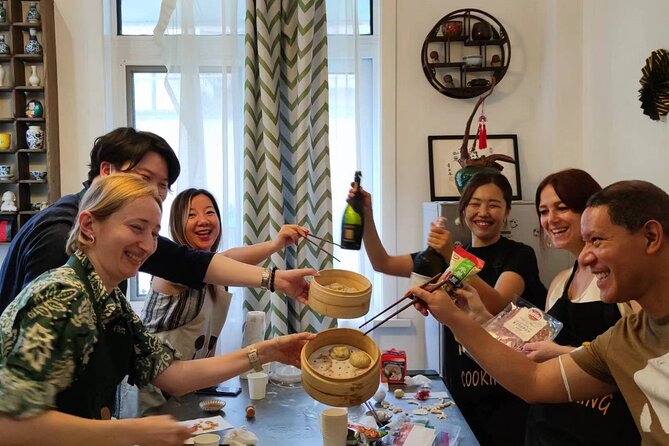
Shanghai’s tastiest lesson may fit in a bamboo steamer. This 2.5-hour class at Chinese Taste Culture Studio gives you a hands-on way to learn vegan soup dumplings from Chef Yin, from dough and wrappers to pleating, steaming, and eating. It is part cooking lesson, part cultural exchange, and a good break from sightseeing.
I like the small-group format, capped at 15 people, because Chef Yin can correct your folds instead of simply demonstrating from across the room. I also like the choice of breakfast, lunch, or evening sessions, plus the seasonal Chinese tea included with the class.
The main consideration is the price: $96 per person is not cheap for a cooking class. Also, the dough contains gluten, so this is not suitable for anyone with a gluten allergy. Still, the personal instruction, meal, tools, apron, and cultural setting make the cost easier to justify than a simple restaurant meal.
In This Review
- Key points to know before booking
- Arriving at the Chinese Taste Culture Studio
- Starting with dough and wrappers
- Preparing the vegan filling
- Learning the classic pleats
- Steaming and eating your own dumplings
- Chef Yin’s teaching style
- Is $96 a fair price?
- Who will enjoy this class most?
- Timing, transport, and booking advice
- What to pack and what to expect
- Should you book the vegan soup dumpling class?
- FAQ
- Where does the vegan soup dumpling class take place?
- How long does the activity last?
- What types of class times are available?
- What will I learn to make?
- Is the class suitable for people with gluten allergies?
- Is tea included?
- Are cooking tools and an apron provided?
- How many people can join the class?
- Can I cancel for a full refund?
Key points to know before booking
- Chef Yin leads the class: Her friendly teaching style is a major part of the experience, with time for cooking talk and general conversation.
- You make every main component: The class covers dough, wrappers, vegan filling, shaping, steaming, and eating.
- The filling is partly prepared: Fine chopping is handled before class, leaving more time for the dumpling-making techniques.
- The class lasts about 2.5 hours: That is enough time to practice without turning the lesson into an all-day commitment.
- The group maximum is 15 people: This is small enough for personal tips, though the experience will feel more social than private.
- Tea and equipment are included: You receive Chinese tea, an apron, and the materials and tools needed for the class.
Arriving at the Chinese Taste Culture Studio
The class begins at Chinese Taste Culture Studio in Shanghai’s Xuhui District, at 190 Nong, Guangyuan Road, near Tianping Road, postal code 200030. The meeting point is close to public transportation, which matters in Shanghai, where a short address can still require careful map checking.
I would save the Chinese address on your phone before leaving. Showing the exact characters can be useful if you need directions. The activity returns to the same meeting point, so you do not need to arrange a separate pickup or figure out a new destination at the end.
You can choose a breakfast, lunch, or evening class. That flexibility helps you fit the lesson around a full day in Shanghai. A morning session could work well before sightseeing, while an evening option gives you a relaxed activity after visiting museums or neighborhoods.
The class is offered as a group experience, with a maximum of 15 people. That is not the same as a private lesson, but it is still far more personal than a large demonstration. I would expect some shared instruction, followed by individual help as you practice.
More food tours in Shanghai:
- Authentic Local Food Tour in Central Shanghai
★ 5.0 · 1,382 reviews - Eat Like A Local: Shanghai Night Food Tour
★ 5.0 · 616 reviews - Eat Like a Local Through Shanghai’s French Concession
★ 5.0 · 353 reviews
Starting with dough and wrappers
The first major stage is dough making. You learn how the dumpling dough comes together before turning it into thin wrappers. This may sound basic, but wrapper quality affects everything that follows. A wrapper that is too thick can overpower the filling, while one that is too thin can tear or leak.
Chef Yin teaches the process in sequence, so you can see how the dough becomes a workable wrapper. The class is not only about watching a professional produce perfect dumplings. You get your own chance to handle the dough and repeat the motions.
Wrapper making is one of the practical reasons to choose this experience over simply ordering xiaolongbao at a restaurant. At the table, soup dumplings can look simple. In the class, you begin to understand the small details behind that neat shape and sealed edge.
The lesson is designed for beginners. You do not need previous dim sum experience, and the apron and tools are supplied. Still, you should expect a hands-on task rather than a passive food demonstration. Your first wrapper may not be perfectly round. That is part of the fun, and Chef Yin can offer corrections as you work.
Preparing the vegan filling
The filling is prepared as a vegan mixture and cooked during the class. This gives the experience a clear focus: you are learning a plant-based version of a classic Shanghai dish rather than simply making a generic vegetable dumpling.
One useful time-saving detail is that the filling has already been chopped very finely before the class. That means you do not spend a large part of the 2.5 hours doing repetitive knife work. Instead, the lesson can focus on dough, wrappers, shaping, and cooking.
This choice makes sense for a short class. Fine chopping is necessary for an even filling, but it is not the most memorable skill you are paying to learn. By preparing that part ahead of time, Chef Yin leaves more room for the techniques that make soup dumplings special.
You should still pay attention to how the filling is handled and cooked. The goal is not only to eat a vegan meal. It is to understand how the components fit together before the dumpling is sealed and steamed.
If you do not normally eat vegan food, this class can still work well. The plant-based filling is the central ingredient, but the lesson is really about the craft of making dumplings. One particularly strong feature is that the experience can appeal to people who simply want a good cooking lesson, not only to committed vegans.
Learning the classic pleats
Shaping is the most exciting part of the class, and it is also the point where patience becomes useful. Chef Yin demonstrates the traditional pleating method, including the folds and seal needed to hold the soup inside.
You then practice making your own dumplings. This is where the small-group format earns its keep. Chef Yin can look at your technique, suggest adjustments, and help you avoid common problems such as uneven pleats or an open seal.
Do not expect your first dumpling to look like the chef’s. The characteristic folds require coordination, and the dough can feel less cooperative than it appears in a demonstration. I like that the class treats shaping as a skill to practice, not a magic trick you are expected to master instantly.
The pleats also give you a better sense of why soup dumplings are handled with care. A good seal needs to be firm, but the wrapper must not be crushed. The filling must be enclosed without tearing the dough. These small choices become more understandable once you are doing them yourself.
This portion may be especially enjoyable for families and mixed-age groups. A 15-year-old participant enjoyed the class with a relative, which suggests that the activity can work for older children and teenagers who are comfortable following kitchen instruction.
A few more tours worth putting side by side
- Zhujiajiao Water Town and Shanghai City Private Day Tour
★ 5.0 · 1,016 reviews - Private Shanghai Full Day City Tour with Old and New Highlights
★ 5.0 · 995 reviews - Shanghai: Hop-on Hop-off Bus Ticket and Optional Attractions
★ 3.4 · 692 reviews - Shanghai Private Tour: Zhujiajiao Water Town and Boat Ride
★ 5.0 · 661 reviews
Steaming and eating your own dumplings
After shaping comes cooking. The dumplings are steamed, then you sit down and enjoy what you made. This final stage gives the class a satisfying finish because the food on your plate is the result of your own work.
Soup dumplings require care when eating. The filling and broth can be hot, so it is wise to take your time. The class gives you the chance to appreciate the result while the techniques are still fresh in your mind.
Coffee or tea is included, with good-quality Chinese tea selected according to the season. The tea is a thoughtful addition rather than a major selling point, but it helps turn the final tasting into a shared meal instead of a quick sample.
The meal is not separate from the lesson. You make the dough, work with the wrappers, help form the dumplings, and then taste the finished result. That connection is the main value of the class. You leave with a clearer idea of how the dish is made, even if your pleats are still a little uneven.
Chef Yin’s teaching style
Chef Yin is the key personality in this experience. Her teaching is described as warm and welcoming, with a smile and plenty of conversation. She brings experience as a dim sum chef, but the class does not appear to be presented as a stiff professional demonstration.
That friendly approach matters in a hands-on class. Cooking with unfamiliar ingredients or techniques can make people self-conscious, especially when everyone can see the dumplings taking shape. A relaxed teacher makes it easier to try, make mistakes, and try again.
Chef Yin also talks about cooking, travel, and personal experiences. That informal conversation adds a cultural layer to the class. You are not only copying a recipe. You have a chance to ask questions and connect the food to everyday Chinese cooking traditions.
The strongest praise centers on her teaching and companionship. One participant described the class as a highlight of a Shanghai visit, while another enjoyed both the cooking instruction and the conversation. I would place a high value on that personal contact, particularly if you want more than a standardized activity.
Is $96 a fair price?
At $96 per person, this is a premium cooking class. If you judge it only by the amount of food, it will seem expensive. A restaurant meal of vegan dumplings would cost much less.
The better comparison is with a private or small-group cultural activity. The price includes about 2.5 hours of instruction, the ingredients, the tools, an apron, Chinese tea, and the dumplings you make and eat. You are also paying for Chef Yin’s guidance while you practice, not merely for a meal.
The group maximum of 15 keeps the price from being that of a fully private lesson, but it still allows more personal attention than a large cooking workshop. Group discounts may also be available, which could improve the value for families or friends booking together.
I would consider the class worthwhile if you enjoy food, prefer activities with local contact, or want a break from museums and city walks. If you are looking for the cheapest way to eat lunch, it is not the right choice. If you want to learn a useful skill and leave with a food memory tied to Shanghai, the cost is easier to defend.
Who will enjoy this class most?
I would recommend this class to several kinds of people:
- Vegans and vegetarians who want a plant-based version of a Shanghai specialty
- First-time visitors seeking a practical cultural activity
- Couples, families, and friends who enjoy doing something together
- Teenagers who like food and hands-on lessons
- Experienced cooks who want to practice dumpling pleating
- Anyone who prefers a small-group setting to a large tour
It is less suitable if you have a gluten allergy, since the dough and wrappers contain gluten. It may also disappoint you if you expect a private chef’s lesson or a long, detailed session devoted to chopping and recipe preparation. The filling is partly prepared to keep the class moving.
The class is also a good choice for non-vegans. You do not need to follow a vegan diet to appreciate the dough, wrapper, pleating, and steaming techniques. The plant-based filling simply defines what you will cook and eat.
Timing, transport, and booking advice
The activity lasts approximately 2 hours and 30 minutes, and you can choose from breakfast, lunch, or evening times. I would leave enough space around the class for transportation, since Shanghai’s streets and transit connections can take longer than expected even when a destination looks nearby on a map.
The activity begins and ends at the studio. Public transportation is nearby, but the supplied location is written in Chinese, so keep the full address handy: 广元路190弄近天平路, Xuhui District, Shanghai, postal code 200030.
The experience is often booked about 11 days ahead. That is a useful planning signal, especially if you want a particular meal period. I would reserve before your Shanghai schedule fills up, then keep the confirmation available on your phone. Mobile tickets are supported.
Free cancellation is available if you cancel at least 24 hours before the start time. Cancellations within 24 hours are not refunded, and late changes are not accepted. The cut-off uses local Shanghai time.
What to pack and what to expect
You do not need to bring cooking equipment. An apron, materials, and tools are included, along with coffee or seasonal Chinese tea.
Wear something comfortable for a kitchen activity. The provided information does not specify a dress code, so I would avoid clothing you would worry about around flour, filling, or steam.
Do not expect a professional photographer to be included. Photography services are listed separately from the class, so bring your own phone if you want to record the process.
Most of all, arrive ready to work with your hands. The fun comes from taking part in each stage, not from watching Chef Yin do everything perfectly. The class gives you enough instruction to make the process approachable, while still leaving room for the small comic failures that come with learning pleats.
Should you book the vegan soup dumpling class?
I would book this experience if you want a friendly, food-centered activity with real participation. Chef Yin’s personal instruction, the small group, and the chance to make and eat your own vegan soup dumplings give it more substance than a standard tasting stop.
The $96 price is the main hurdle, and gluten allergies rule it out for some people. But for a visitor who values cooking, conversation, and a clear connection to Shanghai’s food culture, this is a strong choice. Choose a time that fits your sightseeing plans, allow for transport to Xuhui, and book ahead if your dates are fixed.
FAQ
Where does the vegan soup dumpling class take place?
The class begins and ends at Chinese Taste Culture Studio in Shanghai’s Xuhui District, at Guangyuan Road 190 Nong near Tianping Road, postal code 200030.
How long does the activity last?
The class lasts approximately 2 hours and 30 minutes.
What types of class times are available?
You can choose a breakfast, lunch, or evening class.
What will I learn to make?
You will learn to make the dough, dumpling wrappers, vegan filling, dumpling shape, and steamed finished dumplings.
Is the class suitable for people with gluten allergies?
No. The activity is not recommended for travelers with gluten allergies.
Is tea included?
Yes. Coffee or tea is included, with Chinese tea selected according to the season.
Are cooking tools and an apron provided?
Yes. The apron, materials, and tools needed for making vegan soup dumplings are included.
How many people can join the class?
The activity has a maximum group size of 15 people.
Can I cancel for a full refund?
Yes, if you cancel at least 24 hours before the experience start time. Cancellations or changes made within 24 hours are not refunded or accepted.
Newest reviews from Shanghai
- Quick Tour to Xi’an Terracotta Warriors from Shanghai by Air in One Day★ 5.0 · 4 reviews
- Shanghai Zhujiajiao water town,Yugarden&Bund one day tour★ 5.0 · 4 reviews
- Wuzhen Private Full-Day Tour from Shanghai★ 5.0 · 4 reviews
- Private Round Trip Transfer to Zhouzhuang Water Village from Shanghai★ 5.0 · 4 reviews
- Full Day Private Tour Amazing Shanghai City Highlights★ 5.0 · 4 reviews
- Shanghai Tower Observation Deck 118 floor Tickets Pre-booking.★ 5.0 · 4 reviews
- Private Wet Market Visit with Cooking Class in Shanghai★ 3.0 · 4 reviews
- Zhujiajiao & Shanghai:Small Group Tour Water Town to Skyline★ 5.0 · 4 reviews
Vegan & Vegetarian, compared.
Half-day Private Panda Tour with Vegetarian Lunch in Nunnery
Read our review →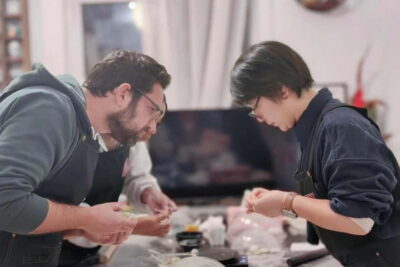
Make Soup Dumpling: Vegan or Pork in Shanghai Shikumen
Read our review →
Half-Day Walking Tour with a Vegetarian Lunch at a Nunnery
Read our review →
Vegan Home Cooking & Local Market Tour with Sanxia
Read our review →Browse the lists this tour appears in