
Reviewed · TERRACOTTA AND SILK ROAD TOURS
3-Day Private Silk Road Tour of Dunhuang: Mogao Grottoes, Yulin Grottoes, Crescent Moon Pool
The desert keeps its best secrets underground. This three-day private tour gives you a strong introduction to Dunhuang, pairing the famous Mogao Grottoes with the quieter Yulin Caves, Han Dynasty frontier ruins, and the dunes around Crescent Moon Pool. It is a useful choice if you want to see a lot without dealing with local transport, ticket arrangements, or the challenge of reaching sites outside town.
I like the private air-conditioned vehicle, which keeps the long desert outings comfortable and lets your group travel at its own pace. I also like that admissions, bottled water, and three lunches are included, making the $799 per-person price easier to assess. The main consideration is the packed schedule. You will cover wide distances, and some stops are more about archaeology and historical remains than polished sightseeing.
The guide can make or break a Silk Road tour. Lily receives especially warm praise for being attentive, informative, and good at explaining local culture and food. With a 4.9 rating from 11 published ratings and a 100% recommendation rate, this is a promising option for couples, families, or small groups that value personal help over the lower price of a large coach tour.
In This Review
- Key points to know before booking
- Why a private Dunhuang tour makes sense
- Day one: Yangguan Pass and the Han frontier
- Day two: the art of the Mogao Grottoes
- Crescent Moon Pool and the Singing-Sand Dunes
- Day three: Yulin Caves and Suoyang City
- Lunches, transport, and what the $799 price covers
- Who should book this three-day route
- Booking details worth noting
- Should you book the Dunhuang Silk Road tour?
- FAQ
- How long is the Dunhuang Silk Road tour?
- What time does the tour start?
- Is hotel pickup and drop-off included?
- What is included in the price?
- Are camel riding and the Silk Road Show included?
- Can vegetarian meals be arranged?
- What is the cancellation policy?
Key points to know before booking
- Mogao Grottoes anchor the second day: You visit the caves and the Digital Film Center, with 492 grottoes, thousands of painted statues, and about 45,000 square meters of murals represented in the site complex.
- Yulin Caves add a quieter artistic counterpoint: The caves share roots in content, style, and painting methods with Mogao, so they are not simply a repeat visit.
- The private vehicle matters: Hotel pickup and drop-off, air-conditioning, and a guide save you from arranging transport across a spread-out desert region.
- Day one is a Han frontier lesson: Yangguan Pass, Yumen Pass, and the Great Wall of the Han Dynasty show how the Silk Road was guarded and controlled.
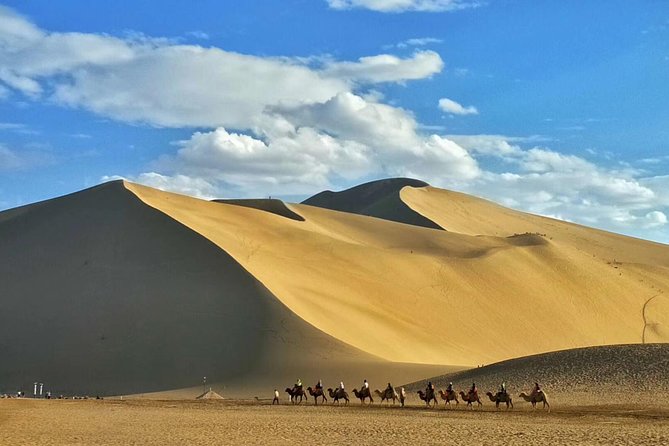
- Crescent Moon Pool is the most scenic stop: You see the spring and Singing-Sand Dunes, while camel riding and the Silk Road Show cost extra.
- The price covers useful basics: Three lunches, bottled water, entrance fees, guide service, and private transport are included, but alcoholic drinks are not.
Why a private Dunhuang tour makes sense
Dunhuang is not a one-site destination. The major places lie in different directions, and the most important sights combine museum visits, open-air ruins, cave art, and desert scenery. A private arrangement solves the practical problem: you are collected from your hotel each morning at about 8:30 a.m. and returned there after the day’s visits.
That setup is especially helpful on the first and third days, when the attractions are not simply lined up along a central city street. You do not need to work out separate transport or negotiate every admission. Your guide can also explain what you are seeing before you arrive, which is useful at ruins where only walls, foundations, or broad earthworks remain.
The private format means only your own group participates. That gives you more room to ask questions, pause for clarification, or adjust the conversation to suit children and older family members. It does not mean every part of the day is leisurely. The route still covers a lot of ground, and you should expect a sightseeing schedule rather than a slow retreat.
More Silk Road trips:
- Xi’an Silk Road: Legend of Camel Bell Show Ticket w/Transfer
★ 4.9 · 45 reviews - Private Customized the Silk Road Tour
★ 5.0 · 20 reviews - 8-Day Silk Road Trip of Dunhuang, Jiayuguan, Zhangye with Accommodation
★ 5.0 · 16 reviews
Day one: Yangguan Pass and the Han frontier
Yangguan Pass begins the tour with Silk Road history in a stark setting. Its museum helps you understand the pass before you look at the remains and surrounding desert. This is a good order: the displays provide names, dates, and context, while the open-air visit shows why control of this route mattered.
The pass was part of the Han Dynasty frontier system. Merchants, officials, soldiers, and messengers moving west needed routes that could be watched and protected. You will not find a large, intact medieval town here. The appeal comes from the sense of distance and the role the site played in travel across the corridor.
The tour then continues to Yumen Pass, also called Jade Gate Pass, along with the Great Wall of the Han Dynasty. These are important because they show the defensive side of Silk Road travel. Popular images of the Silk Road often focus on trade and caravans, but these places remind you that movement depended on military posts, border control, and organized routes.
I would pay close attention to your guide at these stops. Earth and stone remains can be difficult to read on your own, especially when the setting is broad and spare. Lily’s reported strength is useful here: an attentive guide can turn a distant wall or pass into a clear part of the larger story.
Day one may be the least immediately dramatic for anyone who wants colorful art or easy photo stops. It is also one of the more valuable days if you want to understand Dunhuang as a frontier town rather than only a gateway to the caves. Bring patience, water, and a willingness to picture the structures as working parts of an old border system.
Day two: the art of the Mogao Grottoes
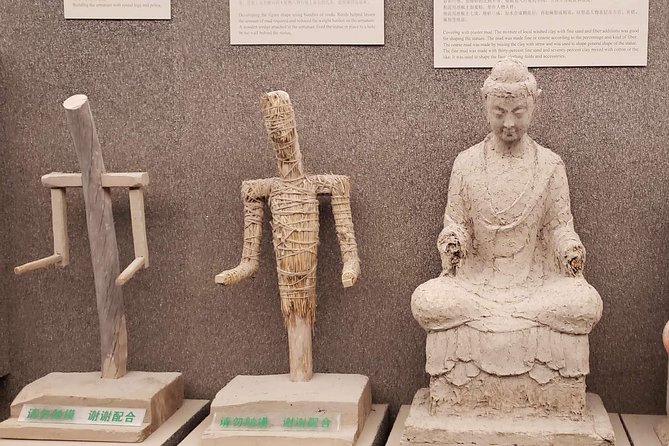
The Mogao Grottoes are the tour’s central cultural experience. The complex includes 492 grottoes, around 45,000 square meters of murals, about 2,400 painted statues, and more than 250 residential caves. Those numbers can sound abstract, but they tell you how large and varied the site is.
The caves preserve Buddhist art made over many centuries. You may find the most striking part is not one single image, but the range of styles, colors, figures, and layouts across the cave interiors. The art also reflects Dunhuang’s position along routes connecting different parts of Asia. Your guide’s explanations matter because the details can be easy to miss in the dim cave interiors.
The Digital Film Center is an important part of the visit. It helps introduce the cave complex before you see the physical grottoes, giving you a clearer idea of the site’s scale and artistic value. I like this combination because the film center prepares you for the visit rather than leaving you to make sense of a large archaeological area on your own.
Mogao is a place where a guide’s timing and explanations can improve the day. You should listen carefully to the instructions on site and allow the guide to lead you through the viewing process. Cave visits can involve limits on photography or access to certain rooms, so it is best to focus on what you can see rather than treating the caves like a self-guided photo gallery.
The scale of Mogao can also make it the busiest and most structured part of the tour. If you prefer quiet ruins with plenty of time to wander, you may find this visit more controlled than the outdoor stops. Still, the combination of cave paintings, statues, and the Digital Film Center makes it the essential Dunhuang stop.
Crescent Moon Pool and the Singing-Sand Dunes
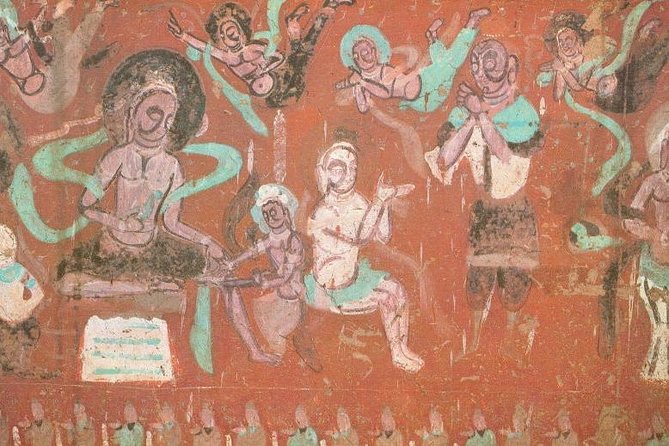
After lunch, the tour moves from painted caves to desert scenery at Crescent Moon Pool and the Singing-Sand Dunes. The change is welcome. Instead of looking closely at carved walls and murals, you get open space, sand, and a spring set among the dunes.
Crescent Moon Pool is the kind of stop that gives the three-day program visual variety. The spring and dunes help you picture the physical challenge faced by people crossing this part of the Silk Road. The name also makes sense once you see the curved form of the water beside the sand.
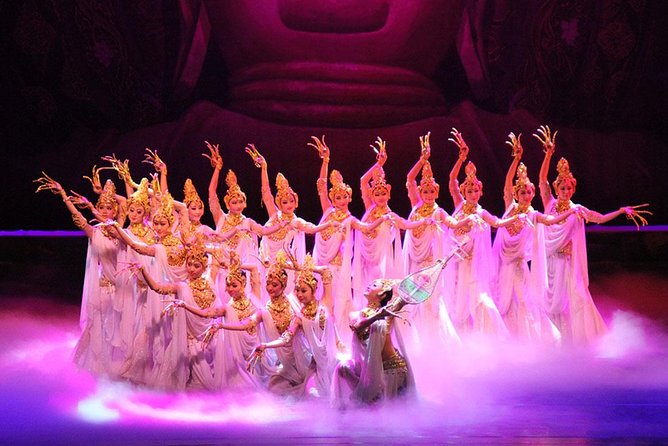
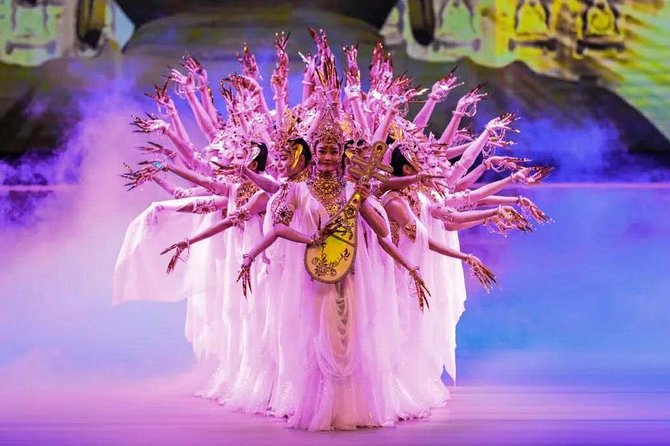
Camel riding is optional, not part of the included package. The Silk Road Show is also optional, so you can decide how much extra entertainment you want after the main sightseeing. This is useful for a mixed group. One person can pay for a camel ride while another prefers to stay with the basic visit, though you should confirm current prices and arrangements before committing.
Do not assume that every activity around the dunes is covered by the $799 price. The listed inclusions cover the main attractions, transport, guide, lunches, and water. Alcoholic drinks are available for purchase but are not included.
For the best experience, treat the dunes as more than a quick photo stop. Look at how the spring and sand exist side by side, and use the time to slow down after the cave visit. The desert setting is a strong contrast to Mogao’s enclosed spaces, though sand, sun, and walking can make this part tiring for some people.
A few more tours in China worth putting side by side
- Beijing: All Inclusive 3-Day Top Highlights Private Tour
★ 5.0 · 259 reviews - 3-Day Yellow Mountains, Hongcun Village and Tunxi Ancient Street Private Tour
★ 5.0 · 75 reviews - 3-Day Private Zhangjiajie Discovery Tour with Glass Bridge
★ 5.0 · 67 reviews - 3-Day Private Beijing Tour with Airport Transfer
★ 5.0 · 50 reviews
Day three: Yulin Caves and Suoyang City
Yulin Caves provide the tour’s quieter answer to Mogao. They can be traced to the same source in content, artistic style, and painting form, and are widely regarded as Mogao’s sister site. That connection makes Yulin especially worthwhile for anyone who wants to understand how Dunhuang’s cave art developed beyond the best-known complex.
You should not approach Yulin expecting an identical second Mogao visit. Its value lies in comparison. After seeing the larger Mogao site, you can look for related artistic ideas and notice how the cave tradition appears in another setting. Your guide’s role is again important, since the relationship between the two sites is not always obvious from the rooms alone.
The third day continues after lunch at the ruins of Suoyang City. This was an important Silk Road stop, and the site was added to UNESCO’s list in 2015. The remains offer another change of pace: you move from religious art to an old settlement tied to movement, trade, and regional administration.
Suoyang City will suit you if you enjoy archaeology and broad ruins. It may be less satisfying if you want complete buildings or a busy museum experience. Open remains require imagination, and the guide’s commentary helps you understand what the city once did and why its position mattered.
The pairing of Yulin and Suoyang works well. The morning focuses on art and religious culture, while the afternoon returns to the practical network of roads and settlements that supported Silk Road life. You finish at your Dunhuang hotel, which is convenient if you have onward plans.
Lunches, transport, and what the $799 price covers
At $799 per person, this is not a budget sightseeing package. The value comes from the amount bundled into three private touring days. You receive a local guide, air-conditioned minivan or coach transport, hotel pickup and drop-off, bottled water, three lunches, and admission to all listed attractions.
The private vehicle is probably the biggest practical benefit. Dunhuang’s sights are spread out, and comfortable transport becomes more important when you spend full days moving between passes, caves, dunes, and ruins. You also avoid having to buy separate tickets at each stop or keep track of local currency for basic admissions.
The lunches are useful but should not be treated as a luxury dining program. They are included for convenience, and vegetarian food can be arranged if you request it at booking. You should also provide any other dietary requirements in advance. Alcoholic drinks are excluded and must be purchased separately.
Group discounts are offered, but the amount is not specified. If you are booking for several people, it is worth asking for the current group rate before payment. The private format becomes easier to justify when the cost is shared across a small group, since you are paying for the vehicle and guide service as well as the sightseeing.
The price makes the most sense for you if your time in Dunhuang is limited and you want the major cultural and archaeological sites handled in one package. If you are comfortable planning transport yourself, you may prefer a less expensive independent arrangement. The tradeoff is that you would need to organize vehicles, admissions, meals, and route planning on your own.
Who should book this three-day route
I would recommend this experience to someone who wants a broad introduction to Dunhuang without spending days arranging logistics. It suits couples, families, and small groups that prefer a private guide and vehicle. Children can participate, but they must be accompanied by an adult.
The route also works well for people with a strong interest in Buddhist art, frontier archaeology, or Silk Road connections. Mogao and Yulin give you substantial cave art, while Yangguan, Yumen, the Han wall, and Suoyang add political and military context.
You may want a different plan if you dislike long sightseeing days, have very limited mobility, or prefer to spend an entire day at one site. The schedule includes several major locations, and the desert settings can be demanding. The provided information says most people can participate, but it does not give detailed accessibility information, so you should ask specific questions before booking if that matters for your group.
The tour is also a good fit if you want help with local food and culture. Lily is praised for explaining both, not just pointing out monuments. That personal connection can make a difference in a place where names, dynasties, and artistic terms quickly become hard to track.
Booking details worth noting
Pickup is offered from your Dunhuang hotel, with a listed start time of 8:30 a.m. Hotel drop-off follows each day, and the final day ends back at your Dunhuang hotel. Confirmation is normally sent at booking, though reservations made within six hours of departure are confirmed as soon as possible, subject to availability.
You need to provide each participant’s passport name, passport number, expiry date, and country at booking. A valid passport is required on the day of the tour. This is an important step, so check every detail before submitting the reservation.
Free cancellation is available if you cancel at least 24 hours before the experience begins. Inside that 24-hour window, payment is not refunded, and changes are not accepted. The cutoff follows local time.
Should you book the Dunhuang Silk Road tour?
Book it if you want the major Dunhuang sights arranged in a focused three-day plan, with private transport, a guide, lunches, water, and admissions included. The strongest reasons are the combination of Mogao and Yulin, the Han frontier sites, and the ease of moving between them without arranging separate vehicles.
I would be more cautious if you want a slow schedule, dislike archaeological ruins, or plan to spend most of your time at the dunes. The route is full, and optional camel riding and the Silk Road Show cost extra. For a small group that values personal attention, Lily’s praised guiding style and the private format help justify the price. For solo budget visitors, $799 may be harder to defend.
FAQ
How long is the Dunhuang Silk Road tour?
The experience lasts approximately three days.
What time does the tour start?
The listed start time is 8:30 a.m.
Is hotel pickup and drop-off included?
Yes. Pickup and drop-off at your Dunhuang hotel are included, with the final drop-off taking place after the third day.
What is included in the price?
The price includes a local guide, air-conditioned minivan or coach transport, hotel pickup and drop-off, bottled water, three lunches, and admission to all listed attractions.
Are camel riding and the Silk Road Show included?
No. Camel riding and the Silk Road Show are optional activities and are not included in the main package price.
Can vegetarian meals be arranged?
Yes. A vegetarian option is available, and you should advise the provider at booking. You can also provide other dietary requirements in advance.
What is the cancellation policy?
You can cancel at least 24 hours before the start time for a full refund. Cancellations or changes made less than 24 hours before the start time are not accepted, and the amount paid is not refunded.
Newest reviews from China
- Beijing: Explore the Forbidden City in Hanfu★ 5.0 · 4 reviews
- Private 2 Day Tour of Dalian City★ 5.0 · 4 reviews
- scooter and hiking trip in the rainforest★ 5.0 · 4 reviews
- Xi’an Night Tour: South Gate Square and Big Wild Goose Pagoda Square★ 4.0 · 4 reviews
- Beijing Tai Chi and Tea Ceremony Experience★ 5.0 · 4 reviews
- Guangzhou VIP Car Tour– Tailored Sightseeing & Shopping Adventure★ 5.0 · 4 reviews
- Lantau Peak Sunrise Climb★ 5.0 · 4 reviews
- Chengdu: City Walking Tour with Food and Culture Stops★ 4.7 · 4 reviews
Terracotta and Silk Road Tours, compared.
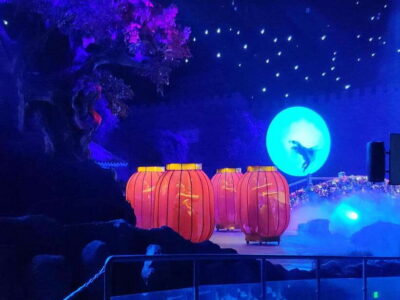
Xi’an Silk Road: Legend of Camel Bell Show Ticket w/Transfer
Read our review →
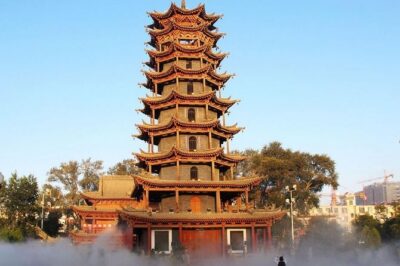
8-Day Silk Road Trip of Dunhuang, Jiayuguan, Zhangye with Accommodation
Read our review →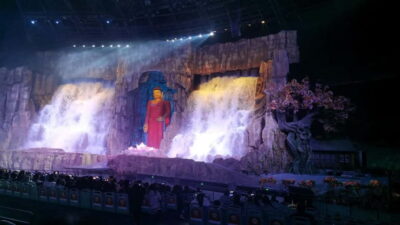
Silk Road(Camel Bell) Legend with Roundtrip Transfer
Read our review →
Silk Road Show:Legend of Camel Bell Includes Round-trip Transfers
Read our review →
Silk Road Theme Show Legend of Camel Bell Ticket with Transfer
Read our review →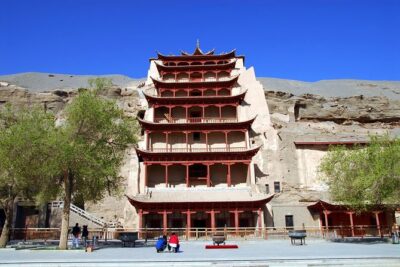
Dunhuang Private Silk Road Day Tour: Mogao Caves, Crescent Spring
Read our review →
Xi’an Silk Road: Legend of Camel Bell Show Ticket with Transfer
Read our review →Browse the lists this tour appears in