
Reviewed · TERRACOTTA AND SILK ROAD TOURS
8-Day Silk Road Trip of Dunhuang, Jiayuguan, Zhangye with Accommodation
The desert here tells the story. This eight-day journey follows China’s Hexi Corridor from Dunhuang to Zhangye, linking Buddhist cave art, Han and Ming frontier walls, desert dunes, ruined Silk Road towns, and Zhangye’s striped rock formations. I especially like the included meals and hotels, which remove much of the daily guesswork, and the private transport, which matters greatly across this wide, dry region. The main consideration is pace: several days cover long distances, and some stops are remote.
I also like that the route reaches places many first-time China visitors skip, including Yulin Caves, Suoyangcheng, the Horse Hoof Temple Grottos, and Pingshanhu Grand Canyon. Steven Kang and the Silk Road Angel Tours team receive repeated praise for careful planning, quick communication, and attention to food, hotels, and timing. The tour is less suited to anyone wanting slow mornings or free afternoons.
In This Review
- Key points at a glance
- Why this route matters along the Hexi Corridor
- Dunhuang arrival and a comfortable first night
- Mogao Caves and Dunhuang’s Buddhist art
- Yumen Pass and the singing desert
- Yulin Caves and the ruins of Suoyangcheng
- Jiayuguan and the western end of the Ming Wall
- Zhangye Danxia and the color of the rock
- Zhangye’s Giant Buddha and Horse Hoof Grottos
- Pingshanhu Grand Canyon and the final transfer
- Meals, hotels, and the practical side
- What the service adds to the price
- Should you book this Silk Road journey?
- FAQ
- How long is the Silk Road tour?
- Where does the tour begin?
- Where does the tour finish?
- Is transportation included?
- Are meals included?
- Are hotel stays included?
- Is the Silk Road dance show available all year?
- Is a camel ride included?
- Can vegetarian meals be arranged?
- Can children join the tour?
- Is this a private tour?
- What documents are required?
Key points at a glance
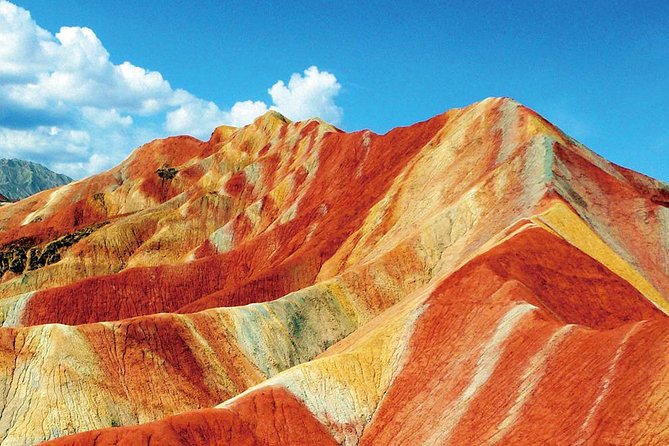
- Mogao Caves with the Digital Film Center: Spend about four hours at China’s most important Buddhist cave complex, with 492 grottoes, murals, and painted statues.
- A real desert day in Dunhuang: Visit Crescent Moon Spring and the Singing Sand Dunes, with a camel ride included.
- Remote Silk Road remains: Reach Yumen Pass, the Han Great Wall, Yulin Caves, and Suoyangcheng, sites that require organized transport.
- Seven nights and 21 included meals: Hotels, breakfast, lunch, and dinner are covered throughout the route.
- A private eight-day itinerary: Only your own group participates, with airport or railway pickup and an air-conditioned vehicle.
- Zhangye’s colorful finale: See Zhangye Danxia Geopark, the Giant Buddha Temple, Horse Hoof Temple Grottos, and Pingshanhu Grand Canyon.
Why this route matters along the Hexi Corridor
The Hexi Corridor is the narrow route through Gansu Province that connected China with Central Asia. It carried merchants, soldiers, monks, ideas, and art. This trip works because it does not treat the Silk Road as a single monument. Instead, it shows how the route functioned through military gates, Buddhist shrines, desert oases, market towns, and mountain passes.
You begin in Dunhuang and finish in Zhangye, rather than spending eight days in one city. That makes the trip feel like a journey through changing scenery. It also means you need to accept regular transfers and a full sightseeing schedule.
At $2,199 per person, the cost is substantial. Yet the price includes seven nights of accommodation, a private air-conditioned vehicle, a local guide, airport or railway transfers, bottled water, admission tickets, and 21 meals. You are paying for a packaged regional trip in a part of China where distances are large and independent transport can be difficult to arrange.
The strongest value comes from the combination of remote sites and full support. You will not need to negotiate every transfer, locate restaurants after a long day, or work out how to reach places such as Yulin or Suoyangcheng. If you prefer to travel independently and already speak Chinese, you may find the package less attractive. For most international visitors, the logistics add real value.
More Silk Road trips:
- Xi’an Silk Road: Legend of Camel Bell Show Ticket w/Transfer
★ 4.9 · 45 reviews - Private Customized the Silk Road Tour
★ 5.0 · 20 reviews - Xi’an: Silk Road(Camel Bell) Legend with Roundtrip Transfer
★ 5.0 · 12 reviews
Dunhuang arrival and a comfortable first night
Day 1 is deliberately light. Your guide meets you at Dunhuang Airport or Dunhuang Railway Station and takes you by car, van, or bus to the hotel. The rest of the day is set aside for rest.
That is sensible in a region where arrival times can vary. You stay in a comfortable four-star hotel in Dunhuang, with air-conditioning and bottled water provided. After your transfer, you can settle in without having to solve transport or dinner arrangements.
The experience is private, so only your own group takes part. Group discounts are available, which could make the $2,199 price easier to justify for families or small parties traveling together.
Mogao Caves and Dunhuang’s Buddhist art
Day 2 begins with the Mogao Caves and Digital Film Center. Allow about four hours. This is the cultural heart of the entire trip.
The complex contains 492 grottoes, around 45,000 square meters of murals, and about 2,400 painted statues. More than 250 residential caves also remain. Those numbers help explain why a short visit cannot cover everything. Your guide is especially useful here, helping connect the paintings and statues with the wider movement of Buddhism along the Silk Road.
The Digital Film Center is part of the visit and provides context before you reach the caves. That matters because the cave interiors can be visually dense. A little preparation helps you notice faces, clothing, animals, gestures, and repeated religious scenes instead of simply seeing a wall of color.
Photography rules inside protected cave spaces may be limited, so treat the visit as a time to look carefully rather than collect pictures. The caves are fragile, and the value lies in seeing the art in its original setting.
After lunch, you visit the White Horse Pagoda for about 30 minutes. It is a shorter stop, but it gives the day a change of scale after the major cave complex.
In the evening, you attend the Silk Road dance drama at Dunhuang Theater. The show lasts about two hours and adds music and performance to the history you have been seeing during the day. It is not available from November through March, so check your travel dates before booking if this performance matters to you.
Yumen Pass and the singing desert
Day 3 moves into the open desert. At Yumen Pass, you see the pass and remains of the Han Dynasty Great Wall. These defenses were built to protect the frontier and support movement toward the western regions.
The visit lasts about two hours. Do not expect the massive stone walls associated with Beijing. This is a harsher frontier setting, with earthen construction and a strong sense of distance. The appeal comes from understanding how exposed the old route was.
The afternoon brings Mingsha Shan, also called the Echoing-Sand Mountain, and Crescent Moon Spring. You have about three hours here, including a camel ride in the sand dunes.
This is one of the most memorable changes in scenery on the route. The spring and dunes create a sharp contrast, with water and vegetation set against broad sand slopes. The camel ride is included, so you can experience the desert without having to arrange the activity separately.
Bring sun protection and comfortable footwear. The tour information does not specify the exact amount of walking or riding, so ask your guide about the day’s conditions if you have mobility concerns. Wheelchairs and infant seats are available when needed, but the sandy setting can still make access difficult.
A completely different kind of day out on the same trip:
- From Beijing: Mutianyu Great Wall Tours with Options
★ 4.9 · 9,216 reviews - Beijing: Forbidden City Tour(Group/Private)-Tickets Included
★ 4.8 · 7,974 reviews - Beijing: T-Square & Forbidden City Group or Private Tour
★ 4.8 · 4,446 reviews - Beijing: Mutianyu Great Wall Daily Tour with Ticket & Lunch
★ 5.0 · 3,056 reviews
Yulin Caves and the ruins of Suoyangcheng
Day 4 is one of the more demanding days, but also one of the most rewarding for anyone interested in Silk Road culture. The first stop is Yulin Caves, known as a sister site to Mogao because of similarities in subject matter, artistic style, and painting technique.
You spend about two hours there. The visit gives you another view of Buddhist cave art without simply repeating the Mogao experience. I like this pairing because it lets you compare two related cave traditions rather than treating Dunhuang as one isolated center.
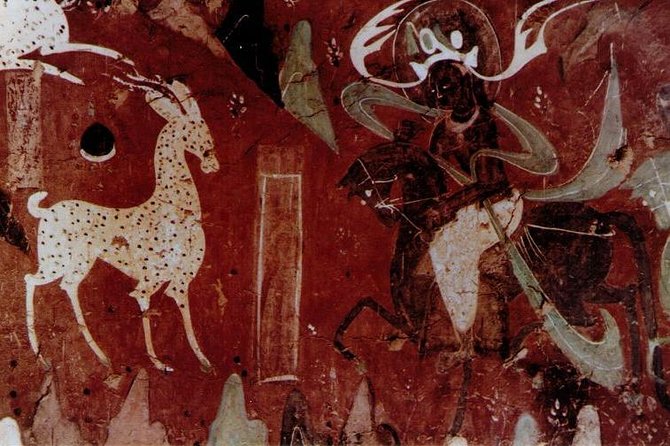
After lunch, you visit Suoyangcheng, a former Silk Road stop that was important for trade and movement through the region. The ruins are included in the UNESCO listing from 2015, and the visit lasts about two hours.
Suoyangcheng is not polished into a compact city attraction. Its value is the sense of an old settlement shaped by trade routes, military needs, and the difficult environment. You then transfer to Guazhou, so this is another day when the vehicle is an important part of the experience.
The remote setting is also the drawback. If you prefer a short list of famous sights with plenty of spare time, this day may feel long. If you want a better understanding of how the Silk Road operated beyond its headline monuments, it earns its place.
Jiayuguan and the western end of the Ming Wall
Day 5 takes you by bus to Jiayuguan. The main stop is Jiayuguan Pass and the Great Wall Museum, identified as the western end of the Ming Dynasty Great Wall.
The visit lasts about two hours. The pass helps explain the defensive role of the Great Wall as a controlled gateway, not simply a scenic wall for walking. The museum adds useful context, particularly after the earlier visit to the Han defenses near Yumen Pass.
You then visit the Overhanging Great Wall, with about an hour and a half for climbing. The route offers a chance to walk on a western section of the wall and see how the fortifications fit the surrounding terrain.
This stop requires more physical effort than the museum or pagoda visits. The exact number of steps is not provided, so anyone with mobility limits should discuss the climb with the guide. Wheelchair support is available in general, but it may not apply to every part of a wall ascent.
The Jiayuguan portion is valuable because it links two periods of frontier construction. You see the older Han defenses near Dunhuang, then the later Ming system near Jiayuguan.
Zhangye Danxia and the color of the rock
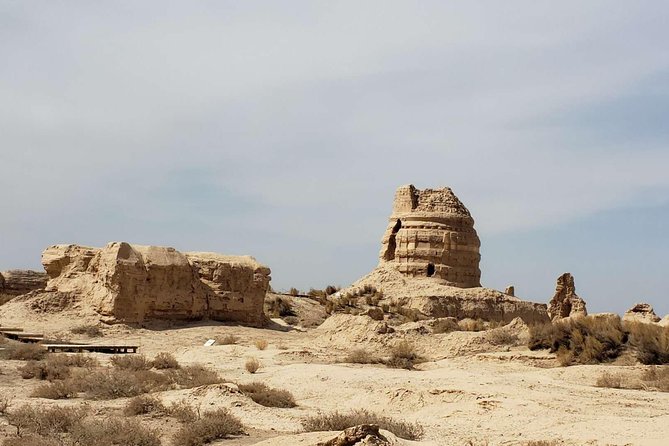
Day 6 is devoted to Zhangye Danxia Geopark, with about eight hours scheduled for the area. This is the visual high point for many people, especially if you enjoy unusual natural formations.
The rock is known for strong bands of color and folded shapes. The route information also refers to painted bricks in Wei and Jin Dynasty tombs, showing political, economic, military, and cultural scenes. That appears to combine the day’s natural and archaeological attractions, so confirm the exact sequence with your guide.
Eight hours gives the day room for a serious visit, but it is also a long outing. The park is remote, and the amount of walking can vary. Wear practical shoes and be ready for open, exposed conditions.
The striped rock is not just a photo stop. It gives the journey a different visual language after several days of cave paintings, ruins, and defensive walls. I would keep your camera ready, but also allow time to look at how the layers and colors change from one viewing area to another.
Zhangye’s Giant Buddha and Horse Hoof Grottos
Day 7 turns back to religious art. At Dafo Temple in Zhangye, you see a large reclining or Nirvana Buddha described as the biggest in Asia. The listed visit time is about one hour.
The Giant Buddha Temple works well after Mogao and Yulin because it shows Buddhist art in a temple setting rather than only inside rock-cut caves. The scale is different, and the visit is easier to absorb after several long days.
The itinerary also includes Horse Hoof Temple Grottos, known for the deity horse footprints. The schedule groups this stop with Dafo Temple and lists one hour, so ask your guide how much time will be available at each site. That short allocation may feel tight if both places are important to you.
This is a good day for cultural variety, but it is not a slow temple day. You will want to listen carefully to the guide and use the available time well.
Pingshanhu Grand Canyon and the final transfer
On the morning of Day 8, you visit Pingshanhu Grand Canyon. The route then transfers you after lunch to Zhangye Airport or Zhangye Railway Station for your onward journey.
The canyon provides a final change from desert, cave, and wall sites. The information does not give a walking duration or difficulty level, so ask about the conditions before the visit if you have mobility concerns or a tight departure schedule.
The tour can help book high-speed train tickets, but those tickets are not listed among the included services. Build some flexibility into your onward plans, since the timing of the canyon visit and the transfer will shape your departure.
Meals, hotels, and the practical side
All seven breakfasts, lunches, and dinners are included. This is useful in western China, where finding a suitable restaurant after a long transfer may take time and where menus may not be easy to navigate.
Vegetarian meals are available if you request them at booking. You should also provide any other dietary requirements at that time. The food is described as varied and good, with local dishes and drinks forming part of the experience.
Accommodation includes seven nights. Dunhuang uses a comfortable four-star hotel, while the hotels in Zhangye and Jiayuguan are described as the best available for the route. Air-conditioning and bottled water are provided, both important comforts in a dry region with substantial daily travel.
Transport is by air-conditioned vehicle. Airport and railway pickup and drop-off are included, which makes arrival and departure much easier. The tour also supports wheelchair and infant-seat requests, though particular sites, sand, stairs, and wall climbs may still limit access.
Children must be accompanied by an adult. A current passport is required on the day of travel, and passport name, number, expiry date, and country are required for every participant at booking.
What the service adds to the price
The strongest praise for this trip centers on planning and care. Steven Kang is repeatedly described as prompt, proactive, trustworthy, and considerate. That matters here because the route combines several cities, remote ruins, timed cultural sites, hotels, meals, and long road transfers.
The trip also appears to work well for groups. One party of six appreciated the professional handling of the itinerary, while a school group valued the food, hotels, activities, and contact with local people. Those details suggest that the private format can suit families, educational groups, and friends who want one coordinated plan.
The package is not cheap, but it includes the costly parts of this region: private transport, accommodation, all meals, guide services, and admissions. I would compare it with the cost and effort of arranging separate drivers, hotels, tickets, and meals before deciding that the headline price is too high.
The main limitation is flexibility. Your days are built around a fixed route, and some stops have short scheduled visits. The tour is best for someone who wants to cover a great deal of Gansu Province in eight days, not for someone who wants to linger at one cave, temple, or desert site.
Should you book this Silk Road journey?
Book it if you want a well-supported route through western Gansu, especially if you value remote archaeological sites, included meals, and private transport. The combination of Mogao Caves, Han and Ming walls, Yulin Caves, Suoyangcheng, Zhangye Danxia, and Pingshanhu Grand Canyon gives you far more than a standard Dunhuang visit.
Think twice if you dislike long transfers, strict sightseeing days, or organized meals. Also check the dates if the Silk Road dance show is important, since it is unavailable from November through March.
For many visitors, this is a strong choice because the hard work is handled for you. Steven Kang’s careful planning is an important part of the value, particularly when you are moving from Dunhuang to Guazhou, Jiayuguan, and Zhangye. I would book this trip for a first visit to the region, while asking in advance about walking demands, the exact Horse Hoof Temple schedule, and the departure timing on Day 8.
FAQ
How long is the Silk Road tour?
The experience lasts approximately eight days and includes seven nights of accommodation.
Where does the tour begin?
You meet the guide at Dunhuang Airport or Dunhuang Railway Station.
Where does the tour finish?
The tour transfers you to Zhangye Airport or Zhangye Railway Station on Day 8.
Is transportation included?
Yes. An air-conditioned vehicle, airport or railway pickup, and drop-off are included.
Are meals included?
Yes. The package includes seven breakfasts, seven lunches, and seven dinners.
Are hotel stays included?
Yes. Seven nights of accommodation are included, with a four-star hotel in Dunhuang and hotels in Zhangye and Jiayuguan.
Is the Silk Road dance show available all year?
No. The Silk Road show is not available from November through March.
Is a camel ride included?
Yes. A camel ride is included during the visit to Mingsha Shan and the Singing-Sand Dunes.
Can vegetarian meals be arranged?
Yes. Vegetarian meals are available, but you must request them when booking. You should also provide any other dietary requirements at that time.
Can children join the tour?
Yes, but children must be accompanied by an adult.
Is this a private tour?
Yes. Only your own group participates in the private tour or activity.
What documents are required?
A current valid passport is required on the day of travel. Passport name, number, expiry date, and country are required for all participants at booking.
Newest reviews from China
- Beijing: Explore the Forbidden City in Hanfu★ 5.0 · 4 reviews
- Private 2 Day Tour of Dalian City★ 5.0 · 4 reviews
- scooter and hiking trip in the rainforest★ 5.0 · 4 reviews
- Xi’an Night Tour: South Gate Square and Big Wild Goose Pagoda Square★ 4.0 · 4 reviews
- Beijing Tai Chi and Tea Ceremony Experience★ 5.0 · 4 reviews
- Guangzhou VIP Car Tour– Tailored Sightseeing & Shopping Adventure★ 5.0 · 4 reviews
- Lantau Peak Sunrise Climb★ 5.0 · 4 reviews
- Chengdu: City Walking Tour with Food and Culture Stops★ 4.7 · 4 reviews
Terracotta and Silk Road Tours, compared.
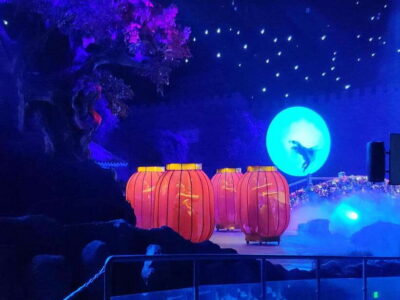
Xi’an Silk Road: Legend of Camel Bell Show Ticket w/Transfer
Read our review →
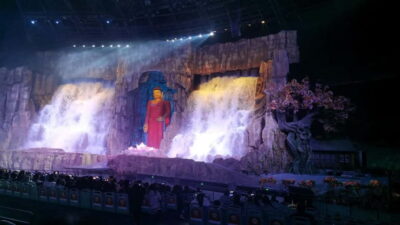
Silk Road(Camel Bell) Legend with Roundtrip Transfer
Read our review →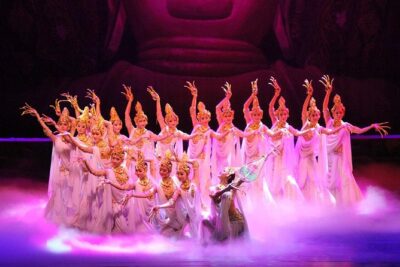
3-Day Private Silk Road Tour of Dunhuang: Mogao Grottoes, Yulin Grottoes, Crescent Moon Pool
Read our review →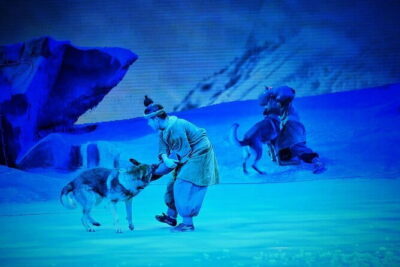
Silk Road Show:Legend of Camel Bell Includes Round-trip Transfers
Read our review →
Silk Road Theme Show Legend of Camel Bell Ticket with Transfer
Read our review →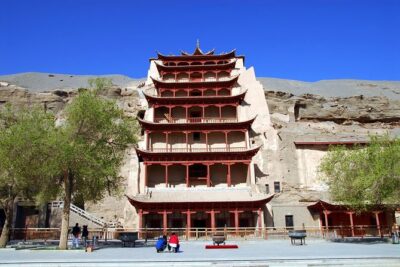
Dunhuang Private Silk Road Day Tour: Mogao Caves, Crescent Spring
Read our review →
Xi’an Silk Road: Legend of Camel Bell Show Ticket with Transfer
Read our review →Browse the lists this tour appears in