
Reviewed · HUTONG TOURS
Beijing: Hutong Culinary Walking Tour with 15+ Tastings
Come hungry, leave curious. This private Beijing food walk combines 15 or more local tastings with a stroll through quiet hutong lanes, giving you a useful introduction to both the city’s food and daily life. I like the way the guide can adjust the stops for your taste, and I like that the food comes from ordinary local restaurants and stalls rather than a polished tourist dining room.
The main consideration is the sheer amount of food. Three hours of sesame cakes, dumplings, noodles, hot pot, skewers, pastries, and drinks can be a lot, especially if you have already eaten. Stop locations also change from day to day, so you should see the tour as a flexible food adventure rather than a fixed list of guaranteed dishes.
The meeting point is Dongsi Subway Station Exit B, with optional hotel pickup and drop-off by private transfer. Guides including Jimmy, Mike, May, Allen, Anson, Andy, Miko, Jay, and Lucy have led this experience. Their strongest qualities are clear English, patience, and a knack for explaining what is on your plate without making unfamiliar food feel intimidating.
In This Review
- Key Points Before You Book
- Starting at Dongsi and Entering the Hutongs
- The First Tastings: Sesame Cakes, Fried Twists, and Dumplings
- Jianbing, Rice Noodles, and Beijing Comfort Food
- Malatang: Let Your Guide Help Build the Bowl
- Baijiu, Lamb Skewers, and the Most Adventurous Choices
- What the Guides Add to the Food
- Is $76 a Good Value?
- Timing, Pace, and Practical Comfort
- Who Will Enjoy This Hutong Food Walk?
- Should You Book It?
- FAQ
- Where does the Beijing hutong food tour meet?
- Can I arrange hotel pickup?
- How long does the tour last?
- How many foods are included?
- What food might I try?
- Are unusual foods available?
- Can the guide adjust the food for my preferences?
- Is alcohol included?
- Is the tour private?
Key Points Before You Book
- 15-plus tastings in about three hours: This is a full meal, not a quick sampling of two or three snacks.
- Hutong lanes between food stops: You get local streets, neighborhood stories, and food in one walk.
- Flexible choices: Tell your guide what you enjoy, what you have already tried, and what you want to avoid.
- Private group format: The pace and food choices can be adjusted for your party.
- Adventurous options available: Donkey burger, fried liver, intestine soup, thousand-year-old egg, and bamboo worm may be possible, with the bamboo worm at your own cost.
- Best practical tip: Arrive very hungry and wear comfortable shoes.
Starting at Dongsi and Entering the Hutongs
The tour begins at Dongsi Subway Station Exit B. This is a sensible meeting point because you can reach it by Beijing’s subway system or by taxi. If you use a taxi, the supplied Chinese phrase is 请带我去东四地铁B出口附近, meaning please take me near Dongsi subway Exit B.
Your guide holds a sign with your name, which helps at a busy station entrance. If you choose hotel pickup, the guide waits in your hotel lobby with the same sign. That option costs more than meeting at the station, but it may be worthwhile if you are tired, carrying luggage, or still learning your way around Beijing.
From Dongsi, you walk into hutong lanes. These narrow residential streets offer a different view of Beijing from the grand imperial sights. The value here is not only visual. As you walk, your guide explains local customs, neighborhood life, food traditions, and eating etiquette.
The lanes are part of the experience, not simply a route between restaurants. You might pause while your guide explains how street vendors and small food shops fit into local life. The walk also gives you context for the snacks ahead. Food makes more sense when you see the kind of neighborhood where people buy breakfast, grab a quick meal, or stop for something sweet.
The exact route changes. That is useful if you want food chosen around your preferences, but it means you should not book this expecting every advertised item. The food stops vary daily, and your guide decides the final mix based on what is available and what suits your group.
More Walking Tours in Beijing
- Beijing Hutong Walking Food and Beer Tour at Hidden Restaurants
★ 5.0 · 1,132 reviews - Private Beijing Walking Tour of the Forbidden City with 7 Options
★ 5.0 · 675 reviews - Forbidden City Private Walking Tour with Optional Sights
★ 5.0 · 400 reviews
The First Tastings: Sesame Cakes, Fried Twists, and Dumplings
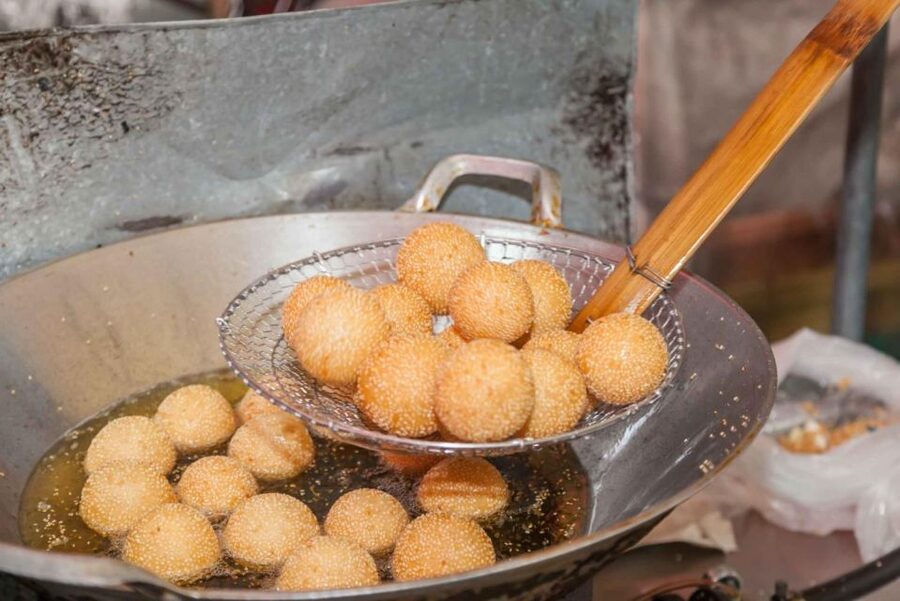
Early stops may include sesame cakes, ma hua, and soup dumplings. Sesame cakes can be sweet, with sesame seeds and sometimes honey, while ma hua is a fried dough twist with a crisp texture.
These are good opening bites because they show two sides of Chinese snack food. One is simple and bakery-like, with sweetness and crunch. The other is hot, fried, and more substantial. I would ask your guide how each snack is normally eaten and when locals tend to buy it. That turns a quick taste into a small lesson in food habits.
Soup dumplings bring a different challenge. They are delicate, hot, and filled with broth, so your guide may show you how to handle them without losing the filling or burning your mouth. This is one of the stops that can appeal to almost everyone, including people who are cautious about unfamiliar ingredients.
Some groups have visited a dumpling restaurant described as Michelin-starred, while others have enjoyed small local restaurants that would be easy to miss alone. The point is not a fixed restaurant ranking. It is having someone lead you to places you may not find through signs alone, then explain what makes each dish local.
The food comes quickly and the stops are close together, according to the tour details. That keeps the walk manageable, but it also means you should pace yourself. A small taste at every stop still becomes a very large meal by the end.
Jianbing, Rice Noodles, and Beijing Comfort Food
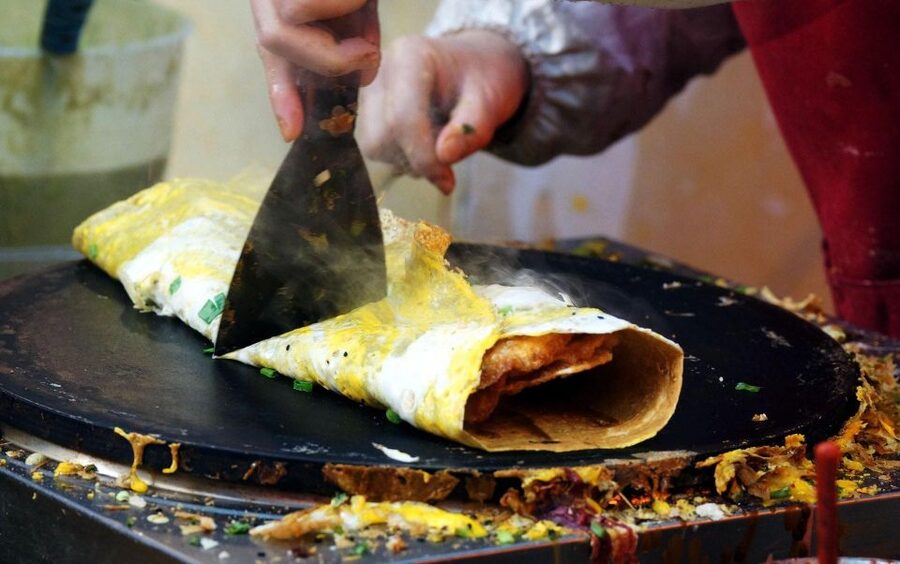
Jianbing is one of the most useful foods to try on a Beijing food walk. It is a fried pancake prepared with fillings and sauces, giving you crisp edges, soft batter, and a mix of savory flavors. You may see the pancake made to order, which adds a visual part to the stop.
Another possible dish is Cross Bridge rice noodles, a specialty from Yunnan Province. Its presence shows that Beijing food culture is not limited to dishes that originated in the capital. China’s regional cooking traditions meet in Beijing, and a local guide can explain that connection as you eat.
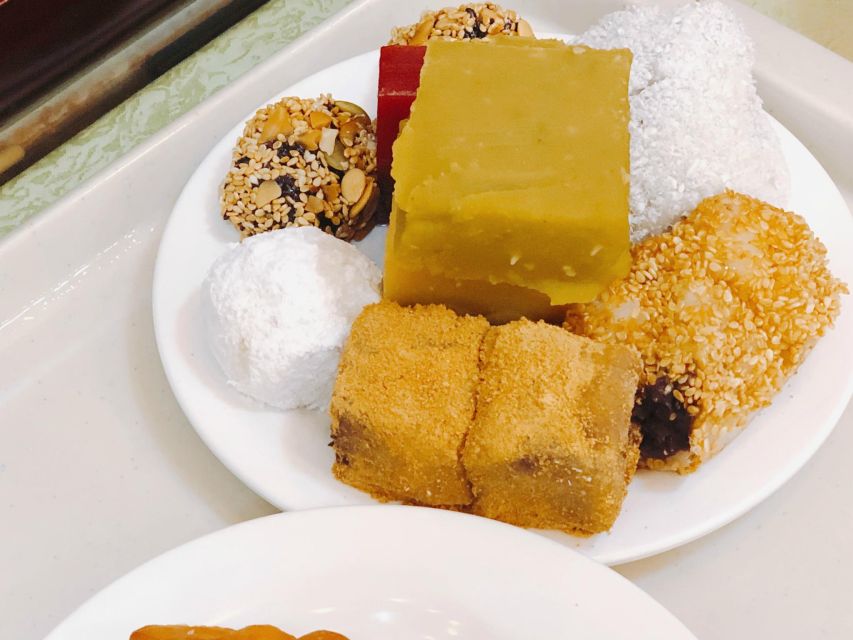
You may also try a crispy fried ring, steamed rice cakes with sweet fillings, and other Beijing snacks. The rice cakes offer a softer, sweeter contrast to the fried foods. At this stage, the tour begins to feel like a survey of textures: crisp dough, chewy rice, warm broth, soft dumpling skin, and sweet pastry.
This variety is one of the experience’s strongest features. You are not eating the same kind of dumpling at six different stops. You get small tastes that help you notice how ingredients and cooking methods change from one dish to the next.
For a first night in Beijing, that range is especially useful. You can learn which flavors suit you before ordering alone. Guides such as Anson, Andy, and Lucy have also spent time answering questions about Chinese food, language, history, and daily life, making the walk feel like an informal orientation to the city.
Malatang: Let Your Guide Help Build the Bowl
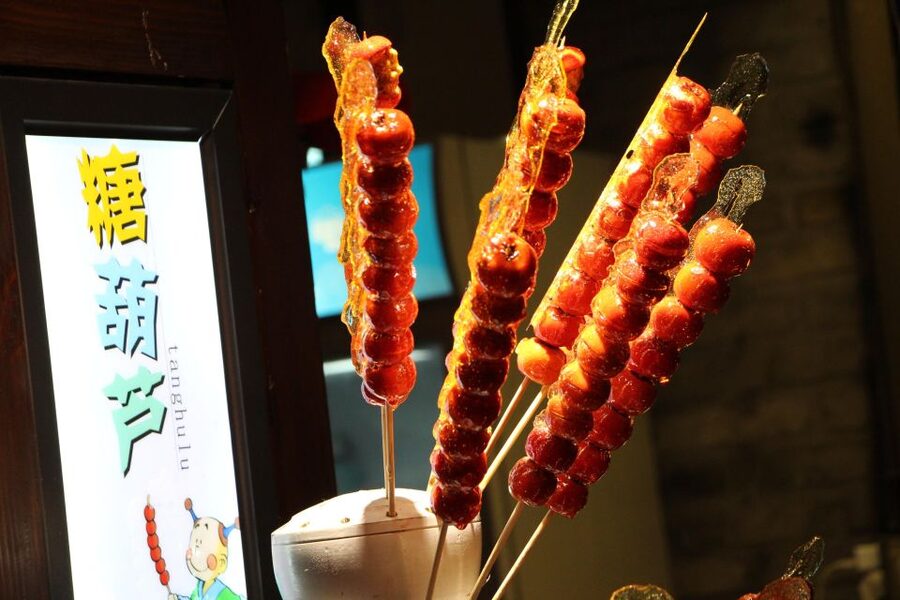
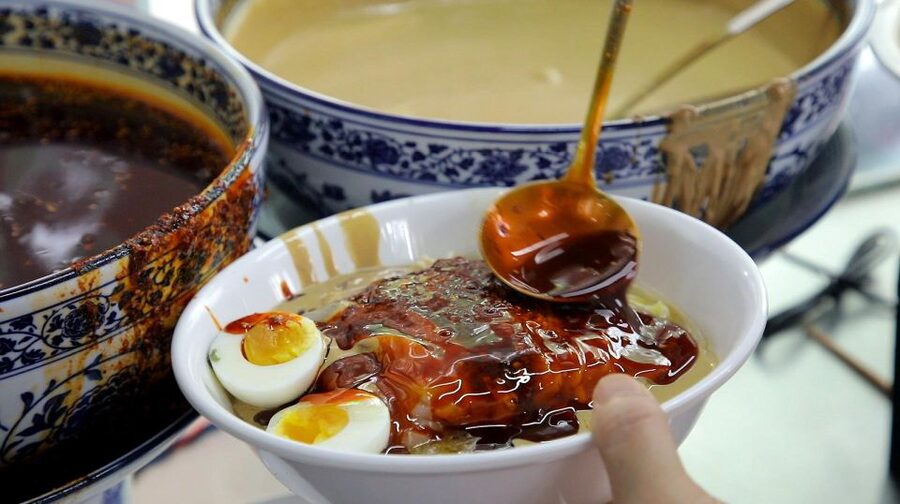
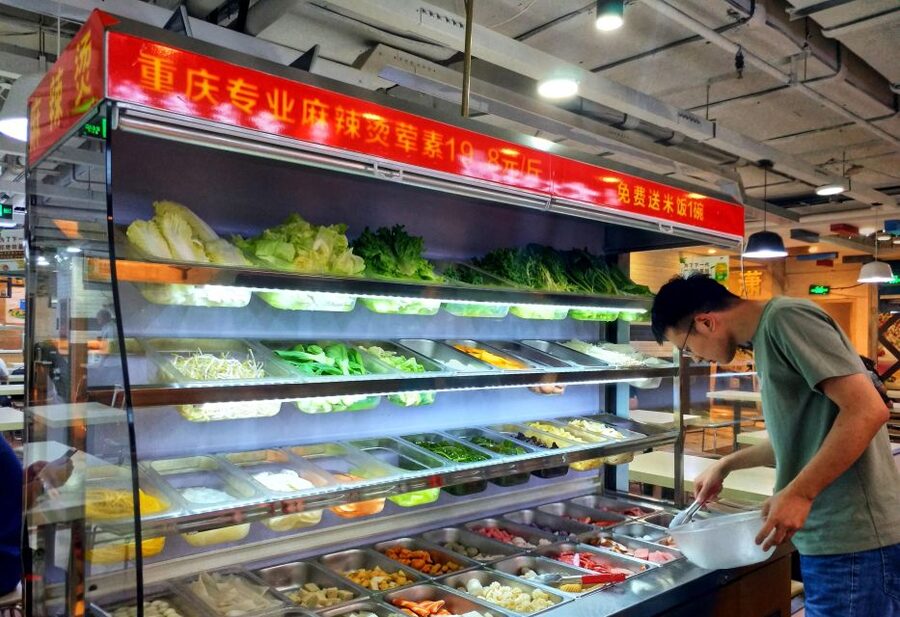
Malatang is a spicy hot pot soup with a choice of ingredients. Depending on the stop, you may find vegetables, meat, seafood, noodles, tofu, eggs, or other items. You select ingredients, then they are cooked in the broth.
This can be one of the most enjoyable parts of the walk because you are not handed a finished dish with no explanation. Your guide can identify unfamiliar vegetables and tofu items, suggest combinations, and help you understand how the meal works.
The spice level and ingredient selection are worth discussing before ordering. The tour is designed to adjust to preferences, and several guides have accommodated guests who wanted vegetarian food or preferred to skip more challenging dishes. If one person in your party is vegetarian, tell the guide clearly at the start.
Malatang is also a useful lesson in the difference between a dish and a format. The broth is important, but so is the act of choosing ingredients. You get a glimpse of how a casual local meal can be quick, social, and personal.
The drawback is that malatang may arrive after several earlier tastings. It is warm and filling, which makes it a good main course, but you may need to take only small portions at the earlier stops. Do not treat the first pastry as a full meal if you want to enjoy the hot pot later.
More hutong walks:
- Temple Heaven, Summer Palace, Lama Temple, Hutong Bus Tour
★ 4.7 · 319 reviews - Temple of Heaven, Summer Palace, Lama Temple, Hutong Tours
★ 5.0 · 311 reviews - Beijing Private Hutong Food Walking Tour
★ 5.0 · 299 reviews - The Hutong Experience by Bike
★ 5.0 · 163 reviews
Baijiu, Lamb Skewers, and the Most Adventurous Choices
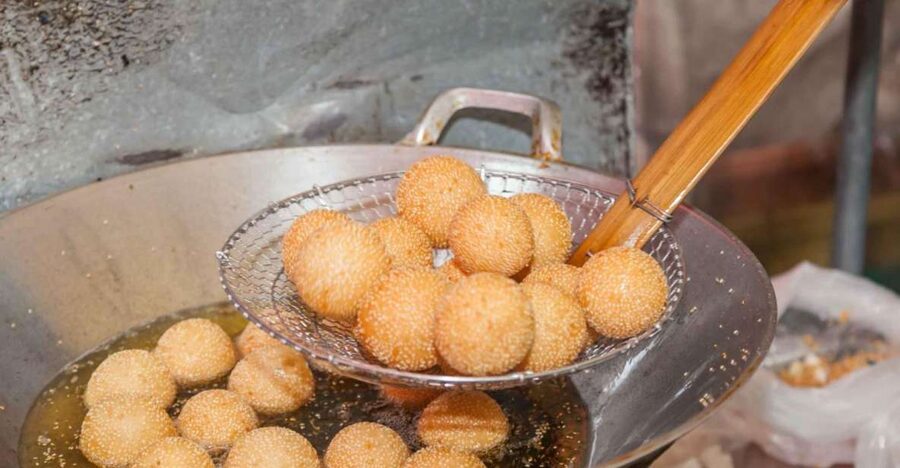
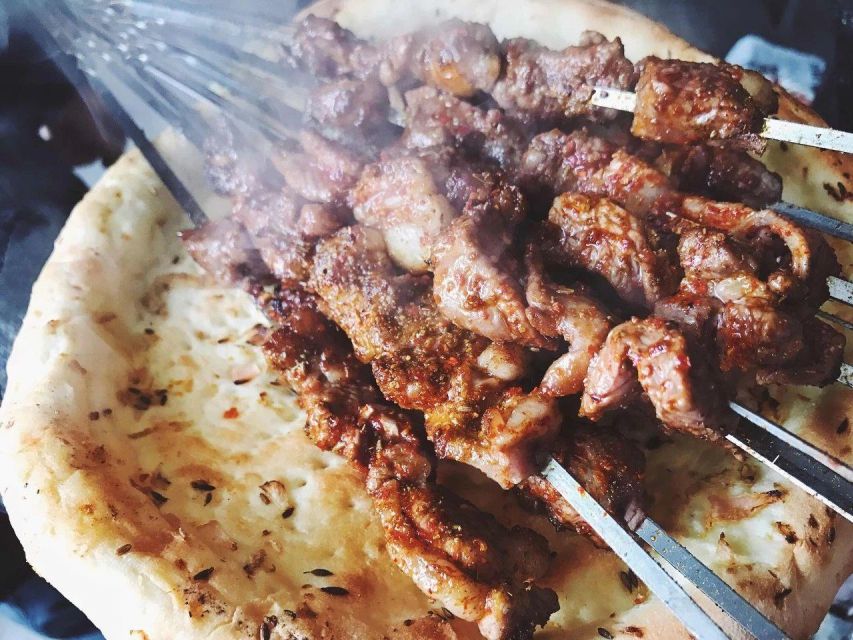
The final part may include Xinjiang lamb skewers with nang bread and vegetable kebabs. The lamb is a strong choice for meat eaters, and the skewers bring smoky, savory flavors after the softer dumplings and sweet snacks.
Nang bread adds another regional touch. The meal is not limited to Beijing dishes, since the capital draws food traditions from across China. Your guide can explain where the flavors come from and how the dishes relate to China’s many regional cuisines.
Baijiu may also be offered. This clear Chinese liquor commonly contains between 35 and 60 percent alcohol by volume, so it is much stronger than a casual beer. Sip it carefully, and let your guide know if you do not drink alcohol. Bottled water and local soft drinks are included, and some groups have also received beer during the walk, though that should not be assumed as a guaranteed inclusion.
For adventurous eaters, the guide may be able to arrange surprises such as donkey burger, fried liver, intestine soup, thousand-year-old egg, or bamboo worm. The bamboo worm is at your own cost. These choices are optional, not a test of courage.
I appreciate that the experience allows you to say no. Some people have chosen substitutes for intestines or other challenging foods and still enjoyed a broad range of dishes. You can ask for classic bites, push into unfamiliar territory, or mix the two.
If you are interested in trying something unusual, tell your guide early. If you are not, say that just as clearly. The best version of this tour is not the one with the strangest dish. It is the one where you feel comfortable enough to keep tasting.
What the Guides Add to the Food
The guide is a major part of the value. The food itself might cost much less if you ordered it independently, but finding the right places, understanding menus, translating questions, and learning the background would be harder.
Jimmy has been praised for working well with families, including a vegetarian child, and for explaining everyday life in China in clear English. Mike has adjusted food choices during the walk and is often described as easy to talk with. Allen has offered detailed information about local places and made sure guests felt at ease with new dishes.
Anson has been especially good at explaining regional food influences, Beijing’s past, and the origins of dishes. Andy has combined local food stops with stories about hutongs and the city. Miko has guided groups through restaurants while explaining food customs, and Lucy has tailored stops around dietary needs and foods already tried.
You may receive one of these guides or another member of the team. The exact personality will vary, but the format supports conversation. This is a private group, so you can ask questions without holding up a large crowd.
That private setup suits couples, families, and small groups with different appetites. It also helps if you want to spend more time on a favorite dish or skip an item. One person even ended up as the only participant after arriving late, and the guide waited. I would not treat that as a promise that a guide will always wait, but it shows why clear communication matters.
Is $76 a Good Value?
At $76 per person, this is not the cheapest way to eat in Beijing. Local snacks can be inexpensive, and you could spend less by choosing a few stalls yourself.
The price makes more sense when you count the full package: 15-plus tastings, about three hours of guiding, bottled water, local soft drinks, hutong touring, translation help, and a private group. Optional hotel pickup and drop-off by private transfer add convenience if you select that version.
I see the tour as good value for your first day or two in Beijing. You get enough tastes to learn what you like, and you can return to favorite foods later on your own. The guide also saves you from ordering blindly when menus or food displays are unfamiliar.
It is less useful for you if you already know Beijing’s food scene, speak Chinese comfortably, or prefer to spend three hours at one restaurant. It is also a poor fit if you want a precise, fixed menu. This is a flexible route, and the available stops change.
Timing, Pace, and Practical Comfort
The activity lasts about three to four hours, with roughly three hours of eating and walking. Starting times vary, so check availability when booking.
Wear comfortable shoes. You will be walking through hutongs and moving between food stops, even though the stops are described as being close together. The route is not presented as a strenuous hike, but standing, strolling, and eating for several hours requires basic comfort.
Arrive with an empty stomach. This advice comes up again and again for a reason. Fifteen or more tastings may include small portions, but the combined meal is substantial. If you have a sensitive stomach, take it slowly and tell your guide about foods you want to avoid.
The tour can work in different weather, but conditions affect comfort. A family completed the walk in heavy rain, and another group enjoyed warm dishes in cold weather. Bring suitable clothing for the season rather than assuming the food stops will keep you indoors.
Free cancellation is available up to 24 hours before the tour for a full refund. You can also reserve and pay later, which helps if your Beijing schedule may shift. These terms are useful for a first-day booking, when flight delays or changes can disrupt plans.
Who Will Enjoy This Hutong Food Walk?
I would recommend this experience to you if you:
- Want a broad first taste of Beijing and Chinese food
- Prefer local restaurants and stalls to formal sightseeing
- Like asking questions about customs, ingredients, and daily life
- Are willing to try unfamiliar dishes but want an easy way to decline
- Have a family or private group with mixed food preferences
- Want a guided introduction before ordering on your own
It is also a strong choice for the first evening of a Beijing visit. You can learn basic food habits, discover dishes to seek out later, and get a feel for an older neighborhood without spending the whole day at a major monument.
I would hesitate to recommend it if you dislike walking, cannot eat a large meal, or need every dish to be known in advance. The tour’s strength is variety and flexibility, but those qualities also make it less predictable.
Should You Book It?
Book this hutong food walk if you want food, neighborhood life, and conversation in one private outing. The most praised parts are consistent: guides such as Jimmy, Mike, Anson, Andy, Miko, Allen, and Lucy explain the dishes well, adjust to preferences, and take you to places you might pass without noticing.
Come hungry, tell the guide about allergies or dietary needs, and say how adventurous you want to be. At $76, you are paying for access and guidance as much as for the food. For a first taste of Beijing, that is a fair trade, and the experience should leave you full enough to skip dinner afterward.
FAQ
Where does the Beijing hutong food tour meet?
The meeting point is Dongsi Subway Station Exit B. You can reach it by subway or taxi.
Can I arrange hotel pickup?
Yes. Hotel pickup and drop-off by private transfer are available if you choose that option. The guide waits in your hotel lobby with a sign bearing your name.
How long does the tour last?
The experience lasts about three to four hours, with approximately three hours of food tasting and walking.
How many foods are included?
More than 15 food tastings are included. The exact dishes and stop locations vary each day.
What food might I try?
Possible tastings include sesame cakes, ma hua fried dough twists, soup dumplings, Beijing jar yogurt, Cross Bridge rice noodles, jianbing, crispy fried rings, steamed rice cakes, malatang, Xinjiang lamb skewers, nang bread, and local desserts.
Are unusual foods available?
Adventure options may include donkey burger, fried liver, intestine soup, thousand-year-old egg, and bamboo worm. Bamboo worm costs extra, and these choices are optional.
Can the guide adjust the food for my preferences?
Yes. The guide can adjust the stops based on your preferences, including classic foods, more unusual choices, foods you have already tried, and some dietary needs.
Is alcohol included?
Baijiu may be included as part of the tasting experience. Bottled water and local soft drinks are included. Beer has also been offered on some tours, but it is not listed as a guaranteed inclusion.
Is the tour private?
Yes. The tour is offered for a private group and includes a live English-speaking guide.
Newest reviews from Beijing
- Beijing: Explore the Forbidden City in Hanfu★ 5.0 · 4 reviews
- Beijing Tai Chi and Tea Ceremony Experience★ 5.0 · 4 reviews
- Jinshangling Great Wall Of Beijing Tickets And Other Option★ 4.0 · 4 reviews
- Private Full-Day Great Wall of China Hiking Tour from Jiankou to Mutianyu★ 4.5 · 4 reviews
- Tour the Great Wall with a Native from Downtown Beijing★ 4.8 · 4 reviews
- Beijing: Badaling Great Wall Private Tour w Language Option★ 4.3 · 4 reviews
- Beijing:Summer Palace & Tea or Calligraphy Experience Tour★ 4.6 · 4 reviews
- 7 Days Private Tour of Beijing, Xian, Shanghai by Bullet Train★ 5.0 · 4 reviews
Hutong Tours, compared.
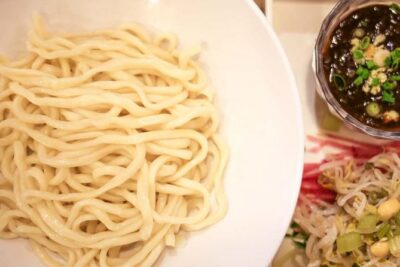
Beijing Hutong Walking Food and Beer Tour at Hidden Restaurants
Read our review →
Temple Heaven, Summer Palace, Lama Temple, Hutong Bus Tour
Read our review →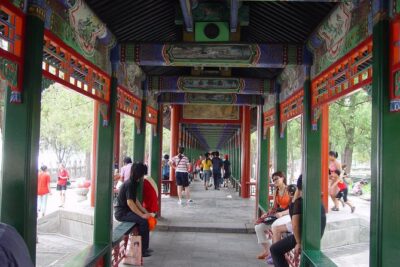
Temple of Heaven, Summer Palace, Lama Temple, Hutong Tours
Read our review →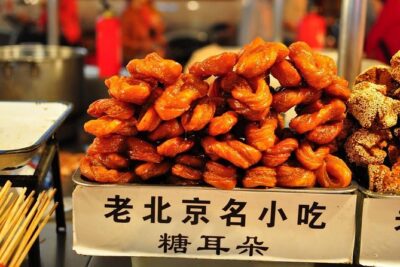

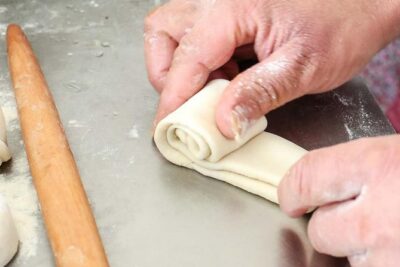
Beijing City Walk: Explore Hutongs Life and Old Beijing
Read our review →Browse the lists this tour appears in