
Reviewed · HUTONG TOURS
Beijing Private Hutong Food Walking Tour
Come hungry, leave curious. This four-hour private walk through Beijing’s Dongsi hutongs combines 20-plus food tastings with old lanes, local shop owners, and stories about everyday Chinese cooking. It is less about sitting down for one grand meal and more about building a delicious picture of Beijing one bite at a time.
I like the tour’s local focus. You eat at small markets, bakeries, shops, and restaurants rather than relying on places aimed at international visitors. I also like the private format, since guides such as Allen, Jay, Lucy, Miko, and Anson can adjust the pace, explain unfamiliar dishes, and help with practical matters such as using the subway.
The main drawback is simple: there is a lot of food. Four hours of tasting more than 20 dishes can be too much if you eat beforehand, and some foods may be challenging for cautious eaters. The exact dishes also depend on the day, your preferences, and what is available locally.
In This Review
- Key points to know before booking
- Why Dongsi is the right place to start
- A progressive tasting menu without the formal restaurant
- LongFuSi brings more food and more local context
- The guides make or break the private format
- What the $82 price really covers
- Dietary needs, children, and walking comfort
- Practical tips for getting the most from the afternoon
- Who should book this hutong food walk?
- Should you book it?
- FAQ
- How long is the Beijing Private Hutong Food Walking Tour?
- How many dishes are included?
- Is this a private tour?
- Is transportation included?
- Is hotel pickup available?
- Can vegetarians join the tour?
- Are children charged?
- What is the cancellation policy?
Key points to know before booking
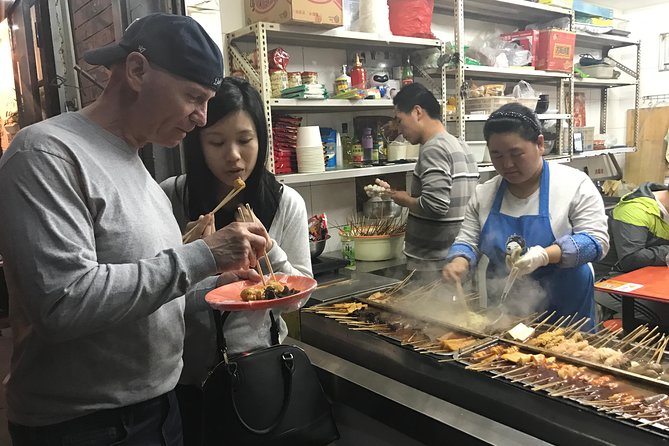
- More than 20 tastings in four hours: Expect small portions spread across markets, bakeries, neighborhood shops, and restaurants.
- Dongsi and LongFuSi: The route brings together traditional hutong streets, old courtyard homes, food stops, and historic parts of central Beijing.
- A truly private outing: Only your group participates, giving you plenty of time to ask questions or request a slower pace.
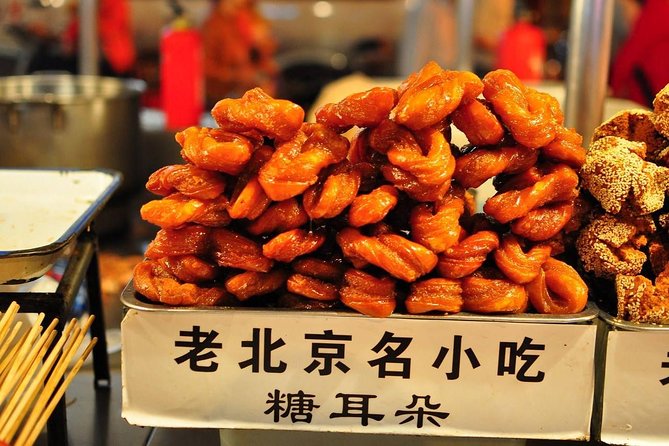
- Food beyond the familiar: You might try jian bing, dumplings, noodles, donkey burgers, douzhi, sesame sweets, hot soup, or even pig intestine.
- Strong dietary flexibility: Vegetarian options are available, and guides have handled diabetic diets, allergies, and other food restrictions when told in advance.
- Good first-day choice: The tour can help you understand local food, find dishes you want to order again, and gain confidence with Beijing transport.
Why Dongsi is the right place to start
Beijing’s hutongs are narrow lanes lined with traditional courtyard homes. They are not just pretty old streets. They show how the city grew around shared courtyards, small businesses, neighborhood markets, and daily routines that are easy to miss from a tour bus.
The first part of the walk takes place around Dongsi Hutong, with roughly two hours devoted to exploring and eating. The route is designed to move beyond the best-known tourist lanes and into places where local residents shop and eat. That matters because the food feels connected to the neighborhood, not separated from it for sightseeing.
Your guide acts as a translator, food teacher, and local fixer. Menus may not be in English, and many dishes are hard to identify from a photo alone. A guide can explain what you are eating, show you the customary way to eat it, and help you decide how adventurous you want to be.
This is also where the private setup pays off. Miko has been praised for matching walking speed, answering questions, and helping with the DiDi app. Lucy has helped with Beijing subway directions and added information about multi-generational courtyard homes. Those small touches can make your first days in Beijing much easier.
Do not expect every lane to look rough or untouched. One food stop may be on a clean, pleasant street rather than a gritty alley. That is not a weakness. Hutongs are living neighborhoods, and a good walk shows both their age and their current life.
More Walking Tours in Beijing
- Beijing Hutong Walking Food and Beer Tour at Hidden Restaurants
★ 5.0 · 1,132 reviews - Private Beijing Walking Tour of the Forbidden City with 7 Options
★ 5.0 · 675 reviews - Forbidden City Private Walking Tour with Optional Sights
★ 5.0 · 400 reviews
A progressive tasting menu without the formal restaurant
The heart of the experience is the food. You visit a sequence of local places instead of ordering one large meal at a single restaurant. The pace gives you time to walk between stops, digest a little, and learn what each dish means.
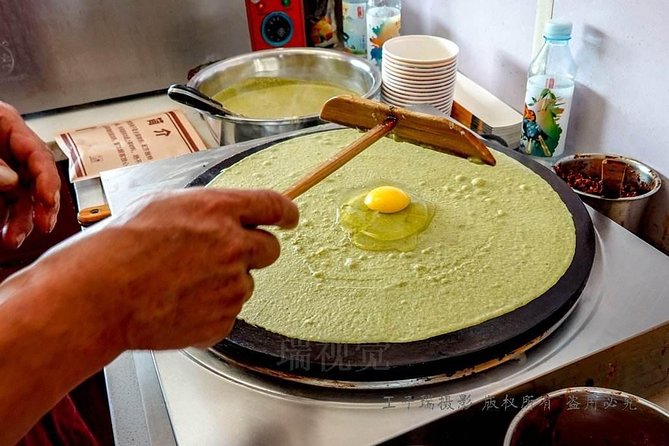
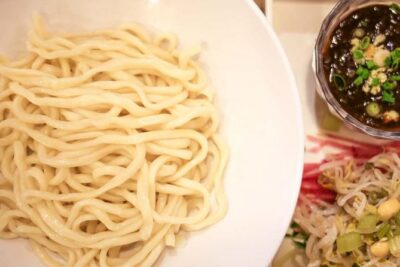
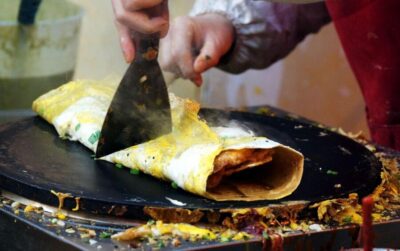
You might encounter a Beijing-style jian bing, a savory crepe-like street food that can be folded around fillings and sauces. Dumplings and wontons may appear in forms that differ from what you have eaten elsewhere. Noodles, beef dumplings, and other everyday dishes help explain why northern Chinese food often feels hearty and filling.
Several food stops are described as small local businesses, including bakeries and market stalls. Meeting shop owners gives the tour a human side. You are not only tasting a dish. You are seeing where it is made, how it is sold, and how it fits into neighborhood life.
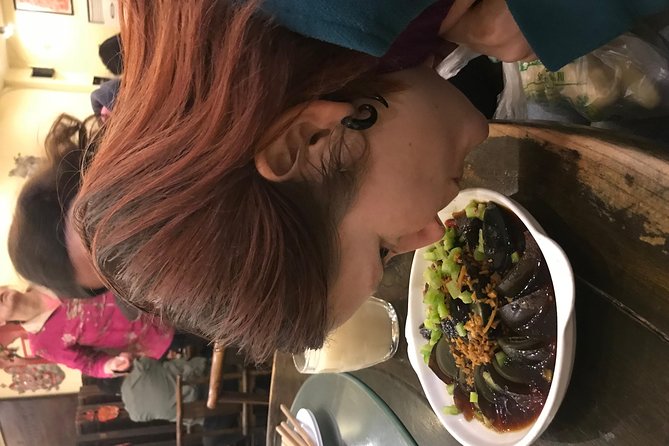
Some stops may be more adventurous. Pig intestine has been offered to guests willing to try it. Donkey burgers have also appeared, with a savory filling that one diner compared to a beef-filled pastry after tasting it. These are precisely the foods many visitors would not find on their own, especially when menus are written only in Chinese.
You do not have to finish everything. That is important advice, because the full sequence can be excessive for one person even when the portions are small. The smart approach is to sample widely, keep room for later stops, and tell your guide early if you prefer familiar foods.
The exact food selection is not fixed in the information provided, so you should see the menu as a rotating sampler rather than a guaranteed checklist. That flexibility is useful. It allows the guide to work with what is fresh and available, but it means you should not book expecting one particular dish.
LongFuSi brings more food and more local context
The second half centers on LongFuSi Jie, with about two hours set aside for additional tastings and neighborhood sights. This section continues the same pattern: small local eateries, shops, bakeries, restaurants, and historical streets connected by short walks.
The variety is the selling point. You may move from dumplings to noodles, then to a sweet snack or a hot soup dish. Traditional sesame-based sweets and other treats can be less familiar in flavor and texture, but they help you understand the range of Chinese snack culture.
One stop may be a self-serve or build-your-own hot soup experience. Another may be a restaurant known for dumplings or wontons. The route can include places with no English menu, which is exactly when a private guide becomes useful. You can ask why a dish is eaten a certain way, what region it comes from, or how it differs from food elsewhere in China.
You may also hear about douzhi, a fermented mung bean drink associated with Beijing. It is a famous local taste, though not an easy one for everyone. Try a little if it is offered, but do not feel obliged to pretend every regional specialty is your new favorite.
The walking breaks are practical. They keep the tour from becoming four hours of continuous eating, and they allow your guide to point out architecture, old courtyards, and neighborhood details. Several guides also take photographs along the way, which is helpful when you are busy balancing food, chopsticks, and conversation.
The guides make or break the private format
A food tour depends heavily on the person leading it. The guide needs enough food knowledge to explain unfamiliar dishes, enough language skill to manage local stops, and enough judgment to avoid pushing you past your comfort level.
The named guides receive especially strong praise for warmth and flexibility. Allen is described as funny and attentive, with a talent for finding many different dishes. Jay has handled dietary restrictions carefully and provided information beyond food. Miko has helped with transport, adjusted the walking pace, and explained both dishes and local customs.
Lucy appears to be a strong choice for visitors who want more than a meal-by-meal introduction. She has shown guests old courtyard houses, answered broader questions about Beijing, and helped them feel more capable using the subway. Anson is praised for clear English, humor, and useful explanations about food and culture.
May has adapted a tour for vegetarians, while Mike has improvised successfully when a vegetarian request was not passed along properly. That second point is encouraging, but it also gives you a practical lesson: send dietary information at booking and confirm it again before the walk.
Because the tour is private, you can ask more questions than you usually can in a large group. You can also say that you want to skip intestines, reduce the pace, avoid alcohol, or focus on certain kinds of food. The guide may be able to adjust the plan, but special requests work best when made before the start.
More hutong walks:
- Temple Heaven, Summer Palace, Lama Temple, Hutong Bus Tour
★ 4.7 · 319 reviews - Temple of Heaven, Summer Palace, Lama Temple, Hutong Tours
★ 5.0 · 311 reviews - The Hutong Experience by Bike
★ 5.0 · 163 reviews - Beijing: Hutong Culinary Walking Tour with 15+ Tastings
★ 5.0 · 162 reviews
What the $82 price really covers
At $82 per person, the tour is not a cheap way to buy snacks. It is a paid food-and-culture service that includes more than 20 samples, bottled water, a private guide, and four hours of personal attention.
The price makes the most sense if you value access and explanation. Without a guide, you might pass the same shops without knowing what to order, how to eat a dish, or which unfamiliar item is worth trying. You also avoid ordering several full portions that you may not enjoy.
The private format improves the value for couples, families, and small groups with different appetites. You can share samples, ask questions freely, and move at your own pace. Group discounts may also be available, though the supplied information does not state the discount amount.
Transportation needs a close look. Pickup is offered, and a private transfer is included only when you select the option that includes it. If you choose the tour without transfer, transportation costs are extra. Guides have sometimes helped visitors use the subway, but you should check your selected option carefully before booking.
Admission to the hutong areas is free. The money is going toward food, the guide, planning, translation, and access to places that are not easy to navigate independently. If you already speak Chinese and enjoy ordering by trial and error, you may find the price less compelling. If you are new to Beijing food, the value is stronger.
Dietary needs, children, and walking comfort
Vegetarian food is available, but you must advise the operator when booking. The experience has also been adapted for diabetic diets and allergies, though the best results come from giving clear details before the day of the tour.
If you have strict medical dietary requirements, ask specific questions in advance. More than 20 tastings can involve sauces, fillings, broths, oils, and ingredients that are difficult to identify quickly. A private guide can help, but the tour is not presented as a medically controlled meal.
Children from ages one through six are free. The food-heavy format can work well for families if children enjoy trying small bites, but the walking and unfamiliar flavors may test very young appetites. Since only your group participates, you can pause more easily than on a fixed group outing.
Most people can participate, according to the supplied details. Still, this is a walking tour lasting about four hours, so you should be comfortable moving between stops. One guide adjusted the pace for a slower walker, which suggests that private groups have some flexibility, but no specific accessibility route is promised.
Practical tips for getting the most from the afternoon
Eat lightly beforehand. This is the clearest piece of advice from the experience. You will not need a full meal before arriving, and trying to eat one may leave you too full halfway through.
Tell your guide your adventure level at the start. If pig intestine or another strong local specialty does not appeal, say so. Guides have offered alternative dishes when guests were hesitant, and there is no prize for forcing down something you dislike.
Wear comfortable walking shoes and leave room in your schedule after the tour. Four hours of food and walking can be tiring, especially if you are visiting Beijing during a warm or rainy period. Kevin took good care of one guest during rain, but weather can still affect comfort.
Keep your questions coming. Ask about regional differences, breakfast customs, sauces, cooking methods, and the best foods to seek out later. The tour becomes more useful when you treat it as a lesson in how to eat in Beijing, not just a string of samples.
If you do not drink alcohol, say so. The experience can accommodate non-drinkers. If you do want a beer, one guide arranged beers as requested, but drinks are not listed among the included items, so expect to pay separately.
Finally, consider booking this early in your Beijing stay. The tour can help you recognize dishes on later menus and decide what deserves a second visit. It also gives you a basic feel for local transport and neighborhood food culture.
Who should book this hutong food walk?
I would recommend it most strongly to first-time visitors who want an easy introduction to Beijing food without spending days decoding menus. It is also a good match for adventurous eaters, couples, families with flexible children, and anyone who prefers personal conversation over a large tour group.
The tour is less suitable if you dislike trying unfamiliar food, have highly restrictive dietary needs that cannot be managed in ordinary restaurants, or want a polished, sit-down tasting menu. It is also not the right choice if you want a single signature meal rather than many small portions.
The perfect guest is curious but not reckless. You should be willing to try something new, while also being comfortable saying no. That balance lets you enjoy the jian bing, dumplings, noodles, sweets, and other local favorites without turning the afternoon into an endurance test.
Should you book it?
Book this tour if you want local food, old Beijing streets, and a private guide in one outing. The 100 percent recommendation rate and 5 out of 5 score from 299 ratings point to a consistently strong experience, especially in guide quality, food variety, and personal attention.
The best reason to go is not simply the number of dishes. It is the chance to taste food in the places where neighborhood life happens, then ask someone like Lucy, Jay, Miko, Allen, Mike, May, or Anson what you just ate and why it matters.
At $82, it is a fair purchase when the included tastings and guide access replace several uncertain meals. Arrive hungry, share your dietary needs early, and keep an open mind. If that sounds like your kind of afternoon, this is a smart way to get your first real taste of Beijing.
FAQ
How long is the Beijing Private Hutong Food Walking Tour?
The tour lasts approximately four hours. The time is divided between the Dongsi Hutong area and LongFuSi Jie, with food tastings and neighborhood exploration throughout.
How many dishes are included?
More than 20 different food tastings are included. The exact selection can vary, and examples may include dumplings, noodles, jian bing, sweets, hot soup, donkey burgers, douzhi, or other local dishes.
Is this a private tour?
Yes. Only your group participates in the private activity, along with the guide.
Is transportation included?
Private transfer is included only if you select the option that includes it. If you book the tour without transfer, transportation costs are not included.
Is hotel pickup available?
Pickup is offered. The exact arrangement depends on the option selected when booking.
Can vegetarians join the tour?
Yes. A vegetarian option is available, but you must advise the operator when booking.
Are children charged?
Children ages one through six are free. The tour information states that most people can participate.
What is the cancellation policy?
You can receive a full refund if you cancel at least 24 hours before the experience begins. Cancellations or changes made within 24 hours are not refunded or accepted.
More Food Tours in Beijing
- Beijing: Hidden Gems Guided Food Tour with Beer and Tastings
★ 4.9 · 306 reviews - Beijing Hutong Breakfast Food Tour
★ 5.0 · 155 reviews - Beijing Hutong Breakfast Food Tour
★ 5.0 · 120 reviews - Beijing Walking Food Tour with a Local Friend
★ 5.0 · 73 reviews
Newest reviews from Beijing
- Beijing: Explore the Forbidden City in Hanfu★ 5.0 · 4 reviews
- Beijing Tai Chi and Tea Ceremony Experience★ 5.0 · 4 reviews
- Jinshangling Great Wall Of Beijing Tickets And Other Option★ 4.0 · 4 reviews
- Private Full-Day Great Wall of China Hiking Tour from Jiankou to Mutianyu★ 4.5 · 4 reviews
- Tour the Great Wall with a Native from Downtown Beijing★ 4.8 · 4 reviews
- Beijing: Badaling Great Wall Private Tour w Language Option★ 4.3 · 4 reviews
- Beijing:Summer Palace & Tea or Calligraphy Experience Tour★ 4.6 · 4 reviews
- 7 Days Private Tour of Beijing, Xian, Shanghai by Bullet Train★ 5.0 · 4 reviews
Hutong Tours, compared.
Beijing Hutong Walking Food and Beer Tour at Hidden Restaurants
Read our review →
Temple Heaven, Summer Palace, Lama Temple, Hutong Bus Tour
Read our review →
Temple of Heaven, Summer Palace, Lama Temple, Hutong Tours
Read our review →
Beijing City Walk: Explore Hutongs Life and Old Beijing
Read our review →Browse the lists this tour appears in