
Reviewed · FOOD & DRINK
Puer Tea Picking and Tasting | 6 Hour Morning Trip
Tea tastes better when you help make it. This half-day outing takes you from Jinghong or Pu’er into Yunnan’s tea country, where you can walk among the plants, pick fresh leaves, process them with local guidance, and taste the finished tea at a working farm. It is more personal than a standard tasting room visit because you see the crop and the craft together.
I especially like the small group size, limited to six people, and the chance to take home 300 grams of tea that you picked and processed yourself. The relaxed drive in a VW ID.4, the local meal, and the farm setting add real value. One point needs checking before you book: the description calls lunch optional at 60 yuan per person, while the included services list says lunch is included.
The guide, Maxime, receives especially strong praise for his patience, translation help, and easy manner. He has built a relationship with the tea-farm owner, which helps turn your questions into a proper conversation rather than a quick sales pitch. Still, this is an active outdoor visit, so bring comfortable shoes and allow up to seven hours if the day includes extra tasting or a meal.
In This Review
- What makes this tea outing worth your morning
- The drive from Jinghong or Pu’er sets the pace
- Walking the Pu’er plantation
- From fresh leaves to finished tea
- Tasting aged, raw, and freshly made Pu’er
- Lunch, Dai food, and the possible coffee extension
- What the $82 price really buys
- Languages, group size, and the practical details
- Who will enjoy this Pu’er experience most
- Should you book it?
- FAQ
- Where does the Pu’er tea tour begin?
- How long does the experience last?
- What vehicle is used for transportation?
- How many people can join the tour?
- Which languages are available for the live guide?
- Do I get to pick my own tea?
- How much tea can I take home?
- Is lunch included?
- Can I taste different types of tea?
- What should I bring?
What makes this tea outing worth your morning
- Pick and process your own 300 grams of Pu’er tea, then take it home as a useful souvenir rather than a generic gift-shop purchase.
- Visit a working plantation and processing farm, with the chance to see withering, rolling, drying, and other stages up close.
- Taste several tea styles, including freshly processed Pu’er and, depending on the farm visit, aged, raw, candy tea, and red tea.
- Ride from Jinghong or Pu’er with pickup and return included, avoiding the hassle of arranging a remote plantation visit yourself.
- Travel in a group of no more than six, with an English, French, German, or Italian-speaking guide.
- Add local Dai food and possibly a coffee stop, depending on the day’s plan and the time available.
The drive from Jinghong or Pu’er sets the pace
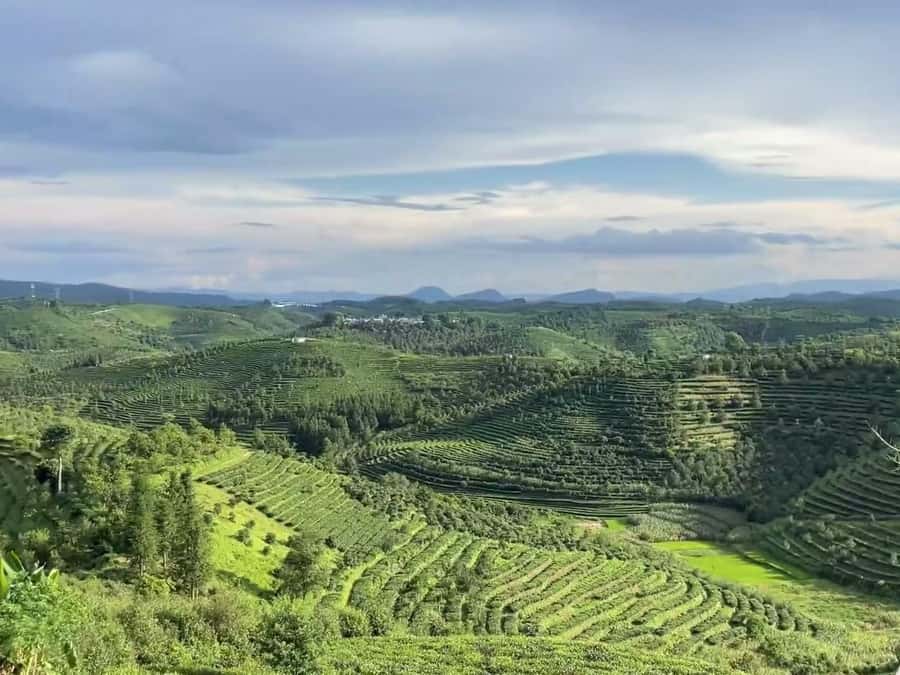
Your day begins with hotel pickup in Jinghong or Pu’er. From Jinghong, the drive takes you away from city streets and into the green countryside of southwestern China, while a departure from Pu’er gives you a shorter connection to the tea-growing area. The exact drive time is not specified, so you should treat the five to seven-hour duration as a broad window rather than a tightly fixed schedule.
Up to three people ride in a VW ID.4. Larger parties use a comfortable six-seat minivan. That matters here because the road trip is part of the experience, not just a transfer. You have time to look out at fields and mountain scenery, ask questions, and settle into the slower rhythm of the plantation.
Maxime is a major part of the experience for English-speaking visitors. He has been praised for translating questions between visitors and the farm owner, including very detailed questions about tea production. He also takes photos during the day, which is a helpful touch if you are busy picking leaves or handling tea.
If you are traveling alone, the small-group format is reassuring. One solo visitor specifically found the communication before the trip prompt and reassuring. Still, the activity has an age restriction: it is not suitable for babies under one year or people over 70.
More food tours in China:
- Authentic Local Food Tour in Central Shanghai
★ 5.0 · 1,382 reviews - Beijing Hutong Walking Food and Beer Tour at Hidden Restaurants
★ 5.0 · 1,132 reviews - Xi’an Evening Food Tour by TukTuk
★ 5.0 · 715 reviews
Walking the Pu’er plantation
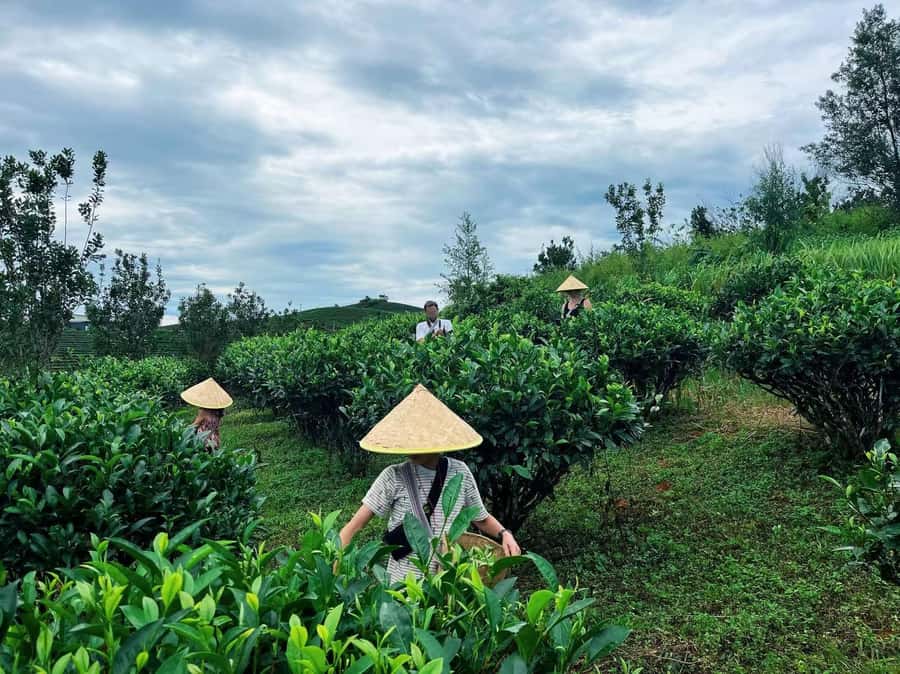
At the plantation, you begin with a guided walk through the tea fields. This is where the outing gains depth. Instead of tasting a prepared cup with no sense of origin, you see the plants and the setting that shape the drink.
The guide introduces the background and cultural importance of Pu’er tea, then local staff show you how to choose leaves. The picking itself is gentle work, but it gives you a better feel for the care involved. You are not simply taking a few photos beside the plants. You handle the leaves, select them, and start the process that leads to your own tea.
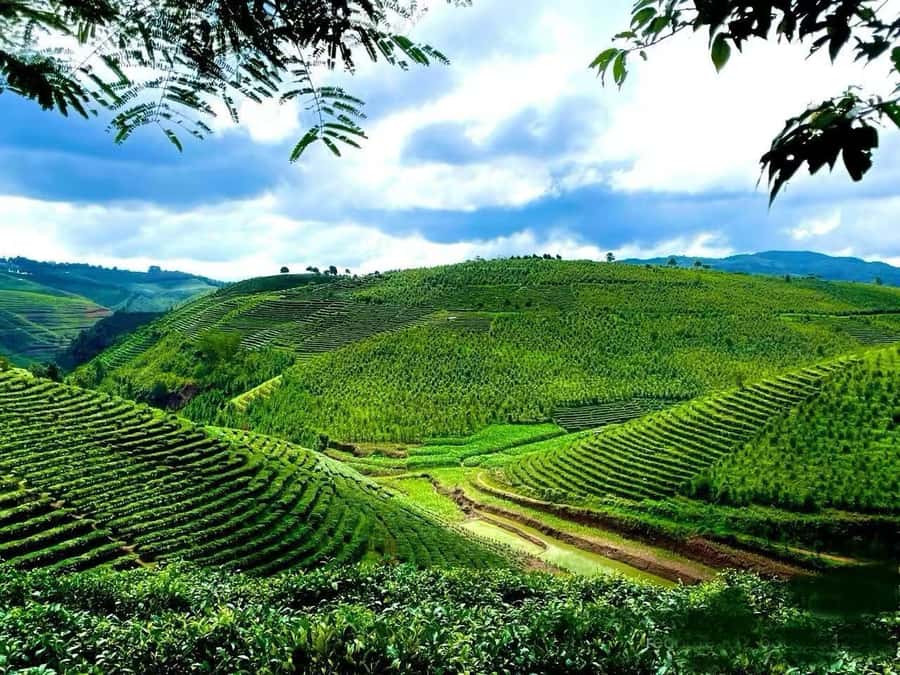
The setting is peaceful, with rolling tea fields and broad views across Yunnan’s cultivated countryside. The walk should suit anyone who enjoys plants, farming, and food traditions. It is also a good choice if you prefer an activity that feels calm and social rather than tightly programmed.
Do not expect a polished theme-park attraction. The appeal is the working farm, the personal contact, and the chance to ask questions. Conditions may feel simple, and the amount of time spent outdoors can vary. Comfortable shoes are essential, especially if the ground is damp or uneven.
From fresh leaves to finished tea
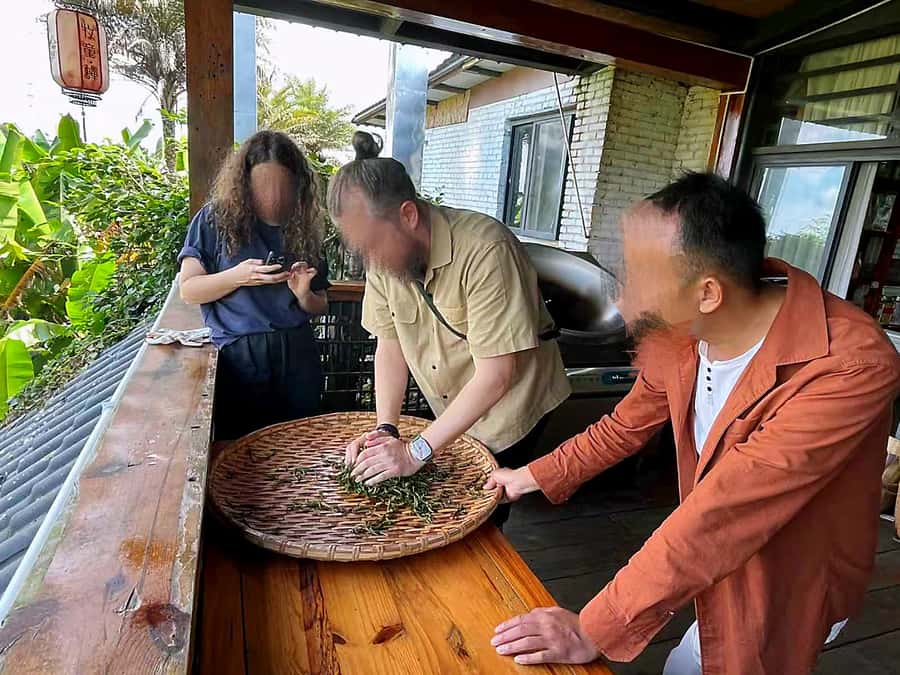
After picking, you visit the processing area. This is the most educational part for anyone who wants to understand why Pu’er tea can taste so different from one batch to another.
You learn about the stages that turn fresh leaves into drinkable tea. The process includes withering, rolling, and drying, and you may try some of the work yourself. Watching local artisans handle the leaves gives you a clearer sense of how much depends on timing, touch, and experience.
The activity also helps explain the difference between buying tea and making tea. Your 300 grams will not feel like an abstract product after you have selected the leaves and helped process them. It becomes a record of the morning, with a story attached to every cup.
The amount is generous enough to share or drink over time. Just remember that the tea you take home is a souvenir produced during your visit, not necessarily a professionally aged or premium export batch. That is part of the charm, but serious tea collectors may still want to purchase additional tea from the farm after tasting it.
Tasting aged, raw, and freshly made Pu’er
The tasting session is the heart of the visit. You sample freshly processed Pu’er and learn how tea type and brewing method affect aroma and flavor. The tasting can include several styles, such as aged tea, raw tea, candy tea, and red tea, though the exact selection may depend on what the farm is serving that day.
The format is useful because you can compare teas instead of judging one cup in isolation. A raw Pu’er, an aged tea, and a red tea can offer very different experiences, and tasting them at the source gives the explanations more meaning.
The farm owner is available to answer questions, with Maxime helping translate when needed. That personal exchange is one of the strongest reasons to choose this outing. You can ask about processing, flavor, farming, or brewing without feeling rushed through a standard presentation.
There is also an important practical benefit: you can buy more of the teas you taste if something appeals to you. The farm does not appear to pressure people into purchasing, and a discount of 20 percent has been offered on tea bought at the end of the visit. Treat that as a possible benefit rather than a guaranteed term, and buy only what you genuinely like.
More early starts in China:
- Shanghai Half Day Morning or Afternoon Sightseeing Tour
★ 3.5 · 110 reviews - Morning Tour – Deluxe Hong Kong Island Tour with Hotel Pickup in Kowloon
★ 4.0 · 70 reviews - Xi’an: Morning Terracotta Army Tour with Local Family Lunch
★ 5.0 · 47 reviews - Xi’an Morning Food & Market Tour by TukTuk
★ 5.0 · 46 reviews
Lunch, Dai food, and the possible coffee extension
The day may include lunch at the farm, with local specialties and Dai-style food. The food has received strong praise, and eating at a small farm setting makes the meal part of the cultural experience rather than a break at a generic restaurant.
There is a small inconsistency in the supplied booking information. One section lists lunch as included, while another describes it as an optional meal costing 60 yuan per person. I would confirm the lunch arrangement and price before departure, particularly if you are comparing the total cost with other tea tours.
Some versions of the day also include a coffee farm near Pu’er. There, you can taste coffee grown and processed locally, learn about on-site production, and see more of the area’s coffee-growing economy. One detailed itinerary included a meal and coffee tasting, along with a drive through the local coffee-growing area and views of larger processing facilities.
This coffee portion should not be treated as guaranteed for every booking unless the provider confirms it. The experience is advertised around Pu’er tea, and the exact order or length of the day may change. If coffee interests you as much as tea, ask about it before booking.
What the $82 price really buys
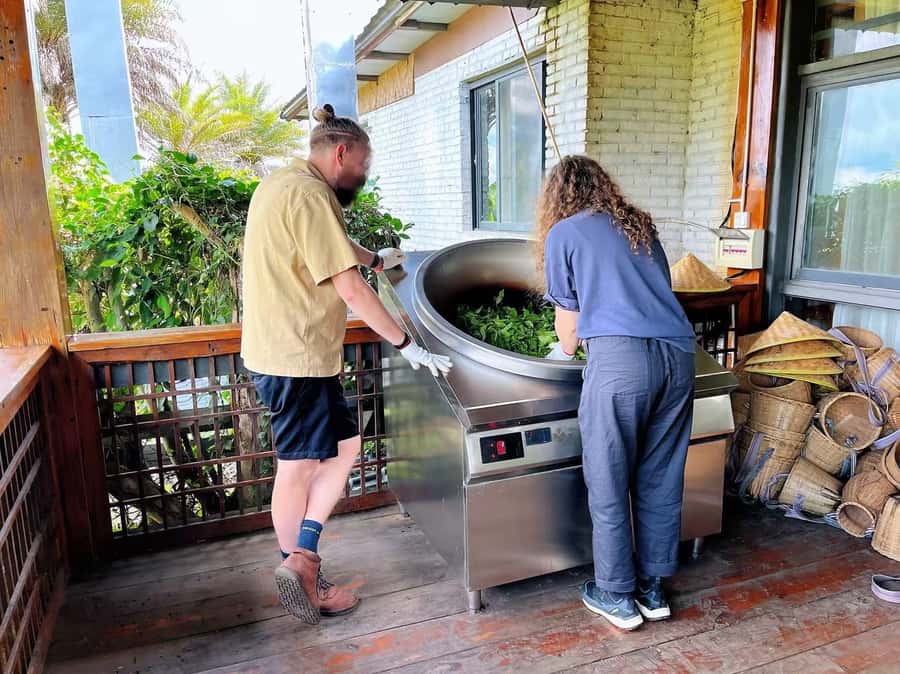
At $82 per person, the cost is not just paying for a plantation entrance. You are also paying for pickup and return, a private vehicle arrangement, language support, a guided plantation visit, hands-on processing, tasting, and the tea you make.
For three people in the VW ID.4, the transport should feel especially comfortable. Groups larger than three use a six-seat minivan, still with a cap of six participants. That is a better setup for questions and conversation than a large coach tour.
The value is strongest if you would otherwise struggle to reach a tea farm from Jinghong or Pu’er. It also works well for visitors who want interpretation. Without a guide, you might see the plants and machinery but miss the meaning behind the work or have trouble discussing details with the farm owner.
The price is less compelling if you only want a quick tea purchase or a short photo stop. This outing takes most of a morning and can run into the afternoon, especially with lunch and extended tastings. You should book it for the activity and the learning, not just for a bag of tea.
Free cancellation up to 24 hours ahead and the option to reserve now and pay later make the commitment easier. Starting times depend on availability, so check the exact departure when you choose your date.
Languages, group size, and the practical details
The tour offers live guiding in English, French, German, and Italian. That range is a real strength in an area where English-language farm visits can be limited.
The maximum group size is six. A small group gives you more time to ask questions, handle the leaves, and speak with the farm staff. It also makes the vehicle ride more relaxed. If you want quiet time, keep in mind that a small group is still a shared outing, not a private tour unless you book the full group.
Wear comfortable shoes. You will be outside in the plantation and may take part in hands-on processing. Pets are not allowed.
Families with older children may enjoy the picking and processing, but the guide’s ability to adapt is worth noting. Maxime has adjusted the day for a family with three children. The tour is not suitable for babies under one year, and it is not suitable for people over 70, according to the stated conditions.
If you have a train to catch, leave a generous margin. One visitor enjoyed the day but wished for more time and had to cut the experience short because of a train schedule. The stated duration is five to seven hours, so do not plan a close connection afterward.
Who will enjoy this Pu’er experience most
I would recommend this outing to tea drinkers who want to understand the drink beyond the cup. It is also a good fit for nature lovers, food-focused visitors, photographers, and anyone looking for a quieter day outside Jinghong or Pu’er.
You will get the most from it if you enjoy asking questions and trying unfamiliar flavors. The experience rewards curiosity more than speed. You can taste, compare, handle leaves, and talk with local producers.
It is less suitable if you want a fixed, fast schedule or a polished attraction with every minute scripted. The length can vary, and lunch or a coffee stop may depend on the arrangement for your date. It is also not ideal for anyone with mobility concerns who cannot manage outdoor plantation conditions, though no detailed accessibility information is provided.
Should you book it?
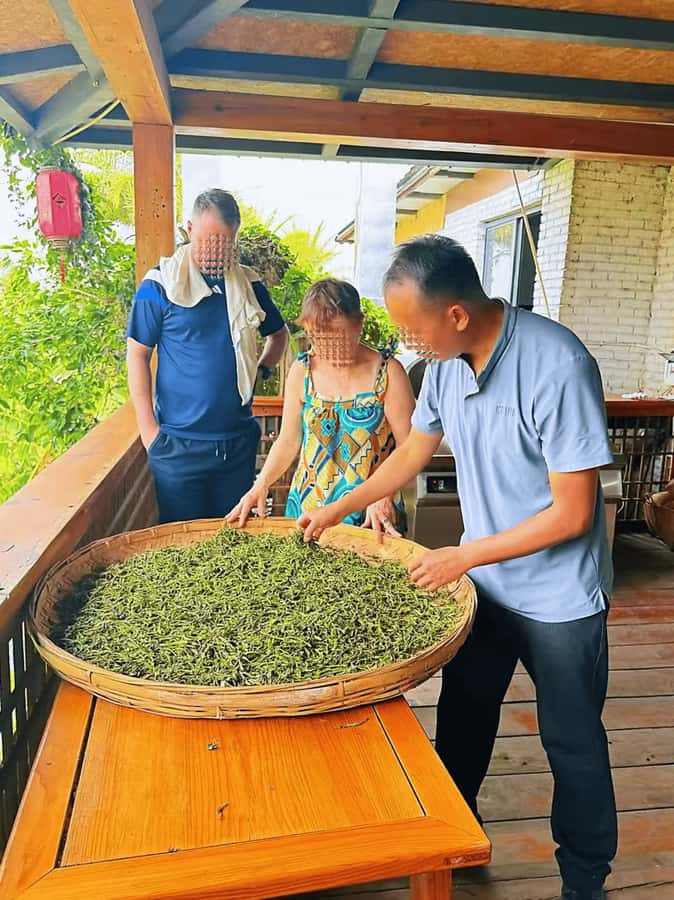
Book this tour if you want a personal connection to Pu’er tea, not just a tasting on the edge of town. The strongest features are the small group, Maxime’s patient translation and local connections, the hands-on processing, and the 300 grams of tea you take home.
Before paying, confirm three things: the pickup city, whether lunch costs an additional 60 yuan, and whether a coffee-farm visit is included on your date. If your schedule allows five to seven hours and you bring proper shoes, this is a thoughtful, good-value way to meet the people and work behind one of Yunnan’s best-known drinks.
FAQ
Where does the Pu’er tea tour begin?
Pickup is provided from Jinghong or Pu’er, with return transportation to the same city.
How long does the experience last?
The stated duration is five to seven hours, depending on the starting time and the activities included that day.
What vehicle is used for transportation?
Up to three people ride in a VW ID.4. Groups of more than three use a comfortable six-seat minivan.
How many people can join the tour?
The tour is limited to six participants.
Which languages are available for the live guide?
Guiding is available in English, French, German, and Italian.
Do I get to pick my own tea?
Yes. You can pick tea leaves at the plantation with guidance from local experts.
How much tea can I take home?
You receive 300 grams of Pu’er tea picked and processed during the visit.
Is lunch included?
The supplied information is inconsistent. One section lists lunch as included, while another says lunch is optional at 60 yuan per person. Confirm the arrangement before booking.
Can I taste different types of tea?
Yes. The tasting features freshly processed Pu’er, and the selection may also include aged, raw, candy tea, and red tea.
What should I bring?
Bring comfortable shoes. Pets are not allowed, and the activity is not suitable for babies under one year or people over 70.
Newest reviews from China
- Jinshanling Great Wall to Simatai West Sunset Hiking Private Tour★ 5.0 · 4 reviews
- Beijing: Forbidden City Guided Tour with Options★ 4.3 · 4 reviews
- Private Tour: Mutianyu/Badaling Great Wall and Temple of Heaven★ 5.0 · 4 reviews
- Gulong Gorge Glass Skywalk Bridge and waterfall View Private Tour★ 5.0 · 4 reviews
- The Legend Of Camel Bell In Xi’An★ 5.0 · 4 reviews
- Terracotta Army Guide Day Tour with City Wall and Muslim Quarter★ 5.0 · 4 reviews
- Dunhuang Day Tour: Mogao Grottoes, Singing Sand Dunes and The Silk Road Show★ 5.0 · 4 reviews
- Private Day Tour to Longji Rice Terraces and Long Hair Village from Guilin★ 4.5 · 4 reviews
Food & Drink, compared.
Authentic Local Food Tour in Central Shanghai
Read our review →
Beijing Hutong Walking Food and Beer Tour at Hidden Restaurants
Read our review →
Hong Kong’s Tin Hau Hidden Eats Food Tour with 7+ Local Tastings
Read our review →
Hong Kong Food Tour: Central and Sheung Wan Districts
Read our review →Browse the lists this tour appears in