
Reviewed · CHINESE FOOD TOURS
Tuktuk Food Tour Through Chengdu’s Local Eats
Come hungry, leave happily stuffed. This evening tour uses a tuk-tuk to connect you with Chengdu food spots that are easy to miss, from street-side crepes and family-run dumpling shops to small restaurants serving classic Sichuan dishes. I especially like the four-plus restaurant stops and the way the tour combines food with local streets, alleyways, small temples, and a retro Chinese bar.
The unlimited local beer, soda, and bottled water are another practical plus, as is the chance to sample rice wine and house-made plum wine. Guides such as Fiona, George, Jaz, Monica, Daisy, and Tom have earned strong praise for explaining dishes and adjusting the pace. The main drawback is the tuk-tuk itself, which can feel cramped for tall people, and vegetarian meals need to be arranged in advance.
In This Review
- Key things to know before booking
- Why Chengdu is such a good food-tour city
- Meeting at 6:30 pm on Shuang Qiao Lu
- The tuk-tuk ride through local streets
- First tastes: Chengdu street crepes
- Chaoshou, Sichuan-style wontons
- Small restaurants and one-dish specialists
- Drinks included throughout the evening
- The 1970s and 1980s themed bar
- How guides shape the experience
- Food quantity, spice, and dietary needs
- Is $73 a fair price?
- Who should book this evening tour?
- Should you book the Chengdu tuk-tuk food tour?
- FAQ
- How long is the Chengdu tuk-tuk food tour?
- What time does the tour start?
- Where does the tour meet?
- Where does the tour end?
- How many restaurants does the tour visit?
- Are drinks included?
- Can vegetarians join?
- Can the food be made less spicy?
- Can I cancel for a full refund?
Key things to know before booking
- You visit four or five local food stops: Expect street food, sit-down meals, and family-run restaurants rather than one large banquet.
- The tuk-tuk is part of the experience: It carries you between stops and reaches small streets that would be awkward to cover on foot.
- The food is plentiful: Several diners found the portions large enough to require takeout, so do not eat a heavy dinner beforehand.
- Spice levels can be adjusted: Ask for mild or less spicy dishes if Sichuan heat is not your thing.
- The night ends with plum wine and mahjong: The final bar has a 1970s and 1980s theme and is about a 10-minute walk from the closest subway station.
- The group stays small: The advertised maximum is 10 people, with a stated range of 2 to 12 in the tour details, so confirm the group size when booking.
Why Chengdu is such a good food-tour city
Chengdu is a UNESCO City of Gastronomy, and eating here is not limited to hot pot. Sichuan cooking uses a broad mix of textures and flavors, including the famous meeting of chili heat and Sichuan peppercorn tingle. A guided food tour gives you a useful first map of that food culture.
I like that this experience does not try to turn Chengdu cuisine into a polished restaurant tasting menu. You move through ordinary local areas and eat in places chosen for their food, not their tourist appeal. That makes the evening feel more like a guided introduction to how people eat in the city.
The tuk-tuk helps with the geography. Chengdu is a large city, and four or five food stops spread across different neighborhoods could take considerable effort to connect on your own. Here, your driver handles the movement while your guide manages the ordering and explains what is in front of you.
You should still keep your expectations realistic. This is a moving dinner, not a slow evening at one restaurant. You will eat several dishes in succession, spend time getting from one place to another, and share the experience with a small group.
More food tours:
- Chengdu: Eat Like a Local! Food Tour in the Hidden Alleys
★ 4.7 · 15 reviews - Authentic Local Food Tour in Central Shanghai
★ 5.0 · 1,382 reviews - Xi’an Evening Food Tour by TukTuk
★ 5.0 · 715 reviews
Meeting at 6:30 pm on Shuang Qiao Lu
The tour begins at 6:30 pm at 251-14 Shuang Qiao Lu in Chenghua District. Confirmation arrives when you book, and the meeting point is near public transportation, which makes it easier to reach without arranging a private car.
The evening ends back at the meeting point according to the tour details, although the final bar is described as a 10-minute walk from the nearest subway station. That detail matters if you are planning a late connection or trying to return to a hotel in another part of Chengdu.
Give yourself time to arrive. The tour requires advance sign-up and payment, and a minimum number of participants is needed for it to operate. The advertised maximum is 10 people in the additional information, while the inclusions describe a small group of 2 to 12, so check the current booking details if group size matters to you.
The tour operates in all weather. Evening rain will not automatically cancel the outing, so wear shoes suitable for wet pavement and clothing that works for a long meal with short outdoor stretches.
The tuk-tuk ride through local streets
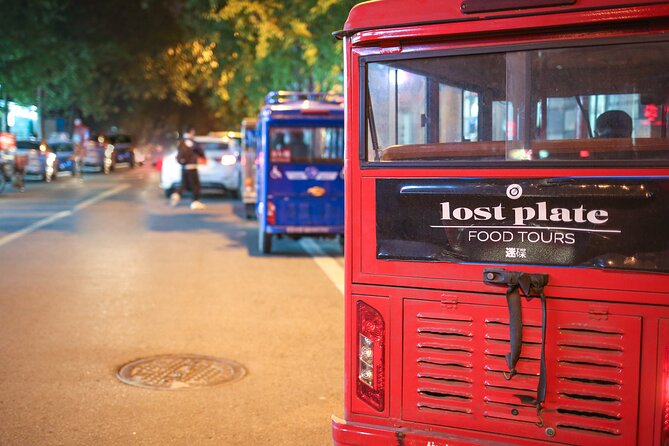
The tuk-tuk is both transport and entertainment. Instead of walking between every stop, you ride with a local driver through pedestrian alleyways and smaller streets that are difficult to connect efficiently by yourself.
That unusual transport gives the evening a pleasant sense of movement. You are not simply sitting down at a restaurant and waiting for food. The ride helps link the dishes to the city around them, including small parks, temples, residential areas, and less obvious food streets.
There is a comfort tradeoff. One person specifically found the tuk-tuk cramped, especially with tall people in the group. If you are tall or dislike close seating, prepare for the ride to be functional rather than luxurious.
The vehicle also means you do not need to navigate every restaurant independently. Your guide coordinates with the drivers and restaurant staff, then keeps the group moving. That is valuable in Chengdu, where a tiny entrance or an ordinary-looking storefront may lead to a place you would not think to enter.
First tastes: Chengdu street crepes
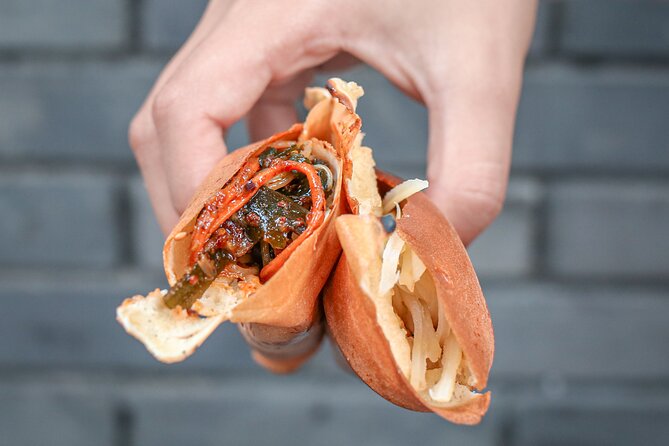
One early stop features Chengdu street crepes, a classic local snack served at a street stall that has become a small shop. You can encounter four broad flavor styles: sweet, salty, spicy, and strange.
That range gives the dish a useful role in the meal. It shows that Chengdu snacks are not all about maximum chili heat. Depending on the choice, you may get a sweeter bite, a savory one, or a version built around stronger local flavors.
The unusual flavor category is a nice reminder that translation does not always capture the full idea behind a local dish. Ask your guide what makes each version different before choosing. If you are cautious with spice, this is also a good point to make your preference clear.
The crepe stop is likely a lighter beginning than the later restaurant meals, but portions across the evening can add up quickly. Arrive with a real appetite, not a full stomach.
More food tours in Chengdu:
- Private Leshan Giant Buddha and Local Food Tasting Trip
★ 5.0 · 46 reviews - 6-Hour Private Chengdu City Walking Tour with Tea Tasting
★ 4.5 · 10 reviews - Chengdu: City Walking Tour with Food and Culture Stops
★ 4.7 · 4 reviews - Beijing Hutong Walking Food and Beer Tour at Hidden Restaurants
★ 5.0 · 1,132 reviews
Chaoshou, Sichuan-style wontons
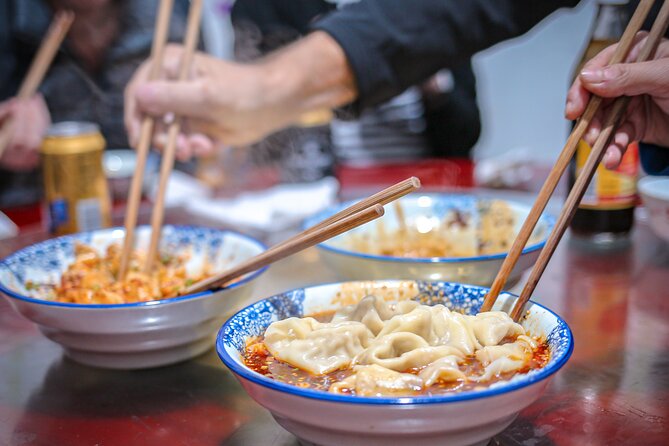
Another stop focuses on Sichuan wontons, known locally as chaoshou. The name and preparation are part of the lesson, since the dish offers a softer and more delicate contrast to crisp snacks and heavily seasoned stir-fries.
This family-run restaurant setting is exactly the sort of place where a guide helps. You can learn how locals refer to the dish, what sauce accompanies it, and how the restaurant fits into the neighborhood. The meal is not just a checklist of famous Sichuan foods.
Chaoshou also works well for people who are still getting used to Sichuan seasoning. Your guide can help you understand the heat level before you begin, and several diners found that dishes could be prepared mild or less spicy when requested.
Do not assume every dish will be mild simply because one course is manageable. Sichuan menus can shift quickly from gentle dumplings to chili-heavy noodles, tofu, skewers, or stir-fries.
Small restaurants and one-dish specialists
The food route includes more than one format. You may eat at sit-down restaurants, small family-run joints, and vendors that focus on a single specialty.
That variety is one of the tour’s strongest features. One account of the food stops described noodles, beef skewers, dumplings, and fried chicken from small local vendors. Another evening included pancakes, dumplings served from a residential-style restaurant, noodles, Sichuan stir-fry, and a retro bar.
The exact dishes can change, but the pattern is clear: you are sampling several focused specialties rather than ordering a large number of unrelated dishes from one menu. This makes the meal easier to understand and gives you more chances to find a new favorite.
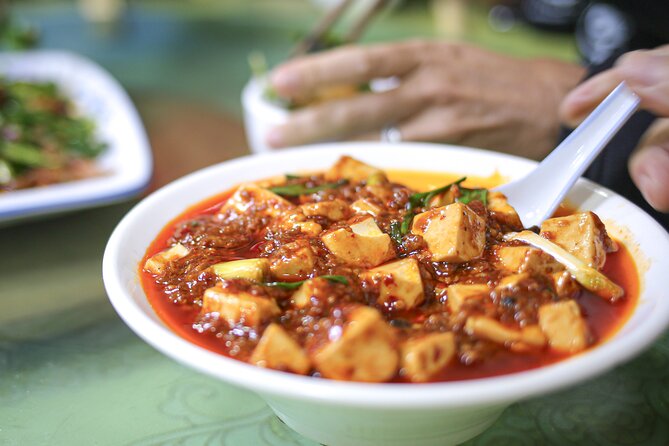
The tour also includes classic dishes such as mapo tofu. For many people, that may be the dish that best explains Chengdu’s appeal: soft tofu, strong seasoning, chili, and the numbing quality of Sichuan pepper. Your guide can explain what you are eating and suggest how to approach unfamiliar flavors.
Expect food to arrive at a steady pace. The itinerary allows about three hours for the main food portion, followed by roughly 30 minutes at the final bar. This spacing helps, but the total amount is still substantial.
Drinks included throughout the evening
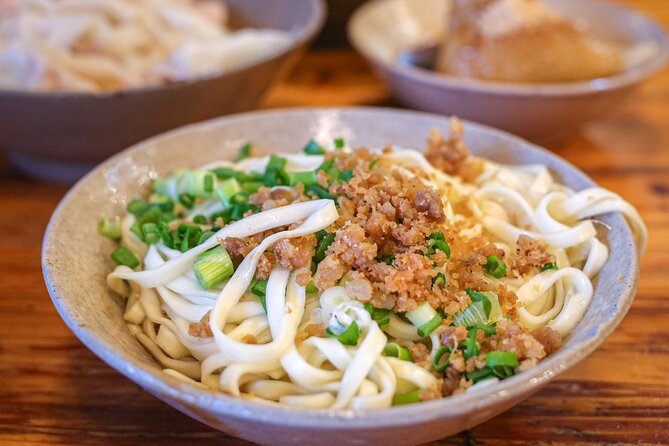
Local beer, soda, and bottled water are included, with unlimited quantities listed in the tour details. This is convenient because you do not need to keep ordering drinks at each restaurant or worry about small beverage costs piling up.
Beer can also help with spicy dishes, while soda and water give you more practical choices if you do not drink alcohol. Some guides have offered baijiu for anyone who wanted a taste, although that should be treated as an optional sample rather than a central part of the tour.
Rice wine is also included in the experience description. The final stop adds house-made plum wine, giving the night a sweeter finish after several savory courses.
If you plan to drink at every stop, pace yourself. The tour is long enough for alcohol to sneak up on you, particularly after a large meal.
The 1970s and 1980s themed bar
The closing bar is one of the most distinctive parts of the evening. Its 1970s and 1980s theme reflects a particular period of change in China, giving you a setting that feels different from the restaurants earlier in the night.
Here you try house-made plum wine and may have the chance to play mahjong. One guide, Fiona, has taught the game during the stop, and the bar has been described as a relaxed place to sit, talk, and share stories with the group.
This ending gives the tour a social finish rather than simply dropping you at the last restaurant. It also lets you ask your guide for extra food suggestions, neighborhood ideas, or help with the subway route.
The bar is about a 10-minute walk from the nearest subway station. That is useful to know because the final part of the evening is not necessarily a door-to-door return to your accommodation.
How guides shape the experience
The food is the reason to book, but the guide can determine how much you get from it. Fiona is repeatedly praised for her energy, clear English, food knowledge, and ability to keep the evening running smoothly. George receives similar praise for explaining both the dishes and their background.
Jaz has been noted for giving generous portions of information along with generous portions of food. One particularly useful touch was walking the group toward the metro afterward. Monica’s local connection was also valued, especially when introducing less familiar food spots.
Other named guides include Daisy, Tom, Choco, Chino, Mia, Ming, Olivia, and Bo. The guide assigned to your date may vary, so you should not book solely on the hope of getting one particular person.
What matters is the guide’s role. You get help ordering, explanations of ingredients, advice on spice, and a bridge into places where English may not be widely used. Some groups needed Google Translate for extra communication, but the staff were described as patient and willing to help.
Food quantity, spice, and dietary needs
Come hungry. The tour includes all food at four or more sit-down restaurants, and the combination of snacks, shared dishes, drinks, and dessert-style wine can become a very large dinner.
Several people found there was more food than they could finish. One thoughtful feature was arranging leftover food for takeout rather than treating it as waste. Still, you should plan on tasting rather than eating a full portion of everything if you want to make it comfortably to the final stop.
Chengdu is famous for spicy food, but you can request mild or less spicy dishes. Tell the guide at the start, then repeat the request when needed, especially if you have a low tolerance for chili or Sichuan pepper.
Vegetarian food is available with advance notice. This is important: do not rely on mentioning it only when you arrive. One vegetarian group had its request passed along too late, which limited the planning and made the food less satisfying.
The tour asks you to provide specific dietary requirements when booking. That is the best way to protect the experience, particularly when several restaurants are involved.
Is $73 a fair price?
At $73 per person, this is not the cheapest way to eat in Chengdu. You could spend less by choosing one local restaurant and ordering a few dishes yourself.
The value comes from what the fee bundles together: food at four or more restaurants, unlimited local beer, soda, and bottled water, a local English-speaking guide, tuk-tuk transportation, and access to places you may not locate independently. You are also paying for the time saved in planning and the confidence of having someone explain the menu.
For a first evening in Chengdu, that can be a fair deal. The tour gives you a broad first taste of local food in three and a half hours, then leaves you with dish names and ideas for the rest of your stay.
It is less valuable if you already know Chengdu’s food districts, speak Chinese well enough to order with ease, or prefer to linger over one meal. In that case, you may find the fixed route and shared pacing restrictive.
Who should book this evening tour?
I would recommend it to first-time visitors who want a practical introduction to Chengdu food without spending the first night guessing at menus. It also suits adventurous eaters who want small local places, unusual snacks, and dishes beyond hot pot.
The tour works well for couples, friends, and solo diners who enjoy meeting a small group. The bar and mahjong stop add a social element that goes beyond eating.
Families can also find it useful, especially if younger eaters are open to trying new dishes. One picky child reportedly tried everything, though that will depend on the child and the available spice levels.
I would hesitate if you need strict dietary control, unless you confirm the arrangements well ahead of time. I would also think twice if you are very tall, uncomfortable in compact vehicles, or prefer a quiet, seated dinner with no movement between courses.
Should you book the Chengdu tuk-tuk food tour?
Book it if you want a lively first look at Chengdu’s food culture, especially if you have only a few nights in the city. The strongest reasons are the variety of stops, the local guides, the generous food portions, and the chance to reach places that are hard to identify on your own.
Ask for mild spice if needed, report vegetarian or other dietary requirements when booking, and arrive hungry. At $73, the tour makes the most sense when you value guidance, transport, drinks, and a full evening of tasting more than the lowest possible meal price.
The 4.9 rating from 435 reviews and 98 percent recommendation rate suggest a consistently strong experience. Just remember the two practical cautions: the tuk-tuk can be tight, and the meal may be far larger than you expect.
FAQ
How long is the Chengdu tuk-tuk food tour?
The experience lasts approximately 3 hours and 30 minutes. The main food portion is listed at about 3 hours, followed by roughly 30 minutes at the final bar.
What time does the tour start?
The tour starts at 6:30 pm.
Where does the tour meet?
The meeting point is 251-14 Shuang Qiao Lu, Cheng Hua Qu, Cheng Du Shi, Si Chuan Sheng, China, 610065.
Where does the tour end?
The activity details say it ends back at the meeting point. The final bar is also described as about a 10-minute walk from the nearest subway station.
How many restaurants does the tour visit?
You visit four or more restaurants, with the overview describing four to five stops. The route can include street food stalls, sit-down restaurants, and family-run places.
Are drinks included?
Yes. Local beer, soda, and bottled water are included, with unlimited quantities listed. Rice wine and house-made plum wine are also part of the experience description.
Can vegetarians join?
Yes, a vegetarian option is available. You must advise the provider of this requirement in advance so the food can be planned properly.
Can the food be made less spicy?
Yes. You can ask for mild or less spicy dishes. It is best to tell your guide about your spice preference at the beginning of the evening.
Can I cancel for a full refund?
Yes, if you cancel at least 24 hours before the experience start time. Cancellations or changes made less than 24 hours before the start time are not refundable, and the tour may be rescheduled or fully refunded if its minimum number of participants is not reached.
More Tuk-Tuks
- Xi’an Morning Food & Market Tour by TukTuk
★ 5.0 · 46 reviews - Private Xi’an Foodie Tour by Tuktuk
★ 5.0 · 34 reviews - Private Xi’an Night & Food Tour by Tuk Tuk and Public Transportation
★ 5.0 · 23 reviews - Xi’an Terracotta Warriors, City Wall and Tuktuk Food Tour
★ 5.0 · 6 reviews
Newest reviews from Chengdu
- Chengdu: City Walking Tour with Food and Culture Stops★ 4.7 · 4 reviews
- Classsic sichuan Opera at sichuan Provincial Theater★ 5.0 · 4 reviews
- One Day Trip to Dujiangyan Irrigation System & Mount QingCheng Tour★ 5.0 · 4 reviews
- Private Day Tour: Dujiangyan Panda Base and Irrigation Project★ 5.0 · 4 reviews
- Private Day Tour: Chengdu Panda and Leshan Buddha★ 4.0 · 5 reviews
- One Day Giant Panda Leisure Private Tour in Chengdu★ 5.0 · 5 reviews
- Sanxingdui Ruins and Giant Pandas Private Day Tour from Chengdu★ 5.0 · 5 reviews
- Half-Day Tour at Chengdu Panda Breeding Research Base★ 4.0 · 5 reviews
Chinese Food Tours, compared.
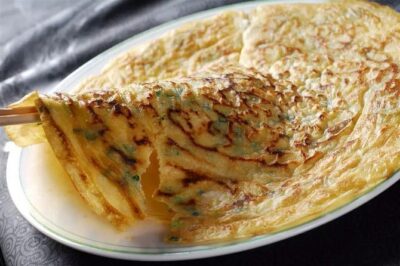
Authentic Local Food Tour in Central Shanghai
Read our review →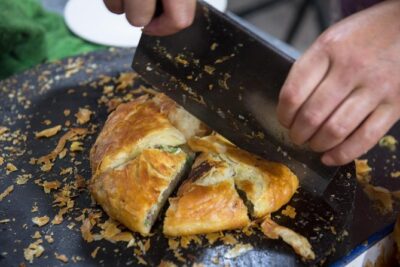
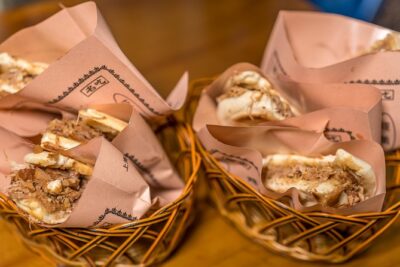
Hong Kong’s Tin Hau Hidden Eats Food Tour with 7+ Local Tastings
Read our review →
Hong Kong Food Tour: Central and Sheung Wan Districts
Read our review →
Hidden Gems Guided Food Tour with Beer and Tastings
Read our review →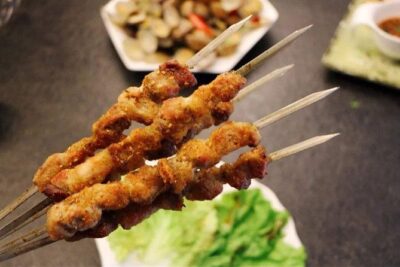
Late Night Food Tour in the Shanghai’s French Concession
Read our review →Browse the lists this tour appears in