
Reviewed · 4-DAY EXPERIENCES
4 Days Lhasa Impression Small Group Tour
Lhasa rewards a thoughtful first look. This four-day tour gives you a practical introduction to Tibet’s spiritual center, combining the Potala Palace, Jokhang Temple, Barkhor Street, Drepung Monastery, and Sera Monastery with airport or train transfers and a local guide. I especially like the small group size of up to 12 people and the fact that the price includes the Tibet Travel Permit, three nights of accommodation, breakfasts, entrance fees listed in the inclusions, and transport.
I also like the way the schedule focuses on Lhasa rather than trying to cram in distant sights. The main drawback is that four days sounds longer than the sightseeing really is: arrival day is mainly a transfer, departure day is for leaving Tibet, and the two middle days are quite full. You also need to arrange permits and visa documents well ahead of time.
In This Review
- Key points to know before booking
- What the four-day schedule really gives you
- Day 2: Potala Palace, Jokhang Temple, and Barkhor Street
- Day 3: Drepung Monastery, Dadong Village, and Sera debates
- The hotel, transport, and group experience
- Is $509 a fair price?
- Permits and visa rules need early attention
- Who will enjoy this Lhasa introduction?
- Should you book the 4 Days Lhasa Impression tour?
- FAQ
- How long is the Lhasa Impression tour?
- What sights are included?
- Are airport and train-station transfers included?
- Is accommodation included?
- Are meals included?
- How far in advance should I book?
- What is the maximum group size?
Key points to know before booking
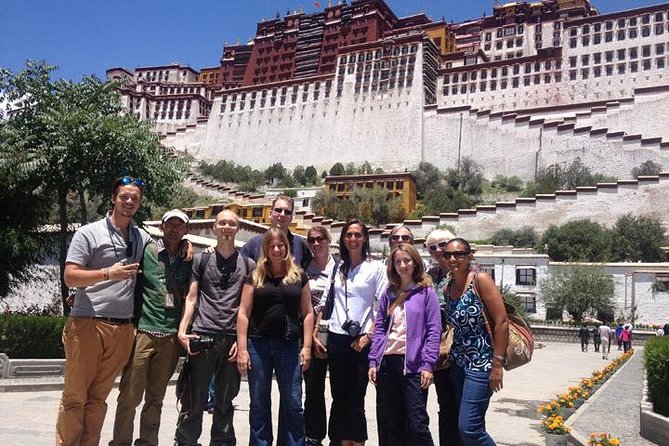
- The tour is built around two full sightseeing days: Day 2 covers the Potala Palace, Jokhang Temple, and Barkhor Street, while Day 3 visits Drepung and Sera monasteries.
- A Tibetan guide leads the trip: Guides named in past tour experiences include Pasang, Tsedon, Tseyang, Lobsang, Lopsong, and Lukpa.
- The maximum group size is 12: That is small enough for easier questions and less time gathering people at each stop.
- Airport and train-station transfers are included: Your guide meets you on arrival and takes you to a downtown Lhasa hotel.
- Permit planning is serious: Book at least 20 days ahead and provide passport and China visa copies so the operator can arrange the Tibet Permit.
- The $509 price covers the costly basics: It includes three nights in a 3-star hotel, breakfasts, transport, guide service, permits, insurance, and listed entrance fees, but not your journey to Lhasa, lunches, dinners, or tips.
What the four-day schedule really gives you
This is best understood as a two-day Lhasa sightseeing program with arrival and departure wrapped around it. That is not a criticism, but it helps you plan realistically.
On Day 1, your Tibetan guide meets you at either the airport or train station. You then ride into central Lhasa by comfortable van or minibus. The route includes views of the Yarlung Tsangpo River and the approach toward Lhasa, giving you a first look at Tibet before the main visits begin.
Once at the hotel, you have time to settle in. A welcome dinner is included when the group members meet in Lhasa, but regular lunches and dinners are not part of the package. The first day is therefore gentle in terms of sightseeing, though arriving in Lhasa and adjusting to the high elevation can still make it feel like a full day.
Day 4 is the reverse. You leave Tibet by air or train because the permit arranged for this tour is limited to the tour period. If you want to stay longer, the operator says you need to arrange another Tibet tour and permit. Airport or railway drop-off help can also be arranged through the supplier.
A few more tours in China worth putting side by side
- 4-Day Zhangjiajie Tour to All Highlight Attractions with VIP Lift
★ 5.0 · 74 reviews - 4 Days Lhasa City Essential Group Tour
★ 5.0 · 25 reviews - 4 Days Guilin Essence and Yangshuo Countryside Tour
★ 5.0 · 18 reviews
Day 2: Potala Palace, Jokhang Temple, and Barkhor Street
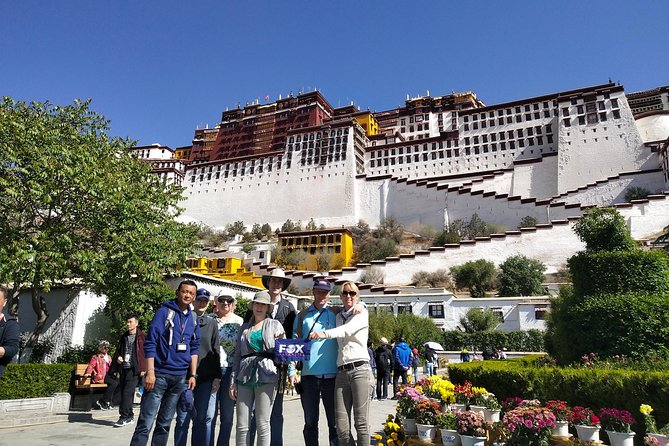
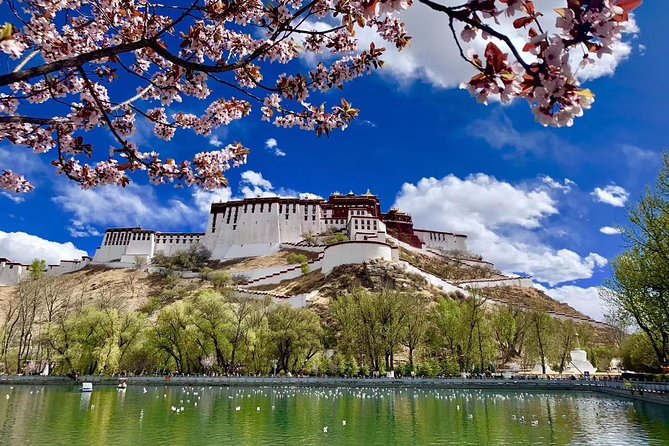
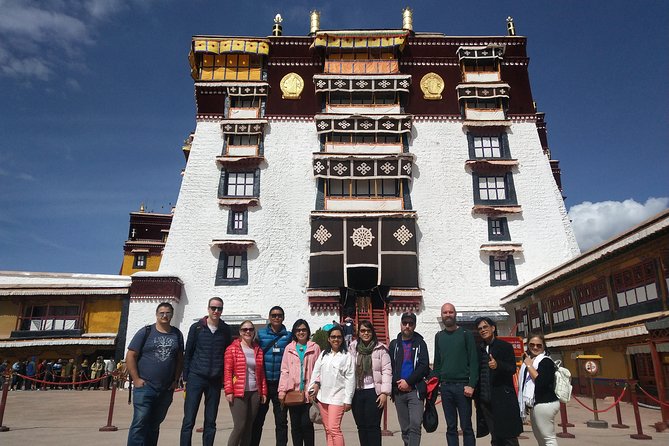
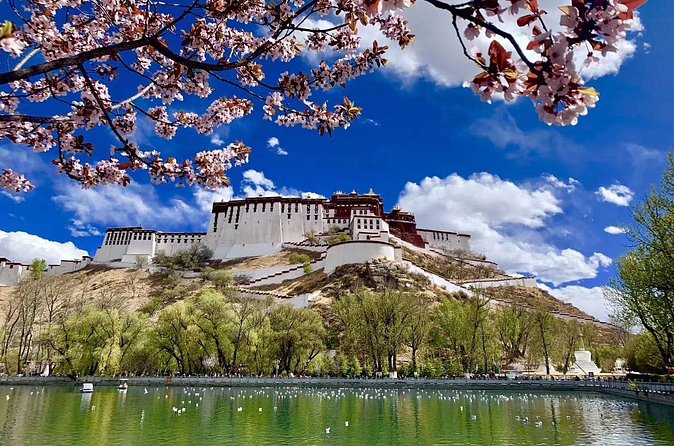
The first full day goes straight to Lhasa’s essential sights. You begin at Potala Palace, the former winter palace of the Dalai Lama and one of Tibet’s most recognizable buildings.
The palace was put into use in the seventh century under Tibet’s 33rd great king. Inside are valuable collections and religious rooms, though the supplied schedule does not specify every interior area visited. The planned visit lasts about one and a half hours.
That time should give you a useful introduction, but it is not an unhurried palace study. Potala Palace is a major site with a lot to absorb, and a guide makes a real difference here. You can ask about the building’s religious purpose, royal connections, and Tibetan Buddhist traditions instead of simply walking through rooms and taking photographs.
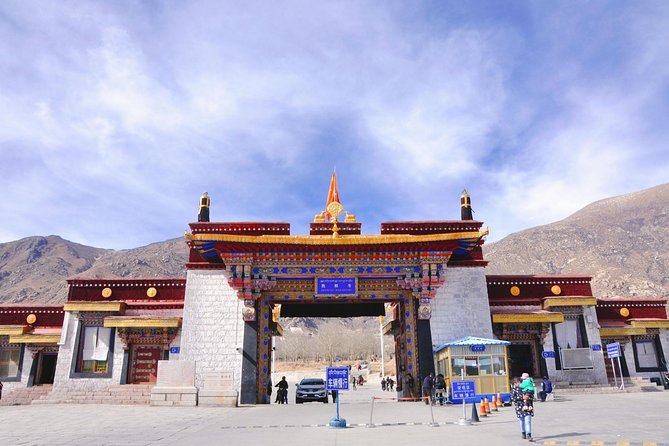
The palace visit also requires some practical planning. Entrance tickets are listed as included in the overall package, while the individual schedule marks admission as not included. That is a confusing presentation, so confirm the current ticket arrangement with Tibet Vista before departure. The tour’s inclusion list specifically says entrance fees for all listed sites are covered.
After lunch, the group visits Jokhang Temple, founded in the seventh century by the same great king associated with the Potala’s early use. The temple is especially important for its statue of Buddha Sakyamuni shown at age twelve.
The planned visit lasts around 90 minutes. This is a good amount of time for a first visit, particularly with a guide explaining what you are seeing. Jokhang is not simply another old religious building. It remains a major place of devotion, so you should approach it with care and follow instructions about photography, clothing, and movement inside.
The day ends around Barkhor Street, the traditional circuit around Jokhang Temple. The schedule allows about 30 minutes, but the area can be worth treating as more than a quick shopping stop. You may see pilgrims and local people completing a kora, a clockwise religious circuit around the temple.
You can also explore the old market and taste Tibetan tea in a local tea shop. That tea-house detail is one of the more appealing touches in the program because it connects the major monuments with everyday life. The time is short, though, so you may want to ask your guide if you can return to Barkhor Street during free time.
Day 2 is the tour’s most concentrated cultural day. Potala Palace provides the grand setting, Jokhang offers the strongest religious focus, and Barkhor Street brings the experience back to street level. Expect plenty of walking and a steady flow of explanations.
Day 3: Drepung Monastery, Dadong Village, and Sera debates
The second sightseeing day moves beyond central Lhasa. The schedule assigns about four hours to the Drepung portion, including a visit to Dadong Village.
Drepung Monastery is one of Tibet’s great Gelug monasteries. The itinerary describes a visit to Dadong Village, about 25 kilometers southwest of central Lhasa, calling it a well-protected ancient Tibetan village surrounded by attractive scenery. The wording combines the village and monastery visit, so confirm the exact order and time allocation with your guide.
This longer morning section gives the tour more breathing room than Day 2. Instead of visiting only central monuments, you get a sense of the area outside the city center and see how a traditional Tibetan village fits into the day’s cultural program.
The four-hour block is useful, but it also makes Day 3 the longest and potentially most tiring day. Transport is included, and the van or minibus keeps you from having to organize local transfers yourself. Since the tour operates at a high elevation, keep your pace sensible and tell the guide if you need a short break.
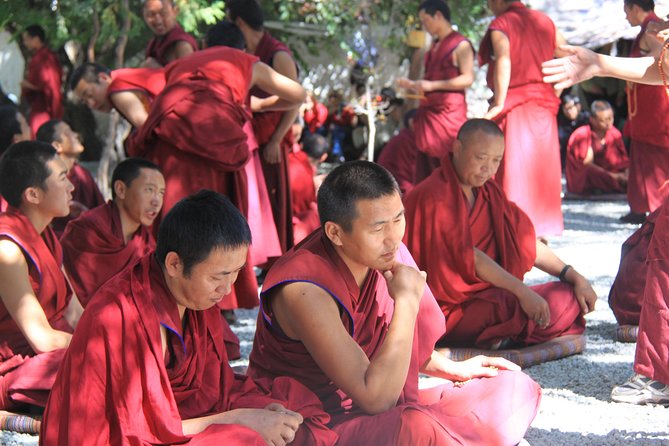
In the afternoon, you visit Sera Monastery, another of Tibet’s three great Gelug monasteries. The planned visit lasts two hours, with the monks’ debate listed as the main attraction from about 3 to 5 p.m.
This timing matters. If seeing the debate is important to you, make sure the day’s schedule keeps you at Sera during that window. The debate is a lively public exchange in which monks use gestures and questions as part of their religious study. It is one of the clearest chances on this tour to see an active tradition rather than only admire architecture.
Past guide experiences place strong emphasis on the quality of the explanations. Pasang was praised for fluent English, care, and strong knowledge of the area. Tsedon was singled out for detailed explanations of Tibetan history and Buddhist culture. Tseyang was described as attentive during two full touring days, while Lobsang, Lopsong, and Lukpa were also praised for being helpful, well informed, and professional.
Guide quality can shape this trip more than hotel luxury. If your guide is as attentive as these examples, the monasteries become easier to understand and the schedule feels less mechanical. If you have a particular interest in Buddhist practice, ask questions early and let the guide know what you want to learn.
The hotel, transport, and group experience
The package includes three nights in a 3-star hotel with breakfast, based on twin-sharing. The hotel is in downtown Lhasa, though the supplied information does not name the property. A single-room supplement is available if space allows and costs extra.
Past experiences describe the hotel as comfortable, with a good breakfast. That is encouraging, but you should treat the accommodation as practical rather than luxurious. The tour’s value comes mainly from permits, transfers, guide service, and sightseeing access.
Transport is provided in a comfortable van or minibus with an experienced local driver. Gasoline is included. For a short visit, this arrangement is useful because you do not have to work out airport transfers, train-station transport, or travel to the monasteries on your own.
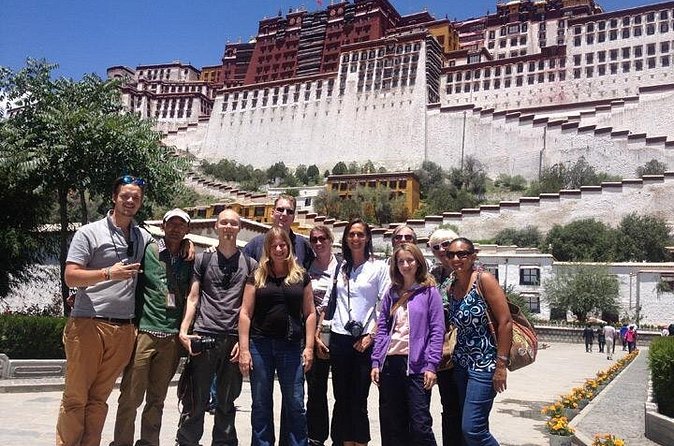
The group maximum is 12 people. That is not a private tour, but it is small enough to make the guide’s commentary easier to hear and questions easier to ask. It also keeps the vehicle manageable at the main sights.
A welcome dinner is included when the group meets in Lhasa. Lunches, other dinners, and tips for the guide and driver are extra. You should budget for those costs separately rather than treating the $509 price as the full cost of the holiday.
A few more tours worth putting side by side
- Tibet Tour 8 Days Lhasa to Everest Base Camp Small Group Tour
★ 5.0 · 578 reviews - 7 Days Lhasa to Kathmandu Overland Small Group Tibet Tour via EBC
★ 5.0 · 188 reviews - 10 Days Tibet Everest Base Camp and Namtso Small Group Tour
★ 5.0 · 108 reviews - 6 Days Central Tibet Culture Small Group Tour
★ 5.0 · 53 reviews
Is $509 a fair price?
At $509 per person, the tour offers good value if you need a short, organized introduction to Lhasa. The price includes the Tibet Travel Permit and other necessary permits, three nights of twin-share accommodation, three breakfasts, transfers from the airport or train station, transport during the tour, an English-speaking Tibetan guide, tourist accident and casualty insurance, drinking water, the welcome dinner, and listed entrance fees.
Permits and transfers are important here. Tibet travel involves more paperwork than an ordinary city break, and having one operator handle the main arrangements saves time and reduces the risk of arriving without the required documents.
The price does not include your flight or train ticket to Lhasa. It also excludes lunches, most dinners, guide and driver tips, and any single-room supplement. If you are comparing this with an independent trip, include those costs before deciding that a self-planned option is cheaper.
The tour is a particularly good fit if you have limited time, want a guide, and prefer a fixed plan. It is less suitable if you want long stretches of free time, independent wandering, or a slow pace at each major site.
Permits and visa rules need early attention
The permit process is the most important practical issue. You should book at least 20 days before your travel date so the operator has time to obtain the Tibet Permit.
You must provide a photocopy of your passport and China L Visa at least 20 days before departure. The permit may be delivered to your address or to your hotel in one Chinese city, and the operator contacts you after confirmation with instructions for sending the documents.
The visa route depends on how you enter Tibet. If you fly from Kathmandu, do not apply for a China L Visa in advance. You need a Tibet Group Visa from the Chinese Embassy in Kathmandu through a travel agency, along with an invitation letter from the tour supplier.
If you fly or take a train to Lhasa from another city in China, you need to apply for a China L Visa through the Chinese Embassy in your home country. A valid passport and the China L Visa used for the Tibet Permit are required during the trip.
Confirmation is sent within 48 hours of booking, subject to availability. Since the tour is commonly booked about 32 days ahead, planning early is sensible. Do not leave this until the last week.
Who will enjoy this Lhasa introduction?
I would choose this tour if you want the main spiritual and historic sights without having to coordinate permits, drivers, hotels, and airport transfers yourself. It is also a good choice for a first visit, since the route covers the monuments most visitors hope to see.
The tour suits you best if you are comfortable with two busy sightseeing days and a fixed departure date. The small group format gives you some personal attention without the cost of a private vehicle and guide.
You may want a longer program if you hope to see more of Tibet beyond Lhasa. The schedule is limited to the capital and nearby sites, and Day 4 requires you to leave Tibet unless you arrange another permitted tour. The package information mentions an Everest Base Camp Echo bus among included ticket details, but that site is not part of this four-day itinerary, so confirm exactly what applies to your booking.
The tour is listed as suitable for most participants, with service animals allowed. No special accessibility details are provided, so contact Tibet Vista directly if you have mobility needs or require specific arrangements.
Should you book the 4 Days Lhasa Impression tour?
Book it if you want an efficient first taste of Lhasa, especially when permits and transfers feel daunting. The schedule hits the right major sights, the group is capped at 12, and the package covers many costs that are easy to underestimate.
I would be especially comfortable booking it if the operator confirms the permit timeline, entrance-ticket details, hotel name, and exact Drepung and Dadong schedule before payment. Ask which guide is assigned if possible. Guides such as Pasang, Tsedon, Tseyang, Lobsang, Lopsong, and Lukpa have received particularly strong praise for clear explanations and careful service.
Skip it if you want an open-ended stay or plan to spend hours at each site. For a short, structured introduction to Lhasa, though, the $509 package is a sensible way to get the essential sights organized without turning the permit process into your main travel project.
FAQ
How long is the Lhasa Impression tour?
The tour lasts approximately four days and includes three nights in Lhasa. Day 1 is mainly arrival and transfer, Days 2 and 3 contain the sightseeing, and Day 4 is for departure from Tibet.
What sights are included?
The itinerary includes Potala Palace, Jokhang Temple, Barkhor Street, Drepung Monastery, Dadong Village, and Sera Monastery. The Sera visit is timed around the monks’ debate, generally from about 3 to 5 p.m.
Are airport and train-station transfers included?
Yes. Pickup and drop-off between the airport or train station and Lhasa are included, and the guide meets you on arrival.
Is accommodation included?
Yes. The package includes three nights in a 3-star hotel with breakfast, based on twin-sharing. A single-room supplement is available subject to availability and an additional charge.
Are meals included?
Three breakfasts and a welcome dinner are included. Lunches, regular dinners, and tips for the guide and driver are not included.
How far in advance should I book?
You should book at least 20 days before the tour so the operator can obtain the Tibet Permit. Passport and China visa copies are also required at least 20 days before travel.
What is the maximum group size?
The tour can include a maximum of 12 people. It is described as a small-group experience and uses a van or minibus with a local driver.
Newest reviews from China
- Beijing: Explore the Forbidden City in Hanfu★ 5.0 · 4 reviews
- Private 2 Day Tour of Dalian City★ 5.0 · 4 reviews
- scooter and hiking trip in the rainforest★ 5.0 · 4 reviews
- Xi’an Night Tour: South Gate Square and Big Wild Goose Pagoda Square★ 4.0 · 4 reviews
- Beijing Tai Chi and Tea Ceremony Experience★ 5.0 · 4 reviews
- Guangzhou VIP Car Tour– Tailored Sightseeing & Shopping Adventure★ 5.0 · 4 reviews
- Lantau Peak Sunrise Climb★ 5.0 · 4 reviews
- Chengdu: City Walking Tour with Food and Culture Stops★ 4.7 · 4 reviews
4-Day Experiences, compared.
4-Day Zhangjiajie Tour to All Highlight Attractions with VIP Lift
Read our review →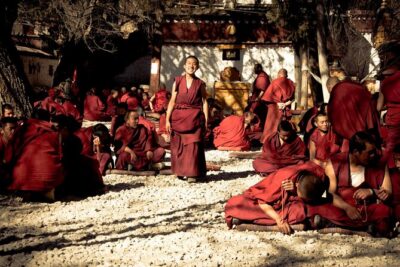
4 Days Guilin Essence and Yangshuo Countryside Tour
Read our review →
Huhhot 4D3N Inner Mongolia Grassland and desert nature tours
Read our review →
4D3N Yangtze River Cruise: Chongqing to Yichang by Century Cruise
Read our review →
4D3N Yangtze River Victoria Cruise: Chongqing to Yichang
Read our review →
Yangtze River Cruise from Chongqing to Yichang Downstream in 4 Days 3 Nights
Read our review →Browse the lists this tour appears in