
Reviewed · LHASA TOURS
6 Days Central Tibet Culture Small Group Tour
Tibet rewards patient planning. This six-day Central Tibet tour combines Lhasa’s sacred heart with high mountain passes, monasteries, Yamdrok Lake, Gyantse, and Shigatse. I like the small group size of up to 12 people, which should make minibus travel and guided sightseeing more personal. I also like the strong support with Tibet permits, airport transfers, hotels, and an English-speaking Tibetan guide. The main catch is the altitude, plus some unclear details about which entrance fees and sights are actually included.
The tour receives a 4.9 rating from 53 published ratings, with full recommendation from the people who supplied feedback. Guides named Ladsong, Lodsang, Lhakdon, Ngawang, Lobsang, Tseyanh, TenWang, and Tserina earned special praise for being caring, punctual, friendly, and clear in English. Still, read the fine print: the written plan mentions Namtso Lake in its overview, but the six-day schedule supplied here does not show a Namtso visit.
In This Review
- Key points to know before booking
- What the $799 price really buys you
- Arrival in Lhasa and the first quiet day
- Potala Palace, Jokhang Temple, and Barkhor Street
- Drepung, Dadong Village, and Sera’s famous debates
- Yamdrok Lake and the high road to Gyantse
- Gyantse’s Palkhor Monastery and Kumbum Stupa
- Tashilhunpo Monastery in Shigatse
- Guides, transport, and group size
- Permits, visas, and advance planning
- Who should choose this six-day route
- Should you book Tibet Vista’s six-day tour?
- FAQ
- How long is the tour?
- What cities does the tour visit?
- Is Namtso Lake included?
- What is the maximum group size?
- Is airport pickup included?
- Are hotels included?
- Are meals included?
- Is the Tibet Permit included?
- How far in advance should I book?
- What happens if I want to stay longer in Tibet?
Key points to know before booking
- Lhasa comes first: You get time at Potala Palace, Jokhang Temple, Barkhor Street, Drepung or Dadong Village, and Sera Monastery.
- High-altitude road travel: Yamdrok Lake sits at about 4,400 meters, while Gampala Pass reaches roughly 4,790 meters.
- Small minibus group: The maximum group size is 12, with a local driver and English-speaking Tibetan guide.
- The price covers important basics: At $799 per person, you receive permits, twin-share hotels, breakfasts, transport, guide service, airport transfers, and listed entrance fees.
- Meals are only partly covered: A welcome dinner and five breakfasts are included, but lunches and most dinners are not.
- Check the route carefully: Namtso Lake is described in the general tour text, but it is not listed as a stop in the six-day schedule provided.
What the $799 price really buys you
At $799 per person, this is not just a sightseeing package. The price includes the paperwork needed to enter Tibet, transport in a comfortable van or minibus, an English-speaking Tibetan guide, twin-share hotels, breakfasts, drinking water, airport pickup and drop-off, a welcome dinner, travel insurance for liability, and a Tibet map.
That bundle has real value. Tibet travel requires permits and formal arrangements that are difficult to handle on your own. The operator says it can arrange permits for people entering from Kathmandu or from Chinese cities such as Chengdu. That support may save you a great deal of time and uncertainty.
The price is based on two people sharing a room. If you want your own room, a single supplement applies and depends on availability. Lunches and dinners are not included, apart from the welcome meal, so keep extra money aside for food.
There is one important contradiction to clear up before paying. The inclusions say entrance fees for all listed sights are covered, but several individual stops show admission as not included. Ask for a written list of included entrance tickets before departure. This is a small task that can prevent an awkward payment discussion at a monastery gate.
A few more tours worth putting side by side
- 6 Days Lhasa Gyantse Shigatse Group Tour
★ 5.0 · 12 reviews - 6-Day Small Group Beijing Xi’an Tour
★ 5.0 · 9 reviews - 6-Day Private Tour: Guilin Terraces, Fenghuang & Zhangjiajie
★ 5.0 · 7 reviews
Arrival in Lhasa and the first quiet day
Day one is mainly for arrival and adjustment. You are collected at Lhasa airport or train station and taken to the GangGyan Lhasa Hotel or your reserved hotel. After checking in, you are expected to report your arrival to the operator.
That low-key start makes sense. Lhasa sits at high altitude, and rushing into a full sightseeing schedule would be unwise. Use the first day to rest, drink the supplied water, and get used to the thinner air. The schedule does not promise major sightseeing on arrival day, so you should not treat this as a wasted day. It is part of making the rest of the trip more manageable.
Your airport pickup must be arranged by the tour supplier. Do not assume you can simply arrive and find your own transfer. The booking information also says confirmation normally arrives within 48 hours, subject to space.
Potala Palace, Jokhang Temple, and Barkhor Street
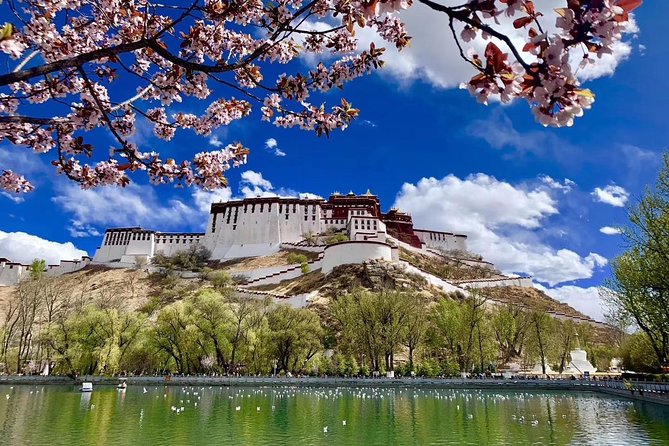
Day two brings you to Lhasa’s best-known religious sites. Potala Palace is described as the winter palace of the Dalai Lama and has been in use since the seventh century. You have about 90 minutes there.
That is enough for a focused visit, but not for a slow exploration of every room and collection. Expect a major cultural stop with a set schedule rather than an open-ended wander. Since the palace is at altitude and involves movement through a large historic building, comfortable shoes and an unhurried pace will help.
After lunch, you visit Jokhang Temple for another 90 minutes. The temple was founded by the seventh-century Tibetan king identified in the tour material as the 33rd great king of Tibet. Inside, the major object is a statue of Buddha Sakyamuni shown at age twelve.
Jokhang is not simply another old building on a sightseeing checklist. It remains a major place of devotion, so you should be ready for a religious setting rather than a quiet museum. Follow your guide’s instructions about where to stand, what you may photograph, and how to behave around worshippers.
The day ends around Barkhor Street, with about 30 minutes to walk the kora, a devotional circuit around the temple. You can watch pilgrims and local people make the circuit, browse the old market, and taste Tibetan tea in a local tea house.
This may be the most human part of the day. Potala Palace gives you scale and history, while Barkhor lets you see religious practice happening in ordinary public space. The short scheduled time is the limitation. If the group moves on quickly, you may not have much time for shopping or tea.
Drepung, Dadong Village, and Sera’s famous debates
The third day combines village scenery with one of Tibet’s major monastic centers. The supplied schedule calls the first stop Drepung Monastery, but the description focuses on Dadong Village, about 25 kilometers southwest of central Lhasa. It describes Dadong as a protected old Tibetan village surrounded by attractive countryside.
This is a point where you should ask your guide to confirm the exact plan. The stop is allocated four hours, which suggests a substantial morning visit, but the title and description do not fully match. You may find that both places are included, or that the schedule has been copied from a different version of the tour.
In the afternoon, you visit Sera Monastery for about two hours. Sera is one of the three great Gelug monasteries of Tibet. Its monk debates, usually held around 3 to 5 p.m., are the main attraction.
The debates are active and public. Monks challenge one another with questions, gestures, and sharp exchanges as part of Buddhist study. Your guide can explain what is happening, which matters because the fast pace may otherwise look like a performance without context.
The timing is one of the better choices in the six-day plan. Arriving during the usual debate period gives you a chance to see a living teaching tradition rather than only painted walls and statues. The schedule lists Sera admission as included, while the Drepung or Dadong stop is shown with admission not included, another reason to confirm costs before setting out.
A completely different kind of day out on the same trip:
- From Beijing: Mutianyu Great Wall Tours with Options
★ 4.9 · 9,216 reviews - Beijing: Forbidden City Tour(Group/Private)-Tickets Included
★ 4.8 · 7,974 reviews - Beijing: T-Square & Forbidden City Group or Private Tour
★ 4.8 · 4,446 reviews - Beijing: Mutianyu Great Wall Daily Tour with Ticket & Lunch
★ 5.0 · 3,056 reviews
Yamdrok Lake and the high road to Gyantse
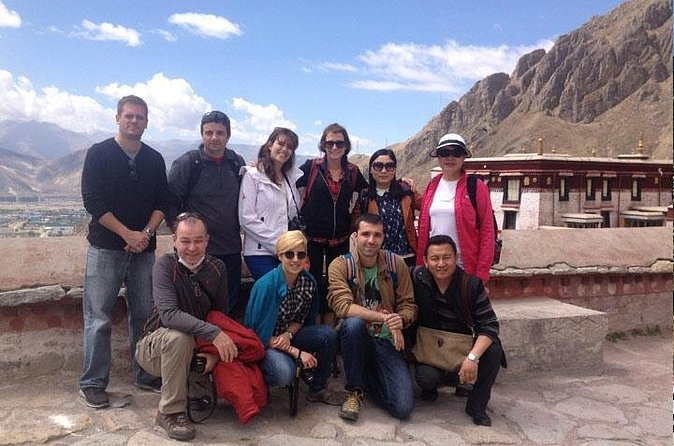
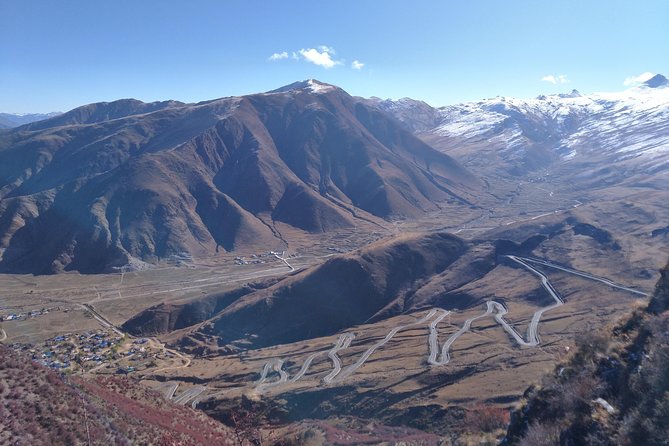
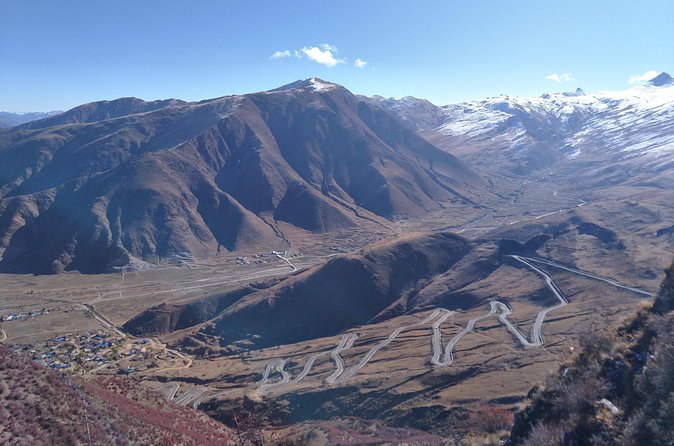
Day four is the trip’s biggest road day. You drive from Lhasa toward Shigatse, crossing Gampala Pass at about 4,790 meters. From the pass, you get a view of Yamdrok Yumtso, also listed as Yamdrok Lake, at roughly 4,400 meters.
The lake is surrounded by snow-covered mountains, and the stop lasts about an hour. This is the kind of place where the drive itself is part of the experience. You move from the city into broad high-altitude country, with long stretches between settlements and frequent changes in elevation.
Take the altitude seriously. Even people who feel fine in Lhasa can notice the difference at a pass near 4,800 meters. Walk slowly, keep water close, and tell your guide or driver if you feel unwell. The tour includes drinking water, but you should still bring a refillable bottle.
Next comes Karo La Glacier, viewed from the roadside. The group also passes Manak Dam Lake, where the plan says you can hang prayer flags at Simila Mountain Pass. These stops are brief, about an hour each, and conditions on the road may affect how long you remain outside.
The road portion offers fine scenery, but it is not a gentle sightseeing loop. You spend much of the day seated in a minibus, and the high passes can feel tiring. If you prefer a trip with little time in vehicles, this is not the right format. If you enjoy seeing how the scenery changes between cities, the long transfer is a central part of the appeal.
Gyantse’s Palkhor Monastery and Kumbum Stupa
The route reaches Gyantse, historically Tibet’s third-largest city after Lhasa and Shigatse. Here you visit Palkhor Monastery, also called Pelkor Monastery, and the Gyantse Kumbum Stupa. The schedule gives only one minute beside this stop, which is plainly a timing error, so ask how much actual visiting time is planned.
The Kumbum is the key reason to visit. Its name refers to a structure with many images, and it is one of the most distinctive religious monuments on the Central Tibet route. You also get a distant view of Gyantse Fortress.
Gyantse gives the journey a useful change of pace. Lhasa is the cultural center, while Gyantse places monasteries, old defenses, and high-road travel in a smaller city setting. The supplied information does not state the hotel for this night, so confirm the overnight arrangements and whether the route continues to Shigatse the same day.
Tashilhunpo Monastery in Shigatse
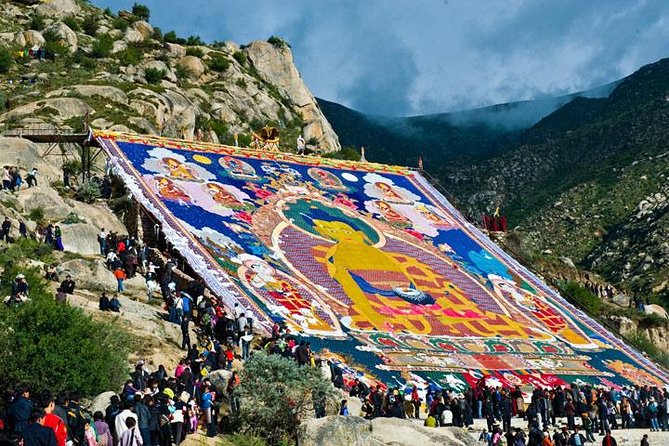
Day five is centered on Tashilhunpo Monastery, the traditional home of the Panchen Lama. The visit lasts about two hours.
The major sight is described as the world’s largest preserved statue of Jampa, the future Buddha. Even without rushing, two hours lets you see the main religious spaces with guidance and time for explanation. The monastery is also described as a continuing place of religious life, not only a historic attraction.
The visit works well after the previous day’s road travel. By this point, you have seen the capital, a high mountain route, and Gyantse. Shigatse adds another major center of Tibetan Buddhism without requiring the long return to Lhasa on the same day.
The tour ends on day six, when you must leave Tibet by air or train because the Tibet Permit is limited to the tour period. If you want to remain longer, the operator says it can help arrange another tour or airport and railway drop-off service. Confirm that extra arrangement before the final day rather than waiting until departure morning.
Guides, transport, and group size
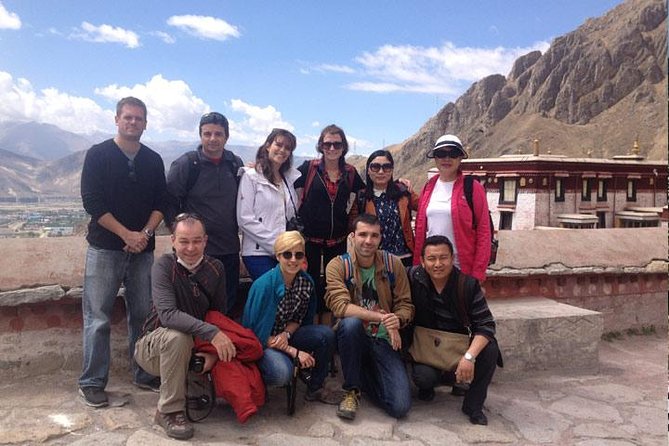
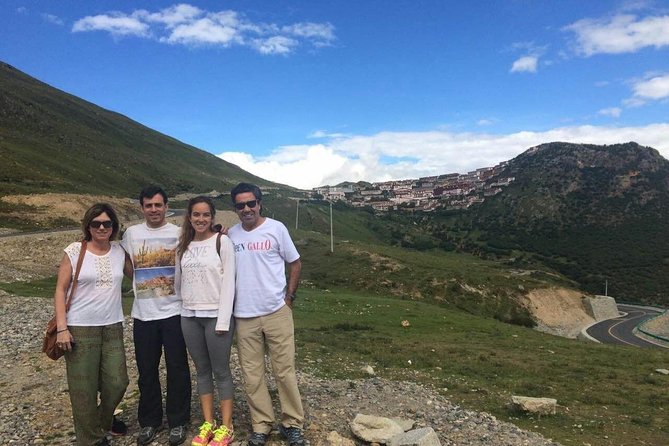
The operator provides an experienced local driver and an English-speaking Tibetan guide. That pairing matters on this route. The driver handles long, high-altitude roads, while the guide explains religious customs, local history, and what you are seeing inside the monasteries.
The strongest praise goes to the guides’ care and professionalism. Ladsong and Lodsang are described as attentive and experienced. Lhakdon is singled out for looking after the group, while Ngawang is praised for keeping a mixed-age group together and making monastery visits enjoyable. Lobsang, Tseyanh, TenWang, and Tserina also receive strong marks for friendly service, clear English, and useful explanations.
The group maximum is 12 people. That is small enough for personal contact with the guide, yet large enough to keep the price below a private tour. A minibus is practical for the long road sections, although the amount of sitting may test your patience.
Permits, visas, and advance planning
Book at least 20 days before departure so the operator has time to obtain your Tibet Permit. You must provide a passport photocopy and a China L visa at least 20 days before travel.
Your entry route changes the paperwork. If you fly to Lhasa from Kathmandu, do not apply for a China L visa in advance. The information says you need a Tibet Group Visa through the Chinese Embassy in Kathmandu, arranged with help from the agency, and you first need an invitation letter from the supplier.
If you fly or take a train to Lhasa from a Chinese city, you need a China L visa obtained through the Chinese Embassy in your own country. These rules make the operator’s permit assistance especially useful, but you should still ask for a clear document checklist after booking.
The tour is usually booked about 116 days ahead, which is a useful sign that early planning is normal for this route. The cancellation terms allow a full refund when you cancel at least six full days before the start time. A cancellation two to six days ahead receives 50 percent back, while cancellations within two days are not refunded.
Who should choose this six-day route
I would choose this trip if you want a structured first visit to Central Tibet and prefer having transport, permits, hotels, and a guide arranged together. It suits you if Lhasa’s temples matter as much as mountain views, and if you want to see more than the capital without paying for a private vehicle.
It is also a good match if you like a mix of walking, monastery visits, and long scenic drives. The walking portions are not presented as demanding hikes, but the altitude can make ordinary movement feel harder than expected.
You may want a different trip if you need a slow schedule, private rooms included in the base price, or complete certainty about every admission fee. You should also reconsider if you are not comfortable with high passes, long minibus days, or strict permit-based departure dates.
Should you book Tibet Vista’s six-day tour?
Book it if you want a well-supported introduction to Lhasa, Gyantse, and Shigatse at a reasonable group-tour price. The permit help, airport transfers, local guide, and small group are the strongest reasons to go, and the personal care shown by guides such as Lhakdon, Ngawang, and Tserina adds confidence.
Before paying, get three points confirmed in writing: the exact status of Namtso Lake, the Drepung and Dadong schedule, and which entrance fees are included. If those details match your expectations, $799 offers a practical way to see Central Tibet without handling the complicated arrangements alone.
FAQ
How long is the tour?
The tour lasts approximately six days.
What cities does the tour visit?
The route includes Lhasa, Gyantse, and Shigatse.
Is Namtso Lake included?
Namtso Lake is mentioned in the general tour description, but it does not appear as a stop in the six-day schedule provided. Confirm this directly with Tibet Vista before booking.
What is the maximum group size?
The group can include a maximum of 12 people.
Is airport pickup included?
Yes. Airport pickup and drop-off in Lhasa are included, but the arrangements must be made by the tour supplier.
Are hotels included?
Yes. Hotels based on twin sharing and five breakfasts are included. A single-room supplement may be available for an additional charge.
Are meals included?
A welcome dinner and five breakfasts are included. Lunches and other dinners are not included.
Is the Tibet Permit included?
Yes. The tour price includes the Tibet travel permit and other necessary permits.
How far in advance should I book?
You should book at least 20 days before departure so the operator has time to obtain the Tibet Permit.
What happens if I want to stay longer in Tibet?
The tour information says the operator can help arrange another Tibet tour or airport and railway drop-off service, but you must contact the supplier about those arrangements.
Newest reviews from China
- Beijing: Explore the Forbidden City in Hanfu★ 5.0 · 4 reviews
- Private 2 Day Tour of Dalian City★ 5.0 · 4 reviews
- scooter and hiking trip in the rainforest★ 5.0 · 4 reviews
- Xi’an Night Tour: South Gate Square and Big Wild Goose Pagoda Square★ 4.0 · 4 reviews
- Beijing Tai Chi and Tea Ceremony Experience★ 5.0 · 4 reviews
- Guangzhou VIP Car Tour– Tailored Sightseeing & Shopping Adventure★ 5.0 · 4 reviews
- Lantau Peak Sunrise Climb★ 5.0 · 4 reviews
- Chengdu: City Walking Tour with Food and Culture Stops★ 4.7 · 4 reviews
Lhasa Tours, compared.
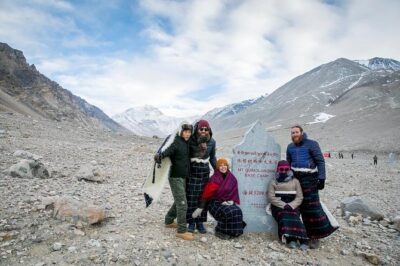
Tibet Tour 8 Days Lhasa to Everest Base Camp Small Group Tour
Read our review →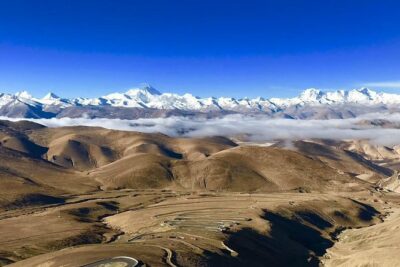
7 Days Lhasa to Kathmandu Overland Small Group Tibet Tour via EBC
Read our review →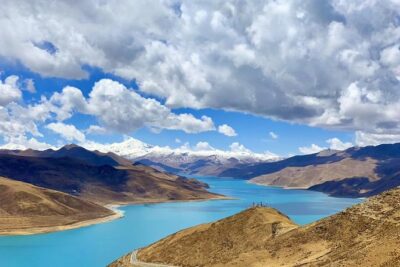
10 Days Tibet Everest Base Camp and Namtso Small Group Tour
Read our review →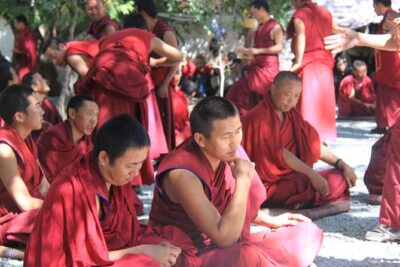
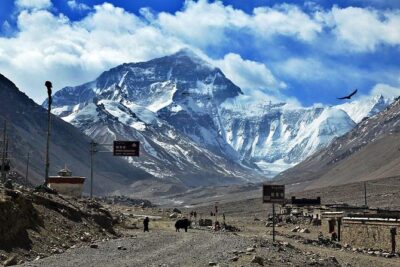
8 Days Lhasa Gyantse Shigatse Mt Everest Group Tour
Read our review →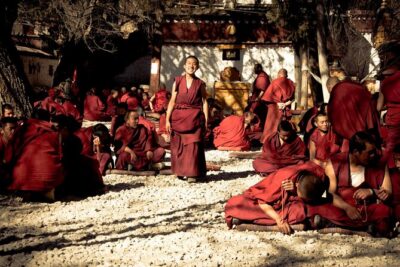
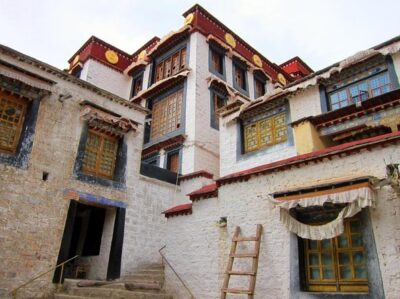
Private Guided Day Tour Potala Palace and Sera Monastery
Read our review →
9 Days Lhasa Gyantse Shigatse Everest Namtso Group Tour
Read our review →Browse the lists this tour appears in