
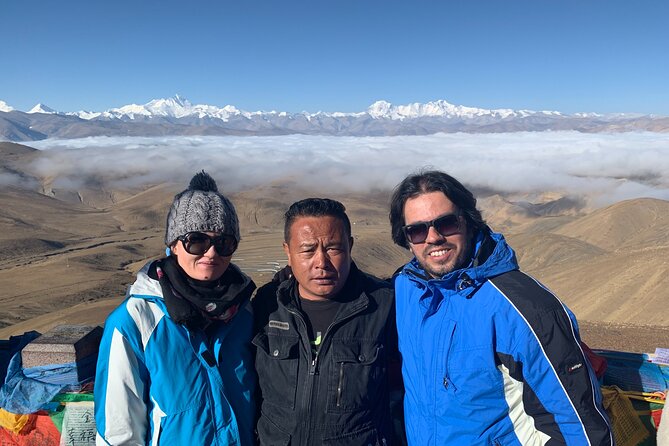
Reviewed · LHASA TOURS
9 Days Lhasa Gyantse Shigatse Everest Namtso Group Tour
Tibet rewards patience with huge views. This nine-day route combines Lhasa’s sacred temples, high mountain roads, turquoise Yamdrok Lake, Mount Everest, and Namtso Lake in one organized trip. I like the gradual move from Lhasa to higher ground, and I like having airport or railway station transfers included.
The small group, capped at 12 people, is another strong point. You travel in a licensed private vehicle with an English-speaking local guide, rather than piecing together remote transport yourself. The main drawback is comfort: the hotels are practical rather than luxurious, and the overnight stop near Everest may feel basic, with a poor breakfast and an unclean bathroom reported in the supplied feedback.
In This Review
- Key points to know before booking
- Lhasa arrival: keep the first day easy
- Drepung, the Tibet Museum, and Norbulingka
- Potala Palace and the sacred Jokhang Temple
- Yamdrok Lake and Karo La Glacier on the road to Gyantse
- The long approach to Everest
- Seeing Mount Everest from Qomolangma National Nature Preserve
- Tashilhunpo Monastery and the road back toward Lhasa
- Namtso Lake and Nyenchen Tanglha Mountain
- What the $1,443 price really covers
- Group size, permits, and booking timing
- Who should choose this route?
- Should you book this Tibet tour?
- FAQ
- How long is the tour?
- What is the maximum group size?
- Is airport pickup included?
- Is railway station pickup included?
- Are meals included?
- Are flights or train tickets included?
- What accommodation is provided?
- When must Tibet permit documents be provided?
Key points to know before booking
- Seven days of hotel breakfast are included, but breakfast is not provided on the morning near Everest.
- The group is limited to 12 people, giving you more personal attention than a large coach tour.
- Everest requires a long road day, with roughly 10 hours listed for the journey to Qomolangma National Nature Preserve.
- Altitude rises gradually, from Lhasa to passes above 4,700 meters and the Everest area.
- A licensed vehicle, fuel, parking, guide, and many entrance tickets are included, which adds real value to the $1,443 price.
- Tibet permit paperwork matters, and your documents must be supplied 12 working days before the trip unless you accept an extra permit charge.
Lhasa arrival: keep the first day easy
Day one is deliberately simple. You are picked up at Lhasa Gonggar Airport or Lhasa Railway Station and taken to your hotel. That is exactly what you want after arriving at altitude.
Airport pickups are scheduled at 9:30 a.m., 1 p.m., and 4 p.m. Railway station transfers are available at all times on the first and last day. The airport is a considerable distance from central Lhasa, so having the ride arranged removes one early nuisance.
Do not plan a demanding sightseeing day after arrival. The tour is designed to help you adjust gradually, and your first useful task is to rest, drink water, and get used to the thin air. The advertised package includes a welcome dinner, although the detailed inclusions list does not spell it out, so I would confirm this before paying.
A few more tours worth putting side by side
- Tibet Tour 8 Days Lhasa to Everest Base Camp Small Group Tour
★ 5.0 · 578 reviews - 7 Days Lhasa to Kathmandu Overland Small Group Tibet Tour via EBC
★ 5.0 · 188 reviews - 10 Days Tibet Everest Base Camp and Namtso Small Group Tour
★ 5.0 · 108 reviews
Drepung, the Tibet Museum, and Norbulingka
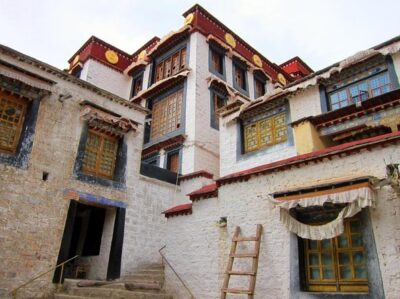
Your first full sightseeing day begins at Drepung Monastery, about five kilometers from Lhasa at the foot of Mount Gambo Utse. Allow about two hours here. The monastery is one of the major religious sites around Lhasa, and it gives you an early look at Tibetan monastic architecture, ritual spaces, and mountain surroundings.
The Tibet Museum follows in the afternoon. Its displays cover clothing, house design, festival customs, daily life, and other parts of Tibetan culture. This is a useful stop because it gives context before you visit more active religious sites. You are not only looking at buildings; you are getting some background on how Tibetan customs developed.
Norbulingka takes about two hours. The name means Precious Stone Garden, and the site served as the Dalai Lama’s summer residence. Compared with the formal religious atmosphere of Drepung, Norbulingka offers gardens, palace buildings, and a calmer pace.
I like the shape of this day. It moves from monastery to museum to royal garden, so you get three different views of Tibetan culture. The possible weakness is the amount of sightseeing at altitude. If you feel tired, use the museum and garden as slower stops rather than trying to rush through every room.
Potala Palace and the sacred Jokhang Temple
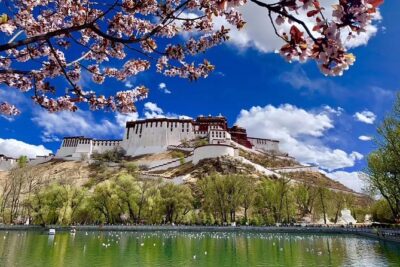
Day three brings the major Lhasa sights. Potala Palace sits on Red Hill in the center of the city and reaches about 3,767 meters. It is described as the highest ancient palace in the world, and the scale is difficult to grasp until you are standing below its white and red walls.
The palace visit is the most physically demanding Lhasa stop because of the height and the walking involved. Take it slowly. You will get more from the carved details, religious rooms, and views if you are not racing to keep up with the group.
In the afternoon, you visit Jokhang Temple in the old city. This is considered the most sacred temple in Tibet, and the atmosphere is shaped by local pilgrims moving through the complex. It is an important contrast with Potala Palace. Potala feels monumental and political, while Jokhang connects more directly with living religious practice.
The schedule allows about two hours at Jokhang. Wear clothing suitable for religious sites, and expect instructions from your guide about where you may walk and what you may photograph. Entrance tickets are included for these main sights, which keeps the daily costs under control.
Yamdrok Lake and Karo La Glacier on the road to Gyantse
Day four leaves Lhasa for Gyantse, a road distance of about 264 kilometers. The route crosses Khamba-la Pass at approximately 4,794 meters, so this is where altitude becomes a serious part of the experience.
From the pass, you get a view of Yamdrok Yumtso, one of Tibet’s best-known sacred lakes. Its turquoise water, high ridges, and snow-covered Mount Nyenchen Khangsar create the kind of scene that makes the long road worthwhile. The lake stop lasts about an hour, and admission is free.
About two hours later, you reach Karo La Glacier. The glacier is not enormous, but it is close to the highway, around 300 yards away, and can be viewed without a major hike. The stop is short, about 30 minutes, but the glacier gives the drive another visual change.
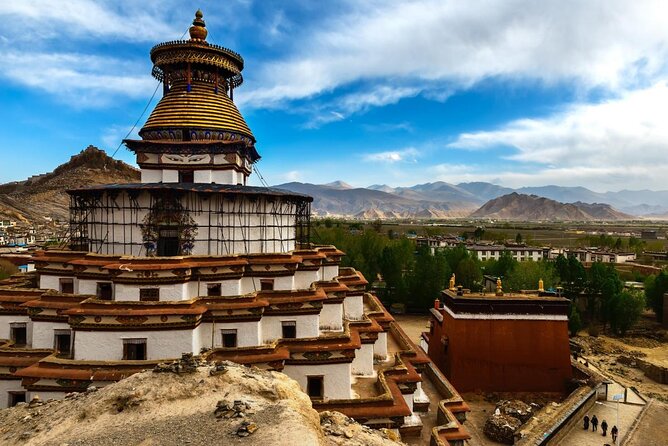
In Gyantse, you visit Palkhor Choede Monastery and the Kumbum Stupa. The Kumbum is a remarkable multi-door structure with old sculptures and religious art, and it is described as the largest stupa in Tibet. Set aside two hours here.
This is one of the strongest days for scenery and architecture. It is also a long day on roads with high passes. Bring snacks, water, sunglasses, and warm layers. The vehicle is comfortable, but no vehicle turns a mountain road into a quick journey.
A completely different kind of day out on the same trip:
- From Beijing: Mutianyu Great Wall Tours with Options
★ 4.9 · 9,216 reviews - Beijing: Forbidden City Tour(Group/Private)-Tickets Included
★ 4.8 · 7,974 reviews - Beijing: T-Square & Forbidden City Group or Private Tour
★ 4.8 · 4,446 reviews - Beijing: Mutianyu Great Wall Daily Tour with Ticket & Lunch
★ 5.0 · 3,056 reviews
The long approach to Everest
Day five is the toughest travel day. You leave Shigatse for Lhatse, about 150 kilometers away, stop for lunch, then continue toward Tingri and the Qomolangma National Nature Preserve. The listed driving time is about 10 hours.
You cross Tsola Pass, noted at roughly 4,600 meters, along with other high terrain. The purpose of this day is not a string of lengthy sightseeing stops. It is the journey toward the mountain, with wide views and changing road scenery along the way.
I would treat this as an expedition-style transfer rather than a relaxed sightseeing day. Keep your expectations realistic. You may spend much of the day seated, and altitude can make even ordinary movement tiring.
The accommodation near Everest is the clearest comfort warning in the package. One supplied account described a dirty bathroom and a very poor breakfast at the overnight stop. The operator’s response indicated that a guesthouse replaced a nomad tent, which is an improvement because a guesthouse has bathroom facilities. Still, do not book this route expecting four-star comfort every night.
Seeing Mount Everest from Qomolangma National Nature Preserve
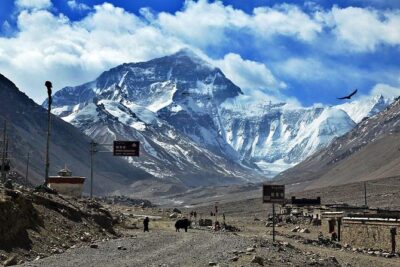
Day six centers on the Everest area. Breakfast is not included, and the morning meal may be a simple Tibetan option such as noodles or zanba for about CNY 30. I would carry cookies, instant food, and other compact snacks, exactly because the morning setup is limited.
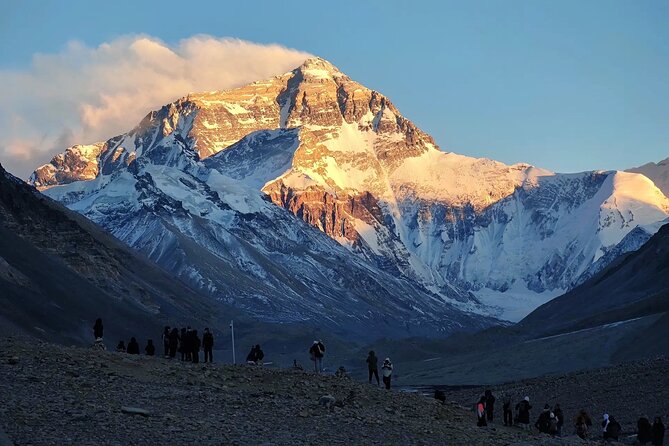
The listed visit lasts about four hours. This is your main chance to see Mount Everest from the Tibetan side, subject to weather and visibility. The experience is built around the mountain environment rather than a long list of indoor attractions.
The lack of breakfast is a small detail that matters. At high altitude, an empty stomach can make a hard morning feel worse. Pack food before reaching the preserve, and keep water accessible in the vehicle.
The scenery is the reward, but the conditions are basic. You should be comfortable with cold, sparse facilities, high elevation, and an overnight stop that may not match the standard of the Lhasa hotels. If Everest is your main reason for visiting Tibet, this compromise may be worthwhile. If hotel comfort ranks first, consider a shorter Lhasa-centered trip instead.
Tashilhunpo Monastery and the road back toward Lhasa
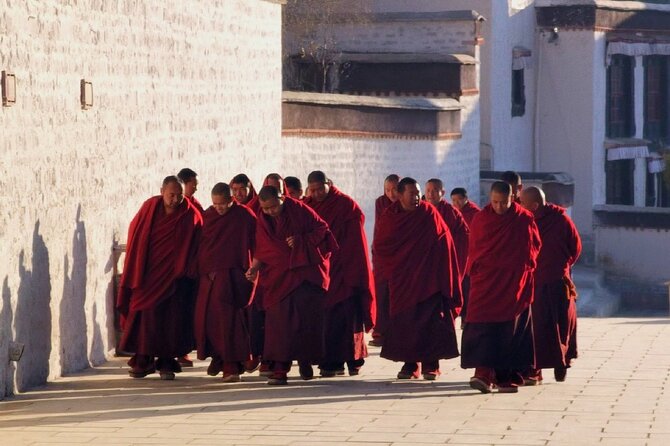
On day seven, you visit Tashilhunpo Monastery in Shigatse. It was founded by the First Dalai Lama in 1447 and later expanded by the Fourth and succeeding Panchen Lamas.
The visit lasts about two hours. After the Everest section, this monastery provides a quieter cultural focus and a chance to spend time with Tibetan religious architecture without being trapped in a long road transfer. It also gives the tour a useful historical sequence, connecting Lhasa’s major sites with an important monastery in Shigatse.
The schedule does not provide a detailed list of every meal or hotel by city, so ask for the current hotel names before booking. Seven nights are described as three- or four-star hotel accommodation with two people sharing a room, plus one night in a guesthouse or nomad tent. Since a nine-day trip normally involves eight nights, I would ask the operator to clarify the exact accommodation count and which night uses the guesthouse.
Namtso Lake and Nyenchen Tanglha Mountain
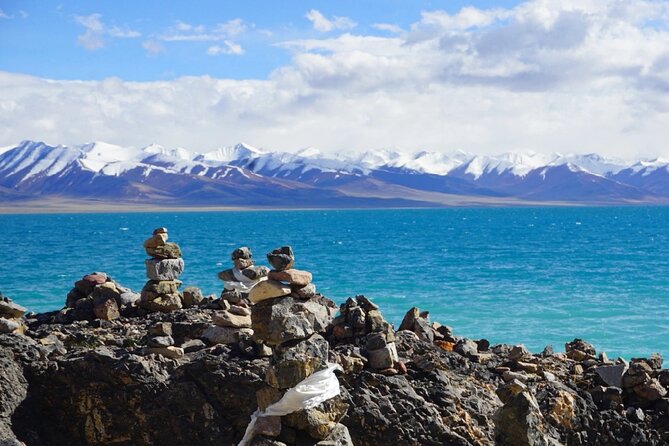
Day eight takes you to Namtso, another sacred high-altitude lake. The drive follows the highway, with views toward Nyenchen Tanglha Snow Mountain and broad grassland along the way.
The lake visit is listed at about two hours. Namtso is a different visual experience from Yamdrok. Yamdrok appears as a lake seen from a mountain pass, while Namtso is the main destination of the day. The surrounding mountains and open grassland give the stop a sense of scale.
This is still a high-altitude outing, not an easy lowland lake excursion. Keep the day unhurried and follow your guide’s instructions. The gradual route helps, but no schedule can remove the physical effects of elevation.
Namtso is a good final scenic stop because it balances the temples and monasteries that dominate the first half of the trip. You finish with open sky, water, snow peaks, and grassland rather than another enclosed monument.
What the $1,443 price really covers
At $1,443 per person, the package is not cheap, but it covers expensive practical elements for a remote destination. You receive:
- Seven nights in shared three- or four-star accommodation
- One night in a guesthouse or nomad tent
- Seven hotel breakfasts
- A licensed vehicle, fuel, and parking
- An English-speaking local guide
- Many admission tickets
- Airport and railway station transfers
- Government tax and travel agency liability insurance
Flights or train tickets to Tibet are not included. Personal expenses, optional sights, and your own travel insurance are also extra.
The strongest value comes from transport and administration. A private licensed vehicle with a driver, guide, fuel, and parking would be difficult to arrange independently across Lhasa, Gyantse, Shigatse, Everest, and Namtso. You are paying for access, permits, routing, and coordination as much as for hotel rooms.
The weakest value is the accommodation variation. The Lhasa and city hotels may be perfectly adequate, but the Everest night is clearly more basic. There is also a single supplement, and the price is returned if someone later shares your room, according to the supplied terms.
Group size, permits, and booking timing
The maximum group size is 12. That is small enough for easier communication with the guide and less waiting at stops, while still keeping the price below a private tour.
Confirmation is sent within 48 hours, subject to availability. If you want to join an existing group, book at least 12 working days ahead. Solo visitors are accepted, but the stated advice is to book more than 50 days in advance.
Tibet Tourism Bureau permit documents must be supplied 12 working days before departure. If you miss that deadline, an extra charge of about $50 to $80 per permit may apply. This is not a detail to leave until the last minute.
The experience is non-refundable and cannot be changed after booking. Read the terms carefully before committing, especially because flights and trains are separate purchases.
Who should choose this route?
I would choose this trip if you want a broad first look at Tibet without arranging difficult transport yourself. It suits you if temples, monasteries, mountain roads, sacred lakes, and Everest matter more than polished hotels or flexible free time.
It is also a good fit if you prefer a small organized group. The route covers a lot of ground, and the local English-speaking guide should help with permits, site visits, and the practical demands of high-altitude travel.
I would hesitate if you need reliable international-style breakfasts, comfortable bathrooms every night, or short driving days. The road to Everest is long, the elevation is demanding, and one overnight stop may feel quite rough.
Should you book this Tibet tour?
Book it if you want the major Tibetan highlights in nine days and accept a basic Everest night as the price of reaching the mountain. The combination of Potala Palace, Jokhang Temple, Drepung, Yamdrok, Gyantse, Tashilhunpo, Everest, and Namtso is impressive for one compact route.
Before paying, confirm the exact hotel names, the number of accommodation nights, the welcome dinner, and the replacement guesthouse near Everest. Pack breakfast food, allow extra time for your departure transfer, and do not schedule a tight flight connection. With those precautions, the $1,443 package offers a practical way to see Tibet’s most famous cultural and natural sights.
FAQ
How long is the tour?
The tour lasts approximately nine days, beginning with pickup in Lhasa and ending with drop-off at Lhasa Gonggar Airport or Lhasa Railway Station.
What is the maximum group size?
The group has a maximum of 12 people.
Is airport pickup included?
Yes. Pickup from Lhasa Gonggar Airport is included at 9:30 a.m., 1 p.m., and 4 p.m. on the first day.
Is railway station pickup included?
Yes. Transfers from Lhasa Railway Station are available at all times on the first day, and railway station drop-off is also included on the final day.
Are meals included?
Seven hotel breakfasts are included. Breakfast is not included on the morning near Everest. The package overview also mentions a welcome dinner, but you should confirm that detail because it is not separately listed in the detailed inclusions.
Are flights or train tickets included?
No. Flights and train tickets are excluded from the tour price.
What accommodation is provided?
The package includes seven nights in a three- or four-star hotel with two people sharing a room, plus one night in a guesthouse or nomad tent. Ask the provider to confirm the exact number and type of nights because the nine-day schedule and accommodation wording should be clarified.
When must Tibet permit documents be provided?
The required Tibet Tourism Bureau permit documents should be provided 12 working days before the tour begins. A charge of about $50 to $80 per permit may apply if the documents arrive late.
Newest reviews from China
- Jinshanling Great Wall to Simatai West Sunset Hiking Private Tour★ 5.0 · 4 reviews
- Beijing: Forbidden City Guided Tour with Options★ 4.3 · 4 reviews
- Private Tour: Mutianyu/Badaling Great Wall and Temple of Heaven★ 5.0 · 4 reviews
- Gulong Gorge Glass Skywalk Bridge and waterfall View Private Tour★ 5.0 · 4 reviews
- Terracotta Army Guide Day Tour with City Wall and Muslim Quarter★ 5.0 · 4 reviews
- The Legend Of Camel Bell In Xi’An★ 5.0 · 4 reviews
- Dunhuang Day Tour: Mogao Grottoes, Singing Sand Dunes and The Silk Road Show★ 5.0 · 4 reviews
- Private Day Tour to Longji Rice Terraces and Long Hair Village from Guilin★ 4.5 · 4 reviews
Lhasa Tours, compared.
Tibet Tour 8 Days Lhasa to Everest Base Camp Small Group Tour
Read our review →
7 Days Lhasa to Kathmandu Overland Small Group Tibet Tour via EBC
Read our review →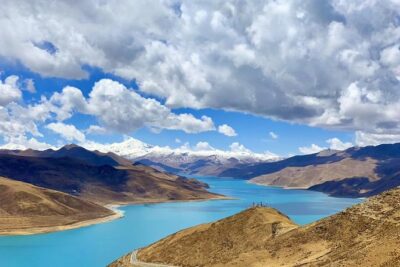
10 Days Tibet Everest Base Camp and Namtso Small Group Tour
Read our review →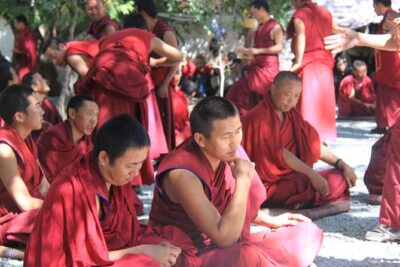
8 Days Lhasa Gyantse Shigatse Mt Everest Group Tour
Read our review →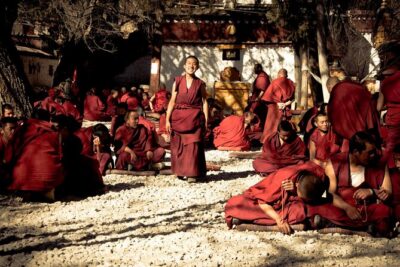
Private Guided Day Tour Potala Palace and Sera Monastery
Read our review →Browse the lists this tour appears in