
Reviewed · LHASA TOURS
7 Days Lhasa to Kathmandu Overland Small Group Tibet Tour via EBC
High passes reward careful planning. This seven-day overland journey links Lhasa’s great temples with Everest Base Camp, Gyirong, and the Nepal border, while the operator handles permits, transport, hotels, and a Tibetan guide. I like the way it combines major sights with long scenic drives, and I like that the group is limited to 12 people, small enough for a more personal trip.
The main drawback is simple: this is a fast, demanding route at serious altitude. You spend only one night in several places, lunches and dinners are not covered, and the tour ends at the Gyirong border rather than in Kathmandu. The optional jeep transfer costs an additional $60.
The price is $989 per person, based on twin sharing. That is a fair package price for a route involving permits, a local guide, six breakfasts, hotels, transport, oxygen in the vehicle, and Everest Base Camp access. Still, you should confirm entrance fees before booking, since the inclusions and itinerary descriptions are not perfectly consistent.
In This Review
- Key points to know before booking
- Three days in Lhasa: palaces, pilgrims, and monastery life
- Day four from Yamdrok Lake to Gyantse
- Day five: Tashilhunpo Monastery and the road to Everest
- Day six from Rongbuk to the Gyirong border
- Day seven ends at China, not Kathmandu
- What the $989 price really covers
- Guides, drivers, and the feel of a small group
- Permits, visas, and timing
- Who should book this Tibet overland route?
- Should you book the Lhasa to Kathmandu Everest route?
- FAQ
- How long is the Lhasa to Kathmandu overland tour?
- Does the tour end in Kathmandu?
- How far is Gyirong from Kathmandu?
- What is the maximum group size?
- What accommodation is included?
- Are meals included?
- Is transport from Lhasa included?
- Are Tibet travel permits included?
- Is Everest Base Camp included?
- How early should I book?
Key points to know before booking
- Lhasa highlights come first: Potala Palace, Jokhang Temple, Barkhor Street, Drepung Monastery, and Sera Monastery fill the first three sightseeing days.
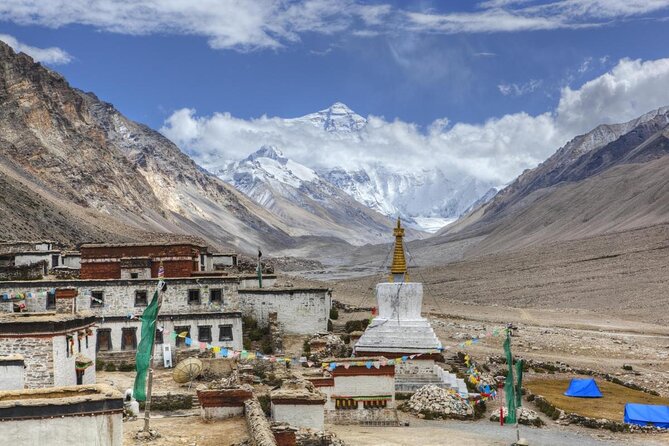
- Everest Base Camp is reached by road: The route crosses passes above 5,000 meters and includes views from Gawula Pass.
- The tour ends at Gyirong border: Kathmandu requires a separate 130-kilometer jeep transfer at an extra cost of $60.
- Permits are a major advantage: Tibet travel permits and other required permits are arranged, but your passport and visa copies must be supplied well in advance.
- The group can have up to 12 people: You travel by van or minibus with an English-speaking Tibetan guide and experienced local driver.
- The best guide feedback is personal: Guides including Lhakpa, Lhakdon, Lobsang, and Lhatse Tenzin are praised for humor, care, organization, and explanations of Tibetan Buddhism.
Three days in Lhasa: palaces, pilgrims, and monastery life
Your first day is mainly for arrival and settling in. A Tibetan guide meets you at the airport or train station and takes you into central Lhasa. The route follows the Yarlung Tsangpo River and the Lhasa area, giving you a first look at the high-country setting before sightseeing begins.
That quiet first day matters. Lhasa sits at high altitude, and the tour does not ask you to rush straight into a full program after arrival. Your accommodation is listed as a three-star hotel on a twin-sharing basis, though some parts of the wider route use guesthouse dormitory beds.
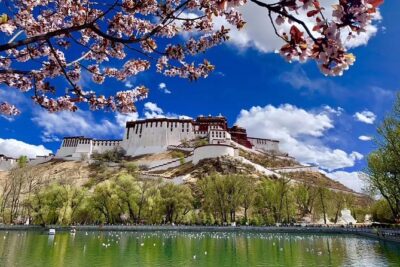
Day two begins with Potala Palace, the former winter palace of the Dalai Lama. The building’s connection with the seventh-century Tibetan king Songtsen Gampo gives the visit historical weight, but the real impact comes from the palace itself: its position above Lhasa and its packed religious collections. The scheduled visit lasts about 90 minutes.
Admission treatment needs careful checking. The tour information lists some major entrance tickets as not included in individual stop descriptions, while the general inclusions say entrance fees for listed sites are covered. Ask the operator for a written breakdown before paying.
After lunch, you visit Jokhang Temple, one of Tibet’s most important religious sites. Its central attraction is a statue of Buddha Sakyamuni depicted at age 12. This is not just a museum stop. The temple remains part of daily religious life, so you may see worshippers moving through the surrounding streets and completing their kora.
The day ends around Barkhor Street, the old market area encircling Jokhang. You can walk the devotional circuit with pilgrims and local residents, browse the market, and try Tibetan tea in a local teahouse. This is one of the most human parts of the Lhasa program. It gives you time to watch daily life rather than simply move from one ticketed monument to the next.
Day three turns to Lhasa’s two major monastic institutions. Drepung Monastery, about 25 kilometers southwest of central Lhasa, is described as an ancient Tibetan village surrounded by valleys. Allow roughly three hours here. The setting gives the visit a slower, more spacious feel than the dense center of Lhasa.
In the afternoon, Sera Monastery provides a different kind of experience. Its famous monk debates usually take place from about 3 to 5 p.m., and the tour schedules a two-hour visit. The debates are lively and physical, with monks using gestures as they question one another. If the timing works as planned, this may be the most engaging stop for anyone curious about how monastic study works.
Several guides receive especially warm praise for this part of the trip. Lhakpa is described as informative and funny, while Lhakdon is praised for her organization and strong explanations of Tibetan Buddhism. Lobsang is remembered for showing the group local bars and performing magic tricks, a useful reminder that a good guide can make long days feel more relaxed.
A few more tours worth putting side by side
- 7-Day TaiChi & Qigong Wellness Retreat in China
★ 5.0 · 20 reviews - 7 Days Private Tour of Beijing, Xian, Shanghai by Bullet Train
★ 5.0 · 4 reviews
Day four from Yamdrok Lake to Gyantse
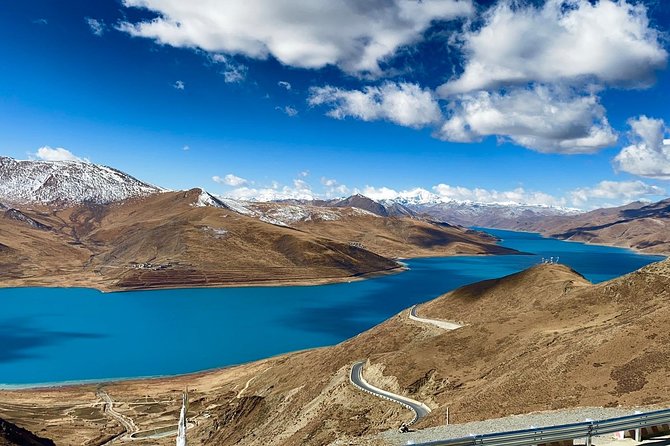
The road leaves Lhasa on day four and begins the overland portion in earnest. You cross Gampala Pass at about 4,790 meters, then stop for a view of Yamdrok Yumtso, also called Yamdrok-tso, at roughly 4,400 meters.
The stop is scheduled for about 30 minutes, so think of it as a viewpoint rather than a long lakeside visit. Snow-capped peaks surround the water, and the high pass makes the first major road day feel dramatic. It also marks a change in the rhythm of the tour: less walking through historic districts, more time in the vehicle with frequent roadside stops.
You then pass Karola Glacier, visible from the road, and stop around Manak Dam Lake. At Simila Mountain Pass, you may have time to tie a prayer flag. These short pauses break up the drive and give you a chance to take photographs, but they do not offer much time for extended exploration.
The day ends in Gyantse, historically Tibet’s third-largest city after Lhasa and Shigatse. The itinerary does not list a long sightseeing visit here, so the town functions mainly as an overnight point on the way to Shigatse and Everest. You should expect a full transport day rather than a leisurely city tour.
Day five: Tashilhunpo Monastery and the road to Everest
In the morning, the tour visits Tashilhunpo Monastery in Shigatse, the traditional home of the Panchen Lama. The scheduled visit lasts about 90 minutes. This is one of the route’s strongest religious sites, and it helps connect the grand monuments of Lhasa with the wider Buddhist culture of central Tibet.
After leaving Shigatse, the group handles the Alien’s travel permit before continuing toward Lhatse. The paperwork is an unavoidable part of overland Tibet travel, but having the guide and operator manage it is one of the package’s practical strengths. You stop in Lhatse for lunch, though the meal itself is not included.
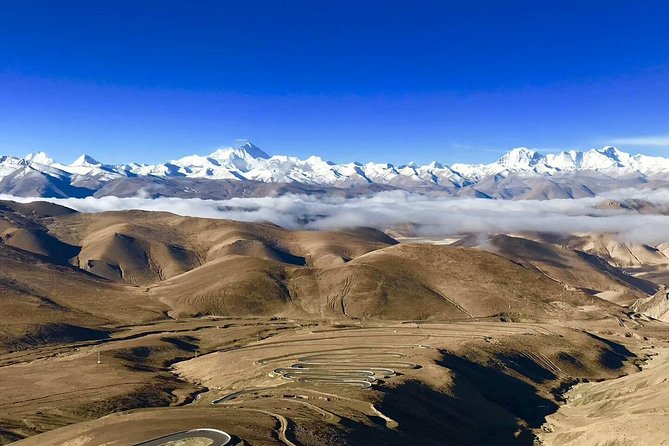
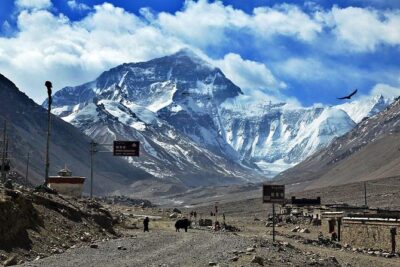
The route then crosses Tsola Pass at about 4,600 meters and Gyatsola Pass at roughly 5,248 meters. After entering the Mount Everest National Nature Reserve, the road reaches Gawula Pass, around 5,198 meters, where the Himalaya panorama can open up in clear weather.
This is an important qualification. Mountain views depend on conditions, and the tour does not promise a clear Everest sighting. The reward can be enormous, but you need to accept that clouds or poor weather may change the day.
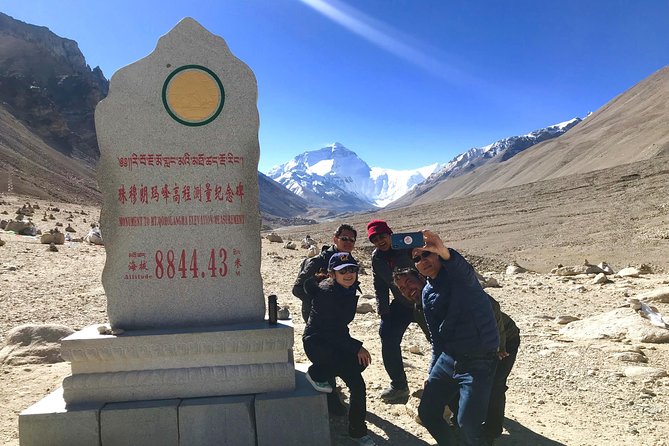
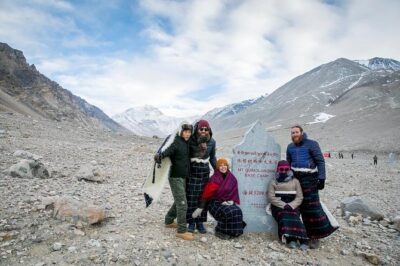
Eventually, you reach Everest Base Camp, with the final access section using an included shuttle bus according to the tour details. The visit is scheduled for around 90 minutes. That is enough for the viewpoint and the feeling of reaching the destination, but not enough for a slow, unhurried stay.
The altitude is the central issue here. The vehicle carries oxygen for emergencies and reassurance, but oxygen equipment does not turn a high-altitude route into an easy one. You should be comfortable with long driving days, limited time at each stop, and repeated passes higher than 4,500 meters.
Day six from Rongbuk to the Gyirong border
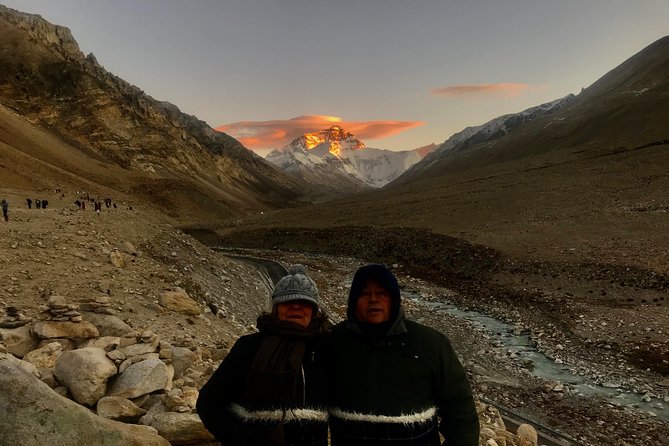
If weather permits, the morning begins with a sunrise view of Everest from the lodging area. The wording matters: this is an opportunity, not a guarantee. At high altitude, clouds can erase the mountain quickly.
Next comes Rongbuk Monastery, described as the highest monastery in the world, where nuns and monks live together. The visit lasts about 30 minutes. It is brief, but the setting near Everest gives the monastery unusual importance. This is not simply another religious building added to a checklist.
The road then heads toward Gyirong. Along the way, you may see Mount Shishapangma and Pekutso Lake. The route crosses Ghungtang Lhamo Pass at about 5,236 meters before descending toward Gyirong County.
That descent is one of the most striking changes on the trip. The high, snow-covered country gives way to forest and waterfalls as you lose altitude. The shift happens within the same day, making the final road section feel like a visual journey through several climate zones.
You arrive in Gyirong in the late afternoon. This is the last night on the Tibet side, and it is also where the practical details of crossing into Nepal become important. Keep your passport and required documents close, and listen carefully to the guide’s instructions for the border exit.
A completely different kind of day out on the same trip:
- From Beijing: Mutianyu Great Wall Tours with Options
★ 4.9 · 9,216 reviews - Beijing: Forbidden City Tour(Group/Private)-Tickets Included
★ 4.8 · 7,974 reviews - Beijing: T-Square & Forbidden City Group or Private Tour
★ 4.8 · 4,446 reviews - Beijing: Mutianyu Great Wall Daily Tour with Ticket & Lunch
★ 5.0 · 3,056 reviews
Day seven ends at China, not Kathmandu
On the final day, the guide helps you exit China and sees you off at the Gyirong border. The listed tour service ends there. It does not include the full journey into Kathmandu.
You can arrange a jeep transfer from Gyirong to Kathmandu for an extra $60. The distance is given as 130 kilometers, and that transfer should be treated as a separate service. Confirm where the jeep meets you, what luggage it carries, and whether the price is per person before departure.
This distinction is easy to miss in the tour title, which connects Lhasa and Kathmandu. If you need a single booking that deposits you in central Kathmandu, this is not quite that. It is a Lhasa to Gyirong overland tour with an optional onward road transfer.
What the $989 price really covers
At $989, the package offers solid value for a tightly organized route. The price includes six breakfasts, accommodation, airport or train station pickup in Lhasa, road transport, an English-speaking Tibetan guide, an experienced local driver, drinking water, tourist accident insurance, required Tibet permits, a Tibet map, and oxygen in the vehicle.
It also includes the Everest Base Camp shuttle bus and platform service fee. One welcome dinner is described in the overview, though the detailed inclusions list mainly specifies breakfast, so I would confirm that dinner is still part of your booking.
The package does not include your flight or train to Lhasa, lunches, regular dinners, a single-room supplement, or the $60 Nepal jeep transfer. Hotels are based on two people sharing a twin room. If you want your own room, expect an added fee.
The greatest value comes from the paperwork and access. Tibet permits can be difficult to arrange independently, and the route involves controlled areas, several high passes, and border procedures. Paying for an organized small group removes much of that administrative burden.
The weaker point is the lack of meal coverage. On a seven-day route with long drives, you will need to budget separately for six lunches and most dinners. Also confirm the entrance ticket policy, because the supplied details give conflicting signals about whether all listed admissions are included.
Guides, drivers, and the feel of a small group
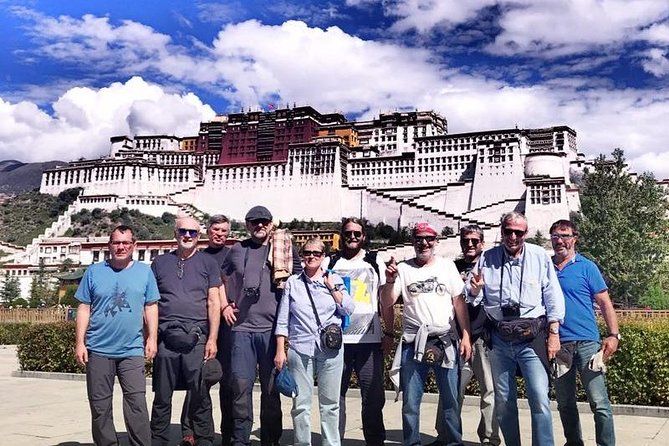
The maximum group size is 12, with transport by van or minibus. That is a useful middle ground. You do not get the privacy of a private car, but the group is small enough for questions, easier roadside stops, and a more social atmosphere.
The strongest personal praise goes to the guides and drivers. Lhakpa is described as informative, humorous, and good at making the route enjoyable. Lhatse Tenzin is praised for being polite, easygoing, and reassuring. Lhakdon is singled out for careful organization and explanations of Tibetan Buddhism.
Drivers also receive positive attention. Sangye is described as funny and careful, while Ihakpa is remembered as caring and relaxed. Those qualities matter on a route where you spend many hours on the road and cross high mountain passes.
The guide’s personality can shape the whole trip. Lobsang’s local bar suggestions and magic tricks added a lighter side to the journey, while other guides focused more on religion and history. You should expect the exact style to vary by guide, but the operator appears to put real weight on personal service.
Permits, visas, and timing
Do not leave the paperwork until the last minute. You are asked to book at least 12 working days ahead so the operator can obtain your Tibet Permit, and passport and China visa copies must be supplied at least 20 days before travel.
The visa process depends on how you reach Lhasa. If you fly from Kathmandu, you should not apply for a China L Visa in advance. Instead, you need a Tibet Group Visa through the Chinese Embassy in Kathmandu, arranged with a travel agency after receiving an invitation letter from the tour operator.
If you fly or take the train to Lhasa from another city in China, the instructions say you need a China L Visa from the Chinese Embassy in your own country. A valid passport and the China L Visa used for the Tibet Permit must remain with you during the trip.
Confirmation is issued within 48 hours, subject to availability. The tour requires a minimum number of participants, and poor weather can also cause a cancellation or date change. The standard cancellation policy offers a full refund when you cancel at least six full days before the start, with reduced or no refund closer to departure.
Who should book this Tibet overland route?
I would choose this trip if you want the main cultural sights of Lhasa, a road journey through central Tibet, and a serious attempt at Everest Base Camp without arranging permits, vehicles, and border logistics yourself.
It suits people who value scenery and major religious sites more than free time in each town. It also suits anyone who likes a structured schedule, shared transport, and the social ease of a group capped at 12.
I would hesitate if you need flexible days, private accommodation, guaranteed Everest views, or a tour that finishes in Kathmandu proper. The high passes, short visits, guesthouse dormitory option, extra meal costs, and separate border transfer all deserve attention.
Should you book the Lhasa to Kathmandu Everest route?
Book it if the combination of Potala Palace, Jokhang Temple, Tibetan monasteries, Yamdrok Lake, Everest Base Camp, and a Gyirong border crossing is exactly what you want. The price is reasonable for the permits, guide, transport, accommodation, and high-altitude logistics included.
Before paying, get three points confirmed in writing: the entrance ticket coverage, the exact hotel and room arrangement, and the details of the $60 jeep transfer to Kathmandu. If you accept the altitude and the quick pace, Tibet Vista’s organized support and consistently praised guides make this a strong seven-day introduction to Tibet by road.
FAQ
How long is the Lhasa to Kathmandu overland tour?
The tour lasts approximately seven days. It begins with pickup in Lhasa and ends at the Gyirong border after the guide assists with exiting China.
Does the tour end in Kathmandu?
No. The included service ends at the Gyirong border. You can arrange a separate jeep transfer to Kathmandu for an additional $60.
How far is Gyirong from Kathmandu?
The additional jeep transfer is listed as 130 kilometers from the Gyirong border to Kathmandu.
What is the maximum group size?
The tour can have a maximum of 12 participants.
What accommodation is included?
Accommodation is based on three-star hotels with twin sharing. Guesthouse dormitory beds may be used on parts of the route. A single-room supplement is required for private accommodation.
Are meals included?
Six breakfasts are included. The overview also mentions one welcome dinner. Lunches and regular dinners are not included, so confirm the welcome dinner when booking.
Is transport from Lhasa included?
Yes. Pickup and drop-off at the Lhasa airport or train station are included at designated times. Transport during the tour is by van or minibus with a local driver.
Are Tibet travel permits included?
Yes. The package includes the Tibet Travel Permit and other necessary Tibet permits. The operator also provides a Chinese Visa invitation letter if needed.
Is Everest Base Camp included?
Yes. The itinerary includes a visit to Mount Everest Base Camp, along with the Everest Base Camp shuttle bus and platform service fee.
How early should I book?
You should book at least 12 working days before departure so the operator can obtain the Tibet Permit. Passport and China visa copies are required at least 20 days before the travel date.
Newest reviews from China
- Beijing: Explore the Forbidden City in Hanfu★ 5.0 · 4 reviews
- Private 2 Day Tour of Dalian City★ 5.0 · 4 reviews
- scooter and hiking trip in the rainforest★ 5.0 · 4 reviews
- Xi’an Night Tour: South Gate Square and Big Wild Goose Pagoda Square★ 4.0 · 4 reviews
- Beijing Tai Chi and Tea Ceremony Experience★ 5.0 · 4 reviews
- Guangzhou VIP Car Tour– Tailored Sightseeing & Shopping Adventure★ 5.0 · 4 reviews
- Lantau Peak Sunrise Climb★ 5.0 · 4 reviews
- Hong Kong MiniBus Transfer: Hotel / Cruise Terminal and Airport★ 4.5 · 4 reviews
Lhasa Tours, compared.
Tibet Tour 8 Days Lhasa to Everest Base Camp Small Group Tour
Read our review →
10 Days Tibet Everest Base Camp and Namtso Small Group Tour
Read our review →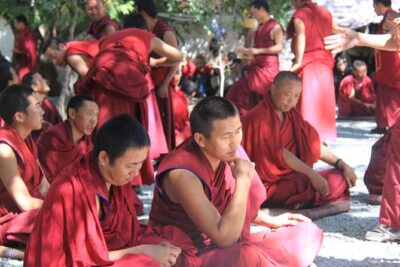
8 Days Lhasa Gyantse Shigatse Mt Everest Group Tour
Read our review →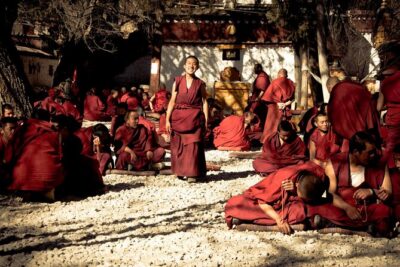
Private Guided Day Tour Potala Palace and Sera Monastery
Read our review →
9 Days Lhasa Gyantse Shigatse Everest Namtso Group Tour
Read our review →Browse the lists this tour appears in