
Reviewed · LAMA TEMPLE TOURS
Beijing Lama Temple Entrance Ticket with Optional Guided Service
A temple visit with real spiritual life. Beijing’s Lama Temple, also called Yonghegong, offers much more than old halls and painted roofs. It is a working Tibetan Buddhist temple where people pray, burn incense, and move from one courtyard to the next with a clear purpose. I like the chance to skip the ticket-buying line with a prepaid entry and the option to add an English-speaking guide such as Mike, Jack, Kevin, or Mina. The main drawback is important: ticket delivery has caused real trouble for some customers, and a few had to buy admission again at the temple.
The price begins at about $7 per person, with group discounts available. That can be fair during a crowded period, especially if the QR code arrives properly and saves you a long wait. But the temple has also been reported to sell entry on site for 25 yuan, and some visitors found no line at all. You are paying for advance planning and possible convenience, not necessarily a cheaper ticket.
In This Review
- Key Points Before You Book
- Why Yonghegong Matters in Beijing
- What the One-Day Admission Experience Includes
- Entering the Temple and Finding the Incense
- The Main Halls and the 18-Meter Maitreya
- Is the Guided Option Worth the Extra Cost?
- The QR Code Problem Deserves Serious Attention
- Price, On-Site Tickets, and Real Value
- Who Should Choose This Temple Visit?
- My Booking Advice for a Smooth Visit
- Should You Book the Beijing Lama Temple Ticket?
- FAQ
- Where is the Lama Temple located?
- What does the basic ticket include?
- Is an English-speaking guide available?
- Is this a private tour?
- When should I receive the QR code?
- What should I do if I cannot find the QR code?
- Is public transportation available nearby?
- Can I cancel for a full refund?
- Is the temple near other attractions?
Key Points Before You Book
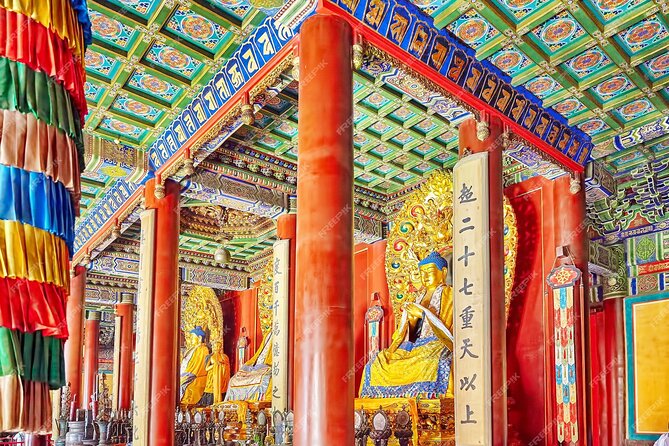
- The 18-meter Maitreya statue is the temple’s great interior surprise, carved from a single piece of sandalwood according to the information supplied for the experience.
- Incense is offered after entry, allowing you to take part in a simple prayer ritual rather than only looking at buildings.
- The optional guides receive strong praise, with Mina, Mike, Jack, and Kevin singled out for clear English and useful explanations.
- Your QR ticket should arrive about five days before the visit, so check your email and download it before heading out.
- This is a private activity for your group, not a large shared excursion, when you select the guided option.
- Weather closures have caused problems, including cancellations announced too late for some people, so keep your phone available on the day.
Why Yonghegong Matters in Beijing
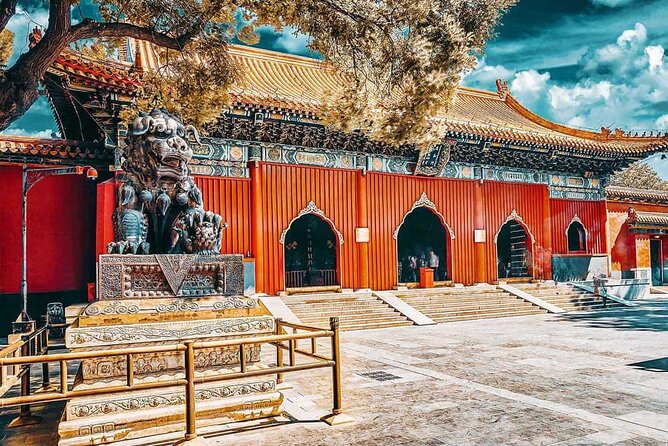
Yonghegong began as a royal palace before the Qianlong emperor converted it into a Tibetan Buddhist temple during the Qing Dynasty. That change gave the site a special role. It is tied to imperial Beijing, yet it also functions as a religious center where worship continues today.
The temple is known as the Palace of Peace and Harmony. It sits in northeastern Beijing and is regarded as one of the largest and most important Tibetan Buddhist temples in China. The appeal is not just scale. You get a place where museum-like treasures and present-day prayer share the same courtyards.
I find this mix more rewarding than a site that has been emptied of daily meaning. You may see people lighting incense, bowing, or standing quietly before an image. Keep your voice low and avoid treating the prayer area like a stage set. Photos may be possible in some places, but religious respect matters more than getting every picture.
The temple is also near the Confucius Temple and popular Chengxian Street. That makes it a useful part of a wider Beijing morning or afternoon, although the ticket experience itself covers Yonghegong only.
More Lama Temple visits:
- Temple Heaven, Lama Temple, Summer Palace & Peking Duck Bus Tour
★ 5.0 · 377 reviews - Temple Heaven, Summer Palace, Lama Temple, Hutong Bus Tour
★ 4.7 · 319 reviews - Temple of Heaven, Summer Palace, Lama Temple, Hutong Tours
★ 5.0 · 311 reviews
What the One-Day Admission Experience Includes
The basic choice is simple: entrance ticket only. There is no fixed sightseeing schedule beyond visiting Lama Temple, and the experience is listed as lasting one day, approximately. In practical terms, you choose your visit time according to the ticket and the temple’s operating arrangements.
The biggest benefit is advance access. Instead of arriving with no plan and trying to buy a ticket at the gate, you receive a prepaid admission credential. During peak periods, this could save time. One person found the queue moved quickly, while another noted that there was no line and the on-site price was lower. That tells you exactly how to judge the value: the ticket is most useful when demand is high or when you want one less task to handle in Beijing.
The process depends on receiving a usable QR code. Several successful visits report that the code arrived in time and worked at the entrance. Other people received what they understood to be a voucher rather than an actual scannable ticket, or could not download the file through the app. In those cases, they had to pay again or missed the visit.
You should check your email around five days before your chosen date. Download the QR code, save it on your phone, and keep the supplier’s contact number available. If the code does not appear, contact the operator before leaving for the temple. Do not wait until you are standing at the gate.
Entering the Temple and Finding the Incense
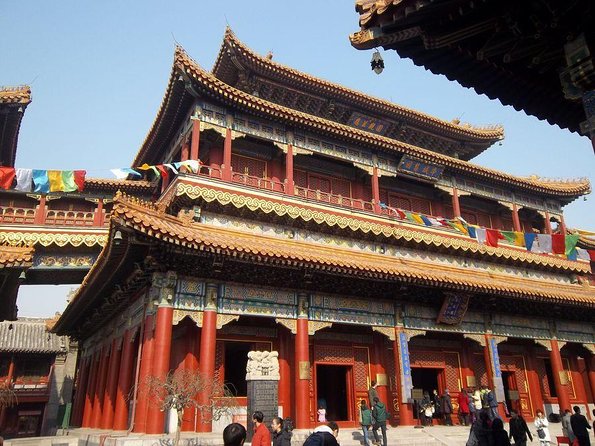
Once the ticket works, the visit is straightforward. The entrance leads you into a series of temple spaces, with halls and religious images arranged along the route. The experience is not simply one grand room. It unfolds through multiple buildings, each giving you another view of Tibetan Buddhist practice and Qing-era design.
A useful tip is easy to miss: incense sticks are offered after you pass the entry portals. Take them if you wish to join the ritual. The supplied accounts describe people carrying incense through the temple and using it during prayer. You do not need a guide to appreciate this moment, but a guide can explain what you are seeing and help you avoid rushing past it.
The atmosphere can change from hall to hall. Some areas may feel quiet and reflective, while others can be busy with worshippers and sightseeing groups. There is no suggestion of disorder, and one account describes the queue as orderly, with no pushing. Still, this is an active religious site, so your visit may not feel like a silent museum tour.
Give yourself time to notice smaller details. Look at the roofs, courtyards, statues, and the way visitors approach the altars. You will get more from the place if you pause instead of racing toward the largest statue.
The Main Halls and the 18-Meter Maitreya
The most memorable object is the large Maitreya Buddha statue in the final hall. It is described as 18 meters high and carved from sandalwood. That makes it the natural climax of the route, but it works best if you have paid attention to the earlier halls first.
The statue is not only a large object for photographs. It shows the scale of craftsmanship and devotion invested in the temple. The sandalwood detail gives it a particular character, and it is one of the treasures guides can explain well. Mina, in particular, received praise for describing the history and use of the buildings, along with details connected to the statue.
The route also gives you a chance to see different parts of the temple’s religious program. The exact order and amount of time you spend in each area can depend on the day, the crowds, and closing arrangements. One guided visit was shorter than expected because the temple closed early, so do not assume you will have unlimited time simply because the booking is labeled one day.
If the temple is a priority, plan it early enough to leave room for delays. That is especially sensible if you are adding the nearby Confucius Temple and Chengxian Street afterward.
A few more tours worth putting side by side
- From Beijing: Mutianyu Great Wall Tours with Options
★ 4.9 · 9,216 reviews - Beijing: Forbidden City Tour(Group/Private)-Tickets Included
★ 4.8 · 7,974 reviews - Beijing: T-Square & Forbidden City Group or Private Tour
★ 4.8 · 4,446 reviews - All-Inclusive Tour: Tiananmen Square, Forbidden City, Great Wall
★ 5.0 · 2,873 reviews
Is the Guided Option Worth the Extra Cost?
The guided upgrade changes the experience from a self-guided visit into a private tour for your group. The guide is described as English speaking, and the strongest comments focus on clear explanations of Tibetan Buddhism, the purpose of the buildings, and small details you might miss alone.
Mina was praised for explaining both the temple’s history and how its buildings are used. Mike was described as very well informed about Tibetan Buddhism and the temple. Jack received credit for strong English and thorough explanations, while Kevin was appreciated for being helpful and easy to understand.
That repeated praise matters. The temple contains many visual details, but without context you may see a beautiful sequence of halls without understanding why they matter. A guide can explain the religious function of the site, point out the major treasures, and help you recognize the difference between simply looking and observing a place of worship.
I would choose the guide if this is your first visit to a Buddhist temple, if you want cultural context, or if you have limited time in Beijing. I would skip it if you prefer to move slowly on your own and already know something about Tibetan Buddhism. The basic ticket gives you access to the same temple, so the upgrade is about interpretation, not a different route.
Because this is a private activity, you are not placed with a large mixed group. That can make questions easier and keep the pace closer to your interests. The supplied information does not give the exact guided-tour duration, so confirm the meeting and timing details before booking.
The QR Code Problem Deserves Serious Attention
This is the experience’s biggest weakness. Successful bookings describe a prompt ticket, working QR code, easy communication, and simple entry. But several poor ratings concern the same failure: no usable code at the gate.
Some people reported receiving a non-scannable voucher. Others said the code could not be downloaded through the app or was not sent by email after they asked. A few paid for a second ticket on site. One cancellation connected to bad weather was also communicated too late, with the customer learning about it only after reaching the temple.
The operator’s replies say that codes are sent by email five or six days before the date and that a phone number is supplied for help. The practical lesson is not to rely on a platform inbox alone. Search your email, check spam, download the attachment, and test that the code opens before your visit.
If you reach the entrance and the code fails, contact the operator immediately using the provided number. Keep proof of any replacement ticket if you must pay again. A refund request must be handled through the booking platform under its procedures, and the stated cancellation policy allows a full refund only when you cancel at least 24 hours before the start time.
Weather is another point to watch. The temple has closed during poor weather, including a reported two-day closure in April. Since announcements have not always reached people in time, check for updates before setting out.
Price, On-Site Tickets, and Real Value
At $7 per person, the ticket looks inexpensive by international sightseeing standards. Group discounts may make it more attractive for families or small parties. Yet the price needs context because one account places the on-site admission at 25 yuan, and another says buying locally was cheaper than the prepaid booking.
So why pay more? You may be buying convenience, advance preparation, and a chance to avoid a line during a busy period. The value improves if the temple is crowded, your schedule is tight, or you do not want to negotiate ticket arrangements after arrival.
The value weakens when the temple is quiet and on-site entry is easy. It also disappears if the QR code is not usable. The optional guide may justify a higher total price if you care about the religious and historical meaning of the buildings, but the supplied price of $7 appears to refer to the basic per-person ticket. Check the final amount for the guided choice before paying.
My advice is practical: compare the total prepaid price with the local 25-yuan figure, then decide how much your time is worth. If the difference is small and your date falls in a busy season, advance entry may be sensible. If you are watching every yuan and have flexibility, buying at the temple could be better, assuming tickets are available.
Who Should Choose This Temple Visit?
I would recommend the basic ticket to someone who wants a simple, independent visit and is comfortable managing a QR code. It also suits a group that wants to enter together without committing to a larger shared tour.
The guided option is better for anyone who wants clear English explanations. It is particularly useful if you want to understand Tibetan Buddhist practice, the role of each building, and why the sandalwood Maitreya matters.
This is less suitable for someone who needs a guaranteed, tightly timed visit with no room for ticket problems. The conflicting experiences with QR delivery and weather communication mean you should keep a little flexibility. If you have a train, flight, or fixed appointment immediately afterward, the risk is not ideal.
The site also suits people who prefer living religious places to polished attractions. You will see prayer and incense rituals alongside architecture and museum pieces. That combination gives the visit its character.
My Booking Advice for a Smooth Visit
Book at least several days ahead if you want the prepaid option, since the ticket is expected around five days before the date. Do not assume the first booking confirmation is the final entry code.
Use this checklist:
- Check email and spam folders five to six days before the visit.
- Download the QR code instead of relying on an app connection.
- Save the operator’s phone number.
- Confirm the code is visible on your phone before leaving.
- Keep the visit flexible in case weather affects opening.
- Carry evidence of any second ticket purchase if an entry problem occurs.
- Arrive with enough time to see the final hall and the large Maitreya statue.
- Take the offered incense if you want to join the ritual.
The cancellation terms are simple but strict. Cancel at least 24 hours before the start time for a full refund. Changes or cancellations inside that window are not accepted for a refund.
Should You Book the Beijing Lama Temple Ticket?
Yes, if you value advance planning or want a private English guide, and you are willing to check the QR code carefully before the day. The temple itself is worth your time, especially for the incense ritual, active worship, multiple halls, and remarkable sandalwood Maitreya statue.
I would not book automatically just because the ticket is cheap. First compare the price with the reported 25-yuan on-site entry and consider how busy your date may be. If you choose the prepaid route, treat ticket delivery as part of the task. Confirm the code early, keep the operator’s number handy, and leave room for weather or early closing.
The temple earns the visit. The ticket service earns your trust only when the code arrives and works.
FAQ
Where is the Lama Temple located?
Lama Temple, also called Yonghegong or the Palace of Peace and Harmony, is in northeastern Beijing, China.
What does the basic ticket include?
The basic option includes entrance to Lama Temple.
Is an English-speaking guide available?
Yes. An English-speaking guide is included when you select the related guided option.
Is this a private tour?
Yes. The activity is described as private, and only your group participates.
When should I receive the QR code?
The ticket is expected to be sent about five days before the travel date. The operator also states that codes are emailed five to six days before the visit.
What should I do if I cannot find the QR code?
Check your email and spam folder, download the ticket, and contact the operator using the supplied contact details if you still cannot access it.
Is public transportation available nearby?
Yes. The temple is listed as being near public transportation.
Can I cancel for a full refund?
Yes, if you cancel at least 24 hours before the experience start time. Cancellations made less than 24 hours in advance are not refunded.
Is the temple near other attractions?
Yes. Lama Temple is near the Confucius Temple and Chengxian Street.
Newest reviews from Beijing
- Beijing: Explore the Forbidden City in Hanfu★ 5.0 · 4 reviews
- Beijing Tai Chi and Tea Ceremony Experience★ 5.0 · 4 reviews
- Jinshangling Great Wall Of Beijing Tickets And Other Option★ 4.0 · 4 reviews
- Private Full-Day Great Wall of China Hiking Tour from Jiankou to Mutianyu★ 4.5 · 4 reviews
- Tour the Great Wall with a Native from Downtown Beijing★ 4.8 · 4 reviews
- Beijing: Badaling Great Wall Private Tour w Language Option★ 4.3 · 4 reviews
- Beijing:Summer Palace & Tea or Calligraphy Experience Tour★ 4.6 · 4 reviews
- 7 Days Private Tour of Beijing, Xian, Shanghai by Bullet Train★ 5.0 · 4 reviews
Lama Temple Tours, compared.
Temple Heaven, Lama Temple, Summer Palace & Peking Duck Bus Tour
Read our review →
Temple Heaven, Summer Palace, Lama Temple, Hutong Bus Tour
Read our review →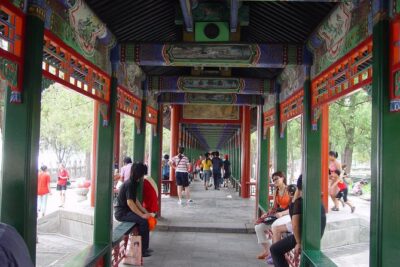
Temple of Heaven, Summer Palace, Lama Temple, Hutong Tours
Read our review →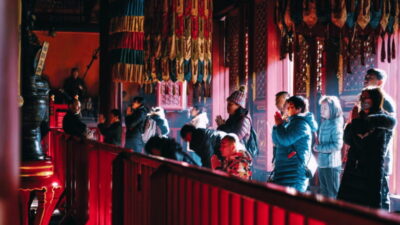
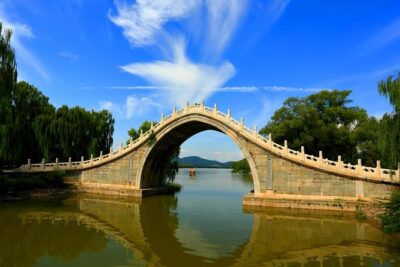
Beijing Historical Tour II including Summer Palace, Lama Temple & Panda Garden
Read our review →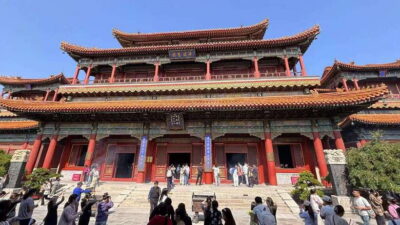
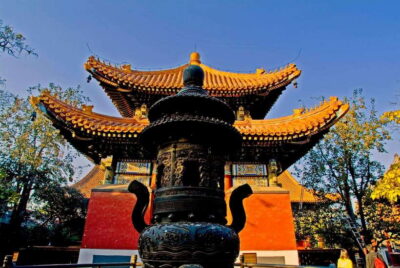
Beijing Lama temple ticket; #1 efficacious; limited Discount
Read our review →
Panda House, Temple of Heaven, Lama Temple, Summer Palace & Lunch
Read our review →Browse the lists this tour appears in