
Reviewed · WORKSHOPS
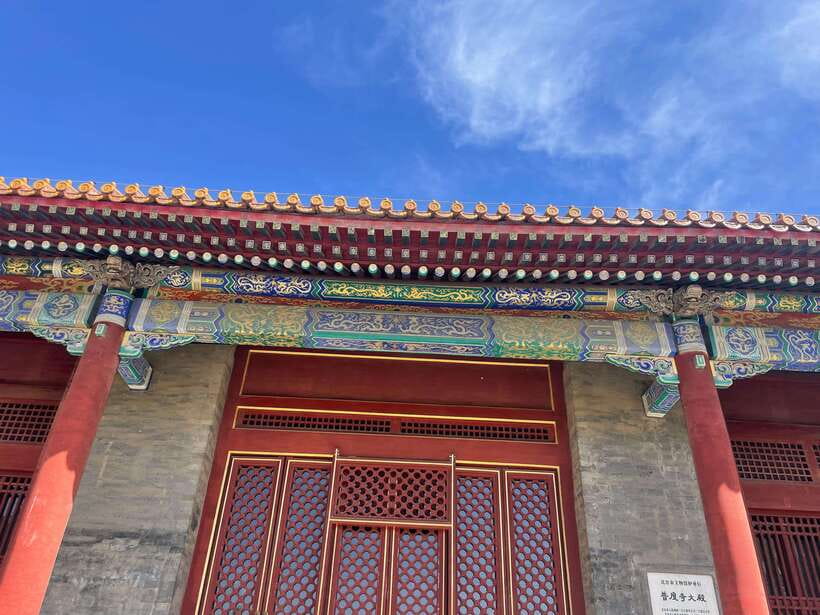
Chinese Kungfu class in old temple beside Forbidden Ci
Try kungfu where history surrounds you. This three-day-valid experience places a one-hour traditional kungfu class inside Pudusi, a nearly 700-year-old royal temple area beside the Forbidden City. I like the rare setting and the practical focus: you do not simply watch a performance, you learn basic movements, attack techniques, and self-defense. The English support from Limeng also helps you follow the master’s instructions.
The $45 price feels fair for a professional instructor, an English-speaking guide, and a class in such a special part of Beijing. My main caution is that the activity description says three days, but the kungfu lesson itself lasts about one hour. Treat the three days as the period in which the booking is valid, not as three full days of training.
In This Review
- Key Things to Know Before You Book
- Pudusi, a Royal Temple Among Beijing Hutongs
- What the One-Hour Class Actually Covers
- A Master, a Translator, and Clear Instruction
- The Pace, Group Size, and Physical Effort
- Adding a Tea Ceremony to the Morning
- Why the $45 Price Can Make Sense
- Who Will Enjoy This Most
- Practical Tips for a Better Lesson
- Should You Book This Kungfu Experience?
- FAQ
- Where does the kungfu class take place?
- How long does the kungfu lesson last?
- Is the activity three days long?
- What does the class teach?
- Is the instructor a professional kungfu master?
- Is English available during the activity?
- Who is Limeng?
- Can beginners join the class?
- Is a tea ceremony included?
- Are kungfu uniforms provided?
Key Things to Know Before You Book
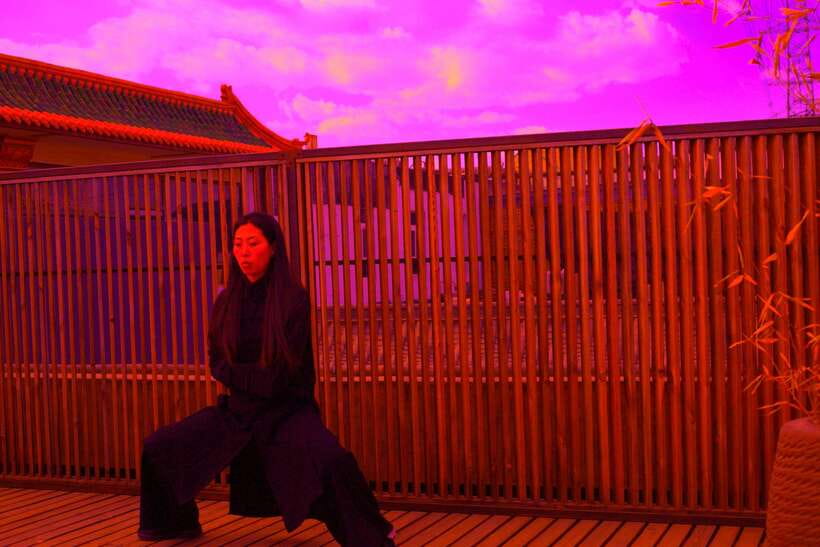
- Train beside the Forbidden City: The class takes place in Pudusi, a former royal temple area right beside the Forbidden City’s east gate.
- Learn practical movements: The instructor teaches basic Shaolin and other traditional kungfu forms, along with ways to use movements for self-defense.
- Expect English assistance: Limeng has translated for visitors during the lesson and helped explain the master’s instructions.
- Plan for a workout: Bring an extra T-shirt. One participant specifically warned that the class can leave you sweaty.
- Possible one-to-one attention: Some bookings have turned into individual classes, while others have been small groups of friends.
- Optional kungfu clothing: Traditional practice suits with an outer layer, inner layer, and pants are available to buy by contacting the provider about size and color.
Pudusi, a Royal Temple Among Beijing Hutongs
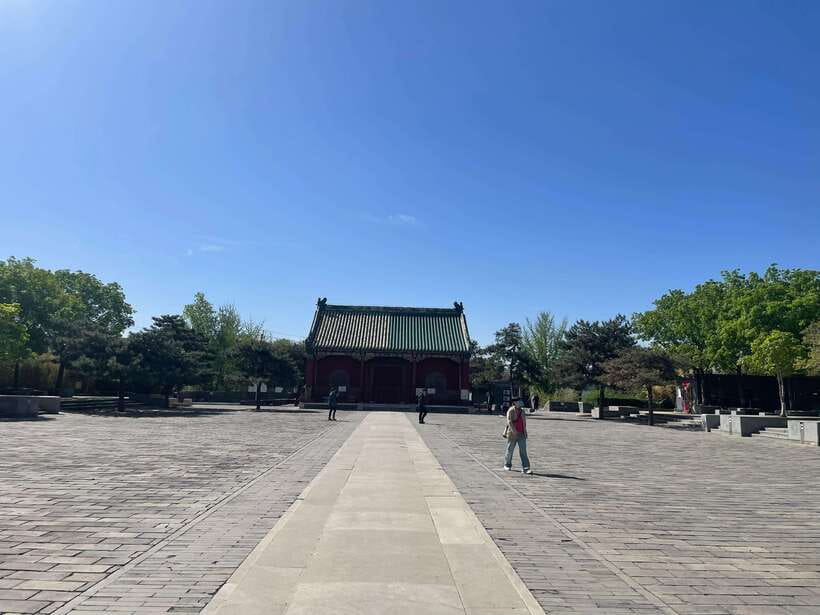
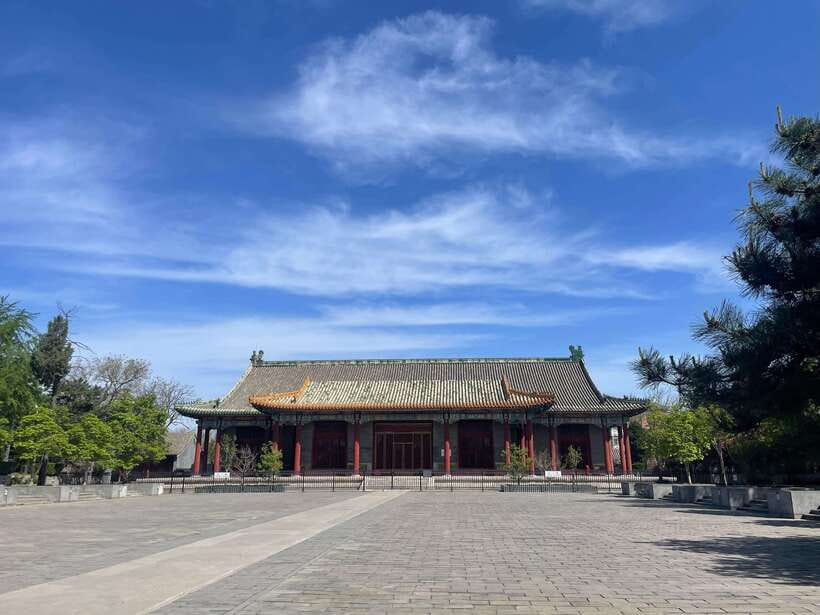
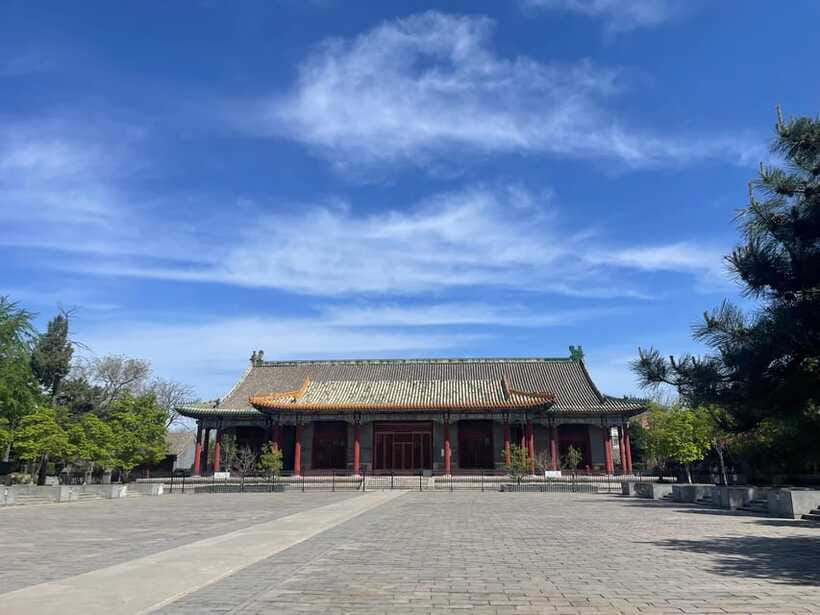
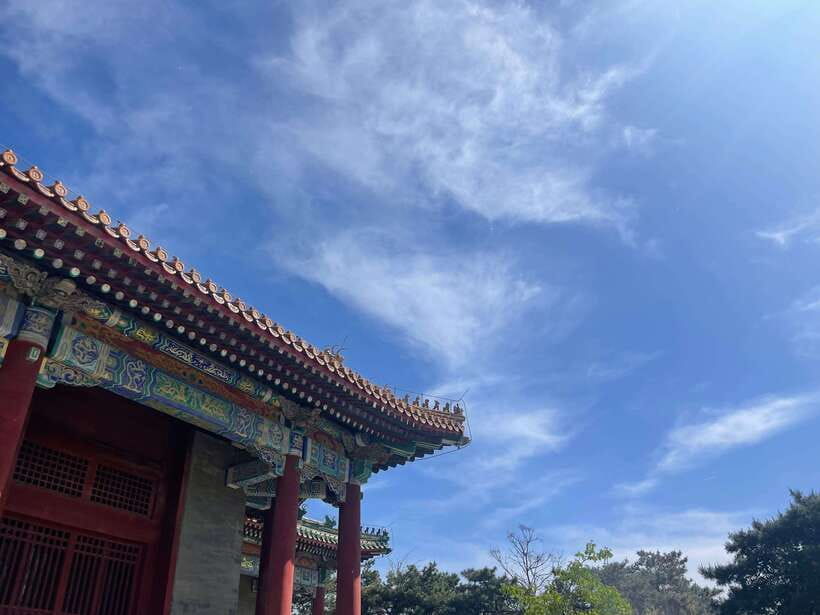
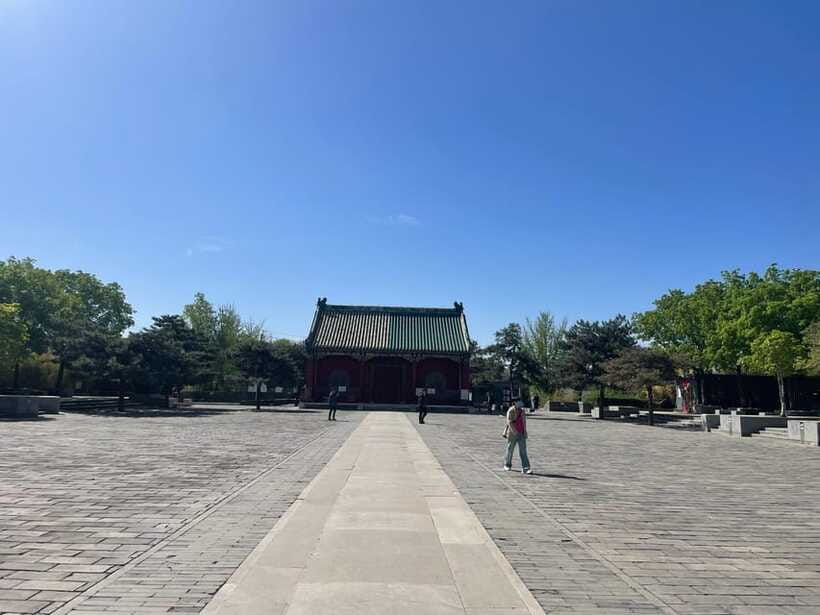
The setting is the first reason to choose this class. Pudusi sits in a hutong area with almost 700 years of history, directly beside the east gate of the Forbidden City. Rather than meeting in a modern fitness studio, you enter an older residential part of Beijing where temple grounds and hutong homes sit close together.
That location gives the lesson a strong sense of place. You are not studying an abstract martial art in a hotel basement. You are practicing in a part of the city tied to royal religious life and traditional neighborhood culture.
The setting is also useful for visitors who want more than a quick photograph outside the Forbidden City. The class connects a major imperial landmark with a quieter local area. You get a physical activity, a cultural introduction, and a look at an old Beijing neighborhood in a single stop.
Do not expect a museum tour of Pudusi. The supplied details focus on the kungfu session rather than a formal explanation of every building or historical feature. If you want extensive architectural interpretation, this is not the right substitute for a dedicated temple or Forbidden City tour.
More workshops and classes in Beijing:
- Beijing Calligraphy Class
★ 4.9 · 112 reviews - Chinese Calligraphy Class for Small Group
★ 5.0 · 104 reviews - Beijing: Dumpling Making Workshop with Meal and Tea
★ 4.7 · 69 reviews
What the One-Hour Class Actually Covers
The lesson begins with an introduction to traditional Chinese kungfu and its main principles. The master then demonstrates basic training exercises and traditional forms before guiding you through the movements.
The class is designed for beginners. You do not need previous martial arts experience, and first-time students have been taught the basics in less than an hour. The instructor corrects movements and shows you how the techniques should work rather than asking you to copy a fast performance from a distance.
The teacher trained in Shaolin from the age of five and has studied several traditional Chinese styles. That background matters because the class is not limited to one choreographed routine. You are introduced to Shaolin kungfu and other forms, with an emphasis on the purpose behind the movement.
The most useful part for many visitors is the practical section. The master demonstrates how certain movements can be used for defense and attack in everyday situations. One lesson included specific self-defense techniques for a female participant, which made the class feel more relevant than a purely ceremonial demonstration.
Keep your expectations sensible. This is an introduction, not a path to mastery in one hour. You will learn a few fundamentals and practice them under instruction. The value lies in receiving direct guidance from a trained practitioner and understanding how traditional movements relate to practical self-defense.
A Master, a Translator, and Clear Instruction
English support is one of the strongest features of this experience. The master teaches the physical skills, while an English-speaking host or translator helps explain what he is saying. Limeng has been praised for translating clearly, answering questions, and helping visitors understand the principles behind each movement.
That arrangement works better than relying on gestures alone. Martial arts instruction depends on small details: the position of your feet, the direction of your hands, your balance, and the timing of a defensive movement. A translator can make those points easier to follow.
Limeng has also helped adapt the activity to different needs. Starting times have been adjusted to fit schedules, and children have been accommodated. That does not guarantee a private or customized class every time, but it suggests some flexibility in how the experience is handled.
The master’s teaching style appears patient and corrective rather than showy. Students have received direct corrections and personal guidance, including one-to-one instruction when attendance allowed it. If you have a particular interest in kungfu, such as forms or self-defense, explain that at the start.
The Pace, Group Size, and Physical Effort
The class lasts about one hour, though one account describes a lesson of about 45 minutes. The difference may reflect the pace of the group, the amount of explanation, or the way the session was scheduled. Plan on roughly an hour of active instruction.
Group size can vary. Some people have received one-to-one attention, while a group of three friends practiced together. Since the class may be private or shared depending on the booking, you should not assume that you will have the master alone.
The lesson is suitable for beginners, but it is still physical. You will practice stances, movements, and defensive actions, so comfortable clothing is sensible. An extra shirt is a good idea, especially in warm weather or if you plan to continue sightseeing afterward.
The optional traditional kungfu suit adds a fun cultural touch. It includes an outer suit, an inner suit, and pants, and you can ask about available sizes and colors before buying. The suit is not included in the $45 activity price, so confirm the cost directly if you want one.
A few more tours worth putting side by side
- From Beijing: Mutianyu Great Wall Tours with Options
★ 4.9 · 9,216 reviews - Beijing: Forbidden City Tour(Group/Private)-Tickets Included
★ 4.8 · 7,974 reviews - Beijing: T-Square & Forbidden City Group or Private Tour
★ 4.8 · 4,446 reviews - All-Inclusive Tour: Tiananmen Square, Forbidden City, Great Wall
★ 5.0 · 2,873 reviews
Adding a Tea Ceremony to the Morning
The kungfu class is the main experience, but a tea ceremony may also be available as part of the booking. One arrangement began in a small hutong house, where Limeng explained the ceremony and introduced two types of Chinese tea.
That portion lasted about an hour and included a small snack. It offers a slower counterpoint to the martial arts practice, giving you time to ask questions and talk about different cultures before heading to the temple and meeting the master.
The tea ceremony is not listed among the core inclusions, which are the kungfu master, Shaolin and other traditional styles, and practical technique. If tea interests you, confirm that it is included in your selected arrangement rather than assuming every booking has it.
For visitors with limited time, the tea addition may make the morning feel fuller. If your main goal is martial arts, the one-hour kungfu class is the essential part.
Why the $45 Price Can Make Sense
At $45 per person, this is not the cheapest way to spend an hour in Beijing. You are paying more than you would for a casual park workout or a self-guided hutong walk.
The value comes from the combination of elements. You receive instruction from a professional kungfu master, English translation, practical demonstrations, and access to a culturally significant setting beside the Forbidden City. A private lesson, when available, makes the price stronger because you can receive corrections suited to your ability.
The location also saves time. If you already plan to visit the Forbidden City, Pudusi is close to its east gate. The class can add a meaningful activity to a sightseeing day without requiring a long trip across Beijing.
I would choose this for a first experience with Chinese martial arts, not for serious technical training. An experienced martial artist may find the lesson too short, but the master’s background and willingness to work with individual interests can still make it worthwhile.
The overall rating is 4.8 from 53 reviews, and the strongest praise centers on the instructor, the translator, the location, and the chance to practice rather than watch. Those are the parts that justify the price.
Who Will Enjoy This Most
This is a good choice for first-time kungfu students who want an introduction with cultural context. You can learn the basic movements without committing to a longer training course.
It also suits couples, friends, and families. A group of three friends enjoyed practicing together, and children have been accommodated. Because the class can sometimes be one-to-one, solo visitors may also receive plenty of attention.
The experience is especially useful if you want a memorable activity near the Forbidden City. You get a story to take home that goes beyond photographs: you trained in a historic temple area, learned a few movements, and met a Shaolin-trained instructor.
It may not suit you if you want a full-day martial arts workshop, advanced sparring, or a detailed historical lecture about the temple. The available information promises a one-hour introduction, not intensive fighter training.
Practical Tips for a Better Lesson
Wear clothing that lets you move freely. You do not need to arrive in a kungfu uniform, and buying one is optional.
Bring an extra T-shirt. The exercises can be active enough to make you sweat, and the class may be followed by more sightseeing.
Arrive with a little flexibility in your schedule. Starting times have been adjusted for some bookings, and the provider allows cancellation up to 24 hours before the activity for a full refund. You can also reserve and pay later, which helps if your Beijing plans are still changing.
The activity is valid for three days, but the class itself is not three days long. Check the available starting times and treat the booking window as scheduling information.
If you want the tea ceremony, ask about it when booking. It may be offered with the kungfu experience, but it is not part of the listed core inclusions.
If you are interested in a particular style or self-defense situation, tell Limeng at the beginning. The lesson has been adapted to personal interests before, and clear communication may help you get more from the hour.
Should You Book This Kungfu Experience?
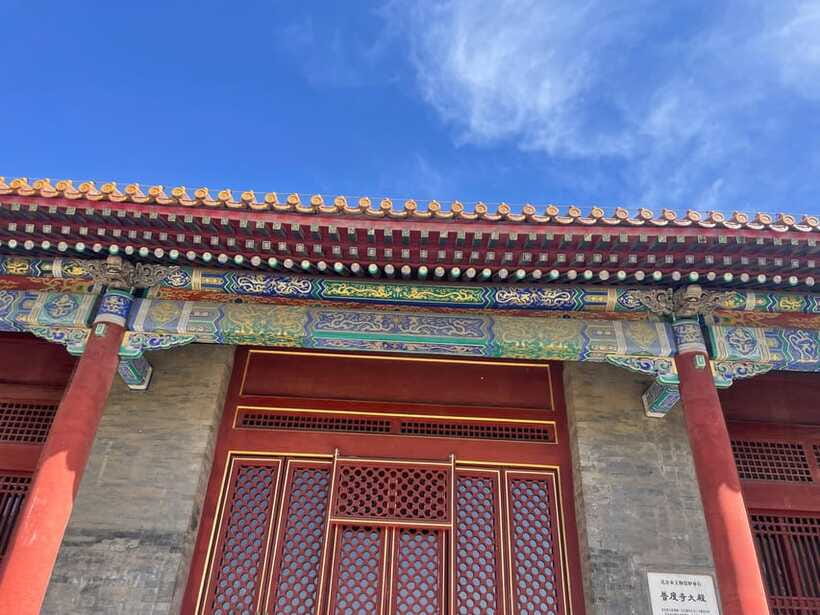
Book it if you want a hands-on cultural activity in a remarkable Beijing setting. The combination of Pudusi, the hutong surroundings, a Shaolin-trained master, and English translation gives the class more substance than a staged martial arts show.
The best reason to go is the practical instruction. You will not become a kungfu expert in one hour, but you can learn basic movements, see how they work, and leave with a better sense of the discipline behind Chinese martial arts.
The main limitation is the short session and uncertain group size. If you need advanced training or guaranteed private instruction, ask for details before paying. For most visitors, though, $45 is a reasonable price for a personal, active introduction beside one of Beijing’s greatest historic sights.
FAQ
Where does the kungfu class take place?
The class takes place in Pudusi, a nearly 700-year-old royal temple area in a Beijing hutong directly beside the east gate of the Forbidden City.
How long does the kungfu lesson last?
The lesson lasts about one hour. One description of a session gives a length of about 45 minutes, so the exact teaching time may vary slightly.
Is the activity three days long?
The activity is listed as valid for three days. The kungfu class itself is about one hour, so three days refers to the booking validity rather than three full days of lessons.
What does the class teach?
You learn basic traditional Chinese kungfu training, including Shaolin and other traditional forms. The master also demonstrates practical uses of kungfu movements for attack and self-defense.
Is the instructor a professional kungfu master?
Yes. The instructor is described as a professional master who trained in Shaolin from the age of five and has studied several traditional kungfu styles.
Is English available during the activity?
Yes. The host or greeter language is English, and an English-speaking guide or translator helps explain the master’s instruction.
Who is Limeng?
Limeng is the English-speaking guide who has translated the master’s teaching, explained cultural details, answered questions, and helped accommodate visitor schedules.
Can beginners join the class?
Yes. The class introduces basic kungfu and has been used as an initiation for people with no previous martial arts experience.
Is a tea ceremony included?
A tea ceremony may be available as an addition, but it is not listed among the core inclusions. Ask about it when selecting or arranging the activity.
Are kungfu uniforms provided?
Traditional practice suits are available to buy, including an outer suit, inner suit, and pants. You need to contact the provider about sizes and colors, and the clothing is not listed as included in the activity price.
Newest reviews from Beijing
- Beijing: Explore the Forbidden City in Hanfu★ 5.0 · 4 reviews
- Beijing Tai Chi and Tea Ceremony Experience★ 5.0 · 4 reviews
- Jinshangling Great Wall Of Beijing Tickets And Other Option★ 4.0 · 4 reviews
- Tour the Great Wall with a Native from Downtown Beijing★ 4.8 · 4 reviews
- Private Full-Day Great Wall of China Hiking Tour from Jiankou to Mutianyu★ 4.5 · 4 reviews
- Beijing: Badaling Great Wall Private Tour w Language Option★ 4.3 · 4 reviews
- Beijing:Summer Palace & Tea or Calligraphy Experience Tour★ 4.6 · 4 reviews
- 7 Days Private Tour of Beijing, Xian, Shanghai by Bullet Train★ 5.0 · 4 reviews
Workshops, compared.

Half-Day Chengdu Cooking Class with a Local Market Visit
Read our review →
Organic Chinese Dumpling Class with Market Walk
Read our review →

Online Cooking Class Beijing Dumplings and Cuisine by Sunflowerli Renowned Chef
Read our review →
Organic Xiao Long Bao Soup Dumpling Class & Market Walk
Read our review →
Beijing Wangfujing Calligraphy Class by Forbidden City
Read our review →Browse the lists this tour appears in