
Reviewed · CALLIGRAPHY CLASSES
Beijing Calligraphy Class
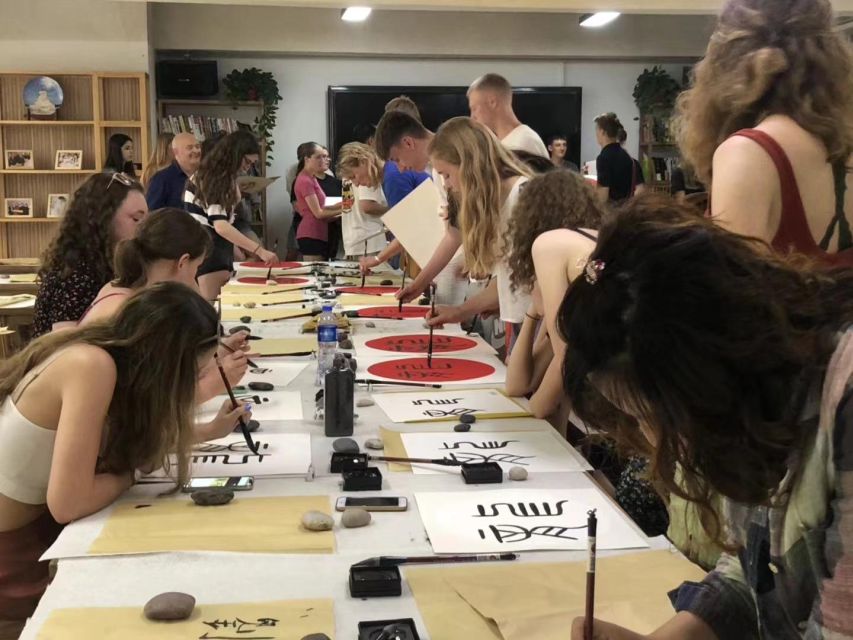
Slow down with a brush. This central Beijing calligraphy class offers a calm way to meet Chinese culture, learn the meaning behind characters, and practice an art built on patience and control. I like the friendly English-speaking instruction, especially the patient guidance associated with Richard and David, and I like that you create something personal rather than simply watch a demonstration.
The second attraction is the setting and pace. Tea, quiet practice, and repeated brush strokes make this a pleasant break from sightseeing. The main consideration is time: the 30-minute option gives you a taste, but you will get far more from the one-hour class, particularly if you want to finish a polished piece.
In This Review
- Key points at a glance
- Why this Beijing class is worth your time
- Meeting at Sun World Dynasty Hotel
- The first strokes: brush, ink, and posture
- Four calligraphy styles, four different moods
- From practice sheet to personal artwork
- The calmest hour in your Beijing schedule
- How the teachers shape the experience
- Choosing 30 minutes or one hour
- Who will enjoy this most
- Practical value, limits, and booking advice
- Should you book the Beijing Calligraphy Class?
- FAQ
- Where does the Beijing Calligraphy Class meet?
- How do I reach the meeting point by subway?
- How long does the class last?
- How much does the class cost?
- Is the instructor able to teach in English?
- Are calligraphy supplies included?
- Are transportation costs included?
- Is the class suitable for children?
- Can I cancel for a full refund?
Key points at a glance
- Central Wangfujing meeting point: Meet your teacher in the Sun World Dynasty Hotel lobby, close to downtown sights and subway Line 5.
- A true beginner activity: You learn how to hold the brush, prepare your hand, and build characters from basic strokes.
- Culture behind every character: The class explains calligraphy styles, character meanings, balance, rhythm, and harmony.
- Richard and David receive especially warm praise: Their patience, kindness, and clear teaching are repeated themes in the feedback.
- Peaceful and family-friendly: Adults and children can take part, with one 11-year-old visitor calling the activity awesome.
- A useful Beijing souvenir: You may finish a wall decoration or painting, giving you something more personal than a shop-bought trinket.
Why this Beijing class is worth your time
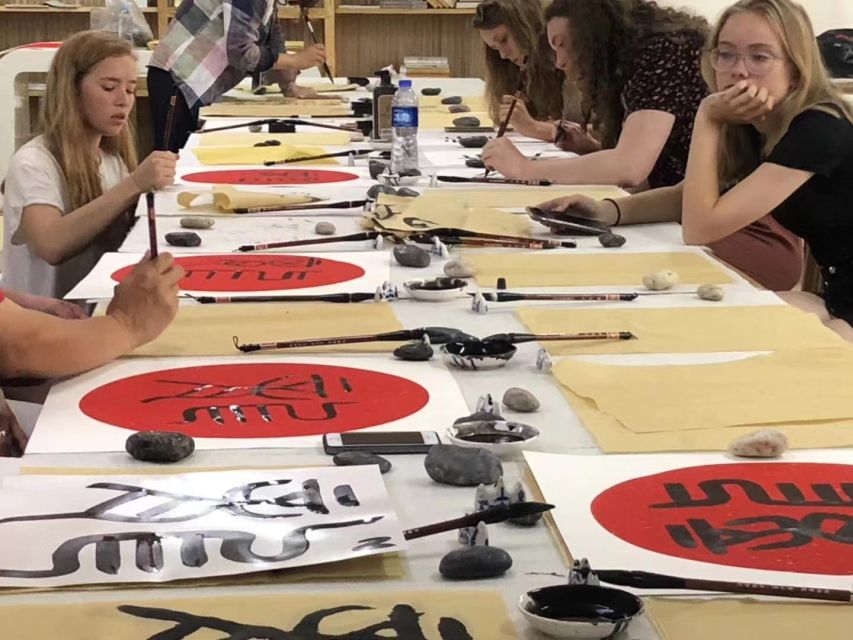
Beijing offers grand palaces, busy streets, and enough historic sites to fill several days. A calligraphy lesson gives you a different kind of cultural encounter. Instead of only looking at Chinese art, you work with the same basic tools: brush, ink, ink stone, and rice paper.
I like activities that ask you to do something rather than simply take photographs. Here, your first attempts may look uneven, and that is part of the point. Calligraphy is not just handwriting in another language. It depends on pressure, speed, spacing, and the order of each stroke.
The lesson also gives you a small window into Chinese thought. The teacher explains why certain characters carry particular meanings and how ideas such as balance, harmony, focus, and patience appear in the practice. The activity is short, but it can make characters on signs, menus, and temple walls feel less mysterious afterward.
At $20 per person, the class is fairly priced for a guided cultural activity in central Beijing. The fee includes the teacher and supplies used during the lesson. You are not paying for a long sightseeing program, but you are paying for direct instruction, cultural context, and the chance to produce a keepsake.
More Calligraphy Classes in Beijing
- Chinese Calligraphy Class for Small Group
★ 5.0 · 104 reviews - Beijing Historic City Guided Walking Tour + Calligraphy Creation
★ 5.0 · 59 reviews - Beijing Wangfujing Calligraphy Class by Forbidden City
★ 5.0 · 58 reviews
Meeting at Sun World Dynasty Hotel
Your meeting point is the lobby of the Sun World Dynasty Hotel at No. 50 Wangfujing Avenue, in Dongcheng District. The Chinese address is 北京天伦王朝酒店大厅地址:北京市东城区王府井大街50号.
This is a practical location if you are staying around Wangfujing. You can walk to the hotel from the area, and the central position makes it easier to fit the class between other Beijing plans. If you are coming by subway, use Line 5 and get off at Deng Shi Kou Station, Exit A.
From Exit A, walk left for about two minutes, roughly 180 meters. At the first traffic light, turn left and continue west for about five minutes, roughly 480 meters. The full walk takes about eight minutes.
You are responsible for your own taxi or subway fare. The teacher waits in the hotel lobby, so make sure you allow enough time to find the correct exit and reach the meeting point. If you are unsure, showing the Chinese hotel name and address to a taxi driver or using the Chinese text in your phone should help.
The first strokes: brush, ink, and posture
The class normally begins with an introduction to Chinese calligraphy and its place in Chinese culture. You then learn about the equipment, including the brush, ink, ink stone, and rice paper.
For a beginner, handling the brush is often the first surprise. It is not held exactly like a ballpoint pen, and small changes in angle or pressure alter the stroke. The teacher demonstrates the basic movements and gives you exercises to prepare your hand.
One particularly useful part of the lesson is learning to build a character from simple marks. You do not begin with a complicated composition. You work from basic strokes toward more complete forms, which gives you a better sense of how the finished character is constructed.
The class also covers balance and spacing. A character can contain the correct strokes and still look awkward if one side feels too heavy or the elements are crowded. This is where a short lesson can teach you something meaningful about the art, even if you are not ready to write independently.
Four calligraphy styles, four different moods
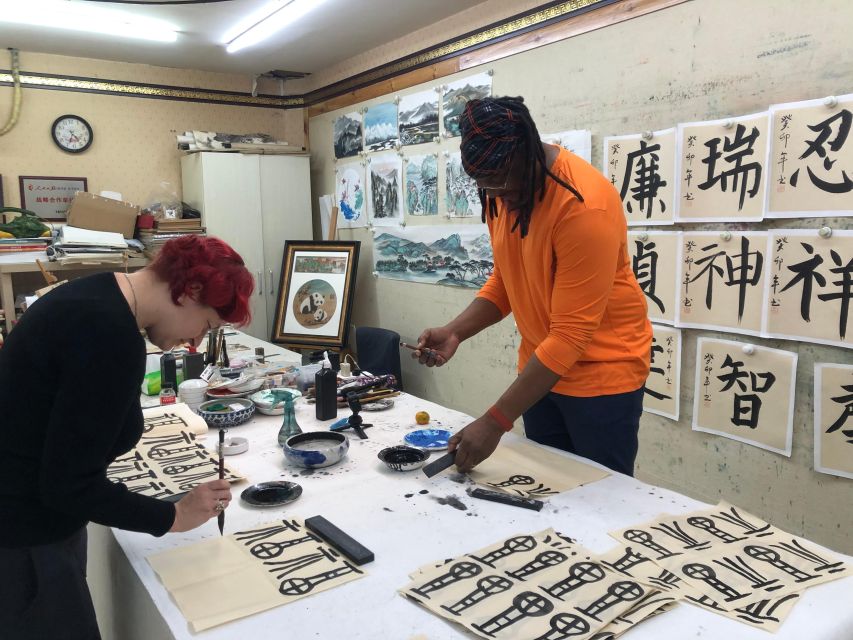
The lesson introduces several major styles of calligraphy:
- Regular script
- Running script
- Cursive script
- The listed seat script style
Regular script is the clearest place for a beginner to start. Its characters are structured and easier to study stroke by stroke. Running script has a looser flow, while cursive script is faster and more expressive, with forms that can be difficult for an untrained eye to read.
The class does not turn you into a professional calligrapher in half an hour. That is not a realistic expectation. What it can do is show you why Chinese calligraphy has so many styles and why the same written language can look formal, flowing, or highly personal.
I find this introduction useful because it keeps the activity from becoming a simple craft session. You are not merely copying attractive symbols. You are learning that line, movement, and form carry artistic character.
A completely different kind of day out on the same trip:
- From Beijing: Mutianyu Great Wall Tours with Options
★ 4.9 · 9,216 reviews - Beijing: Forbidden City Tour(Group/Private)-Tickets Included
★ 4.8 · 7,974 reviews - Beijing: T-Square & Forbidden City Group or Private Tour
★ 4.8 · 4,446 reviews - All-Inclusive Tour: Tiananmen Square, Forbidden City, Great Wall
★ 5.0 · 2,873 reviews
From practice sheet to personal artwork
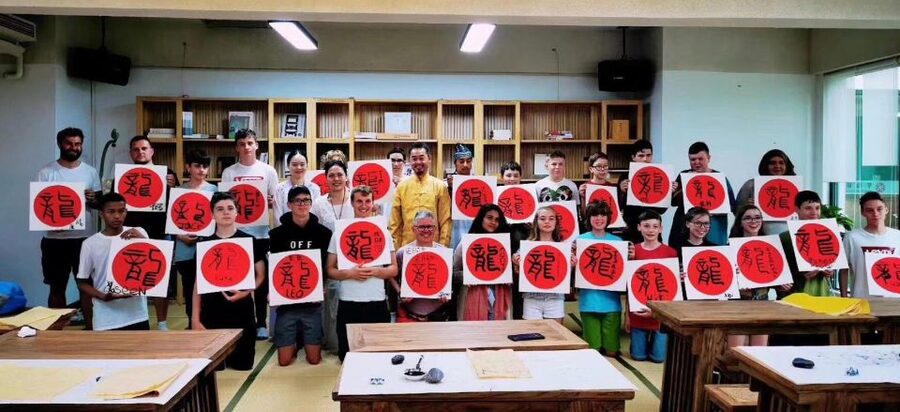
After the basic exercises, you move toward more complex characters or a short composition. The teacher helps you make corrections, adjust your strokes, and prepare a final piece.
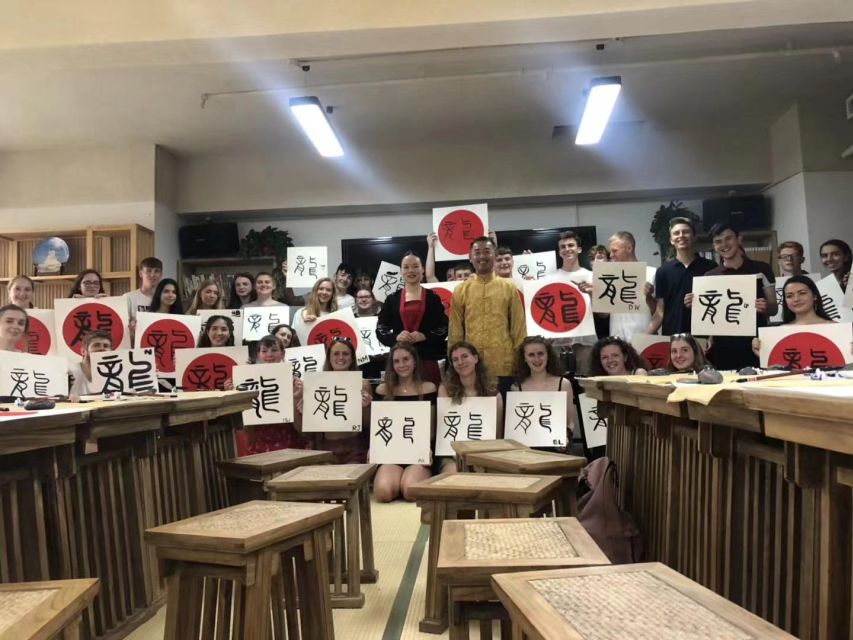
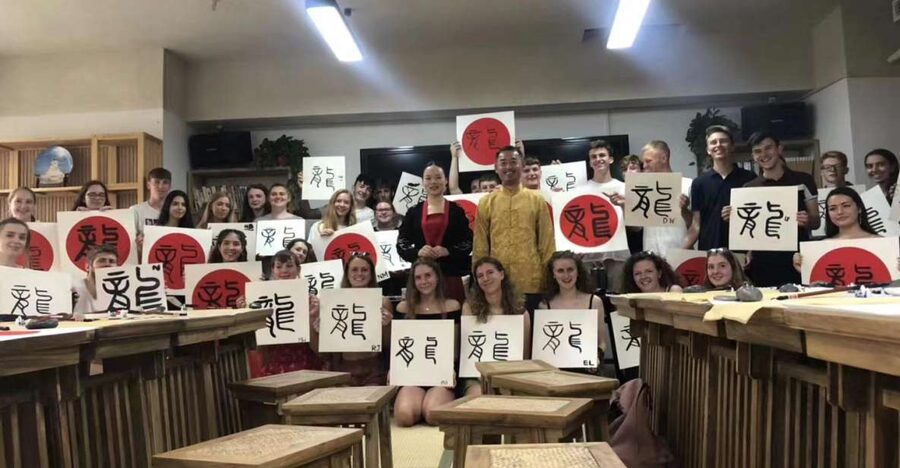
The choice of character matters. One class created a wall decoration using fu, a character connected with good fortune. Another lesson included the saying One World One Heart. These examples show how the finished work can carry an idea, not just a decorative shape.
You may also learn the cultural meaning behind the character you write. That small explanation changes the souvenir. Instead of bringing home an attractive piece of paper with an unfamiliar symbol, you take home something you can explain to friends and family.
The quality of your final work will depend on the time available and your own patience. In 30 minutes, you may focus on basic technique and complete a simpler piece. In one hour, you have more room for practice, corrections, and a finished decoration.
Some participants received paintings and pencils to take home, while other feedback specifically describes bringing home a wall decoration. Since the exact take-home items can vary, ask at booking if the souvenir matters to you.
The calmest hour in your Beijing schedule
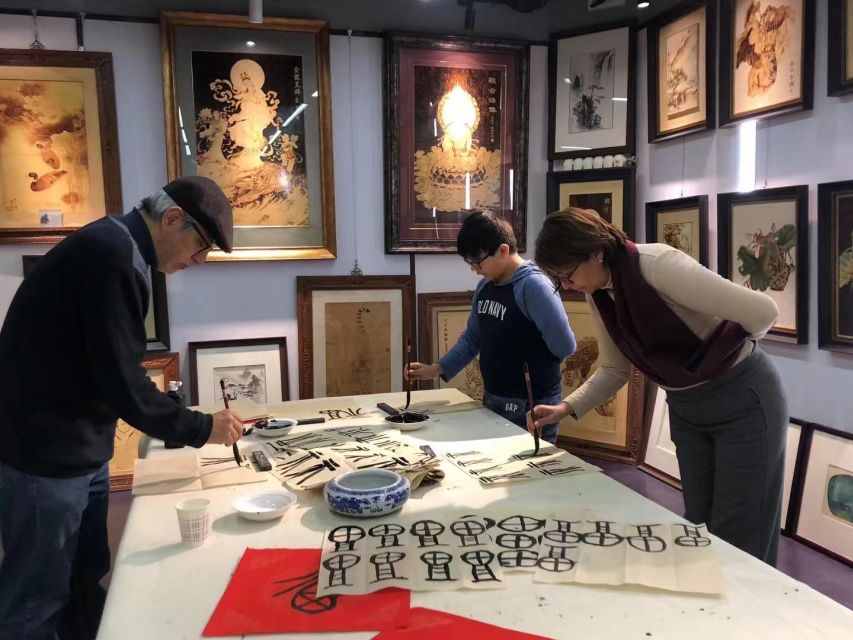
The strongest feature of this class is its mood. Repeating the same brush strokes requires attention, and that attention can quiet your mind. Several people described the activity as peaceful, mindful, meditative, or an escape from a fast daily routine.
I would not book it expecting a formal meditation session. It is still an art lesson, and you will be learning technique. But the slow rhythm of the brush and the need to concentrate create a tranquil atmosphere.
Tea and small snacks have also been part of some sessions. These touches are not listed as a guaranteed inclusion, so I would treat them as possible extras rather than part of the price. Still, they fit the tone of the experience and make the class feel more personal.
This quiet pace is especially welcome after a morning at the Forbidden City or a long walk through central Beijing. It also gives children something hands-on to do. An 11-year-old participant found the activity exciting, and another class was specifically praised as suitable for kids.
How the teachers shape the experience
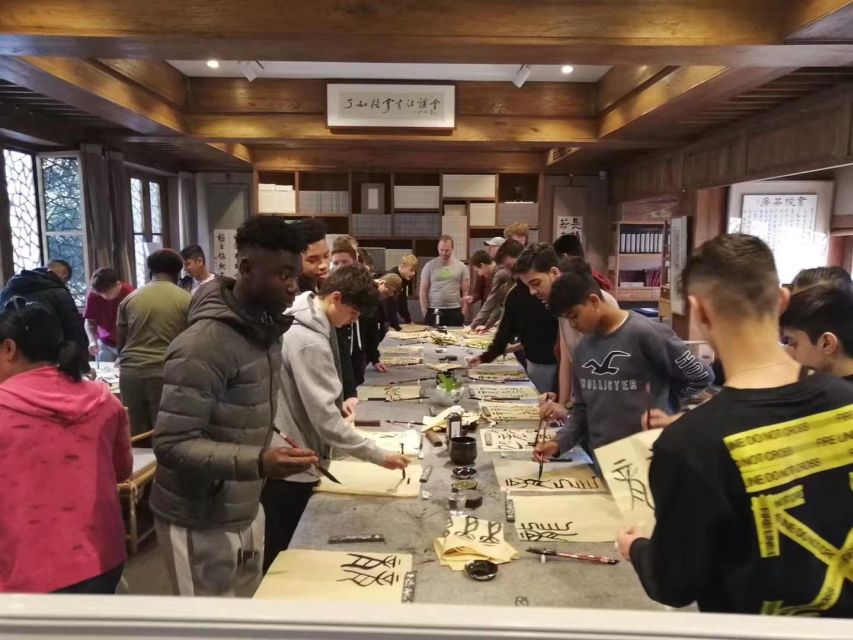
The instructor speaks English, which is important when the lesson includes both technique and cultural explanation. The teacher welcomes you at the hotel lobby and guides you to the classroom or activity space.
Richard is praised repeatedly for patience, warmth, flexibility, and clear explanations. Several people describe him as an excellent teacher, and one family appreciated the way he helped each person improve before producing a final piece. David is also praised for walking students through the process with care and for explaining the history of calligraphy.
The teacher’s attitude matters here. A beginner can feel self-conscious when the first character looks clumsy. Patient correction makes the activity enjoyable instead of intimidating. The instructor’s job is not just to show you the right stroke, but to help you understand why your version needs adjustment.
Timing can be flexible in some situations, but you should not assume an open-ended appointment. Choose either the 30-minute or one-hour option when booking, and contact the provider if your schedule is tight.
Choosing 30 minutes or one hour
The two duration choices suit different plans.
Choose 30 minutes if:
- You want a quick cultural activity between sightseeing stops.
- You are traveling with young children who may prefer a shorter session.
- You mainly want to try the tools and write a simple character.
- You have a tight Beijing schedule.
Choose one hour if:
- You want time to practice before making a final piece.
- You care about learning the principles rather than simply taking part.
- You are traveling with family or friends and want a more relaxed pace.
- You hope to ask questions about calligraphy styles and character meanings.
The one-hour session is the better value for most adults. The extra time lets the teacher correct your work and gives you a chance to settle into the technique. The shorter version still makes sense if you are testing the activity or planning a packed day.
Who will enjoy this most
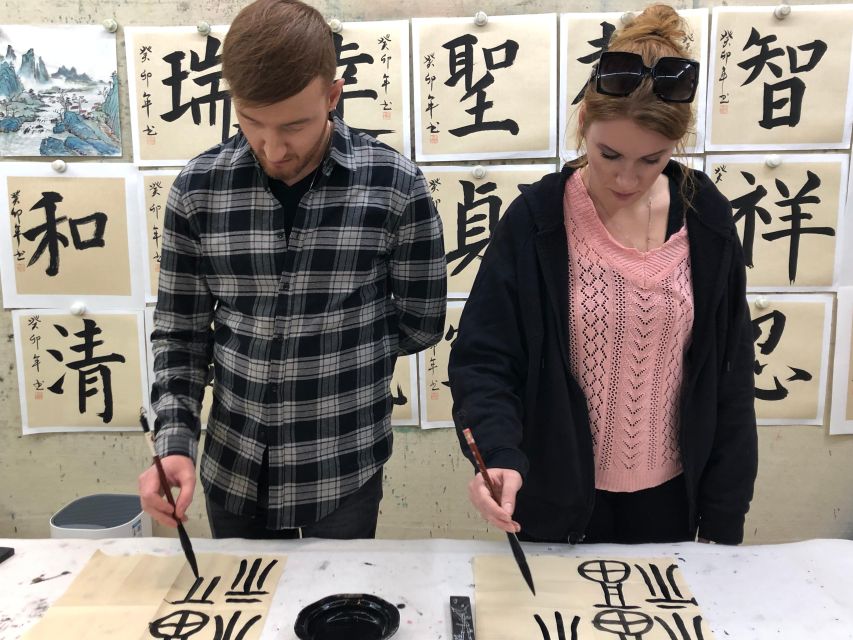
This class suits first-time visitors to China who want an introduction to culture that feels personal. You do not need prior artistic ability or Chinese-language skills. The teacher provides the instruction in English and starts with basic movements.
Families should consider it seriously. The activity is creative without requiring athletic ability, and children can leave with something they made. The repeated strokes may also help energetic children focus for a while, though the 30-minute option may be safer for very young participants.
Couples and solo visitors will find the quiet setting appealing. It also works well for anyone who wants a break from crowded attractions. If you prefer fast-moving tours, large groups, or a long list of sights, this may feel too slow.
Art students may appreciate the introduction to tools and styles, but the class is aimed at beginners. You should see it as a first meeting with Chinese calligraphy, not a serious technical course.
Practical value, limits, and booking advice
The $20 price includes an excellent art teacher, calligraphy supplies, and your selected class length. That makes it good value for an activity that combines instruction with a physical souvenir.
Your extra costs are transportation, personal shopping, and anything not listed as included. The central meeting point helps keep transport simple, especially if you are already staying near Wangfujing.
Free cancellation is available up to 24 hours before the activity for a full refund. You can also reserve now and pay later, which helps if your Beijing schedule is still changing. Starting times depend on availability, so check the available options before building the class into a tightly timed day.
The main limitation is the short duration. You will learn the basic ideas, but calligraphy takes sustained practice. Also, the class is held in English, so it may not suit you if you need instruction in another language.
Should you book the Beijing Calligraphy Class?
I would book this if you want a low-cost, hands-on cultural activity in central Beijing. The best reasons are the calm setting, patient teachers, cultural meaning behind the characters, and the chance to take home your own work.
Choose the one-hour option if you can. It offers enough time to practice, receive corrections, and produce something you feel proud of. Choose 30 minutes only when your schedule is tight or you are traveling with children who may lose interest.
This is not a replacement for Beijing’s major historic sights, and it will not make you an expert calligrapher. It does something more modest and useful: it helps you slow down, understand a familiar part of Chinese culture, and leave with a souvenir made by your own hand.
FAQ
Where does the Beijing Calligraphy Class meet?
The meeting point is the lobby of the Sun World Dynasty Hotel at No. 50 Wangfujing Avenue, Dongcheng District, Beijing.
How do I reach the meeting point by subway?
Take Subway Line 5 and get off at Deng Shi Kou Station, Exit A. Walk left for about two minutes, turn left at the first traffic light, and continue west for about five minutes. The total walk is about eight minutes.
How long does the class last?
You can choose a 30-minute class or a one-hour class when booking.
How much does the class cost?
The listed price is $20 per person.
Is the instructor able to teach in English?
Yes. The instructor language is English.
Are calligraphy supplies included?
Yes. Supplies used during the class are included.
Are transportation costs included?
No. Taxi and subway fares are not included, and you also pay for personal shopping or other expenses not listed as included.
Is the class suitable for children?
Yes. The activity is described as suitable for adults and kids, and the class has been praised as a good option for children.
Can I cancel for a full refund?
Yes. You can cancel up to 24 hours in advance for a full refund.
More Workshops and Classes in Beijing
- Beijing: Dumpling Making Workshop with Meal and Tea
★ 4.7 · 69 reviews - Online Cooking Class Beijing Dumplings and Cuisine by Sunflowerli Renowned Chef
★ 5.0 · 65 reviews - Beijing Wangfujing Calligraphy Class Nearby Forbidden City
★ 5.0 · 56 reviews - Chinese Kungfu class in old temple beside Forbidden Ci
★ 4.8 · 53 reviews
Newest reviews from Beijing
- Beijing: Explore the Forbidden City in Hanfu★ 5.0 · 4 reviews
- Beijing Tai Chi and Tea Ceremony Experience★ 5.0 · 4 reviews
- Jinshangling Great Wall Of Beijing Tickets And Other Option★ 4.0 · 4 reviews
- Private Full-Day Great Wall of China Hiking Tour from Jiankou to Mutianyu★ 4.5 · 4 reviews
- Tour the Great Wall with a Native from Downtown Beijing★ 4.8 · 4 reviews
- Beijing: Badaling Great Wall Private Tour w Language Option★ 4.3 · 4 reviews
- Beijing:Summer Palace & Tea or Calligraphy Experience Tour★ 4.6 · 4 reviews
- 7 Days Private Tour of Beijing, Xian, Shanghai by Bullet Train★ 5.0 · 4 reviews
Calligraphy Classes, compared.
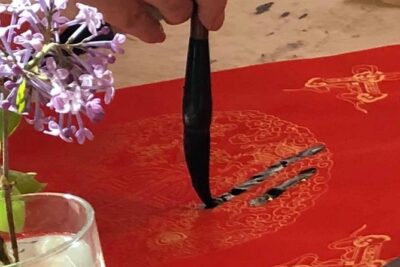
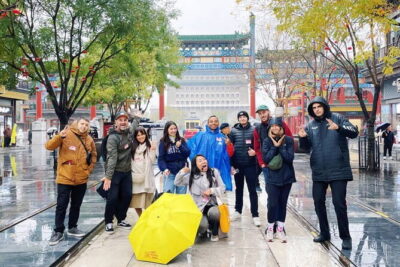
Beijing Historic City Guided Walking Tour + Calligraphy Creation
Read our review →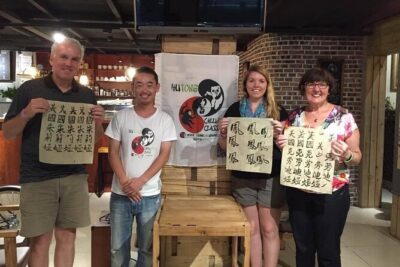
Beijing Wangfujing Calligraphy Class by Forbidden City
Read our review →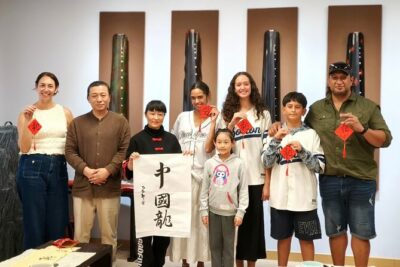
Beijing Culture: Tea Ceremony, Heritage Instrument & Calligraphy
Read our review →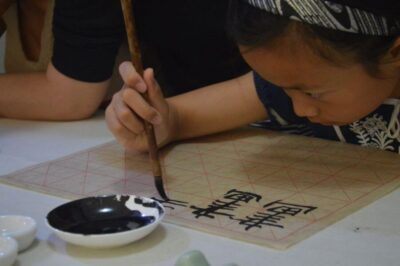
Beijing Wangfujing Calligraphy Class Nearby Forbidden City
Read our review →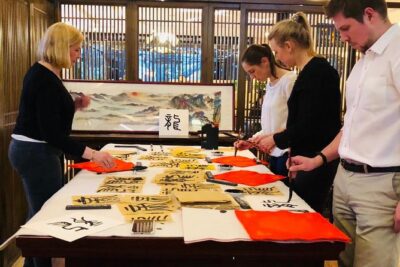
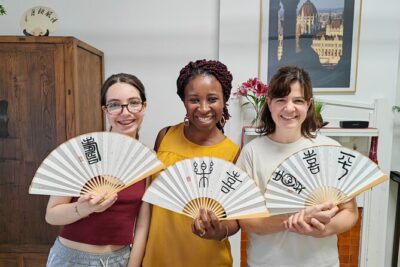
2-Hour Chinese Calligraphy with an Artist in Shanghai, China
Read our review →
Discover Old Beijing: Hutong Walking Tour & Calligraphy
Read our review →Browse the lists this tour appears in