
Reviewed · CALLIGRAPHY CLASSES
2-Hour Chinese Calligraphy with an Artist in Shanghai, China
Brushes make Shanghai feel quieter. This two-hour workshop with artist Lucy turns Chinese calligraphy into a friendly, hands-on cultural lesson, not a museum display behind glass. I like the clear mix of history, practice, and finished artwork, and I like that the small group, capped at eight people, allows for patient help. The main consideration is the meeting point inside a lane near Jing’an, which can take a little extra care to find.
You begin with tea or coffee and a short introduction to Chinese scripts, then handle the traditional tools, practice basic strokes, and create a personalized fan or scroll. The finished souvenir is useful and personal rather than a generic Shanghai trinket. The class is in English, and morning, afternoon, and evening times make it easy to fit around sightseeing.
In This Review
- Key points at a glance
- Why calligraphy makes a good Shanghai activity
- Finding the studio in Yugucun
- The opening lesson: scripts, stories, and Chinese ideas about art
- Traditional tools and the first brush strokes
- Warm-up practice before the final piece
- Creating the folding fan or scroll
- Lucy’s teaching style and the group size
- Is $50 a fair price?
- Who should book this class?
- Practical details before you go
- Should you book the Chinese calligraphy workshop?
- FAQ
- How long does the Chinese calligraphy class last?
- Where does the experience begin and end?
- Is the workshop taught in English?
- What is included in the price?
- How many people can join the class?
- Can beginners take part?
- What artwork will I make?
- Can children join the workshop?
- Are service animals allowed?
- What is the cancellation policy?
Key points at a glance
- A real hands-on lesson: You use brush, ink, paper, and other calligraphy tools rather than simply watching a demonstration.
- Lucy teaches with patience: Her calm guidance suits complete beginners, children, and anyone nervous about making a first attempt.
- A small group of no more than eight: You should receive more individual help than in a large cultural workshop.
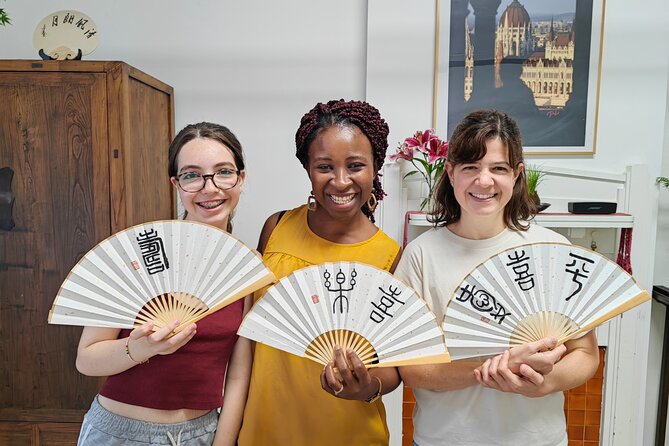
- A fan you make yourself: Your final piece features a favorite Chinese character and becomes a memorable take-home souvenir.
- A quiet break near Jing’an: The studio offers a calmer pause between Shanghai’s shopping streets, museums, and busy roads.
- Allow time to find the lane: The address is in Yugucun, at the north gate, and careful directions from the nearby metro area are useful.
Why calligraphy makes a good Shanghai activity
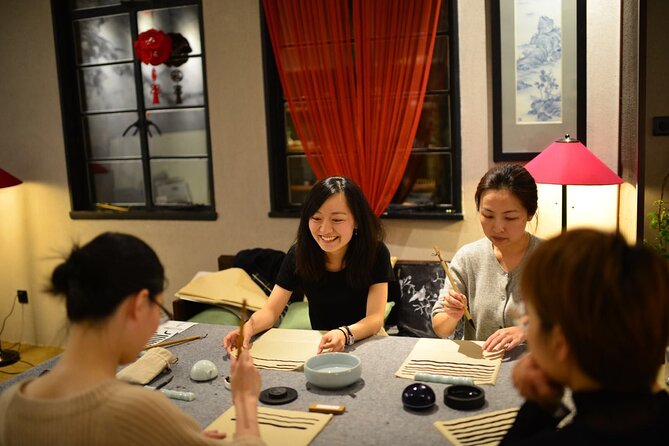
Shanghai can fill a day quickly with towers, markets, temples, department stores, and wide avenues. A calligraphy class gives you two hours at a slower pace, with your attention narrowed to ink, brush pressure, hand movement, and the shape of a single character.
That change of speed is part of the value. You are not just collecting another photograph. You are learning one of the most recognizable forms of Chinese art by trying its basic movements yourself.
The class costs $50 per person. That is not the cheapest two hours you can spend in Shanghai, but the price includes instruction, tools, materials, tea or coffee, and a finished work to take home. You also receive direct help from an artist rather than a short public demonstration. For me, the strongest value comes from the combination of cultural context and making something with your own hands.
You should not expect to become a trained calligrapher in one session. Good brushwork takes long practice, and even simple strokes can be harder than they look. The sensible goal is a useful introduction, a better eye for Chinese writing, and a personal souvenir made during your visit.
More calligraphy classes:
- Shanghai: Zhujiajiao Water Town with Calligraphy Experience
★ 5.0 · 17 reviews - Beijing Calligraphy Class
★ 4.9 · 112 reviews - Chinese Calligraphy Class for Small Group
★ 5.0 · 104 reviews
Finding the studio in Yugucun
The workshop begins at Yugucun North Gate, at 361 Lane 3-127, Yuyuan Road, in Jing’an District. The activity ends at the same meeting point, so you do not need to arrange a separate return transfer.
The location is near public transportation and close to the Jing’an area. Several people found the studio convenient once they reached the lane, with house numbers clearly marked inside. The less convenient part is the approach. The lane can be difficult to identify at first, especially if you are trying to follow a map while moving through a dense city neighborhood.
My practical advice is simple: read the directions carefully before leaving, and allow extra time for the final approach. Lucy has provided helpful directions from the nearby metro station and has answered messages through WeChat, according to the information available about the class. Once you are in the lane, the numbered address should make more sense.
This is not a grand tourist venue with a large sign on a main road. That is part of its appeal, but it also means you should not treat arrival as a last-minute detail.
The opening lesson: scripts, stories, and Chinese ideas about art
The first part is a short introduction to the history of Chinese calligraphy. You learn about the development of Chinese scripts and see examples of respected works, including facsimiles of famous scrolls.
This section matters because Chinese calligraphy is not simply handwriting with a decorative flourish. The brush movements, spacing, balance, and changes in pressure all carry artistic meaning. A character can be readable and still look awkward, just as a sentence can be grammatically correct but poorly written.
Lucy also explains how Chinese people view calligraphy as an art form. That context helps you understand why writing appears so often in Chinese museums, temples, homes, and public spaces. After the class, you may look at a sign or scroll with more curiosity, noticing the style and movement rather than seeing only an unfamiliar character.
The history lesson is brief, which is a good choice for a two-hour workshop. You get enough background to understand what you are about to do without losing most of the session to a lecture. If you already study Chinese art, you may want a longer and more technical discussion, but beginners should find the introduction approachable.
Traditional tools and the first brush strokes
Next, Lucy introduces the tools of calligraphy. You work with the brush, ink, paper, and related materials used in Chinese calligraphy for centuries. The tactile part of the activity is important. A brush does not behave like a pencil, and the ink responds quickly to pressure and movement.
You learn basic writing techniques before attempting the final artwork. Lucy demonstrates how to approach strokes and then helps you copy selected Chinese characters. The class is structured so you can become familiar with the brush instead of being pushed straight into a finished piece.
This is where the small group becomes useful. A beginner often needs a correction that is hard to give to an entire room. Lucy can watch how you hold the brush, show a movement again, and help you refine the result. Her style is described as kind, flexible, and patient, with teaching adapted to the ability of the group.
You should expect some uneven strokes. That is normal. The ink flows faster than many first-time students expect, while controlled, graceful lines require practice. The point is not to produce museum-quality work. It is to feel how the brush moves and to understand why the finished forms look the way they do.
A few more tours worth putting side by side
- Private 2-Hour Walking Tour of Shanghai’s Jewish Ghetto
★ 4.0 · 33 reviews - 2-Hour Private Chinese Ink and Brush Painting Workshop in Shanghai
★ 5.0 · 15 reviews - Private 2-Hour Shanghai Lanes and Alleyways Walking Tour
★ 4.5 · 14 reviews - 2-Hour “Ancient & Modern” Beijing Sidecar Tour (Day /Night)
★ 5.0 · 36 reviews
Warm-up practice before the final piece
The warm-up gives you time to repeat basic strokes and settle into the rhythm of the brush. This stage may sound modest, but it is one of the most valuable parts of the class. Without it, the final fan would be little more than a first attempt made under pressure.
You can try different techniques and receive corrections before working on your chosen character. The class has included practice with more than one calligraphy style, and Lucy can explain the differences in a way that makes the subject less intimidating.
One participant wanted to use regular script rather than seal script for the final work, and Lucy adapted the lesson to that preference. That detail gives you a good sense of the workshop’s flexible nature. You are not locked into one rigid design if you have a particular interest.
The session can also work for families. Children aged 5, 9, and 12 have all taken part and left with a finished example and a good memory of the experience. Younger children will need to follow the teacher’s instructions and handle ink carefully, but the activity does not require previous skill.
Creating the folding fan or scroll
The final stage is the payoff. You choose a favorite Chinese character and write it on a traditional folding fan, with scroll-style work also possible in the workshop. Lucy guides you through the character and helps you improve the presentation before you finish.
A fan is a particularly good souvenir for Shanghai. It is light, easy to carry, and connected to the art you have just practiced. One participant carried the finished fan through the rest of a hot summer visit, which is a more practical fate than leaving a bulky souvenir at the bottom of a suitcase.
The finished work will reflect your level. It may not have the balance of Lucy’s examples, and that is precisely why it has value. You can remember the careful practice behind each stroke, including the imperfect ones. The object records your participation rather than pretending to be an antique.
Some sessions also involve scroll work, so the exact final format may depend on the class and your interests. If you have a strong preference, communicate it before or during the lesson. Lucy has shown flexibility about both timing and the style used for the final artwork.
Lucy’s teaching style and the group size
The instructor is Lucy, also referred to as Lucie in some class descriptions. Her English communication is strong, and the workshop is taught in English. That makes it easier to ask about the meaning of characters, the differences between scripts, or the reason behind a particular brush movement.
Her teaching style seems to be the heart of the experience. She combines a clear explanation of history with practical instruction, then stays close enough to help while you practice. She is also described as encouraging with nervous beginners and attentive to the finished result.
The maximum group size is eight. That is small enough to feel personal without requiring you to book a private class. A smaller group also makes it easier to ask questions and compare how each person handles the same basic technique.
The class may run beyond the scheduled two hours when Lucy has time and the group is engaged. You should not rely on extra time when planning a tight schedule, but the possibility reflects her interest in teaching rather than simply moving people through a fixed sequence.
Is $50 a fair price?
At $50 per person, this is best judged as a cultural workshop rather than a sightseeing tour. You are paying for an artist-led lesson, all supplies, a drink, and a finished fan or scroll. You also avoid buying every tool yourself for a one-time experiment.
The value is strongest if you want a personal activity with a clear result. A standard attraction ticket may cost less, but it will not give you the same contact with an artist or leave you with something you created. On the other hand, if you only want a quick souvenir or have no interest in trying the brush yourself, the price may feel high.
The small-group format helps justify the cost. Individual guidance is much more useful here than a large class where the teacher can only demonstrate once. The workshop also fills a useful two-hour gap, especially near Jing’an Temple and the area’s shopping centers.
You can choose morning, afternoon, or evening times. That flexibility lets you place the class between other plans, though I would avoid scheduling an important timed attraction immediately afterward. The location can take a little time to find, and the artistic process is more enjoyable when you are not watching the clock.
Who should book this class?
I would recommend it to first-time visitors who want more than the usual city highlights. It is also a good fit if you have already seen Shanghai’s major sights and want a calmer activity connected to Chinese culture.
Families can consider it, since children have successfully taken part. Couples and solo visitors should also find the small group comfortable. The class works particularly well for anyone who likes hands-on learning, sketching, craft, museums, or meaningful souvenirs.
You do not need previous calligraphy experience. In fact, complete beginners may gain the most because the lesson starts with basic ideas and simple brush practice. If you already practice Chinese calligraphy, you may appreciate Lucy’s ability to answer detailed questions and adjust the final style, but you may want more than an introductory two-hour class.
This may not suit you if you dislike careful, repetitive practice or want a fast-moving tour with several stops. You will spend most of the time in the studio, seated or working at the practice table, rather than seeing multiple Shanghai attractions.
Practical details before you go
Confirmation is provided at booking, and the experience accepts mobile tickets. Service animals are allowed, and most people can participate.
The class requires a minimum number of participants. If it does not run for that reason, you will be offered another date or experience, or receive a full refund. You can cancel for a full refund up to 24 hours before the start time. Changes or cancellations inside that 24-hour window are not accepted and are not refunded.
Wear or bring clothing you do not mind working around ink, even though the available information does not specify a dress requirement. More important, arrive with the directions saved and your preferred Chinese character in mind. If you want to write a particular character or use a certain script, raising that early can help Lucy shape the final exercise around your interests.
Tea or coffee is included, adding to the relaxed feel of the studio. The workshop has also been described as a pleasant air-conditioned pause with tea and quiet music, which can be welcome during a hot Shanghai day.
Should you book the Chinese calligraphy workshop?
Book it if you want a thoughtful, affordable cultural activity with a real souvenir at the end. Lucy’s patient instruction, English teaching, flexible approach, and small group size make this a strong choice for beginners, families, and curious adults.
I would be less eager to recommend it to someone seeking a broad overview of Shanghai or a major historical attraction. You will not cover several sights in two hours. You will, however, leave with a better understanding of Chinese calligraphy and a fan or scroll that carries your own effort.
Plan the route carefully, keep your schedule loose, and accept that your first strokes may look wobbly. If that sounds enjoyable rather than alarming, this is one of the better ways to spend a quiet stretch of time near Jing’an.
FAQ
How long does the Chinese calligraphy class last?
The workshop lasts approximately two hours.
Where does the experience begin and end?
It begins and ends at Yugucun North Gate, 361 Lane 3-127, Yuyuan Road, Jing’an District, Shanghai.
Is the workshop taught in English?
Yes. The two-hour class is conducted in English.
What is included in the price?
The $50 price includes instruction, calligraphy tools, materials, and tea or coffee.
How many people can join the class?
The maximum group size is eight people.
Can beginners take part?
Yes. The class teaches the history, tools, and basic writing techniques from the start, so previous experience is not required.
What artwork will I make?
You will create a traditional folding fan decorated with your selected Chinese character. Scroll-style work may also be part of the session.
Can children join the workshop?
Most people can participate, and children aged 5, 9, and 12 have taken part successfully.
Are service animals allowed?
Yes. Service animals are allowed.
What is the cancellation policy?
You can cancel at least 24 hours before the start time for a full refund. Cancellations or changes made less than 24 hours before the start time are not accepted and are not refunded.
Newest reviews from Shanghai
- Quick Tour to Xi’an Terracotta Warriors from Shanghai by Air in One Day★ 5.0 · 4 reviews
- Shanghai Zhujiajiao water town,Yugarden&Bund one day tour★ 5.0 · 4 reviews
- Wuzhen Private Full-Day Tour from Shanghai★ 5.0 · 4 reviews
- Private Round Trip Transfer to Zhouzhuang Water Village from Shanghai★ 5.0 · 4 reviews
- Full Day Private Tour Amazing Shanghai City Highlights★ 5.0 · 4 reviews
- Shanghai Tower Observation Deck 118 floor Tickets Pre-booking.★ 5.0 · 4 reviews
- Private Wet Market Visit with Cooking Class in Shanghai★ 3.0 · 4 reviews
- Zhujiajiao & Shanghai:Small Group Tour Water Town to Skyline★ 5.0 · 4 reviews
Calligraphy Classes, compared.
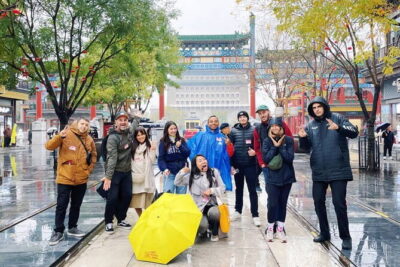
Beijing Historic City Guided Walking Tour + Calligraphy Creation
Read our review →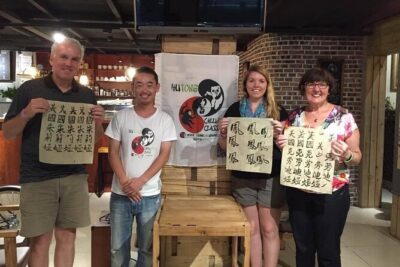
Beijing Wangfujing Calligraphy Class by Forbidden City
Read our review →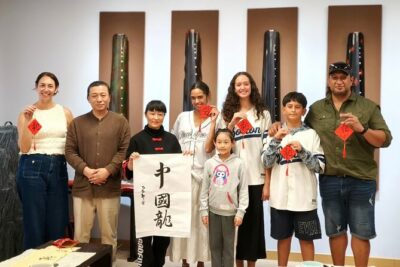
Beijing Culture: Tea Ceremony, Heritage Instrument & Calligraphy
Read our review →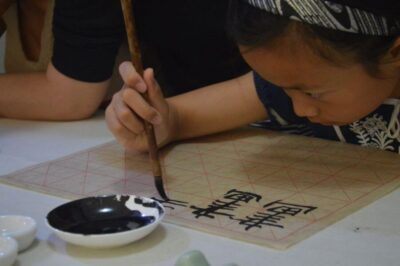
Beijing Wangfujing Calligraphy Class Nearby Forbidden City
Read our review →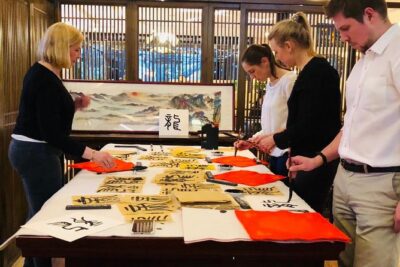
Discover Old Beijing: Hutong Walking Tour & Calligraphy
Read our review →Browse the lists this tour appears in