Reviewed · COOKING CLASSES
Half-Day Chengdu Cooking Class with a Local Market Visit
Come hungry, leave with recipes. This four-hour Chengdu experience links a real neighborhood market with a hands-on Sichuan cooking class, so you learn where the ingredients come from before they hit the wok. I especially like the market visit with guides such as Lance or Jerry, and the chance to eat dishes you prepare yourself with help from a local chef.
The class also earns points for its friendly teaching style and clean, comfortable kitchen. Vegetarian cooking is available, and the team has helped participants adjust dishes to suit their needs. The main consideration is time: four hours goes quickly, and a market walk, tastings, dumpling work, tea, and several cooked dishes can make the schedule feel full.
At $90 per person, this is not a bargain meal, but it includes the market tour, ingredients, food, drinks, recipes, and instruction. For you, the value lies in gaining useful cooking skills and a better understanding of Sichuan food, not simply eating lunch or dinner.
In This Review
- Key things to know before booking
- Why this class gives Chengdu food real context
- Starting at Liangjiaxiang market in Jinniu District
- Learning Sichuan ingredients without guessing
- Tea, snacks, and the move to Chilli Cool’s Kitchen
- Cooking with Chef Lee, Chef Lei, or Jerry’s translation
- The dishes you may prepare
- Eating the meal you just cooked
- Vegetarian and dietary needs
- Is $90 a fair price in Chengdu?
- Who should book this Chengdu experience?
- Practical details that matter
- Should you book it?
- FAQ
- How long does the Chengdu cooking class last?
- Where does the experience start and end?
- Is a vegetarian option available?
- What is included in the price?
- How many people can join the class?
- Can I cancel for a full refund?
Key things to know before booking
- Liangjiaxiang market comes first, giving you a close look at Sichuan produce, spices, snacks, and everyday food shopping in Jinniu District.
- Lance and Jerry are key parts of the experience, guiding the market visit, answering questions in English, and translating during the class.
- You cook several dishes, with examples including mapo tofu, kung pao chicken, twice-cooked pork, stir-fried cabbage, salads, dumplings, and wontons.
- The meal is made by you, then eaten at the kitchen with beverages, including beer, provided.
- Vegetarian options are available, but you need to state dietary needs when booking.
- The group can reach 15 people, though private and group-discount options are also offered.
Why this class gives Chengdu food real context
Sichuan food is famous for more than heat. The cooking depends on balance: chile, Sichuan pepper, fermented bean paste, garlic, ginger, spring onion, vinegar, sugar, oil, and fresh vegetables all have jobs to do.
A restaurant meal lets you taste the result. This class helps you understand the process. You see the raw ingredients in a local market, learn how they are selected, and then use them under a chef’s direction.
That makes the experience especially useful early in your Chengdu visit. Afterward, menus become easier to understand. You may recognize the peppercorns, dried chiles, tofu, leafy greens, and sauces that appear in dishes across the city.
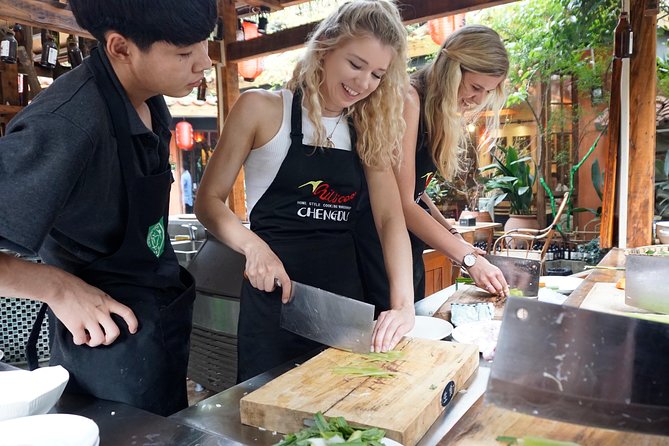
The cooking is also practical. You work with chopping, oil temperature, wok timing, seasoning, and the order in which ingredients enter the pan. You will not become a Sichuan chef in one afternoon, but you should leave more comfortable recreating Chinese-style dishes at home.
More Cooking Classes in Chengdu
- Chengdu: Cooking Class with Fresh Market Half Day Experience
★ 5.0 · 42 reviews - Half-Day steamed Buns Cooking Class with a Local Market Visit
★ 5.0 · 26 reviews - Half-Day Professional Mapo Tofu Cooking with a Local Market Visit
★ 5.0 · 19 reviews
Starting at Liangjiaxiang market in Jinniu District
The experience begins at the meeting point on 163-11 Yi Huan Lu Bei San Duan in Chengdu’s Jinniu District. It is near public transportation, and some participants have found the location easy to reach by subway.
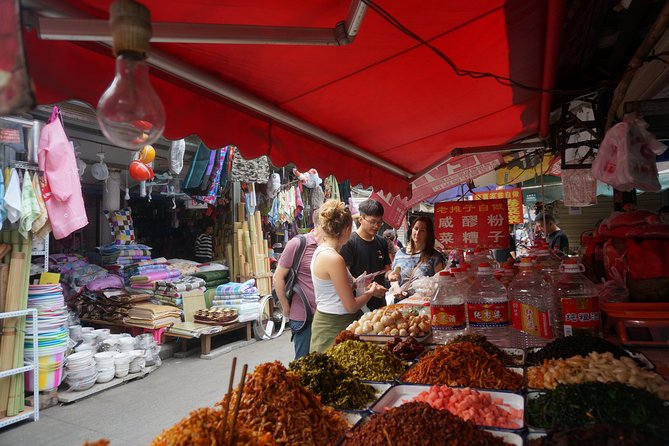
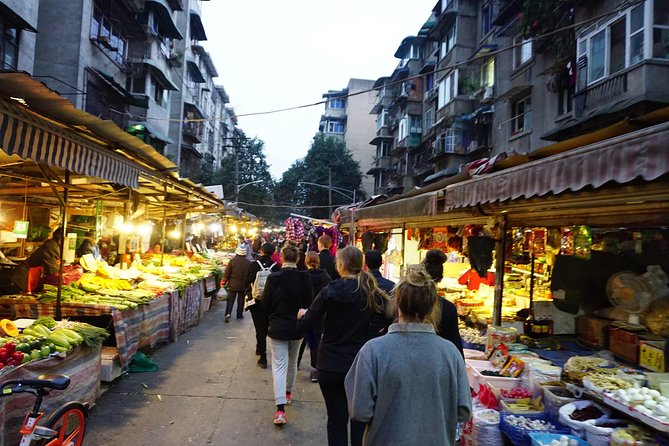
From there, your guide takes you through Liangjiaxiang market. This is not a polished food hall designed mainly for visitors. It is a working market where you can see the ingredients used in ordinary Chengdu kitchens.
The market portion is one of the strongest reasons to book this class. You are not just shown a spice rack and given a short explanation. The guide helps you identify unfamiliar vegetables, spices, fruits, and prepared foods. Lance and Jerry are praised for explaining ingredients clearly in English and for making the walk relaxed rather than formal.
You might also sample fruit, sweets, snacks, or other market foods along the way. The exact selection can change, since market goods depend on the day and season. That unpredictability is part of the appeal, though it means you should not expect a fixed tasting menu.
Learning Sichuan ingredients without guessing
For many visitors, the market can be the hardest part of Sichuan food culture. Chinese labels may not tell you much, and vegetables can look unfamiliar even when they are common in local cooking.
This is where a guide makes a real difference. You can ask what an ingredient is, how it is cooked, and why it belongs in a certain dish. Some activities use small challenges or questions to help you recognize spices and produce, which gives the walk a playful edge.
The guide may also help you practice simple Chinese phrases while ordering or interacting at the market. That is a small detail, but it turns a passive walk into a useful cultural lesson.
You should wear comfortable walking shoes. The tour runs in all weather, so bring clothing suited to the conditions. A market is also a poor place for delicate shoes or anything you need to keep spotless.
Tea, snacks, and the move to Chilli Cool’s Kitchen
After the market, you continue to Chilli Cool’s Kitchen, the sole listed stop for the cooking portion. Before cooking begins, the experience can include Chinese tea, light refreshments, and time to settle into the kitchen.
The setting has received strong praise for being clean, comfortable, and homelike. That matters more than it may sound. Cooking around hot oil and a wok is much easier when you have a clear work surface, prepared ingredients, and room to follow the chef.
The kitchen is not presented as a restaurant demonstration where you sit and watch someone else do everything. Ingredients are prepared for the class, and you take part in the chopping, mixing, wok work, and seasoning.
The pace can be brisk. Sichuan stir-frying often depends on quick movement, and the class has to fit several dishes into roughly four hours. If you like active lessons, that energy is a plus. If you prefer a slow, highly detailed culinary course, you may find the afternoon busy.
More Half-Day Tours in Chengdu
- Private Half-Day Chengdu Panda Breeding Center Tour with Optional Volunteer
★ 5.0 · 353 reviews - Half-Day Chengdu Back Alley Foodie Tour
★ 5.0 · 58 reviews - Half-Day Sichuan Cooking Class Experience in Chengdu
★ 4.0 · 17 reviews - Half-day Private Mahjong course in Local Tea House
★ 5.0 · 16 reviews
Cooking with Chef Lee, Chef Lei, or Jerry’s translation
The teaching team can vary, but names that come up often include Lance, Jerry, Chef Lee, and Chef Lei. Lance is known for guiding and translating, while Jerry may lead the market walk or help with transport arrangements connected to the meeting point. Chef Lee, also referred to as Auntie Lee in some accounts, is praised for her cooking skill and eagerness to share techniques.
Good translation is important here. Cooking instructions often involve more than simply saying add this ingredient. You need to know how hot the wok should be, how long something should cook, and what the finished texture should feel like.
Lance and Jerry help bridge that gap. They can answer questions about food and local life, not just translate isolated words. That makes the class more conversational and gives you a clearer idea of why the dishes are prepared in a certain way.
You should still expect a group lesson, not a private chef consultation unless you book the private option. The maximum group size is 15 people. A smaller group will likely make it easier to get direct attention at the stove, while a full group may feel more social but less personal.
The dishes you may prepare
The exact menu can vary, but the experience has included several classic Sichuan and Chengdu dishes. Mapo tofu is a common highlight. It shows how fermented bean paste, chile, aromatics, and tofu work together, and it is useful for anyone who already loves the dish but has never tried making it.
Kung pao chicken may also appear, along with twice-cooked pork, stir-fried cabbage, cucumber salad, or another vegetable dish. These examples offer a good mix of cooking methods and flavor profiles.
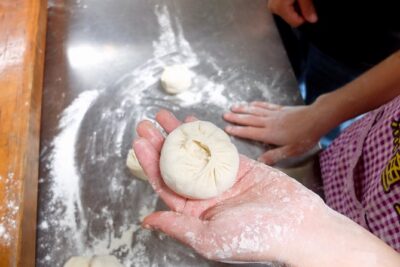
Dumpling work can be part of the experience too. You might make jiaozi or chaoshou, Sichuan-style wontons, at the market or kitchen. Do not worry if your first folds look rough. The point is to learn the basic method and enjoy the attempt, not produce perfect restaurant shapes.
In one version of the meal, three main dishes were prepared, followed by dumplings. Other sessions have included as many as five dishes. Since the supplied details do not promise one fixed menu, you should treat the examples as possibilities rather than guarantees.
The useful part is that the chef cooks alongside you. You can compare your finished dish with the chef’s version and adjust the salt, chile, vinegar, or other seasoning to your taste.
Eating the meal you just cooked
At the end, you sit down and eat the food prepared during the class. Lunch or dinner is included, depending on the class schedule, as are beverages and beer.
This meal is more rewarding than a standard included lunch because you have handled the ingredients and watched each stage. A dish that looked mysterious on a restaurant menu becomes something you can discuss and perhaps cook again.
The meal also gives you time to talk with the hosts and other participants. The atmosphere is informal, and the team is often praised for being warm, patient, and willing to answer questions beyond the recipes.
One useful feature is the recipe handout. Keep it accessible after the tour, especially if you want to find Sichuan pepper, chile bean paste, or other ingredients at home. The class teaches technique, but the recipes help you remember the proportions and sequence.
Vegetarian and dietary needs
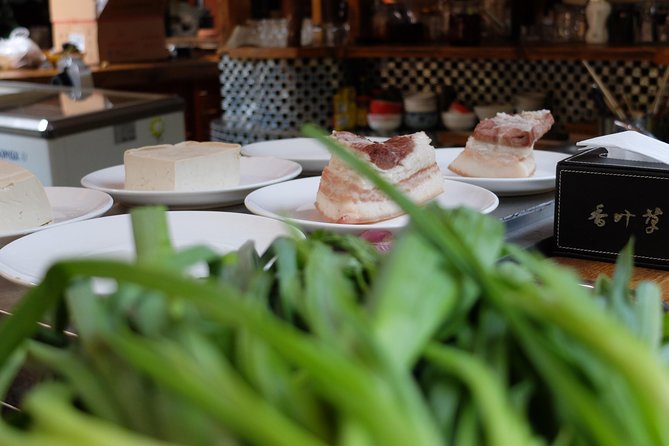
Vegetarians can take this class, but you must request the option when booking. The cooking team has accommodated vegetarian participants successfully, including changes to dishes that would normally use meat.
You should also report allergies and other dietary requirements in advance. Do not wait until you arrive at the market or kitchen. The team needs time to plan ingredients and make the class safe and enjoyable.
The menu may include meat, tofu, vegetables, dumplings, and spicy sauces. If you have a strict restriction, ask for confirmation before paying. The supplied information confirms vegetarian availability, but it does not spell out every possible allergy substitution.
Is $90 a fair price in Chengdu?
The $90 price covers much more than a cooking lesson. You receive an English-speaking guide, the market tour, ingredients, tastings, light refreshments, tea, the cooked meal, beverages, beer, and recipes.
You also avoid the hassle of buying unfamiliar ingredients yourself. The guide handles the market side, and the class kitchen has what you need ready for cooking. For a first visit to Chengdu, that package saves time and removes a lot of uncertainty.
Still, price-sensitive visitors should think about what they want. If your main goal is a cheap Sichuan lunch, local restaurants will cost less. If you want personal instruction, cultural explanation, and a meal you make yourself, the price is easier to justify.
Group discounts may improve the value for families or friends. Private options are also available if you want a more focused session. The tour has a minimum age of five, so it can suit families, though younger children may enjoy the market and dumpling work more than the hotter wok steps.
Who should book this Chengdu experience?
I would choose this class if you meet one or more of these descriptions:
- You want a food activity that includes culture, not just eating.
- You are curious about Sichuan spices and need help identifying them.
- You enjoy hands-on lessons and do not mind making imperfect dumplings.
- You want a useful introduction to mapo tofu, kung pao chicken, or stir-fried dishes.
- You are traveling alone and want an activity that does not depend on having a large party.
- You need a vegetarian version and are willing to arrange it ahead of time.
I would hesitate if you dislike spicy food, although the available information does not specify how much each dish can be adjusted. Ask the provider about spice levels before booking.
I would also hesitate if your schedule is tight. The experience lasts about four hours, begins and ends at the stated meeting point, and includes several parts. Add enough time around it so you are not rushing to your next appointment.
Practical details that matter
Confirmation is provided at booking, and mobile tickets are supported. You need to provide passport name, passport number, expiry date, and country for every participant.
The experience operates in all weather. Wear comfortable shoes and clothing suitable for walking through a food market and cooking in a kitchen.
Free cancellation is available if you cancel at least 24 hours before the local start time. Changes or cancellations inside that window are not accepted for a refund.
With a maximum of 15 people, the group size is manageable but not guaranteed to be small in every session. If close instruction matters to you, consider the private option or ask about the expected group size before booking.
Should you book it?
Yes, if you want to understand Chengdu food from market stall to finished plate. The best part is the connection between the two settings: you see the ingredients first, then learn how they become familiar Sichuan dishes.
I especially like the combination of market guidance, skilled translation, and a meal you prepare yourself. Lance, Jerry, and the chefs add a human touch, while the recipes give the experience value after you return home.
Book early if your dates are fixed, since the activity is booked an average of 18 days ahead. Choose the vegetarian option or report dietary needs at the time of booking, and leave your afternoon or evening open. This is not just a quick cooking demonstration. It is a lively four-hour introduction to how Chengdu cooks and eats.
FAQ
How long does the Chengdu cooking class last?
The experience lasts approximately four hours, including the market visit, cooking class, tastings, refreshments, and the final meal.
Where does the experience start and end?
It starts at 163-11 Yi Huan Lu Bei San Duan, Jin Niu Qu, Chengdu, Sichuan, China, 610051. It ends back at the same meeting point.
Is a vegetarian option available?
Yes. Vegetarian cooking is available, but you need to request it when booking. You should also provide any other dietary requirements in advance.
What is included in the price?
The price includes an English-speaking guide, market tour, ingredients, beverages and beer, light refreshments, food tastings, lunch or dinner according to the class schedule, and recipes.
How many people can join the class?
The activity allows a maximum of 15 participants. Group discounts and private options are available.
Can I cancel for a full refund?
Yes, if you cancel at least 24 hours before the experience begins. Cancellations or changes made less than 24 hours before the start time are not accepted for a refund.
More Shopping Trips in Chengdu
- Mini Group Xian Day Tour to Terracotta Army, City Wall, Pagoda and Muslim Bazaar
★ 5.0 · 1,320 reviews - Shanghai Day Tour to Zhujiajiao Water Town, Yu Garden, Bazaar, Bund
★ 5.0 · 162 reviews - Hong Kong: Kowloon Street Market & Food Culture Walking Tour
★ 5.0 · 105 reviews - Organic Chinese Dumpling Class with Market Walk
★ 5.0 · 88 reviews
More Market Tours in Chengdu
- Half-day Dandan Noodles Cooking Class with a Local Market Visit
★ 5.0 · 8 reviews
Newest reviews from Chengdu
- Chengdu: City Walking Tour with Food and Culture Stops★ 4.7 · 4 reviews
- Classsic sichuan Opera at sichuan Provincial Theater★ 5.0 · 4 reviews
- One Day Trip to Dujiangyan Irrigation System & Mount QingCheng Tour★ 5.0 · 4 reviews
- Private Day Tour: Dujiangyan Panda Base and Irrigation Project★ 5.0 · 4 reviews
- Private Day Tour: Chengdu Panda and Leshan Buddha★ 4.0 · 5 reviews
- One Day Giant Panda Leisure Private Tour in Chengdu★ 5.0 · 5 reviews
- Sanxingdui Ruins and Giant Pandas Private Day Tour from Chengdu★ 5.0 · 5 reviews
- Half-Day Tour at Chengdu Panda Breeding Research Base★ 4.0 · 5 reviews
Cooking Classes, compared.
Online Cooking Class Beijing Dumplings and Cuisine by Sunflowerli Renowned Chef
Read our review →
Lijiang Naxi Cuisine Cooking Class & Market Visit
Read our review →
Half-Day Xi’an Biang Biang Noodles Cooking with a Market Visit
Read our review →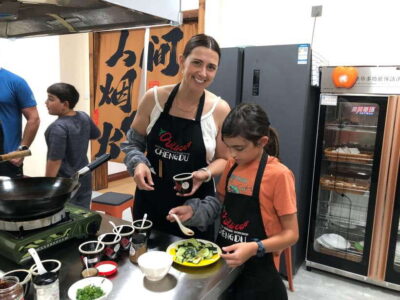
Cooking Class with Fresh Market Half Day Experience
Read our review →
Private Cooking Class: Make Your Own Dim Sum In Shanghai
Read our review →