
Reviewed · COOKING CLASSES
Private Cooking Class: Make Your Own Dim Sum In Shanghai
Shanghai tastes better when you make it yourself. This two-hour private cooking class lets you choose two dim sum dishes, then learn to shape and cook them with a professional instructor. I especially like the one-on-one format and the chance to choose from favorites such as xiaolongbao, shrimp dumplings, sui mai, egg rolls, and sesame balls. You also eat what you make, so the $88 price includes both a lesson and a proper snack or meal.
The main drawback is the meeting information. The class is described as being in Shanghai’s French Concession, while the listed meeting point is on Moganshan Road, and the kitchen can be tricky to spot from the street. Confirm the exact entrance and your cooking time before you go, and tell the chef your two dish choices when booking.
In This Review
- Key points at a glance
- Why this Shanghai class is worth two hours
- Choosing your two dim sum dishes
- What happens inside the cooking workshop
- The instructor makes the difference
- The meal at the end
- Who will enjoy this class most
- Practical planning for Moganshan Road
- How it fits into a Shanghai visit
- Should you book the private dim sum class?
- FAQ
- How long does the dim sum cooking class last?
- Where does the class meet?
- What dishes can I learn to make?
- Is the food included?
- Is a vegetarian option available?
- Can I cancel for a refund?
Key points at a glance
- Choose two dishes before class: Pick from 12 options, including soup dumplings, steamed dumplings, buns, egg rolls, and sweet treats.
- Private instruction: Only your group participates, giving you time to ask questions and repeat techniques.
- Mike earns special praise: The instructor is described as patient, witty, and fluent in English, with a clear teaching style.
- You eat your own handiwork: Your finished dim sum meal is included, so the class ends with something substantial to enjoy.
- Good for families: Children from age 3 pay the adult rate, and children must have an adult with them.
- Plan the details early: Choose morning, afternoon, or evening, and request a vegetarian option if needed.
Why this Shanghai class is worth two hours
Shanghai has no shortage of places to eat dumplings. A cooking class gives you something a restaurant cannot: time to understand what your hands are doing. You are not simply served a perfect basket of dim sum. You learn how dough is handled, how fillings are enclosed, and why certain folds matter.
That makes the class useful beyond this one meal. Afterward, you have a better chance of recognizing the difference between a soup dumpling and a regular steamed dumpling, and you can try the recipes at home. The class is built around two dishes, which is a sensible limit for a two-hour session. You get enough variety to keep it interesting without turning the lesson into a rushed parade of recipes.
The private setup is another strong point. In a large group, you may wait while someone else receives help with a difficult fold. Here, the instructor can watch your technique and answer the questions that come up as you work. One person who had tried making dim sum from online videos found direct access to the chef far more useful, especially for correcting small mistakes.
That personal attention also helps if your group has mixed cooking ability. A confident cook can ask about technique, while a first-timer can take things slowly. The class received a perfect five-star rating from all 27 listed ratings, with 100 percent recommending it, and the strongest praise focuses on the teaching rather than only the food.
More Cooking Classes in Shanghai
- Shanghai-Cooking Dumpling & Meal in Local Family-w/Vegan
★ 4.9 · 36 reviews - Private Home Cooking Class with Shanghai Mama
★ 5.0 · 14 reviews - 2.5hrs Chinese Kitchen Cooking Class: Xiaolongbao Soup Dumplings
★ 5.0 · 12 reviews
Choosing your two dim sum dishes
You must select two items from the menu when you book. This choice shapes the whole session, so give it some thought rather than leaving it until the last minute.
The options include:
- Shrimp dumpling
- Goldfish dumpling
- Four Happiness dumpling
- Sui mai
- Xiaolongbao
- Big wonton
- Leaf bun
- Fried bun
- Egg roll
- Sesame ball
- Red bean paste sweet soup
- Coconut sago sweet soup
If you want the most classic Shanghai connection, xiaolongbao is the obvious pick. These steamed pork dumplings contain soup, so the class can help you understand a technique that is difficult to learn from a written recipe alone. You need to handle the wrapper carefully and seal the dumpling properly.
Shrimp dumplings, sui mai, and the decorative goldfish dumpling offer different folding challenges. The goldfish shape is likely to appeal to families and anyone who enjoys the visual side of cooking. Big wontons and buns may feel less delicate, while egg rolls give you a familiar, crisp option.
The sweet choices change the rhythm of the class. Sesame balls, red bean paste sweet soup, or coconut sago sweet soup may suit you if you prefer dessert to another savory dumpling. Since you only get two selections, contact the provider before booking if you are unsure what each item involves.
A useful strategy is to pair one technically demanding item with one simpler or contrasting dish. For example, xiaolongbao and egg roll would give you a delicate steamed dumpling and a crisp fried item. A family might choose one decorative dumpling and one sweet dish. The menu offers enough range for you to tailor the class to your interests.
What happens inside the cooking workshop
The activity takes place at the Chinese Cooking Workshop and lasts about two hours. Equipment, ingredients, and instruction are included, so you do not need to bring cooking supplies.
Expect the class to move from demonstration to hands-on preparation. Your chef explains the method, then helps you put it into practice. The useful part is not just copying the motions. It is being able to stop and ask why a fold failed, how much filling to use, or how to handle the dough.
The kitchen is described as an industrial-style cooking space. That sounds practical rather than decorative, which suits a class focused on making food. One important arrival tip is to allow time to locate the room. It has limited signage from the street, and the entrance may not be immediately clear.
The meeting point is listed as Moganshan Road, or Mo Gan Shan Lu, in Putuo District. The experience is near public transportation, but hotel pickup and drop-off are not included. The class ends back at the meeting point, so plan your route there and onward before you arrive.
The class is offered at 10:00 a.m. in the supplied schedule, though you are also asked to request a preferred morning, afternoon, or evening time when booking. That means you should not assume every booking has the same start time. Confirm the time you want in advance.
The instructor makes the difference
The best cooking classes depend heavily on the teacher. Here, Mike receives repeated praise for his English, patience, humor, and clear explanations. Those qualities matter because dim sum involves small movements that are easy to miss.
A patient instructor also matters when children are involved. One family enjoyed the class with a daughter, and another account describes Mike taking his time with a distractible teenager who kept dividing dough into smaller pieces. That is a useful sign for parents. The class appears able to accommodate different attention spans without making the experience feel rushed.
You should also have plenty of room to ask about technique. The private format means you can return to a difficult step instead of quietly falling behind. If you have made dumplings before, ask about the details that usually cause trouble. If you are new to Chinese cooking, ask the chef to slow down and explain the reasoning behind each step.
The instruction is in English, according to the supplied feedback. That removes one common worry for international visitors. Still, it is wise to tell the provider about your experience level when you book, especially if your group includes young children or anyone with limited mobility in the kitchen.
A completely different kind of day out on the same trip:
- Authentic Local Food Tour in Central Shanghai
★ 5.0 · 1,382 reviews - Zhujiajiao Water Town and Shanghai City Private Day Tour
★ 5.0 · 1,016 reviews - Private Shanghai Full Day City Tour with Old and New Highlights
★ 5.0 · 995 reviews - Shanghai: Hop-on Hop-off Bus Ticket and Optional Attractions
★ 3.4 · 692 reviews
The meal at the end
Your hand-made dim sum meal is included. This is more than a small bonus. A cooking lesson can feel expensive if you leave hungry, but here you finish by eating the food you prepared.
The meal also gives you a clear test of what you learned. You can see how the dumpling looks after steaming or frying, taste the seasoning, and judge the texture. The supplied feedback repeatedly praises both the appearance and flavor of the finished dishes. One class included soup dumplings and egg rolls, with both turning out well.
Do not expect a full Shanghai banquet. You choose two items, and the session lasts only two hours. The result is best understood as a generous tasting meal and a practical lesson, not an all-day food tour.
Still, the value is strong. At $88 per person, you are paying for a private chef-led session, all ingredients, equipment, instruction, and the food you make. For a private activity in Shanghai, that is a reasonable package, especially if two or more people in your group will actively cook.
Who will enjoy this class most
This experience is a good match for several kinds of visitors.
Food-focused visitors will appreciate learning how familiar Shanghai dishes are made. If you plan to eat plenty of dumplings during your stay, the class gives you useful context for what arrives at the table.
Families with children have a strong reason to consider it. The menu includes colorful and playful shapes, the class is private, and the instructor has been praised for patience with children and teenagers. Children under age 2 can join free, while children age 3 and older are charged the adult price. Every child must be accompanied by an adult.
Couples and small groups can make the lesson as relaxed or serious as they like. You can focus on getting the folds right, or simply enjoy a hands-on activity away from the usual sightseeing route. Group discounts are available, though the exact discount is not specified, so ask before paying.
Vegetarians can request a vegetarian option at booking. Do not wait until arrival to mention it. The published menu includes several dishes, but it does not specify which fillings or broths will be adapted, so confirm your choices ahead of time.
This may not suit you if you want a large social class with many different dishes. The private format gives you attention, but it also means less interaction with other cooking groups. It is also not ideal for anyone who dislikes planning in advance, since your cooking time and dish selections should be provided during booking.
Practical planning for Moganshan Road
The most important practical matter is finding the kitchen. The room has limited street signage, so save the meeting point details and allow extra time. The class is listed near public transportation, but there is no hotel transfer.
The location information deserves a careful check. The experience description places the cooking activity in the French Concession, while the meeting point is given as Moganshan Road in Putuo District. These may reflect different descriptions of the venue or meeting arrangements. Ask the provider for the precise address, entrance instructions, and a map pin before the day of your class.
Dress for cooking and for the weather. The activity operates in all weather conditions, and you are advised to dress appropriately. Comfortable clothes are the sensible choice, since you will be working with ingredients and cooking equipment for two hours.
The class is private, so only your group participates. That is helpful if you want a lesson suited to your pace, but it also means the booking is built around your selected group rather than an open public session.
You receive confirmation when you book. Free cancellation is available if you cancel at least 24 hours before the local start time. Cancellations or changes made less than 24 hours in advance are not refundable or accepted, so keep that deadline in mind.
How it fits into a Shanghai visit
This class works well early in your Shanghai stay. Once you learn the basic names and shapes, restaurant menus become easier to understand. You may also begin noticing the differences between a steamed bun, a soup dumpling, a wonton, and a fried bun as you eat around the city.
A morning session leaves the rest of the day open. If your confirmed time is later, you can place it between sightseeing stops, but remember that the meeting point is fixed and hotel transportation is not provided.
The class also pairs naturally with a food-focused Shanghai itinerary. The cooking itself gives you a quiet, concentrated break from busy streets and major sights. It is a good change of pace, especially for a repeat visit or for a family that wants more than landmark photographs.
You should not book it simply because dim sum sounds tasty. Book it because you want to learn a skill, ask questions, and take part in the meal. The experience delivers its best value when you are willing to handle the dough, make imperfect folds, and enjoy the process.
Should you book the private dim sum class?
I would recommend this class if you want a focused, hands-on food experience with your own group. The strongest reasons are the private instruction, the choice of two dishes, the included meal, and an instructor who is praised for clear English and patience.
The $88 price is fair for a private two-hour class with ingredients, equipment, a professional chef, and food included. It becomes an even better deal if you qualify for a group discount or are splitting the experience among several people.
Book it early enough to confirm three things: your preferred time, your two dishes, and the exact meeting entrance. If you do that, this is a practical and tasty way to take a small piece of Shanghai’s food culture home with you.
FAQ
How long does the dim sum cooking class last?
The private class lasts approximately two hours.
Where does the class meet?
The listed meeting point is Moganshan Road, Mo Gan Shan Lu, in Putuo District, Shanghai. The experience description also refers to the French Concession, so confirm the exact venue and entrance with the provider before arrival.
What dishes can I learn to make?
You can choose two dishes from a menu that includes shrimp dumplings, goldfish dumplings, Four Happiness dumplings, sui mai, xiaolongbao, big wontons, leaf buns, fried buns, egg rolls, sesame balls, red bean paste sweet soup, and coconut sago sweet soup.
Is the food included?
Yes. Your hand-made dim sum meal is included, along with the cooking equipment, ingredients, and professional instruction.
Is a vegetarian option available?
Yes. A vegetarian option is available, but you need to request it when booking.
Can I cancel for a refund?
Yes, if you cancel at least 24 hours before the experience start time. Cancellations or changes made less than 24 hours before the local start time are not accepted and are not refundable.
More Workshops and Classes in Shanghai
- 2-Hour Private Chinese Ink and Brush Painting Workshop in Shanghai
★ 5.0 · 15 reviews - Unlock Chinese Tea: Culture, Science, Tasting & Hands-on Brewing
★ 5.0 · 12 reviews - Zhujiajiao Water Town: Boat Ride, Opt for Hands-on Dumpling Meal
★ 5.0 · 7 reviews - 2.5hrs Chinese Kitchen Cooking Class: Art Steamed Dumplings
★ 4.5 · 5 reviews
Newest reviews from Shanghai
- Quick Tour to Xi’an Terracotta Warriors from Shanghai by Air in One Day★ 5.0 · 4 reviews
- Shanghai Zhujiajiao water town,Yugarden&Bund one day tour★ 5.0 · 4 reviews
- Wuzhen Private Full-Day Tour from Shanghai★ 5.0 · 4 reviews
- Private Round Trip Transfer to Zhouzhuang Water Village from Shanghai★ 5.0 · 4 reviews
- Full Day Private Tour Amazing Shanghai City Highlights★ 5.0 · 4 reviews
- Shanghai Tower Observation Deck 118 floor Tickets Pre-booking.★ 5.0 · 4 reviews
- Private Wet Market Visit with Cooking Class in Shanghai★ 3.0 · 4 reviews
- Zhujiajiao & Shanghai:Small Group Tour Water Town to Skyline★ 5.0 · 4 reviews
Cooking Classes, compared.
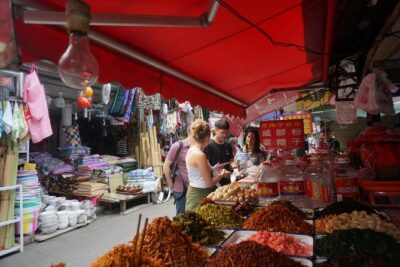
Half-Day Chengdu Cooking Class with a Local Market Visit
Read our review →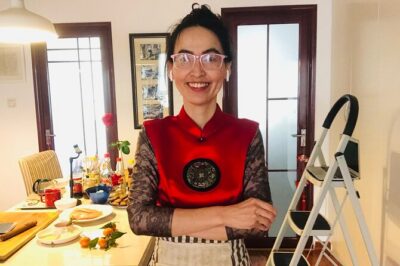
Online Cooking Class Beijing Dumplings and Cuisine by Sunflowerli Renowned Chef
Read our review →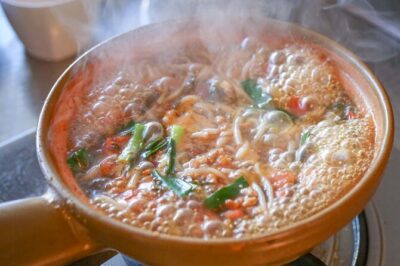
Lijiang Naxi Cuisine Cooking Class & Market Visit
Read our review →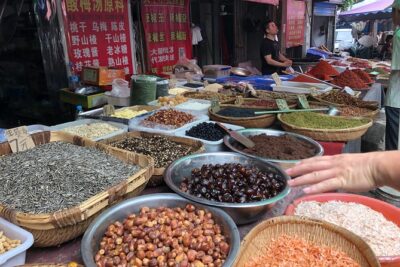
Half-Day Xi’an Biang Biang Noodles Cooking with a Market Visit
Read our review →
Cooking Class with Fresh Market Half Day Experience
Read our review →
Half-Day steamed Buns Cooking Class with a Local Market Visit
Read our review →Browse the lists this tour appears in