
Reviewed · FOOD & DRINK
Unlock Chinese Tea: Culture, Science, Tasting & Hands-on Brewing
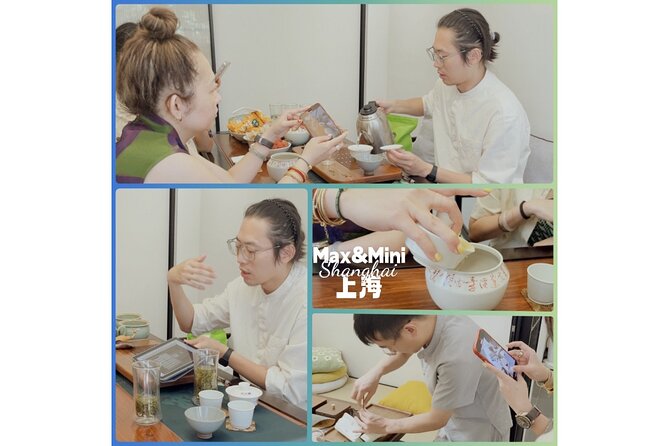
Tea tells China’s story. This Shanghai workshop makes that story hands-on, with tastings, brewing practice, and clear explanations from Max, a certified English guide and former PayPal trainer. I especially like the small group limit of seven and the chance to use real tea ware rather than simply watch a demonstration. The main consideration is the price: at $72 per person, it costs more than a casual tea tasting, so it suits curious learners more than anyone seeking a quick cup.
You meet in Shanghai’s Old Town area and spend about two and a half hours in a private, air-conditioned tea room. I also like the practical focus: you taste several Chinese teas, compare their flavors, learn how processing changes them, and practice with a gaiwan and clay pots. The meeting point is not presented as a sightseeing stop in itself, so allow time to find 宁海招待所 at 149 Nong, 100 Nanchezhan Road.
In This Review
- Key points to know before booking
- Why this Shanghai tea class feels different
- Meeting in Old Town and settling into the tea room
- The first lesson: tea as part of Chinese life
- Tasting several teas, not just one sample
- Practicing with a gaiwan and clay pots
- What Max adds to the session
- Is $72 a fair price?
- The limits you should keep in mind
- Who will enjoy this most?
- Should you book the Chinese tea workshop?
- FAQ
- Where does the tea workshop start?
- Where does the activity end?
- How long does the workshop last?
- How many people can join?
- What teas will I taste?
- Is food included?
- What happens if I need to cancel?
Key points to know before booking
- Max leads the session himself, bringing experience as a former PayPal ESG lead and senior trainer to an English-language tea lesson.
- You taste several Chinese teas, including examples from the country’s six main tea categories.
- Brewing is hands-on, with gaiwan, clay pots, and other tea ware available for practice.
- The workshop includes tea snacks, with seasonal fruit such as pomelo mentioned as one example.
- The group is capped at seven people, creating a more personal class than a large commercial tasting.
- The $72 price buys instruction as well as tea, making the best value for people who want skills they can use later.
Why this Shanghai tea class feels different
Many tea stops in China are built around buying something. This one is built around understanding what is in your cup. That difference matters. You are not simply handed a pot and told that it is special. Max explains what you are tasting, how tea changed over time, and why two leaves can produce very different drinks.
The format is part seminar, part tasting, and part workshop. You listen to the story of tea as it moved from an herb to an everyday drink across Chinese dynasties. You also see visual material about tea types and production, which helps connect the abstract details to the cup in front of you.
I like this balance because tea can become technical very quickly. Names, regions, oxidation, roasting, shape, and brewing temperature can leave a beginner wondering where to start. The session appears designed to give you a simple framework first, then add detail through tasting.
The class is also a good fit if you are interested in Chinese culture beyond the usual sights. Tea touches hospitality, etiquette, food, trade, craft, and daily life. A focused lesson gives you time to ask questions that would never fit into a quick stop at a shop.
More workshops and classes in Shanghai:
- Private Cooking Class: Make Your Own Dim Sum In Shanghai
★ 5.0 · 27 reviews - 2-Hour Private Chinese Ink and Brush Painting Workshop in Shanghai
★ 5.0 · 15 reviews - Private Home Cooking Class with Shanghai Mama
★ 5.0 · 14 reviews
Meeting in Old Town and settling into the tea room
The stated starting point is 宁海招待所, at China, Shanghai, Huangpu District, 149 Nong, 100 Nanchezhan Road, postal code 200011. The activity begins and ends at this same meeting point. Since the address includes a lane number and Chinese characters, I would save the location in your phone and show the Chinese address when asking for help.
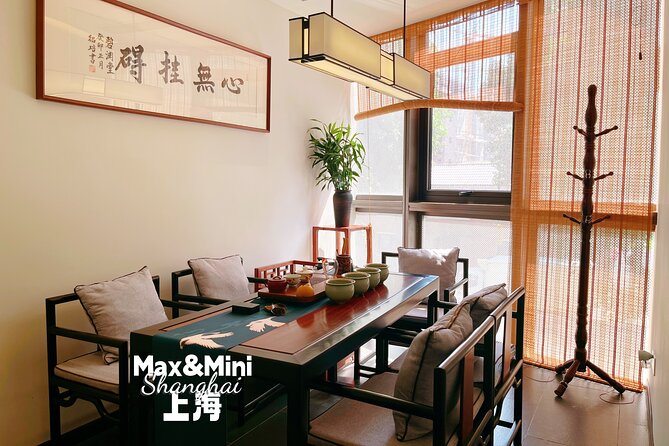
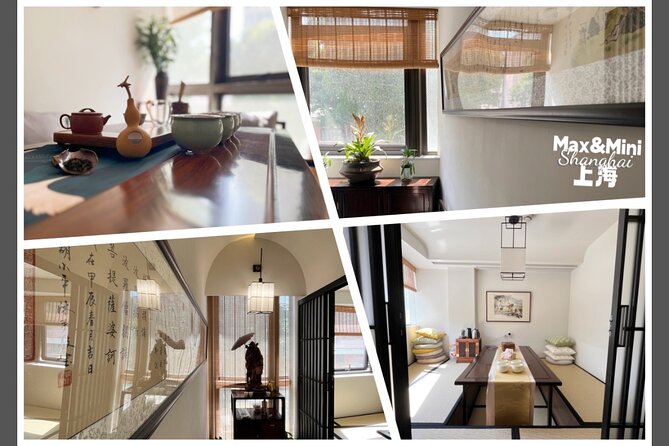
The Old Town setting adds useful context, even though the scheduled activity is centered on the tea room rather than a walking tour. You get a connection to an older part of Shanghai before settling in for the lesson. The room itself is described as private and cozy, with air conditioning and practice tea ware.
That air conditioning is a small but welcome detail. Tea tasting requires sitting still and paying attention, and Shanghai can be hot or humid. A comfortable room helps you focus on aroma, taste, and technique instead of the weather.
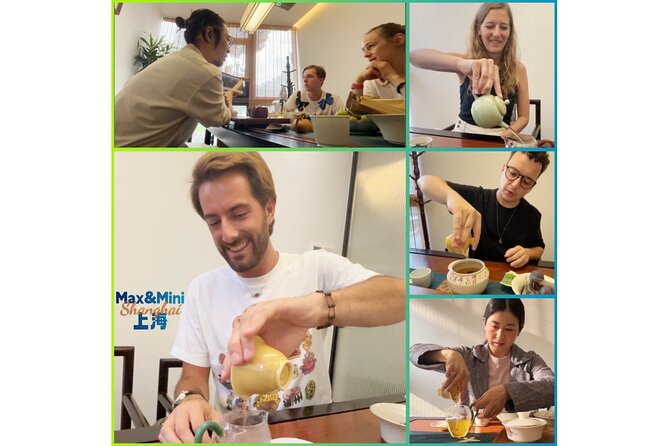
The maximum group size is seven. That is small enough for individual questions and practical instruction, while still allowing a group conversation. The session can also work for a solo participant. One particularly useful detail is that Max has offered a one-to-one workshop on short notice, although you should not assume private treatment unless it is confirmed when you book.
The first lesson: tea as part of Chinese life
The opening section sets tea in context. You learn how it developed from an herb into a daily drink and how its role changed across Chinese dynasties. This is not just background decoration. It explains why tea in China carries so much social meaning.
The class also helps you see tea as a process rather than a single product. The six major tea categories differ because of how the leaves are handled after picking. The session covers green, black, oolong, and other categories, showing how processing shapes color, aroma, texture, and flavor.
That approach is especially useful for beginners. Instead of memorizing a long list of names, you can compare cups and ask what changed. A tea may taste light, roasted, floral, earthy, or strong, and the lesson links those impressions to production and brewing.
I appreciate that the teaching is not limited to tradition. The workshop also includes science. Max explains the reasoning behind tea preparation, giving you a clearer idea of why water, time, vessel, and leaf quantity affect the final drink.
Tasting several teas, not just one sample
The tasting is the heart of the class. You sample various Chinese teas with typical characteristics, and the session has included five different types or six teas depending on the particular description of the day. The exact selection can vary, so book this for comparison and learning rather than a promised list of named teas.
You are encouraged to taste and compare. That sounds simple, but comparison is the fastest way to notice differences. A green tea beside an oolong, for example, gives you a useful reference point. You can pay attention to aroma, bitterness, sweetness, body, and the way the taste changes after swallowing.
The session is aimed at both beginners and tea enthusiasts. If you know little about Chinese tea, you will have a structure to follow. If you already brew at home, you can use the time to ask more specific questions and compare your own habits with traditional methods.
The snacks make practical sense. Tea is served with food in real life, and the workshop includes tea snacks and seasonal fruit such as pomelo. These are not just a bonus on the table. Food changes how your palate experiences tea, and tasting with a snack gives you a closer sense of tea as a social custom.
More food tours in Shanghai:
- Authentic Local Food Tour in Central Shanghai
★ 5.0 · 1,382 reviews - Eat Like A Local: Shanghai Night Food Tour
★ 5.0 · 616 reviews - Half-Day Bike Tour of Shanghai Old Town with Food Tasting
★ 5.0 · 306 reviews - Late Night Food Tour in the Shanghai’s French Concession
★ 5.0 · 260 reviews
Practicing with a gaiwan and clay pots
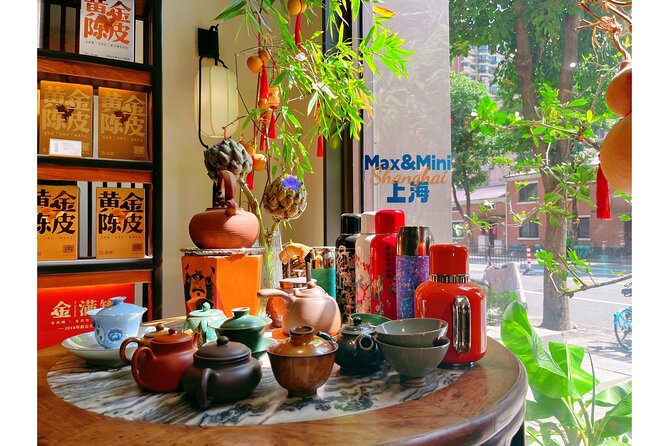
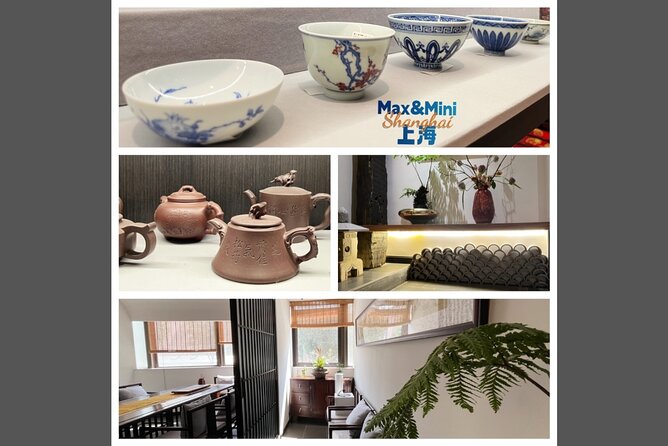
The strongest part of the workshop is the hands-on brewing. You use different tea ware, including a gaiwan and clay pots, and practice traditional methods and etiquette. This turns the class from a talk into a skill session.
A gaiwan can feel awkward at first. It is a small lidded bowl used to brew and pour tea, and the lid, bowl, and saucer must be handled together. Having Max guide you through it is more useful than watching a polished demonstration where every movement looks effortless.
Clay pots offer a different lesson. The vessel affects how tea is brewed and served, and using more than one kind of tea ware helps you understand why Chinese tea preparation has so many forms. You are not simply learning how to fill a pot. You are learning how to control the process.
The etiquette section adds cultural value. Tea preparation is tied to respect, attention, and sharing. You will not master every custom in one sitting, but practicing the basic movements gives you enough confidence to continue at home.
This practical emphasis is one of the reasons I see value in the price. You leave with more than memories and a full stomach. You gain a way to repeat part of the experience after your Shanghai visit.
What Max adds to the session
Max is the only named guide for this activity. His previous work as a PayPal ESG lead and senior trainer suggests a structured teaching style, while his current work as a certified English guide reflects the cultural focus of the workshop. The most important point is that he is described as personally passionate about tea and Chinese culture.
The feedback consistently highlights his patience, approachability, and preparation. The useful takeaway for you is that questions appear to be welcome. That matters in a small class, where a rigid lecture can feel uncomfortable and one person’s question can improve the session for everyone.
Max also brings a scientific angle, not just stories and ceremony. He explains the processes behind different teas and the reasons for brewing choices. I would encourage you to ask about anything you do not understand, especially if you are interested in buying tea later.
The class seems particularly strong for people who want information delivered in English. A tea lesson can lose much of its value when translation is limited to a few basic terms. Here, the format is designed around explanation, discussion, and practice.
Is $72 a fair price?
At $72 per person, this is not Shanghai’s cheapest tea activity. You are paying more than the cost of ordering tea at a local shop, but the comparison is not quite fair. The price includes approximately two and a half hours of instruction, several teas, snacks, a private air-conditioned room, and the use of brewing equipment.
I think the value is strongest if you care about culture or want to build practical tea skills. The session gives you a broad introduction, a guided tasting, and repeated chances to brew. A traveler who only wants a relaxing drink may find it expensive.
The small group limit improves the calculation. Seven people is still a group, but it gives Max room to answer questions and correct technique. If the class is not full, you may receive much more personal attention, though that cannot be guaranteed.
Group discounts are available, which may make the activity more attractive for couples, families, or friends. Since the activity ends where it starts, you also avoid paying for a separate transfer between a sightseeing stop and the tea room.
The limits you should keep in mind
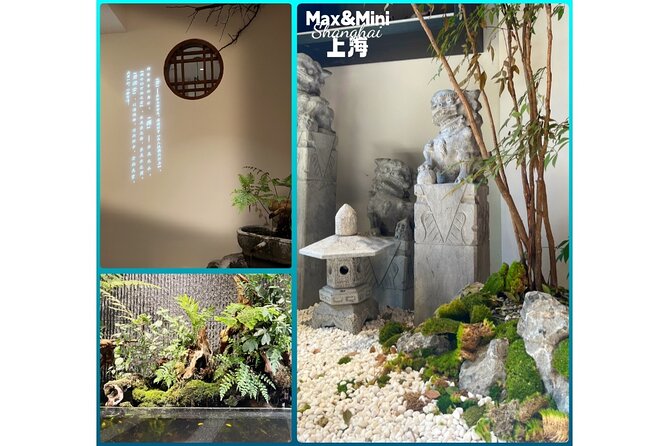
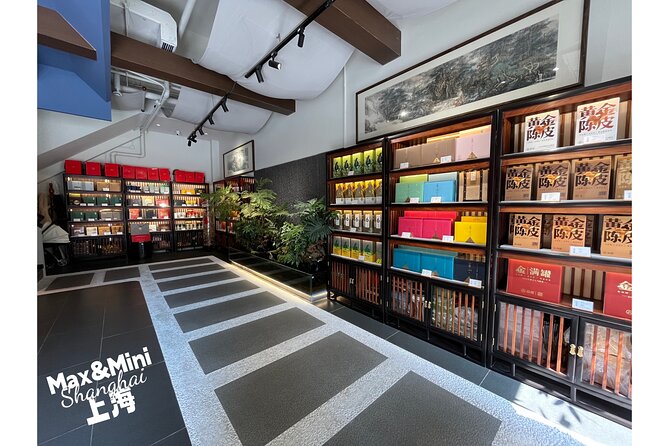
This is a focused tea class, not a general Shanghai tour. The listed stop is Old Town, but the main program takes place in the tea room. If you want a long walking route, major landmarks, or a meal, you should choose a different activity or add those plans separately.
The time commitment is also worth noting. The advertised duration is approximately two hours and thirty minutes, while one description refers to a two-hour tasting. I would plan for the longer time so you are not rushed afterward.
The tea selection is described by type and category rather than by specific farms, mountains, or producers. That is helpful for learning the basics, but serious tea collectors may want more detail about origin and sourcing. You can ask Max directly during the class.
The workshop is interactive, but it is still a class. You will spend much of the time seated, tasting, listening, and practicing. That is ideal for a cultural afternoon, less so if you prefer constant movement.
Who will enjoy this most?
I would recommend it to:
- First-time visitors who want a clear introduction to Chinese tea.
- Tea drinkers who want more confidence with gaiwan brewing.
- Couples and small groups seeking a calm cultural activity.
- People who enjoy asking questions and learning by doing.
- Locals looking for an unusual afternoon activity.
- Anyone interested in Chinese customs, food pairings, and daily life.
It is less suitable if your main goal is tea shopping, a broad city tour, or a fast tasting with no instruction. It may also feel too detailed for someone who simply wants a beverage and a short break.
The experience welcomes service animals and is near public transportation, according to the available details. The group size is limited to seven, and confirmation is provided when you book. Free cancellation is available if you cancel at least 24 hours before the local start time. Inside that window, the payment is not refunded, and changes are not accepted.
Should you book the Chinese tea workshop?
Book it if you want to understand what you are drinking, not merely sample it. The strongest reasons are Max’s teaching, the small group size, the range of tea styles, and the chance to brew with traditional equipment yourself.
I would especially choose this class early in a Shanghai visit. The lesson may help you recognize tea types and ask better questions when you later visit shops or restaurants. If you already have strong tea knowledge, contact the provider with your interests in mind and ask whether the planned session will offer enough new material.
At $72, it is a considered purchase, but the combination of cultural context, tasting, snacks, and practice makes it a fair choice for the right person. If a quiet, useful afternoon with tea sounds better than another crowded attraction, this workshop deserves a place on your Shanghai schedule.
FAQ
Where does the tea workshop start?
It starts at 宁海招待所, China, Shanghai, Huangpu District, 149 Nong, 100 Nanchezhan Road, postal code 200011.
Where does the activity end?
The workshop ends back at the same meeting point.
How long does the workshop last?
The stated duration is approximately two hours and thirty minutes. One description refers to a two-hour tasting, so plan for about two and a half hours.
How many people can join?
The activity has a maximum of seven travelers.
What teas will I taste?
You will taste various Chinese teas, including examples connected with China’s six major tea categories. The exact selection is not specified.
Is food included?
Yes. Tea snacks are included, and seasonal fruit such as pomelo may be served.
What happens if I need to cancel?
You can receive a full refund if you cancel at least 24 hours before the local start time. Cancellations or changes made within 24 hours are not refunded or accepted.
Newest reviews from Shanghai
- Quick Tour to Xi’an Terracotta Warriors from Shanghai by Air in One Day★ 5.0 · 4 reviews
- Shanghai Zhujiajiao water town,Yugarden&Bund one day tour★ 5.0 · 4 reviews
- Wuzhen Private Full-Day Tour from Shanghai★ 5.0 · 4 reviews
- Private Round Trip Transfer to Zhouzhuang Water Village from Shanghai★ 5.0 · 4 reviews
- Full Day Private Tour Amazing Shanghai City Highlights★ 5.0 · 4 reviews
- Shanghai Tower Observation Deck 118 floor Tickets Pre-booking.★ 5.0 · 4 reviews
- Private Wet Market Visit with Cooking Class in Shanghai★ 3.0 · 4 reviews
- Zhujiajiao & Shanghai:Small Group Tour Water Town to Skyline★ 5.0 · 4 reviews
Food & Drink, compared.
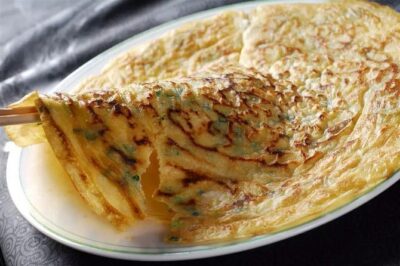
Authentic Local Food Tour in Central Shanghai
Read our review →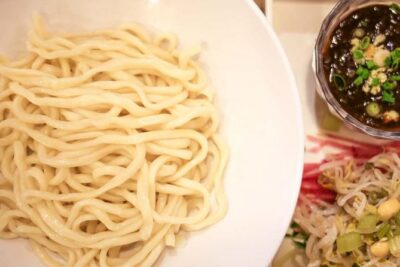
Beijing Hutong Walking Food and Beer Tour at Hidden Restaurants
Read our review →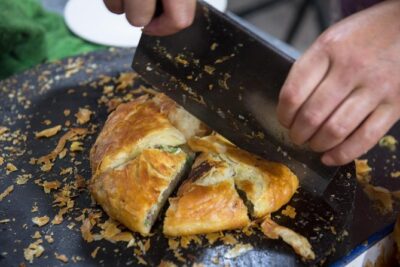
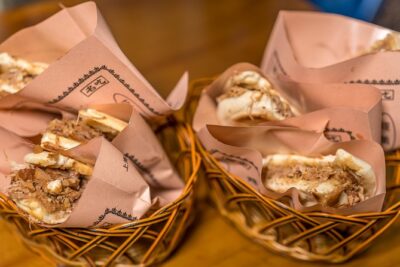

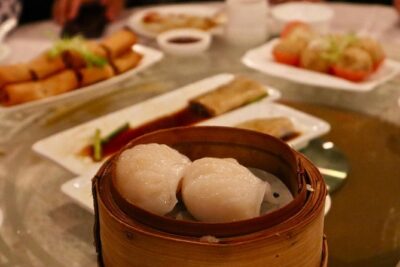
Hong Kong’s Tin Hau Hidden Eats Food Tour with 7+ Local Tastings
Read our review →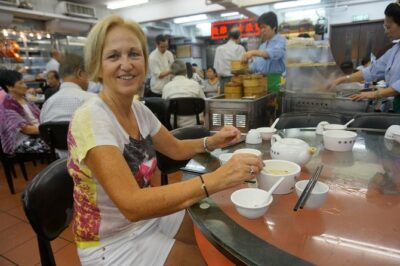
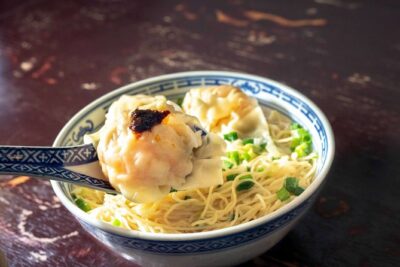
Hong Kong Food Tour: Central and Sheung Wan Districts
Read our review →Browse the lists this tour appears in