Reviewed · COOKING CLASSES
Half-Day steamed Buns Cooking Class with a Local Market Visit
Start with a market, then cook what you find. This four-hour Chengdu experience pairs a local spice market visit with a hands-on lesson in making steamed Bao Zi buns, giving you food, culture, and a meal in one outing. I like the market challenges, which make unfamiliar spices and vegetables easier to understand, and the relaxed courtyard setting with Sichuan tea. The main drawback is that the class can take four to five hours, so it needs a clear half-day in your schedule.
I also like that you eat the buns you make, with beer or other drinks included. Guides such as Lance have been praised for taking photos during the market visit, while Jerry is noted for patiently explaining unfamiliar vegetables and helping with simple Chinese phrases. At $80 per person, this is not a bargain meal, but the market tour, ingredients, instruction, refreshments, and lunch or dinner make it reasonable for food-focused visitors.
In This Review
- Key points at a glance
- Why this Chengdu food class works so well
- Stop 1: Chilli Cool China and the market visit
- Stop 2: Chilli Cool’s traditional courtyard kitchen
- What you learn about Bao Zi
- Eating the buns you made
- Guides, language help, and group atmosphere
- Is $80 a fair price in Chengdu?
- Timing, meeting point, and useful preparation
- Who should book this class?
- Should you book the Bao Zi cooking class?
- FAQ
- How long does the Bao Zi cooking class last?
- Where does the experience begin?
- Where does the experience end?
- Is a market visit included?
- What food do you learn to make?
- Is food included after the class?
- Is a vegetarian option available?
- What is the minimum age?
- Can you cancel for a refund?
Key points at a glance
- A real market comes first: You learn about Sichuan spices and ingredients before handling them in the kitchen.
- Bao Zi is the main lesson: You make filled steamed buns rather than simply watching a chef work.
- The setting feels local: The cooking takes place in a traditional Sichuan-style courtyard with local tea.
- Guides add personal help: Lance and Jerry have been singled out for patient explanations, language help, and photos.
- Your class ends with a meal: You eat the buns you prepare, along with beer or other beverages.
- Small enough for interaction: The maximum group size is 15 people, with a vegetarian option available by request.
Why this Chengdu food class works so well
Many cooking classes begin with ingredients already laid out on a counter. This one gives you a better starting point. You first visit a local market, see the ingredients in their everyday setting, and learn how Sichuan cooking gets its flavor.
That order matters. Sichuan food is known for more than heat. Spices, aromatics, vegetables, and seasonings each play a part, and it is easier to remember them when you have seen and smelled them at a market. You are not just memorizing a recipe. You are building a picture of how local food shopping works.
The class also has a clear goal. You make Bao Zi, filled steamed buns that are a familiar part of Chinese cooking. The dough, filling, shaping, and steaming process give you several useful skills in one lesson. You also get the reward at the end: a meal made by your own hands.
I would choose this outing for someone who wants more than a quick restaurant meal but does not want to spend a full day on a food program. It suits couples, families with children age five and older, and small groups of friends. The minimum age is five, though younger children may need close help during the hands-on cooking.
More Cooking Classes in Chengdu
- Half-Day Chengdu Cooking Class with a Local Market Visit
★ 5.0 · 465 reviews - Chengdu: Cooking Class with Fresh Market Half Day Experience
★ 5.0 · 42 reviews - Half-Day Professional Mapo Tofu Cooking with a Local Market Visit
★ 5.0 · 19 reviews
Stop 1: Chilli Cool China and the market visit
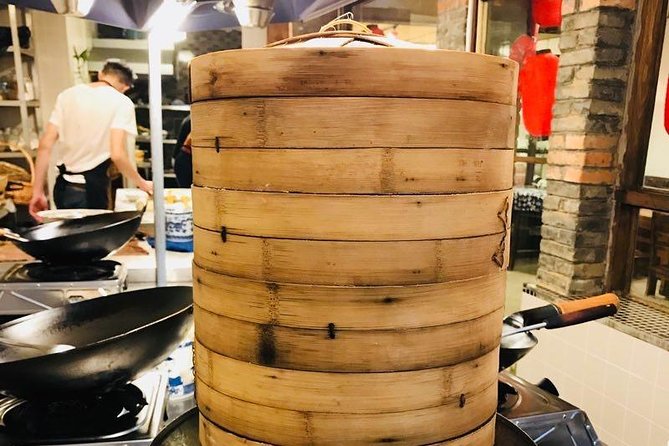
The first stop is Chilli Cool China, where the market portion begins. The focus is on Sichuan spices and local ingredients that will later be used or discussed in the cooking lesson.
Expect a guided walk rather than a simple browse. You may be given small challenges to complete, which adds a playful element to the visit. This is useful if you are new to Chinese markets because it gives you something specific to look for instead of leaving you to guess what each ingredient is.
A guide can help translate unfamiliar vegetables and explain how ingredients are used. Jerry has been praised for patiently answering questions and helping with basic Chinese language practice. That kind of support can make the market less intimidating, especially if you cannot read Chinese labels or do not know the names of common produce.
Lance has also been praised for taking photos during the market portion. This is a practical touch. It means you can focus on the shopping activity instead of constantly reaching for your phone, and you may leave with pictures from both the market and the kitchen.
The market is likely to be the most unpredictable part of the morning or afternoon. Conditions depend on the weather and the pace of the group. You will be walking, so comfortable shoes are important. Wear clothes suited to changing weather, since the tour operates in all conditions.
Do not expect a polished food hall designed for sightseeing. The value here is seeing ingredients in a working local market and learning what they mean. If you prefer a quiet, highly controlled setting, this portion may feel busy or informal. If you like food with context, it is one of the strongest parts of the day.
Stop 2: Chilli Cool’s traditional courtyard kitchen
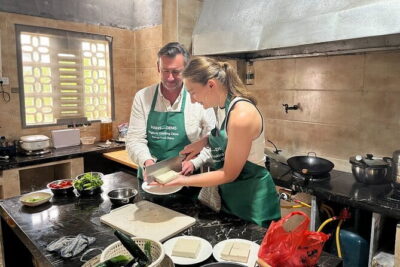
After the market, the group moves to Chilli Cool’s Kitchen for the cooking lesson. The class takes place in a traditional Sichuan-style courtyard, a setting that gives the activity more character than a generic demonstration room.
You are welcomed with Sichuan local tea, following the custom of offering tea to friends and visitors. This short pause helps shift the pace from walking and looking to cooking and listening. It also gives you a chance to settle in before the practical work begins.
A professional chef guides the lesson in a cozy kitchen. The supplied information does not specify how many buns each person makes or the precise recipe, so you should think of this as a guided introduction rather than a formal culinary qualification. You will learn the process and take part in it, but the exact amount of individual instruction can depend on group size and the needs of the class.
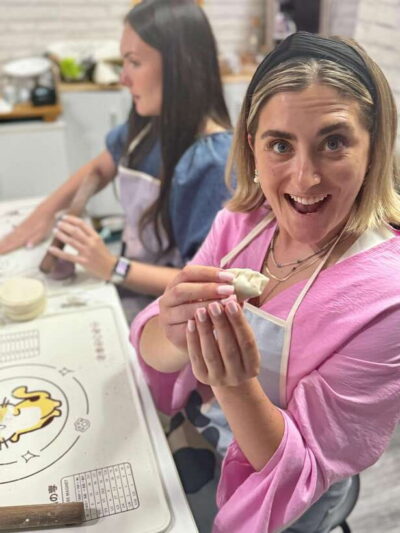
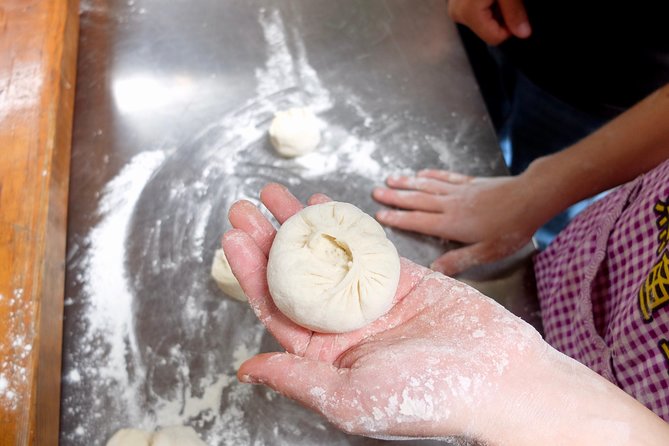
The main skill is making Bao Zi, a steamed bun with filling. You will work with the dough and filling, then shape the buns for steaming. Shaping can take a little practice, so do not worry if your first few look more homemade than perfect. That is part of the fun, and the final meal does not require every bun to look identical.
The small group limit helps here. Up to 15 people may attend, which is not a private lesson, but it is small enough for questions and demonstrations to remain manageable. If you want one-on-one instruction throughout, you should ask about group arrangements before booking.
What you learn about Bao Zi
Bao Zi is a useful dish for a first Chinese cooking class because it combines several basic techniques. You handle dough, prepare a filling, shape the buns, and use steaming as the cooking method. You also see how spices and fresh ingredients connect the market visit to the finished food.
The class is not only about copying steps. It gives you a sense of texture and timing. Dough behaves differently depending on how it is handled, and filled buns need careful shaping so the filling stays inside. A chef’s guidance is valuable here because small corrections are easier to understand in person than from a video.
You should also expect an informal atmosphere. The description presents the class as fun and social, with tea at the start and drinks at the end. That makes it a good choice for people who enjoy learning through conversation and shared food.
The vegetarian option is available, but you must request it when booking. The same applies to other dietary needs. Do not wait until the class begins, since the ingredients need to be planned in advance. The available information does not spell out every possible substitution, so ask specifically about your requirements before paying.
More Half-Day Tours in Chengdu
- Private Half-Day Chengdu Panda Breeding Center Tour with Optional Volunteer
★ 5.0 · 353 reviews - Half-Day Chengdu Back Alley Foodie Tour
★ 5.0 · 58 reviews - Half-Day Sichuan Cooking Class Experience in Chengdu
★ 4.0 · 17 reviews - Half-day Private Mahjong course in Local Tea House
★ 5.0 · 16 reviews
Eating the buns you made
The final meal is an important part of the value. You do not simply take a recipe home and leave hungry. After steaming, you eat the Bao Zi with beer or other beverages, and the class includes light refreshments plus lunch or dinner depending on the schedule.
This makes the activity easy to fit into a sightseeing day. A morning class can function as lunch, while a later session can serve as dinner. Confirm the class schedule when booking so you know how it fits with other plans.
The meal is also a good test of what you learned. You can see how the dough, filling, seasoning, and steaming work together. Even if your shaping is uneven, the result should feel more satisfying because you took part in the preparation.
Do keep expectations sensible. The included meal centers on the buns you make, not a large multi-course Sichuan feast. If you want a broad sampling of Chengdu dishes, you will need a separate restaurant meal. This class is about one traditional specialty and the ingredients behind it.
Guides, language help, and group atmosphere
The English-speaking guide is one of the practical strengths of this activity. You can ask questions about market ingredients, get help with basic Chinese words, and follow the chef’s instructions without having to work everything out alone.
Lance has received particular praise for being helpful from the beginning to the end and for taking photos. Jerry has been noted for his patience, translations, and willingness to explain unfamiliar vegetables. Guide assignments can vary, so you should not assume one particular person will lead your session, but those names give you a useful idea of the personal service associated with the experience.
The group maximum is 15. That size allows a social atmosphere, but it also means the pace will be shared. A family with young children, a couple, and solo participants may all be in the same class. If you enjoy meeting people over food, this is a plus. If you want complete control over the timing, ingredients, and level of instruction, a private class would be a better fit, if available.
The minimum age is five. Children who enjoy rolling dough and shaping food should find plenty to do, though adults will need to supervise them around kitchen equipment and hot steam. The supplied details do not promise special children’s instruction, so families should consider their child’s patience and ability to follow directions.
Is $80 a fair price in Chengdu?
At $80 per person, this class costs more than buying Bao Zi from a local shop. That comparison is not quite fair, since you are paying for a four-hour activity, an English-speaking guide, the market visit, ingredients, instruction, refreshments, drinks, and a meal.
The value is strongest if you want several elements in one booking. You get a market outing, cultural explanation, cooking practice, and lunch or dinner without having to arrange each part separately. The included beverages and ingredients also make the final price easier to judge.
The value is weaker if your main goal is simply to eat cheap local food. Chengdu offers far less expensive meals, and a quick stop at a bun shop will cost a fraction of this price. You are paying for access, guidance, and participation rather than just food.
Group discounts may be available, which could improve the cost for families or friends. Since the class is booked about 14 days ahead on average, plan early if your Chengdu dates are fixed. A mobile ticket is provided, making it easy to keep the booking on your phone.
Timing, meeting point, and useful preparation
The activity lasts about four hours, though the full program may run closer to four to five hours. Start and finish are at 167 Yi Huan Lu Bei San Duan in Jin Niu District, Chengdu, and the activity returns to that meeting point.
Build in enough time to reach the start location. The information provided does not include hotel pickup, so you should not assume transportation from your accommodation is included. Check the exact meeting instructions after booking and arrive ready for the market portion first.
Wear comfortable walking shoes and dress for the weather. The activity operates in all weather conditions, and the first stop takes place at a market. A phone with the mobile ticket is useful, while a small amount of flexibility helps if the market visit or group pace takes longer than expected.
Passport name, number, expiry date, and country are required for all participants at booking. This is easy to overlook, so have those details ready for everyone in your party.
Free cancellation is available if you cancel at least 24 hours before the local start time. Within 24 hours, you should expect no refund, and late changes are not accepted. That policy makes early planning sensible, but it also means you should avoid booking before your Chengdu schedule is reasonably firm.
Who should book this class?
I would recommend it to you if food is one of the main reasons you visit Chengdu. It is especially good for people who want to understand ingredients, not just photograph finished dishes. The market portion gives the cooking lesson a useful sense of place.
Families can consider it if children are at least five and enjoy hands-on activities. Couples and friends get a relaxed shared meal, while solo participants can join a small group and meet others through the cooking process.
This is also a good choice if you want English-language support. The guide can explain ingredients and help bridge language gaps that might make an independent market visit difficult.
I would be more cautious if you have strict dietary needs that go beyond vegetarian food. A vegetarian option is available with advance notice, but the details do not list every possible allergy or substitution. Contact the provider before booking and describe your needs clearly.
You should also skip it if you have only a short window in Chengdu or dislike fixed group schedules. Four to five hours is a serious commitment, and the market plus cooking format works best when you can enjoy both parts without watching the clock.
Should you book the Bao Zi cooking class?
Book it if you want a practical, social food experience with a clear local connection. The market visit, Sichuan tea, courtyard kitchen, English-speaking guide, and final meal create a fuller experience than a standard cooking demonstration.
The strongest reasons to choose it are the ingredient guidance and the chance to eat what you make. The main cautions are the $80 price, the four to five-hour duration, and the need to request dietary adjustments in advance.
For a food-focused half-day in Chengdu, I think the combination is worthwhile. You leave with more than a full stomach: you have seen the ingredients, practiced a traditional dish, and gained a better sense of how local cooking begins.
FAQ
How long does the Bao Zi cooking class last?
The activity lasts approximately four hours, although the full experience may take four to five hours.
Where does the experience begin?
It begins at 167 Yi Huan Lu Bei San Duan, Jin Niu District, Chengdu, Sichuan, China, postal code 610051.
Where does the experience end?
It ends back at the same meeting point.
Is a market visit included?
Yes. The experience includes a guided visit to a local spice market called Chilli Cool China.
What food do you learn to make?
You learn to make Bao Zi, traditional steamed buns with a filling.
Is food included after the class?
Yes. You eat the Bao Zi you make, and lunch or dinner is included depending on the class schedule. Light refreshments and beverages or beer are also included.
Is a vegetarian option available?
Yes. A vegetarian option is available, but you must request it when booking.
What is the minimum age?
The minimum age is five years old.
Can you cancel for a refund?
Yes, you can receive a full refund if you cancel at least 24 hours before the experience start time. Cancellations within 24 hours are not refunded.
More Shopping Trips in Chengdu
- Mini Group Xian Day Tour to Terracotta Army, City Wall, Pagoda and Muslim Bazaar
★ 5.0 · 1,320 reviews - Shanghai Day Tour to Zhujiajiao Water Town, Yu Garden, Bazaar, Bund
★ 5.0 · 162 reviews - Hong Kong: Kowloon Street Market & Food Culture Walking Tour
★ 5.0 · 105 reviews - Organic Chinese Dumpling Class with Market Walk
★ 5.0 · 88 reviews
More Market Tours in Chengdu
- Half-day Dandan Noodles Cooking Class with a Local Market Visit
★ 5.0 · 8 reviews
Newest reviews from Chengdu
- Chengdu: City Walking Tour with Food and Culture Stops★ 4.7 · 4 reviews
- Classsic sichuan Opera at sichuan Provincial Theater★ 5.0 · 4 reviews
- One Day Trip to Dujiangyan Irrigation System & Mount QingCheng Tour★ 5.0 · 4 reviews
- Private Day Tour: Dujiangyan Panda Base and Irrigation Project★ 5.0 · 4 reviews
- Private Day Tour: Chengdu Panda and Leshan Buddha★ 4.0 · 5 reviews
- One Day Giant Panda Leisure Private Tour in Chengdu★ 5.0 · 5 reviews
- Sanxingdui Ruins and Giant Pandas Private Day Tour from Chengdu★ 5.0 · 5 reviews
- Half-Day Tour at Chengdu Panda Breeding Research Base★ 4.0 · 5 reviews
Cooking Classes, compared.
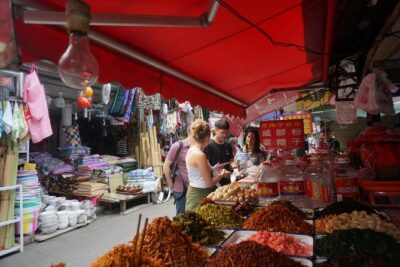
Half-Day Chengdu Cooking Class with a Local Market Visit
Read our review →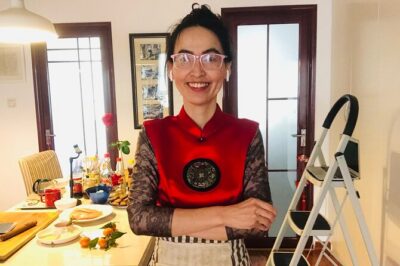
Online Cooking Class Beijing Dumplings and Cuisine by Sunflowerli Renowned Chef
Read our review →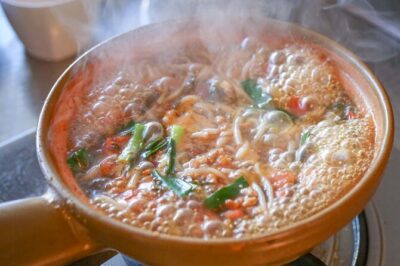
Lijiang Naxi Cuisine Cooking Class & Market Visit
Read our review →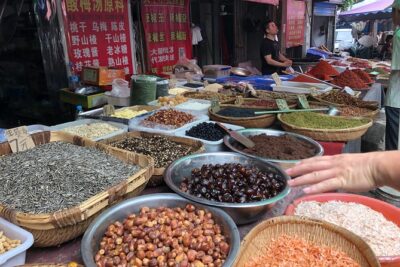
Half-Day Xi’an Biang Biang Noodles Cooking with a Market Visit
Read our review →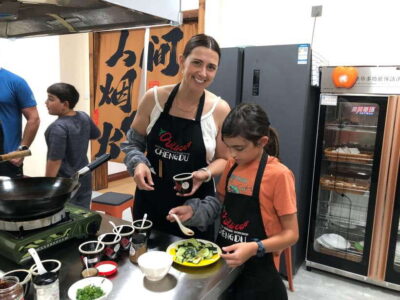
Cooking Class with Fresh Market Half Day Experience
Read our review →