
Reviewed · FOOD & DRINK
Hong Kong: Kowloon Street Market & Food Culture Walking Tour
Hong Kong tells its story through food. This two-hour walk from Prince Edward to Mong Kok links goldfish shops, bakeries, wet markets, preserved foods, and old customs in a way that makes Kowloon easier to understand. I especially like the maximum group size of six and the fact that tastings are included, so you can focus on the food rather than counting small payments at every stop.
I also like that the route goes beyond the usual tourist checklist. Guides such as Stephen, Michael, Alice, Summer, and Isaac have been praised for clear storytelling and personal insight, while the tour itself earns a 5 out of 5 rating with 99 percent recommending it. The main consideration is physical: the walk can run to two and a half hours, despite the listed estimate of two hours, and one person needed a sit-down break halfway through.
In This Review
- Quick reasons to consider this Kowloon food walk
- Why this tour works better than wandering alone
- Prince Edward to Goldfish Street
- Fruit at Kiu Ming Mansion
- Walnut cookies at Ki Tsui Cake Shop
- Pat Chun and the taste of post-war Hong Kong
- Mahjong, betting, and the Hong Kong Jockey Club
- Preserved eggs and sausages on Canton Road
- Seafood at Lok Yuen House
- Paper offerings and family tradition
- Ending at Ladies’ Market in Mong Kok
- What the $32.80 price gets you
- Practical points before you go
- Who will enjoy this walk most
- Should you book the Kowloon food walk?
- FAQ
- How much does the tour cost?
- How long does the walking tour last?
- Where does the tour begin?
- Where does the tour finish?
- Are food tastings included?
- What is the maximum group size?
Quick reasons to consider this Kowloon food walk
- Goldfish Street becomes an economics lesson: Plastic bags of goldfish lead into Hong Kong’s rents, trade, and upstairs businesses.
- Eight compact stops cover more than snacks: You visit food shops, a bakery, a seafood store, a betting branch, and a paper offering shop.
- Included tastings make trying new foods easier: Walnut cookies, fruit, preserved eggs, sausages, and other samples are part of the experience.
- The route ends at Ladies’ Market: You finish near Mong Kok MTR, with time to continue exploring on your own.
- Small groups help with questions: A group capped at six gives the guide room to explain local customs and handle food-related questions.
- The tour suits curious eaters: You do not need to know Hong Kong cuisine in advance, but you should be willing to try unfamiliar foods.
Why this tour works better than wandering alone
Kowloon is easy to explore badly. You can walk for hours through Mong Kok and see plenty of shops, signs, and food stalls without understanding what matters or how the pieces fit together. This tour gives you a local guide who handles the route and explains the meaning behind ordinary-looking businesses.
The value is not just the number of stops. It is the connection between them. A goldfish shop introduces commerce and rent. A fruit stop explains Hong Kong’s dependence on imported produce. A preserved-food shop shows how people responded to climate and storage needs. A paper offering store opens a window onto family customs and ancestor care.
I like this structure because the food is never treated as a parade of random bites. Each sample comes with a reason for being there. That gives you a better chance of remembering what you ate and why it belongs in Hong Kong’s daily life.
The small group matters, too. With no more than six people, you should be able to hear the guide in crowded streets and ask questions without losing the thread. Guides named in the feedback include Stephen, Michael, Alice, Summer, and Isaac. The praise is consistent: strong storytelling, patience, local insight, and a willingness to explain unfamiliar places.
More Walking Tours in Hong Kong
- Dark Side of Hong Kong – Kowloon Caged Homes Walking Tour
★ 5.0 · 418 reviews - Introduction to Hong Kong: Central Tip Based Walking Tour
★ 5.0 · 202 reviews - Full-Day Private Customized Walking Tour of Hong Kong
★ 5.0 · 106 reviews
Prince Edward to Goldfish Street
The meeting point is Prince Edward Station on Prince Edward Road West. The walk starts at 3:00 pm, a useful time for combining it with an earlier visit elsewhere in Hong Kong. From there, the first stop is Tung Choi Street, better known as Goldfish Street.
At first glance, this sounds like a lighthearted photo stop. It is more useful than that. The goldfish trade becomes a way to understand how Hong Kong’s economy works at street level. Shops sell fish in plastic bags, yet the business behind those small purchases can involve multi-million-dollar sales.
The guide also explains how soaring rents push some businesses upward into less visible upstairs locations. That is a sharp introduction to Hong Kong’s limited space and constant pressure on shopkeepers. You will spend about 10 minutes here, so do not expect a long aquarium visit. The point is the story, not a lengthy stop inside one store.
Fruit at Kiu Ming Mansion
The next stop, Kiu Ming Mansion, shifts from fish to fruit. Hong Kong grows only about 0.1 percent of its own food, so the produce you see in shops depends heavily on international supply lines.
Here you taste fruit that may have arrived by air very recently. Japanese strawberries are used as one example of how produce reaches Hong Kong quickly. This helps explain why freshness matters so much in the city, and why fruit prices can reflect transport, quality, and origin.
I find this stop valuable because it corrects a common assumption. Hong Kong’s food culture is not only about local farms or old recipes. It is also about managing imports, timing, and demand in a dense city with almost no agricultural land. The stop lasts around 10 minutes and includes a tasting.
Walnut cookies at Ki Tsui Cake Shop
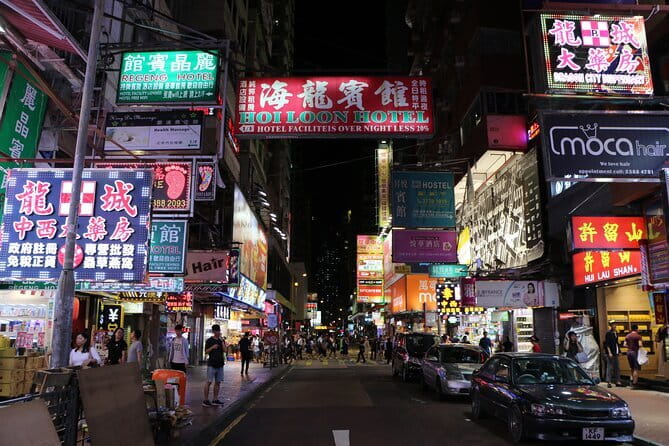
Ki Tsui Cake Shop brings the tour back to a more traditional kind of food. The walnut cookie tasting is tied to cultural memory and the role bakeries play in preserving familiar flavors.
This is a modest stop, but that is part of its appeal. You are not being led into a grand museum with a formal display. You are standing in or near an everyday bakery and using one small sweet to talk about Hong Kong’s changing identity.
The guide may explain how food keeps family habits and old customs alive even as the city changes. I like this approach because it treats a bakery as a place of memory, not just a place to buy something sweet. Again, plan on roughly 10 minutes.
More market tours in Hong Kong:
- Organic Chinese Dumpling Class with Market Walk
★ 5.0 · 88 reviews - Organic Xiao Long Bao Soup Dumpling Class & Market Walk
★ 5.0 · 62 reviews - Hong Kong Market Walking Tour & Chinese Cooking Class
★ 5.0 · 24 reviews - Organic Combo Dumplings & Xiao Long Bao Class with Market Walk)
★ 5.0 · 12 reviews
Pat Chun and the taste of post-war Hong Kong
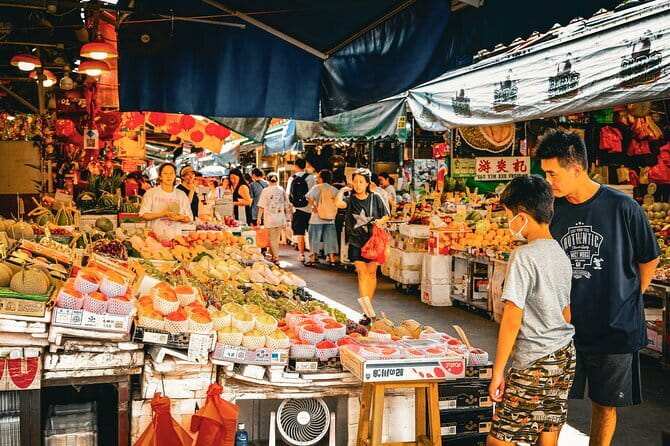
At 136A Fa Yuen Street, the tour visits Pat Chun, a food brand connected with Hong Kong’s post-war baby boom. The focus is on the company’s commitment to local production and its resistance to shifting its products to made in China manufacturing.
This stop gives you a look at the pride attached to familiar Hong Kong brands. The food is connected to people who grew up with these products, and the guide uses the bottles and recipes to discuss continuity, choice, and local identity.
The stop is not presented as a large meal. It is another taste with a story attached. That makes it useful for you if you want to understand how Hong Kong residents relate to brands that have lasted through social and economic change.
Mahjong, betting, and the Hong Kong Jockey Club

The tour then moves to the Hong Kong Jockey Club off-course betting branch on Argyle Street in Mong Kok. This is one of the more unusual stops because it is not simply a food shop.
The discussion links mahjong, horse racing, colonial law, and public funding. The idea is that local gambling traditions were not erased, but brought into a system where gambling revenue supports public services. That arrangement became part of Hong Kong’s social and political character.
This stop adds needed range. Without it, the walk could feel like a string of tastings. Here you get a look at how leisure, law, and public money intersect. You spend about 10 minutes at the site, with the guide providing the context rather than taking you to a race meeting.
Preserved eggs and sausages on Canton Road
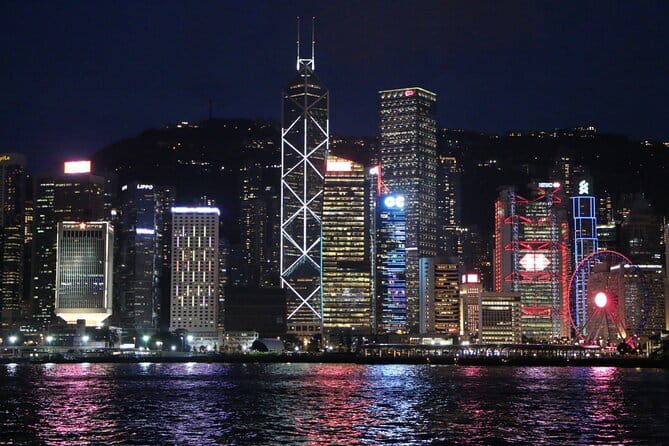
At 1031A Canton Road, a marinated food store introduces preservation. You may taste preserved eggs and sausages, foods shaped by Hong Kong’s warm, humid climate and the need to keep ingredients usable over time.
The useful idea here is adaptation. Preservation is not just an old-fashioned technique or a strong flavor for adventurous eaters. It reflects practical knowledge about weather, storage, and making the most of available food.
This is one of the stops where an open mind helps. If you are cautious with preserved foods, the guide can explain what you are trying before you taste it. The tour is designed to help you step outside your usual food habits, but nobody should feel pressured to pretend to like everything.
Seafood at Lok Yuen House
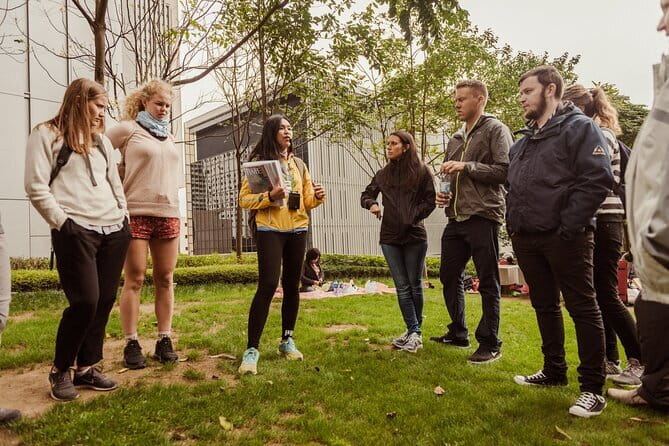
Lok Yuen House is the seafood stop. The shop illustrates Hong Kong’s place in an international seafood network, with geoduck from Canada cited as an example of how products can reach local stalls within hours.
The emphasis is on freshness and simple preparation. That idea can seem surprising in a city where the source may be thousands of miles away. The point is not that the food is local, but that Hong Kong has developed systems for bringing it in quickly and selling it with freshness as the main measure of quality.
This stop also shows why a guide helps. Without explanation, a seafood store may look like just another shop. With context, you can see the link between global trade, timing, and the city’s food habits.
Paper offerings and family tradition
At 1028 to 1036 Canton Road, a paper offering store provides the most striking cultural change of pace. Chinese families may burn paper replicas as offerings to ancestors, including objects connected with daily life and status.
The tour explains how this tradition has continued despite pressure from luxury brands. Gucci reportedly tried to stop shops from selling paper versions of its products, but local custom proved stronger than the legal challenge.
You do not need to share the belief to appreciate what the shop represents. It shows how family obligations, ritual, commerce, and modern consumer goods can meet in one narrow street. This is the kind of stop you could easily miss if you were only looking for restaurants.
Ending at Ladies’ Market in Mong Kok
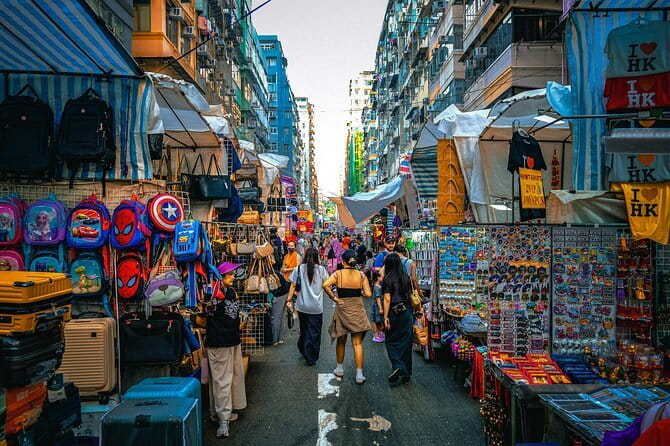
The final destination is Ladies’ Market on Tung Choi Street, near Mong Kok MTR Station. This gives the walk a practical ending. You are not left in an obscure neighborhood with a long trip back to the rail system.
The market is a natural place to continue your afternoon or evening. The tour itself is food-focused, but the final location puts you close to one of Mong Kok’s best-known shopping areas. You can browse after the walk, find more food, or use the MTR to reach another part of Hong Kong.
Because the listed duration is about two hours, keep your schedule flexible. One account described the walk as lasting two and a half hours, and also noted the need for a seated break. The route includes eight stops, street navigation, and time for explanations, so you should not plan a tight appointment immediately afterward.
What the $32.80 price gets you
At $32.80 per person, this is a reasonable price for a small-group food walk if you value explanation as much as food. The price includes a professional local guide and tastings, so you do not need to budget separately for each sample.
The snacks alone are not likely to make this a full meal. Think of the food as a series of introductions rather than lunch or dinner. You are paying for the route, the guide’s interpretation, and access to small local stops that are difficult to place in context on your own.
The group limit of six improves the value. A larger group would make street-side explanations harder to hear and personal questions less practical. If the main goal is to eat as much as possible, you may find a restaurant-based food tour better suited to you. If you want food connected to Hong Kong’s customs and economy, this walk makes stronger sense.
Practical points before you go
Wear comfortable shoes. The route covers several street locations and may last longer than the approximate two-hour schedule. Anyone who prefers a slower pace should allow extra time and tell the guide if a break is needed.
The tour begins at Prince Edward Station and ends near Mong Kok MTR Station. That start and finish make it fairly simple to fit into a day of sightseeing without arranging private transport.
A mobile ticket is provided, and confirmation arrives at booking. Service animals are allowed, the route is near public transportation, and most people can participate. The tour requires good weather. If poor weather forces cancellation, you are offered another date or a full refund.
Cancellation is free up to 24 hours before the start time. Changes or cancellations made less than 24 hours ahead are not accepted, and the local Hong Kong time controls the cut-off.
Who will enjoy this walk most
I would choose this tour for a first or second visit to Hong Kong when I wanted more than the standard skyline and shopping stops. It suits people who enjoy asking why a city eats, shops, trades, and prays in the ways it does.
It is also a good match for cautious eaters who want a guide to explain unfamiliar foods before trying them. Several guide names are associated with warm, patient presentations, including Alice, Stephen, Summer, Michael, and Isaac. That personal element matters when you are tasting preserved eggs or entering a shop you would not have found alone.
Families and older participants should consider the walking time. Most people can take part, but this is not a seated food experience. The route is compact in geography, yet the number of stops and the street pace can add up.
Should you book the Kowloon food walk?
Book it if you want local food with context, a very small group, and a route that reaches beyond the obvious tourist streets. The 5 out of 5 rating, 99 percent recommendation rate, included tastings, and repeated praise for guides such as Stephen and Alice all support its value.
Skip it if you need a full meal, dislike trying unfamiliar foods, or have a tightly packed afternoon. Also allow more than two hours, since the walk may stretch to two and a half.
For curious eaters, this is a smart introduction to Kowloon. You finish with snacks in your memory, but also with a clearer sense of how trade, tradition, rent, weather, family customs, and local pride shape Hong Kong food.
FAQ
How much does the tour cost?
The tour costs $32.80 per person.
How long does the walking tour last?
The listed duration is approximately two hours. It may last about two and a half hours, so allow extra time.
Where does the tour begin?
It begins at Prince Edward Station on Prince Edward Road West in Prince Edward, Hong Kong.
Where does the tour finish?
It finishes at Ladies’ Market on Tung Choi Street in Mong Kok, near Mong Kok MTR Station.
Are food tastings included?
Yes. Snacks and food tastings are included as part of the tour price.
What is the maximum group size?
The tour has a maximum of six participants.
More Food Tours in Hong Kong
- Hong Kong’s Tin Hau Hidden Eats Food Tour with 7+ Local Tastings
★ 5.0 · 352 reviews - Small-Group Hong Kong Island Food Tour
★ 5.0 · 343 reviews - Hong Kong Food Tour: Central and Sheung Wan Districts
★ 5.0 · 333 reviews - Hong Kong Street Food Tour with Locals – Dim Sum, Wonton & more
★ 5.0 · 226 reviews
More Shopping Trips in Hong Kong
- Mini Group Xian Day Tour to Terracotta Army, City Wall, Pagoda and Muslim Bazaar
★ 5.0 · 1,320 reviews - Half-Day Chengdu Cooking Class with a Local Market Visit
★ 5.0 · 465 reviews - Shanghai Day Tour to Zhujiajiao Water Town, Yu Garden, Bazaar, Bund
★ 5.0 · 162 reviews - Xi’an: Terracotta Army, Lunch, City Wall, Pagoda, Bazaar
★ 5.0 · 72 reviews
Newest reviews from Hong Kong
- Lantau Peak Sunrise Climb★ 5.0 · 4 reviews
- Hong Kong MiniBus Transfer: Hotel / Cruise Terminal and Airport★ 4.5 · 4 reviews
- Hong Kong: Lantau Island & Tai O Cruise, Skip The Line Cable Car★ 3.5 · 4 reviews
- Private & Personalized Hong Kong Street Art Tour with a Local★ 5.0 · 4 reviews
- Classic Afternoon Tea Voyage in Hong Kong for 4 Pax★ 4.0 · 4 reviews
- 2025 Chinese New Year Fireworks Open Bar Yacht Dinner Cruise HK★ 4.5 · 4 reviews
- Hong Kong Heritage Walk★ 4.0 · 4 reviews
- Small-Group Tour: The best bites of Mongkok★ 5.0 · 4 reviews
Food & Drink, compared.
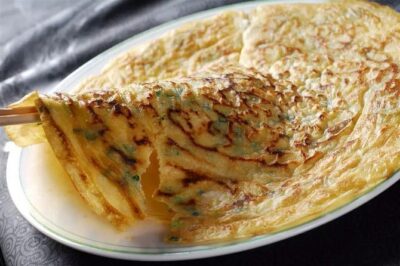
Authentic Local Food Tour in Central Shanghai
Read our review →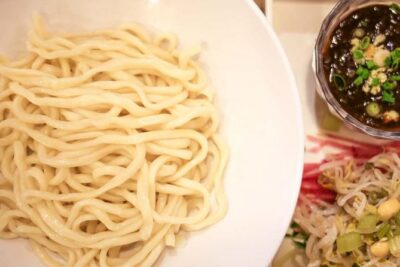
Beijing Hutong Walking Food and Beer Tour at Hidden Restaurants
Read our review →
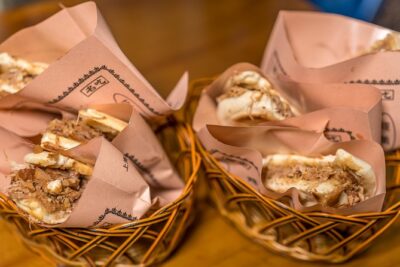
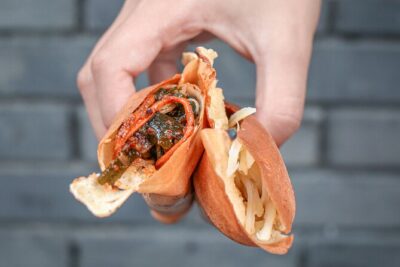
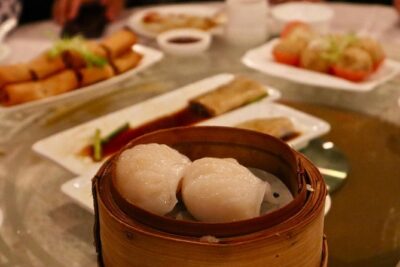
Hong Kong’s Tin Hau Hidden Eats Food Tour with 7+ Local Tastings
Read our review →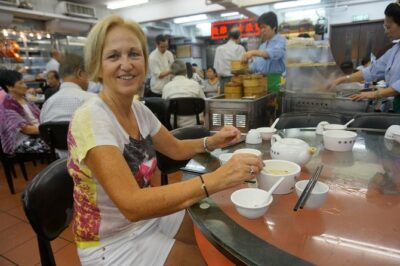
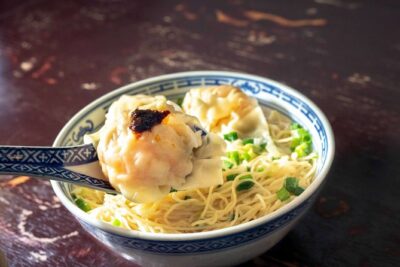
Hong Kong Food Tour: Central and Sheung Wan Districts
Read our review →Browse the lists this tour appears in