
Reviewed · COOKING CLASSES
Half-Day Xi’an Biang Biang Noodles Cooking with a Market Visit
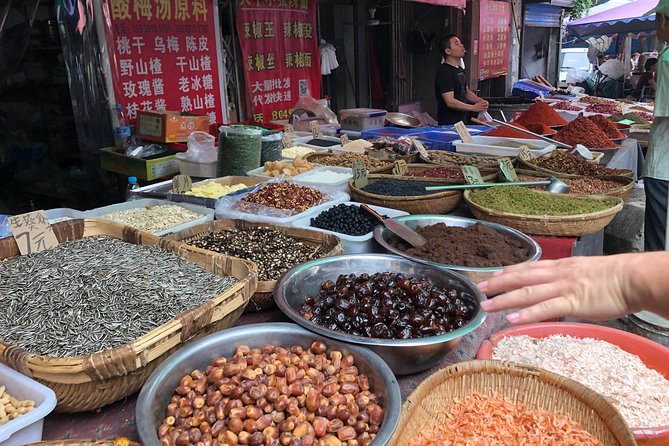
Xi’an’s best lesson starts with a market. This half-day experience pairs a walk through the Muslim Quarter’s spice market with hands-on biang biang noodle making in a local chef’s home. I like the market-to-table format, and I like that the class includes ingredients, recipes, tea, beer, and water. The main thing to consider is that the cooking may feel more like a guided demonstration than a private workstation class.
The three-and-a-half-hour schedule is long enough to give the noodles proper attention without swallowing your whole day. I also like the small-group limit of 15, plus the choice of morning or afternoon sessions. Still, you should wear good walking shoes and be ready for a market visit, a home setting, and a cooking lesson that may not offer each person a separate station.
In This Review
- Key points to know before booking
- Why biang biang noodles are worth learning in Xi’an
- Starting at Sa Jin Qiao and entering the Muslim Quarter
- From spice stalls to a traditional Chinese home
- Learning the dough, pulling the noodles, and building the meal
- Eating what you made with tea, beer, and local drinks
- Morning or afternoon: choosing the better session
- What the strongest feedback gets right
- Who will get the most from this Xi’an cooking class
- Booking value, timing, and cancellation terms
- Final call: should you book it?
- FAQ
- How long does the Xi’an biang biang noodle experience last?
- What is included in the price?
- Where does the experience begin?
- Does the experience include a market visit?
- Can I choose a morning or afternoon class?
- Is a vegetarian option available?
- How many people can join the class?
- Can I cancel for a full refund?
Key points to know before booking
- The market comes first: You visit the Muslim Quarter area near Sa Jin Qiao and learn about the spices and ingredients used in Xi’an cooking.
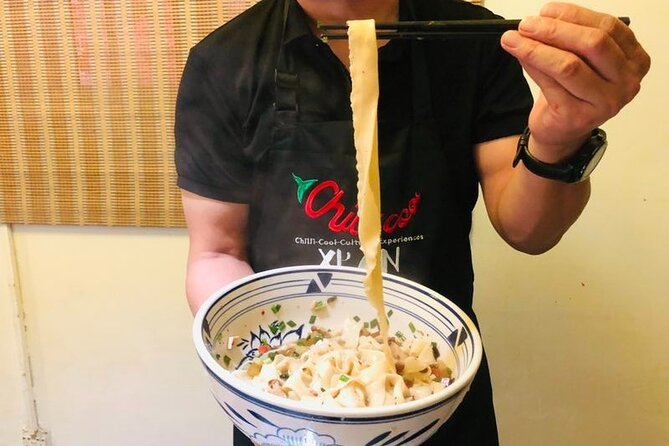
- Biang biang noodles are the star: You work with one of Xi’an’s signature foods, including the famous hand-pulling technique.
- The class takes place in a traditional home: The cooking happens in a local chef’s courtyard or apartment-style home rather than a polished culinary school.
- Tea is part of the welcome: Local tea is served as a customary way to receive friends and visitors.
- Your meal is included: Food, tasting, lunch or dinner, recipes, beer, water, and other beverages are covered.
- The group stays fairly small: The maximum is 15 people, which gives you a better chance to ask questions than a large coach-style tour.
Why biang biang noodles are worth learning in Xi’an
Biang biang noodles are not just another bowl of wheat noodles. They are one of Xi’an’s best-known dishes, recognized for their broad, chewy shape and lively toppings. The name itself is famous for its complicated Chinese character, but you do not need to master the character to enjoy the dish. You need flour, patience, and a willingness to make a mess.
The appeal of this class is the work involved. You are not simply seated at a restaurant while somebody else prepares lunch. You get a look at the ingredients, hear about Chinese spices, and take part in the process of making the noodles from scratch.
That matters because hand-pulled noodles are hard to reproduce after a quick restaurant meal. Several parts of the technique depend on feel: the dough’s texture, the amount of pressure, and the rhythm of stretching. A professional chef guides the process, so you can watch the movements closely and take home a recipe for another attempt.
I would not book this only for a photo of a bowl. Book it if you want to understand how the dish is made and if you enjoy practical food experiences. The noodles you produce may not look perfect on the first try, but that is part of the fun.
More Half-Day Tours in Xi'an
- Half-Day Mini Group Xian Tour to Terracotta Warriors Museum
★ 5.0 · 467 reviews - Private Half-Day Tour of Xi’an Terracotta Warriors
★ 5.0 · 201 reviews - All Inclusive Private Half-day tour to the Terracotta Warriors
★ 5.0 · 117 reviews
Starting at Sa Jin Qiao and entering the Muslim Quarter
The meeting point is at Sajin Bridge, also written as Sa Jin Qiao, in Lianhu District. The first stop is the Muslim Quarter, where the market visit introduces you to the ingredients used later in the class.
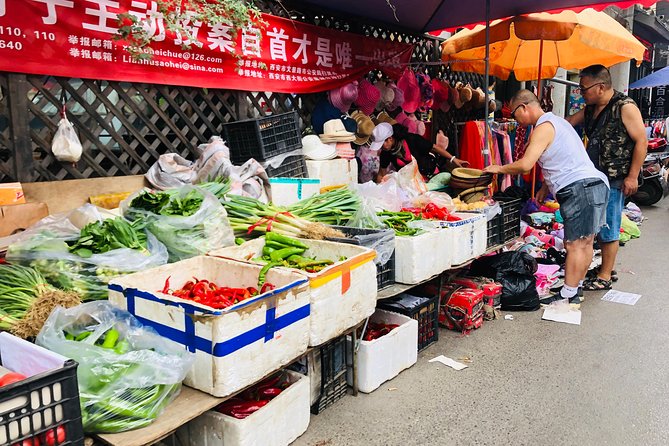
This is a useful way to begin because the market gives the cooking lesson a local setting. Instead of discussing spices in the abstract, you see them in the place where people shop for food. You can learn about Chinese spices, ask questions, and take part in small challenges designed to help you identify ingredients.
Do not expect a quiet, museum-style visit. Markets require walking, looking closely, and paying attention to your guide. Comfortable shoes are a must, especially since this experience combines the market with the walk to the cooking location.
The market is also where the class feels most connected to everyday Xi’an. The cooking session has a clear teaching goal, but the market adds the ordinary details: ingredients, smells, unfamiliar labels, and the chance to see how local food begins before it reaches a plate.
Guides have included Fiona, Lily, Michael, Bruce, and Dongcheng. Fiona is especially helpful for English-speaking visitors because she has been praised for being easy to understand. Lily is noted for her knowledge of Chinese spices and cuisine. Guide assignments can change, but these names give you an idea of the personal, informal tone you may find.
From spice stalls to a traditional Chinese home
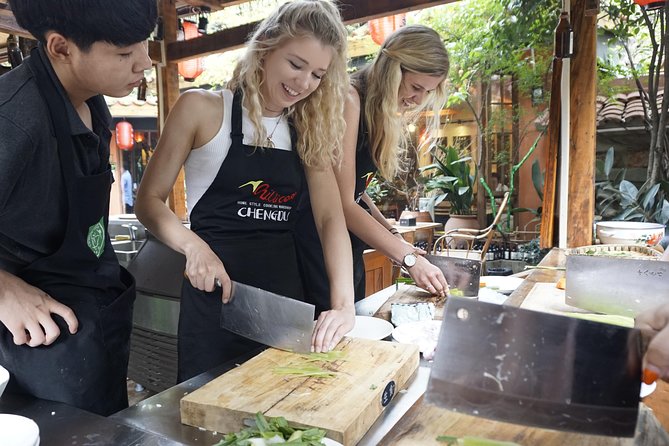
After the market, you continue to a traditional Chinese chef’s home for the cooking class. This setting is one of the experience’s biggest strengths, but it may also surprise you.
I like the fact that you are not learning in a generic hotel kitchen. A home or courtyard setting makes the meal feel closer to the way food is shared in daily life. Tea is served as part of the welcome, reflecting the local custom of offering tea to friends and visitors.
At the same time, a home kitchen does not always operate like a professional cooking school. One piece of feedback specifically noted that the session felt more like a cooking demonstration than a class with individual workstations. If your ideal lesson means your own counter, tools, and freedom to change every ingredient, this may not be the right fit.
The best way to approach the class is to expect close guidance and shared instruction. You will be shown the steps by a professional chef, then take part in making the noodles and related dishes. Ask questions as you go, especially if you want to repeat the recipe at home.
That home setting also gives you a chance to see a more personal side of Xi’an. The experience is not built around a grand attraction. It is built around food, conversation, and a host opening a door to local cooking customs.
Learning the dough, pulling the noodles, and building the meal
The main lesson focuses on making biang biang noodles from scratch. You learn about the ingredients, prepare the dough, and practice the pulling process with guidance from the chef.
The pulling technique is the part most people want to learn, and it is also the part most likely to require patience. Hand-pulled noodles look simple when an experienced cook does them. In practice, the dough can tear, stick, or refuse to stretch in the way you expect.
That is why an instructor matters. One guide, Michael, has been praised as an excellent teacher, and the class is designed to help you learn the proper method rather than simply watch the final step. Another useful feature is the recipe, which gives you something concrete to use when you return home.
You may make more noodles than you expect. One person described producing way too many noodles, but in a cooking class that is not a serious problem. The final meal includes food tasting and lunch or dinner, depending on your session.
The class is also a good choice for cooks who already enjoy Asian food. You can focus on technique, spice combinations, and the small choices that affect the finished bowl. Beginners are welcome too, provided you are comfortable following instructions and getting involved.
More Shopping Trips in Xi'an
- Mini Group Xian Day Tour to Terracotta Army, City Wall, Pagoda and Muslim Bazaar
★ 5.0 · 1,320 reviews - Xi’an: Terracotta Army, Lunch, City Wall, Pagoda, Bazaar
★ 5.0 · 72 reviews - Xi’an Morning Food & Market Tour by TukTuk
★ 5.0 · 46 reviews - Xi’an Muslim Quarter Night Market Foodie Walking Tour
★ 4.2 · 22 reviews
Eating what you made with tea, beer, and local drinks
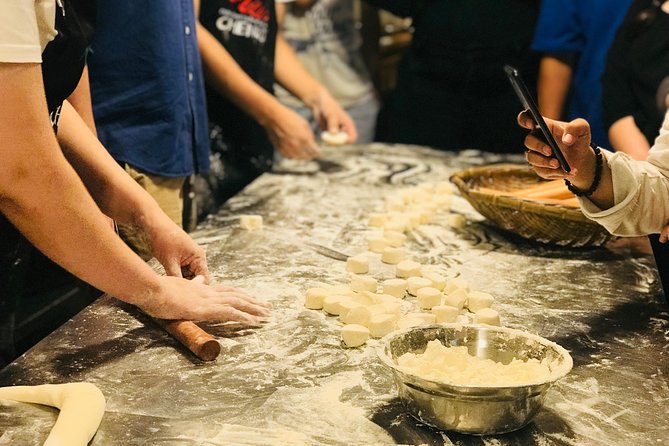
The reward comes at the table. You eat the dishes you helped prepare, with tea, beer, water, and other beverages included.
That makes the $75 price easier to assess. You are paying for more than a bowl of noodles. The fee covers a market visit, a guided food lesson, ingredients, recipes, tasting, and a meal. Tea and drinks are also part of the package, so you do not have to keep adding small charges while the class continues.
For a short experience in Xi’an, this is a reasonable value if you want both food and culture. A simple noodle meal would cost much less, of course. The extra value comes from the access to instruction, the market context, and the chance to prepare the dish yourself.
I would judge the value by your interests. If you simply want to eat excellent biang biang noodles, visit a good local restaurant and spend less. If you want to learn a skill and understand the ingredients behind the dish, the class offers more.
The meal also gives the session a friendly finish. You can compare your noodles, talk with the guides, and enjoy the results without rushing away immediately after the final cooking step.
Morning or afternoon: choosing the better session
You can choose a morning or afternoon start. The published duration is approximately three hours and 30 minutes, though the general description places the activity in the three-to-four-hour range.
A morning session works well if you want to keep the rest of the day open for Xi’an sightseeing. You could use the afternoon for other sights, shopping, or a slower meal. An afternoon session may suit you if you prefer a relaxed start to the day and want the experience to lead into lunch or dinner.
The included meal changes with the schedule. You receive lunch or dinner depending on when your class takes place, so check the exact start time when booking.
Because the group can reach 15 people, the session is small enough to feel personal but not necessarily private. If you are hoping for one-on-one instruction, keep your expectations modest. If you enjoy meeting other food-minded people and learning together, the group size should work well.
The experience is available with a mobile ticket, and public transportation is nearby. You begin and end at the same meeting point, which simplifies planning. You are responsible for getting to Sajin Bridge, so allow time to locate the meeting place before the start.
What the strongest feedback gets right
The praise for this experience centers on three things: the market, the instructors, and the chance to learn hand-pulled noodles.
Fiona and Lily have received particularly warm attention. Fiona’s clear English helps during a technique-heavy class, while Lily’s background in Chinese spices adds depth to the market portion. Michael has also been singled out for making the noodle lesson easy and enjoyable.
The market is not treated as filler. It gives you something to do before the cooking begins and helps explain why particular spices appear in the meal. That makes the class feel like a food culture experience rather than a recipe workshop alone.
The strongest part for me is the complete process. You see ingredients in the market, learn what they do, work with the dough, and then eat the finished dish. That chain gives the experience a clear shape and makes the recipe easier to remember.
The one important caution is the teaching format. If you want a formal culinary studio with a separate station for every participant, you may find the home setting limited. The class is better suited to you if you enjoy shared instruction and a host-led demonstration with hands-on participation.
Who will get the most from this Xi’an cooking class
I would recommend this experience to:
- Cooks who want to improve their hand-pulled noodle technique
- First-time visitors who want a local food introduction
- People who enjoy markets, spices, and informal cultural activities
- Couples and small groups looking for something beyond sightseeing
- Vegetarians, provided the request is made at booking
- Anyone who wants a recipe to try again at home
It is less suitable if you dislike walking, prefer highly polished cooking facilities, or want complete control over every part of a dish.
The vegetarian option is available, but you should advise the provider when booking. You can also report other dietary requirements in advance. The tour is near public transportation, and the mobile ticket makes arrival simpler.
Dress for the weather and wear comfortable shoes. The experience is described as operating in all weather conditions, but the cancellation terms also allow a change or refund if poor weather causes the activity to be canceled. Give yourself flexibility if the forecast looks uncertain.
Booking value, timing, and cancellation terms
The price is $75 per person, and the experience is often booked about 21 days ahead. That advance pattern suggests you should not leave it until the last moment if the class is important to your Xi’an plans.
The provider offers group discounts, which can improve the value for families or larger parties. The maximum group size is 15, so the class is not an enormous bus tour, but it is also not guaranteed to be private.
You can cancel for a full refund if you do so at least 24 hours before the local start time. Changes or cancellations made inside that window are not accepted for a refund. If the provider cancels because of weather or because the minimum number of participants is not reached, you are offered another date or experience, or a full refund.
The experience ends back at the meeting point. That is useful if you are building a full day around the Muslim Quarter and want a known place to continue from.
Final call: should you book it?
Yes, if you want Xi’an food with a personal, hands-on angle. The market visit, traditional home setting, clear instruction, included meal, and useful recipe make this a stronger choice than a standard restaurant meal.
Book it with the right expectations. You may not have an individual workstation, and the class can lean toward demonstration as well as participation. For you, the best reason to book is the full story of the dish, from market spices to stretched dough to a bowl you helped create.
At $75, I consider it good value for curious cooks, couples, and first-time visitors who want an easy introduction to local food culture. If your priority is a formal cooking school or a completely private lesson, spend your money elsewhere.
FAQ
How long does the Xi’an biang biang noodle experience last?
The experience lasts approximately three hours and 30 minutes. The general activity description places the total time at about three to four hours.
What is included in the price?
The price includes food ingredients, recipes, food tasting, lunch or dinner based on the class schedule, tea, beer, water, and other beverages.
Where does the experience begin?
The meeting point is Sajin Bridge, also written as Sa Jin Qiao, in Lianhu District, Xi’an. The activity ends back at the meeting point.
Does the experience include a market visit?
Yes. You visit the Muslim Quarter and explore a local spice and food market before the cooking class.
Can I choose a morning or afternoon class?
Yes. Morning and afternoon sessions are available. The included meal is lunch or dinner depending on your selected schedule.
Is a vegetarian option available?
Yes. A vegetarian option is available, but you must advise the provider when booking. You should also provide details about any other dietary requirements.
How many people can join the class?
The activity has a maximum of 15 travelers.
Can I cancel for a full refund?
Yes. You can cancel for a full refund up to 24 hours before the experience start time. Cancellations or changes made less than 24 hours before the start are not refunded.
More Market Tours in Xi'an
- Shanghai Day Tour to Zhujiajiao Water Town, Yu Garden, Bazaar, Bund
★ 5.0 · 162 reviews - Hong Kong: Kowloon Street Market & Food Culture Walking Tour
★ 5.0 · 105 reviews - Organic Chinese Dumpling Class with Market Walk
★ 5.0 · 88 reviews - Organic Xiao Long Bao Soup Dumpling Class & Market Walk
★ 5.0 · 62 reviews
More Cooking Classes
- Private Home Cooking Class:Dumpling Cooking Class Tour in Xi’an
★ 5.0 · 7 reviews - Half-Day Chengdu Cooking Class with a Local Market Visit
★ 5.0 · 465 reviews - Online Cooking Class Beijing Dumplings and Cuisine by Sunflowerli Renowned Chef
★ 5.0 · 65 reviews - Lijiang Naxi Cuisine Cooking Class & Market Visit
★ 5.0 · 48 reviews
Newest reviews from Xi'an
- Xi’an Night Tour: South Gate Square and Big Wild Goose Pagoda Square★ 4.0 · 4 reviews
- Customized Private Terracotta Army Tour Optional City Attractions★ 5.0 · 4 reviews
- Xi’an North Railway Station Transfer To Downtown Hotel★ 5.0 · 4 reviews
- Privately Guided Tour to Mt.Hua★ 5.0 · 4 reviews
- Private Chengdu Highlights Day Trip: Panda Base and City from Xi’an by Train★ 5.0 · 4 reviews
- Xi’an: Full-Day Terracotta Warriors & Local Food Tour★ 4.8 · 4 reviews
- Xi’an City Center Private Cycling and Walking Tour★ 5.0 · 4 reviews
- Xi’an Day Tour Terracotta Warriors and Song of Everlasting Sorrow★ 5.0 · 4 reviews
Cooking Classes, compared.
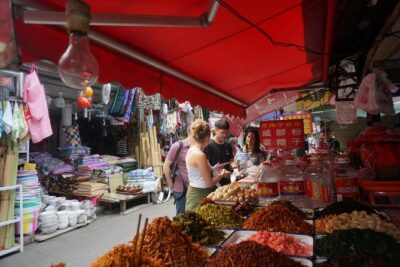
Half-Day Chengdu Cooking Class with a Local Market Visit
Read our review →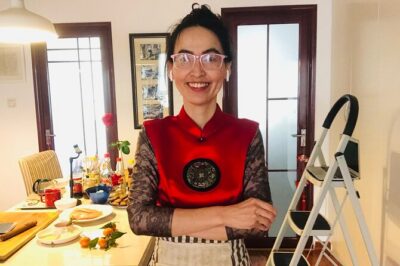
Online Cooking Class Beijing Dumplings and Cuisine by Sunflowerli Renowned Chef
Read our review →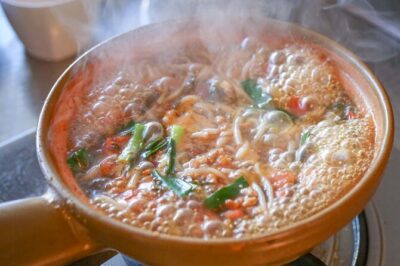
Lijiang Naxi Cuisine Cooking Class & Market Visit
Read our review →
Cooking Class with Fresh Market Half Day Experience
Read our review →
Private Cooking Class: Make Your Own Dim Sum In Shanghai
Read our review →
Half-Day steamed Buns Cooking Class with a Local Market Visit
Read our review →Browse the lists this tour appears in