
Reviewed · HUTONG TOURS
Hutong Walking Tour: Discover Real Beijing without Crowds
Beijing’s old lanes still tell the city’s best stories. This 2.5-hour walk links traditional hutongs with temples, a cathedral, historic buildings, and everyday neighborhoods, giving you a useful look at how old Beijing fits beside the modern city. I especially like the small groups of up to eight and the way the tour uses architecture to explain Chinese culture. I also like the final stop for a traditional Beijing drink, often enjoyed from a rooftop with views across the old city.
The tour is led in English or Chinese, with guides such as Dee, Tracy, Heidi, Eva, and Deedee receiving especially warm praise for their clear explanations and friendly approach. Dee is often singled out for thoughtful restaurant, shopping, and transport advice. One point to weigh carefully: only about half of the walk is through hutongs. The rest visits local attractions and distinctive buildings, so this is not a nonstop alley walk.
For $49, you receive the guide, about 3 kilometers of walking, admission to the Palace of Ancient Monarchs, and a traditional drink. You still pay for transport, food, and personal purchases. I see the price as fair if you value context and local conversation, but less appealing if you simply want to wander hutongs on your own.
In This Review
- Key Points Before You Book
- Starting at Xisi Station and Finding the Old City
- Guangji Temple and the Meaning of Beijing Architecture
- Church of the Saviour: Beijing’s Religious Mix
- Zhengyang Bookstore and the Value of a Small Stop
- Zhuanta Hutong and the Texture of Daily Life
- The Palace of Ancient Monarchs
- A Traditional Drink and a Rooftop Pause
- Miaoying Temple and the Last Views
- What the Guides Add to the Walk
- How the $49 Price Holds Up
- Who Will Enjoy This Beijing Walk?
- Should You Book It?
- FAQ
- Where does the Hutong Walking Tour start?
- Where does the tour finish?
- How long is the walking tour?
- Is the Palace of Ancient Monarchs admission included?
- What languages are available?
- Is the tour suitable for wheelchair users?
Key Points Before You Book
- A mixed old-and-new route: Begin near Xisi and see traditional lanes alongside Beijing’s modern financial district.
- Seven varied stops: Temples, a cathedral, a historic bookshop, hutongs, a former imperial temple, a café, and Miaoying Temple keep the walk varied.
- Strong guide element: Dee, Tracy, and Heidi are praised for explaining architecture, history, religion, and daily life in clear English.
- A useful first-day tour: The route can help you understand Chinese building design and symbolism before visiting larger sights such as the Forbidden City.
- A calm alternative to major sights: Several stops are local and quiet, with far fewer sightseers than Beijing’s best-known monuments.
- A drink with a story: The included refreshment may be plum juice, herbal tea, iced tea, coffee, or another traditional Beijing drink, depending on the stop and conditions.
Starting at Xisi Station and Finding the Old City
You meet at Xisi Subway Station, Exit D, specifically at the southwest entrance. This is a practical starting point because the tour begins in a lived-in part of central Beijing rather than at a major ticket gate packed with tour groups.
From here, your guide sets the wider scene. Beijing is not just a collection of imperial monuments. Its older neighborhoods were shaped by courtyards, narrow lanes, religious buildings, shops, clinics, and homes arranged around daily needs. The walk helps you see how urban design changed over time, and how ordinary life continues among the historic structures.
You should expect a steady walk of around 3 kilometers. The route is not described as difficult, but it does involve frequent standing and walking on city streets and narrow lanes. Comfortable shoes matter more here than smart clothes. Bring water, a hat, and sunscreen, especially during hot or bright weather.
More Walking Tours in Beijing
- Beijing Hutong Walking Food and Beer Tour at Hidden Restaurants
★ 5.0 · 1,132 reviews - Private Beijing Walking Tour of the Forbidden City with 7 Options
★ 5.0 · 675 reviews - Forbidden City Private Walking Tour with Optional Sights
★ 5.0 · 400 reviews
Guangji Temple and the Meaning of Beijing Architecture
Guangji Temple is one of the early highlights. Your guide explains the temple’s place in Beijing’s religious life and points out details that can be easy to miss when you are walking alone.
This is where the tour’s architecture theme begins to pay off. Rather than treating each building as a separate photo stop, the guide connects forms and symbols to their purpose. You learn about traditional courtyards, religious spaces, and the logic behind old Chinese design.
Several people who took the tour with Tracy found her explanations of architecture particularly useful. That kind of instruction can change the way you see Beijing for the rest of your trip. After learning what to look for, a gate, roofline, courtyard, or axis may carry more meaning when you encounter it elsewhere.
Church of the Saviour: Beijing’s Religious Mix
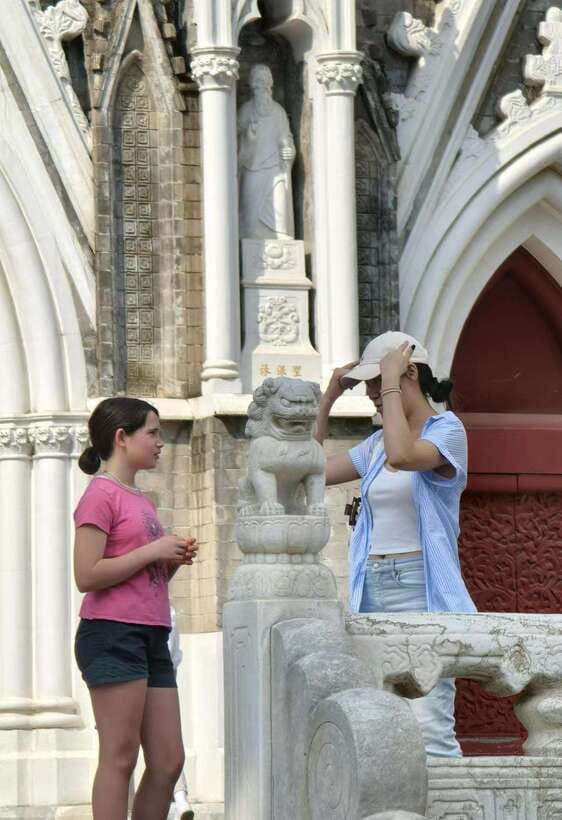
The Church of the Saviour, also known as Xishiku Church, adds a different layer to the route. Its presence alongside Buddhist and traditional Chinese sites shows that Beijing’s cultural story is not confined to one belief system or one period.
The contrast is valuable. Guangji Temple introduces one religious tradition, while the cathedral brings in another architectural and cultural influence. Your guide discusses the setting and significance rather than rushing you through a quick photograph.
This stop also helps explain why the tour feels broader than a standard hutong stroll. You are not only seeing old residential lanes. You are looking at how religion, architecture, local customs, and city development meet in one central district.
Zhengyang Bookstore and the Value of a Small Stop
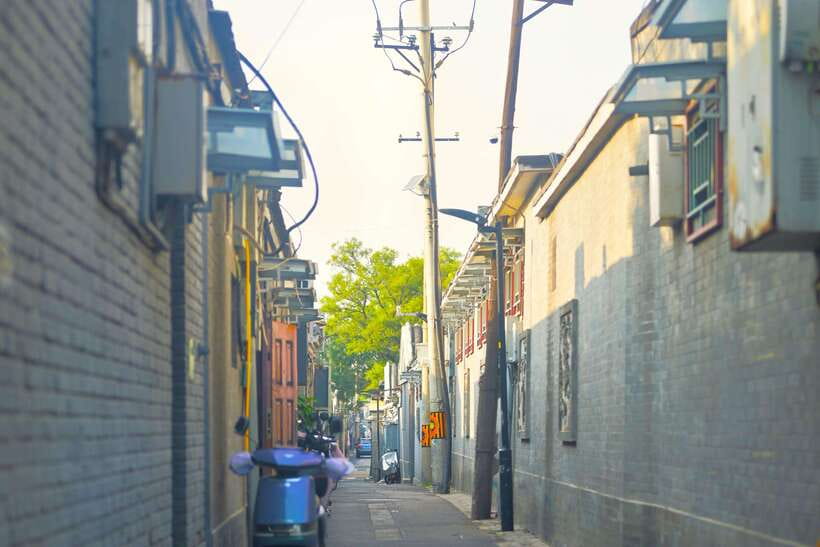
The stop at Zhengyang Bookstore, written as 正阳书局, gives the walk a more cultural and local feel. You have time to visit and browse, and the guide can explain why places like this matter within the old city.
It is a modest stop compared with a palace or temple, but that is part of its appeal. Small cultural businesses often tell you more about a neighborhood’s present life than a grand monument does. You may also find something to buy, though purchases are not included in the tour price.
The bookstore helps keep the route from feeling like a string of religious sites. It gives you a chance to pause, look around, and connect Beijing’s past with its continuing interest in books, learning, and local culture.
More hutong walks:
- Temple Heaven, Summer Palace, Lama Temple, Hutong Bus Tour
★ 4.7 · 319 reviews - Temple of Heaven, Summer Palace, Lama Temple, Hutong Tours
★ 5.0 · 311 reviews - Beijing Private Hutong Food Walking Tour
★ 5.0 · 299 reviews - The Hutong Experience by Bike
★ 5.0 · 163 reviews
Zhuanta Hutong and the Texture of Daily Life
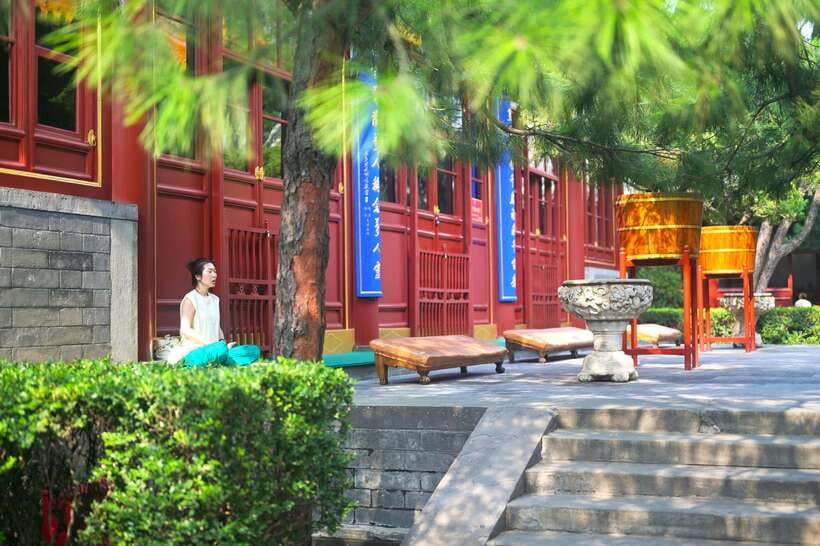
At Zhuanta Hutong, you get the closest look at the traditional neighborhood life promised by the tour. Hutongs are more than photogenic lanes. They are residential spaces, and people still live behind the courtyard walls and gates.
Your guide explains the history and design of the area while you walk through one of Beijing’s older hutongs. The pleasure comes from the small details: the scale of the lanes, the layout of traditional homes, and the sense that this is a place where people live rather than a site built only for sightseeing.
You need to behave thoughtfully here. Keep your voice down, do not photograph residents without permission, and avoid blocking entrances. The tour specifically asks you to respect local customs and privacy. That is not just good manners. It helps protect the character of the neighborhood you came to see.
The hutong portion accounts for about half of the full experience. If your main goal is a long, uninterrupted walk through residential lanes, you may want a different tour. If you prefer a mix of neighborhood life and major cultural stops, this balance works well.
The Palace of Ancient Monarchs
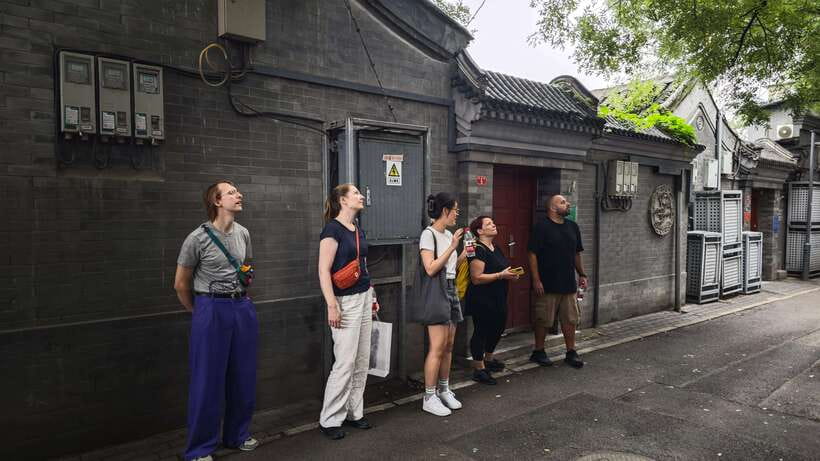
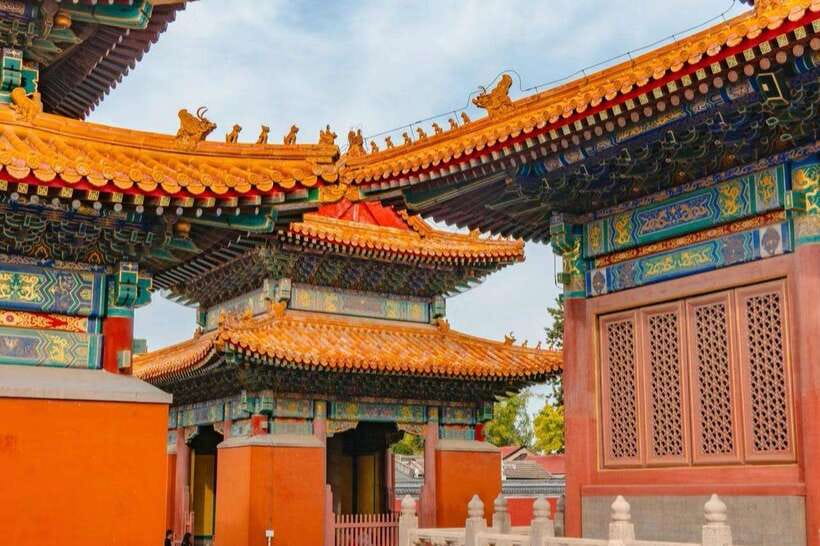
The Palace of Ancient Monarchs, also known as the Emperors Temple of Past Dynasties, is a major historical stop. The included entrance fee adds useful value, since you do not need to pay separately for admission.
The site gives your guide room to explain imperial memory, ceremonial traditions, and the way earlier rulers were honored. It is also a good place to connect what you have seen in residential courtyards with larger official buildings and formal spaces.
This stop is closed on Mondays. That detail matters, since admission is included but the site cannot be visited on that day. Confirm the operating day before booking if this is one of your main reasons for choosing the tour.
For many people, this is one of the most peaceful points along the route. It offers a pause from traffic and city noise, while still sitting within central Beijing. You can take photographs, but the guide’s explanation is what makes the visit worthwhile.
A Traditional Drink and a Rooftop Pause
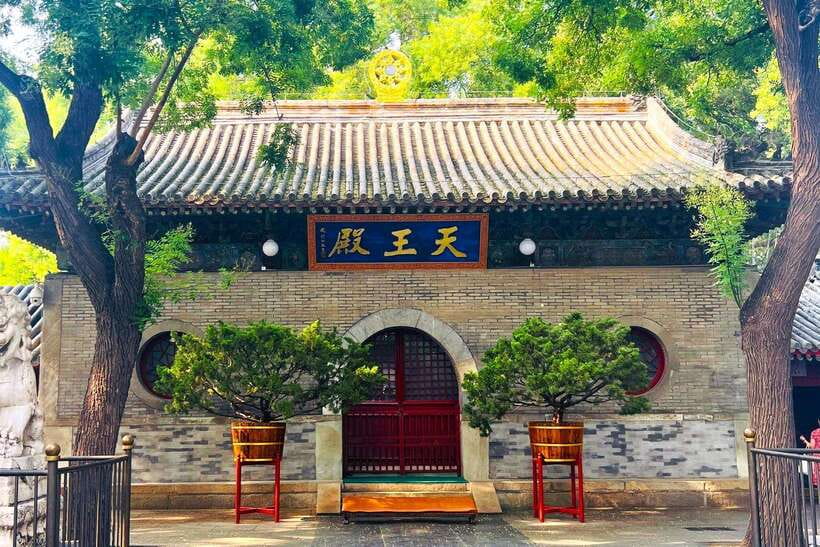
The café stop provides a needed break after several kilometers on foot. A traditional Beijing drink is included, though the exact drink can vary. Past examples include iced tea, plum juice with Chinese herbs, and a sour plum drink associated with spring. Coffee has also been available at the final stop.
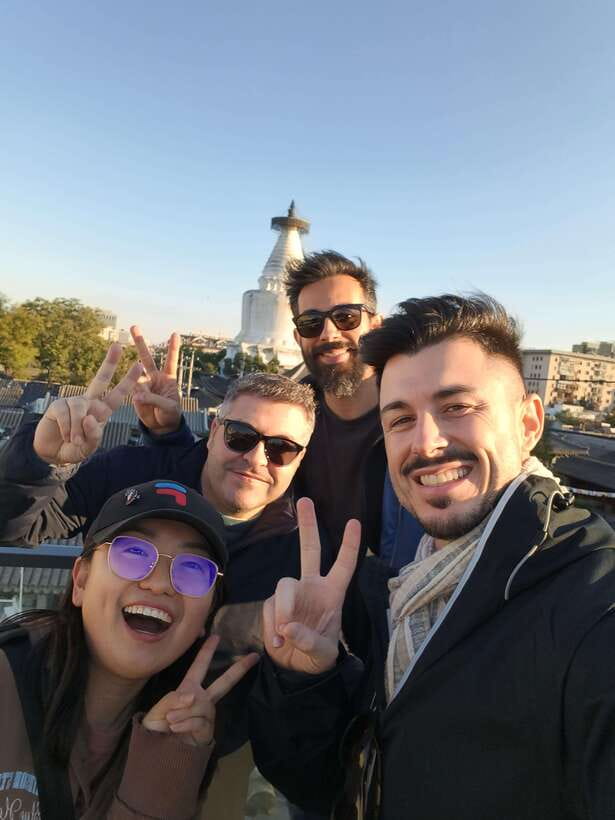
Some tours finish with a drink on a rooftop overlooking old Beijing. That setting gives you a chance to rest and ask practical questions. It also turns the refreshment into more than a free extra. You can talk with the guide about where to eat, where to shop, and how to handle the rest of your stay.
You should not expect a full meal. Food and other personal expenses are not included, so eat beforehand or plan lunch afterward. The guide’s restaurant suggestions can be especially useful if you are still finding your way around Beijing.
Miaoying Temple and the Last Views
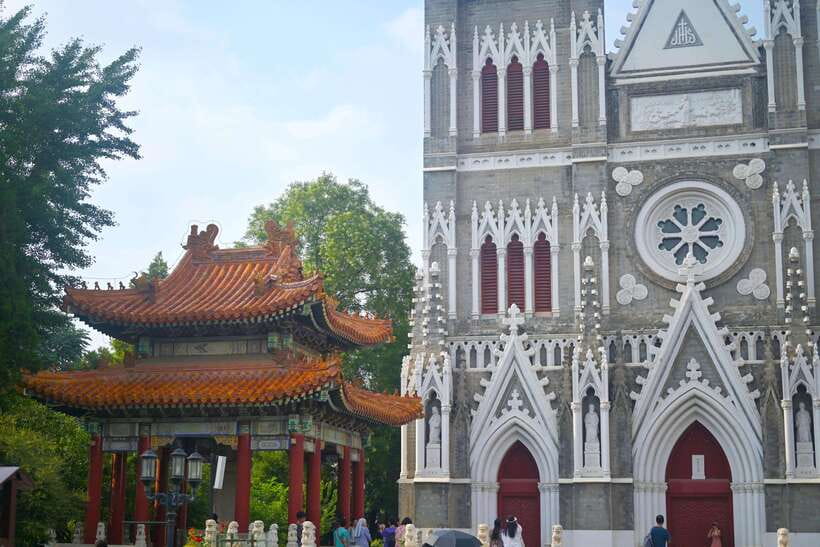
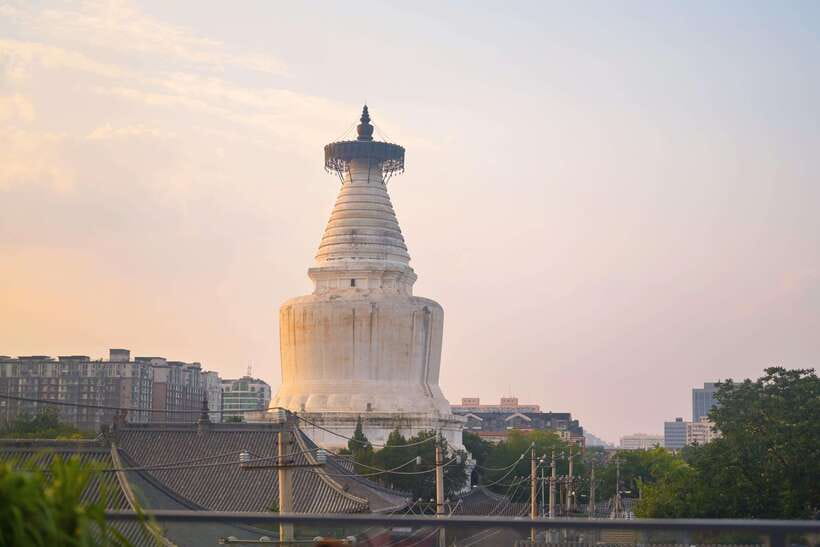
Miaoying Temple is the final major sight, usually treated as a photo stop and guided visit. Its setting adds another Buddhist reference point to the route and gives you a chance to compare it with Guangji Temple.
The guide may point out architectural features, religious symbols, and links between the buildings you have already seen. This is where the different parts of the walk begin to connect: temples, courtyard homes, ceremonial spaces, and modern streets all belong to the same city, even when they look completely different.
The tour finishes at 410 Funei Street, rather than returning you to Xisi Station. Plan your next move before you arrive. Transportation is not included, and your guide can offer suggestions for restaurants or further sightseeing, but you will need to arrange your own onward travel.
What the Guides Add to the Walk
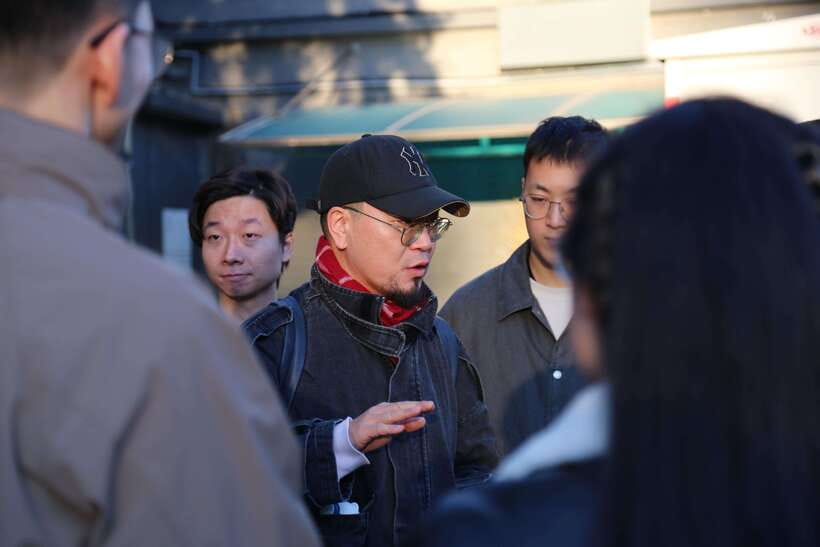
The guide is the main reason to choose this experience over an independent hutong walk. Dee is praised for her patience, clear English, city advice, and ability to adjust the pace. Tracy is especially strong on Chinese history, architecture, design principles, and cultural symbolism. Heidi has also been noted for keeping children interested while explaining the sites.
The personal style seems to matter. One person who ended up alone on the scheduled walk still received the full experience rather than having it cancelled. That is not something you should assume will happen every time, but it shows the small-group format can sometimes feel close to a private tour.
Guides may also take photographs, answer detailed questions, and talk about life in Beijing beyond the official story. That makes the walk useful at the start of a trip. You can learn how to read certain buildings, ask about neighborhoods, and get food or shopping ideas before setting off on your own.
The experience is offered in English and Chinese. If you need detailed English explanations, request or confirm the English-language option when booking. The tour’s value depends heavily on communication, since the buildings themselves are only part of what you are paying for.
How the $49 Price Holds Up
At $49 per person, this is not the cheapest way to see a hutong. You can walk through public lanes independently for little or no cost. The difference is the guide, the structured route, the included Palace of Ancient Monarchs admission, and the traditional drink.
For me, the strongest value comes from the range of subjects covered in a short time. You see local housing, temples, a cathedral, a historic bookstore, ceremonial architecture, and a café. You also receive recommendations that can save time later in your trip.
The price is easier to justify for a first visit to Beijing, especially if you want help understanding what you are seeing. It is harder to justify if you dislike guided walks, already know the city well, or want to spend all 2.5 hours in hutongs.
The small group limit of eight is important. You are more likely to hear explanations, ask questions, and move through narrow lanes without the awkwardness of a large crowd. Meals and transport remain extra, so budget for those separately.
Who Will Enjoy This Beijing Walk?
I would suggest this tour to first-time visitors who want cultural background without spending a whole day inside a major palace complex. It also suits anyone interested in architecture, religion, urban change, and ordinary residential life.
Families can enjoy it, provided everyone is comfortable walking around 3 kilometers. A guide has successfully kept children engaged, but there is no special children’s program. People with mobility impairments or wheelchair users should choose another activity, since the route involves significant walking and is not suitable for those needs.
This is also a good choice if you want to begin your Beijing visit with practical advice. Several guides provide suggestions for food, shopping, and getting around, and the route can prepare you for later visits to the Forbidden City by explaining symbols and architectural patterns.
Bring comfortable shoes, water, a hat, and sunscreen. Smoking is not allowed. Since the walk takes place outdoors and through residential areas, be ready for changing weather and show consideration for people who live along the route.
Should You Book It?
Book this walk if you want context, conversation, and a varied look at central Beijing, not just a long stroll through narrow lanes. The guides are the strongest part of the experience, and Dee, Tracy, and Heidi have all shown a gift for explaining difficult subjects in a warm, accessible way.
Skip it if you want a purely hutong-focused tour, a food tour, or a shorter route with little walking. Also check the day carefully if the Palace of Ancient Monarchs is essential, since it is closed on Mondays.
For most first-time visitors, I would schedule it near the beginning of a Beijing stay. You get a quieter view of the city, a useful introduction to Chinese architecture and belief, and a pleasant drink at the end. That is a solid return for $49, especially in a city where the right explanation can make an ordinary gate or courtyard suddenly worth a second look.
FAQ
Where does the Hutong Walking Tour start?
The tour starts at Xisi Subway Station on Metro Line 4, Exit D, at the southwest entrance.
Where does the tour finish?
It finishes at 410 Funei Street. Transportation after the tour is not included.
How long is the walking tour?
The tour lasts 2.5 hours and covers around 3 kilometers on foot.
Is the Palace of Ancient Monarchs admission included?
Yes. Entrance to the Palace of Ancient Monarchs is included, but the site is closed on Mondays.
What languages are available?
The tour is offered in English and Chinese with a live guide.
Is the tour suitable for wheelchair users?
No. The experience is not suitable for wheelchair users or people with mobility impairments because it involves a significant amount of walking.
Newest reviews from Beijing
- Beijing: Explore the Forbidden City in Hanfu★ 5.0 · 4 reviews
- Beijing Tai Chi and Tea Ceremony Experience★ 5.0 · 4 reviews
- Jinshangling Great Wall Of Beijing Tickets And Other Option★ 4.0 · 4 reviews
- Private Full-Day Great Wall of China Hiking Tour from Jiankou to Mutianyu★ 4.5 · 4 reviews
- Tour the Great Wall with a Native from Downtown Beijing★ 4.8 · 4 reviews
- Beijing: Badaling Great Wall Private Tour w Language Option★ 4.3 · 4 reviews
- Beijing:Summer Palace & Tea or Calligraphy Experience Tour★ 4.6 · 4 reviews
- 7 Days Private Tour of Beijing, Xian, Shanghai by Bullet Train★ 5.0 · 4 reviews
Hutong Tours, compared.
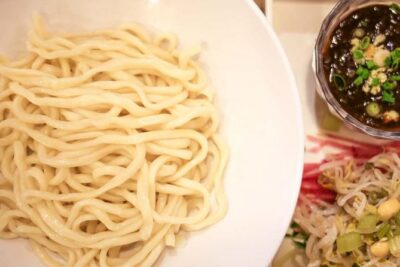
Beijing Hutong Walking Food and Beer Tour at Hidden Restaurants
Read our review →
Temple Heaven, Summer Palace, Lama Temple, Hutong Bus Tour
Read our review →
Temple of Heaven, Summer Palace, Lama Temple, Hutong Tours
Read our review →

Beijing City Walk: Explore Hutongs Life and Old Beijing
Read our review →Browse the lists this tour appears in