
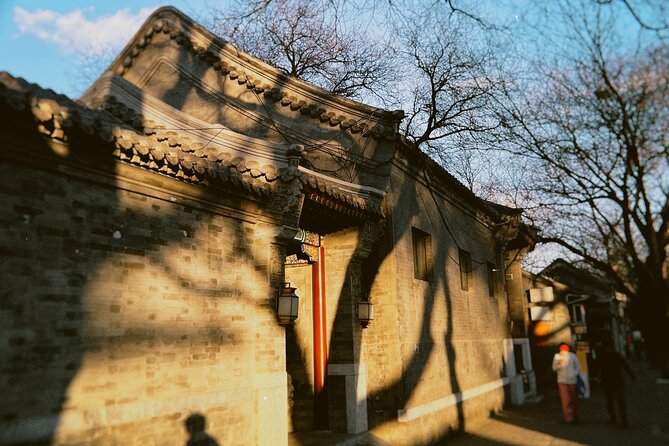
Reviewed · LAMA TEMPLE TOURS
Lama Temple Tour with Tickets: Beijing’s Hidden Mystical World
Good fortune starts with a temple gate. This 3.5-hour Beijing tour pairs the incense-filled halls of Lama Temple with quiet Hutong lanes and traditional Feng Shui customs. I like the small maximum group of six, and I like that the experience treats the temple as a living place of worship rather than just another photo stop. The main consideration is the $180 price, especially since private transportation and food are not included.
I also like the cultural range: you can learn about Buddhist worship, burn incense, draw lots for wishes, explore fortune-telling traditions, and sample Beijing snacks in one compact outing. Guide Wan receives especially strong praise for her clear explanations of the temple, Buddhism, and Chinese customs. The final stop may be the Drum Tower or Ditan Park, so the exact ending can vary.
In This Review
- Key points to know before booking
- Why this small Beijing tour feels different
- Meeting at Lama Temple, Yonghegong
- Following the worship process at Lama Temple
- Walking Beijing’s Hutongs after the temple
- Drawing lots, fortune-telling, and consecrated accessories
- Drum Tower views or Ditan Park
- Is $180 a fair price?
- Who will enjoy this experience most?
- Practical planning for the three-and-a-half-hour outing
- Should you book the Lama Temple and Hutong tour?
- FAQ
- How long does the Lama Temple tour last?
- Where does the tour begin?
- Where does the tour end?
- Is transportation included?
- What is the maximum group size?
- What happens if bad weather cancels the tour?
Key points to know before booking
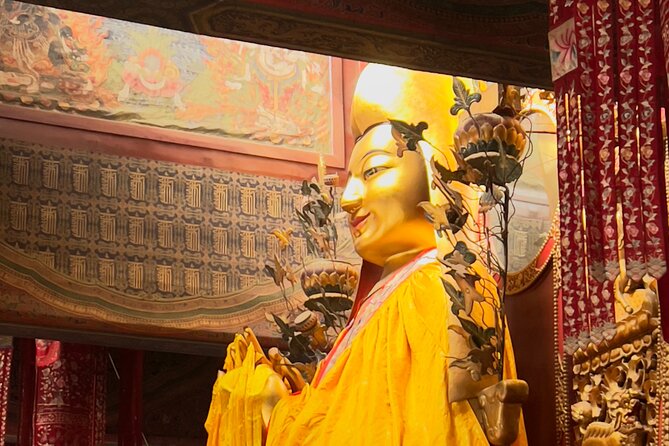
- Lama Temple is the heart of the experience: You follow the process of praying for blessings, burning incense, and learning how local customs connect with Feng Shui.
- A group of no more than six keeps it personal: This is a better setup for questions and conversation than a large bus tour.
- Hutong walking adds everyday Beijing: The tour moves beyond grand monuments into older lanes, local customs, and traditional snacks.
- Several fortune practices are included: You may draw lots, receive fortune-telling guidance, or have an accessory consecrated.
- The final view depends on the outing: You may climb the Drum Tower for a look along Beijing’s central axis, or visit Ditan Park, the Temple of Earth.
- The $180 fee covers admission costs, not transport: You need to reach the Lama Temple ticket office yourself, and the tour ends there.
Why this small Beijing tour feels different
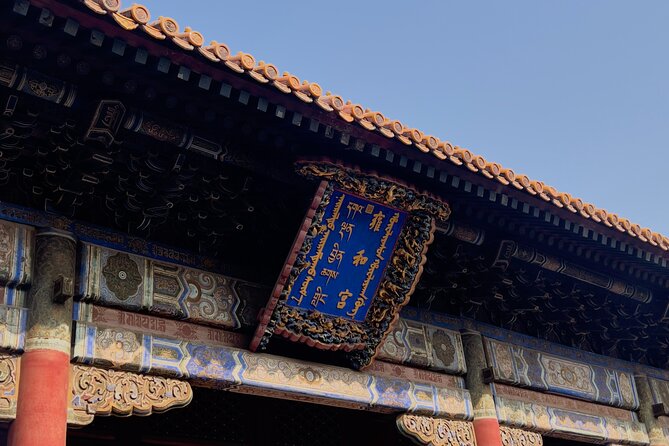
Beijing has no shortage of palace tours, wall excursions, and imperial history walks. This experience follows a less formal path. It looks at how religious practice, superstition, home design, clothing, food, and personal fortune fit together in traditional Chinese thinking.
That focus gives the outing a clear purpose. You are not simply passing through Lama Temple, taking a few pictures, and moving on. You are shown how to approach the temple, how people pray for blessings, and how customs involving incense, lots, accessories, and fortune-telling still shape a visit.
I like this approach because Feng Shui can feel vague when it is explained only in books. Here, you see it in physical places and daily actions. The tour connects the arrangement of buildings, the behavior of worshipers, and the atmosphere of the Hutongs.
The small format matters. With a maximum of six people, you have a better chance to ask why a ritual is performed or what a particular gesture means. Guide Wan is singled out for her explanations of the temple, Buddhism, and Chinese traditions, which is important because this subject can easily become confusing or overly mystical without a clear guide.
Still, this is not the right outing for everyone. If you want a fast checklist of major Beijing sights, the time spent on fortune customs may feel too specialized. If you prefer to explore independently, paying $180 for a guided walk may be more than you want to spend.
More Lama Temple visits:
- Temple Heaven, Lama Temple, Summer Palace & Peking Duck Bus Tour
★ 5.0 · 377 reviews - Temple Heaven, Summer Palace, Lama Temple, Hutong Bus Tour
★ 4.7 · 319 reviews - Temple of Heaven, Summer Palace, Lama Temple, Hutong Tours
★ 5.0 · 311 reviews
Meeting at Lama Temple, Yonghegong
The tour begins at the Lama Temple ticket office at 28 Yong He Gong Da Jie, in the Guozijian area of Dongcheng District. The location is near public transportation, but private transportation is not included, so you need to make your own way to the starting point.
Arrive with enough time to find the ticket office without rushing. A central Beijing address can still take longer to reach than expected, particularly if you are crossing the city. Your confirmation arrives at booking, so keep the meeting details available on your phone.
The tour starts at the right place. Lama Temple is not a random opening stop, but the setting for the entire theme. Its halls and worship customs give the Feng Shui discussion a real context before you walk into the surrounding Hutongs.
The outing lasts about three hours and 30 minutes. That is long enough for a substantial temple visit and a neighborhood walk, but it is not a full-day cultural program. You will need moderate physical fitness because the experience includes walking and may include climbing the Drum Tower.
Following the worship process at Lama Temple
Lama Temple, also called Yonghegong, is the main stop. The visit centers on the complete process of worshiping the Buddha and praying for blessings. That can make the experience feel more personal than a standard architectural tour.
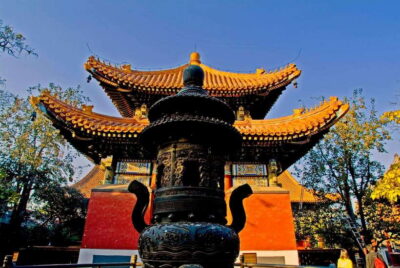
You can expect guidance around burning incense and other acts of devotion. The point is not simply to copy what people do. The guide helps explain the meaning behind the actions and places them within Buddhist and Chinese cultural traditions.
The tour also introduces forms of traditional belief that sit alongside formal religious practice. You may draw lots for wishes, receive fortune-telling guidance, or have an accessory consecrated. These customs may be unfamiliar, and their value depends partly on your attitude. If you approach them with curiosity, they offer a useful look at how people seek good fortune and reassurance.
I appreciate that the tour presents Feng Shui as a broad cultural system. It is described as a way to shape the energy of a person or family through the location and layout of a home, the design and matching of clothes and accessories, and everyday patterns such as diet.
That explanation gives the temple visit a wider frame. The incense and wishes are not isolated tricks for tourists. They are part of a larger way of thinking about balance, placement, behavior, and luck.
You should also keep your expectations sensible. A short tour cannot explain every Buddhist school, every temple hall, or every Chinese fortune practice. Its strength is the connection between a few visible rituals and a larger cultural idea.
Walking Beijing’s Hutongs after the temple
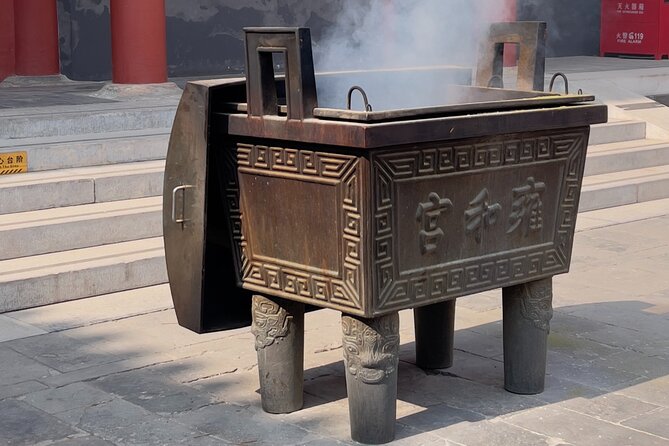
After Lama Temple, the route moves into Beijing’s Hutong district. These lanes offer a different mood from the temple grounds. You trade formal halls and incense for neighborhood streets, older residential patterns, and the close-up feel of central Beijing.
I like this change of pace. The Hutong section gives the tour room to breathe and helps you connect religious customs with ordinary city life. You are not only learning about temples. You are also seeing the kind of urban setting where traditional ideas about homes, entrances, direction, and daily habits have practical meaning.
The walk includes authentic Beijing snacks. The information does not specify which snacks are served, so you should not book this expecting a fixed food menu. Think of the food as a cultural touch along the route, not a full meal.
This part may be especially useful if you have already seen Beijing’s grand imperial sites. The Hutongs show a more intimate side of the city. You might find the lanes more interesting than another polished monument because the scale is human and the connection to local life is stronger.
The trade-off is walking comfort. You need a moderate level of physical fitness, and the tour runs for several hours. Wear practical shoes and be ready for a steady outing rather than a seated lecture.
A few more tours worth putting side by side
- From Beijing: Mutianyu Great Wall Tours with Options
★ 4.9 · 9,216 reviews - Beijing: Forbidden City Tour(Group/Private)-Tickets Included
★ 4.8 · 7,974 reviews - Beijing: T-Square & Forbidden City Group or Private Tour
★ 4.8 · 4,446 reviews - All-Inclusive Tour: Tiananmen Square, Forbidden City, Great Wall
★ 5.0 · 2,873 reviews
Drawing lots, fortune-telling, and consecrated accessories
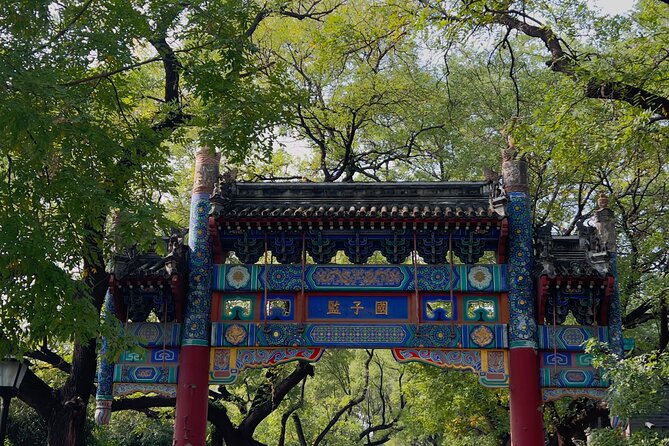
The tour’s most unusual feature is its attention to traditional superstitions and good-fortune customs. You may burn incense, draw lots to express a wish, take part in fortune-telling, and have an accessory consecrated.
These activities can be meaningful, playful, or simply interesting, depending on your outlook. I would approach them as cultural practices rather than promises of a changed future. The guide’s job is to explain what the actions mean and how they fit within Chinese tradition.
Drawing lots gives the idea of seeking guidance a physical form. Fortune-telling adds another layer, while consecrating an accessory connects an everyday object to a religious setting. Together, the activities show how spiritual hopes can enter ordinary life.
This section also helps explain why the tour is marketed around Feng Shui rather than only Buddhism. The focus is broader than temple doctrine. It includes ideas about energy, personal fortune, family well-being, and the way objects and spaces can affect a person’s sense of balance.
Some people will find this the most memorable part of the morning. Others may prefer the temple architecture or the Hutong walk. The experience works best if you are willing to observe without needing every practice to match your own beliefs.
Drum Tower views or Ditan Park
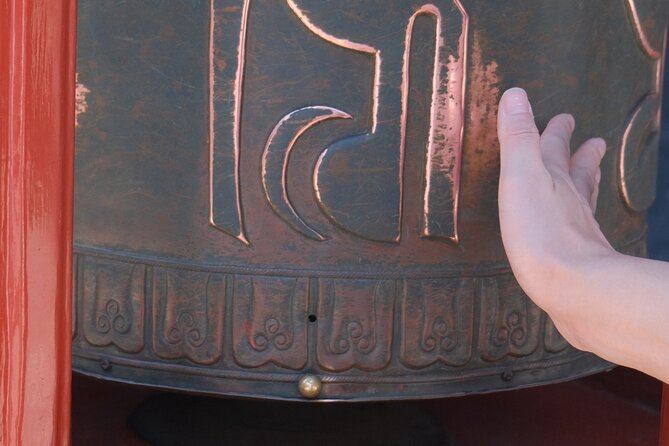
The final portion offers one of two possible directions. You may climb the Drum Tower and look over the central axis of Beijing, or walk around Ditan Park, also known as the Temple of Earth.
The Drum Tower option adds height and a broad city view. Seeing Beijing’s central axis from above helps you understand the city’s ordered layout. It also gives the tour a strong visual finish after the close quarters of temple halls and Hutong lanes.
Keep in mind that climbing the Drum Tower requires extra physical effort. The tour already involves walking, and the stairs may not suit everyone. The information provided does not specify how the final option is assigned, so you should be prepared for either ending.
Ditan Park offers a quieter alternative. Known as the Temple of Earth, it fits the tour’s interest in sacred places, natural balance, and good fortune. Instead of looking across the city from a tower, you spend time in a park associated with an important traditional temple setting.
Both endings fit the theme, but they provide different rewards. Choose this experience for cultural interpretation and atmosphere rather than a guaranteed single viewpoint. If the Drum Tower view is essential to your plans, confirm the day’s arrangement before booking.
Is $180 a fair price?
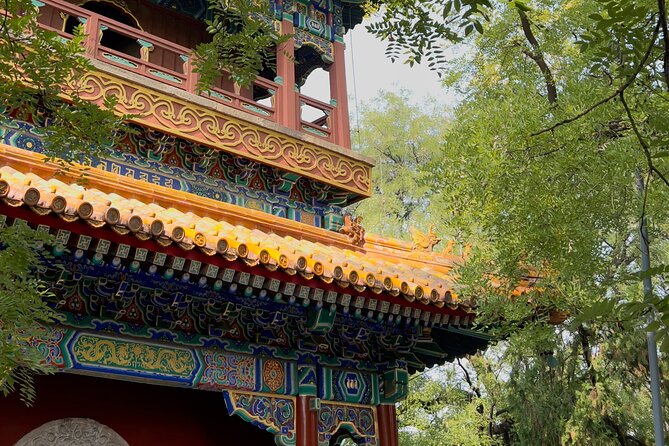
At $180 per person, this is a premium half-day experience. The fee includes all fees and taxes, but private transportation is not included. Food is also not listed as an included item, even though authentic Beijing snacks are part of the route.
The value comes from the small group and the specialist focus. A group of six or fewer allows the guide to spend more time answering questions and explaining rituals. You are also covering admission costs and a structured route through the temple, Hutongs, and either the Drum Tower or Ditan Park.
I would compare the price with what you actually want from Beijing. If your goal is simply to enter Lama Temple, you may find a self-guided visit far cheaper. If you want context around worship, Feng Shui, fortune customs, and neighborhood culture, the added cost buys interpretation and a planned experience.
Guide quality matters greatly here. Wan is praised for explaining Buddhism and Chinese traditions clearly and for making the outing enjoyable. That is a meaningful strength because the subject requires more explanation than a standard city walk.
The price is easier to justify for first-time visitors who want a guided cultural introduction, couples looking for a focused experience, or small families who value a slower pace. It is harder to justify if you are traveling on a tight budget or already have strong background knowledge of Beijing’s religious sites.
Group discounts are available, which may improve the value if you are booking for several people. Since the experience is often booked 26 days in advance, plan early if your dates are fixed.
Who will enjoy this experience most?
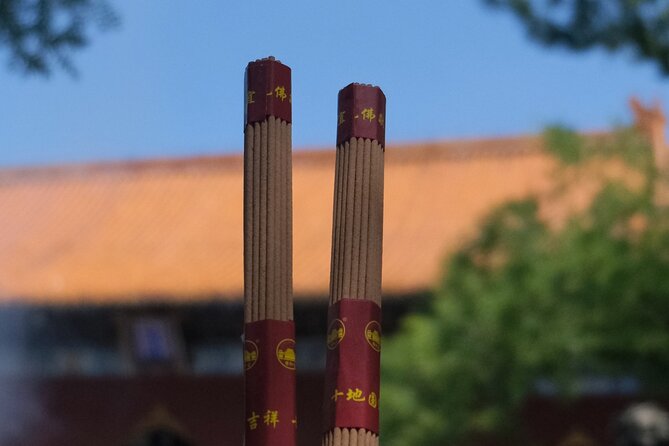
I would recommend this tour to you if you enjoy cultural customs that do not fit neatly into a museum label. It suits people who want to understand why visitors burn incense, seek blessings, draw lots, or connect daily life with ideas about energy and good fortune.
It is also a good fit if you want to pair a famous temple with a less formal neighborhood walk. The Hutong section keeps the morning from becoming a single-site visit and adds local food and street atmosphere.
The tour may suit you especially well if you are curious about Buddhism but do not know where to begin. You receive an introduction through practice and place, rather than only through dates and names.
I would think twice if you dislike organized rituals, have limited mobility, or want a relaxed activity with little walking. The tour requires moderate physical fitness, and the Drum Tower option adds stairs.
It may also disappoint you if you expect a complete Feng Shui consultation for your home or family. The experience introduces cultural practices and ideas, but the supplied information does not promise a private, detailed consultation.
Practical planning for the three-and-a-half-hour outing
The tour begins and ends at the Lama Temple meeting point. There is no private transport, so you are responsible for getting to the ticket office and returning from there after the experience.
Wear shoes suited to walking. The route includes the temple, Hutong lanes, and possibly the Drum Tower or Ditan Park. The weather matters, too. If poor weather causes a cancellation, you are offered another date or a full refund.
The activity has free cancellation until 24 hours before the start time. Canceling or changing the booking less than 24 hours ahead does not qualify for a refund, so check your schedule before committing.
The small group limit of six is one of the strongest practical advantages. You are less likely to lose the guide’s explanation in a crowd, and questions about rituals should be easier to ask.
Should you book the Lama Temple and Hutong tour?
Book it if you want more than photographs at Yonghegong. The combination of Buddhist worship, Feng Shui customs, fortune practices, Hutong walking, snacks, and a final city view gives you a focused look at Beijing’s spiritual and everyday culture.
I especially like the small group and the strong guide feedback for Wan. Those details matter here because the tour depends on explanation. Without a good guide, burning incense or drawing lots could feel like a series of unexplained actions.
Skip it if you want the lowest-cost temple visit, a guaranteed Drum Tower ending, or a broad survey of Beijing’s major sights. At $180, this is best treated as a specialized cultural experience, not a bargain attraction pass.
For the right person, it offers a thoughtful morning with plenty to discuss afterward. Book early if you want a particular date, prepare for moderate walking, and approach the fortune customs with an open but sensible mind.
FAQ
How long does the Lama Temple tour last?
The experience lasts approximately 3 hours and 30 minutes.
Where does the tour begin?
It begins at the Lama Temple ticket office at 28 Yong He Gong Da Jie, Guozijian, Dongcheng District, Beijing.
Where does the tour end?
The activity ends back at the Lama Temple meeting point.
Is transportation included?
Private transportation is not included. The meeting point is near public transportation.
What is the maximum group size?
The tour has a maximum of six participants.
What happens if bad weather cancels the tour?
If the experience is canceled because of poor weather, you can choose another date or receive a full refund.
Newest reviews from Beijing
- Beijing: Explore the Forbidden City in Hanfu★ 5.0 · 4 reviews
- Beijing Tai Chi and Tea Ceremony Experience★ 5.0 · 4 reviews
- Jinshangling Great Wall Of Beijing Tickets And Other Option★ 4.0 · 4 reviews
- Private Full-Day Great Wall of China Hiking Tour from Jiankou to Mutianyu★ 4.5 · 4 reviews
- Tour the Great Wall with a Native from Downtown Beijing★ 4.8 · 4 reviews
- Beijing: Badaling Great Wall Private Tour w Language Option★ 4.3 · 4 reviews
- Beijing:Summer Palace & Tea or Calligraphy Experience Tour★ 4.6 · 4 reviews
- 7 Days Private Tour of Beijing, Xian, Shanghai by Bullet Train★ 5.0 · 4 reviews
Lama Temple Tours, compared.
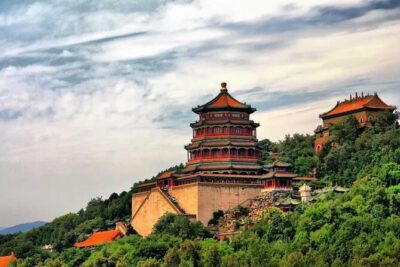
Temple Heaven, Lama Temple, Summer Palace & Peking Duck Bus Tour
Read our review →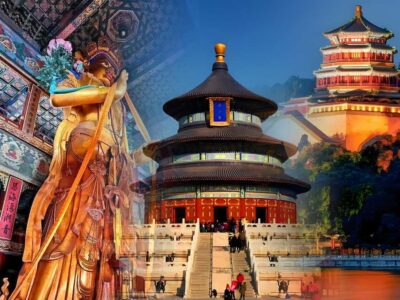
Temple Heaven, Summer Palace, Lama Temple, Hutong Bus Tour
Read our review →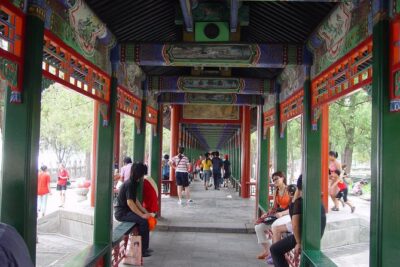
Temple of Heaven, Summer Palace, Lama Temple, Hutong Tours
Read our review →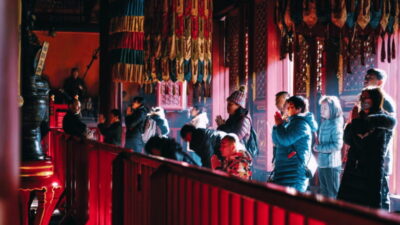
Beijing Historical Tour II including Summer Palace, Lama Temple & Panda Garden
Read our review →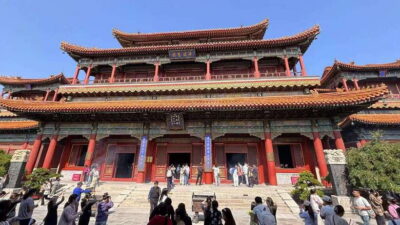
Beijing Lama temple ticket; #1 efficacious; limited Discount
Read our review →
Panda House, Temple of Heaven, Lama Temple, Summer Palace & Lunch
Read our review →Browse the lists this tour appears in