
Reviewed · CHENGDU TOURS
Mount Qingcheng and Dujiangyan Irrigation System Private Day Tour from Chengdu
Two UNESCO sites, one useful day. This private outing pairs Qingcheng Mountain’s Taoist temples and forest trails with the ancient Dujiangyan Irrigation System, giving you nature, religion, and engineering in one trip. I especially like the included hotel pickup and private guide, plus the boat and cable car rides that save your legs for the best mountain sections.
The main caution is physical: Qingcheng Mountain involves many steps and some steep slopes, and the day can run longer than the advertised six to eight hours. The Dujiangyan visit may also feel rushed if you want to see every temple, garden, and bridge.
In This Review
- Key points at a glance
- Why this Chengdu day trip is worth your time
- Qingcheng Mountain begins with forest, temples, and water
- Taoist temples give the climb its purpose
- Lunch breaks up the day, but time is limited
- Dujiangyan explains how ancient water control still works
- Allow enough time for Dujiangyan’s bridges and temples
- What the private format changes
- Price, inclusions, and possible extra charges
- Who should book this Qingcheng and Dujiangyan tour?
- Should you book it?
- FAQ
- How long does the tour last?
- What time does the tour start?
- Is hotel pickup available?
- Is this a private tour?
- What is included in the price?
- Is lunch included?
- How much walking is involved?
- Is the cable car included?
- Can most people take part?
- What happens if bad weather cancels the tour?
Key points at a glance
- Two UNESCO World Heritage Sites: See Qingcheng Mountain and Dujiangyan in one day from Chengdu.
- Private transport and guide: Your group has an air-conditioned vehicle and an English-speaking guide rather than a large coach party.
- A mountain route with variety: Expect a boat across Yuecheng Lake, a cable car, shaded walking trails, and Taoist temples.
- A 2,000-year-old water project: Learn how Dujiangyan helped control floods and send water to farmland.
- Lunch and admissions included: The price covers the listed entrance fees, local lunch, boat, cable car, and excursion buses.
- Bring water and sturdy shoes: The mountain walk is the real workout, with plenty of stairs and steep stretches.
Why this Chengdu day trip is worth your time
Chengdu is famous for pandas, hot pot, and easygoing city life. Those are good reasons to stay put, but the countryside west of the city shows you a different side of Sichuan. This tour takes you into wooded hills and an ancient water system, both tied closely to the region’s religious and agricultural identity.
At $230.78 per person, this is not a bargain-priced group excursion. You are paying for privacy, a dedicated vehicle, an English-speaking guide, prearranged admissions, lunch, and the ability to move at your group’s pace. For two people, the cost may feel high. For a family or small group, the private format can make better financial sense, especially since you avoid arranging transport and negotiating the mountain ticket process yourself.
I like the way the day combines two very different sights. Qingcheng Mountain is quiet, leafy, and spiritual. Dujiangyan is open, practical, and built around moving water. Together, they tell a fuller story of Sichuan than either stop could provide alone.
The tour begins with pickup at about 8:00 am from a centrally located Chengdu hotel. The return drive is included, so you do not have to work out unfamiliar roads, trains, or local connections. That matters here because the two sites are outside Chengdu and are not next door to each other.
A few more tours worth putting side by side
- Chengdu: Giant Panda Breeding Research Base Ticket
★ 4.5 · 580 reviews - Half-Day Chengdu Cooking Class with a Local Market Visit
★ 5.0 · 465 reviews - Tuktuk Food Tour Through Chengdu’s Local Eats
★ 5.0 · 435 reviews
Qingcheng Mountain begins with forest, temples, and water
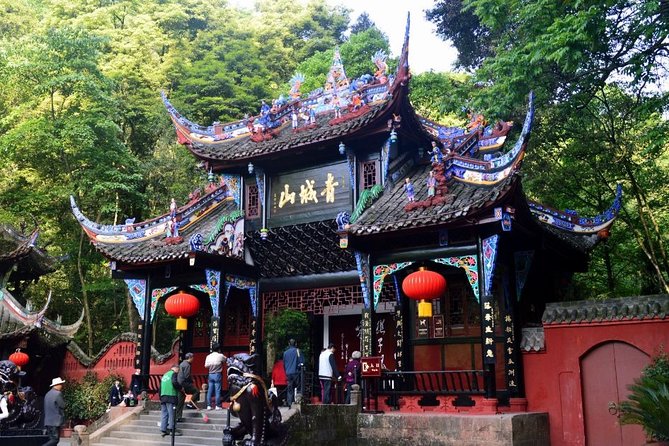
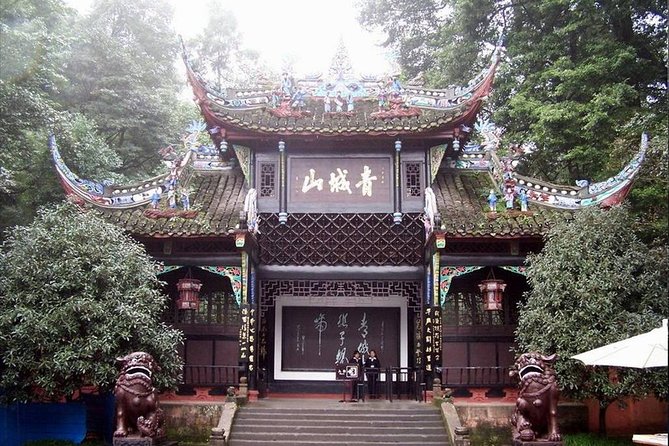
Qingcheng Mountain, also called Qingcheng Shan, is known for its connection to Taoism. Its wooded slopes provide a welcome change from Chengdu’s urban streets, with shaded paths and a calmer setting around the temples.
The first part of the visit includes a boat ride across Yuecheng Lake. It is a short but pleasant change of pace before the walking begins. From there, the route uses the mountain transport system, including an excursion bus and cable car, before or during the climb depending on the day’s exact arrangement.
The cable car is useful, not decorative. It cuts out a long section of uphill travel and lets you save energy for the temple paths and upper mountain areas. One important practical point: the written inclusions say the boat ride and round-trip cable car are covered, but some booking details and past experiences have described extra charges for transport or the cable car. Confirm the current ticket arrangement before departure, so you know if you need a little extra cash.
Once you are walking, expect about two hours on shaded trails, with many stairs and a few steep slopes. The route is not a casual stroll through a park. Comfortable walking shoes are essential, and extra water is a smart idea. One guide was praised for watching the pace and safety of the group, but the terrain still demands reasonable fitness.
Taoist temples give the climb its purpose
The mountain would be attractive on its own, but the temples make the route meaningful. Jianfu Temple has roots in the Tang Dynasty, while Tianshi Cave was completed during the Qing Dynasty and is linked with a well-known Taoist teacher.
Your guide explains the religious role of these places and points out how Taoism developed in this mountain setting. That context is one of the strongest reasons to choose a private tour. Without help, you could admire the roofs, courtyards, and statues without understanding why particular sites matter.
The guide can also answer questions as they arise. Several people praised the English ability of their guides, with Wells receiving special mention for clear explanations and attentive service. Good guiding matters here because the mountain is full of names, traditions, and historical layers that are easy to miss.
Do not expect every temple and side path to receive equal time. The day has another major stop, and the mountain section already takes roughly three hours when transport and walking are combined. You may descend by cable car or return on foot, depending on the schedule and your energy. If your priority is a long mountain hike, you may want a tour focused only on Qingcheng Mountain.
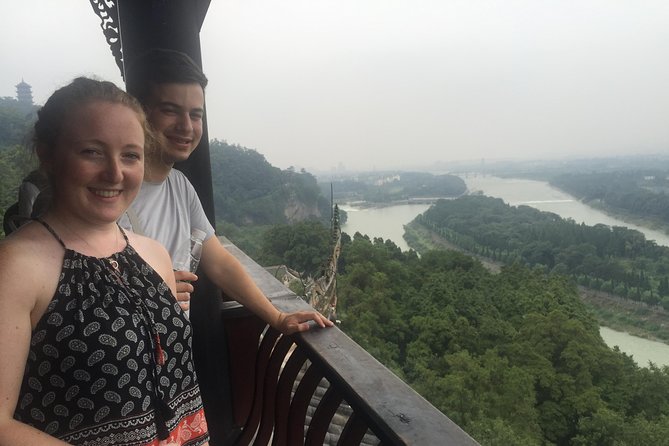
The upper sections can feel cool, especially when clouds settle around the mountain. A light jacket or warmer layer is sensible even if Chengdu feels mild in the morning. There are also opportunities for photographs, and the combination of forest, traditional buildings, lake water, and mountain views gives you plenty to work with.
Lunch breaks up the day, but time is limited
Lunch is served at a local restaurant and is included in the tour price. That removes one small decision from a busy day and gives you a chance to sit down after the mountain walk.
The meal is also part of the tradeoff. A past itinerary left less time for some monuments because of lunch, and the overall day ran beyond the expected schedule. That does not mean the meal is poor. It means you should not expect unlimited time at every stop.
If you are particularly interested in food, tell your guide early. One person enjoyed a meal at a monastery during the Qingcheng Mountain visit, but that option is not guaranteed by the published plan. The dependable point is a local restaurant lunch between the two main attractions.
A few more tours in Chengdu worth putting side by side
- Private Half-Day Chengdu Panda Breeding Center Tour with Optional Volunteer
★ 5.0 · 353 reviews - Private Chengdu Day Tour: Giant Pandas and Jinsha Site Museum
★ 5.0 · 142 reviews - Chengdu Panda Research Base Tickets And Optional Private Tour
★ 4.5 · 48 reviews - Wolong Panda Base Private Day Tour Optional Volunteering
★ 5.0 · 46 reviews
Dujiangyan explains how ancient water control still works
After lunch, the tour continues to Dujiangyan, a hydraulic project built in 256 BC during the Qin Dynasty. Its purpose was practical: control flooding and send water toward farmland. The system helped transform agriculture in the region, and it continues to manage water flow today.
This is the tour’s most impressive lesson in applied engineering. Instead of building one huge dam, the project uses channels, levees, and the natural shape of the river to separate and direct water. The Fish Mouth Levee is the key feature, with its pointed form giving it the name. Your guide explains how this part helps divide the flow.
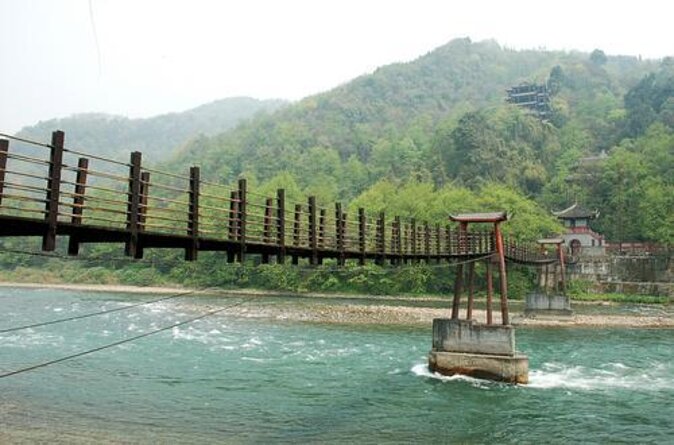
The site is not just an engineering stop. You also see waterways, statues, traditional buildings, gardens, and several historic structures. The Two Kings Temple and Dragon-Taming Temple add a religious and ceremonial side to the visit, while Lidui Park gives you a more relaxed place to walk and see how the old works fit into the surrounding setting.
I find Dujiangyan most rewarding when I pause to understand the system rather than simply photograph the water. Ask your guide to explain the flow in plain terms. The shapes can look simple, but their purpose becomes clearer once you know what each channel and levee does.
Allow enough time for Dujiangyan’s bridges and temples
The planned visit here lasts about two hours. That is enough to see the central parts, the Fish Mouth Levee, and selected temples, but it may not cover every trail or bridge.
The area can be crowded, and crossings such as the swinging bridges add extra time if you want to explore beyond the main route. One person hoped to reach a temple across a longer swinging bridge but had to turn back because the schedule was tight. This is useful advice: tell your guide your priorities before you arrive.
Some itineraries may begin at an emperor’s temple or adjust the order of the sites. The exact sequence can change, but the two main stops remain Qingcheng Mountain and Dujiangyan. A private format gives the guide some room to adjust, though it cannot create extra hours in the day.
If Dujiangyan is your main interest, consider asking for more time there and accepting a shorter mountain visit. If you care most about Taoist sites and scenery, do the opposite. The private setup is valuable because this conversation is possible.
What the private format changes
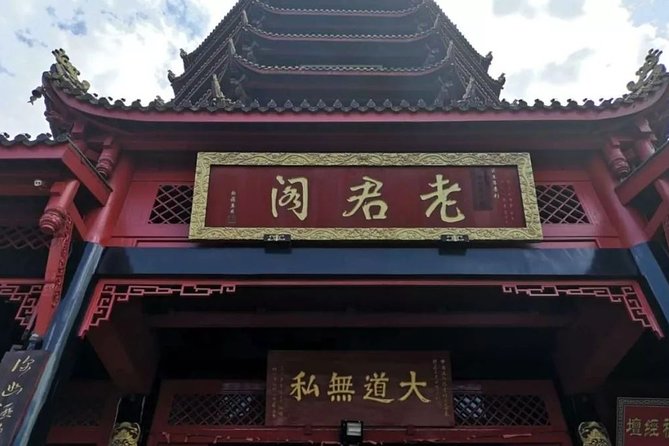
A private tour is more than a smaller group. It affects the pace, the questions you can ask, and the amount of time you spend waiting.
You travel only with your own party, the guide, and driver. That makes pickup easier and avoids collecting people from several hotels. It also means the guide can adjust explanations to your interests. A family with children, for example, may want the water system explained through simple demonstrations, while a history-focused group may prefer more time at the temples.
The private vehicle is air-conditioned, which is welcome after a climb. The return ride gives you time to rest rather than manage a connection back to Chengdu. Guides such as Wells have been praised for strong English, careful pacing, and friendly service. Those qualities are especially helpful on a day with uneven ground and a tight schedule.
There is one limitation: a private tour does not remove the crowds at the attractions. Qingcheng Mountain and Dujiangyan are public heritage sites, so you can still encounter busy walkways, popular viewpoints, and queues for transport.
Price, inclusions, and possible extra charges
The $230.78 per-person price includes a lot: hotel pickup and return, a private air-conditioned vehicle, an English-speaking guide, listed admissions, excursion buses at both sites, the Qingcheng Mountain boat, round-trip cable car, and lunch.
That is a reasonable package if you value convenience and personal attention. It is less compelling if you are comfortable arranging transport yourself, speaking some Chinese, or joining a cheaper shared trip. The tour’s strongest value is time saved and confusion avoided, not low cost.
Because some past booking details describe separate payments for a transport ride or cable car, I would check the latest confirmation carefully. The supplied inclusions say these costs are covered, but the conflicting information deserves clarification before you go. Keep a small amount of cash available anyway.
The tour is commonly reserved about 27 days ahead. That does not guarantee it will sell out, but it suggests you should not leave a popular private day trip until the last minute, especially during busy periods.
Who should book this Qingcheng and Dujiangyan tour?
I would choose this tour if you want to see beyond Chengdu without spending a night outside the city. It suits couples, families, and small groups who prefer a guide and private vehicle over public transport.
It is also a good fit if you want several kinds of sightseeing in one day: nature, Taoist culture, old architecture, river engineering, gardens, and a local meal. You do not need to plan separate tickets or figure out the order of the sites.
I would think twice if you dislike stairs, steep paths, or full days with a lot of moving around. The mountain section is physically demanding, and Dujiangyan involves more walking than its two-hour estimate might suggest.
You may also prefer separate visits if you are a serious photographer or history enthusiast. Two major sites in one day means you will see the highlights, not every corner. The private guide helps, but the clock still rules the route.
Cancellation is free up to 24 hours before the start time. Changes or cancellations inside that window are not refunded, and poor weather can lead to a new date or full refund. Since the outing depends on outdoor conditions, check the forecast before you commit.
Should you book it?
Book this day trip if you want an easy, well-supported escape from Chengdu and can handle a serious mountain walk. The combination of Qingcheng’s temples and Dujiangyan’s working water system gives you a memorable look at Sichuan’s spiritual and agricultural past.
The best reason to book is the private guide, especially if you value clear English explanations and flexible pacing. The main reasons to hesitate are the price, the chance of a longer-than-advertised day, and the limited time for side temples and trails.
My practical choice would be to book it for a first visit, confirm the transport and cable car inclusions, wear proper shoes, bring water and a warm layer, and tell the guide which site matters most to you. That small bit of planning will help this ambitious day feel like a rewarding outing rather than a race.
FAQ
How long does the tour last?
The tour lasts approximately six to eight hours, although the day may run longer depending on walking pace, crowds, and time spent at the sites.
What time does the tour start?
Pickup begins at approximately 8:00 am.
Is hotel pickup available?
Yes. Pickup and return transport are offered from centrally located Chengdu hotels.
Is this a private tour?
Yes. Only your group participates in the private activity.
What is included in the price?
The price includes a private air-conditioned vehicle, an English-speaking guide, listed admission fees, excursion buses at Qingcheng Mountain and Dujiangyan, the Qingcheng Mountain boat ride, round-trip cable car, and lunch at a local restaurant.
Is lunch included?
Yes. Lunch at a local restaurant is included.
How much walking is involved?
A moderate amount of walking is involved. The Qingcheng Mountain hike lasts around two hours and includes many steps and some steep slopes.
Is the cable car included?
The stated inclusions cover the round-trip cable car at Qingcheng Mountain. Because some booking details have described separate transport charges, confirm the current arrangement before departure.
Can most people take part?
Most people can participate, but you should be comfortable with a moderate amount of walking, stairs, and steep sections on Qingcheng Mountain.
What happens if bad weather cancels the tour?
If poor weather causes cancellation, you will be offered another date or a full refund. You can cancel for a full refund if you do so at least 24 hours before the start time.
Newest reviews from Chengdu
- Golden Buddha & Cloud Sea: Emei Mountain Private Tour★ 5.0 · 4 reviews
- All Inclusive Private Panda Base Traditional Painting Experience★ 5.0 · 4 reviews
- Chengdu: City Walking Tour with Food and Culture Stops★ 4.7 · 4 reviews
- Classsic sichuan Opera at sichuan Provincial Theater★ 5.0 · 4 reviews
- One Day Trip to Dujiangyan Irrigation System & Mount QingCheng Tour★ 5.0 · 4 reviews
- Private Day Tour: Dujiangyan Panda Base and Irrigation Project★ 5.0 · 4 reviews
- Private Day Tour: Chengdu Panda and Leshan Buddha★ 4.0 · 5 reviews
- One Day Giant Panda Leisure Private Tour in Chengdu★ 5.0 · 5 reviews
Chengdu Tours, compared.
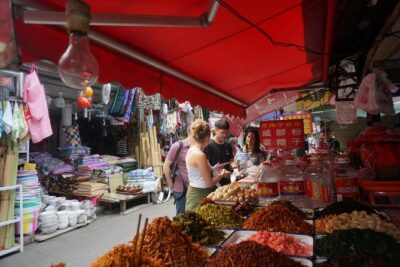
Half-Day Chengdu Cooking Class with a Local Market Visit
Read our review →

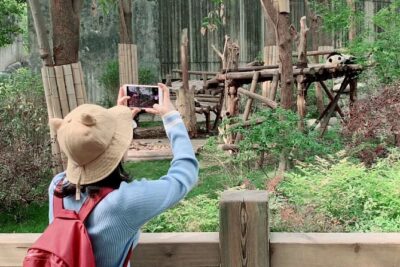
Private Half-Day Chengdu Panda Breeding Center Tour with Optional Volunteer
Read our review →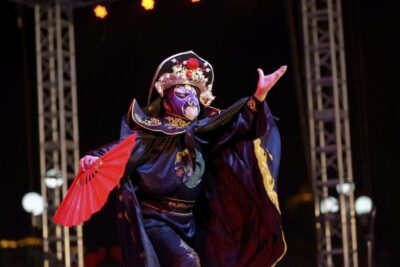
Sichuan Opera Shu Feng Yan Yun Evening Show Ticket
Read our review →
Private Chengdu Day Tour: Giant Pandas and Jinsha Site Museum
Read our review →
Visiting Dujiangyan Yaan Wolong Panda Base Optional Volunteering
Read our review →
Chengdu Sichuan Opera Show Ticket – Shu Feng Ya Yun
Read our review →Browse the lists this tour appears in