
Reviewed · WALKING TOURS
5-Hour Private Customized Walking Tour in Hong Kong
Hong Kong rewards curious walkers. This private five-hour tour lets you shape the day around food, history, culture, or city life, rather than follow a fixed route. I like the one-to-one format and the freedom to change plans with your guide, but the $307 price is a serious outlay unless you are sharing it with a group.
I also like the chance to see Hong Kong beyond its postcard views, from Sheung Wan medicine shops to Mong Kok markets and Sham Shui Po streets. The main catch is physical: you should be able to walk at least 5 kilometres on your own, handle hills and steps, and cope with uneven pavements.
In This Review
- Key things to know before booking
- Why a private walking tour works well in Hong Kong
- Starting at 9:30 am with a plan you can change
- Victoria Peak and Central for the big city picture
- Sheung Wan and Soho: medicine, escalators, and changing Hong Kong
- Tsim Sha Tsui for landmark buildings and harbour atmosphere
- Mong Kok markets for color and daily shopping
- Sham Shui Po for ordinary Hong Kong life
- Aberdeen and Stanley for harbour and southern Hong Kong
- Food, temples, politics, and the questions you bring
- What $307 really buys you
- Walking demands, weather, and who should book
- Should you book this Hong Kong tour?
- FAQ
- What is included in the private Hong Kong walking tour?
- How long does the tour last?
- How many people can join the tour?
- Are children charged for this experience?
- Are public transport fares included?
- Is food included?
- Can the itinerary be customized?
- How much walking is required?
- What happens if the weather is poor?
Key things to know before booking
- Your route is built around your interests: You can focus on landmarks, politics, religion, architecture, food, shopping, or ordinary city life.
- Hotel pickup starts at 9:30 am: The guide meets you at your hotel, then discusses your priorities before setting off.
- The tour can cover both sides of the harbour: Victoria Peak, Central, Soho, Mong Kok, Tsim Sha Tsui, Aberdeen, and Stanley are among the possible choices.
- Transport costs extra: MTR rides, trams, taxis, boats, and ferries are not included, though the fares are described as minimal.
- The group limit is six people: Children aged 11 and under are free, while anyone aged 12 or older counts as a paying person.
- The service record is strong but not perfect: The experience has a 4.6 rating from 10 ratings and a 90 percent recommendation rate, alongside one serious report of a guide failing to arrive.
Why a private walking tour works well in Hong Kong
Hong Kong can feel like several cities packed into one. Glass office towers rise above old shop houses, temples sit near shopping arcades, and steep streets quickly give way to markets or residential districts. A private guide can help you connect these pieces instead of leaving you to guess what you are seeing.
The five-hour length is useful for a first look, especially if you have only a short stay or a free morning before a flight. You will not see every district in one outing, but you can build a clear picture of how the city works and decide where to return later.
The private format matters most when your group has mixed interests. You can spend more time on architecture, skip shopping, stop for lunch, or ask for a practical lesson in using public transport. The guide’s attention is yours, not divided among a busload of people.
That flexibility also means you should think about your priorities before the morning begins. If you arrive with a long list that includes Victoria Peak, Mong Kok, Stanley, and Aberdeen, the guide will need to make choices. Hong Kong’s districts are spread out, and five hours passes quickly once you add ferries, trains, hills, and meal stops.
More Walking Tours in Hong Kong
- Dark Side of Hong Kong – Kowloon Caged Homes Walking Tour
★ 5.0 · 418 reviews - Introduction to Hong Kong: Central Tip Based Walking Tour
★ 5.0 · 202 reviews - Full-Day Private Customized Walking Tour of Hong Kong
★ 5.0 · 106 reviews
Starting at 9:30 am with a plan you can change
Hotel pickup is included, with the scheduled start at 9:30 am. At the beginning, you discuss what interests you and what you want from the day. The guide plans around those preferences, but the plan can still change once you meet or while you are walking.
That is a useful arrangement for Hong Kong because conditions on the ground can affect your choices. You might decide that a market deserves more time, discover that your group is tired of major sights, or want to add a temple after discussing local beliefs. You are not locked into a printed schedule.
Before booking, think in terms of themes rather than trying to name every stop. For example, you could ask for old Hong Kong and local food, finance and Feng Shui, or markets and everyday life. That gives the guide a workable brief while leaving room for local judgment.
The guide may also help you understand the practical side of getting around. One particularly useful outing included instruction on using public transport, which can make the rest of your stay less intimidating. Hong Kong’s MTR, trams, ferries, and taxis are manageable, but a short lesson early in your visit saves time later.
Victoria Peak and Central for the big city picture
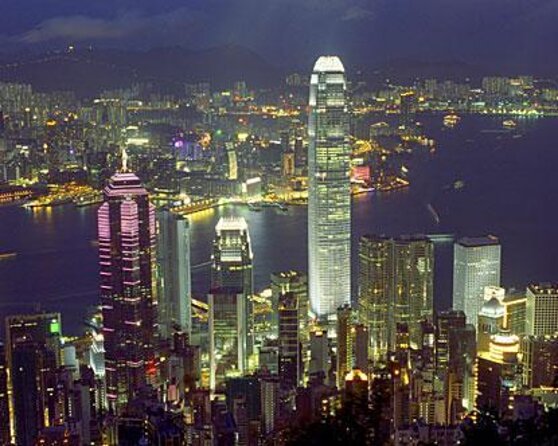
Victoria Peak is the obvious choice if you want Hong Kong’s famous view. From above, the guide can point out notable buildings and explain how the city developed around the harbour and its limited land.
The drawback is that the Peak can take a large share of a half-day. If your main interest is street life, food, or local neighborhoods, you may prefer to spend that time below. Ask your guide how much travel the viewpoint requires before committing to it.
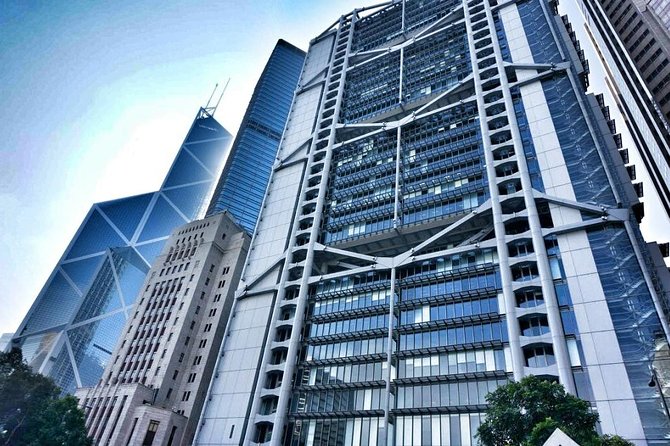
Central offers a different kind of introduction. This is the banking and finance district, with major buildings and a strong connection to Hong Kong’s role as an international business center. The guide can also explain Feng Shui in architecture and business, a subject that gives extra meaning to details you might otherwise miss.
For a first visit, Central works well because it links old and new Hong Kong. You can discuss the city’s British period, the Opium Wars, the 1997 return to China, and the way business shaped the urban center. Just remember that this area is more about context and buildings than traditional market atmosphere.
Sheung Wan and Soho: medicine, escalators, and changing Hong Kong
Sheung Wan is a good choice if you want to see older Chinese traditions alongside modern city life. The tour may include discussion of Chinese medicine and medicinal foods, giving you a way to understand the displays and practices found in this part of town.
This is the sort of stop where a guide adds real value. Without explanation, unfamiliar herbs or dried ingredients can look like shop decoration. With context, they become part of a working tradition connected to food, health, and family life.
Soho gives you a different side of the city. Here, you can ride the world’s longest outdoor covered escalator system and see one of Hong Kong’s most Western-influenced districts. The contrast with Sheung Wan makes these neighborhoods useful as a pair.
The escalator is practical as well as memorable, but the area still requires walking on slopes and pavements. If you have limited mobility, tell the guide early. The tour can reduce walking by using taxis instead of the MTR, but you will still face steps, hills, and uneven surfaces.
A completely different kind of day out on the same trip:
- Hong Kong: Dolphin Cruise, Big Buddha & Lantau Island Tour
★ 4.2 · 1,512 reviews - Ngong Ping 360: Cable Car Return Tickets & Combos
★ 4.6 · 1,431 reviews - Lantau Island Day Trip – Big Buddha & Tai O
★ 4.5 · 1,328 reviews - Big Bus Hong Kong Open Top Hop-On Hop-Off Sightseeing Tour
★ 4.0 · 1,077 reviews
Tsim Sha Tsui for landmark buildings and harbour atmosphere
Tsim Sha Tsui is a strong choice for architecture and Hong Kong’s colonial-era story. Possible stops include The Peninsula Hotel and Hullett House, the former marine police headquarters.
These buildings help put the city’s past into physical form. Rather than hearing only about dates and political agreements, you can look at places tied to Hong Kong’s changing public, commercial, and maritime life.
Tsim Sha Tsui can also be a useful choice if your group wants a well-known part of Hong Kong without spending the whole morning at a single viewpoint. Ask the guide to balance major buildings with time for explanation. The value here is not simply ticking off famous facades, but understanding why they matter.
Mong Kok markets for color and daily shopping
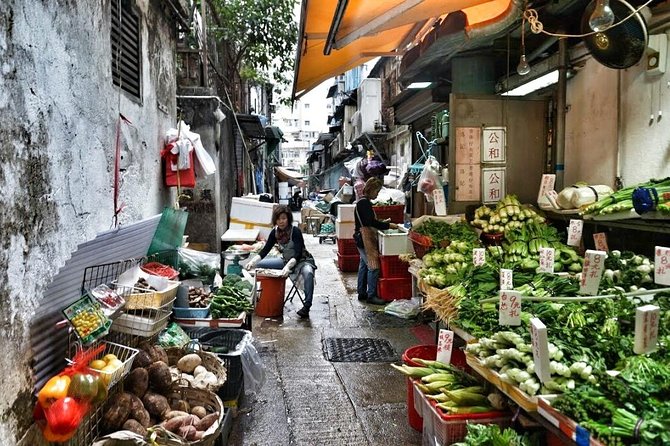
Mong Kok offers the most market-focused option in the suggested routes. You might visit the Flower Market, Bird Market, Goldfish Market, and Ladies Market, each with a different feel and purpose.
The Flower Market is more than a place for pretty plants. The Bird Market reflects an older pastime, while the Goldfish Market shows how live fish and other small aquatic creatures are sold for home aquariums and traditional beliefs. The Ladies Market brings a more familiar street-shopping experience.
I would choose Mong Kok if you want movement, local commerce, and plenty to look at in a short time. I would not choose it if your group dislikes crowds, shopping streets, or sensory overload. The guide can help explain what you are seeing, but the markets are still active public places, not quiet museum rooms.
You should also set expectations about shopping. Personal purchases are not included, and the tour is not a private buying service. Treat the markets as a way to understand the city, then buy something only if you genuinely want it.
Sham Shui Po for ordinary Hong Kong life
Sham Shui Po is presented as the least affluent area on the possible route. That makes it an important counterpoint to Central’s finance towers and the polished districts around major hotels.
Here, the focus is day-to-day life for average Hong Kong residents. A visit can help you look beyond the city’s famous skyline and see how income, housing, shopping, and neighborhood routines differ across Hong Kong.
This stop calls for respect and attention. You are entering a lived-in district, not a staged attraction. Listen to the guide, avoid treating residents or shops as scenery, and ask questions about the broader social issues rather than expecting a neat display of poverty.
For many people, Sham Shui Po may be the most meaningful part of the day. It offers social context that a standard highlights tour often misses. It may also feel less polished than the central districts, which is exactly why you should choose it with an open mind.
Aberdeen and Stanley for harbour and southern Hong Kong
Aberdeen offers the possibility of a short cruise through the harbour and a visit to the famous floating restaurant JUMBO. Since boats and ferries are not included, confirm the transport plan and extra costs with the guide.
This option changes the pace from walking streets to looking at Hong Kong from the water. It may suit you if harbour life interests you or if your group wants a break from hills and pavements. At the same time, a cruise takes time, so it competes with Central, Mong Kok, or the Peak.
Stanley gives the tour a more relaxed southern-Hong Kong option. You can stroll along the promenade, shop at Stanley Market, and hear about the area’s past as a base for pirates.
Stanley is appealing if you want a market and waterfront setting rather than dense city blocks. Its distance from the central districts makes it harder to pair with many other stops in five hours. I would select it as the main focus of the morning, not as an extra squeezed into an already crowded plan.
Food, temples, politics, and the questions you bring
You can ask the guide to make food the main subject. Possible tastings include dim sum, wonton noodles, barbecue pork, fish balls, egg puffs, and other Cantonese favorites.
Food costs extra, but a guide can help you understand what to order and how dishes fit into local eating habits. Keep your request specific if you have dietary limits, since the supplied information does not promise special menus or dietary arrangements.
Religion is another possible theme. The tour can include one or more temples, with discussion of Taoism, Buddhism, offerings, and fortune telling. This is a good choice if you want cultural explanation rather than simply taking photographs of incense and statues.
You can also ask about politics, including the agreements connected with Hong Kong’s return to China in 1997 and the current political environment. These subjects can be sensitive and complex. A private setting gives you room to ask direct questions, though your experience will depend on the guide’s approach and your own interests.
What $307 really buys you
The listed price is $307 for a private experience, with a maximum of six people. The value improves when several people share the cost. For six paying people, that works out to roughly $51 per person before transport, food, and personal purchases. For one or two people, the same price feels much steeper.
Included are the professional guide, hotel pickup, and private-tour service. Not included are MTR fares, trams, taxis, boats, ferries, meals, drinks, souvenirs, and other personal spending.
I see the price as reasonable for a group that wants a custom introduction and direct guidance. It is less attractive if you want a fixed sightseeing route or plan to use public transport and explore independently. The real product here is time saved, local explanation, and the ability to adapt the morning to your group.
The strongest praise focuses on the guides. Nick is described as extremely well informed and especially good at showing the best of Hong Kong. Another guide began by asking about interests, then combined street markets, a temple, notable buildings, Victoria Peak, and lunch while explaining both older and present-day Hong Kong.
There is one important caution. One booking resulted in a no-show, with the group waiting an hour at the hotel and receiving no answer by phone or text. That is a serious service failure, even though the overall score is 4.6 from 10 ratings and the recommendation rate is 90 percent. I would confirm the pickup details and contact method before the morning of the tour.
Walking demands, weather, and who should book
Wear comfortable walking shoes. You need to manage at least 5 kilometres unaided, along with hills, steps, and uneven pavements. Most people can take part, but this is not a good choice if you cannot walk independently for several hours.
The guide can shorten the walking distance by using taxis rather than the MTR. That adds transport cost and does not remove every physical demand, so be honest about your pace and limits when you discuss the plan.
Children must be accompanied by an adult. Children aged 11 and under are free, while children aged 12 and older count as a person. The maximum group size is six, which keeps the experience personal but limits larger families or extended groups.
The tour requires good weather. If poor weather causes cancellation, you can receive a full refund or choose another date. The cancellation terms are strict: cancel at least six full days before the start for a full refund, two to six full days ahead for a 50 percent refund, and less than two full days ahead for no refund. Changes follow the same cutoffs.
Should you book this Hong Kong tour?
I would book this tour if you have limited time, want a private guide, and can describe the kind of Hong Kong you hope to understand. It is especially useful for a small group that wants to combine major sights with markets, temples, food, or everyday neighborhoods.
I would skip it if you prefer a low-cost independent day, dislike walking, or want to see a long list of distant districts without making choices. Ask for a focused route, confirm the hotel pickup, and agree on which transport and meal costs you will cover.
The best version of this experience is not a race through every suggested stop. Choose two or three connected themes, let the guide adjust the route, and use the morning to learn how Hong Kong fits together. That is where the $307 price has the best chance of feeling worthwhile.
FAQ
What is included in the private Hong Kong walking tour?
The tour includes a professional guide, hotel pickup, and a private tour for your group.
How long does the tour last?
The tour lasts approximately five hours and begins at 9:30 am.
How many people can join the tour?
A maximum of six people can join one booking.
Are children charged for this experience?
Children aged 11 and under are free. Anyone aged 12 or older counts as a person for the booking.
Are public transport fares included?
No. MTR, tram, taxi, boat, and ferry costs are not included, although the transport fares are described as minimal.
Is food included?
No. Food and drinks are not included. Possible food themes include dim sum, wonton noodles, barbecue pork, fish balls, and egg puffs.
Can the itinerary be customized?
Yes. You can request interests such as history, culture, politics, food, fashion, temples, markets, architecture, or daily life. You can also change the plan after meeting the guide or during the tour.
How much walking is required?
You should be able to walk at least 5 kilometres unaided. You will also need to manage hills, steps, and uneven pavements, even if taxis are used to reduce the walking distance.
What happens if the weather is poor?
The experience requires good weather. If it is canceled because of poor weather, you will be offered another date or a full refund.
Newest reviews from Hong Kong
- Lantau Peak Sunrise Climb★ 5.0 · 4 reviews
- Hong Kong MiniBus Transfer: Hotel / Cruise Terminal and Airport★ 4.5 · 4 reviews
- Hong Kong: Lantau Island & Tai O Cruise, Skip The Line Cable Car★ 3.5 · 4 reviews
- Private & Personalized Hong Kong Street Art Tour with a Local★ 5.0 · 4 reviews
- Classic Afternoon Tea Voyage in Hong Kong for 4 Pax★ 4.0 · 4 reviews
- 2025 Chinese New Year Fireworks Open Bar Yacht Dinner Cruise HK★ 4.5 · 4 reviews
- Hong Kong Heritage Walk★ 4.0 · 4 reviews
- Private Full Day Sightseeing Tour of Kowloon in Hong Kong★ 5.0 · 4 reviews
Walking Tours, compared.
Beijing Hutong Walking Food and Beer Tour at Hidden Restaurants
Read our review →
Private Beijing Walking Tour of the Forbidden City with 7 Options
Read our review →
Dark Side of Hong Kong – Kowloon Caged Homes Walking Tour
Read our review →
Forbidden City Private Walking Tour with Optional Sights
Read our review →
Shanghai City Guided Walking Tour | China’s 1st and Best Rated
Read our review →
Introduction to Hong Kong: Central Tip Based Walking Tour
Read our review →
Browse the lists this tour appears in