
Reviewed · HUTONG TOURS
Beijing: Hutong Breakfast Food Tour
Beijing wakes up hungry. This three-hour food walk takes you through northern Beijing’s hutongs for 12 or more breakfast dishes at local stalls, small eateries, and a market. I like the mix of food and street life, especially the chance to meet Aunt Jie and Mr. Yu rather than simply eat anonymous samples. The main consideration is that some flavors, particularly douzhi, are deliberately challenging.
I also like the guide-led look at hutong details that are easy to miss, from stone doorways and old signs to courtyard entrances. Guides such as Kelly, Lynn, and Yoyo have earned praise for clear explanations and warm storytelling, but the meeting point at Exit B of Zhongguo Meishuguan station can cause confusion if you follow the wrong map pin.
In This Review
- Key points to know
- Why this breakfast walk is different
- Meeting the guide at Zhongguo Meishuguan station
- Starting at the market with handmade zongzi
- Taking on Beijing’s famous douzhi
- Mr. Yu’s beef flatbread and tofu pudding
- Jianbing with an unexpected cheesy twist
- Imperial sweets and the sugar question
- Reading the hutongs between bites
- How much food should you expect?
- Pace, weather, and comfort
- Who will get the most from this tour?
- Should you book the Beijing breakfast tour?
- FAQ
- Where does the Beijing Hutong Breakfast Food Tour meet?
- How do I find the guide?
- What food is included?
- Are drinks included?
- Is the tour vegetarian-friendly?
- How long does the tour last?
- What should I bring?
- Can I bring luggage or a large bag?
- Is the tour suitable for people with mobility impairments?
Key points to know
- A full Beijing breakfast in three hours: Expect 12 or more dishes across five or more food stops.
- The local market adds real context: Aunt Jie’s handmade pork zongzi connects breakfast to family cooking traditions.
- Douzhi is the bold taste test: This tangy fermented mung bean drink is a famous Beijing specialty and not a safe choice for cautious eaters.
- Hutong sightseeing is built into the meal: Look for stone doorways, signs, courtyards, and small clues about neighborhood life.
- Vegetarians can join: The tour is vegetarian-friendly, but substitutions are not available for every dish.
- Come ready to walk and eat: Comfortable shoes are important, and large bags or luggage are not allowed.
Why this breakfast walk is different
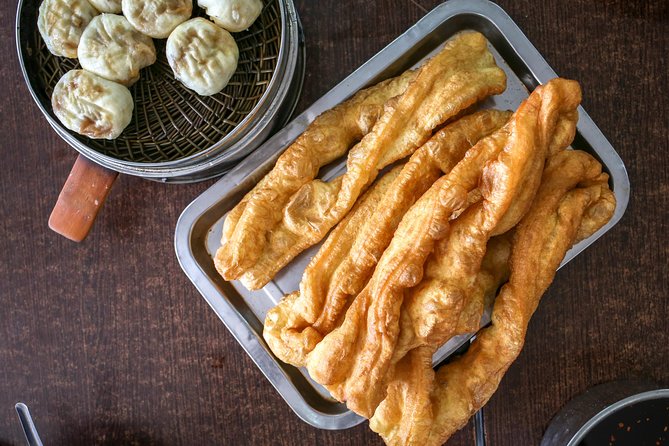
Beijing food tours often focus on famous restaurant dishes or grand imperial sights. This one takes a smaller-scale approach. You eat what people in the neighborhood might choose in the morning, moving between food stalls and modest shops rather than sitting down for one long meal.
That format matters. Breakfast in China is often casual, quick, and varied. You might have a filled flatbread in one place, a warm bowl of tofu pudding in another, and a sweet pancake soon after. A guided route lets you sample this range without spending time guessing at menus or deciding what to order.
The price is $45 per person. I consider that fair if you value variety and guidance. You receive unlimited food and drinks at more than six eateries and street stalls, plus an English-speaking guide for three hours. You are also paying for access to places that would be difficult to locate on your own, along with explanations that make each bite easier to understand.
It is less compelling if you want a quiet, seated breakfast or if you prefer to choose every dish yourself. This is a walking meal, and the pace is shaped by the route and the group.
More Food Tours in Beijing
- Beijing: Hidden Gems Guided Food Tour with Beer and Tastings
★ 4.9 · 306 reviews - Beijing Hutong Breakfast Food Tour
★ 5.0 · 155 reviews - Beijing Hutong Breakfast Food Tour
★ 5.0 · 120 reviews
Meeting the guide at Zhongguo Meishuguan station
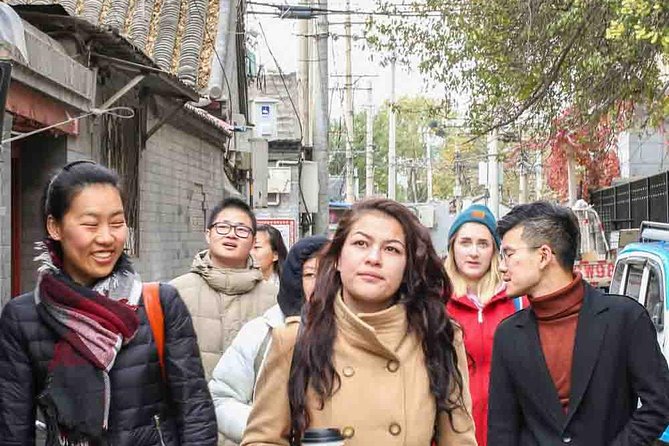
The tour begins at Zhongguo Meishuguan, or National Art Museum, subway station on Line 8. Follow the signs to Exit B and go up to street level. The guide waits outside with a bright yellow Lost Plate tote bag.
This is one place where you should be precise. The meeting point is the subway exit, not simply the National Art Museum. A map pin can make the location look less clear than it should, so use the station name and Exit B as your main guide. If you need to show the location to a taxi or Didi driver, use: 地铁8号线中国美术馆地铁站 B出口.
Allow extra time during rush hour. Traffic around this part of Beijing can be heavy, and arriving late could mean missing the group as it heads into the hutongs. The subway is strongly recommended because it avoids that uncertainty.
Bring comfortable shoes and leave large luggage behind. You will be moving through narrow neighborhood streets, and this is not a practical outing with a suitcase.
Starting at the market with handmade zongzi
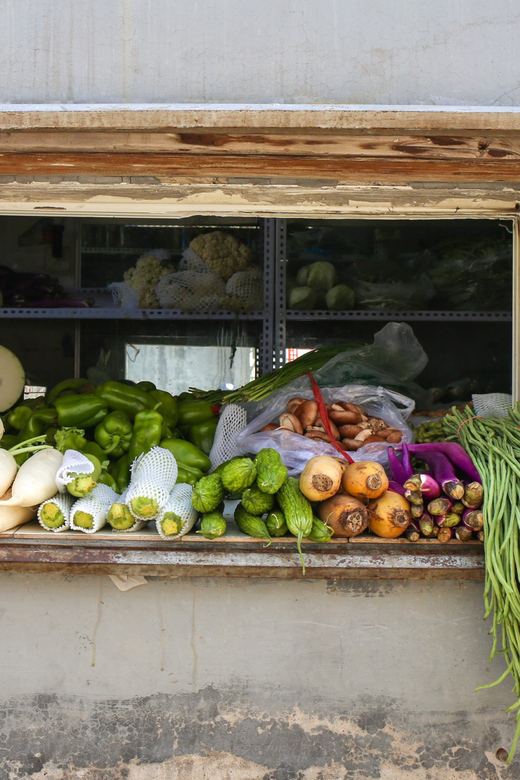
The local market gives the tour an immediate sense of place. Instead of beginning with a polished restaurant, you start among the everyday food trade that supplies breakfast to local residents.
One early specialty is Aunt Jie’s handmade pork zongzi. Zongzi are sticky rice parcels wrapped in leaves, and the version here follows a recipe passed down through generations. The value is not only the taste. Meeting the person who prepares the food helps you connect the parcel in your hand with family practice, time, and routine.
Pork zongzi can be filling, especially early in a tasting route. Pace yourself. The tour includes many more bites, and you will enjoy the later stops more if you resist treating the first dish as a full meal.
The market also gives your guide room to explain ingredients and local habits. You do not need prior knowledge of Chinese food. A good guide can make unfamiliar dishes feel approachable without pretending every flavor will suit every palate.
Taking on Beijing’s famous douzhi
Douzhi is likely to be the tour’s most memorable test. This traditional Beijing drink has a tangy, fermented flavor, and it is famous enough to have received Michelin recognition. It is also the dish most likely to divide the group.
I like that the tour includes it. A food walk should not only serve easy crowd-pleasers such as sweet pancakes and crispy pastries. Douzhi tells you something about Beijing taste and tradition, even if you decide you would not order a second serving.
Go in with the right attitude. You do not need to love it, and you should not feel embarrassed if the flavor is too sharp. Treat it as cultural information you can taste. The guide can explain why it matters, which makes the experience more useful than simply being handed an unusual drink with no context.
Unlimited water and soft drinks are included, which helps during a long tasting route. Still, the tour does not promise a special drink pairing for every dish. One useful point from the food lineup is that several sweet items may appear close together, so people who prefer savory breakfasts should be prepared for that shift.
More hutong walks:
- Beijing Hutong Walking Food and Beer Tour at Hidden Restaurants
★ 5.0 · 1,132 reviews - Temple Heaven, Summer Palace, Lama Temple, Hutong Bus Tour
★ 4.7 · 319 reviews - Temple of Heaven, Summer Palace, Lama Temple, Hutong Tours
★ 5.0 · 311 reviews - Beijing Private Hutong Food Walking Tour
★ 5.0 · 299 reviews
Mr. Yu’s beef flatbread and tofu pudding
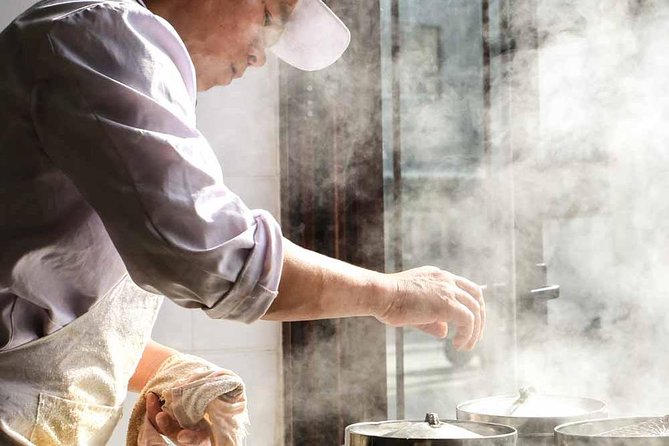
The stop associated with Mr. Yu focuses on Beijing comfort food. His beef flatbread offers a savory, substantial bite, while tofu pudding gives you a softer and more delicate contrast.
This pairing shows why the route works better than a single-dish tasting. Beijing breakfast is not one fixed plate. It can move from crisp and meaty to silky and mild within minutes. The guide can place those foods in the setting of Mr. Yu’s cooking and childhood favorites, giving the dishes a human connection.
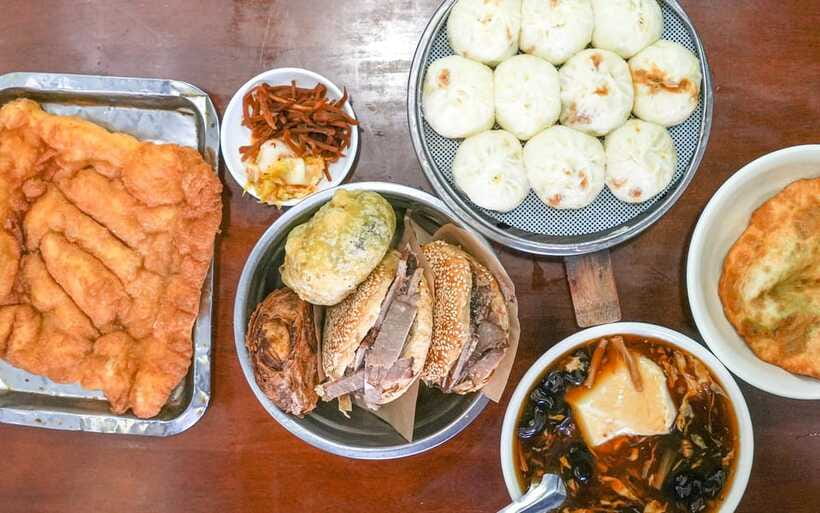
The beef flatbread is also useful for anyone who worries that a breakfast food tour will leave them hungry. With zongzi, meat pies, flatbreads, and other substantial items in the mix, the meal should feel more like a series of small courses than a few token samples.
Tofu pudding may be more familiar to people who already enjoy soybean-based foods. The texture can be gentle, and it provides a break from fried or chewy foods. As with the other stops, the best approach is to try a little, notice the texture, and let the guide fill in the background.
Jianbing with an unexpected cheesy twist
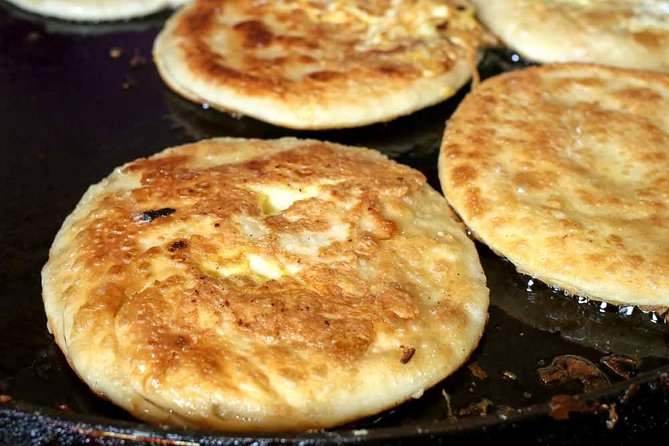
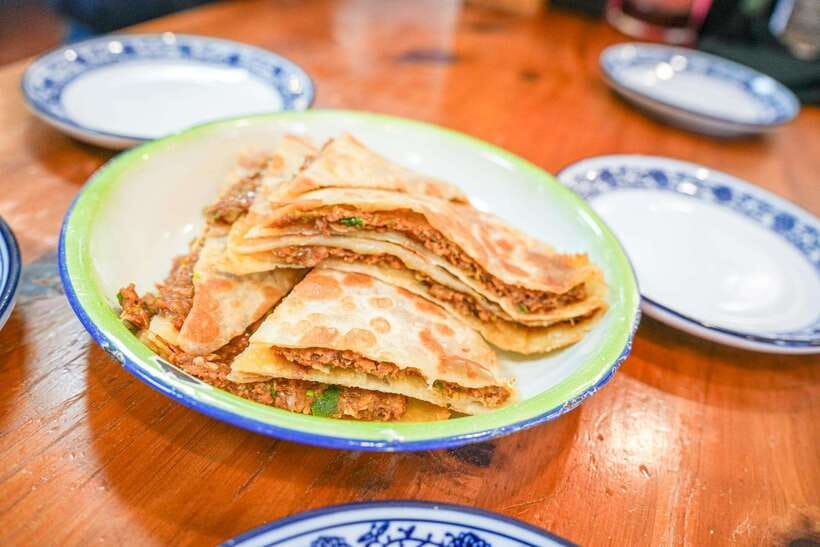
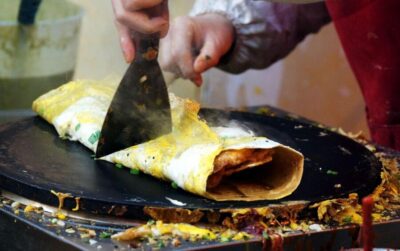
Jianbing is one of Beijing’s most recognizable breakfast foods. It is made to order as a thin savory pancake, often with egg and crisp elements. This tour takes you to a small hole-in-the-wall favorite where the jianbing gets a cheesy twist.
That detail gives a familiar dish a local, informal personality. It is also one of the easiest foods on the route for first-time visitors to enjoy because the format is simple: warm, savory, crisp, and cooked in front of you.
The tour’s food descriptions also point to an egg and bacon pancake, which one participant especially enjoyed. If you like savory breakfast food, this is likely to be one of the safer favorites alongside the beef flatbread.
The trade-off is that a small shop may not provide much room or a formal dining setup. You are here for the food and the neighborhood, not table service. Keep your bag small and expect to eat in a compact setting or while moving to the next stop.
Imperial sweets and the sugar question
The route includes sweets once made for emperors. That small detail gives the tasting a link to Beijing’s courtly past without turning the morning into a palace lecture.
These treats can be a pleasant change after meat, fermented flavors, and fried food. They also help show how Beijing food includes both plain working-day breakfast and refined flavors associated with the imperial kitchen.
Still, the sweet portion deserves a warning. The menu includes several red bean paste desserts, and having many of them close together may feel repetitive if you do not have a strong sweet tooth. The food route could be better balanced for some people with more savory breaks or a clearly planned drink between desserts.
I would not consider this a reason to skip the tour. I would consider it a reason to eat lightly before arrival and pace yourself. You can sample rather than finish every sweet item, especially when the tour offers so many other dishes.
Reading the hutongs between bites
The food is only half the experience. Between stops, your guide points out details in the hutongs that you could easily walk past alone.
Look at stone doorways, old signs, and courtyard entrances. These small features help you read the neighborhood as more than a set of narrow lanes. The tour frames the hutongs through food, family, and ordinary daily life rather than only through major monuments.
This is where the guide matters most. Kelly has been praised for making the morning easy and for explaining the dishes clearly. Lynn was singled out for finding special places, including the local market. Yoyo has a lively way of telling the story behind each food before you try it.
Guide quality can vary on any scheduled tour, but the repeated praise for Kelly, Lynn, and Yoyo suggests that storytelling is a major strength of this experience. You are not simply following someone from snack to snack. You are getting help with what to notice and how to understand it.
How much food should you expect?
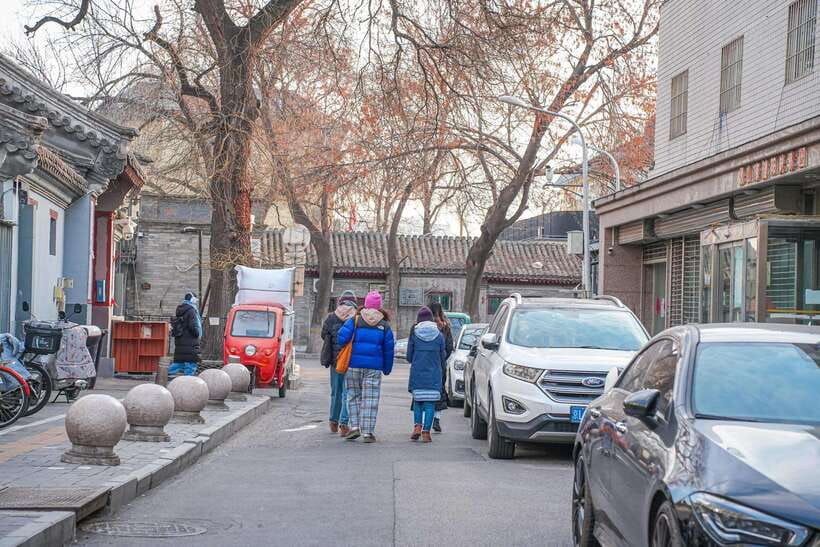
The advertised route includes 12 or more dishes at five or more food locations, with food and drinks available at more than six eateries and street stalls. The exact order and selection can change, but the overall promise is a large tasting menu spread across the neighborhood.
That is plenty for breakfast. Do not arrive after a large meal. A small snack may be sensible if you are prone to low energy, but most people should plan to use this as their main morning meal.
The word unlimited is useful, but it does not mean you should expect unlimited portions of every single dish. It means the tour includes food and drinks across the participating stops. Portions are best understood as tastings, allowing you to sample a wide range without filling up immediately.
Vegetarians can take part, but substitutions are not available for every item. If you avoid meat strictly, ask the operator in advance what can be served on your date. The tour is vegetarian-friendly, but it is not presented as a fully customizable vegetarian menu.
Pace, weather, and comfort
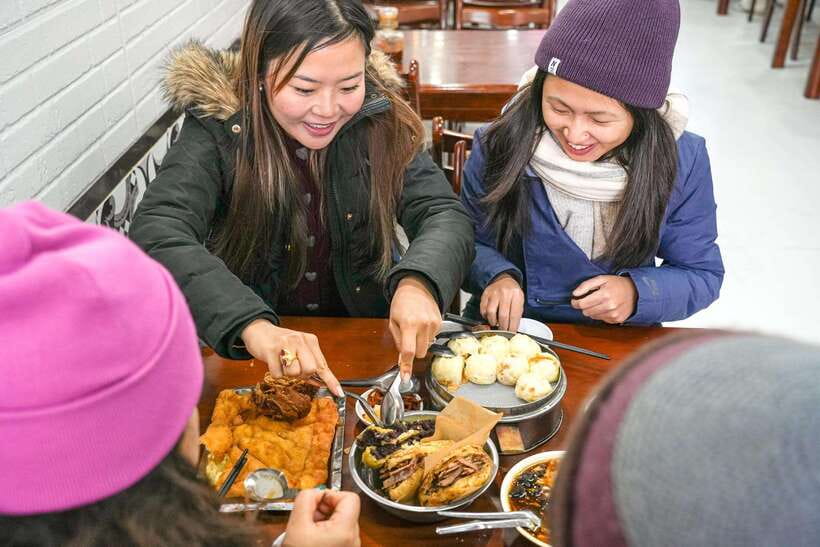
The tour lasts three hours and operates rain or shine. Beijing weather can change the comfort level of a walking route, so dress for the forecast and wear shoes that can handle several hours on foot.
This experience is not suitable for people with mobility impairments. Narrow hutong streets, walking between stops, and standing at food stalls can make the route difficult for anyone who needs step-free access or frequent seating.
Large bags and luggage are not allowed. That rule is practical rather than fussy. You will be in compact food shops and older residential lanes, where bulky belongings get in the way.
The group needs at least two people to operate. If that minimum is not met, the tour can be canceled after confirmation, with an alternative date or a full refund offered. Free cancellation is available up to 24 hours before the start time, and you can reserve now while paying later.
Who will get the most from this tour?
I would choose this tour for a first visit to Beijing, especially if you want food to introduce you to the city. It covers familiar items such as jianbing and less approachable specialties such as douzhi, giving you a useful range in one morning.
It also suits curious eaters who enjoy meeting local food sellers. Aunt Jie and Mr. Yu give the route a personal focus that a standard restaurant crawl may lack.
You may want another plan if you dislike fermented flavors, sweet red bean paste, or eating many small dishes in quick succession. The tour is also a poor fit if you need a seated meal, have limited mobility, or want complete control over ingredients.
Should you book the Beijing breakfast tour?
Book it if you want a practical introduction to Beijing food and hutong life, and if $45 feels reasonable for a three-hour guided tasting with 12 or more dishes. The strongest reasons are the wide range of food, the local market, the personal stories behind the stalls, and the guides’ clear, friendly presentation.
Skip it if you want a relaxed restaurant breakfast, have strict dietary substitution needs, or cannot manage a walking route. For everyone else, this is a useful way to meet Beijing before the city gets fully moving. Just arrive at the correct subway exit, wear good shoes, and save room for the douzhi.
FAQ
Where does the Beijing Hutong Breakfast Food Tour meet?
The meeting point is Zhongguo Meishuguan, or National Art Museum, subway station, Line 8, Exit B, at street level.
How do I find the guide?
The guide waits outside Exit B with a bright yellow Lost Plate tote bag.
What food is included?
The route includes 12 or more dishes at five or more food locations, with items such as pork zongzi, douzhi, beef flatbread, tofu pudding, jianbing, meat pies, and imperial-era sweets.
Are drinks included?
Yes. Food and drinks are included at more than six eateries and street stalls, along with unlimited water and soft drinks.
Is the tour vegetarian-friendly?
Yes, the tour is vegetarian-friendly. However, substitutions are not available for every dish.
How long does the tour last?
The tour lasts three hours. Starting times depend on availability.
What should I bring?
Bring comfortable shoes and dress appropriately for the weather because the tour operates rain or shine.
Can I bring luggage or a large bag?
No. Luggage and large bags are not allowed on the tour.
Is the tour suitable for people with mobility impairments?
No. The tour is not suitable for people with mobility impairments.
Newest reviews from Beijing
- Beijing: Explore the Forbidden City in Hanfu★ 5.0 · 4 reviews
- Beijing Tai Chi and Tea Ceremony Experience★ 5.0 · 4 reviews
- Jinshangling Great Wall Of Beijing Tickets And Other Option★ 4.0 · 4 reviews
- Private Full-Day Great Wall of China Hiking Tour from Jiankou to Mutianyu★ 4.5 · 4 reviews
- Tour the Great Wall with a Native from Downtown Beijing★ 4.8 · 4 reviews
- Beijing: Badaling Great Wall Private Tour w Language Option★ 4.3 · 4 reviews
- Beijing:Summer Palace & Tea or Calligraphy Experience Tour★ 4.6 · 4 reviews
- 7 Days Private Tour of Beijing, Xian, Shanghai by Bullet Train★ 5.0 · 4 reviews
Hutong Tours, compared.
Beijing Hutong Walking Food and Beer Tour at Hidden Restaurants
Read our review →
Temple Heaven, Summer Palace, Lama Temple, Hutong Bus Tour
Read our review →
Temple of Heaven, Summer Palace, Lama Temple, Hutong Tours
Read our review →

Beijing City Walk: Explore Hutongs Life and Old Beijing
Read our review →Browse the lists this tour appears in