
Reviewed · HUTONG TOURS
Beijing: Hutongs & Food & Culture Walking Tour
Old Beijing still lives in its lanes. This experience takes you through historic hutongs, courtyard homes, food stalls, teahouses, and cultural sights, giving you a more local view than a standard palace visit. I like the choice of starting points, including the Drum Tower area, Shichahai, and the Capital Museum. I also like that some options add a rickshaw ride and home visit. The main drawback is that the description brings together several possible routes, so you need to check exactly which option you are buying.
You should also know that food and drinks cost extra, and the very low advertised price of $2.86 is likely an entry-level rate rather than the full cost of every feature. Some versions focus on hutongs and local food, while another includes a three-hour guided visit to the Capital Museum. That flexibility is useful, but it calls for careful reading before you pay.
In This Review
- Key points to know before booking
- Why Beijing’s hutongs are worth your time
- Nanluoguxiang: old lanes with a modern edge
- Shichahai and the lakeside side of Beijing
- Street food, from jianbing to douzhi
- Tea, paper cutting, and calligraphy
- What the Capital Museum option adds
- Rickshaw ride and home visit options
- The price, duration, and overall value
- Meeting points and practical preparation
- Who should book this experience?
- Should you book the Beijing hutong and food tour?
- FAQ
- How long does the tour last?
- Where can the tour start?
- Is food included?
- Is the Capital Museum part of every option?
- Are the rickshaw ride and home visit included?
- What languages are available?
- What should I bring?
Key points to know before booking
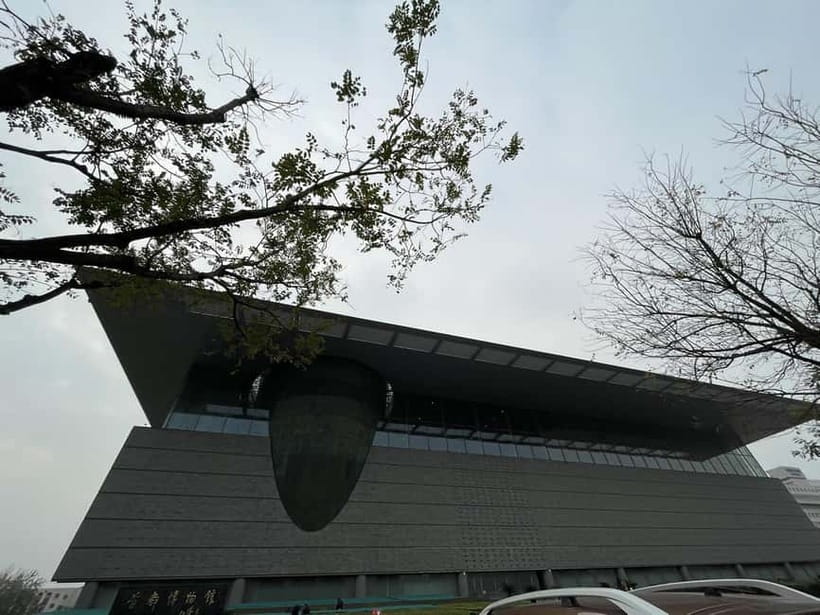
- Three possible meeting areas: Choose from 鼓楼, usually referring to the Drum Tower area, the Capital Museum, or Shichahai, depending on the option.
- Several tour lengths: Plan on three to six hours, with the exact duration tied to your chosen route.
- Hutong life is the main draw: Expect narrow lanes, siheyuan courtyard homes, neighborhood shops, and a look at how old Beijing still functions.
- Food is separate: Jianbing guozi, tanghulu, douzhi, youtiao, and other snacks may be part of the route, but you pay for them yourself.
- Optional extras matter: A rickshaw ride and home visit are included only when you select the appropriate option.
- The Capital Museum option is substantial: One itinerary gives the museum a three-hour guided visit, so it is not simply a quick stop.
- Flexible booking: You can cancel up to 24 hours ahead for a full refund and reserve without paying immediately.
Why Beijing’s hutongs are worth your time
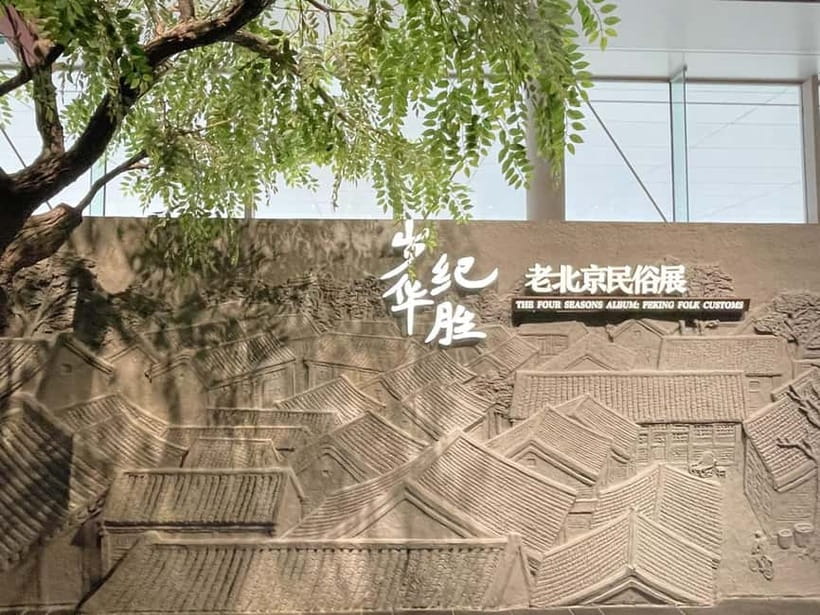
Beijing’s hutongs are narrow lanes lined with old homes and small businesses. They are not preserved streets frozen for tourists. They are neighborhoods where people still walk, chat, shop, park bicycles, and carry on daily routines.
That is what gives this outing its value. At major sights such as the Forbidden City, you see imperial Beijing. In the hutongs, you see the city at human scale. The lanes show how homes were arranged, how neighbors shared space, and how family life once centered on the siheyuan, a courtyard residence enclosed by rooms and walls.
You can expect gray roof tiles, red wooden doors, brass knockers, and climbing vines. Details vary from lane to lane, and not every building will look perfectly restored. That is part of the appeal. Some areas have been repaired for visitors, while others feel like ordinary residential streets.
The guide’s role matters here. A hutong can look like a simple alley until someone explains who lived in these courtyards, how households were organized, and why the lanes mattered to Beijing’s social life. With an English, Chinese, French, or Dutch-speaking guide available, you have a better chance of understanding what you are seeing rather than simply taking photographs.
More Walking Tours in Beijing
- Beijing Hutong Walking Food and Beer Tour at Hidden Restaurants
★ 5.0 · 1,132 reviews - Private Beijing Walking Tour of the Forbidden City with 7 Options
★ 5.0 · 675 reviews - Forbidden City Private Walking Tour with Optional Sights
★ 5.0 · 400 reviews
Nanluoguxiang: old lanes with a modern edge
Nanluoguxiang is one of the best-known hutong areas in the city. It combines traditional homes with boutique shops, small cafes, and places selling snacks. It is a useful introduction because it gives you both sides of present-day hutong life.
You will see old residential architecture, but you may also encounter commercial signs and busy stretches. If you want quiet lanes with no tourist presence at all, this may feel too polished in places. If you want a straightforward first look at hutong culture, the mix works well.
I would pay attention to the side lanes rather than only following the main commercial street. The central route gives you food and shopping, but the smaller alleys provide a better sense of the courtyard layout and neighborhood scale. Keep your camera ready, but remember that the area is still used by residents. Photography is allowed, though flash and tripods are prohibited.
Nanluoguxiang is also a good place to sample something small rather than commit to a large meal. Since food is not included, you can decide how much you want to spend. That keeps the tour flexible, especially if you are unsure about fermented drinks or unfamiliar breakfast foods.
Shichahai and the lakeside side of Beijing
Shichahai gives the tour a different mood. The area is built around scenic lakes, with willow trees, lakeside teahouses, kite flying, and broad views that contrast with the tight hutong lanes.
I like this part of the route because it slows the pace. After walking through narrow passages, the open water provides a natural break. You might see locals relaxing beside the lake or flying kites, and you may find a teahouse where the setting matters as much as the drink.
The area can also be popular, so do not expect complete quiet. Its appeal comes from the combination of water, old neighborhoods, and public life. If you choose Shichahai as your starting point, you begin in a scenic district and can move toward the hutongs. If it is part of a longer route, it offers a welcome change of scenery.
The description allows three to six hours, so Shichahai may be a short part of your schedule or one of the main sections. Check the starting time and route details before booking if the lakeside portion is especially important to you.
Street food, from jianbing to douzhi
The food side of the experience is designed to show what people eat in ordinary daily life, not just what appears on a formal restaurant menu. That makes it one of the most useful parts of the walk, but you should arrive ready for unfamiliar flavors.
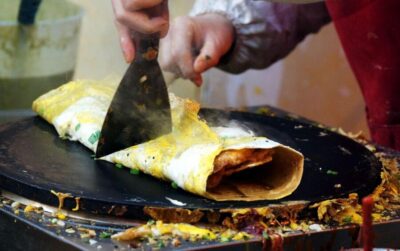
Jianbing guozi is the easiest starting point for many visitors. It is a savory crepe made with egg, scallions, sauce, and a crisp fried wrapper. The mix of soft crepe and crunchy filling makes it a filling breakfast or light meal.
Tanghulu is the sweeter choice. These candied hawthorns are served on a stick, with a hard sugar shell around fruit that tastes sweet and tart. It is simple, colorful, and easy to share.
Douzhi is more of a challenge. This fermented mung bean soup has a distinct sour flavor and is commonly served with youtiao, the familiar fried dough sticks, plus preserved vegetables. I would try it with an open mind, but I would not order a large portion if you are cautious about fermented foods.
The important practical point is that food and beverages are not included. Bring some Chinese currency or make sure you have a usable payment method, though the provided details do not promise a specific payment system. Your guide can help explain what you are ordering, but the cost remains your responsibility.
Because the tour may last up to six hours, it is sensible to bring water and a small snack if you have dietary limits. The experience description does not provide allergy, vegetarian, or dietary information, so ask before booking if those issues affect your plans.
More hutong walks:
- Temple Heaven, Summer Palace, Lama Temple, Hutong Bus Tour
★ 4.7 · 319 reviews - Temple of Heaven, Summer Palace, Lama Temple, Hutong Tours
★ 5.0 · 311 reviews - Beijing Private Hutong Food Walking Tour
★ 5.0 · 299 reviews - The Hutong Experience by Bike
★ 5.0 · 163 reviews
Tea, paper cutting, and calligraphy
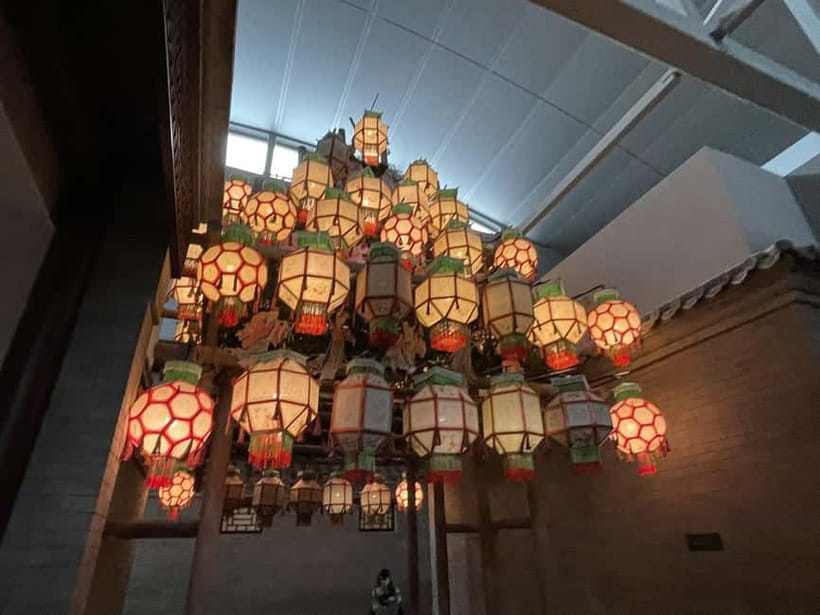
The cultural sections add more than sightseeing. At a traditional teahouse, a tea master may demonstrate a ceremony using jasmine tea or oolong. The value is not simply the cup of tea. You get a look at the careful brewing methods and the social role tea has played in Chinese life.
You might also come across folk craft workshops. Paper cutting demonstrations show how delicate patterns can represent good luck and prosperity. Calligraphy offers a quieter experience, with brush, ink, and Chinese characters treated as both writing and art.
These activities are described as possibilities rather than guaranteed performances. That distinction matters. The route may pass a workshop or teahouse, but you should not book this expecting a fixed craft class unless your selected option specifically says so.
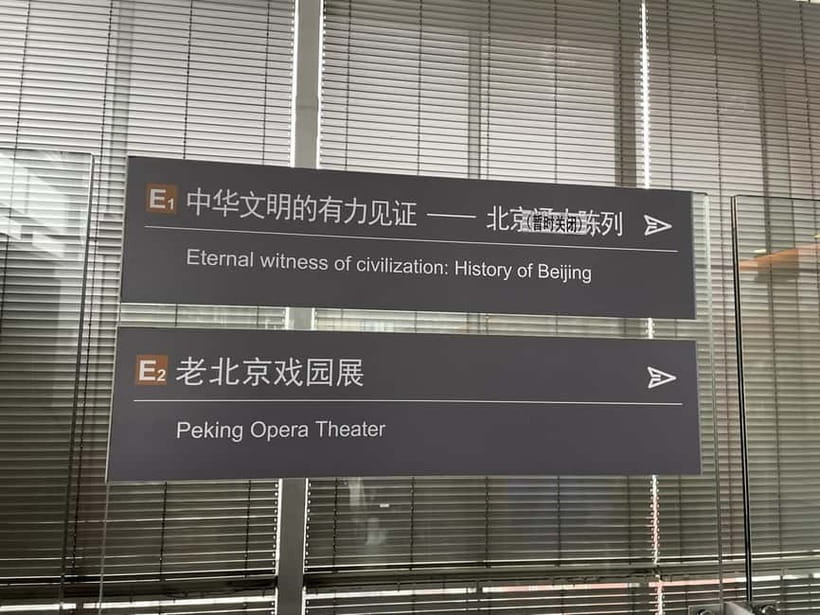
There is also a chance of hearing Peking Opera from a nearby venue. Its costumes, singing style, and makeup are closely tied to Beijing’s artistic traditions. Again, treat this as a possible encounter, not a promised show. The best part of the walk is its openness to small cultural moments rather than a tightly staged performance at every stop.
What the Capital Museum option adds
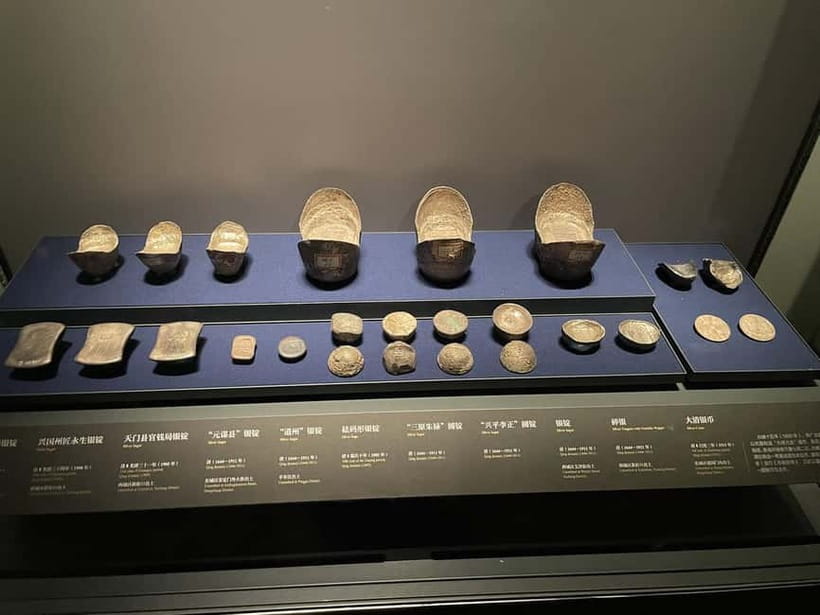
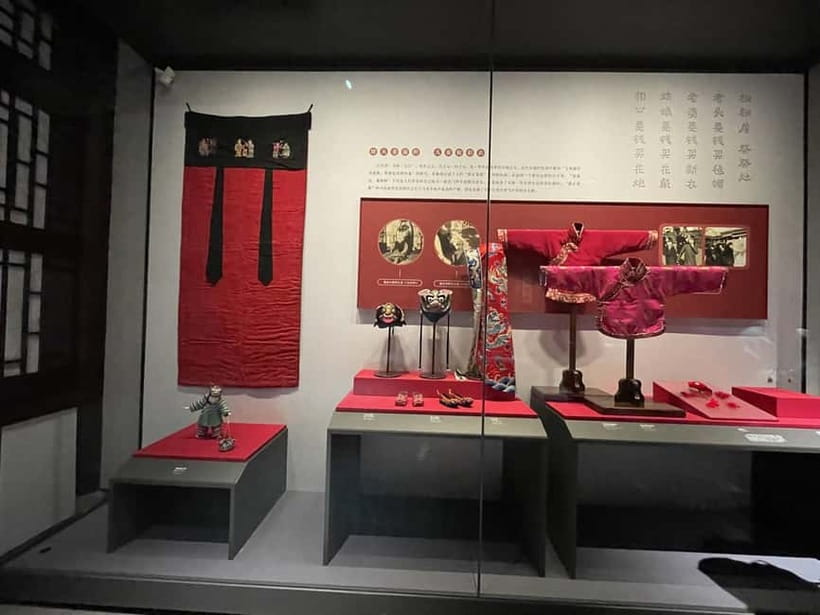
One version of the experience begins at the Capital Museum and includes a guided tour lasting three hours. That is a major difference from a short hutong stroll.
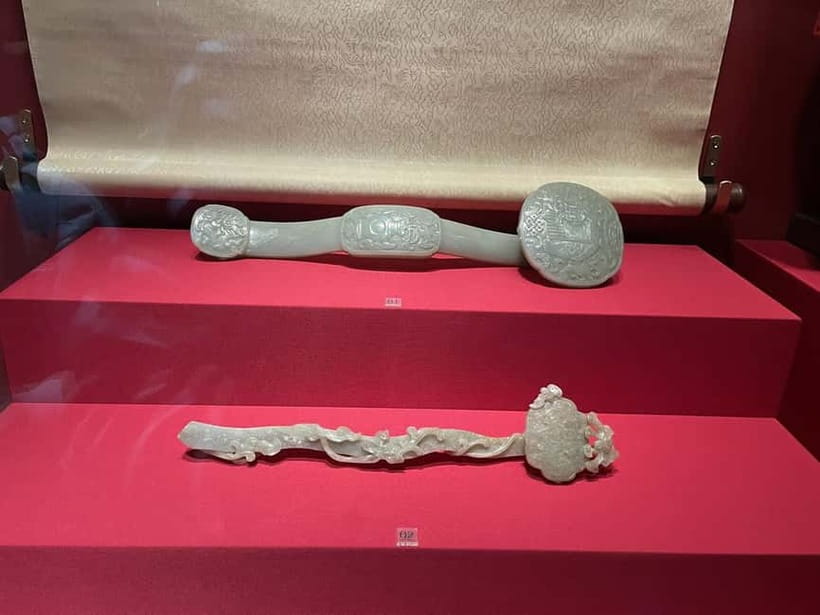
The museum gives you a structured setting for understanding Beijing and Chinese art, objects, and local culture. A guided visit can help you connect what you see indoors with the neighborhoods outside. The museum is also described as large and interactive, so you should allow enough time rather than treating it as a quick introduction.
The available feedback is especially positive about this museum-focused experience. An Italian visitor who booked tickets without a tour described the museum as large and interactive and considered it worth visiting. That suggests the museum itself can justify the time, even for someone who does not need a full walking route.
The drawback is simple: if you want food stalls and courtyard lanes, a three-hour museum visit may leave less time for those parts. If you mainly want Beijing’s hutongs, do not assume that the Capital Museum option includes the same route as the classic hutong choice. Read the exact selection carefully.
The museum is wheelchair accessible. Large bags and luggage are not allowed, and flash photography and tripods are prohibited. You also need to provide passport information in advance for ticket booking. During Chinese holidays, booking seven days ahead is advised to help secure admission.
Rickshaw ride and home visit options
A rickshaw ride can change the feel of a hutong outing. Walking lets you stop for food, look closely at doors and walls, and listen to neighborhood sounds. A ride gives you a different view of the lanes and can reduce the physical effort during a longer route.
The home visit is potentially the most personal feature. Courtyard homes are not just architectural objects. They help explain how families shared rooms, used central courtyards, and lived in close contact with neighbors. Seeing one with local context can make the hutong layout much easier to understand.
Neither feature is included in every booking. The description specifically ties the rickshaw ride and home visit to the selected option. I would treat them as valuable upgrades if your main interest is traditional residential life, but I would not assume they are part of the $2.86 starting price.
The price, duration, and overall value
At $2.86 per person, the advertised price looks remarkably low for a guided experience in Beijing. It may be useful as a starting rate, but it should not be read as the price of every route, food stop, museum ticket, rickshaw ride, and home visit combined.
Value depends on what you select. A basic walking route can be a smart way to see hutongs without paying for a full-day private tour. A longer option with a home visit or rickshaw ride may offer more local context. A Capital Museum visit is a separate kind of value, especially if your schedule includes few indoor cultural stops.
The duration ranges from three to six hours. Three hours suits you if you want a compact introduction. Six hours gives more room for food, tea, lakeside scenery, and conversation, but it also demands more walking and attention.
The experience can be booked as a private group, which is helpful if you want to control the pace or keep a family group together. The information does not state the standard group size, so do not assume every departure is private. Confirm that detail if personal attention is important.
A current rating of 3.8 from six ratings suggests a generally positive but limited record. The strongest specific praise centers on the museum and agency service. One French customer described the service as very good, while a Mexican customer singled out the agency’s service. Those comments support confidence in the booking side, but the small number of ratings does not tell you much about every route variation.
Meeting points and practical preparation
You can start from one of three locations: the Drum Tower area, the Capital Museum, or Shichahai. The meeting point changes with the option you book, so do not head to a favorite hutong district without checking your confirmation.
Bring your passport. The instructions also request passport or ID information for ticket booking, and passport details should be sent as soon as possible after booking. This is particularly important for museum admission and during Chinese holidays.
Leave luggage and large bags behind. Pets are not allowed, though assistance dogs are permitted. Smoking indoors, cycling, flash photography, tripods, alcohol, drugs, littering, loud noise, and open flames are prohibited.
The tour is listed as wheelchair accessible, and the Capital Museum is also wheelchair accessible. Still, the exact route through narrow historic lanes can vary. If you use a wheelchair, ask which sections and optional activities are suitable before confirming.
Free cancellation is available up to 24 hours before the experience, and you can reserve now and pay later. Those terms reduce the risk if your Beijing plans are still shifting.
Who should book this experience?
I would recommend it to a first-time Beijing visitor who wants more than imperial monuments. It suits you if you enjoy walking, small food tastings, local neighborhoods, and conversations about how people live.
It is also a good choice for anyone who wants a flexible cultural outing. You can choose a shorter route, focus on Shichahai, select the museum, or add the rickshaw and home visit where offered.
I would be more cautious if you dislike fermented foods, have strict dietary needs, or want a fully fixed schedule with guaranteed performances. The tea, craft, and opera encounters are possible parts of the route, not clearly promised bookings. You should also choose carefully if your main goal is either the Capital Museum or the hutongs, because the options may not combine every feature.
Should you book the Beijing hutong and food tour?
Book it if you want a practical introduction to old Beijing with several ways to shape the day. The hutongs, courtyard homes, Shichahai lakes, and street foods offer a good range of experiences, and the possible rickshaw ride and home visit add real value when included.
Before paying, confirm four things: your starting point, the exact duration, whether food stops are included in the route but paid separately, and whether the Capital Museum replaces or supplements the hutong walk. If those details match your plans, the tour offers good value at the listed starting price. If not, choose a more clearly defined option, especially during a Chinese holiday when museum tickets need advance planning.
FAQ
How long does the tour last?
The experience lasts between three and six hours, depending on the option and availability.
Where can the tour start?
The listed starting choices are 鼓楼, the Capital Museum, and Shichahai. Your meeting point depends on the option you book.
Is food included?
No. Personal expenses, food, and beverages are not included.
Is the Capital Museum part of every option?
No. One option includes a three-hour guided tour of the Capital Museum, but the available details do not say that every hutong route includes it.
Are the rickshaw ride and home visit included?
They are included only if you select the option that offers them.
What languages are available?
Guides may be available in English, Chinese, French, and Dutch.
What should I bring?
Bring your passport and passport or ID information. You should send the requested passport information promptly for ticket booking. Large bags and luggage are not allowed.
More Food Tours in Beijing
- Beijing: Hidden Gems Guided Food Tour with Beer and Tastings
★ 4.9 · 306 reviews - Beijing Hutong Breakfast Food Tour
★ 5.0 · 155 reviews - Beijing Hutong Breakfast Food Tour
★ 5.0 · 120 reviews - Beijing Walking Food Tour with a Local Friend
★ 5.0 · 73 reviews
Newest reviews from Beijing
- Beijing: Explore the Forbidden City in Hanfu★ 5.0 · 4 reviews
- Beijing Tai Chi and Tea Ceremony Experience★ 5.0 · 4 reviews
- Jinshangling Great Wall Of Beijing Tickets And Other Option★ 4.0 · 4 reviews
- Tour the Great Wall with a Native from Downtown Beijing★ 4.8 · 4 reviews
- Private Full-Day Great Wall of China Hiking Tour from Jiankou to Mutianyu★ 4.5 · 4 reviews
- Beijing: Badaling Great Wall Private Tour w Language Option★ 4.3 · 4 reviews
- Beijing:Summer Palace & Tea or Calligraphy Experience Tour★ 4.6 · 4 reviews
- 7 Days Private Tour of Beijing, Xian, Shanghai by Bullet Train★ 5.0 · 4 reviews
Hutong Tours, compared.
Beijing Hutong Walking Food and Beer Tour at Hidden Restaurants
Read our review →
Temple Heaven, Summer Palace, Lama Temple, Hutong Bus Tour
Read our review →
Temple of Heaven, Summer Palace, Lama Temple, Hutong Tours
Read our review →

Beijing City Walk: Explore Hutongs Life and Old Beijing
Read our review →Browse the lists this tour appears in