
Reviewed · WALKING TOURS
Beijing: Peking University Campus Guided Walking Tour
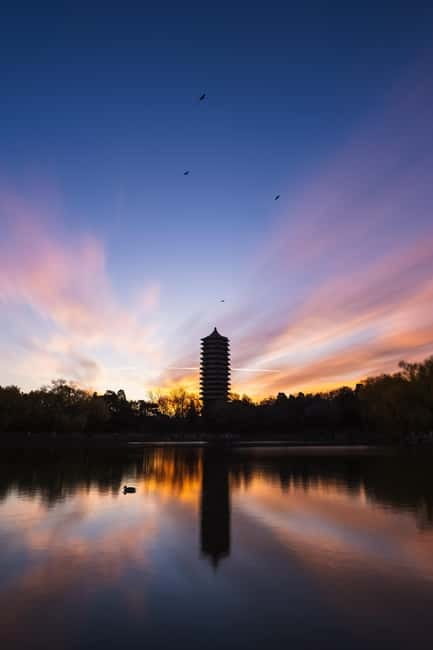
A university can reveal a whole city. This two-hour walk through Peking University brings you to Boya Pagoda, Weiming Lake, the Bell Pavilion, and the grand PKU Library while a current student explains the campus in clear, personal terms.
I like the small group of no more than 10 people, which should make it easier to ask questions. I also like the way the tour connects buildings and gardens to Chinese culture, PKU’s past as Yenching University, and the lives of its students. The main drawback is time: two hours gives you a useful introduction, but not enough to explore every corner of this large campus.
In This Review
- Key points to know before you go
- Why Peking University makes a worthwhile Beijing stop
- Starting at the East Gate and stone lion
- Boya Pagoda and Weiming Lake
- The Bell Pavilion, Hua Biao, and Qilin statues
- PKU Library and the Statue of Cai Yuanpei
- From Yenching University to modern PKU
- Traditional gardens and the logic of campus design
- What the student guide adds
- Is $39 a fair price?
- Who will enjoy this PKU walk most?
- Should you book the Peking University tour?
- FAQ
- How long does the Peking University campus tour last?
- Where does the tour begin?
- Where does the tour finish?
- What language is the tour conducted in?
- How many people can join the group?
- Which landmarks are included?
- Is transportation included?
- Is food included?
- What should you bring?
Key points to know before you go

- A current student leads the walk: You get a direct view of campus life, not just a list of dates and buildings.
- Boya Pagoda and Weiming Lake anchor the route: These are the prettiest and most recognizable places on campus.
- The tour runs from east gate to west gate: Meet at the stone lion on the right side of the East Gate when facing the entrance.
- PKU’s past reaches beyond the campus: The guide covers Yenching University, Yuanmingyuan, and the Qing official Heshen.
- Small groups make the history easier to follow: The maximum group size is 10 people, with the tour conducted in English.
- Plan for a proper walk: Comfortable shoes matter, and you need to arrange your own transport to and from the university.
Why Peking University makes a worthwhile Beijing stop
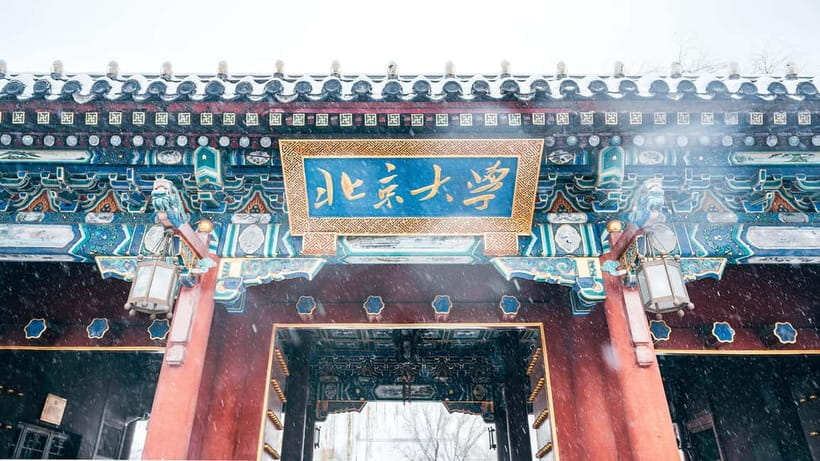
Many Beijing sights focus on imperial power, grand avenues, or revolutionary history. Peking University offers a different view of China: the country’s intellectual life, student culture, architecture, and ideas about education.
The university is in Haidian District, an area associated with major academic institutions. On this walk, you are not simply looking at attractive buildings. You are learning how a famous university developed, how its earlier identity shaped the present campus, and how spaces for study were planned beside water, gardens, statues, and traditional structures.
I especially like the mix of big subjects and small details. The tour can move from the role of PKU in modern Chinese education to the meaning of a Hua Biao ornamental pillar or a Qilin statue. That change of scale keeps the walk from feeling like a dry lecture.
The guide also brings a student’s point of view. That matters at a university, where daily routines, traditions, famous alumni, and academic pressure are part of the place’s character. The guide is not only explaining what a building is. You are getting a sense of what PKU means to the people who study there.
More Walking Tours in Beijing
- Beijing Hutong Walking Food and Beer Tour at Hidden Restaurants
★ 5.0 · 1,132 reviews - Private Beijing Walking Tour of the Forbidden City with 7 Options
★ 5.0 · 675 reviews - Forbidden City Private Walking Tour with Optional Sights
★ 5.0 · 400 reviews
Starting at the East Gate and stone lion
Your meeting point is Peking University East Gate, at the stone lion on the right side when you face the gate entrance. This is a precise meeting instruction, so use the gate and the lion rather than relying on a general campus address.
The East Gate gives the walk a clear beginning. From there, your guide introduces the university and sets up the story that follows. Because the route ends at the West Gate, you are walking across campus rather than returning to the starting point.
That one-way format is useful if you are planning the rest of your day in Haidian District. It also means you should think about your onward transport before you arrive. Transportation to and from PKU is not included, so you are responsible for reaching the East Gate and continuing from the West Gate.
The tour lasts two hours. That is long enough for a focused look at the major sites, but you should not expect a leisurely visit to every garden, courtyard, or academic building. I would arrive ready to keep moving, with shoes suited to a campus walk.
Boya Pagoda and Weiming Lake
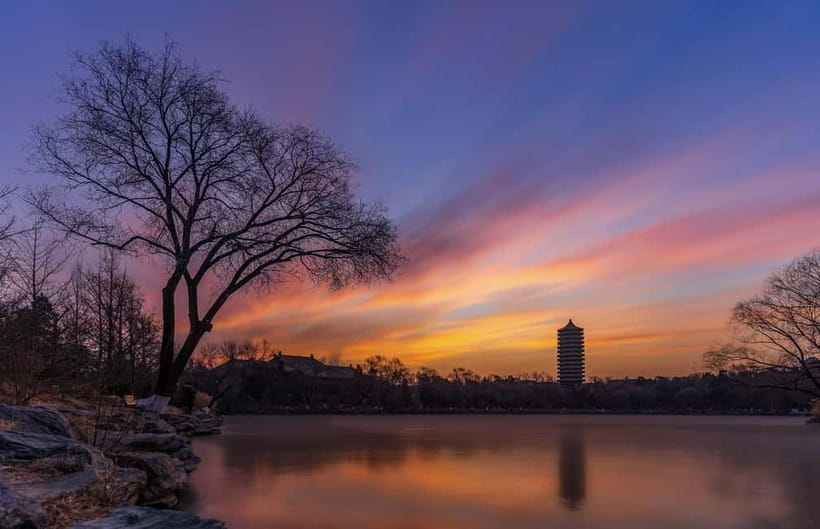
Boya Pagoda is one of the defining sights on the route. The structure is about a century old and gives the campus a visual landmark that feels very different from Beijing’s palace roofs and city towers.
Your guide explains its place in PKU’s identity and helps you see it as more than a photogenic tower. The pagoda is part of a larger campus setting, where academic life and traditional Chinese design share the same space.
Nearby Weiming Lake gives the tour its calmest setting. The lake is picturesque, and it helps explain why PKU is often remembered not only for scholarship but also for its gardens and scenery. Water, trees, paths, and historic structures create a setting designed to encourage reflection.
I like this part of the walk because it gives you a break from facts and dates. You can take photographs, look at the relationship between the pagoda and lake, and listen to the guide explain how the campus uses nature to support the idea of learning.
Do not treat the lake stop as a separate nature excursion. It is part of a compact historical walk, and the amount of time spent there may depend on the group and the guide. Still, for many people, Boya Pagoda and Weiming Lake will be the visual highlights.
The Bell Pavilion, Hua Biao, and Qilin statues
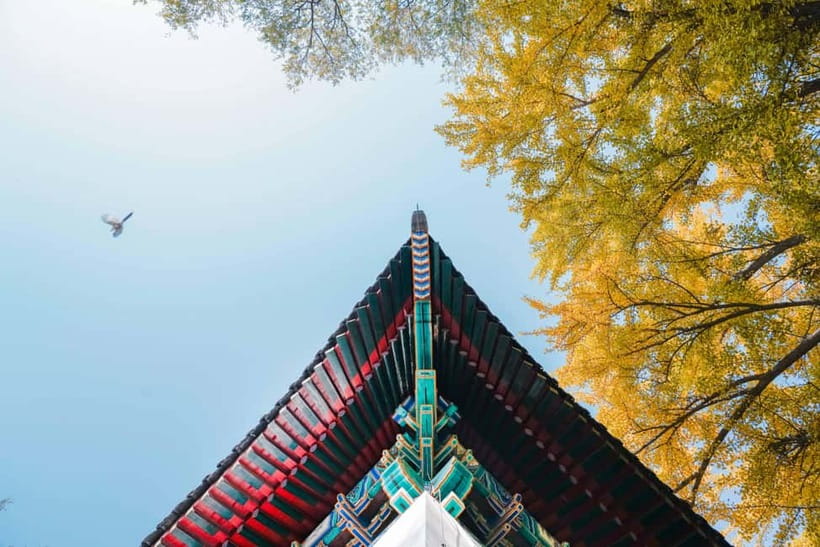
The Bell Pavilion adds another layer to the tour. Its age and design connect the university to older Chinese traditions, and your guide explains why such a structure matters within a modern academic setting.
The Hua Biao, or ornamental pillars, and the Qilin statues offer smaller but more symbolic stops. These details are easy to pass without context. With an English-speaking guide, you can learn how traditional signs, protective figures, and decorative forms relate to the university’s values and setting.
This is where the tour earns its price more than a self-guided stroll would. You could photograph the structures on your own, but you might not understand why they are there or how they fit into Chinese cultural ideas.
I would pay close attention to the explanations rather than trying to rush from landmark to landmark. The attraction is not just the object itself. It is the meaning attached to the object, and the way those meanings were adapted for a place devoted to scholarship.
A completely different kind of day out on the same trip:
- From Beijing: Mutianyu Great Wall Tours with Options
★ 4.9 · 9,216 reviews - Beijing: Forbidden City Tour(Group/Private)-Tickets Included
★ 4.8 · 7,974 reviews - Beijing: T-Square & Forbidden City Group or Private Tour
★ 4.8 · 4,446 reviews - All-Inclusive Tour: Tiananmen Square, Forbidden City, Great Wall
★ 5.0 · 2,873 reviews
PKU Library and the Statue of Cai Yuanpei
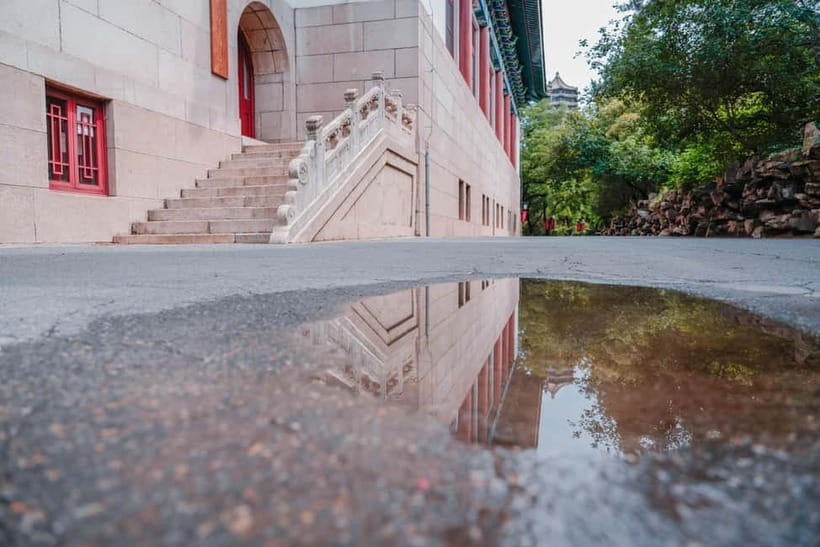
The Peking University Library gives the walk an academic center. It represents the university as a working place of study and research, not only as a collection of historic monuments.
The tour also visits the Statue of Cai Yuanpei. Cai Yuanpei was a revolutionary former president of PKU, and his role gives the guide an opening to discuss leadership, reform, and the university’s intellectual ideals.
This stop should appeal to anyone interested in education and modern Chinese history. The statue is not simply a photo opportunity. It helps connect the campus you see today with the people who shaped its direction.
The wording says you explore the grand library, but the available details do not promise a specific interior access arrangement. I would treat the library as a key campus stop and follow the guide’s instructions about where the group can go.
That is a useful practical point for visitors who expect a full building tour. Campus access and the time permitted for visits can limit how much you see. One review specifically noted that the hours allowed on campus were limited, so the tour works best as a guided introduction rather than an open-ended campus wander.
From Yenching University to modern PKU
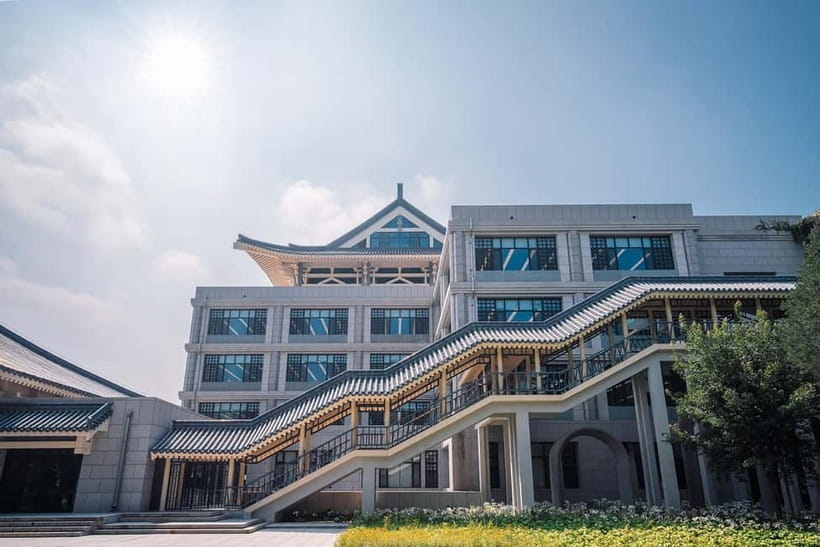
One of the strongest parts of the walk is the story of PKU’s development. The university’s connection to Yenching University gives the campus a more layered past than its name alone suggests.
Your guide also covers links with the Old Summer Palace, known as Yuanmingyuan, and Heshen, the infamous Qing Dynasty official. These connections widen the story beyond the immediate grounds and show how the university sits within Beijing’s much older political and cultural setting.
I value this kind of context because it prevents the visit from becoming a string of isolated stops. Boya Pagoda, the lake, a statue, and a gate begin to form one story about power, education, tradition, and change.
The guide’s role is important here. A current student can explain the formal history while also showing how the university is understood today. That combination is likely to work well for first-time visitors who want facts but do not want a standard sightseeing script.
Traditional gardens and the logic of campus design
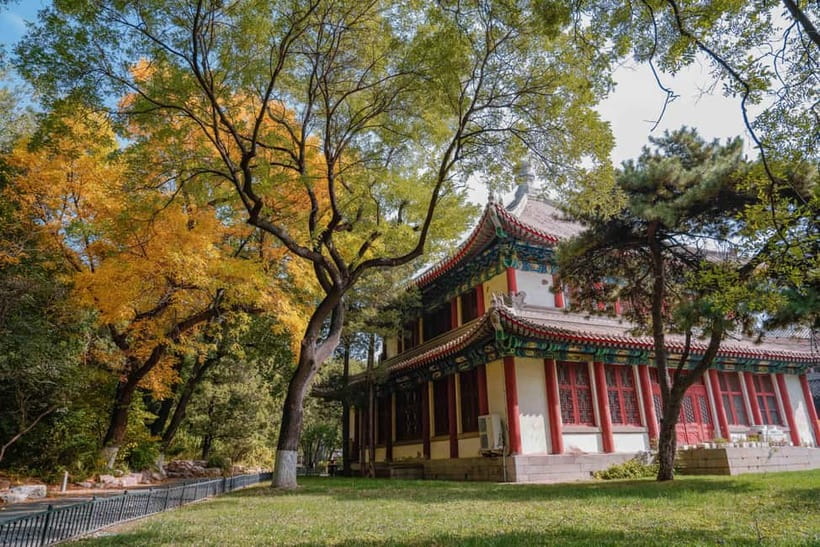
The gardens and courtyards are not filler between the famous landmarks. The tour explains the ideas behind their layout, including the goal of creating harmony between nature and scholarship.
You will look at how buildings, paths, water, and planted areas relate to one another. The point is not simply that the campus is pleasant. Traditional design can shape how people move, pause, study, and think about a place.
This is also a good reason to take the walking pace seriously. If you race through the grounds, you may see the garden features but miss the explanation of why they were arranged in that way.
I find this part especially useful for people who enjoy architecture but do not know much about Chinese garden design. The guide gives you a way to read the campus, so you can notice courtyards and building layouts with more purpose after the tour ends.
What the student guide adds
The tour is conducted in English and led by a live guide. The current student format gives the experience a personal edge, since you can ask about academic culture, traditions, famous alumni, and everyday student life.
The guide most often praised in the supplied feedback is Henry. He is described as friendly, patient, clear, professional, and easy to communicate with. One family specifically appreciated his patience with four children, while another guest said Henry helped make a long-held wish to experience PKU feel real.
Those details point to a useful strength: the guiding style appears to work for different ages and interests. Henry also invited one group to eat in the school cafeteria after explaining the campus. That cafeteria visit is not listed as part of the tour, so you should not book expecting it, but it suggests that the guide may offer helpful local suggestions when time and circumstances allow.
A separate comment praised Henry’s ability to make the tour interesting while noting that the allowed campus hours limited further exploration. That is a fair description of the tradeoff. The quality of the explanation can be high, but two hours still puts a firm limit on the route.
Is $39 a fair price?
At $39 per person, this is not the cheapest way to look at a university campus. You are paying for a small-group English tour, a guide with a direct connection to student life, and explanations that would be difficult to recreate from signs or a map.
I think the price is reasonable if PKU is a major interest for you. The value is strongest for people who want cultural context, architectural interpretation, and a chance to ask questions.
The calculation changes if you only want photographs of Boya Pagoda and Weiming Lake. In that case, the two-hour guided format may feel more than you need. You are paying for stories and interpretation, not just entry into a scenic part of Beijing.
The group limit of 10 is another point in the tour’s favor. A small group can make it easier to hear an English guide, keep the route moving, and ask about details such as the Hua Biao, Qilin statues, or Cai Yuanpei.
Food and drinks are not included. You should also budget time and money for getting to the East Gate and leaving from the West Gate. The reserve-now, pay-later option and free cancellation up to 24 hours before the tour make the booking less rigid, but the main value question remains simple: do you want an informed campus walk or only a quick look?
Who will enjoy this PKU walk most?
I would recommend it to anyone with a serious interest in Chinese education, history, architecture, or student life. It is also a good choice for a future student or family member who wants more than a formal campus photograph.
Families can benefit from the guide’s ability to explain complicated history in an approachable way. The positive feedback about patience with four children is encouraging, though you should still prepare young walkers for two hours on foot.
The tour also suits repeat visitors to Beijing who have already seen the Forbidden City, Temple of Heaven, and other major sights. PKU offers a different side of the city, one tied to ideas, scholarship, and campus culture.
It may be less suitable if you need a slow, flexible photography session or want to enter every building. The route is timed, the campus hours can be limited, and the two-hour format favors a clear overview over extended exploration.
Wear comfortable shoes and bring a camera. The campus combines notable buildings with attractive outdoor settings, so you will want both walking comfort and room on your phone for photographs.
Should you book the Peking University tour?
Book it if you want to understand why PKU matters, not just see where it is. The combination of Boya Pagoda, Weiming Lake, traditional gardens, the library, Cai Yuanpei, and a student guide creates a focused look at one of China’s best-known academic institutions.
I would be especially happy booking this for an English-speaking visitor who values small groups and direct conversation. Henry’s strong feedback adds confidence, particularly for families and first-time visitors who want a patient guide.
Skip it if your schedule is too tight for a two-hour walk, or if your main aim is independent campus photography. For everyone else, $39 buys useful context, a well-defined route from East Gate to West Gate, and a closer look at a side of Beijing many sightseeing plans miss.
FAQ
How long does the Peking University campus tour last?
The guided walking tour lasts two hours.
Where does the tour begin?
It begins at Peking University East Gate, at the stone lion on the right side when you are facing the gate entrance.
Where does the tour finish?
The walk finishes at Peking University West Gate.
What language is the tour conducted in?
The tour is conducted in English with a live English-speaking guide.
How many people can join the group?
The group is limited to 10 participants.
Which landmarks are included?
The route includes Boya Pagoda, Weiming Lake, the Bell Pavilion, Hua Biao ornamental pillars, Qilin statues, the Peking University Library, and the Statue of Cai Yuanpei.
Is transportation included?
No. You need to arrange your own transportation to and from Peking University.
Is food included?
No. Food and drinks are not included. A guide may offer a cafeteria suggestion or invitation, but that is not listed as part of the tour.
What should you bring?
Bring comfortable shoes for walking and a camera for photographs.
Newest reviews from Beijing
- Beijing: Explore the Forbidden City in Hanfu★ 5.0 · 4 reviews
- Beijing Tai Chi and Tea Ceremony Experience★ 5.0 · 4 reviews
- Jinshangling Great Wall Of Beijing Tickets And Other Option★ 4.0 · 4 reviews
- Private Full-Day Great Wall of China Hiking Tour from Jiankou to Mutianyu★ 4.5 · 4 reviews
- Tour the Great Wall with a Native from Downtown Beijing★ 4.8 · 4 reviews
- Beijing: Badaling Great Wall Private Tour w Language Option★ 4.3 · 4 reviews
- Beijing:Summer Palace & Tea or Calligraphy Experience Tour★ 4.6 · 4 reviews
- 7 Days Private Tour of Beijing, Xian, Shanghai by Bullet Train★ 5.0 · 4 reviews
Walking Tours, compared.
Beijing Hutong Walking Food and Beer Tour at Hidden Restaurants
Read our review →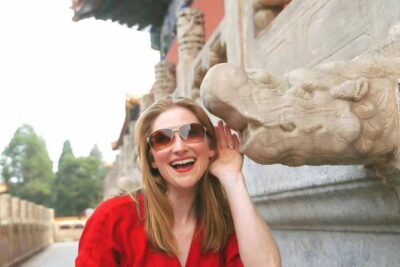
Private Beijing Walking Tour of the Forbidden City with 7 Options
Read our review →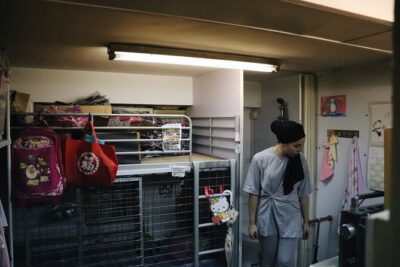
Dark Side of Hong Kong – Kowloon Caged Homes Walking Tour
Read our review →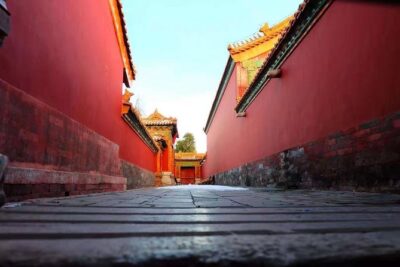
Forbidden City Private Walking Tour with Optional Sights
Read our review →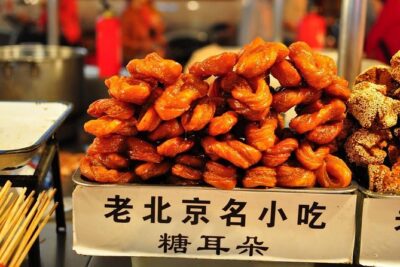
Shanghai City Guided Walking Tour | China’s 1st and Best Rated
Read our review →
Introduction to Hong Kong: Central Tip Based Walking Tour
Read our review →
Browse the lists this tour appears in