
Reviewed · MUSEUMS
Beijing: Prince Kung’s Palace Museum Ticket—Must-See Spot
History feels close here. Beijing’s Prince Kung’s Palace Museum gives you a calmer, smaller-scale look at Qing Dynasty life than the Forbidden City, with grand halls, courtyards, rockeries, and peaceful gardens. I like the chance to explore at my own pace, and I like that the English PDF guide points you toward details you could easily miss.
The main drawback is timing. The palace can become crowded after 11 a.m., and the afternoon may feel busy in the smaller courtyards. The ticket costs about $20, so it offers good value if you spend at least two hours and take time to see both the residence and garden.
In This Review
- Key points to know before you go
- Why Prince Kung’s Palace deserves a place in Beijing
- Entering the former home of He Shen
- Courtyards, halls, and Qing architectural style
- The garden is more than a backdrop
- A natural route from Shichahai and the Drum Tower
- The light show and cultural performance
- How much time should you allow?
- Is the $20 ticket good value?
- Who will enjoy this palace most?
- Should you book Prince Kung’s Palace?
- FAQ
- How much does the Prince Kung’s Palace Museum ticket cost?
- How long does the experience last?
- What is included with the ticket?
- Is a live guide included?
- What should I bring?
- Can I cancel the booking?
Key points to know before you go
- Former home of He Shen: The mansion began as the lavish residence of He Shen, a powerful minister during Emperor Qianlong’s reign.
- Largest Qing princely residence: The complex gives you an unusually broad look at aristocratic buildings, gardens, courtyards, and decorative design.
- Best before 11 a.m.: Early arrival helps you see the halls and garden with less crowding.
- Easy self-guided visit: Your ticket includes an English PDF guide, but not a live guide or audio guide.
- Good pairing with Shichahai: From Shichahai Metro Station, you can walk through a scenic area and pass the Drum Tower.
- Evening entertainment: A light show and cultural performance may add a dramatic finish, but confirm whether these require separate arrangements.
Why Prince Kung’s Palace deserves a place in Beijing
Beijing has no shortage of grand imperial sights. The Forbidden City gets most of the attention, but Prince Kung’s Palace offers a more intimate look at elite Qing life.
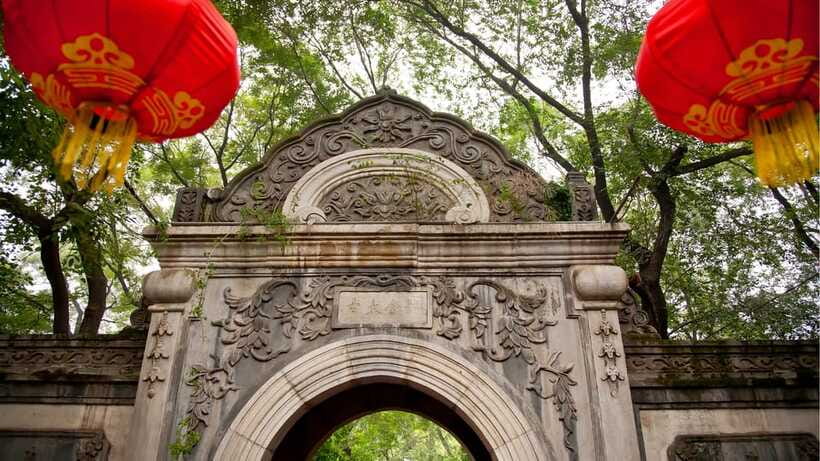
The palace was built in the late 18th century. It first belonged to He Shen, an influential minister under Emperor Qianlong. Later, it became associated with Prince Gong, giving the site its familiar name. The complex is often described as half of Qing Dynasty history because so much of its story is tied to power, wealth, politics, and changing fortunes at court.
I find the appeal easy to understand. The Forbidden City is immense and formal. Prince Kung’s Palace feels more like a lived-in residence, even though its scale remains impressive. You move through halls, side courtyards, covered passages, pavilions, and garden spaces rather than following one huge ceremonial axis.
That difference matters after a long day of sightseeing. One visitor described the palace as less tiring and easier to navigate than the Forbidden City. That is a useful comparison. You still get grand architecture and historical context, but the visit is more manageable.
The setting also brings you closer to everyday Beijing. The palace sits near Shichahai, an area known for scenic streets and traditional urban surroundings. You can connect the visit with a walk toward the Drum Tower, making the palace part of a larger half-day outing rather than an isolated stop.
More Museums in Beijing
- Beijing: Tianmen Square, Forbidden City & Royal Museum Tours
★ 4.6 · 1,288 reviews - Beijing:Jingshan Park (Palace Museum Garden) Ticket
★ 4.5 · 185 reviews - Beijing Half Day: National Museum of China In-depth Tour with Subway Transfer
★ 5.0 · 70 reviews
Entering the former home of He Shen
Your visit begins with the main palace buildings, where Qing Dynasty power is expressed through symmetry, ornament, and careful separation of spaces.
The residence was built for a man who held serious influence at court. He Shen’s wealth shaped the scale and decoration of the property. As you move from one courtyard to the next, look at how the buildings frame the spaces between them. The experience is not only about individual halls. It is also about how doors, walls, corridors, and courtyards control your view.
The English PDF guide is useful here. Since no live guide or audio guide is included, you will need to read as you go or prepare before arrival. The guide is intended to identify important halls, gardens, artifacts, and less obvious details.
That self-guided format suits me when a site rewards slow looking. You can stop for photographs, pause in a courtyard, or skip a display that does not interest you. You are not tied to a group’s pace.
The tradeoff is that the quality of your visit depends on your preparation. A live guide could explain the political background and architectural details in real time. With the PDF, you have more freedom but less conversation and fewer opportunities to ask questions.
Courtyards, halls, and Qing architectural style
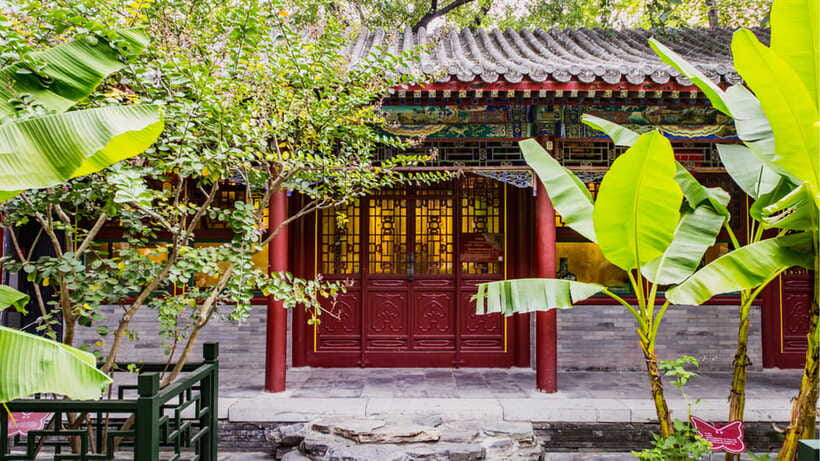
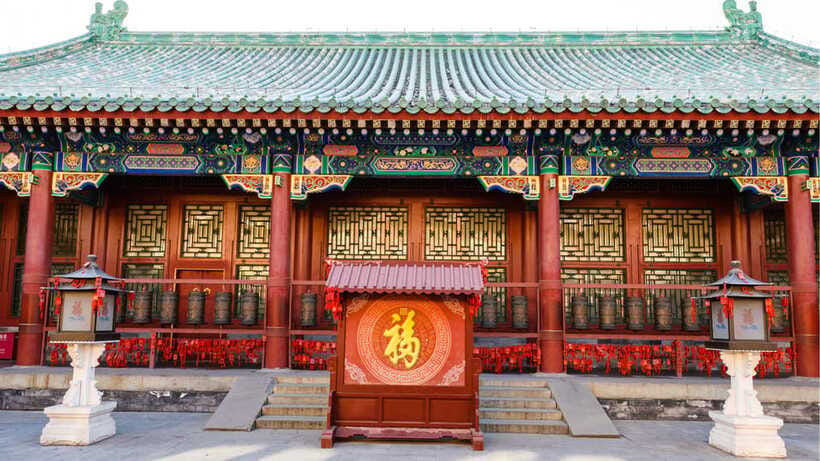
The palace presents several sides of Chinese architectural culture. The halls show formal design and status, while the courtyards create a rhythm of open and enclosed spaces.
You might first notice the careful decoration. Qing elite residences were designed to communicate rank, taste, and authority. Intricate details in the buildings and pavilions reward close attention, especially if you are interested in photography.
The courtyards also help you understand how a large residence worked. Rather than seeing one monumental building, you see a chain of connected spaces. Each area has its own mood and purpose, from formal reception areas to quieter corners.
The site’s scale is one of its greatest strengths. It is described as the largest Qing Dynasty prince’s mansion, so you get more than a single historic house. The complex gives you a broad view of aristocratic life, from official spaces to private garden areas.
I would not rush this section. A quick walk can make the palace seem like a collection of similar courtyards. The PDF guide should help you slow down and understand why each area matters.
Crowds change the experience. The smaller passages and courtyards can become difficult to appreciate when many people arrive at once. Aim for the morning, preferably before 11 a.m., when the site is generally easier to see. Afternoon visits can still be worthwhile, but expect a busier atmosphere.
The garden is more than a backdrop
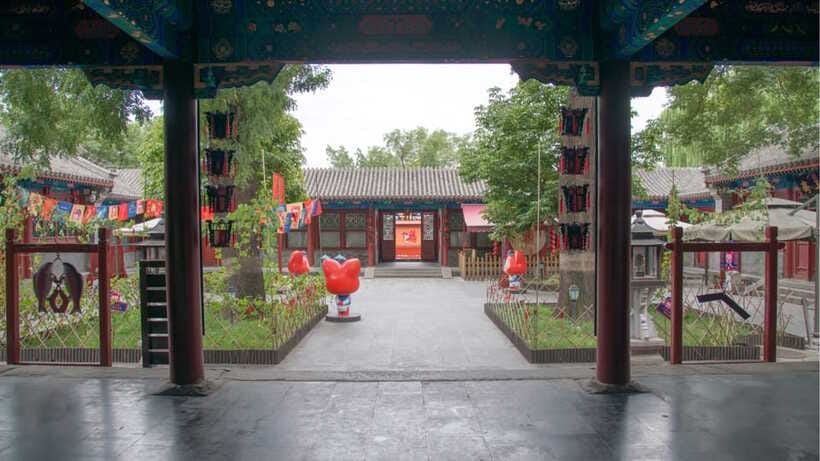
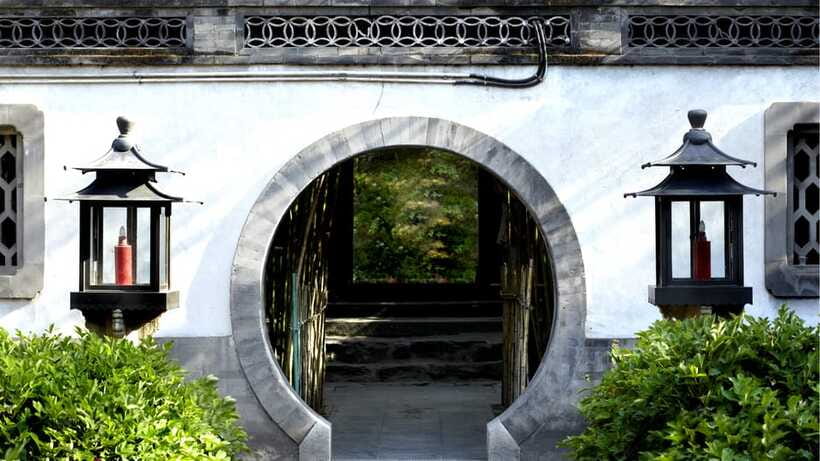
The garden is a major reason to choose this palace. It offers a softer contrast to the formal residence, with rockeries, pavilions, water features, and carefully arranged views.
Traditional Chinese garden design often uses small spaces to suggest larger natural settings. Here, the placement of rocks, water, buildings, and paths creates changing views as you walk. You might see a pavilion framed by foliage, a water feature beyond a wall, or a rockery that changes character from one angle to the next.
The garden also reflects traditional feng shui principles. That gives the design a deeper purpose beyond decoration. The arrangement of buildings and natural elements was meant to support balance, movement, and favorable energy.
You should allow enough time for this part. One account recommends a minimum of two hours for the palace, and that feels sensible if you want to appreciate the garden instead of treating it as a quick exit route.
Photographers will find plenty to work with. The complex offers repeated contrasts: straight rooflines against irregular rocks, dark wood against pale stone, and enclosed passages opening toward water or garden views. The best photographs may not come from the most famous hall. They may come from a quieter corner that the guide points out.
The garden is also a welcome rest from the denser palace buildings. After reading about He Shen, imperial politics, and Qing society, you can pause beside a water feature and simply enjoy the setting.
A completely different kind of day out on the same trip:
- From Beijing: Mutianyu Great Wall Tours with Options
★ 4.9 · 9,216 reviews - Beijing: Forbidden City Tour(Group/Private)-Tickets Included
★ 4.8 · 7,974 reviews - Beijing: T-Square & Forbidden City Group or Private Tour
★ 4.8 · 4,446 reviews - All-Inclusive Tour: Tiananmen Square, Forbidden City, Great Wall
★ 5.0 · 2,873 reviews
A natural route from Shichahai and the Drum Tower
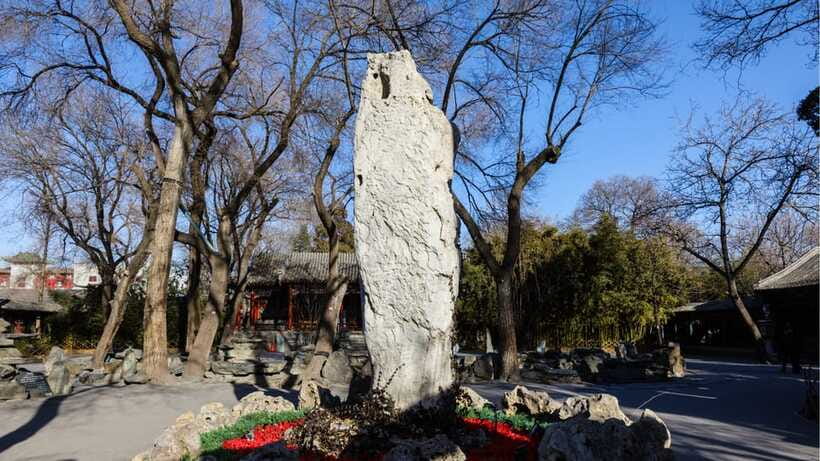
Prince Kung’s Palace works well as part of a walking day in northern central Beijing.
The nearest useful approach mentioned for this visit is Shichahai Metro Station. From there, you can take a scenic route toward the palace and also see the Drum Tower. This adds local atmosphere to the day and gives you more than a direct ride from one attraction to another.
The surrounding area is part of the appeal. You are not visiting a palace in isolation. Streets, historic surroundings, and nearby attractions help place the residence within Beijing’s older urban fabric.
If you already plan to see the Forbidden City, the palace makes a good contrast. The Forbidden City shows imperial ceremony on a vast scale. Prince Kung’s Palace focuses more on princely residence, private wealth, and garden design.
You can also plan the order around energy. The palace is a strong morning stop, especially because crowd levels rise later. Afterward, walk through the Shichahai area and toward the Drum Tower, or use the surrounding area for a slower afternoon.
The exact walking route and distance are not specified, so check your map before setting out. Still, the connection is practical and adds value to the $20 entry by helping you build a fuller day around the museum.
The light show and cultural performance
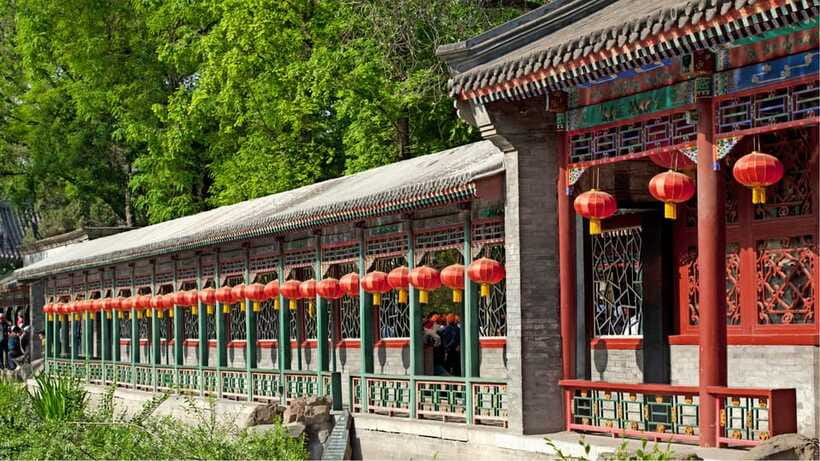
A light show and cultural performance are listed among the experience highlights. These can give the palace a different mood after the daytime visit, with architecture and gardens presented through evening entertainment.
You should treat this as an added possibility rather than assume it is part of the basic ticket. The included items are the Prince Kung’s Palace Museum entry ticket and English PDF guidebook. A live guide and audio guide are not included, and the available details do not clearly state that the evening show is covered by the $20 admission.
Check the current schedule and conditions before planning your evening around it. If it is available with your booking, the show could be appealing for visitors who want more than a standard daytime museum visit.
Still, the daytime palace is the main reason to book. The halls, gardens, and historic setting provide the substance. The performance is a bonus, not a replacement for seeing the residence in natural light.
How much time should you allow?
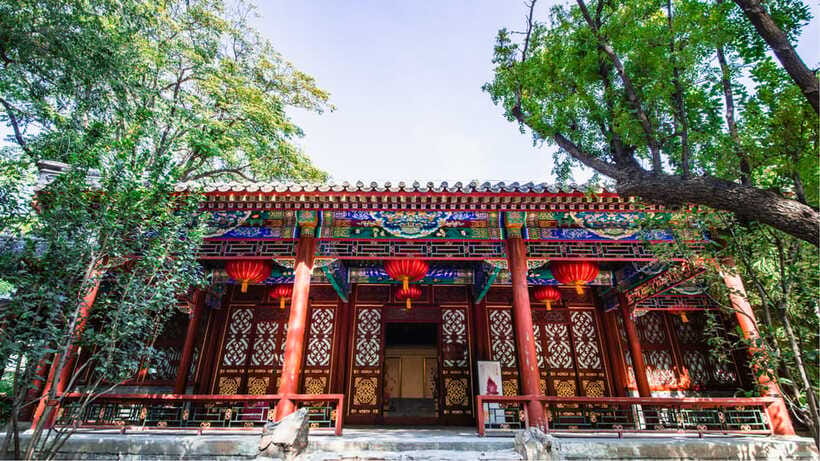
The booking is listed as a one-day activity, but that describes the validity of the experience rather than the length of a guided program. You choose when to visit during the available schedule, and the palace itself deserves at least two hours.
Give yourself more time if you enjoy photography, read the guide carefully, or plan to walk through Shichahai and see the Drum Tower. A rushed visit may cover the main buildings, but it will miss the slower pleasure of the garden.
A useful plan is:
- Arrive in the morning, ideally before 11 a.m.
- Start with the main halls and residence buildings.
- Use the PDF guide to identify important details and artifacts.
- Spend unhurried time in the garden.
- Continue into the surrounding area if you have energy.
- Return for an evening performance only after confirming the schedule and admission details.
The palace can fit comfortably into a full sightseeing day, but it does not need to consume the entire day. Its smaller scale makes it easier to combine with nearby attractions than the Forbidden City.
Is the $20 ticket good value?
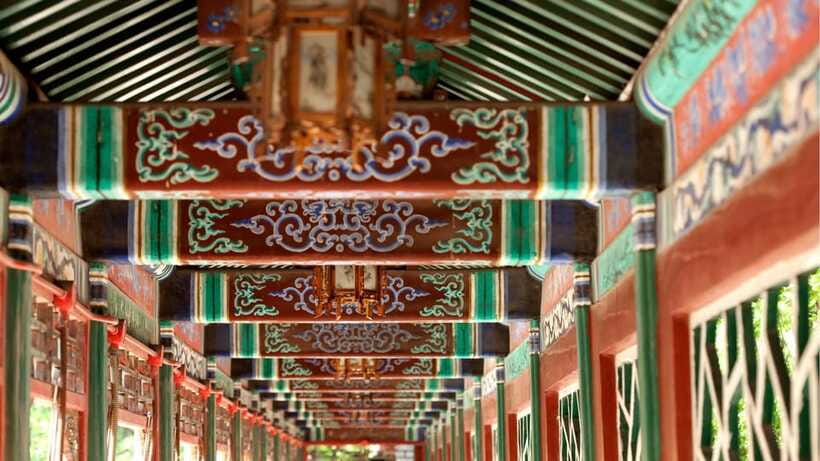
At about $20 per person, this is not the cheapest historic stop in Beijing. Still, the price is reasonable if you value a major Qing residence, a large garden, skip-the-ticket-line access, and the freedom to stay as long as you like during the day.
The value is strongest for people who would rather explore independently. You are not paying for a live guide, transport, meals, or an audio system. You are paying mainly for entry and a written guide in English.
That keeps the experience simple, but it also means you should know what you are buying. If you want detailed storytelling from a person, this may feel limited. If you prefer to set your own pace and avoid being moved along with a group, the format is a good fit.
The ticket also includes free cancellation up to 24 hours before the visit and a reserve-now, pay-later option. Those terms are helpful when your Beijing schedule may change, though you should still check the exact booking conditions at the time of purchase.
Bring your passport or ID card. That is the only required item specifically noted, but it is important because identification may be needed for entry.
Who will enjoy this palace most?
I would recommend Prince Kung’s Palace to several types of visitors.
History and culture enthusiasts will appreciate the connection to He Shen, Prince Gong, Emperor Qianlong, and Qing aristocratic life. The palace gives you historical setting without requiring the stamina of a huge imperial complex.
Photographers will like the mix of architecture, rockeries, water, pavilions, and framed garden views. Morning light and lower crowd levels should make photography easier.
Independent sightseers will benefit from the self-guided format. You can use the English PDF guide, choose your own pace, and spend extra time in the areas that interest you.
First-time Beijing visitors can use the palace as a companion to the Forbidden City. Seeing both helps you compare imperial ceremony with princely residence.
I would be more cautious if you dislike reading on your phone or do not want to plan your own visit. Since no live guide or audio guide is included, the experience asks you to supply some of the interpretation yourself.
Should you book Prince Kung’s Palace?
Book it if you want a significant Qing Dynasty site that feels more relaxed and manageable than the Forbidden City. Arrive early, allow at least two hours, and save time for the garden and the Shichahai area.
The strongest reasons to go are the palace’s scale, its connection with He Shen and Prince Gong, its striking mix of formal buildings and natural garden design, and its easier layout. The main caution is crowding after late morning, along with the limits of a self-guided ticket.
For about $20, this is a sensible choice for history lovers, photographers, and anyone who wants a quieter cultural stop in Beijing. It is especially worthwhile when paired with Shichahai and the Drum Tower, turning a museum visit into a fuller walk through the city.
FAQ
How much does the Prince Kung’s Palace Museum ticket cost?
The ticket costs $20 per person.
How long does the experience last?
The booking is valid for one day, while the palace visit itself should take at least two hours if you want time for the halls, gardens, and guide material.
What is included with the ticket?
The ticket includes entry to Prince Kung’s Palace Museum and an English PDF guidebook.
Is a live guide included?
No. A live tour guide and audio guide are not included.
What should I bring?
Bring your passport or ID card.
Can I cancel the booking?
Yes. You can cancel up to 24 hours in advance for a full refund. A reserve-now, pay-later option is also available.
Newest reviews from Beijing
- Beijing: Explore the Forbidden City in Hanfu★ 5.0 · 4 reviews
- Beijing Tai Chi and Tea Ceremony Experience★ 5.0 · 4 reviews
- Jinshangling Great Wall Of Beijing Tickets And Other Option★ 4.0 · 4 reviews
- Private Full-Day Great Wall of China Hiking Tour from Jiankou to Mutianyu★ 4.5 · 4 reviews
- Tour the Great Wall with a Native from Downtown Beijing★ 4.8 · 4 reviews
- Beijing: Badaling Great Wall Private Tour w Language Option★ 4.3 · 4 reviews
- Beijing:Summer Palace & Tea or Calligraphy Experience Tour★ 4.6 · 4 reviews
- 7 Days Private Tour of Beijing, Xian, Shanghai by Bullet Train★ 5.0 · 4 reviews
Museums, compared.
Tianmen Square, Forbidden City & Royal Museum Tours
Read our review →
Half-Day Mini Group Xian Tour to Terracotta Warriors Museum
Read our review →
Beijing:Jingshan Park (Palace Museum Garden) Ticket
Read our review →
Private Chengdu Day Tour: Giant Pandas and Jinsha Site Museum
Read our review →
Private Xi’an Tour: Terracotta Warriors, Hanyangling Museum, Cave Homes
Read our review →
Beijing Half Day: National Museum of China In-depth Tour with Subway Transfer
Read our review →
Terracotta Warriors Museum Ticket with Professional English-speaking tour guide
Read our review →Browse the lists this tour appears in