
Reviewed · CHINESE FOOD TOURS
Suzhou Alleyway Walking Food Tour
Come hungry, leave curious. This 3.5-hour Suzhou food walk pairs local dishes with old gardens, temples, pagodas, and waterways, giving you more than a meal and more than a standard sightseeing stroll. I especially like the family-made silken tofu served from a narrow alley and the chance to try Suzhou specialties that can be hard to order alone. The main consideration is pace: you will eat at several stops while walking between them, so this suits you best if you enjoy a full morning on your feet.
The tour begins at 9:30 a.m. outside Beisita Subway Station and stays small, with no more than 10 people. I also like that Hilary, one of the named guides praised for going above and beyond, helped make the food stops and city walk feel personal. At $58 per person, the value depends on your appetite, but the price includes far more than one brunch, bottled water, an English-speaking guide, and several cultural visits.
In This Review
- Key points at a glance
- Why this Suzhou food walk works
- Starting at Beisita Subway Station
- Seasonal noodles and the food culture of Suzhou
- A narrow alley and more than 50 years of tofu
- Gardens, Taihu Lake stones, and a Buddhist nunnery
- Soy milk, spring rolls, donuts, and sesame balls
- Bubble wontons in a neighborhood restaurant
- Red beans, rice balls, and a sweet finish
- What the $58 price includes
- The guide makes the difference
- Who should book this experience?
- Should you book the Suzhou Alleyway Walking Food Tour?
- FAQ
- Where does the Suzhou Alleyway Walking Food Tour start?
- What time does the tour begin?
- How long does the tour last?
- Where does the tour finish?
- How much does the tour cost?
- How many people can join the tour?
- Is an English-speaking guide included?
- Is food included?
- What foods are included?
- Can I cancel for a full refund?
Key points at a glance
- Seasonal noodles with hundreds of topping choices: Learn why locals connect this everyday dish with opera and Suzhou culture.
- Silken tofu from a family home: Visit a narrow alley where fresh tofu has been made and served for more than 50 years.
- An unusual Buddhist stop: See Suzhou’s only Buddhist nunnery along with an old garden decorated with Taihu Lake stones.
- Eight centuries of religious architecture: Walk past imposing 800-year-old pagodas and monasteries that can be difficult to locate alone.
- Bubble wontons and red-bean dessert: Try tiny wontons in broth, then finish with sweet soup, red beans, and chewy rice balls.
- A small group with a practical starting point: Meet at Beisita Subway Station, with the tour ending back at the same location.
Why this Suzhou food walk works
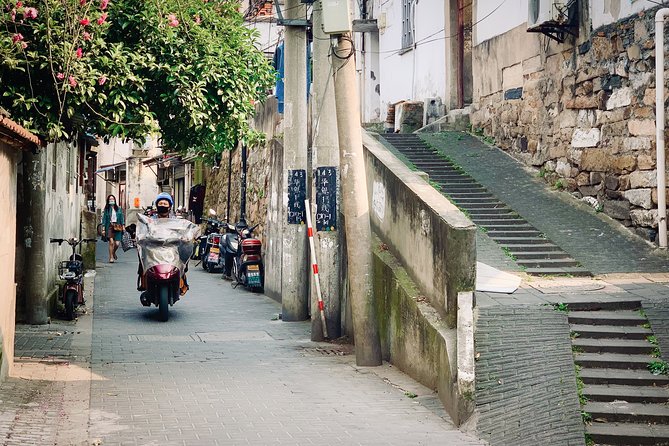
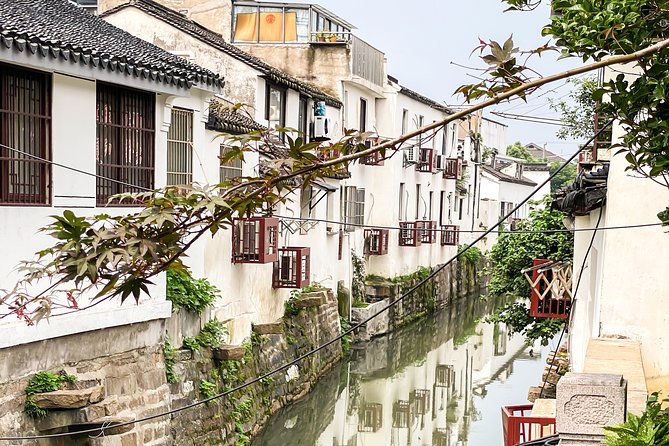
Suzhou is easy to reduce to canals and famous classical gardens. Those sights matter, but food gives you another way into the city. This tour links the two. You move through older neighborhoods, pause at ordinary-looking eateries, and learn how local dishes fit into daily life.
I like that the route is not built around one grand restaurant meal. Instead, you taste many small portions and snacks. That lets you sample noodles, tofu, dumplings, wontons, soy milk, spring rolls, donuts, sesame balls, and dessert without committing your entire morning to a single dish.
The cultural stops also keep the food from becoming a simple eating contest. You visit two cultural sites, including a Ming Dynasty garden and a religious site, while your guide explains what you are seeing. The result is a useful balance: food for the senses, history for context, and enough walking to connect the pieces.
With a maximum of 10 people, the guide should have a better chance to answer questions and keep the group together in narrow lanes. That small size is especially useful in places where a large group would crowd an alley or make restaurant seating awkward.
More food tours:
- Authentic Local Food Tour in Central Shanghai
★ 5.0 · 1,382 reviews - Xi’an Evening Food Tour by TukTuk
★ 5.0 · 715 reviews - Eat Like A Local: Shanghai Night Food Tour
★ 5.0 · 616 reviews
Starting at Beisita Subway Station
The meeting point is at Beisita in Gusu District, near public transportation. The 9:30 a.m. start gives you a full morning but avoids turning the tour into an all-day commitment. Since the experience finishes back at the meeting point, you can plan your next stop without solving a complicated one-way transport problem.
You should arrive ready to walk and eat soon after meeting the guide. The tour lasts about three and a half hours, and the schedule combines restaurant visits with cultural stops. Wear shoes that are comfortable for streets, alleys, gardens, and temple grounds.
The mobile ticket is convenient, though you still need to sign up and pay in advance. Confirmation is provided at booking. The group may be canceled if a minimum number is not reached, and poor weather can also cause a cancellation, so keep a little flexibility in your plans.
Seasonal noodles and the food culture of Suzhou
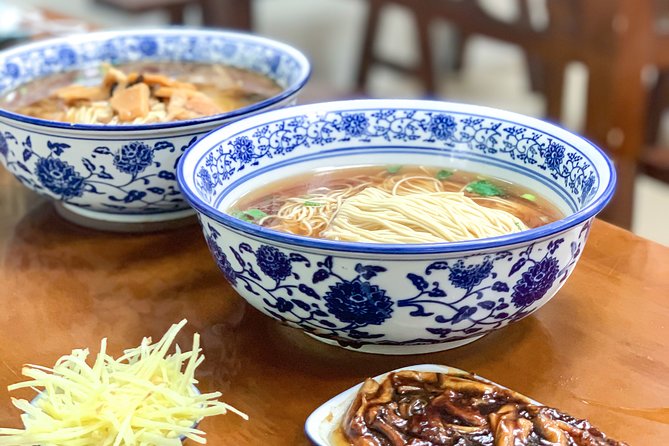
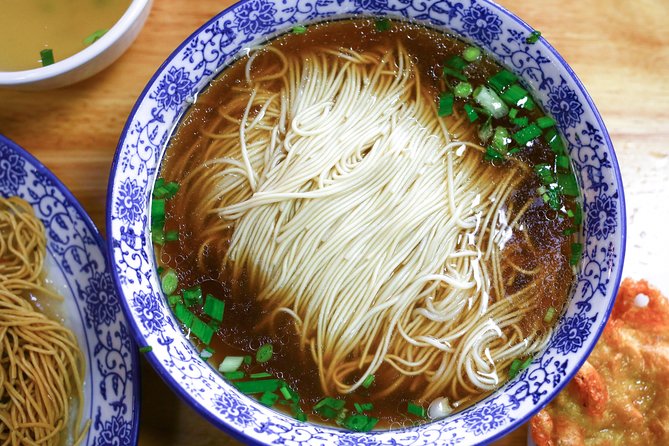
One of the first major food experiences is seasonal Suzhou noodles. The tour explains that this local staple can be served with more than 500 toppings. That number tells you something important: the noodle bowl is not one fixed recipe but a flexible part of Suzhou dining.
You also learn why locals enjoy this dish with opera. That connection gives the meal a cultural setting rather than treating it as a quick bowl of carbohydrates. I appreciate this kind of explanation because it helps you notice how food works in a city, not just whether you personally prefer the flavor.
The seasonal element matters, too. It suggests that what you eat may reflect the time of year rather than a menu designed only for visitors. You should expect a tasting experience rather than a detailed choice of every topping. The guide provides the context and directs the group through the stop.
A narrow alley and more than 50 years of tofu
The homemade silken tofu stop is one of the most distinctive parts of the route. For more than 50 years, a family has prepared fresh tofu from its home, tucked into a narrow alley. The work begins at 5 a.m., which gives you a sense of the labor behind a food that can seem simple on the plate.
This is the kind of place I want from a food tour. It is not only a polished storefront or a restaurant designed for group visits. It connects you with a family practice that has continued through ordinary daily effort. The setting also shows how Suzhou’s food life can hide behind residential doors and small lanes.
You may find the tofu especially appealing if you enjoy mild, soft dishes. The tour presents it as a homemade specialty, so the point is freshness and local custom rather than heavy seasoning or spectacle.
More walking tours:
- Beijing Hutong Walking Food and Beer Tour at Hidden Restaurants
★ 5.0 · 1,132 reviews - Private Beijing Walking Tour of the Forbidden City with 7 Options
★ 5.0 · 675 reviews - Dark Side of Hong Kong – Kowloon Caged Homes Walking Tour
★ 5.0 · 418 reviews - Forbidden City Private Walking Tour with Optional Sights
★ 5.0 · 400 reviews
Gardens, Taihu Lake stones, and a Buddhist nunnery
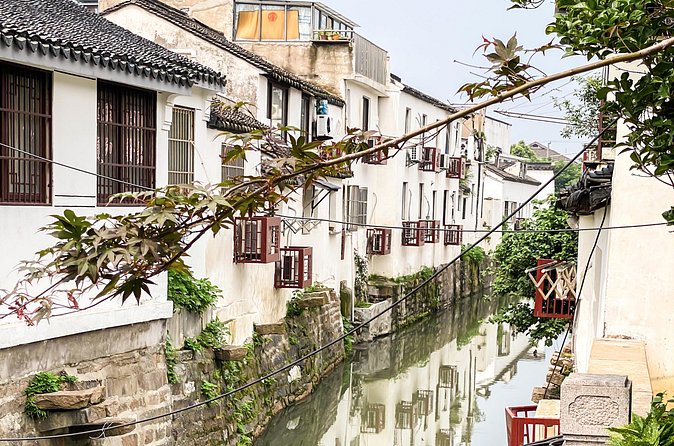
The walking route includes a hidden Ming Dynasty garden with Taihu Lake stones. Suzhou is famous for gardens that turn a small area into a carefully arranged world of rock, water, planting, and framed views. This stop gives you a chance to see that design tradition away from the largest, most obvious tourist circuit.
Taihu Lake stones are valued for unusual shapes and perforations. Here, the stones help create the garden’s character. Your guide can also explain how the garden fits into Suzhou’s older residential and cultural setting.
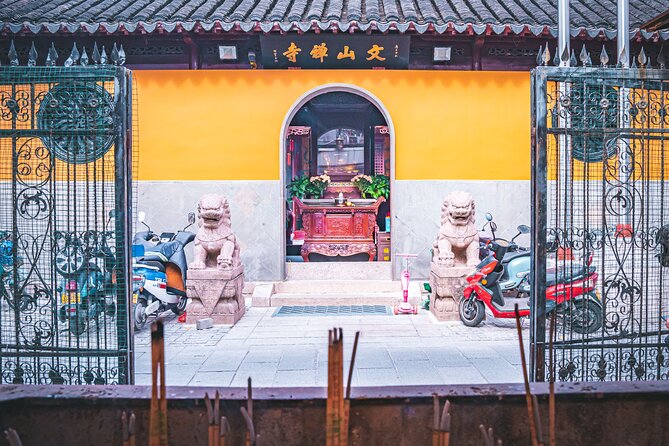
Another stop is Suzhou’s only Buddhist nunnery. That is a strong addition to the route because it gives you a religious site with a specific local identity, rather than only a famous landmark. You also visit hidden monasteries and see 800-year-old pagodas. These buildings can be tricky to find without local direction, which makes the guide’s role practical as well as informative.
The cultural stops are not simply pauses between meals. They give the morning a sense of place. You see how food, faith, gardens, and old streets exist close together in Suzhou.
Soy milk, spring rolls, donuts, and sesame balls
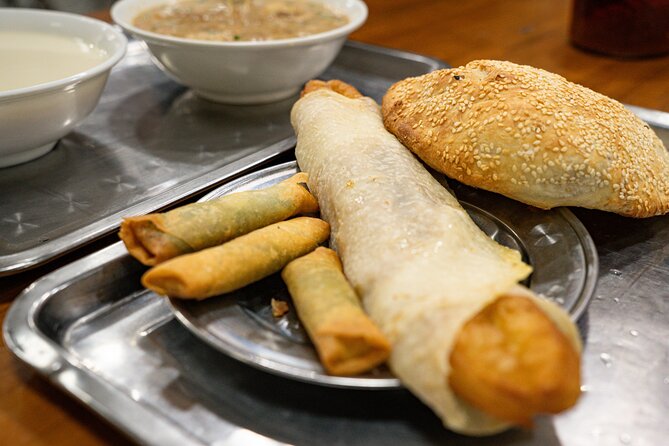
The snack portion of the morning broadens the meal beyond noodles. You try savory soy milk, Suzhou-style spring rolls and donuts, and fried sesame balls linked to Tang Dynasty food traditions.
Savory soy milk is a useful contrast to the sweeter versions many people know. Spring rolls and donuts give you familiar shapes with a regional style, while the sesame balls bring a crisp, fried texture and a long food history.
Because the tour includes many samples, you do not need to judge the experience by one favorite dish. Some flavors may appeal to you more than others. That is part of the value. You get a guided introduction to several everyday and festive foods instead of ordering one safe dish at random.
The food is also described as served at safe-to-eat, sit-down restaurants. That does not mean every stop is formal. The appeal is more practical: you can sample local cooking with a guide who knows the route and the places being used for the tour.
Bubble wontons in a neighborhood restaurant
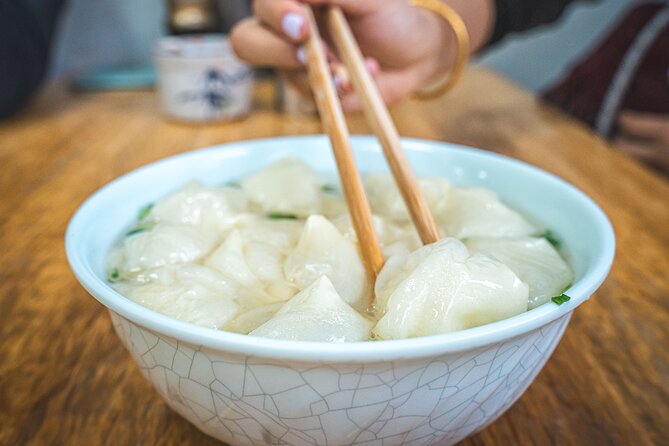
The wonton stop brings one of the tour’s most unusual dishes. At a popular local shop, you try tiny bubble-like wontons in a flavorful broth. The small size and airy appearance make them different from the larger dumplings many people expect.
This is a good example of why a food walk can help in Suzhou. A dish with an unfamiliar name or shape may be easy to overlook when you are reading menus on your own. Here, the guide can explain what makes the wontons special and help you focus on the texture, broth, and method of serving.
The stop is described as popular with both celebrities and local neighbors. I would treat that detail as a sign of the shop’s local profile, not as a promise of celebrity sightings. The useful part is getting to a well-known neighborhood food stop without having to locate it yourself.
Red beans, rice balls, and a sweet finish
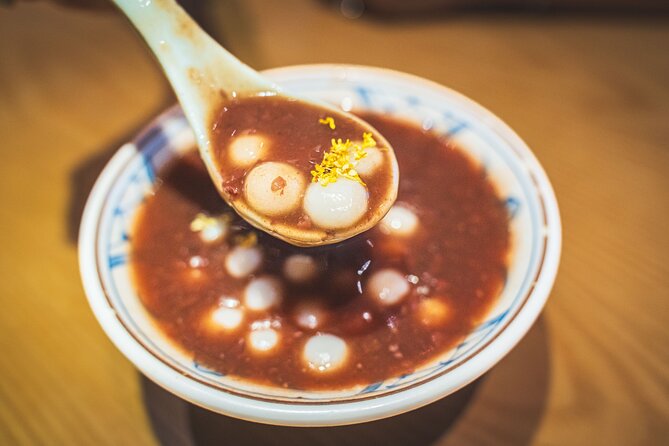
The final food stop is a dessert shop popular with the current local crowd. You try a subtly sweet soup with slow-cooked red beans and chewy rice balls. It is a gentler ending than a heavy cake or rich pastry, and the chewy texture gives the dessert some interest.
Ending with dessert also helps shape the meal. You have moved through savory noodles, tofu, soy milk, fried snacks, and wontons before arriving at something sweet. If you prefer strong sweetness, the soup may seem restrained. If you like desserts that are not overly sugary, this could be one of the best stops.
The route includes traditional food and beverage, unlimited bottled water, and enough food to count as much more than a light snack. You should plan to arrive with a real appetite. This is brunch spread across several stops, not a short tasting with tiny samples.
What the $58 price includes
At $58 per person, the tour is not the cheapest way to eat in Suzhou. You could buy individual noodles, dumplings, and desserts for less. The comparison changes once you count the guide, translation, route planning, cultural stops, bottled water, and the amount of food included.
You are paying for access and explanation as much as for the dishes. The tofu served from a family home, the nunnery, old pagodas, narrow alleys, and tucked-away garden would take more effort to connect on your own. You also avoid spending your morning guessing at menus or working out which restaurants are worth your time.
The small group improves the value. A 10-person limit gives the tour a more manageable feel than a large bus-style food outing. You can ask questions, hear the historical information, and sit down at several stops without the group becoming unwieldy.
The price makes the most sense if you want both food and orientation. If your only goal is the lowest possible meal cost, choose independent dining. If you want a guided introduction to Suzhou’s food and older neighborhoods in one morning, the package is easier to justify.
The guide makes the difference
This route covers many subjects in a short period: noodles, tofu, Buddhist sites, gardens, pagodas, wontons, and dessert. A good guide is important because otherwise the morning could feel like a string of unrelated stops.
Hilary receives especially warm praise for going above and beyond and making the stroll and tastings enjoyable. That matters because the best part of a small-group food walk is often the guide’s ability to adjust explanations, keep the group moving, and add human detail to ordinary places.
The tour promises an English-speaking guide with substantial historical information. You should expect interpretation at both the cultural sites and food stops, not simply a list of dishes. The exact guide may vary, so Hilary’s presence should not be assumed on every departure.
Who should book this experience?
I would recommend this tour to you if you want a first taste of Suzhou and prefer a guided morning over planning every meal yourself. It suits people who enjoy trying several dishes, walking through older districts, and learning why a place matters.
It is also a good fit if you have limited time. In three and a half hours, you combine a meal, neighborhood exploration, gardens, religious sites, pagodas, and dessert. That is an efficient introduction to several sides of the city.
You may want to skip it if you dislike walking, prefer a quiet breakfast, or have strict dietary needs that were not addressed in the available information. The menu includes many different foods, but no specific dietary substitutions are promised.
The tour requires good weather, and the minimum group size must be met. Free cancellation is available up to 24 hours before the start time. Cancellations or changes made inside that window are not refunded or accepted.
Should you book the Suzhou Alleyway Walking Food Tour?
Book it if you want Suzhou explained through small meals, old lanes, gardens, and religious sites rather than through a single major attraction. The best reasons are the family tofu stop, the unusual bubble wontons, the Ming Dynasty garden, and the chance to reach old pagodas and monasteries with a local English-speaking guide.
At $58, it is a fair value for a morning that includes far more than brunch. Arrive hungry, wear comfortable shoes, and keep the rest of your day flexible after such a generous lineup of food. I would choose this for a first visit or for anyone who wants local context along with a full plate.
FAQ
Where does the Suzhou Alleyway Walking Food Tour start?
It starts at Beisita in Gusu District, Suzhou, near Beisita Subway Station.
What time does the tour begin?
The tour begins at 9:30 a.m.
How long does the tour last?
The experience lasts approximately 3 hours and 30 minutes.
Where does the tour finish?
The tour ends back at the meeting point.
How much does the tour cost?
The listed price is $58 per person.
How many people can join the tour?
The tour has a maximum of 10 travelers.
Is an English-speaking guide included?
Yes. An English-speaking local guide is included.
Is food included?
Yes. Brunch, food and drinks at the sit-down restaurant stops, traditional food and beverages, and unlimited bottled water are included.
What foods are included?
The tour includes Suzhou noodles, silken tofu, savory soy milk, spring rolls, donuts, fried sesame balls, dumplings, bubble wontons, and a red-bean dessert with chewy rice balls.
Can I cancel for a full refund?
Yes. You can cancel at least 24 hours before the experience starts for a full refund. Poor weather or failure to reach the minimum number of participants may also lead to a different date or a full refund.
Newest reviews from Suzhou
- 4-Hour Suzhou Private Flexible Tour with Garden and Boat Ride Option★ 5.0 · 5 reviews
- Tongli and Zhouzhuang Water Town Private Day Tour from Suzhou★ 5.0 · 6 reviews
- Suzhou:Humble Administrator’s Garden Ticket for Adult★ 3.6 · 7 reviews
- Suzhouand Zhouzhuang Private Guided Day Trip from Shanghai★ 4.8 · 7 reviews
- Zhouzhuang and Tongli Self-Guided Tour from Suzhou with Drop-off Options★ 5.0 · 7 reviews
- 4-Hour Flexible Suzhou City Highlights Private Tour★ 5.0 · 7 reviews
- 4-Hour Suzhou Private Customized Tour★ 5.0 · 8 reviews
- 4-Hour Tongli Water Town Private Tour from Suzhou with Boat Ride★ 5.0 · 8 reviews
Chinese Food Tours, compared.
Authentic Local Food Tour in Central Shanghai
Read our review →
Hong Kong’s Tin Hau Hidden Eats Food Tour with 7+ Local Tastings
Read our review →
Hong Kong Food Tour: Central and Sheung Wan Districts
Read our review →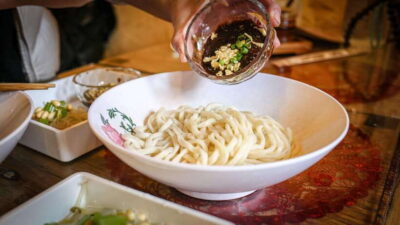
Hidden Gems Guided Food Tour with Beer and Tastings
Read our review →Browse the lists this tour appears in