
Reviewed · TEA TASTINGS
Traditional Chinese Tea Ceremony Experience
Slow down for tea. This Beijing experience turns a simple drink into a lesson in manners, patience, and Chinese culture. I like the low $9 price and the chance to taste several tea styles in one sitting. I also like that English-speaking hosts, including Richard and Feye, have helped make the ceremony easy to follow.
The main thing to watch is the flexible duration and meeting point. Your booking may last 30 minutes or several hours, and the exact meeting location depends on the option you choose. This is a tea ceremony rather than a full guided tour, so transportation and a tour guide are not included.
In This Review
- Key points to know before booking
- Why tea makes a fine first Beijing activity
- Meeting the tea master in Beijing
- Warming the pot and preparing the leaves
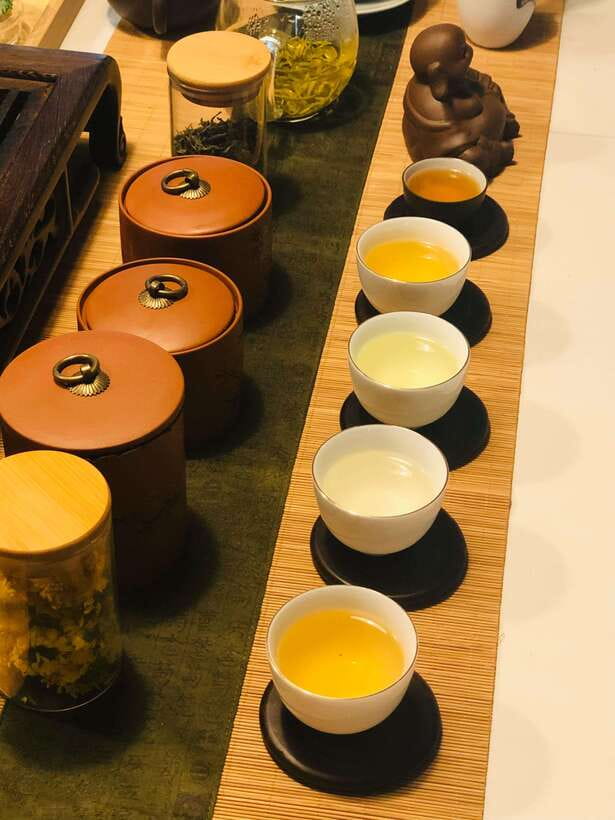
- Five tea styles in five small cups
- Green tea
- Jasmine tea
- Oolong tea
- Pu-erh tea
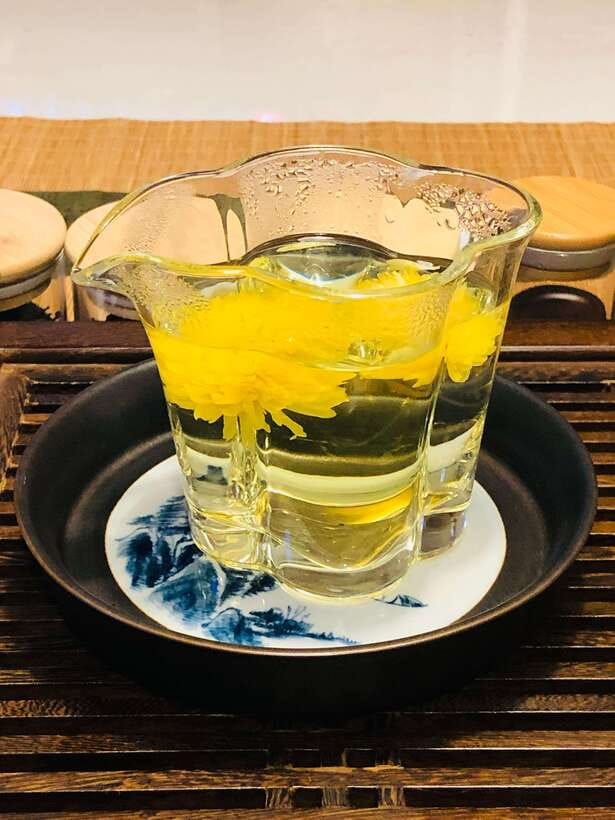
- Flower tea
- Learning the proper way to enjoy tea
- The tea house, shopping, and optional extras
- How long should you allow?
- Is $9 good value?
- What the experience does especially well
- The limitations to keep in mind
- Who should book this Beijing tea ceremony?
- Booking and practical advice
- Should you book it?
- FAQ
- How much does the traditional Chinese tea ceremony cost?
- How long does the tea ceremony last?
- How many teas are included?
- Is a tour guide included?
- What language is spoken during the ceremony?
- Can I buy tea after the ceremony?
- Can children take part?
- What should I provide when booking?
Key points to know before booking
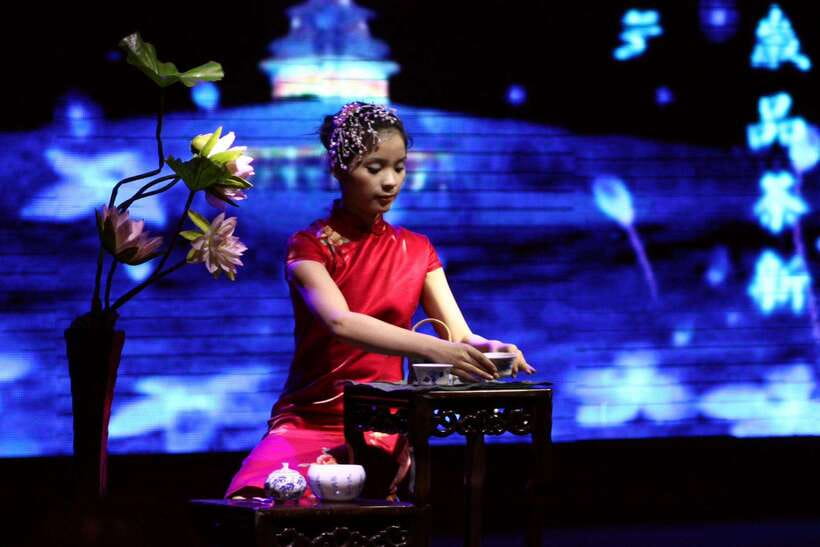
- Five mini cups are included, giving you a quick introduction to different Chinese tea styles.
- You may taste Oolong, Pu-erh, green, jasmine, and flower teas, though the exact selection can vary.
- The tea master explains each step in English, including water temperature, steeping time, and how to smell the leaves.
- The experience costs about $9 per person, a strong value for a short cultural activity in Beijing.
- Shopping is optional, but you can buy tea and porcelain after the ceremony at your own expense.
- Children under seven and pregnant women should not book, according to the activity rules.
Why tea makes a fine first Beijing activity
China is the birthplace of tea, and this ceremony gives you a useful cultural starting point. Instead of simply ordering a pot in a restaurant, you learn why the pot is warmed, how the leaves are handled, and why the first sip is only one part of the ritual.
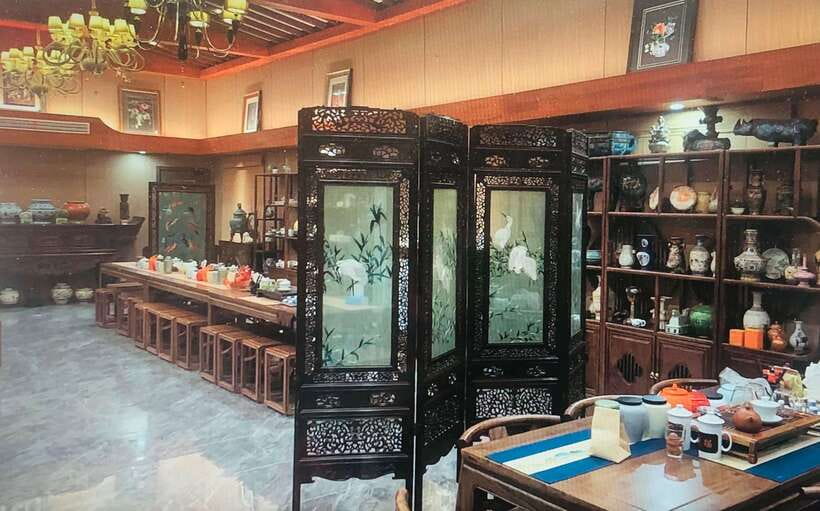
The activity is based in Beijing and is provided by Hutong Calligraphy. The setting is described as a traditional tea house, with tea ware and high-grade teas available for purchase. That setting matters. The ceremony feels tied to Chinese daily life and social customs, rather than being only a tasting session designed for tourists.
I particularly like this as an early trip activity. After a busy day at the Forbidden City or while you are still finding your bearings in Beijing, 30 minutes with a tea master offers a calm change of pace. It also gives you a few words and habits to carry into later meals and tea stops.
The price helps. At $9, you are not committing a large part of your sightseeing budget. You receive the ceremony and five mini cups of tea, while the tea master provides the explanation and demonstration. For a short cultural lesson, that is good value.
More Tea Tastings in Beijing
- Beijing Culture: Tea Ceremony, Heritage Instrument & Calligraphy
★ 5.0 · 57 reviews - Chinese Tea ceremony in Beijing Hutong courtyard
★ 4.7 · 26 reviews - Private Beijing Markets Tour with Tea Tasting at Hongqiao Pearl Market
★ 5.0 · 18 reviews
Meeting the tea master in Beijing
A friendly tea master or English-speaking host greets you at the meeting point. Your booking confirmation should show the correct location, since the point may change depending on the option selected. Leave a WhatsApp number when you book so the provider can contact you with practical details.
Do not expect included hotel pickup or a private car. Transportation is not part of the experience, and there is no tour guide included. Some past bookings have involved help at a subway meeting point, and Richard has been praised for giving clear directions and assisting people to and from the tea house. Still, treat that as helpful hosting connected to certain bookings, not as guaranteed transportation.
The English support is one of the strongest features. Richard Li has been described as friendly and fluent in English, while Feye has been praised for humor and clear explanations. Kostya has hosted a Russian-speaking ceremony. The main activity information lists English as the language, so ask in advance if you need another language.
Warming the pot and preparing the leaves
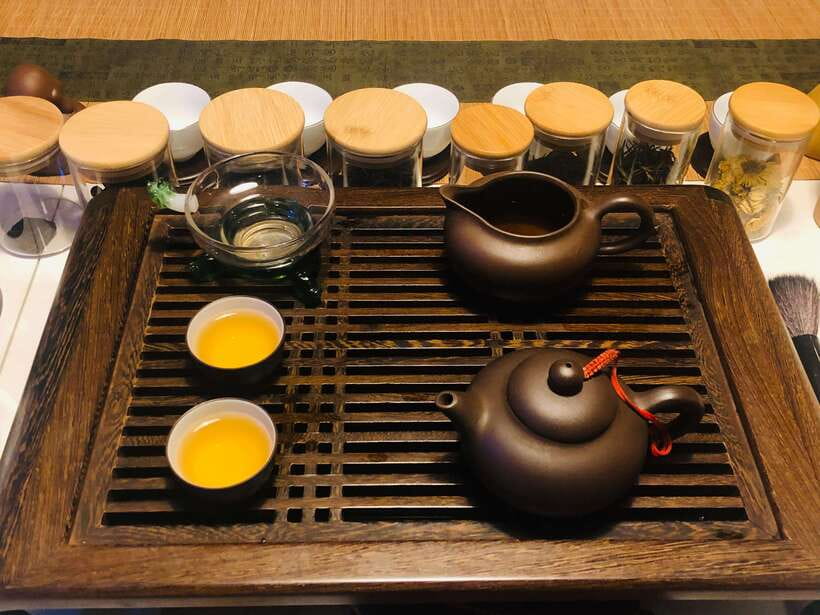
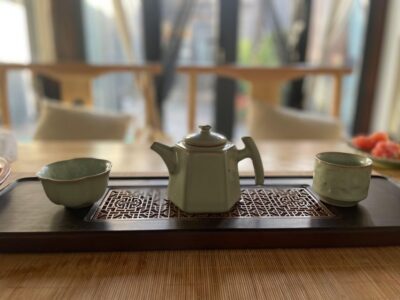
The ceremony begins with preparation, not drinking. The tea master warms the teapot and cups, handles the leaves carefully, and shows you the tools used for brewing. These small actions explain the point of the ceremony: tea is treated as an art and a social ritual, not as a drink to rush through.
You get to smell the dry leaves before water is added. This is a smart part of the lesson because the scent changes once the leaves open. You also learn about water temperature and steeping time, two details that affect the final flavor far more than many casual tea drinkers realize.
The demonstration is precise, but it should not feel stiff. The best hosts make room for questions and let you watch the pour from close by. Several bookings have been praised for detailed explanations and patient teaching, especially for people with little previous experience of Chinese tea.
This is also where the activity can be more useful than a standard tasting. You are not only told that one tea is green and another is fermented. You are shown how the preparation changes the taste and why different leaves require different handling.
Five tea styles in five small cups
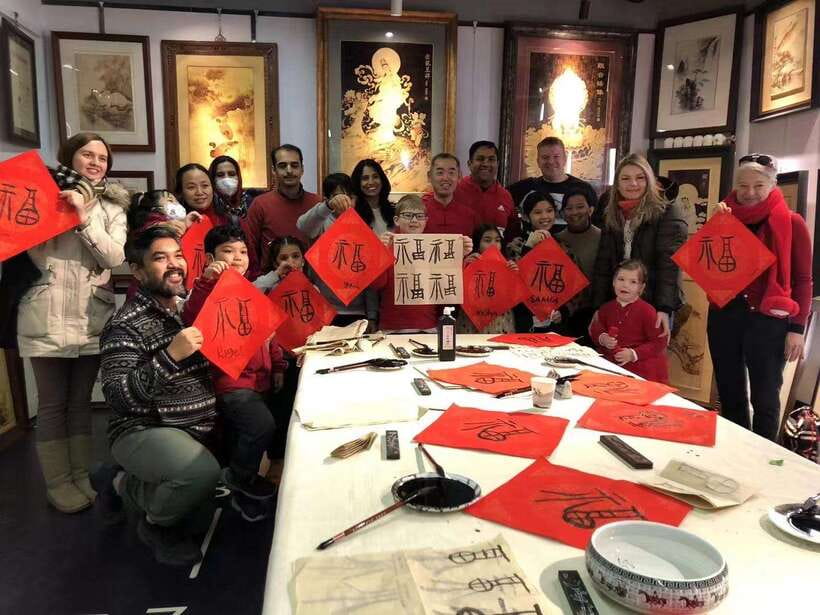
The included tasting consists of five mini cups of tea. The possible selection includes Oolong, Pu-erh, green tea, jasmine tea, and flower tea. One booking included six different teas, so the number and exact lineup may differ by option, but you should expect a small selection rather than full-size servings.
A completely different kind of day out on the same trip:
- From Beijing: Mutianyu Great Wall Tours with Options
★ 4.9 · 9,216 reviews - Beijing: Forbidden City Tour(Group/Private)-Tickets Included
★ 4.8 · 7,974 reviews - Beijing: T-Square & Forbidden City Group or Private Tour
★ 4.8 · 4,446 reviews - All-Inclusive Tour: Tiananmen Square, Forbidden City, Great Wall
★ 5.0 · 2,873 reviews
Green tea
Green tea is usually associated with fresh, light flavors and careful brewing. The water temperature matters because water that is too hot can overpower delicate leaves. The ceremony gives you a chance to see this principle explained rather than merely printed on a menu.
Jasmine tea
Jasmine tea adds fragrance to the tasting. Smelling the leaves and then tasting the brewed tea helps you notice how aroma shapes your impression of flavor. It is often an approachable choice for people who do not usually drink plain tea.
Oolong tea
Oolong sits between green and fully fermented tea styles, with a wide range of flavors depending on the leaves and preparation. The tea master can show how repeated short steepings bring out different qualities.
Pu-erh tea
Pu-erh is often darker and earthier than green or jasmine tea. It gives the tasting more contrast and helps you understand why Chinese tea culture includes such a broad range of tastes.
Flower tea
Flower tea adds a visual element to the ceremony. The leaves and flowers open in hot water, making this a pleasant option for children old enough to take part and for anyone who enjoys the appearance of the brewing process.
Do not expect five large mugs. These are tasting cups, so the purpose is comparison. You get enough to notice changes in aroma, color, and taste without turning the session into a long drinking stop.
Learning the proper way to enjoy tea
The lesson is not about passing a test in tea etiquette. It is about slowing down and paying attention. You learn to look at the tea, smell it, sip it, and notice how it changes as it cools or is brewed again.
The ceremony also explains values linked with tea: respect, harmony, and mindfulness. Those ideas can sound abstract until you see them expressed through simple actions, such as warming the pot, pouring for others, and giving the drink your full attention.
I like the social side of this. Tea has long been part of Chinese family life and hospitality. A ceremony helps you understand why serving tea can communicate welcome and respect. That context makes later cups of tea in restaurants, homes, or shops more meaningful.
The format works for many adults and for older children. Children aged 10 and 13 have enjoyed the activity, while the stated rule excludes children under seven. Young children may find the careful pace difficult, and the hot water and small cups require attention.
The tea house, shopping, and optional extras
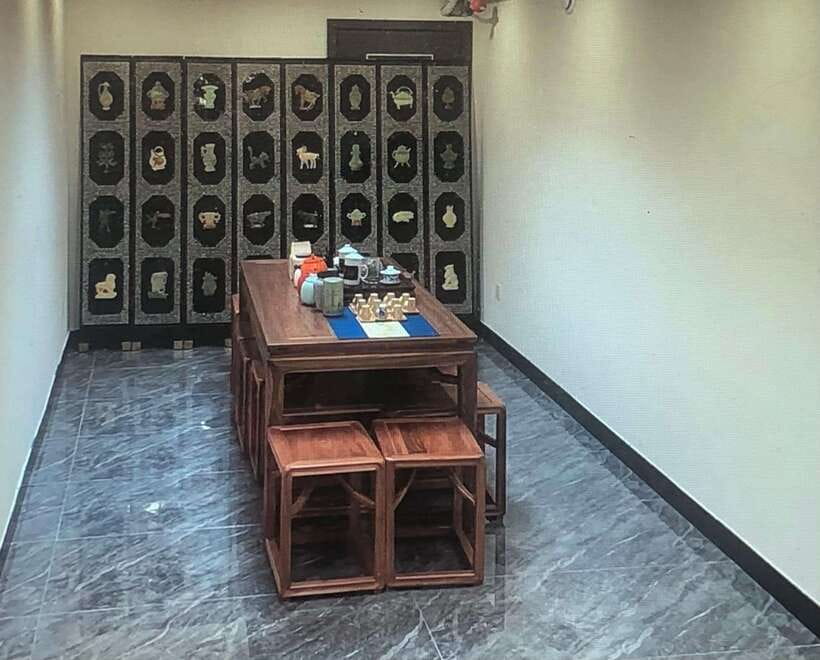
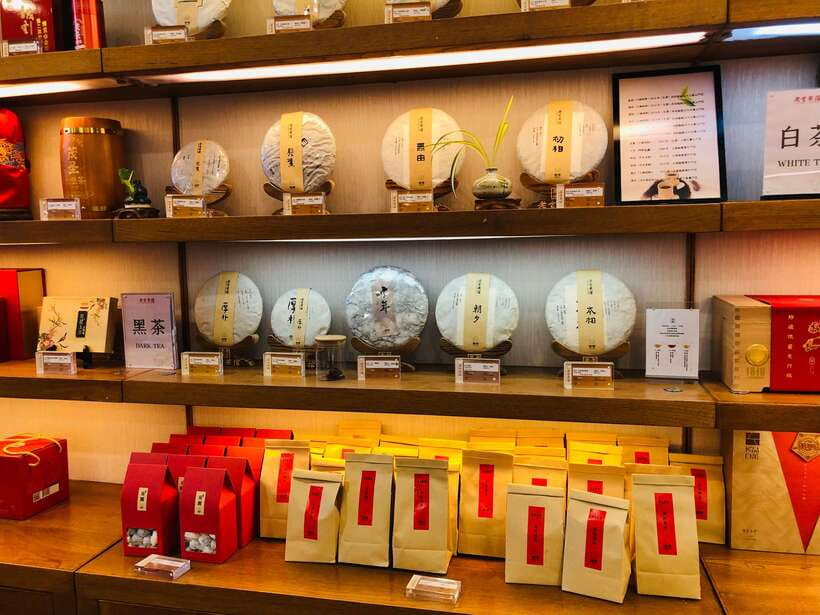
After the tasting, you can look at tea for sale and, in some settings, Chinese porcelain. Buying is optional and is not included in the $9 price. You should feel free to enjoy the ceremony without purchasing anything.
If you do want tea for home, the tea master can explain the differences and help you choose. One booking described receiving assistance when buying several teas. That guidance can be useful, since packaging and unfamiliar names make it hard to know what you are getting in a shop.
Keep your budget clear. The low entry price covers the ceremony and five mini cups, not shopping expenses or other activities. Ask about the price of any tea before agreeing to buy. You can enjoy the educational part without treating the optional shop visit as a required finale.
Some bookings have also included calligraphy, food, dumpling lunch, or a souvenir. These additions are not part of the basic inclusions listed for this tea ceremony. If calligraphy or a meal is important to you, check the exact option before paying. The provider name, Hutong Calligraphy, may make the broader program sound more extensive than the basic tea booking actually is.
How long should you allow?
The stated duration ranges from 30 minutes to three hours. That is a wide range, so check the available option and start time carefully. A short session suits you if you want a focused cultural stop between major sights. A longer option may include additional activities, but you should not assume those extras come with every booking.
A 30-minute ceremony can work well after sightseeing because it does not take over your day. You may have enough time to learn the basic brewing steps, taste the teas, ask questions, and look at the shop.
If your booking is closer to three hours, allow room in your schedule and confirm what is included. Reviews refer to calligraphy and food experiences connected with some visits, but the core tea activity itself is described as a ceremony with five mini cups.
The tea master manager walks you back to the meeting point after the ceremony. That is useful if you arrived through an unfamiliar part of Beijing, though you still need to arrange your own transport for the rest of your day.
Is $9 good value?
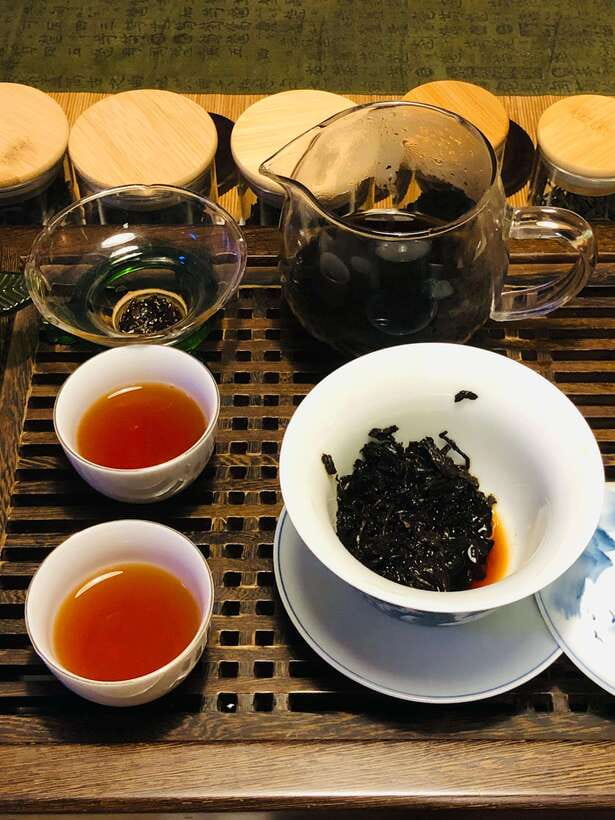
Yes, for the basic experience, $9 is a strong price. You receive a guided tea ceremony, five small tastings, an explanation of brewing technique, and an introduction to an important part of Chinese social culture.
The value is greatest if you are curious and willing to participate. You are paying for the demonstration and conversation as much as for the liquid in the cup. Someone who only wants a quick full-sized beverage may find a café better suited to that goal.
The low price also makes this a sensible choice for families with older children, couples, and solo visitors. It is an easy way to add cultural content to a Beijing itinerary without booking a costly half-day tour.
The price does not include transportation, shopping, or unlisted expenses. If you buy tea or porcelain, your final cost will be higher. That is not a problem, but it is worth separating the inexpensive ceremony from optional purchases.
What the experience does especially well
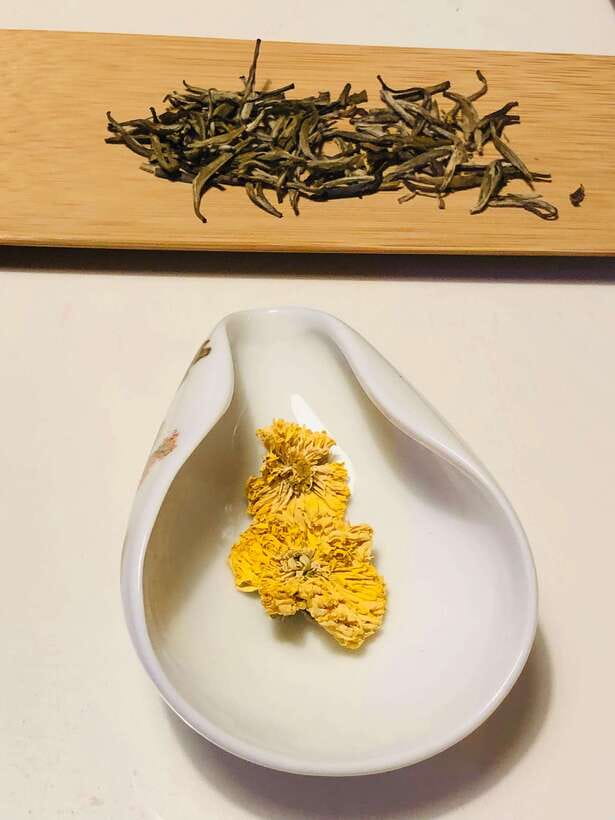
The most consistent strength is the quality of the tea instruction. English-speaking hosts explain the process clearly, and Richard is repeatedly praised for being helpful, patient, and friendly. Feye has also been praised for combining humor with a strong grasp of Chinese tea.
The second strength is the calm, personal nature of the session. The ceremony is hands-on in the sense that you smell, taste, watch, and ask questions. You are not rushed through a room with a large group and a speech from a distance.
The third is flexibility. Hosts have accommodated late arrivals in at least one booking and offered small welcome gifts in some cases. That does not guarantee special treatment every time, but it suggests a welcoming approach.
Photography may also be available. One host took pictures during the ceremony, a nice extra if you want a record of the tea ware and serving ritual. It should be treated as a courtesy rather than a promised inclusion.
The limitations to keep in mind
This is not a broad Beijing sightseeing tour. You will not receive transportation, a city guide, or visits to major monuments as part of the basic tea activity. You need to reach the meeting point yourself and plan the ceremony around your other stops.
The flexible duration can also create uncertainty. A 30-minute session and a three-hour option are very different commitments. Read the selected option closely, especially if you have tickets for the Forbidden City, a meal reservation, or an airport transfer later that day.
The tasting cups are small. That is appropriate for comparing several teas, but it may disappoint you if you expect a long tea service or a large drink. Shopping can add pressure for some people, so remember that buying tea is optional.
The activity is not suitable for children under seven or pregnant women. Older children may enjoy the flowers, colors, and careful pouring, but the adult pace and hot water mean this is not a free-play activity.
Who should book this Beijing tea ceremony?
I would choose this for you if you want a short, affordable cultural experience with clear English instruction. It works particularly well after the Forbidden City, before dinner, or at the start of a Beijing stay when you want to understand local customs.
It is also a good fit for tea drinkers, curious couples, solo visitors, and families with children aged seven or older, provided the children can sit quietly and follow safety instructions. Calligraphy fans may want to check for an option that includes the related class, since some bookings have combined the two.
You may want to skip it if your schedule is packed, you dislike guided tastings, or you want a full meal and a large serving of tea. The ceremony asks you to pay attention to small details. That is its appeal, but it is not everyone’s ideal afternoon.
Booking and practical advice
Free cancellation is available up to 24 hours before the activity for a full refund. You can also reserve now and pay later, which helps if your Beijing schedule is still changing.
When you book, provide a WhatsApp number and confirm the meeting point, duration, language, and exact inclusions. Ask if your option includes only the tea ceremony or also calligraphy, food, or another activity.
Wear something comfortable and arrive ready to take part. You will get more from the session if you smell the leaves, ask why a particular water temperature is used, and compare the teas instead of simply swallowing each sample.
Should you book it?
Book this tea ceremony if you want a low-cost, well-explained introduction to Chinese tea culture. The $9 price, five mini cups, English-speaking hosts, and patient teaching make it a worthwhile addition to a Beijing itinerary.
I would be especially happy to recommend it after a major sightseeing visit, when your feet need a rest and your mind could use something quieter. Just confirm the meeting point and duration, remember that transportation and shopping are extra, and do not assume calligraphy or food is included. For a small price and a short time commitment, this is one of the easier ways to connect a Beijing visit with an everyday Chinese tradition.
FAQ
How much does the traditional Chinese tea ceremony cost?
The listed price is $9 per person. Shopping and any other expenses not specifically included cost extra.
How long does the tea ceremony last?
The duration can range from 30 minutes to three hours. Check the available starting times and the exact option when booking.
How many teas are included?
The basic inclusion is five mini cups of tea. Possible varieties include Oolong, Pu-erh, green tea, jasmine tea, and flower tea. One booking included six teas, so the exact selection may vary.
Is a tour guide included?
No. A tour guide and transportation are not included. An English-speaking host or greeter is provided for the tea experience.
What language is spoken during the ceremony?
The activity lists English as the language. Specific hosts have also offered Russian in at least one booking, but you should confirm any language needs before booking.
Can I buy tea after the ceremony?
Yes. You may purchase tea or other items such as porcelain after the ceremony, but shopping expenses are not included and buying is optional.
Can children take part?
Children under seven are not suitable for this activity. Older children may attend, and children aged 10 and 13 have enjoyed the experience.
What should I provide when booking?
You should leave a WhatsApp number when you book so the provider can contact you with relevant information. The meeting point may vary depending on the option selected.
Newest reviews from Beijing
- Beijing: Explore the Forbidden City in Hanfu★ 5.0 · 4 reviews
- Beijing Tai Chi and Tea Ceremony Experience★ 5.0 · 4 reviews
- Jinshangling Great Wall Of Beijing Tickets And Other Option★ 4.0 · 4 reviews
- Private Full-Day Great Wall of China Hiking Tour from Jiankou to Mutianyu★ 4.5 · 4 reviews
- Tour the Great Wall with a Native from Downtown Beijing★ 4.8 · 4 reviews
- Beijing: Badaling Great Wall Private Tour w Language Option★ 4.3 · 4 reviews
- Beijing:Summer Palace & Tea or Calligraphy Experience Tour★ 4.6 · 4 reviews
- 7 Days Private Tour of Beijing, Xian, Shanghai by Bullet Train★ 5.0 · 4 reviews
Tea Tastings, compared.
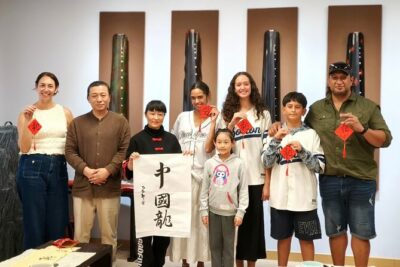
Beijing Culture: Tea Ceremony, Heritage Instrument & Calligraphy
Read our review →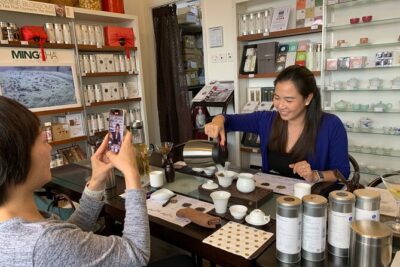
Chinese Tea ceremony in Beijing Hutong courtyard
Read our review →
Leshan Buddha + Panda Base or Old Tea House Private Day Tour
Read our review →
Private Beijing Markets Tour with Tea Tasting at Hongqiao Pearl Market
Read our review →
3-Hour Shanghai Yu Garden &Old Town Private Tour with Tea Tasting
Read our review →
Half-day Private Mahjong course in Local Tea House
Read our review →Browse the lists this tour appears in