
Reviewed · HUTONG TOURS
Chinese Tea ceremony in Beijing Hutong courtyard
Tea tastes better with a story. This one places you in a traditional Beijing hutong courtyard, just a short walk from the Forbidden City, where tea is prepared slowly and explained clearly. I like the close contact with local life and the chance to taste several tea styles in one sitting. The main caution is the price: at $31 per person, plus a stated 100 RMB charge that needs clarification, it is not a bargain for a one-hour activity.
The small group limit of four makes the visit feel personal rather than staged. I also like that the hosts, including Limeng, seem to treat the hour as a cultural exchange, not just a series of tea pours. You should confirm the exact meeting point and all charges before booking, since the directions mention both 150 meters from the Forbidden City’s east gate and 800 meters west of its exit gate.
In This Review
- Key points at a glance
- A quiet courtyard beside Beijing’s imperial center
- What the one-hour tea ceremony includes
- Choosing between green, black, wulong, and Pu’Er tea
- Meeting a Beijing family in its hutong home
- The short walk into the surrounding hutong
- Is $31 good value for one hour?
- Group size, language, and access
- Who will enjoy this most?
- Tips for getting the most from the hour
- Should you book the hutong tea ceremony?
- FAQ
- Where is the Chinese tea ceremony held?
- How long does the experience last?
- What types of tea can I choose?
- Are snacks included?
- Is the experience conducted in English?
- How large is the group?
- Is hotel pickup included?
- Can I cancel for a refund?
Key points at a glance
- A hutong courtyard beside the Forbidden City: You get a taste of ordinary Beijing life within minutes of one of China’s grandest imperial sites.
- Four tea families to choose from: Pick from black, green, wulong, and Pu’Er tea, depending on what you want to taste and learn.
- A true small-group setting: With no more than four participants, you have room to ask questions and speak with the hosts.
- Practical brewing lessons: You learn why good Chinese tea is not simply boiling water left to sit for three minutes.
- Tea served with local context: The discussion can cover seasons, the body, dynasties, manners, and the meaning of the ceremony.
- A useful central stop: The tea workshop works well alongside the Forbidden City, Imperial Ancestral Temple, and nearby historic sites.
A quiet courtyard beside Beijing’s imperial center
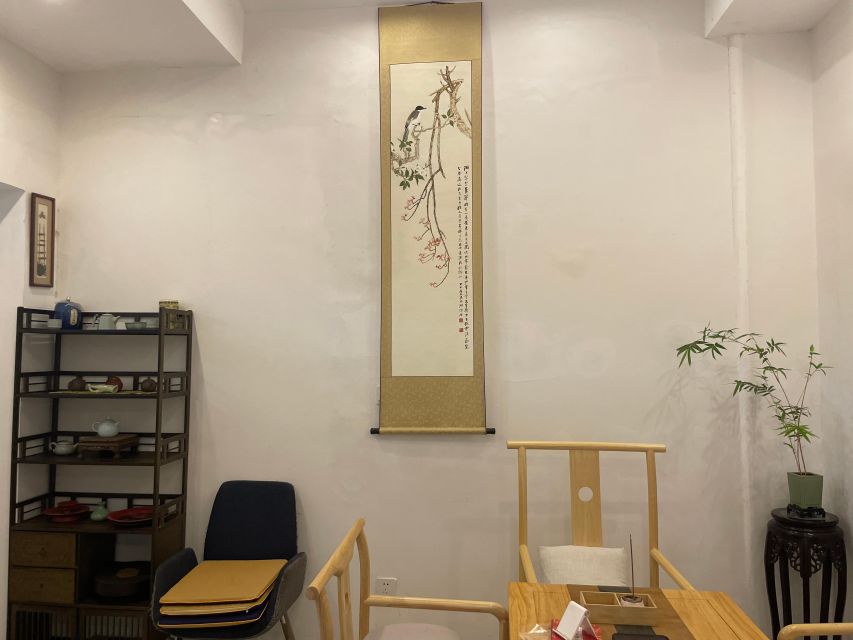
The setting does much of the work here. The workshop is described as being very close to the Forbidden City, around 150 meters from its east gate, with another direction note placing it 800 meters west of the exit gate. Either way, you are in central Beijing, not out on the edge of town.
That location matters. You can spend the morning among imperial halls and then step into a residential hutong courtyard, where the scale changes at once. The Forbidden City represents palace power. The courtyard offers a glimpse of how Beijing families have lived across generations.
The nearby Pudusi inheritance site and Imperial Ancestral Temple add useful context. You are not drinking tea in isolation from the city around you. The surrounding streets connect the ritual at the table with Beijing’s old neighborhoods and former imperial zone.
I would allow extra time before or after the ceremony to walk nearby. The tea session itself lasts one hour, so it is short enough to fit between major sights. It also gives you a pause from large crowds, long palace corridors, and the visual overload that comes with central Beijing.
One practical point deserves attention. The location information uses more than one distance description. I would check the precise address and whether the meeting point is at the workshop or at a Forbidden City gate before setting out. In this part of Beijing, a small difference in the wording can mean a confusing walk around a large wall.
More Tea Tastings in Beijing
- Traditional Chinese Tea Ceremony Experience
★ 4.7 · 74 reviews - Beijing Culture: Tea Ceremony, Heritage Instrument & Calligraphy
★ 5.0 · 57 reviews - Private Beijing Markets Tour with Tea Tasting at Hongqiao Pearl Market
★ 5.0 · 18 reviews
What the one-hour tea ceremony includes
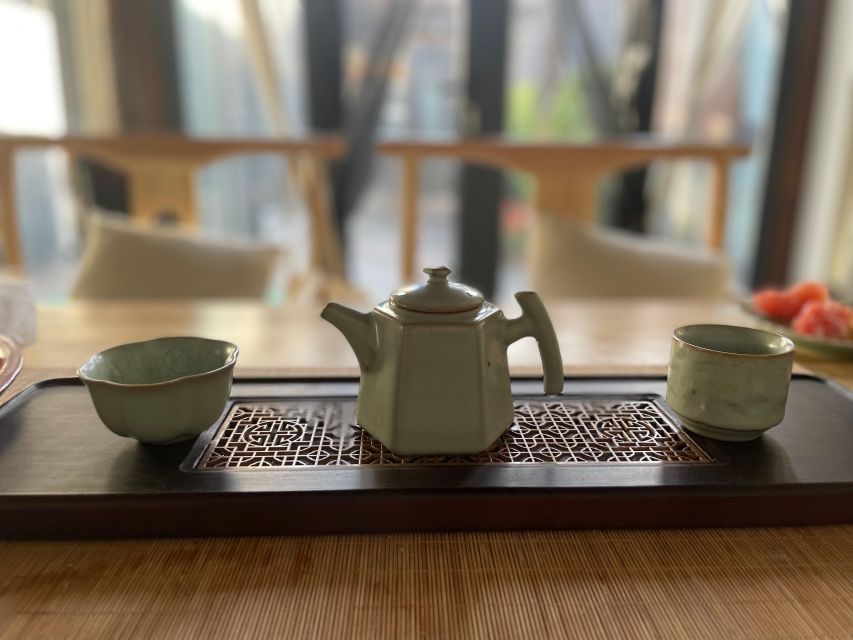
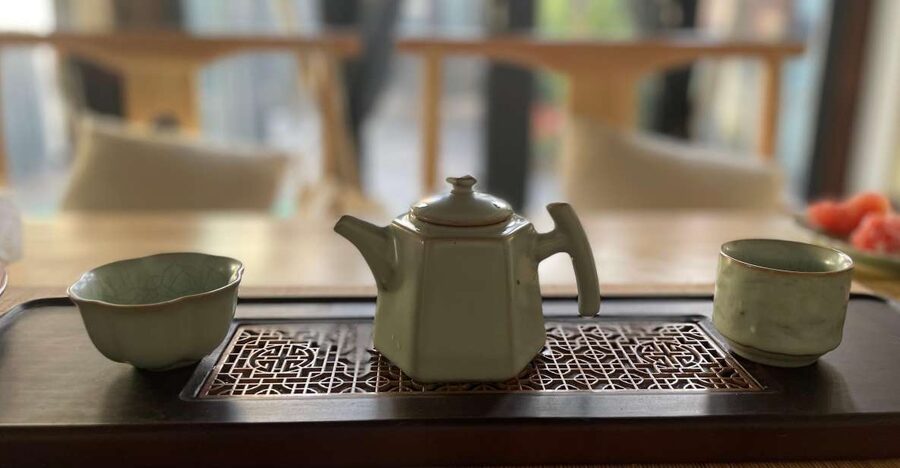
The session begins with a choice of Chinese tea. The available types are black tea, green tea, wulong tea, and Pu’Er tea. That range gives you a useful introduction to broad tea categories rather than presenting only one famous variety.
You receive one pot of tea, along with complimentary snacks. The snacks are meant to accompany the tea, and one account specifically praised the carefully made tea snacks served during the ceremony. Do not expect a full meal. Think of it as a light refreshment with a cultural explanation.
The hosts explain how the tea is prepared and served. You may learn how to hold the cup with care, how brewing time affects flavor, and why water temperature and pouring technique matter. The most useful lesson is practical: Chinese tea is not automatically at its best when covered with boiling water and left for several minutes.
That makes this more than a tasting. You leave with a method you can use later. Several types of tea can be brewed in a way that brings out more flavor, and the ceremony gives you a chance to see the process rather than just hear a description.
The activity also covers tea culture and history. Past dynasties, seasonal choices, the effect tea is believed to have on the body, and the meaning of ceremonial gestures can all enter the discussion. The exact emphasis may depend on your questions and the host, but the hour is designed around explanation as much as drinking.
Choosing between green, black, wulong, and Pu’Er tea
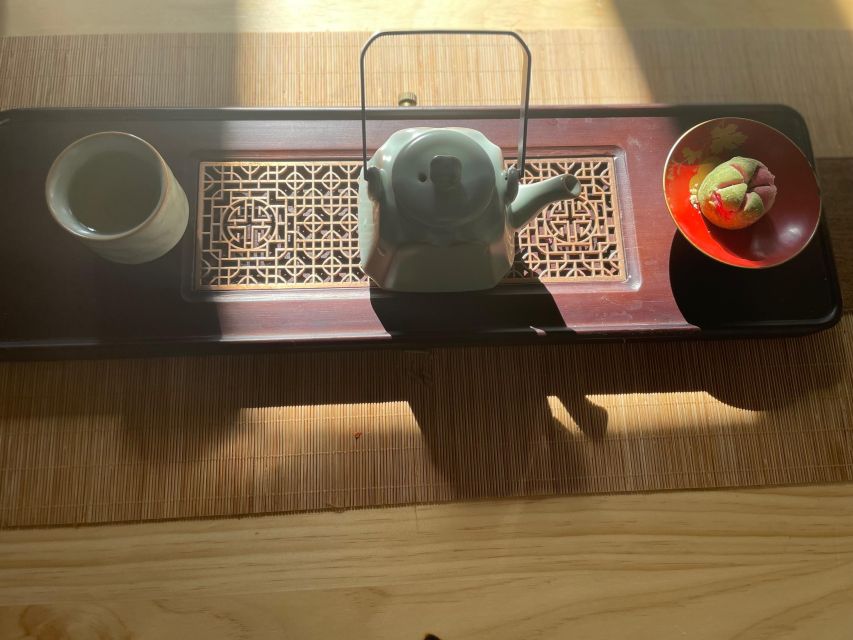
The four choices offer a simple way to compare Chinese tea traditions.
Green tea is usually the lightest and freshest option of the four. It may suit you if you prefer a cleaner, less heavy cup. Black tea gives you a fuller style, while wulong occupies a middle ground with more complexity than many basic green teas.
Pu’Er is the choice for something more distinctive. It has a strong identity and is often enjoyed by people who want to explore tea beyond familiar supermarket varieties. If you are new to it, ask the host how its flavor differs from the other choices before ordering.
You may be able to taste two different teas during the hour. One participant enjoyed two unique teas and learned how tea choices connect with the seasons and the body. That is a good way to use the time, since comparing two styles helps you understand the subject faster than drinking one pot without contrast.
You do not need to arrive as a tea expert. One person who did not consider themselves a tea lover still enjoyed the flavor and valued the conversation most of all. That is important. The experience is not aimed only at serious tea collectors.
If you already drink tea regularly, ask detailed questions. You can focus on brewing, serving etiquette, regional differences, or the cultural meaning of the ceremony. With a group of four or fewer, you should have more opportunity to guide the conversation than you would in a large commercial teahouse.
Meeting a Beijing family in its hutong home
The strongest part of the experience is the human contact. The host family has lived in the courtyard for generations, and the session is presented as a way to learn about local residents’ lives as well as tea.
That does not mean you should expect a complete portrait of Beijing family life in sixty minutes. It does mean the conversation can move beyond prepared facts. You can ask about hutongs, neighborhood traditions, and how the old city fits around the modern capital.
Limeng is named as one of the hosts, and several accounts describe her as warm, friendly, and easy to talk with in English. The hosts are also praised for helping with practical Beijing questions, including advice about where to find less tourist-focused Beijing duck.
That kind of exchange can be especially useful early in a stay. You get tea, but you may also gain a better sense of how to approach the city. Ask questions while you have a local person in front of you. The small group makes this feel more like a conversation at a family table than a lecture.
The setting may also appeal to anyone who wants to see a quieter side of Beijing. A hutong courtyard is not an attraction in the same way as the Forbidden City. Its value is in the ordinary details and the feeling of a lived-in neighborhood close to the city’s grandest monuments.
More hutong walks:
- Beijing Hutong Walking Food and Beer Tour at Hidden Restaurants
★ 5.0 · 1,132 reviews - Temple Heaven, Summer Palace, Lama Temple, Hutong Bus Tour
★ 4.7 · 319 reviews - Temple of Heaven, Summer Palace, Lama Temple, Hutong Tours
★ 5.0 · 311 reviews - Beijing Private Hutong Food Walking Tour
★ 5.0 · 299 reviews
The short walk into the surrounding hutong
The experience can finish with a short walk to a quieter hutong only steps from the Forbidden City. This is a fine ending because it connects the tea table with the streets outside.
You may notice how quickly Beijing changes from monumental imperial architecture to narrow residential lanes. That contrast is one of the reasons to choose this activity instead of a tea tasting in a hotel or a modern shopping district.
Keep your expectations sensible. The walk is described as short, not as a full neighborhood tour. If you want a long, detailed hutong exploration, this hour will not replace one. Its purpose is to add atmosphere and context to the ceremony.
Still, the timing works well. You can use the activity as a calm break after visiting the palace complex, or as a gentle introduction before exploring more of central Beijing. The nearby historic sites give you plenty of ways to build a larger walking day around it.
Is $31 good value for one hour?
At $31 per person, this is a personal cultural activity, not the cheapest way to drink tea in Beijing. You are paying for the host’s time, the instruction, the courtyard setting, the small group, the tea, and the conversation. The value depends on how much you want the explanation and local contact.
For a family of four, the total becomes significant. One four-person group felt the cost was steep, even though the experience itself did not disappoint. That is a fair assessment. If you only want a cup of tea, the price is hard to justify.
I think the cost makes more sense for a first visit to China, a short Beijing stay, or anyone who wants a structured cultural encounter without committing to a longer tour. You also avoid spending half a day on transportation. The central location lets you combine this with major sights.
There is an important pricing detail to settle before payment. The information provided lists a charge of 100 RMB per person under what is not included, while the headline price is $31 per person. It is not clear from the details whether that 100 RMB is an additional fee, an outdated note, or a different charge. Ask the provider to confirm the final amount.
The flexible booking terms help reduce the risk. You can cancel up to 24 hours ahead for a full refund, and the reserve-now, pay-later option lets you hold a place without paying at once. Those terms are useful if your Beijing sightseeing plans are still changing.
Group size, language, and access
The group is limited to four participants. That is a major advantage for this type of activity. Tea etiquette can feel awkward if you are one person in a large room watching a demonstration from the back. Here, you should be close enough to see the brewing and ask questions.
English instruction is provided. The hosts have been praised for communicating well in English, which matters when the subject includes customs, symbolism, and subtle differences between tea styles.
The activity is listed as wheelchair accessible. If access is important for you, confirm the exact route and courtyard arrangements before arrival, since the supplied information does not describe the entrance, toilets, or surface conditions in detail.
Pickup is included. You are asked to wait in your hotel lobby ten minutes before the scheduled pickup time. The details do not explain the transport method or the precise pickup area, so make sure your hotel is covered and keep your phone available for instructions.
Who will enjoy this most?
I would recommend this to you if you fit one or more of these descriptions:
- You want a cultural activity that takes only one hour.
- You are curious about Chinese tea but do not know where to begin.
- You value conversation with local people more than a polished tourist show.
- You are already visiting the Forbidden City or nearby imperial sites.
- You prefer small groups and English-language instruction.
- You want practical brewing advice you can use at home.
- You enjoy comparing flavors and asking questions.
It is less suitable if you want a long formal ceremony, a full meal, or a broad Beijing sightseeing tour. It is also less compelling if your only goal is inexpensive tea. The activity earns its price through the setting and personal exchange, not through the amount of food or drink.
Tips for getting the most from the hour
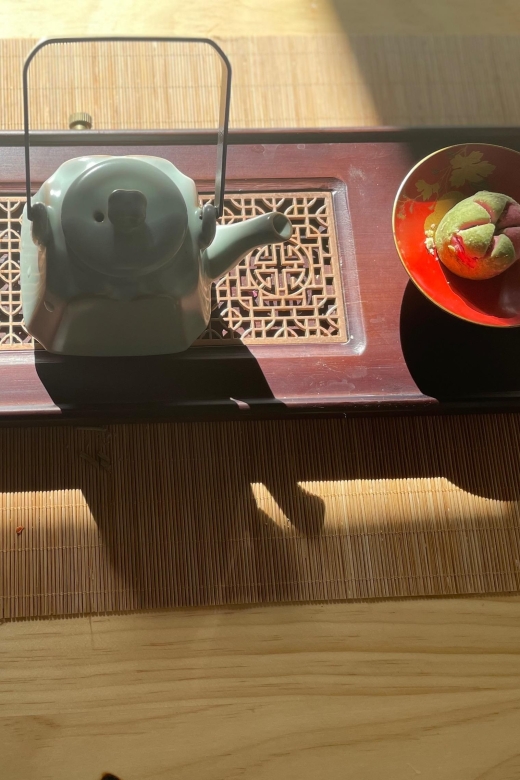
Check the exact address before leaving your hotel. The different distance descriptions make this especially important, even though all the information places the experience near the Forbidden City.
Arrive ready to ask questions. You might ask why one tea suits a certain season, how tea should be brewed at home, or what a gesture means during the ceremony. A quiet participant may still enjoy the tasting, but an engaged one will get more from the hour.
If you have a preference, mention it early. You can choose among black, green, wulong, and Pu’Er tea, and the host can help you decide. If you are unsure, ask to compare styles rather than choosing the first familiar name.
Treat the snacks as part of the presentation, not as lunch. Plan another meal if you need something substantial, especially if the tea ceremony is placed between visits to the Forbidden City and other historic sites.
Finally, confirm the total cost, including the listed 100 RMB per-person charge. That small check will prevent an unpleasant surprise at an otherwise pleasant stop.
Should you book the hutong tea ceremony?
Yes, if you want a short, friendly introduction to Chinese tea with a local connection. The courtyard location near the Forbidden City, the small group, the choice of four tea styles, and the chance to speak with hosts such as Limeng give it more substance than a standard beverage stop.
I would be more cautious if you are traveling on a tight budget or booking for four people. At $31 each, with a possible additional 100 RMB charge, the cost deserves a clear answer before you commit.
For most visitors who value local conversation and practical cultural lessons, this is a worthwhile one-hour addition to a central Beijing day. Just verify the meeting point and final price, then bring your curiosity. Tea is the excuse. The real experience is seeing how a traditional ritual fits into everyday life beside the imperial heart of the city.
FAQ
Where is the Chinese tea ceremony held?
The workshop is in a traditional Beijing hutong courtyard near the Forbidden City. It is described as about 150 meters from the Forbidden City’s east gate and also as 800 meters west of the exit gate.
How long does the experience last?
The tea ceremony lasts one hour.
What types of tea can I choose?
You can choose from black tea, green tea, wulong tea, and Pu’Er tea.
Are snacks included?
Yes. Complimentary snacks are served with the tea.
Is the experience conducted in English?
Yes. English instruction is provided.
How large is the group?
The activity is limited to four participants.
Is hotel pickup included?
Yes. Pickup is included, and you should wait in your hotel lobby ten minutes before the scheduled pickup time.
Can I cancel for a refund?
Yes. You can cancel up to 24 hours in advance for a full refund. You can also reserve now and pay later.
Newest reviews from Beijing
- Beijing: Explore the Forbidden City in Hanfu★ 5.0 · 4 reviews
- Beijing Tai Chi and Tea Ceremony Experience★ 5.0 · 4 reviews
- Jinshangling Great Wall Of Beijing Tickets And Other Option★ 4.0 · 4 reviews
- Private Full-Day Great Wall of China Hiking Tour from Jiankou to Mutianyu★ 4.5 · 4 reviews
- Tour the Great Wall with a Native from Downtown Beijing★ 4.8 · 4 reviews
- Beijing: Badaling Great Wall Private Tour w Language Option★ 4.3 · 4 reviews
- Beijing:Summer Palace & Tea or Calligraphy Experience Tour★ 4.6 · 4 reviews
- 7 Days Private Tour of Beijing, Xian, Shanghai by Bullet Train★ 5.0 · 4 reviews
Hutong Tours, compared.
Beijing Hutong Walking Food and Beer Tour at Hidden Restaurants
Read our review →
Temple Heaven, Summer Palace, Lama Temple, Hutong Bus Tour
Read our review →
Temple of Heaven, Summer Palace, Lama Temple, Hutong Tours
Read our review →

Beijing City Walk: Explore Hutongs Life and Old Beijing
Read our review →Browse the lists this tour appears in