
Reviewed · TEA TASTINGS
Shanghai: Song Dynasty Tea Ceremony Experience
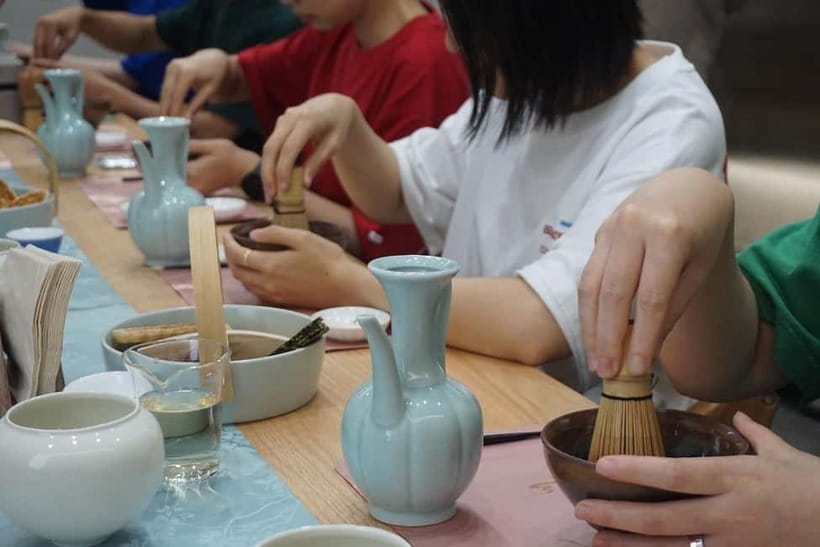
Tea becomes theater here. This 90-minute Shanghai experience introduces you to Song Dynasty tea whisking, a powdered tea ritual built around foam, rhythm, and careful presentation. I like the hands-on format, since you do not just watch a tea master work. You use the whisk, bowl, scoop, and tea yourself.
I also like the calm, small-group setting and the cultural explanation behind each step. The ceremony is offered as a private group activity, with instruction available in English, Chinese, Japanese, Korean, Spanish, and Russian. The main consideration is the price: at $78 per person, it is not a casual cup of tea, so the value depends on how much you enjoy guided cultural activities.
For the right person, this is a lovely way to slow down in Shanghai. The experience has earned a perfect 5 rating from 10 verified bookings, with especially strong praise for the patient instruction, beautiful utensils, smooth tea, and the surprisingly satisfying work of making foam flowers.
In This Review
- Key points to know before you book
- What Song Dynasty tea means in this Shanghai class
- Meeting your tea master at 168 Aomen Road
- The opening history lesson sets the tone
- Handling the bowl, whisk, scoop, and tray
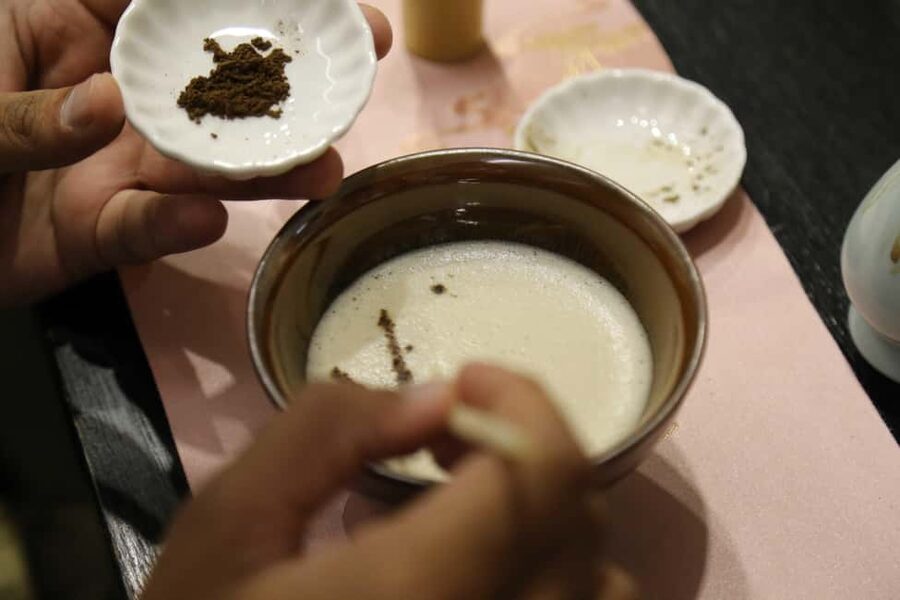
- Watching foam flowers form on the tea
- Tasting a smooth, freshly whisked cup
- A traditional setting made for quiet attention
- How much value do you get for $78?
- Who will enjoy this most?
- Practical details that can shape your visit
- Should you book the Shanghai Song Dynasty tea ceremony?
- FAQ
- How long does the Song Dynasty tea ceremony last?
- How much does the experience cost?
- Where is the meeting point?
- How do I identify the guide?
- Will I make the tea myself?
- What is included in the price?
- Is hotel pickup included?
- Can I cancel the booking?
Key points to know before you book
- You whisk powdered tea yourself: The main activity is practical, not a demonstration watched from the sidelines.
- The ceremony lasts 1.5 hours: That gives you time for a cultural introduction, instruction, preparation, tasting, and conversation without taking half a day.
- It takes place at a traditional-style tea setting: The surroundings and utensils are designed to reflect Song Dynasty aesthetics.
- It is a private group experience: This suits couples, families, friends, and work teams who want a shared activity.
- The meeting point is inside a mall entrance: You meet at 168 Aomen Road in Putuo District, not at your hotel.
- The price includes the working tools and tea: A tea bowl, whisk, scoop, tray, powdered tea, kettle, tea cloth, photos, and tea master are included.
What Song Dynasty tea means in this Shanghai class
Many modern Chinese tea experiences focus on steeped leaves poured from a pot. This one presents an older method in which tea leaves are ground into powder and whisked with hot water. The result is a frothy drink with a smooth texture and a soft layer of foam.
That difference matters. You are not simply sampling another type of tea. You are learning a preparation style connected with Song Dynasty daily life, courtly taste, aesthetics, and mindfulness. The tea master explains why the ritual developed such a careful visual and physical language.
I like this historical framing because it gives the activity a purpose. Without it, whisking tea could feel like a craft lesson with a pleasant drink at the end. With the background, the bowl, whisk, movements, and foam become parts of a larger cultural practice.
The class also makes clear that tea was not only a practical drink. During the Song period, it had a place in social life and high society. Presentation mattered, and the act of preparing tea could be graceful, focused, and refined.
You should still think of this as an introductory cultural experience rather than a formal academic course. The value comes from handling the tools and learning through practice, not from a long lecture about Chinese history.
More Tea Tastings in Shanghai
- Biking Real Shanghai& Tea Tasting Experience
★ 4.5 · 45 reviews - 3-Hour Shanghai Yu Garden &Old Town Private Tour with Tea Tasting
★ 5.0 · 17 reviews - Private Shanghai City and Zhujiajiao Combo Tour with Boating, Tea Tasting, Lunch
★ 5.0 · 15 reviews
Meeting your tea master at 168 Aomen Road
The meeting point is the main entrance of the mall at 168 Aomen Road, Putuo District, Shanghai 200071. Look for a guide wearing a white hat with a red Eto logo.
This detail is important because the meeting place is not a hotel lobby or a famous landmark that you can identify at a glance. You receive the final address and meeting instructions through WhatsApp after booking, so check your messages before setting out.
Hotel pickup and drop-off are not included. You need to make your own way to the mall entrance, and the information provided does not specify a transfer service. Allow enough time to reach Putuo District and find the correct entrance.
WhatsApp support is included, which is useful if you have trouble locating the guide. The provider also offers live support through WhatsApp for questions connected with the meeting arrangements.
Once you arrive, the separate entrance and private-group format should make the start fairly direct. Still, I would not treat the mall address as self-explanatory. Have the confirmation message available on your phone, and make sure your mobile service or Wi-Fi works before you leave your hotel.
The opening history lesson sets the tone
The ceremony begins with an introduction to Chinese tea culture, with special attention to the Song Dynasty. This gives you a basic map of what you are about to do before the tools appear.
Expect the tea master to explain the cultural role of powdered tea and the ideas behind the ritual. The emphasis is not only on taste. The class connects tea with aesthetics, patience, and mindfulness.
That opening is especially useful if you are new to Chinese tea traditions. You will understand why the process uses such specific items and why the movements are slow and controlled. The information also helps you notice details that might otherwise pass by, such as the look of the bowl, the shape of the whisk, and the surface foam.
The teaching style appears to be one of the strongest parts of the experience. The class has been praised for patient guidance, clear explanations, and help from an interpreter when needed. Language support is available in six languages, although you should confirm your preferred language when arranging the experience.
I would expect the introduction to be accessible rather than technical. That makes it a good fit for a first tea ceremony, but dedicated tea specialists may want more detail about tea-growing regions, specific varieties, or the fine points of historical scholarship. Those subjects are not listed as part of the activity.
Handling the bowl, whisk, scoop, and tray
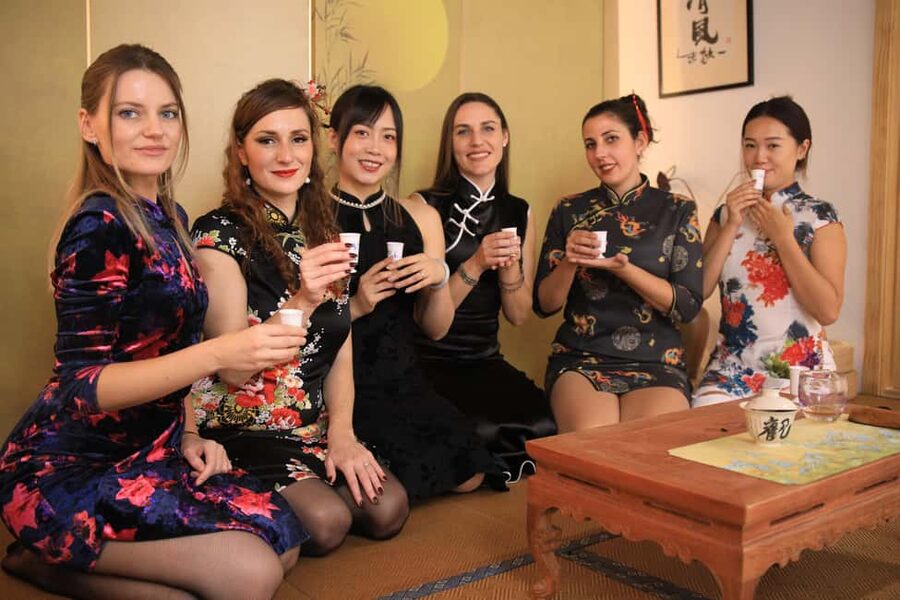
After the introduction, the tea master shows you the traditional tools. The included equipment covers the main parts of the preparation:
- Tea bowl
- Tea whisk
- Powdered tea
- Tea scoop
- Tea tray
- Hot water kettle
- Tea cloth
This is where the class becomes more than a seated tasting. You get to handle the tools and learn how they work together. The tea scoop measures the powder, the bowl gives you room to whisk, and the cloth helps keep the presentation tidy.
I like that the equipment is included rather than treated as a separate add-on. You do not need to buy anything before arriving, and you can focus on learning the motions. The tools also help turn an abstract historical lesson into something physical and memorable.
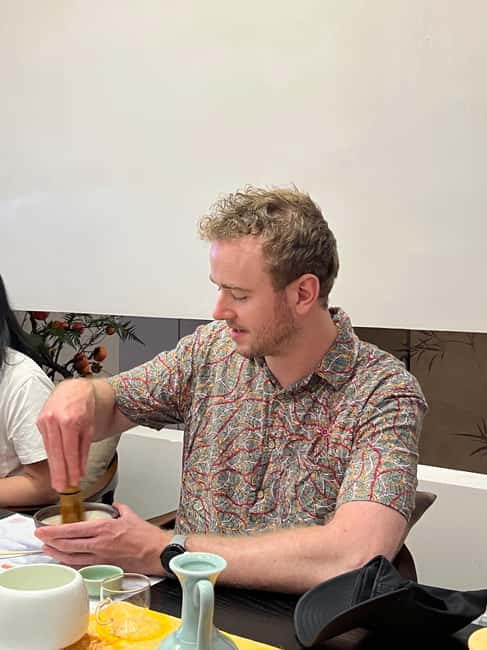
The tea master guides you through the preparation step by step. You learn how to combine the powdered tea and hot water, then use the whisk to create a fine foam. The aim is not brute force. The action has a steady rhythm, and the class presents that rhythm as part of the ritual’s meditative quality.
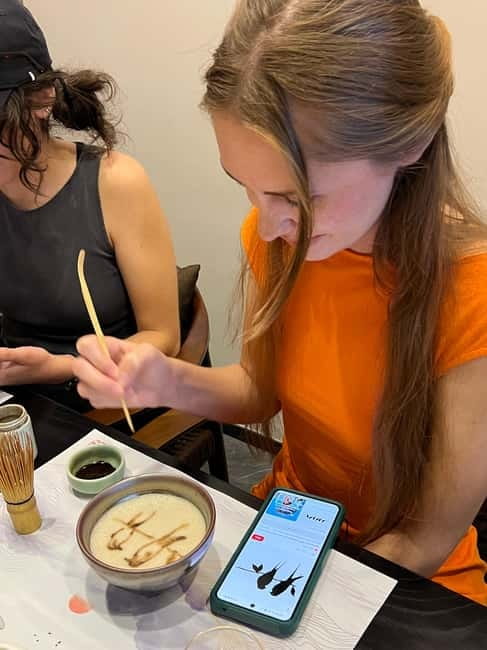
This is likely to be the most enjoyable part for families and friend groups. Everyone has a task, and the shared effort gives the activity a light, collaborative feel. One group also enjoyed painting favorite symbols and receiving a small gift, but those extras are not listed among the standard inclusions, so you should not book specifically expecting them.
A completely different kind of day out on the same trip:
- Authentic Local Food Tour in Central Shanghai
★ 5.0 · 1,382 reviews - Zhujiajiao Water Town and Shanghai City Private Day Tour
★ 5.0 · 1,016 reviews - Private Shanghai Full Day City Tour with Old and New Highlights
★ 5.0 · 995 reviews - Shanghai: Hop-on Hop-off Bus Ticket and Optional Attractions
★ 3.4 · 692 reviews
Watching foam flowers form on the tea
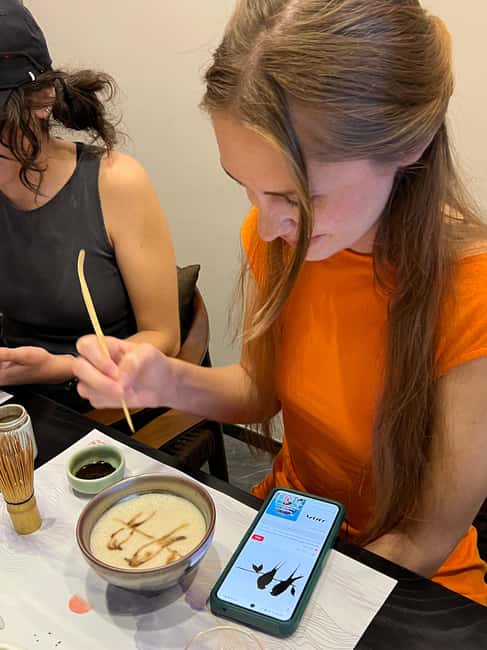
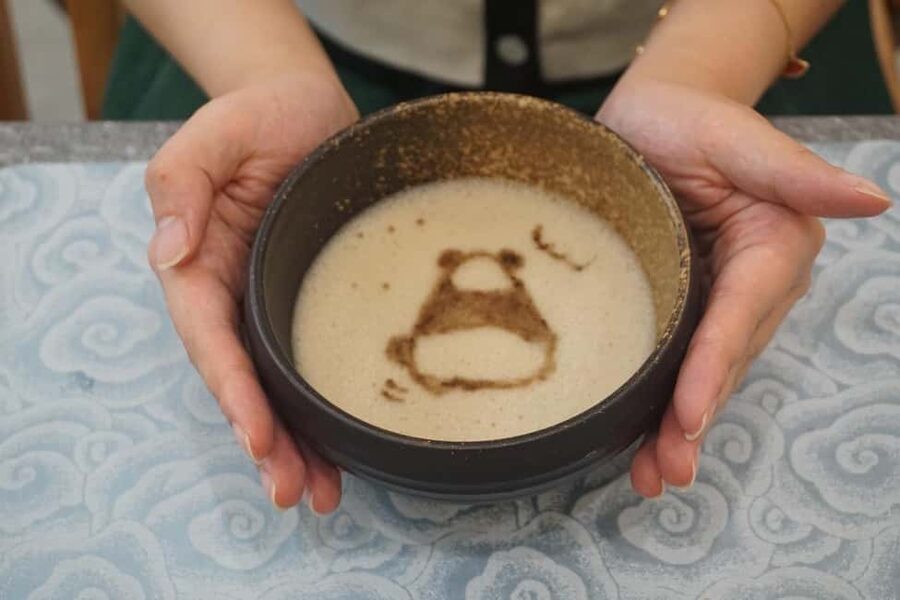
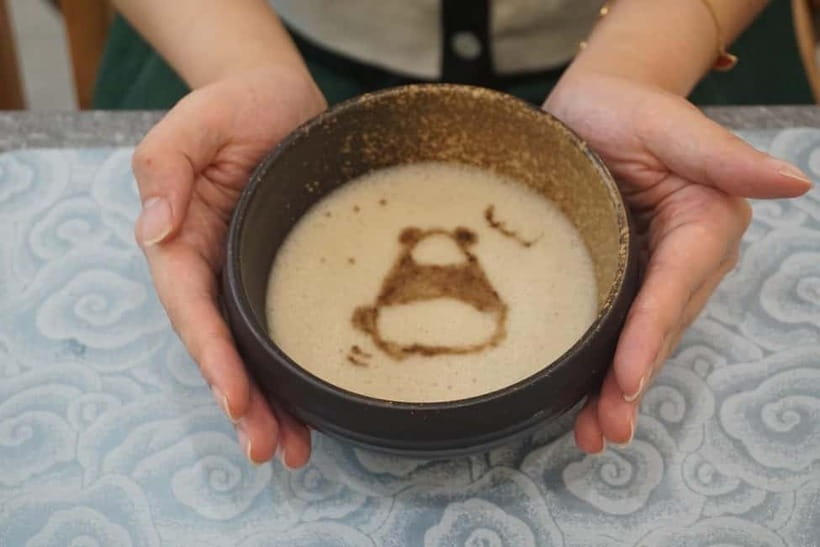
The visual payoff comes when the tea develops a layer of delicate foam. With the right whisking motion, patterns can appear on the surface, sometimes resembling small flowers.
That moment gives the activity its photo-friendly quality. Experience photos are included, and the traditional tools and setting provide plenty to look at even before the tea is ready. If you enjoy crafts, food presentation, or slow rituals, you will probably find the process more satisfying than a standard tasting.
The foam is not just decoration. It shows that you have learned something about the preparation. You can see the result of your whisking immediately, which makes the lesson feel active and rewarding.
Do not expect every bowl to look perfect on the first try. The class is about learning the technique, not producing a competition-level finish. That is part of the fun, especially if you are attending with friends and comparing results.
The ceremony also offers a nice balance between instruction and conversation. You can ask questions while practicing, and the experience is designed as a cultural exchange rather than a silent performance.
Tasting a smooth, freshly whisked cup
Once the tea is prepared, you taste what you have made. The flavor is described as smooth and distinctive, with an aroma that becomes part of the experience before the first sip.
Powdered tea feels different from ordinary steeped tea because the preparation leaves the tea in the drink rather than separating the leaves from the water. The texture, foam, and aroma all matter, so take your time with the tasting.
I would approach this with an open mind. If you normally drink tea with sugar, milk, or strong flavoring, the taste may seem more direct and subtle. The point is to notice how the preparation changes the experience, not to judge it by the standards of a café drink.
The ceremony gives you a chance to taste history in a very literal way. You learn the method, make the drink, and then consider why the process was valued. That connection between action and flavor is the most convincing reason to book.
The activity is also suitable for people who do not consider themselves tea experts. You do not need a trained palate. Curiosity and a willingness to follow instructions are enough.
A traditional setting made for quiet attention
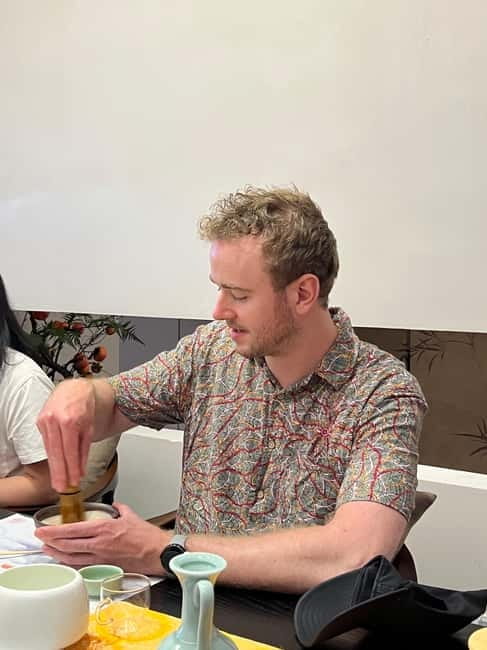
The setting reflects traditional Chinese aesthetics, and the utensils are described as especially beautiful. That visual side matters because Song tea culture placed weight on elegance and presentation.
The atmosphere is meant to encourage focus. You are given time to watch the tea master, practice the whisking, and enjoy the finished drink rather than rushing through a series of samples.
This is a useful contrast to Shanghai’s crowded streets and packed sightseeing schedule. A 1.5-hour appointment gives you a quiet pause without requiring a full day away from the city.
At the same time, you should keep the scale in mind. The experience takes place at a mall address, so it is not presented as a secluded historic teahouse or a preserved Song Dynasty site. The traditional feeling comes from the ceremony, tools, teaching, and design, not from visiting an original Song building.
That distinction helps set fair expectations. You are joining a modern cultural workshop based on historical practice, not stepping into a surviving medieval tea room.
How much value do you get for $78?
The cost is $78 per person, and the session lasts 1.5 hours. That is a fairly high price for a short activity, particularly if you mainly want to drink tea.
The value improves if you treat it as a private cultural lesson. Your fee covers an expert tea master, the powdered tea, all the core utensils, hot water, photos, and language support. You also receive direct instruction instead of simply watching a prepared ceremony.
A private group can make the cost easier to justify. For a family or group of friends, the shared activity gives everyone something to do, and the experience can become a relaxed social occasion. It may also appeal to a work team looking for an educational group activity rather than another meal or sightseeing stop.
I would compare it with the price of other guided cultural workshops in Shanghai, not with the price of a cup of tea. If you want a quick refreshment, this is poor value. If you want a polished, guided introduction to a less familiar tea tradition, it becomes more reasonable.
The reserve now and pay later option also helps with planning. You can hold a place without paying immediately, and free cancellation is available up to 24 hours before the start for a full refund. Those terms give you some flexibility if your Shanghai schedule changes.
Who will enjoy this most?
This experience is best for tea lovers, history enthusiasts, and curious first-timers. You do not need prior knowledge, and the practical lesson gives beginners a clear way into the subject.
Families may enjoy the activity because it combines a short cultural lesson with hand skills. Children who like making things may find the whisking more engaging than a museum talk, though the provided information does not specify a minimum age.
Friend groups should also consider it. The class creates an easy shared challenge, and the foam-making process gives you something to laugh about without turning the ceremony into a loud performance.
It suits couples who prefer quiet cultural activities, too. The ceremony offers conversation and focus, with enough structure to keep the hour and a half moving.
You may want to skip it if you dislike guided rituals, are looking for a full meal, or have little interest in tea. The activity is centered on one preparation method, so it is not a broad sampling of many tea styles.
Practical details that can shape your visit
The experience is available as a private group, which means you can share it with the people in your booking rather than joining an unspecified large crowd. A separate entrance is also listed, helping keep the arrival process direct once you find the correct meeting place.
The activity is wheelchair accessible. If accessibility is important for your party, confirm the arrangements through WhatsApp after booking so the provider knows what support you need.
Instruction is available in English, Chinese, Japanese, Korean, Spanish, and Russian. If you need an interpreter, the experience includes language assistance, and one participant particularly valued that help during the historical explanations.
No hotel transfer is included, and tips are not included. Plan your own route to the mall and carry a little extra cash or use your preferred payment method if you want to tip the tea master.
The provider includes experience photos, but the supplied information does not promise a particular number of images or explain how they are delivered. Ask through WhatsApp if the photos matter to you.
Should you book the Shanghai Song Dynasty tea ceremony?
I would book this if you want a focused cultural activity that lets you make the tea yourself. The expert guidance, beautiful tools, foam-making technique, and historical context give the session more substance than a simple tasting.
The $78 price is easier to accept for a private group, especially when you count the tea, equipment, photos, and instruction. Solo visitors or budget-conscious visitors should think harder, since the 1.5-hour length makes this a premium experience.
Book it for a quiet break from sightseeing, a family activity, or an unusual way to spend time with friends. Skip it if you want a large tea selection, a full meal, or a visit to an original historical site.
FAQ
How long does the Song Dynasty tea ceremony last?
The experience lasts 1.5 hours.
How much does the experience cost?
The price is $78 per person.
Where is the meeting point?
Meet at the main entrance of the mall at 168 Aomen Road, Putuo District, Shanghai 200071.
How do I identify the guide?
Look for a guide wearing a white hat with a red Eto logo.
Will I make the tea myself?
Yes. Under the tea master’s guidance, you learn to prepare powdered tea and whisk it into a frothy drink.
What is included in the price?
The price includes WhatsApp live support, experience photos, an expert tea master, tea bowl, tea whisk, powdered tea, tea scoop, tea tray, hot water kettle, and tea cloth.
Is hotel pickup included?
No. Pickup and drop-off from your hotel are not included.
Can I cancel the booking?
You can cancel up to 24 hours in advance for a full refund. You can also reserve now and pay later.
Newest reviews from Shanghai
- Quick Tour to Xi’an Terracotta Warriors from Shanghai by Air in One Day★ 5.0 · 4 reviews
- Shanghai Zhujiajiao water town,Yugarden&Bund one day tour★ 5.0 · 4 reviews
- Wuzhen Private Full-Day Tour from Shanghai★ 5.0 · 4 reviews
- Private Round Trip Transfer to Zhouzhuang Water Village from Shanghai★ 5.0 · 4 reviews
- Full Day Private Tour Amazing Shanghai City Highlights★ 5.0 · 4 reviews
- Shanghai Tower Observation Deck 118 floor Tickets Pre-booking.★ 5.0 · 4 reviews
- Private Wet Market Visit with Cooking Class in Shanghai★ 3.0 · 4 reviews
- Zhujiajiao & Shanghai:Small Group Tour Water Town to Skyline★ 5.0 · 4 reviews
Tea Tastings, compared.
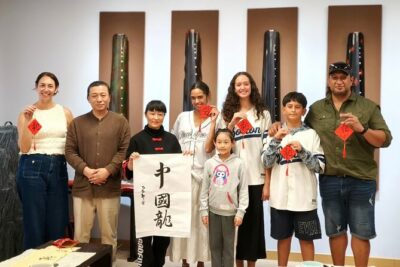
Beijing Culture: Tea Ceremony, Heritage Instrument & Calligraphy
Read our review →
Chinese Tea ceremony in Beijing Hutong courtyard
Read our review →
Leshan Buddha + Panda Base or Old Tea House Private Day Tour
Read our review →
Private Beijing Markets Tour with Tea Tasting at Hongqiao Pearl Market
Read our review →
3-Hour Shanghai Yu Garden &Old Town Private Tour with Tea Tasting
Read our review →Browse the lists this tour appears in