
Reviewed · TEA TASTINGS
Traditional Chinese Tea Ceremony Experience
Tea tells a story. This short Beijing ceremony gives you a calm introduction to Chinese tea culture, with five mini cups covering styles such as oolong, Pu-erh, green, jasmine, and flower tea. I like the friendly tea master and the careful brewing ritual, and the low $9.90 price makes this an easy cultural addition to a busy Beijing day.
I also like the compact format. At about 30 minutes, it suits families, first-time visitors, and anyone who wants more than a quick photo stop without giving half a day to a formal class. The main drawback is that no tour guide is included, so you should not expect a broad Beijing sightseeing tour or a long, detailed lesson.
In This Review
- Key points at a glance
- Why this short Beijing tea ceremony is worth your time
- Arriving near Chang An Grand Theater
- Meeting the tea master
- Watching the careful brewing ritual
- Tasting five mini cups of Chinese tea
- What makes the ceremony feel traditional
- The optional tea purchase after the tasting
- Timing, group size, and transport details
- Who should book this tea experience
- Price and cancellation terms
- Should you book the Beijing tea ceremony?
- FAQ
- Where does the tea ceremony begin?
- Where does the activity end?
- How long does the tea ceremony last?
- How much does the experience cost?
- How many teas are included?
- What types of tea might be served?
- Is a tour guide included?
- Can I cancel for a full refund?
Key points at a glance
- Five tea styles in 30 minutes: Taste a small selection that may include oolong, Pu-erh, green, jasmine, and flower tea.
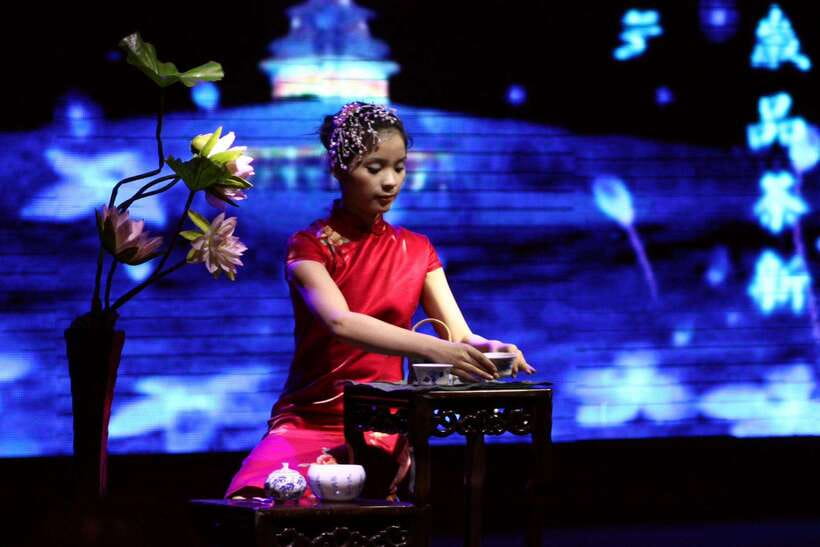
- A ritual, not just a tasting: Watch the tea master warm the pot, brew each tea, and pour it with care.
- Near Chang An Grand Theater: The activity begins on Jiànnei Avenue and ends back at the meeting point.
- A small-group setting: The maximum group size is 15 people, keeping the ceremony more personal than a large coach stop.
- Useful for families: The short length and hands-on tasting make it a reasonable choice for adults and children.
- Optional tea shopping: You can buy tea afterward, but purchases are separate from the $9.90 activity price.
Why this short Beijing tea ceremony is worth your time
China is the birthplace of tea, and that fact gives this experience more weight than a simple drink tasting. Tea has long carried ideas of respect, harmony, attention, and hospitality. In this ceremony, you get a small but clear look at those ideas through the way the tea is prepared and served.
I like the scale of the activity. Thirty minutes is enough time to learn a few useful basics, taste several styles, and watch the preparation without turning your day into a lecture. If your Beijing schedule already includes the Forbidden City, the Great Wall, or a hutong walk, this makes a tidy cultural stop between larger sights.
The price also matters. At $9.90 per person, the activity costs about the same as a casual snack or drink in many major cities. Here, you are paying for instruction, several tastings, and a traditional ritual rather than just a cup of tea. The value is strongest if you are curious about Chinese customs and want a guided introduction.
You should keep your expectations in check. This is not a full tea course, a market visit, or a city tour. You will not have a dedicated guide explaining Beijing’s wider history, and any tea you buy afterward costs extra.
More Tea Tastings in Beijing
- Traditional Chinese Tea Ceremony Experience
★ 4.7 · 74 reviews - Beijing Culture: Tea Ceremony, Heritage Instrument & Calligraphy
★ 5.0 · 57 reviews - Chinese Tea ceremony in Beijing Hutong courtyard
★ 4.7 · 26 reviews
Arriving near Chang An Grand Theater
The listed meeting point is on Jiannei Avenue, also written as Jian Nei Da Jie, in Dongcheng District. The activity is near public transportation, and the meeting location is associated with Chang An Grand Theater.
That central setting can work well for a day of sightseeing. You are not committing to a remote out-of-town excursion or a long transfer. Still, check the exact meeting instructions carefully before leaving, since the information gives a street location and theater reference rather than a detailed landmark inside a venue.
The activity begins at the meeting point and ends there. After the ceremony, the tea master manager can also walk you back to the meeting point or to Jianguomen Subway station. That final escort is useful if you are unsure of the surrounding streets, though the experience itself does not include a dedicated transportation service.
Plan to arrive with enough time to locate the starting point. The ceremony lasts only around 30 minutes, so arriving late could take a noticeable bite out of your tasting.
Meeting the tea master
A friendly tea master greets you on arrival. That personal welcome is important here because the ceremony depends on explanation and demonstration. Without someone showing you what to watch for, the process could look like a series of small cups and careful pours.
The tea master presents the ceremony as a practice of attention. The point is not simply to drink quickly. You are encouraged to notice the appearance of the tea, its aroma, and the taste as it changes from one style to another.
A warm welcome is one of the most praised parts of the available feedback. Richard is also singled out as part of a particularly friendly team, so you may encounter him during the arrival or coordination. The precise role can vary, but the clear lesson is to expect a personal greeting rather than a self-guided setup.
There is no tour guide included. That distinction matters. You receive tea instruction from the tea master, but you should not expect a licensed sightseeing guide to connect every part of the ceremony to Beijing’s temples, palaces, or local neighborhoods.
Watching the careful brewing ritual
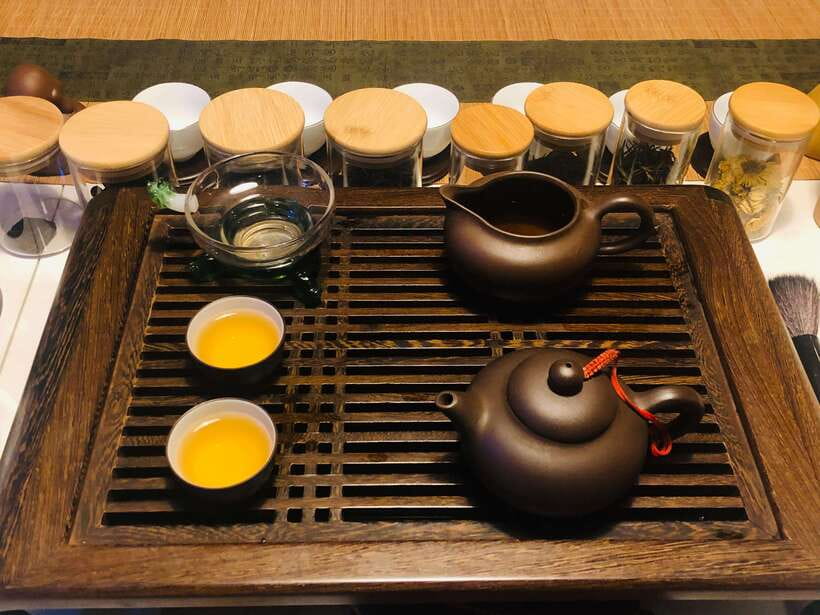
The tea master demonstrates each step with intention. The sequence includes warming the teapot, preparing the leaves, brewing, and pouring the tea into small cups.
These actions may look simple, but they give the ceremony its character. Warming the pot prepares it for the tea. Controlled pouring helps share the brew evenly. The small cups encourage you to focus on aroma and flavor instead of treating the tasting like a large beverage service.
This is also where the activity earns its cultural value. The ceremony expresses respect for the tea, the person serving it, and the people sharing it. It creates a slower pace, which can feel welcome after a morning spent moving through crowded Beijing sights.
You do not need prior tea knowledge. The experience is designed as an introduction, and the tea master demonstrates the proper way to enjoy the tea. If you are already a serious tea enthusiast, you may find the 30-minute format basic, but you can still use it to compare several familiar styles in one sitting.
A completely different kind of day out on the same trip:
- From Beijing: Mutianyu Great Wall Tours with Options
★ 4.9 · 9,216 reviews - Beijing: Forbidden City Tour(Group/Private)-Tickets Included
★ 4.8 · 7,974 reviews - Beijing: T-Square & Forbidden City Group or Private Tour
★ 4.8 · 4,446 reviews - All-Inclusive Tour: Tiananmen Square, Forbidden City, Great Wall
★ 5.0 · 2,873 reviews
Tasting five mini cups of Chinese tea
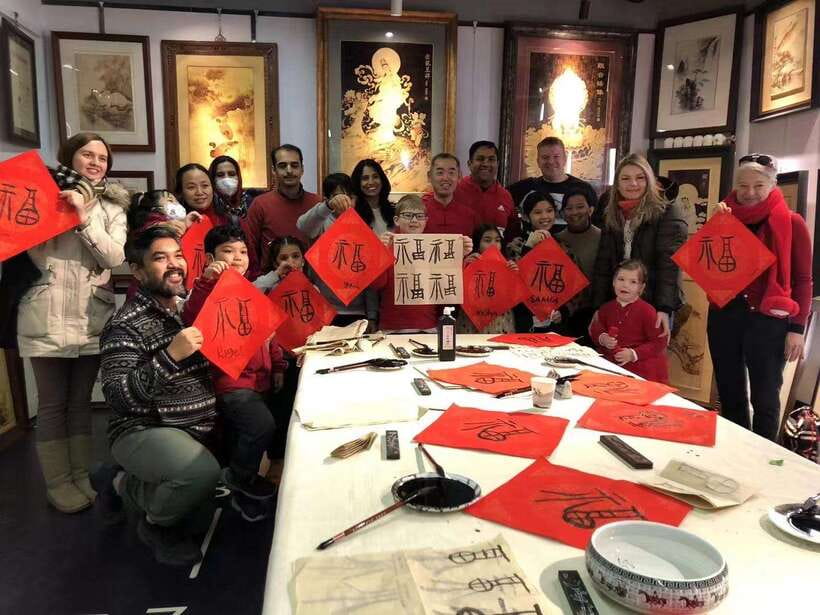
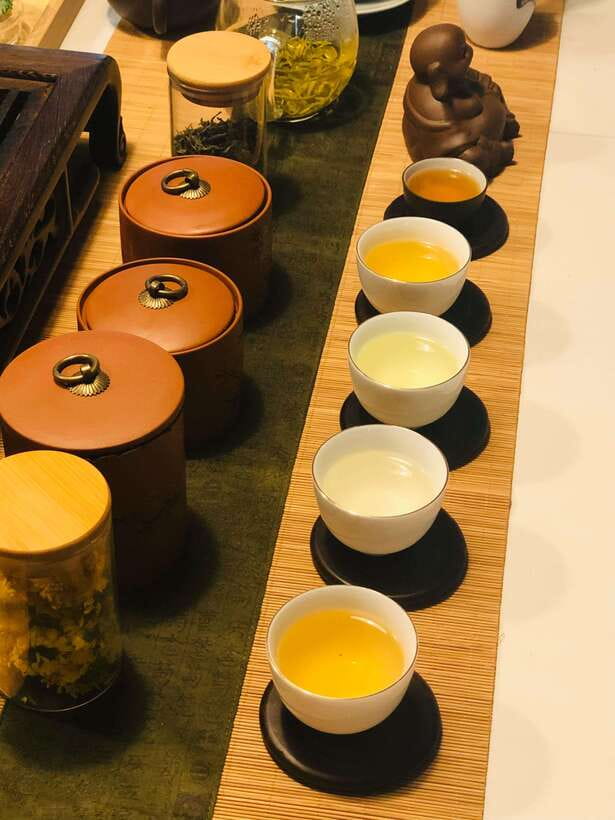
The included tasting consists of five mini cups. The tea selection can include oolong, Pu-erh, green tea, jasmine tea, and flower tea.
The small servings are a sensible choice. They let you sample several types without filling up on tea or losing your sense of comparison. You can pay attention to differences in smell, color, and taste from cup to cup.
Here is what each style can add to the session:
- Oolong: A useful middle ground for comparing lighter and fuller tea styles.
- Pu-erh: A well-known Chinese tea that gives the tasting a more distinctive character.
- Green tea: A familiar style for many people and a simple reference point.
- Jasmine tea: Fragrant and easy to recognize, especially beside less floral teas.
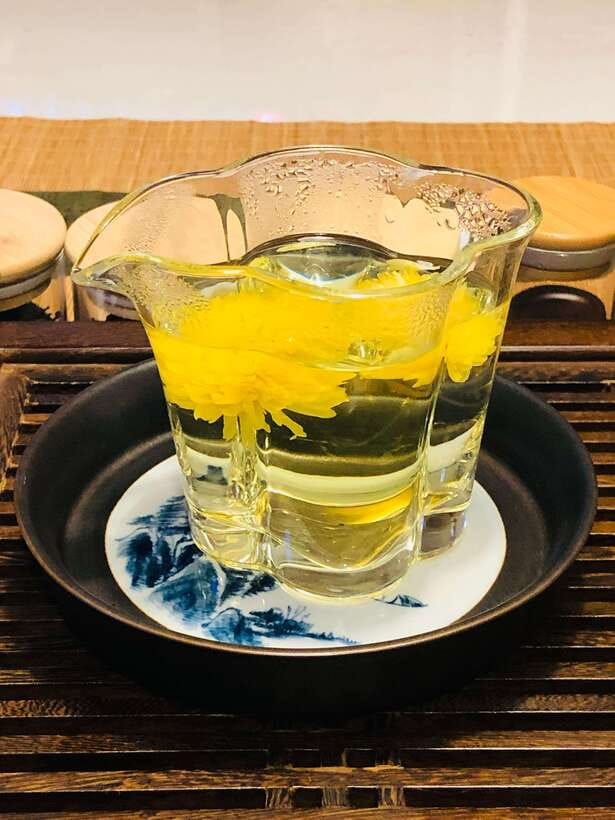
- Flower tea: Adds visual interest and a softer, more decorative part of the tasting.
The exact selection may vary, so do not book expecting a guaranteed five-tea menu in a fixed order. The key promise is a selection of five mini cups, with these styles listed as examples.
For children, the tasting can make the ceremony easier to follow. Five small servings create variety, and the brewing process gives young visitors something to watch. Parents should remember that this is still a tea activity, not a children’s entertainment program, and no separate child menu is listed.
What makes the ceremony feel traditional
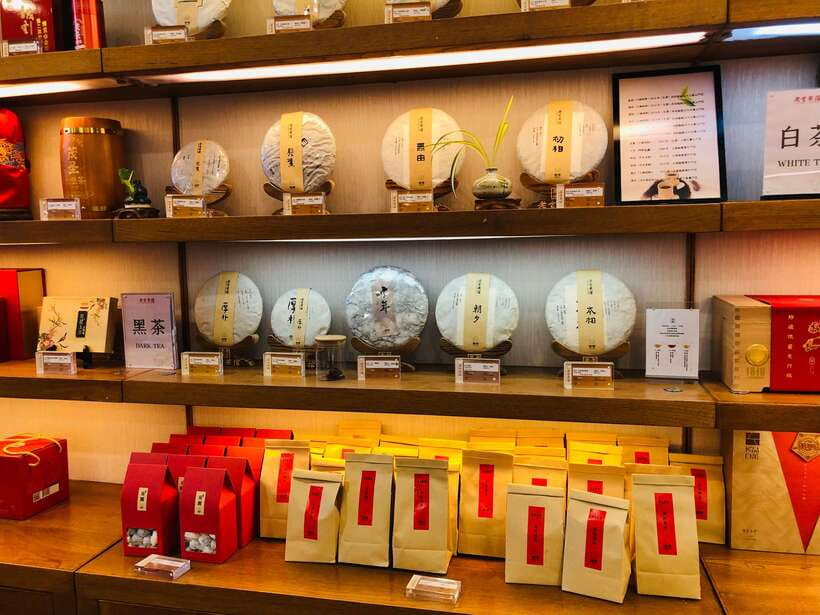
The ceremony’s traditional quality comes from the method rather than from a long performance. The tea master uses measured movements, careful pouring, and an orderly sequence to show how tea can be prepared as a social ritual.
That makes this a good choice if you want cultural context without a formal museum talk. You see the ideas of patience and respect in action. You also learn that proper tea drinking is not only about the final flavor.
I like this kind of activity because it gives you a practical detail to carry into the rest of your China trip. After the session, you may notice how tea is offered in restaurants, shops, or homes. Even a short introduction can help you understand why tea service may receive more care than you expect.
The ceremony is also suitable for adults and children, according to the activity description. Most people can participate, and the group limit is 15. That does not guarantee a private session, but it does keep the maximum well below the size of a major sightseeing group.
The optional tea purchase after the tasting
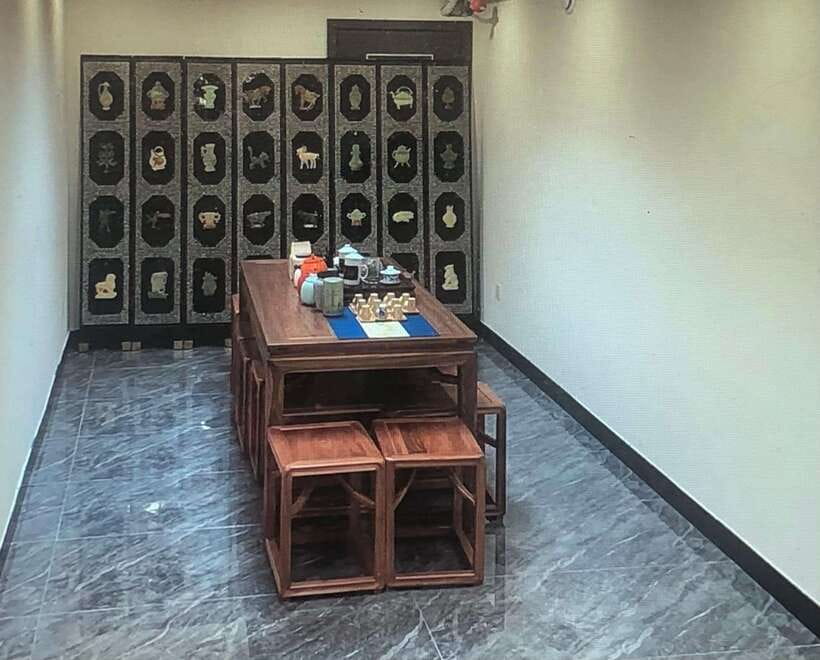
After the ceremony, you have the option to buy tea to take home. This is not included in the activity price, and you should treat it as a separate shopping decision.
The purchase can be useful if you want to share the experience with family or friends. Tea travels more easily than many souvenirs, and the tasting gives you at least a basic sense of what you like before you spend more.
Do not feel that buying tea is part of the required program. The listed inclusions are the ceremony and five mini cups. Shopping expenses are specifically excluded, so budget only what you are comfortable spending.
For the best value, decide in advance if you are interested in buying tea. You can enjoy the ceremony at $9.90 without making a purchase. That separation helps keep the core activity affordable.
Timing, group size, and transport details
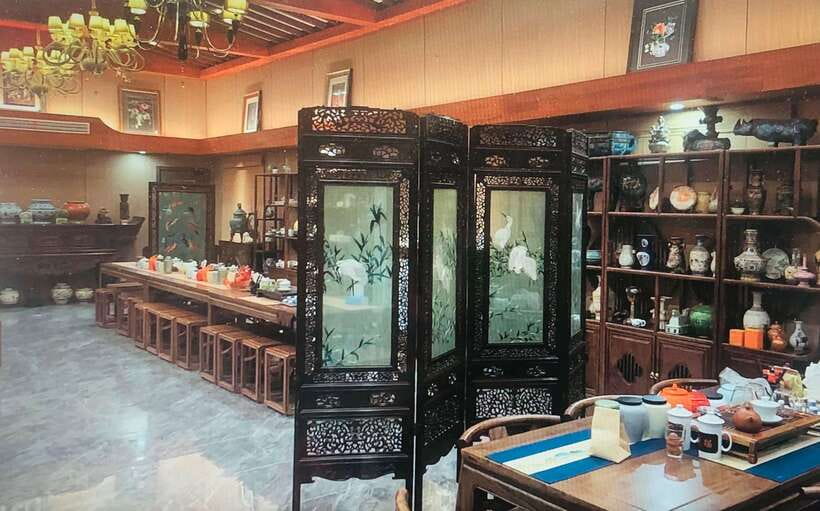
The 30-minute duration is the biggest practical advantage. You can fit it around a morning or afternoon sightseeing plan, and it will not require the planning needed for a half-day class.
The maximum group size is 15 people. A smaller group should make it easier to see the tea master’s movements and hear the explanation. It may not feel private, especially if the session reaches its limit, but it is still a more focused setting than a large tour group.
The activity is near public transportation. It starts on Jiànnei Avenue and ends at the same meeting point. The tea master manager can walk you to Jianguomen Subway station after the ceremony, which gives you a useful onward route.
A mobile ticket is included as a feature. Confirmation is received at booking, so keep the ticket easy to access on your phone. The available details do not provide a full accessibility description, but most people can participate.
The experience is booked, on average, 33 days ahead. That pattern suggests you should reserve early if this specific time and location fit your itinerary, particularly during a busy Beijing visit. The group limit of 15 is another reason not to leave it until the last minute.
Who should book this tea experience
I would recommend it to first-time visitors who want a simple introduction to Chinese tea customs. It is also a good fit for families, couples, and solo visitors who have a spare half hour near central Beijing.
It suits you especially well if:
- You want a cultural activity rather than another major monument.
- You enjoy tasting several styles in small portions.
- You prefer a short appointment with clear boundaries.
- You want to learn how tea is prepared, not just drink it.
- You may want to take tea home afterward.
- You are traveling with children who can handle a calm 30-minute activity.
I would look elsewhere if you want a long tea education, a market tour, a private ceremony, or a guide who explains Beijing beyond the tea table. The activity is intentionally limited, and that is both its strength and its weakness.
Price and cancellation terms
At $9.90 per person, the value is good if you use the session as a cultural break. You receive the ceremony, instruction from a tea master, and five mini cups. The cost remains modest even if you decide not to purchase tea afterward.
Free cancellation is available if you cancel at least 24 hours before the local start time. Cancellations made within 24 hours are not refunded, and changes inside that window are not accepted. Keep that rule in mind if your Beijing plans depend on weather or shifting sightseeing times.
Should you book the Beijing tea ceremony?
Book it if you want a friendly, low-cost introduction to Chinese tea culture that fits neatly into a busy day. The careful brewing, five small tastings, convenient central meeting point, and possible walk to Jianguomen Subway station make it practical as well as interesting.
Skip it if you expect a full guided tour or an advanced tea class. For most visitors, though, 30 minutes is just enough time to slow down, taste something new, and understand why tea preparation matters in Chinese culture.
FAQ
Where does the tea ceremony begin?
It begins on Jiannei Avenue, also known as Jian Nei Da Jie, in Dongcheng District, Beijing. The meeting point is associated with Chang An Grand Theater.
Where does the activity end?
The activity ends back at the meeting point. The tea master manager can also walk you to Jianguomen Subway station after the ceremony.
How long does the tea ceremony last?
The ceremony lasts approximately 30 minutes.
How much does the experience cost?
The listed price is $9.90 per person.
How many teas are included?
Five mini cups of tea are included.
What types of tea might be served?
The tasting may include oolong, Pu-erh, green tea, jasmine tea, and flower tea.
Is a tour guide included?
No. A tour guide is not included, but a tea master leads the brewing demonstration and tasting.
Can I cancel for a full refund?
Yes. You can receive a full refund if you cancel at least 24 hours before the experience start time. Cancellations and changes made within 24 hours are not accepted for a refund.
Newest reviews from Beijing
- Beijing: Explore the Forbidden City in Hanfu★ 5.0 · 4 reviews
- Beijing Tai Chi and Tea Ceremony Experience★ 5.0 · 4 reviews
- Jinshangling Great Wall Of Beijing Tickets And Other Option★ 4.0 · 4 reviews
- Tour the Great Wall with a Native from Downtown Beijing★ 4.8 · 4 reviews
- Private Full-Day Great Wall of China Hiking Tour from Jiankou to Mutianyu★ 4.5 · 4 reviews
- Beijing: Badaling Great Wall Private Tour w Language Option★ 4.3 · 4 reviews
- Beijing:Summer Palace & Tea or Calligraphy Experience Tour★ 4.6 · 4 reviews
- 7 Days Private Tour of Beijing, Xian, Shanghai by Bullet Train★ 5.0 · 4 reviews
Tea Tastings, compared.
Beijing Culture: Tea Ceremony, Heritage Instrument & Calligraphy
Read our review →
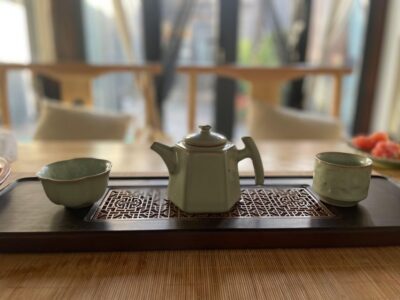
Chinese Tea ceremony in Beijing Hutong courtyard
Read our review →
Leshan Buddha + Panda Base or Old Tea House Private Day Tour
Read our review →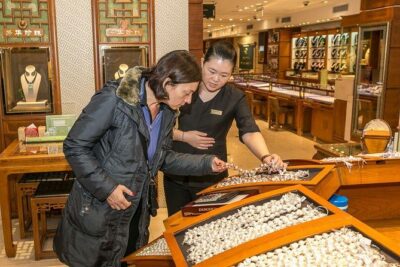
Private Beijing Markets Tour with Tea Tasting at Hongqiao Pearl Market
Read our review →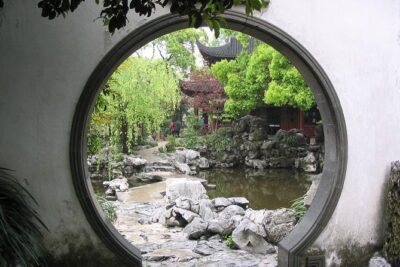
3-Hour Shanghai Yu Garden &Old Town Private Tour with Tea Tasting
Read our review →Browse the lists this tour appears in