
Reviewed · CALLIGRAPHY CLASSES
Beijing Hands-On Culture Tour: Tea, Instrument, Calligraphy
Culture is better when your hands get involved. This small-group Beijing experience packs tea, guqin music, calligraphy, Hanfu dressing, ritual, and photography into one friendly session at a private art center. I like the hands-on format, especially the chance to play a full melody on the ancient guqin instead of sitting through a standard demonstration. I also like the thoughtful English guidance, which links each activity to Chinese history, symbolism, and daily customs.
The main thing to consider is the timing. The experience is advertised as lasting three hours, while the core cultural program is described as about two and a half hours. That is still a good use of a morning or afternoon, but you should leave extra time around it for arrival, dressing, photographs, and transport.
In This Review
- What makes this Beijing experience worth your time
- Tea first: three brews and six careful steps
- The guqin lesson is the real centerpiece
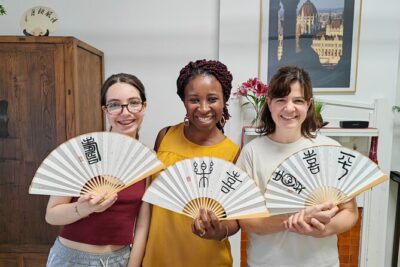
- Calligraphy with brush, ink, and your own words
- Hanfu, photos, and the visual side of Chinese culture
- More than a lesson: rituals, stories, and local contact
- Why the small group limit matters
- Getting there and planning the time
- Is $15 a fair price?
- Who should book this experience?
- My verdict: book it for participation, not sightseeing
- FAQ
- How long does the Beijing culture experience last?
- What languages are available?
- Is transportation included?
- What is included in the price?
- Is the activity suitable for wheelchair users?
- Can I cancel or pay later?
What makes this Beijing experience worth your time
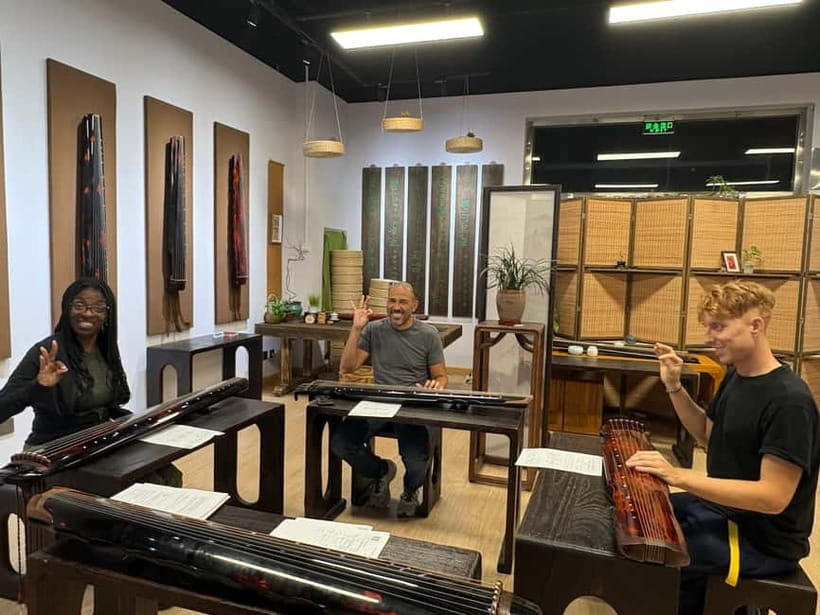
- You play the guqin yourself: A master guides you through an ancient melody, step by step.
- Tea becomes a ritual, not just a drink: You brew three types of Chinese tea and learn a six-step ceremony.
- Calligraphy has personal meaning: You can write your name or words such as peace and blessing with brush and ink.
- Hanfu adds a visual link to the past: Traditional clothing is provided, along with a photo session.
- The group stays small: With no more than 10 participants, the instructor can give personal help.
- The price is unusually low: At $15 per person, you receive instruction, tea, costume rental, photographs, and souvenirs.
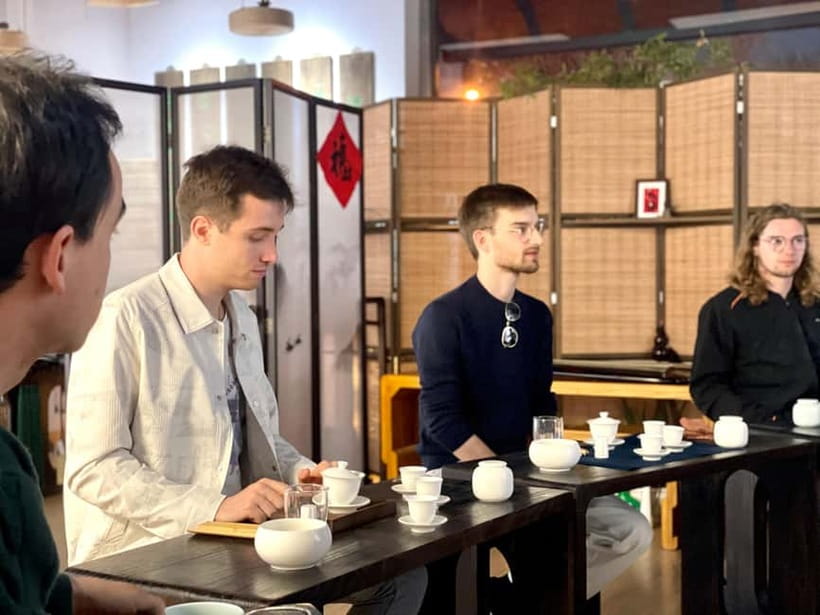
Tea first: three brews and six careful steps
The tea portion gives the session a calm opening. A professional tea master teaches a six-step ritual before guiding you through three classic Chinese teas: red, green, and floral.
This is more useful than simply being handed a cup. You are asked to notice differences in aroma, taste, and tradition, then take part in the preparation yourself. The ritual also shows how Chinese tea culture values patience, attention, and the act of serving another person.
I like this part because it gives you something practical to remember. At the end, you may not be ready to run a tea house, but you will have a clearer sense of why different teas are prepared and enjoyed in different ways.
The tea is included, along with water. Meals and other drinks are not included, so do not treat this as a substitute for lunch. It is best seen as a guided tasting and cultural lesson.
The setting matters here. The activity takes place indoors in an air-conditioned private art center rather than in a crowded public attraction. That makes the experience easier on hot Beijing days and gives the instructor a quieter room for explanation.
More Calligraphy Classes in Beijing
- Beijing Calligraphy Class
★ 4.9 · 112 reviews - Chinese Calligraphy Class for Small Group
★ 5.0 · 104 reviews - Beijing Historic City Guided Walking Tour + Calligraphy Creation
★ 5.0 · 59 reviews
The guqin lesson is the real centerpiece
The guqin is one of China’s oldest and most respected musical instruments. Its sound is soft, low, and restrained, quite different from the bright volume of many instruments used in public performances.
You do not merely watch a teacher play. A guqin master guides you through the finger positions and rhythm until you can play a complete ancient melody. The description promises a step-by-step lesson, and the small group limit gives the instructor room to correct your hands and help you find the pattern.
That distinction is important. Many cultural programs offer a short concert and call it participation. Here, the appeal is the attempt itself. You may produce a hesitant first version, but that is part of the fun. The goal is not a polished performance. It is to feel how the instrument works and understand why its sound carries such a quiet, thoughtful mood.
A professional guqin performer also serves as the tutor, with English support available. That helps if you have never encountered the instrument before and want more than a quick photo beside it.
Families should pay attention to this part. One family included children aged 9 and 14, while another group included children and adults from ages 11 to 40. The activity appears to work well across ages because it combines demonstration, guided practice, and a clear goal.
Still, the guqin lesson requires patience. If you want fast music with a strong beat, this may feel slow. If you enjoy trying an unfamiliar instrument and hearing a rare traditional sound, it is likely to be the most memorable section.
Calligraphy with brush, ink, and your own words
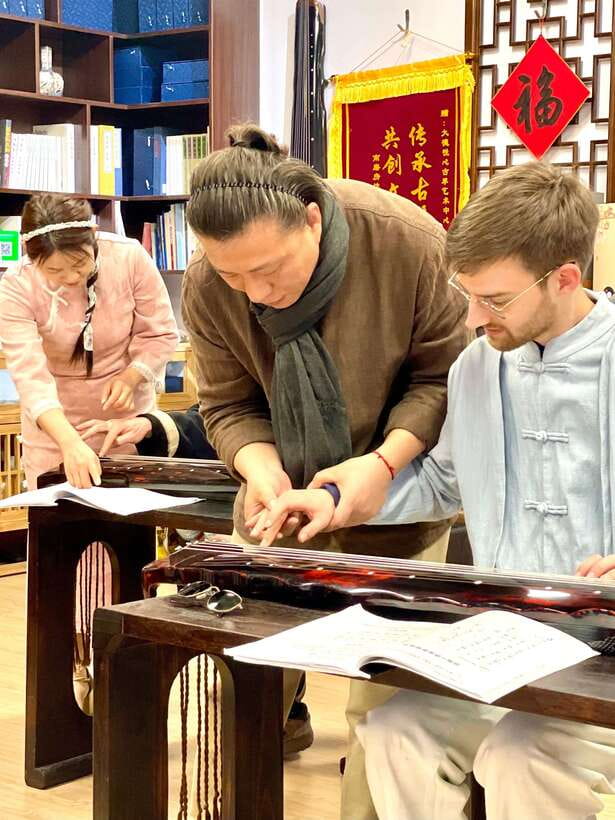
The calligraphy lesson moves from sound to touch. You learn about the development of Chinese writing, then use real brush and ink to write your name or a meaningful word.
Suggested choices include peace and blessing. That gives the activity a personal angle, especially for first-time visitors who want to take home something more lasting than a souvenir bought in a shop.
Calligraphy can look intimidating at first. The brush does not behave like a pencil, and the order of strokes matters. The instructor helps you understand the forms rather than asking you to copy a page without context.
I would approach this as a relaxing craft, not a test of artistic skill. Your first character may wobble. That is fine. The value comes from slowing down, learning why the strokes are shaped as they are, and making a piece with your own hands.
This is also one of the strongest parts for children. It gives them a clear project, and the finished piece provides a simple way to remember the visit. Adults who enjoy stationery, drawing, or quiet creative activities should find plenty to like here.
Hanfu, photos, and the visual side of Chinese culture
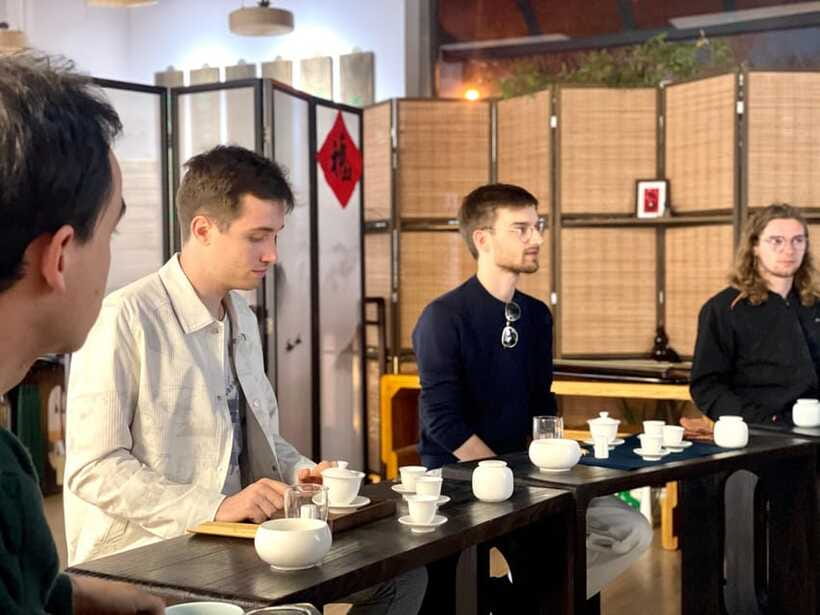
Hanfu rental adds a change of pace. You can put on traditional Chinese clothing, then take photographs during the session. The rental and photos are included, which improves the value of the $15 price considerably.
The clothing is not just a costume change for a quick picture. It helps connect the visual details of the experience with older Chinese customs and artistic traditions. After tea, music, and calligraphy, wearing Hanfu gives you a different way to think about how culture is expressed through fabric, posture, and presentation.
Bring your own camera if you want extra pictures. A photo shoot is included, but the supplied information does not specify how many photographs you receive or the delivery method. Your phone or camera gives you a useful backup.
Wear comfortable clothes underneath the Hanfu. You may spend time changing, sitting, handling instruments, and writing, so comfort matters more than dressing up before you arrive. Arriving 10 minutes early gives you time to prepare without cutting into the cultural session.
The clothing may be the part that appeals most to people who want a visual memory of Beijing. One adult specifically enjoyed the gorgeous dress and writing a name and blessing in Chinese. That combination makes a good keepsake, especially if you are marking a first visit to China.
A completely different kind of day out on the same trip:
- From Beijing: Mutianyu Great Wall Tours with Options
★ 4.9 · 9,216 reviews - Beijing: Forbidden City Tour(Group/Private)-Tickets Included
★ 4.8 · 7,974 reviews - Beijing: T-Square & Forbidden City Group or Private Tour
★ 4.8 · 4,446 reviews - All-Inclusive Tour: Tiananmen Square, Forbidden City, Great Wall
★ 5.0 · 2,873 reviews
More than a lesson: rituals, stories, and local contact
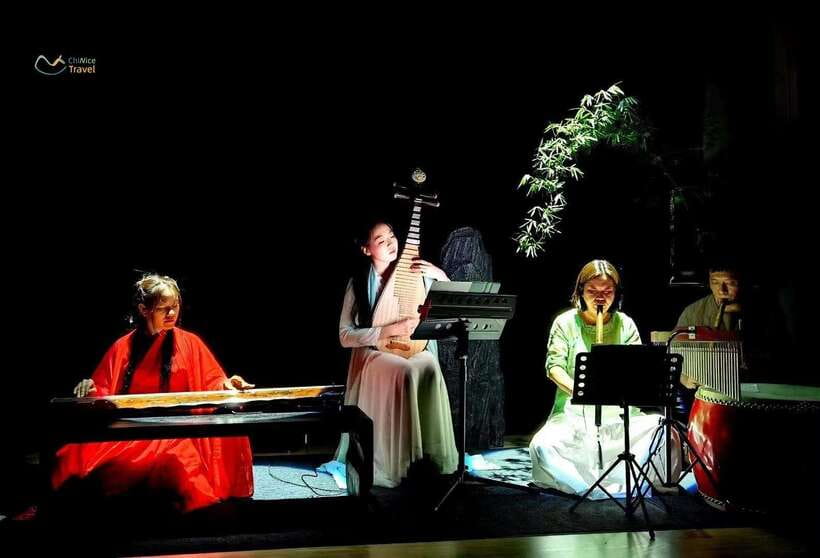
The activity is presented as a six-part cultural experience. Along with tea, guqin, and calligraphy, it includes cultural rituals, Hanfu, photographs, and original souvenirs.
The guide’s role is important. English and Chinese are available, and the guide is meant to explain the meaning behind the actions, not simply translate instructions. That can turn a series of crafts into a connected picture of Chinese culture.
You should expect explanations of history, philosophy, symbolism, and the reasons behind certain rituals. The exact balance may depend on the group, the instructor, and the time available, but the format aims to give context before asking you to take part.
The art center also introduces visitors to masters and younger artists. One family particularly enjoyed meeting emerging artists and seeing their enthusiasm. This gives the session a community feel rather than the polished, distant quality of a stage show.
That said, the experience takes place in a certified private art center, not a historic palace or famous temple. If you want grand architecture or a major Beijing landmark, this is not the right choice. You are coming for instruction and personal contact, not a sightseeing view.
Why the small group limit matters
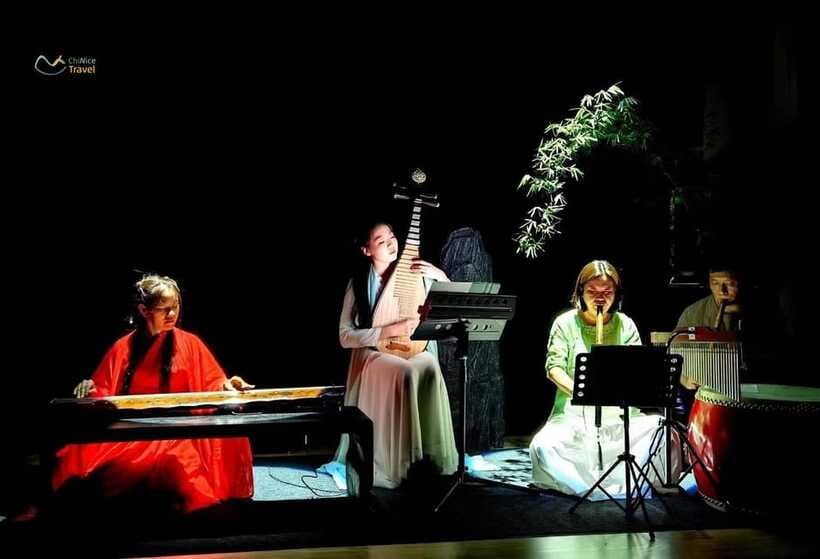
The group is limited to 10 people. That is a useful size for activities involving brushes, tea equipment, costumes, and musical instruments.
In a larger class, you might spend much of the session watching someone else practice. Here, the instructor has a better chance of helping each person with the guqin, brush angle, or tea steps. It also makes it easier to ask questions in English.
The small size should suit families, couples, solo visitors, and mixed-age groups. Parents can take part with children rather than standing at the edge. Older family members can join without needing to keep up with a walking tour.
One useful personal touch came before the visit, when Sylvia asked about allergies so arrangements could be made. That suggests the organizers pay attention to individual needs, though you should still raise any concern when booking and again on arrival.
The setting is air-conditioned and described as welcoming for all ages. It is also wheelchair accessible. Those features make this a practical break from Beijing’s heat, traffic, and long days on foot.
Getting there and planning the time
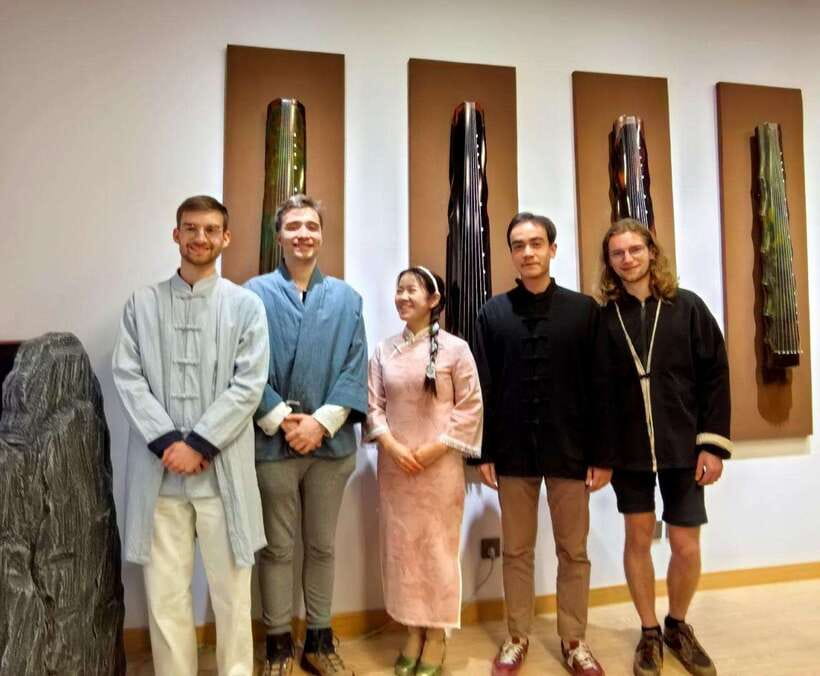
Transportation to and from the art center is not included. You need to arrange your own route and should not assume that a hotel pickup comes with the booking.
One family staying at the Kerry Hotel used the train after sorting out their tickets, then met Sylvia at the metro entrance. She helped them find the art center. That is a useful example of how the meeting arrangement may work, but confirm the exact meeting point and directions before setting out.
Arrive 10 minutes early. You need that cushion for finding the entrance, preparing for Hanfu, and settling into the room. Beijing travel can take longer than expected, so avoid scheduling a major attraction immediately afterward.
The activity has a listed duration of three hours, while the main program is also described as 2.5 hours. I would plan for the full three hours, plus travel time. That keeps the experience relaxed and protects you from having to leave before the calligraphy or photos are finished.
You can check available starting times when booking. Reserve-now, pay-later booking is offered, and cancellation is free up to 24 hours in advance. Those terms help if your Beijing plans may change.
Is $15 a fair price?
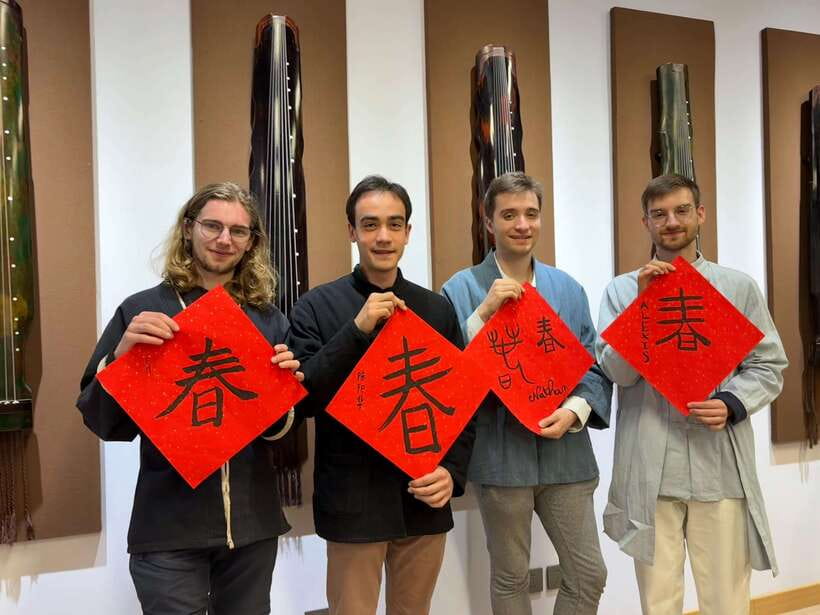
At $15 per person, this is one of the easier cultural activities to recommend on value alone. The fee includes tea, the tea lesson, guqin instruction, a professional guide or tutor, Hanfu rental, photographs, a show ticket, and original souvenirs.
The price is especially good for families. Five people can take part without paying the cost of a private class, and children have several different activities to hold their attention.
The value also comes from variety. If one section is not your favorite, you still have tea, music, writing, clothing, and photos. A single activity can feel like several short cultural introductions rather than one long lecture.
There are limits. Transportation, meals, drinks beyond the included tea and water, and personal purchases cost extra. You also should not expect an advanced guqin course or professional calligraphy training in a few hours.
Think of the fee as an accessible first introduction. You get expert contact, guided practice, and tangible memories without committing half a day to a large cultural show.
Who should book this experience?
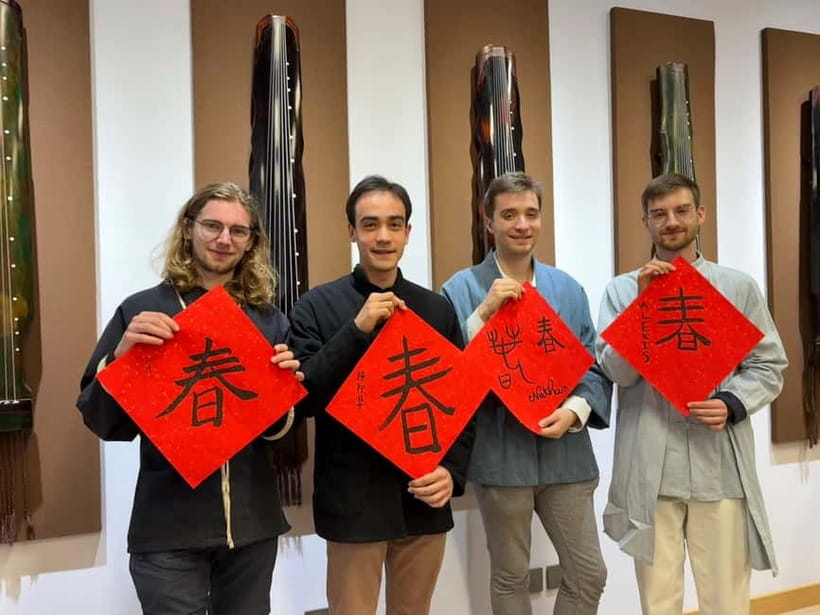
I would recommend it most strongly to first-time visitors who want a cultural activity that does not depend on long historical explanations or lots of walking.
It suits:
- Families with children and teenagers
- Adults curious about traditional music
- Visitors who want to try calligraphy rather than only watch it
- People looking for a calm indoor activity
- Couples or solo visitors who enjoy photographs and creative projects
- Anyone with limited Beijing time who wants several cultural elements in one booking
It may not suit you if your priority is a major landmark, a full-length concert, a formal tea tasting, or a serious music lesson. The session is introductory and social. You will get a taste of several traditions, not years of mastery in an afternoon.
The English guidance is a major help for international visitors. The French and English-speaking participants described the explanations as easy to follow, and the language offering is Chinese and English. If you need another language, the available information does not promise it.
My verdict: book it for participation, not sightseeing
I would book this experience if I wanted a low-cost, indoor way to connect with Chinese culture through action. The strongest features are the guqin lesson, the chance to write personal calligraphy, and the patient English guidance that ties each activity to a larger idea.
Plan carefully around transport, arrive early, wear comfortable clothing for Hanfu, and allow the full three hours. Bring a camera, but remember that meals and transport are separate.
For $15, you get an unusually broad introduction with real participation. It will not replace a visit to Beijing’s palaces, temples, or museums. It can add something those places cannot: a melody played by your own fingers, tea prepared by your own hands, and a brush-written memory to carry home.
FAQ
How long does the Beijing culture experience last?
The activity has a listed duration of three hours, while the main cultural program is also described as about 2.5 hours. Plan for the full three hours, including preparation and photography.
What languages are available?
Instruction and guidance are available in Chinese and English.
Is transportation included?
No. You arrange your own transportation to and from the private art center.
What is included in the price?
The experience includes water or tea, a show ticket, Hanfu rental, photography, a guqin class, a professional guide or tutor, and original souvenirs.
Is the activity suitable for wheelchair users?
Yes. The experience is listed as wheelchair accessible.
Can I cancel or pay later?
You can cancel up to 24 hours in advance for a full refund. Reserve-now, pay-later booking is also available.
More Workshops and Classes in Beijing
- Beijing: Dumpling Making Workshop with Meal and Tea
★ 4.7 · 69 reviews - Online Cooking Class Beijing Dumplings and Cuisine by Sunflowerli Renowned Chef
★ 5.0 · 65 reviews - Beijing Wangfujing Calligraphy Class by Forbidden City
★ 5.0 · 58 reviews - Beijing Wangfujing Calligraphy Class Nearby Forbidden City
★ 5.0 · 56 reviews
Newest reviews from Beijing
- Beijing: Explore the Forbidden City in Hanfu★ 5.0 · 4 reviews
- Beijing Tai Chi and Tea Ceremony Experience★ 5.0 · 4 reviews
- Jinshangling Great Wall Of Beijing Tickets And Other Option★ 4.0 · 4 reviews
- Private Full-Day Great Wall of China Hiking Tour from Jiankou to Mutianyu★ 4.5 · 4 reviews
- Tour the Great Wall with a Native from Downtown Beijing★ 4.8 · 4 reviews
- Beijing: Badaling Great Wall Private Tour w Language Option★ 4.3 · 4 reviews
- Beijing:Summer Palace & Tea or Calligraphy Experience Tour★ 4.6 · 4 reviews
- 7 Days Private Tour of Beijing, Xian, Shanghai by Bullet Train★ 5.0 · 4 reviews
Calligraphy Classes, compared.
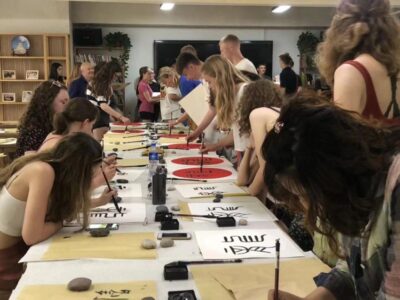
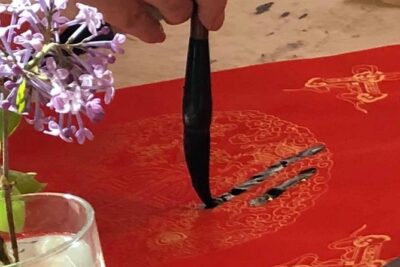
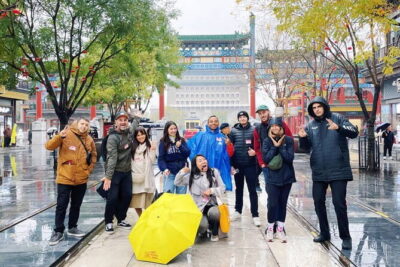
Beijing Historic City Guided Walking Tour + Calligraphy Creation
Read our review →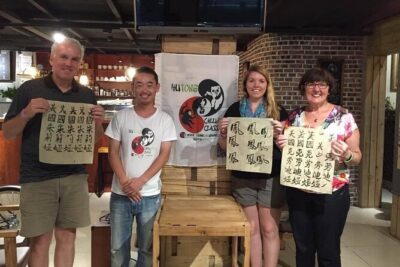
Beijing Wangfujing Calligraphy Class by Forbidden City
Read our review →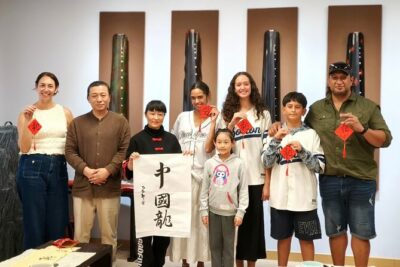
Beijing Culture: Tea Ceremony, Heritage Instrument & Calligraphy
Read our review →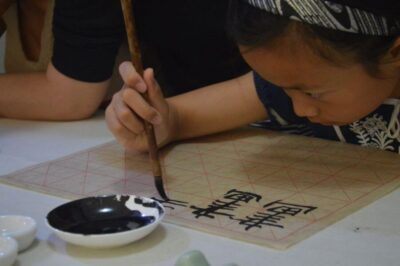
Beijing Wangfujing Calligraphy Class Nearby Forbidden City
Read our review →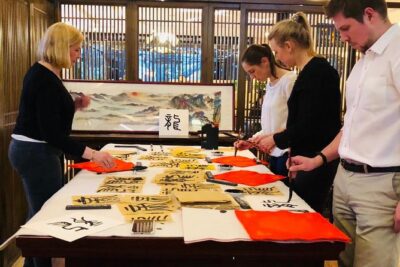
2-Hour Chinese Calligraphy with an Artist in Shanghai, China
Read our review →Browse the lists this tour appears in