
Reviewed · TEA TASTINGS
Tea Tasting & Brewing Experience
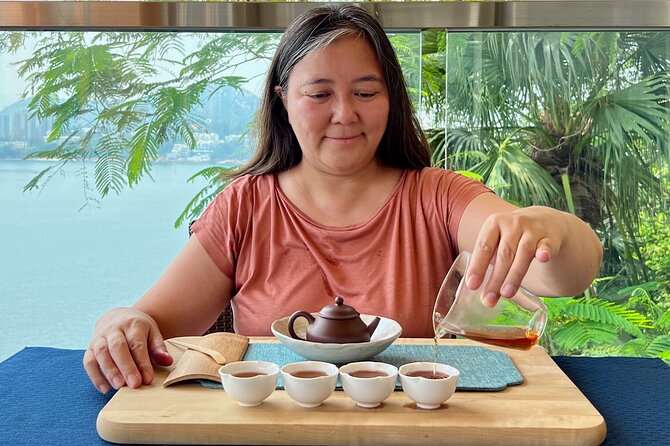
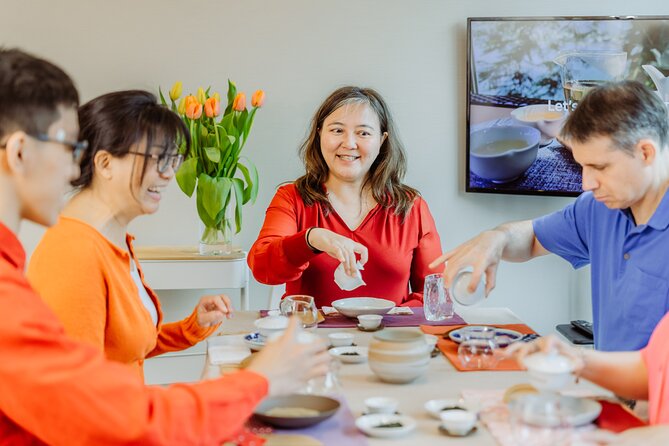
Tea can be a full sensory lesson. In 90 minutes, this small-group class in Wan Chai introduces you to six tea categories, professional tasting methods, seasonal teas, and hands-on brewing with a gaiwan. I like the intimate group size of six and the chance to do more than simply sip a cup. You learn how aroma, flavor, water, timing, and brewing technique work together.
I also like that the session is led by a professional tea taster rather than treating tea as a quick tasting-room novelty. The host, Cecilia, has been praised for making the class friendly, clear, and fun. The main consideration is the price, $55.11 per person, which is fair if you want instruction and participation, but high if you only want a few samples and a casual drink.
In This Review
- Key points at a glance
- Why this Hong Kong tea class is worth your time
- Arriving at 382 Lockhart Road in Wan Chai
- The opening lesson: tea facts, myths, and six categories
- Learning how professional tea tasters judge a cup
- Brewing with a gaiwan, the most useful part
- Seasonal tea and complimentary snacks
- Cecilia’s teaching style and the small-group setting
- Is $55.11 good value?
- Who should book this tea experience?
- Timing, booking, and cancellation advice
- Should you book the Hong Kong tea tasting?
- FAQ
- How long does the tea tasting and brewing experience last?
- Where does the activity start?
- Where does the experience finish?
- How many people can join the session?
- What will I learn during the tea class?
- Are snacks included?
- Can I cancel for a full refund?
Key points at a glance
- Hands-on gaiwan brewing: You prepare your own tea and test the elements that shape the final cup.
- Six tea categories: The session explains what makes each type different, including how processing affects taste and aroma.
- Professional tasting skills: You learn how trained tea tasters assess fragrance, flavor, and other qualities.
- Small group of six: The limited size should allow more questions and personal attention than a large tasting.
- Seasonal teas with snacks: Tea is paired with complimentary snacks, giving you a simple way to compare flavors.
- Central Wan Chai meeting point: The class starts and ends at 382 Lockhart Road, near public transportation.
Why this Hong Kong tea class is worth your time
Hong Kong is an easy place to drink tea, but it is not always easy to understand what is in your cup. Menus can list tea names without explaining how the leaves were processed, why one tea smells floral while another tastes roasted, or why a different brewing time changes the result.
This class gives you a framework. Rather than handing you one perfect cup, it shows you how to notice differences for yourself. That matters because tea tasting is less about memorizing labels and more about training your senses.
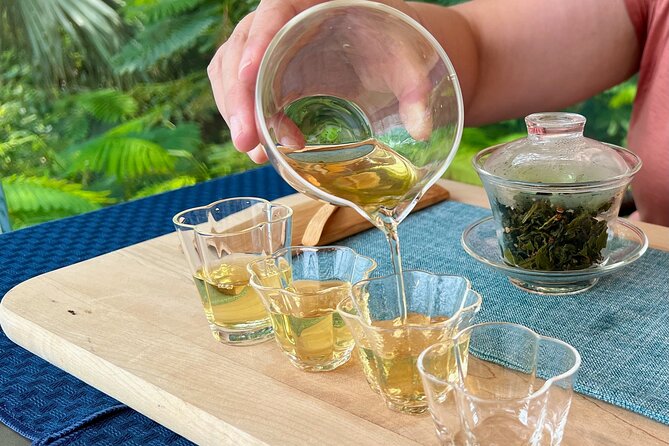
I especially like the practical focus. You are not simply told that brewing temperature and steeping time matter. You get to work with a gaiwan and see how those choices affect the drink. If you tend to pour boiling water over every tea and leave the leaves sitting until the cup becomes harsh, this lesson should give you a better method.
The experience also suits curious beginners. You do not need to arrive knowing tea vocabulary or the difference between the six categories. The class is designed to explain the basics, then let you taste and compare.
More tea tastings:
- Tea Tasting and Pairing Concept Workshop
★ 5.0 · 57 reviews - Traditional Chinese Tea Ceremony Experience
★ 4.7 · 74 reviews - Beijing Culture: Tea Ceremony, Heritage Instrument & Calligraphy
★ 5.0 · 57 reviews
Arriving at 382 Lockhart Road in Wan Chai
The meeting point is 382 Lockhart Road, Hong Kong, in the Wan Chai area. The location is near public transportation, which makes it practical to fit the class into a day of sightseeing. You receive a mobile ticket, so you can keep the booking on your phone rather than print anything.
The activity begins and ends at the same location. That is useful if you are planning another stop afterward, since you do not need to arrange a separate return journey or figure out where the class finishes.
The available information does not specify the exact room, storefront, or nearby landmark at the meeting point. I would allow a little extra time to locate the address, especially if you are unfamiliar with Wan Chai. Have your confirmation ready on your phone and check the local meeting instructions before setting out.
Because the group is limited to a maximum of six people, the atmosphere should feel more like a small class than a public demonstration. That is one of the strongest reasons to choose this activity over a broad food tour or a crowded tasting event.
The opening lesson: tea facts, myths, and six categories
The first part of the session introduces tea culture and clears up common facts and myths. This is a useful starting point because tea talk can quickly become confusing. Different names may refer to leaf styles, processing methods, regions, or brewing traditions, and those terms do not always tell you what the tea will taste like.
You then learn about the six categories of tea and what makes each one distinct. The important point is not merely remembering six names. You begin to see how tea changes from leaf to cup and why processing has such a major effect on color, fragrance, body, and finish.
This part should appeal to both serious tea drinkers and complete beginners. If you already buy loose-leaf tea, the lesson may help you make better choices. If your tea knowledge begins and ends with ordering milk tea or pouring a bag into a mug, you get a clear introduction without needing specialist background.
The class also gives you useful tasting language. Instead of saying only that a tea is good or strong, you learn to consider its aromas and flavors in more specific ways. That can make future tea shopping less of a guessing game.
Learning how professional tea tasters judge a cup
A major strength of the experience is its attention to professional tasting. You get a glimpse of what tea tasters look for when they evaluate tea, including the complex aromas and flavors that can be easy to miss when you drink quickly.
This does not mean you need to become a tea expert in one afternoon. The value is in learning where to focus your attention. You may notice fragrance before tasting, compare the first sip with later sips, or pay closer attention to texture and aftertaste.
I like this part because it turns tasting into an active skill. You are encouraged to pause, smell, sip, and compare rather than simply accept the first impression. That approach also helps explain why two people can react differently to the same tea without one of them being wrong.
The session includes a selection of premium teas chosen for the season. Since the exact teas are not specified, the selection may vary by date. That is a positive if you enjoy trying something timely, but it also means you should not book this class expecting a particular named tea unless the provider confirms it in advance.
More food tours in Hong Kong:
- Hong Kong’s Tin Hau Hidden Eats Food Tour with 7+ Local Tastings
★ 5.0 · 352 reviews - Small-Group Hong Kong Island Food Tour
★ 5.0 · 343 reviews - Hong Kong Food Tour: Central and Sheung Wan Districts
★ 5.0 · 333 reviews - Hong Kong Street Food Tour with Locals – Dim Sum, Wonton & more
★ 5.0 · 226 reviews
Brewing with a gaiwan, the most useful part
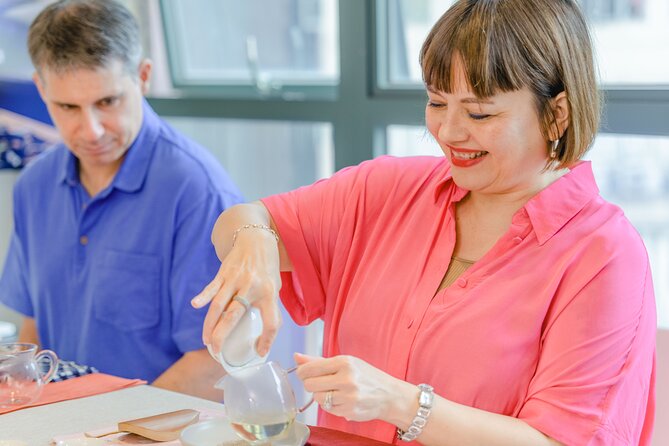
The hands-on brewing section is likely the practical heart of the class. You use a gaiwan, a traditional lidded bowl used to steep and pour tea, and experiment with the details that shape the cup.
You learn about the key elements behind good brewing. The supplied information does not give exact water temperatures, steeping times, or leaf quantities, so you should expect principles and guided practice rather than a fixed recipe for every tea.
That flexibility is helpful. Tea is not a one-setting drink. The same leaves may taste light and fragrant with one approach, then stronger or more bitter when brewed differently. By making your own tea, you can connect the instruction to a direct result.
For me, this is where the $55.11 price makes the most sense. You are paying for access to good tea, but also for a guided method you can repeat at home. A simple tasting without instruction would cost less. A class that teaches you how to handle a gaiwan gives you something that can remain useful after your Hong Kong visit.
The setup may require a little care. Gaiwan brewing can feel awkward at first, especially if you are used to a teapot or mug. That is not a serious drawback, though. A small group gives you a better chance to watch the demonstration, ask for help, and try again.
Seasonal tea and complimentary snacks
The tasting includes several premium teas selected for the season, along with complimentary snacks. The snacks are not presented as a full meal, so do not use this class as a substitute for lunch or dinner. Their role is to give you something to eat while you taste and to help you notice how food changes your impression of tea.
Pairing tea with a small bite is more useful than it may sound. A tea that seems delicate on its own may disappear beside food, while another may taste fuller or more balanced. Even a simple snack can show you why tea pairing depends on strength, sweetness, fragrance, and texture.
The seasonal approach also keeps the selection from feeling completely fixed. You may taste something different from another session held at a different time of year. Since the exact menu is not stated, contact the provider if the tea selection is especially important to you.
Cecilia’s teaching style and the small-group setting
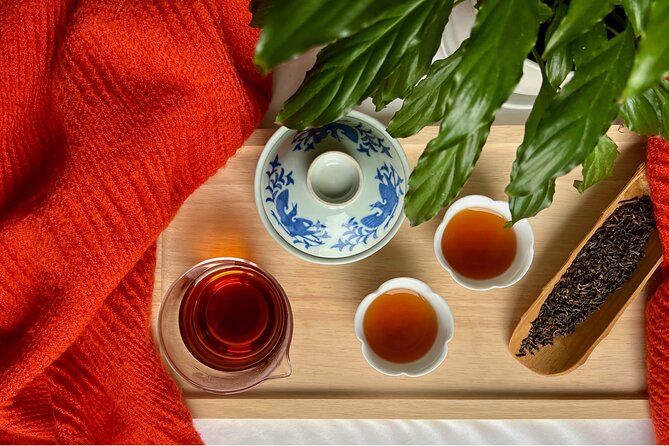
The host is identified as Cecilia in the comments about the experience, with one spelling variation also appearing. The consistent point is her friendly, passionate teaching style. The class has been praised for being informative without becoming stiff or overly technical.
That balance matters. Tea culture can sometimes feel wrapped in rules, ceremony, and specialized language. A good instructor helps you understand the reasons behind a method instead of making you feel that you are doing everything wrong.
The reported tone here is relaxed and engaging. One especially useful sign is that the class feels absorbing enough for people to lose track of time. That suggests a session with discussion and participation rather than a lecture that watches the clock.
At the same time, the evidence base is small, with a rating of 5 out of 5 from 10 ratings and a 100 percent recommendation rate. Those results are encouraging, but I would not treat them as proof that every session will be identical. Your enjoyment will depend partly on your interest in tea and how much you like guided tasting.
Is $55.11 good value?
At $55.11 per person, this is not the cheapest way to drink tea in Hong Kong. You could buy a drink for far less, and you might find a simple tea tasting that asks for less money.
The comparison is not quite fair, though. This is a 1.5-hour class with instruction, several teas, snacks, brewing practice, and a professional tea taster. The maximum group size of six adds value because you are more likely to receive direct attention than in a large commercial session.
I consider the price reasonable for visitors who want an activity rather than a refreshment. You are paying for the setting, the tea, the teacher’s time, and the chance to practice. The value is weaker if you already have extensive experience with gaiwan brewing or want only a quick introduction.
The experience also makes a good choice for a rainy-day plan in theory, but the activity requires good weather and may be canceled if conditions are poor. If that happens, you are offered another date or a full refund. It can also be canceled if the minimum number of participants is not reached, with the same general choices of another date, another experience, or a full refund.
Who should book this tea experience?
I would recommend it to:
- First-time tea drinkers who want more context than a standard café visit
- People curious about Hong Kong tea culture
- Tea lovers who want to improve their tasting vocabulary
- Visitors interested in traditional brewing tools
- Couples, friends, or solo visitors who prefer small groups
- Anyone looking for a calm, indoor-style cultural activity, while keeping the weather condition in mind
It may be less suitable if you dislike tasting several unfamiliar drinks, prefer a fast sightseeing stop, or want a full meal. It also may not satisfy an advanced tea professional looking for highly specialized regional analysis, since the description focuses on broad categories, tasting skills, and brewing basics.
Timing, booking, and cancellation advice
Plan for about 90 minutes, and remember that the class returns to the original meeting point. The experience is commonly booked about 11 days in advance, so I would not leave it until the last minute if your Hong Kong schedule is tight.
Confirmation is provided at booking, and the mobile ticket makes entry simple. You can cancel for a full refund up to 24 hours before the start time. Changes or cancellations made less than 24 hours before the start time are not accepted for a refund, and the cut-off follows local Hong Kong time.
Because poor weather can affect the activity, check your messages before leaving for the meeting point. The same applies to minimum attendance cancellations. Build a little flexibility into your itinerary if this is a key part of your day.
Should you book the Hong Kong tea tasting?
Book this experience if you want to understand tea, not just drink it. The small group, hands-on gaiwan brewing, seasonal selection, and friendly instruction from Cecilia give the session a clear purpose. You leave with a better sense of how tea categories differ, how professionals taste, and how brewing choices affect flavor.
I would skip it if you are looking for the lowest-cost drink in Wan Chai or a full food-focused outing. For everyone else, $55.11 is a sensible price for a focused 90-minute lesson that combines tasting with a skill you can use at home.
FAQ
How long does the tea tasting and brewing experience last?
The experience lasts approximately 1 hour and 30 minutes.
Where does the activity start?
It starts at 382 Lockhart Road in Wan Chai, Hong Kong.
Where does the experience finish?
The activity ends back at the meeting point.
How many people can join the session?
The activity has a maximum of six travelers.
What will I learn during the tea class?
You will learn about tea facts and myths, the six tea categories, professional tea tasting, aroma and flavor, and the key elements of brewing tea with a gaiwan.
Are snacks included?
Yes. The tea tasting includes complimentary snacks paired with a seasonal selection of premium teas.
Can I cancel for a full refund?
Yes. You can cancel at least 24 hours before the experience start time for a full refund. Cancellations or changes made less than 24 hours before the start time are not accepted for a refund.
Newest reviews from Hong Kong
- Lantau Peak Sunrise Climb★ 5.0 · 4 reviews
- Hong Kong MiniBus Transfer: Hotel / Cruise Terminal and Airport★ 4.5 · 4 reviews
- Hong Kong: Lantau Island & Tai O Cruise, Skip The Line Cable Car★ 3.5 · 4 reviews
- Private & Personalized Hong Kong Street Art Tour with a Local★ 5.0 · 4 reviews
- Classic Afternoon Tea Voyage in Hong Kong for 4 Pax★ 4.0 · 4 reviews
- 2025 Chinese New Year Fireworks Open Bar Yacht Dinner Cruise HK★ 4.5 · 4 reviews
- Hong Kong Heritage Walk★ 4.0 · 4 reviews
- Private Full Day Sightseeing Tour of Kowloon in Hong Kong★ 5.0 · 4 reviews
Tea Tastings, compared.
Beijing Culture: Tea Ceremony, Heritage Instrument & Calligraphy
Read our review →
Chinese Tea ceremony in Beijing Hutong courtyard
Read our review →
Leshan Buddha + Panda Base or Old Tea House Private Day Tour
Read our review →
Private Beijing Markets Tour with Tea Tasting at Hongqiao Pearl Market
Read our review →
3-Hour Shanghai Yu Garden &Old Town Private Tour with Tea Tasting
Read our review →Browse the lists this tour appears in