
Reviewed · TEA TASTINGS
3-hour Morning/Afternoon Tea Tasting on Maliandao Street & Dimsum
Beijing tastes better with a teacup nearby. This three-hour outing pairs eight Chinese teas with a generous dim sum meal in Maliandao, giving you two classic food experiences in one compact tour. I like the easy subway meeting point and the chance to visit tea shops connected with real tea farms. The main drawback is the $99 price, which may feel high if you mainly want a quick meal or a casual cup of tea.
You can choose a 10:00 a.m. start or a 3:00 p.m. start. I also like the small-group format, though the details are slightly mixed: the itinerary describes groups of eight or fewer, while the advertised maximum is 15 people. Confirm the exact group size and subway exit before setting out, since the meeting details name both Exit C and Exit D.
In This Review
- Key points to know before booking
- Why Maliandao is worth your morning or afternoon
- Meeting at Wanzi Station on Line 7
- The tea ceremony: eight cups, several styles
- The Maliandao market walk
- Dim sum with soup buns and shrimp ravioli
- Is $99 a fair price?
- The guide can shape the whole experience
- Who will enjoy this tea and dim sum combination?
- Timing, cancellation, and small practical details
- Should you book this Maliandao experience?
- FAQ
- How long does the tea and dim sum tour last?
- What start times are available?
- Where does the tour meet?
- How many teas will I taste?
- What food is included?
- Is a vegetarian option available?
- What happens if I need to cancel?
Key points to know before booking
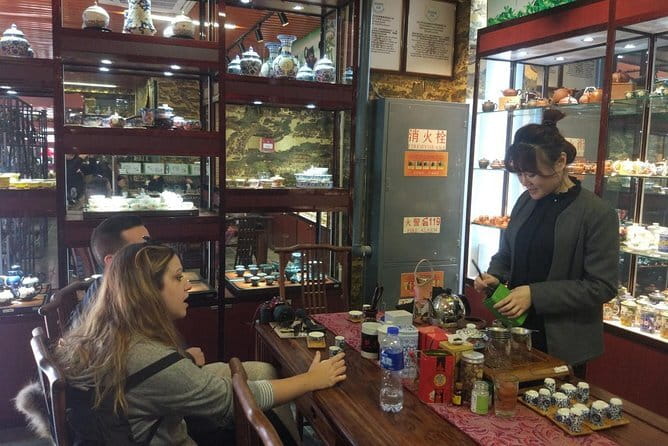
- Eight teas in two Maliandao tea shops: Taste green, oolong, black, puer, white, and other Chinese teas during a guided ceremony.
- Maliandao is the star setting: You visit Beijing’s largest tea trading street and see a working tea market rather than a staged cultural display.
- Dim sum comes after the tasting: Expect steamed soup buns, vermicelli rolls, chicken feet, shrimp raviolis, spring rolls, and other dishes.
- Two start times suit different Beijing days: Pick 10:00 a.m. or 3:00 p.m., with the food served as lunch or dinner depending on your choice.
- Renny earns special praise: One detailed review highlights Renny’s warm, friendly, and helpful approach.
- Subway access keeps the tour simple: Meet at Wanzi Station on Line 7, then return to the station at the end.
Why Maliandao is worth your morning or afternoon
Maliandao is known as Beijing’s largest tea trading street and market. That matters because the tea tasting is tied to a real commercial center, not just a polished room prepared for visitors. You stroll through an area where tea is traded with people from across the world, then stop at two tea shops for tastings.
The setting gives the tea ceremony useful context. You are not only handed a cup and told whether it is green or black tea. You can see that tea is a major Chinese trade, with shops focused on different growing regions, styles, and processing methods.
The tour does not promise a full history of Chinese tea, so I would not book it expecting a formal lecture. Its strength is more direct: taste several varieties, ask questions, and see where tea buying happens in Beijing.
The two-shop format is also helpful. One shop might focus on a different selection or preparation style from the next. The listed tastings include green tea, oolong, black tea, puer, and white tea, along with other varieties. Eight different teas give you enough range to compare flavors without turning the experience into an all-day seminar.
More Tea Tastings in Beijing
- Traditional Chinese Tea Ceremony Experience
★ 4.7 · 74 reviews - Beijing Culture: Tea Ceremony, Heritage Instrument & Calligraphy
★ 5.0 · 57 reviews - Chinese Tea ceremony in Beijing Hutong courtyard
★ 4.7 · 26 reviews
Meeting at Wanzi Station on Line 7
The meeting point is designed to be easy to reach by subway. You meet your guide at Wanzi Station on Line 7, then walk toward Maliandao. The information gives Exit C in one place and Exit D in another, so I would check the final confirmation carefully and contact the operator if the exit is unclear.
This small point can save you needless stress. Beijing subway stations can have several exits, and a large street area is not the place to guess where your guide is waiting. Arrive with enough time to find the correct exit, especially for the morning start.
The tour begins at 10:00 a.m. or 3:00 p.m. The morning option fits neatly before an afternoon sightseeing plan. The later start works well if you want a slower morning or prefer to explore another part of Beijing first.
At the end, the guide sends you back to the subway station or helps you get a taxi. That is useful in a city where street names and traffic patterns can be confusing, particularly after you have spent time walking through a large market area.
The tea ceremony: eight cups, several styles
The tasting is the heart of the experience. You stop at two tea shops and sample eight different kinds of tea. A traditional tea ceremony is included, so the focus is not simply on drinking large cups of tea. You get to see the careful preparation and serving that make Chinese tea culture distinct from an ordinary café stop.
The range should give you a good first look at the main tea families:
- Green tea, usually valued for fresh and grassy notes
- Oolong tea, which can fall between green and black in character
- Black tea, with a fuller and darker profile
- Puer tea, a major specialty in Chinese tea culture
- White tea, known for a lighter style
- Additional teas that bring the total tasting to eight
The exact brands and farms are not specified, but the tea shops selected for the tour are described as having tea from real tea farms. That detail matters if you want to connect the drink in your cup with its source rather than taste anonymous tea from a tourist shop.
I would approach the ceremony with curiosity instead of trying to identify every flavor correctly. Tea tasting is more enjoyable when you compare one cup with the next. Notice which tea feels light, which has more body, and which you would actually want to drink again.
There is one practical consideration: eight tastings can be a lot of caffeine. If you are sensitive to tea, ask your guide about pacing. Personal expenses are not included, so any tea you decide to buy comes at your own cost.
The Maliandao market walk
After or around the tasting, the experience includes time strolling through Maliandao’s tea market. The order may vary, but the idea is clear: you visit the tea street, enter two shops, and learn through tasting and browsing.
This part gives the outing a local commercial feel. You can watch the movement of tea buyers and sellers, see the variety of shops, and get a sense of how broad China’s tea trade is. It is less formal than a museum and more useful if you are interested in how tea is sold today.
The market may also be the part that most rewards a guide. Without help, a tea street can become a blur of shop fronts and unfamiliar labels. A guide can direct you to selected shops and keep the tasting focused.
Do not expect a long free-shopping period to be the main purpose. The tour is built around tasting and food, not an extended buying expedition. You can browse and make personal purchases, but those expenses are separate from the $99 tour price.
A completely different kind of day out on the same trip:
- From Beijing: Mutianyu Great Wall Tours with Options
★ 4.9 · 9,216 reviews - Beijing: Forbidden City Tour(Group/Private)-Tickets Included
★ 4.8 · 7,974 reviews - Beijing: T-Square & Forbidden City Group or Private Tour
★ 4.8 · 4,446 reviews - All-Inclusive Tour: Tiananmen Square, Forbidden City, Great Wall
★ 5.0 · 2,873 reviews
Dim sum with soup buns and shrimp ravioli

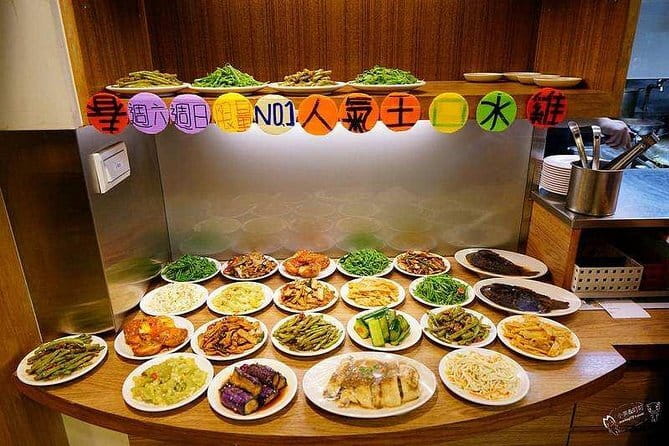
After the tea tasting, you go to a nearby tea restaurant for dim sum. The meal includes several dishes rather than one fixed plate of food, giving you a broader introduction to Cantonese-style small dishes.
The listed selection includes:
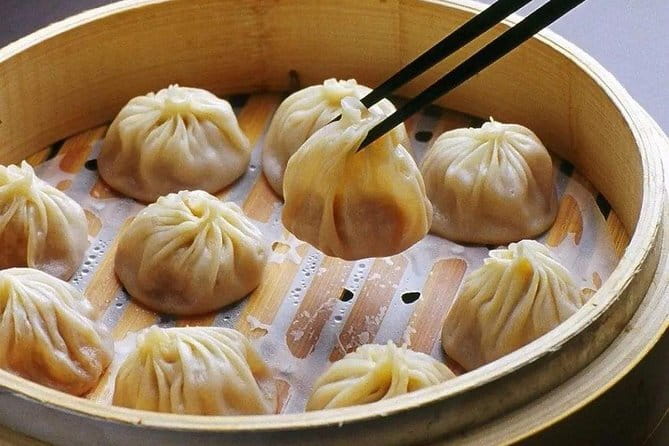
- Steamed soup buns
- Steamed vermicelli rolls
- Chicken feet
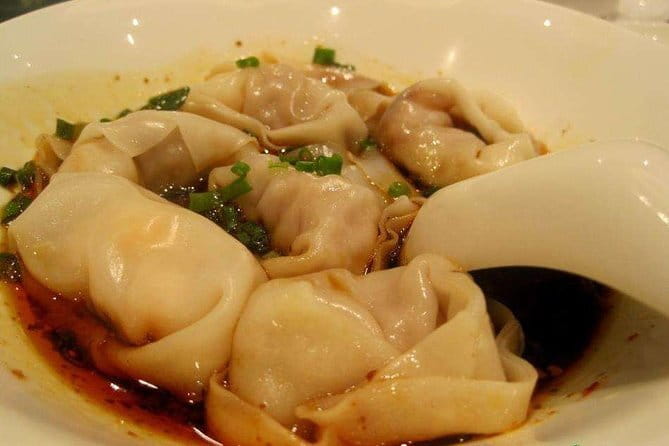
- Shrimp raviolis
- Spring rolls
- Other dim sum dishes
The detailed experience describes pork dumplings and hand-pulled noodles as well, so the exact spread may vary. That is normal for a shared meal, but you should think of the menu as a generous sampling rather than a guaranteed restaurant order.
Steamed soup buns are a fun choice for first-time dim sum diners, but handle them carefully because the filling can be hot. Steamed vermicelli rolls offer a softer texture, while shrimp raviolis bring a familiar seafood option. Chicken feet are more adventurous and may not suit every appetite. The spring rolls provide an easy, crisp choice if you prefer something less unusual.
The meal is a strong part of the value because it turns the tour into more than a tea lesson. You get a proper food stop after tasting several drinks, and the detailed account describes diners leaving full and happy after dumplings and noodles.
Vegetarian food is available if you request it when booking. Make that request early rather than waiting until you sit down. The supplied details do not describe the exact vegetarian dishes, so the safest approach is to ask the operator what will be served.
Is $99 a fair price?
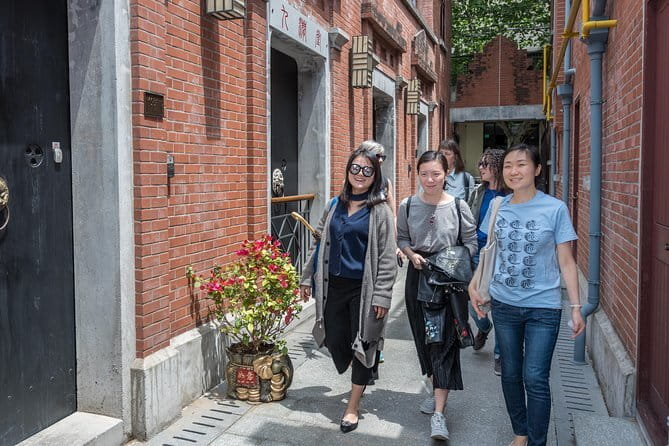
At $99 per person, this is not a budget tea stop. You are paying for a three-hour guided experience, a tea ceremony, eight tea tastings, a dim sum meal, local taxes, and help with the subway or a taxi at the end.
The price makes more sense if you value structure. You do not need to choose tea shops on your own, work out how to order a multi-dish meal, or navigate Maliandao without help. The guide connects the market, tastings, and food into one outing.
The cost is less attractive if you already speak Chinese, know Maliandao well, or mainly want to eat dim sum. In that case, you could likely spend less by visiting a restaurant and tea shop independently, though you would lose the organized tasting and tea ceremony.
Group discounts are available, and the group has a maximum of 15 people. The itinerary also describes a group of eight or fewer, which would make the experience more personal if that is the usual arrangement. Ask about the expected group size before booking if conversation and individual attention matter to you.
The tour is generally booked 19 days ahead, so advance planning is sensible. Confirmation is provided at booking, and a mobile ticket is available.
The guide can shape the whole experience
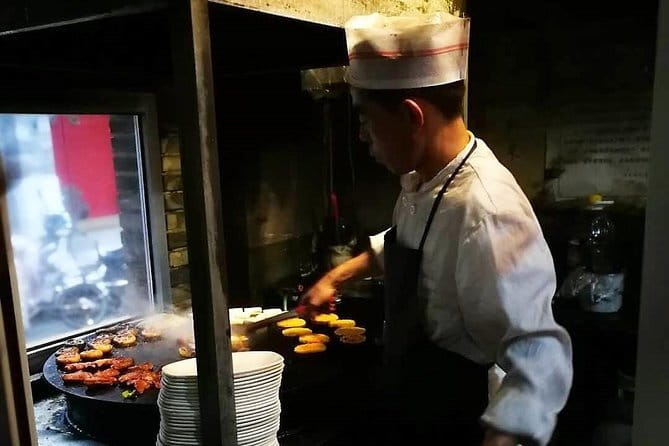
A tea market is easier to understand with a good guide beside you. The most specific praise goes to Renny, described as warm, friendly, and helpful. That combination suits this tour because the best moments are likely to come from simple questions: Which tea is lighter? How is puer different? What should you try at the restaurant?
A guide also helps take the pressure out of unfamiliar food. Chicken feet and soup buns can be intimidating if you have never ordered them. Having someone explain what is on the table makes it easier to try something new without turning the meal into a guessing game.
The operator is Lily’s Tour Company. Since the experience is offered in a group setting, your guide may need to balance several tastes and interests. The smaller the group, the more room you should have for questions and a relaxed tea ceremony.
The experience has a top rating from seven submitted reviews, but that is a small sample. I would treat the strong rating as encouraging rather than proof that every departure will be identical. Group size, guide, restaurant timing, and the exact tea selection can affect the feel of the afternoon.
Who will enjoy this tea and dim sum combination?

I would recommend the tour to first-time visitors who want an easy introduction to Chinese tea and dim sum in one outing. It is especially useful if you are unsure how to choose teas or order several unfamiliar dishes.
Food-focused visitors should enjoy the variety. The meal includes enough different items to move beyond the safest dumpling choice, while the tea tasting gives you a chance to compare several major styles.
The tour also suits couples, families, and small groups who want a guided activity with limited planning. Children can join, but the child rate applies only when sharing with two paying adults. The experience is near public transportation, and most people can participate.
I would think twice if you dislike shared meals, have a very restricted diet, or want a private tea lesson. The tour is a group activity, personal expenses are separate, and only the availability of a vegetarian option is specifically confirmed.
Timing, cancellation, and small practical details
The three-hour duration is approximate. Leave room around it if you are arranging another timed activity in Beijing. The morning tour is listed at 10:00 a.m., and the afternoon tour at 3:00 p.m.
You can cancel for a full refund if you do so at least 24 hours before the local start time. Changes or cancellations made inside that 24-hour window are not accepted for a refund.
Because Exit C and Exit D both appear in the meeting information, verify the correct exit in your booking confirmation. That is the one detail I would settle before leaving your hotel.
Should you book this Maliandao experience?
Book it if you want a guided taste of Beijing’s tea culture and dim sum without arranging several stops yourself. The combination is smart: Maliandao gives you the market setting, the ceremony gives you structure, and the meal gives you a satisfying finish.
The strongest reasons to go are the eight-tea tasting, the access to two selected tea shops, and the broad dim sum spread. Renny’s warm and helpful style is another positive sign, though your exact guide may differ.
Skip it if $99 feels too steep for a three-hour food outing, or if you prefer to explore restaurants and markets independently. For an easy first encounter with Chinese tea and dim sum, however, the tour offers a well-packed half day with plenty to taste and enough local context to make the food memorable.
FAQ
How long does the tea and dim sum tour last?
The experience lasts approximately three hours.
What start times are available?
You can choose a 10:00 a.m. morning tour or a 3:00 p.m. afternoon tour.
Where does the tour meet?
The meeting point is at Wanzi Subway Station on Beijing Subway Line 7. The supplied meeting details name both Exit C and Exit D, so confirm the correct exit before departure.
How many teas will I taste?
The tour includes tastings of eight different teas. The selection can include green, oolong, black, puer, white, and other teas.
What food is included?
The dim sum meal can include steamed soup buns, steamed vermicelli rolls, chicken feet, shrimp raviolis, spring rolls, and other dishes. A detailed account also mentions pork dumplings and hand-pulled noodles.
Is a vegetarian option available?
Yes. A vegetarian option is available, but you must advise the operator when booking.
What happens if I need to cancel?
You can receive a full refund if you cancel at least 24 hours before the experience start time. Cancellations and changes made less than 24 hours before the start are not accepted for a refund.
More Early Starts
- Morning Bus Transfer to Mutianyu Great Wall + Entry Ticket
★ 4.5 · 26 reviews - camp on the Great Wall overnight with sunrise and sunset on the wall
★ 5.0 · 11 reviews - Shanghai Half Day Morning or Afternoon Sightseeing Tour
★ 3.5 · 110 reviews - Morning Tour – Deluxe Hong Kong Island Tour with Hotel Pickup in Kowloon
★ 4.0 · 70 reviews
More Food Tours in Beijing
- Beijing Hutong Walking Food and Beer Tour at Hidden Restaurants
★ 5.0 · 1,132 reviews - Beijing: Hidden Gems Guided Food Tour with Beer and Tastings
★ 4.9 · 306 reviews - Beijing Private Hutong Food Walking Tour
★ 5.0 · 299 reviews - Beijing Hutong Breakfast Food Tour
★ 5.0 · 155 reviews
Newest reviews from Beijing
- Beijing: Explore the Forbidden City in Hanfu★ 5.0 · 4 reviews
- Beijing Tai Chi and Tea Ceremony Experience★ 5.0 · 4 reviews
- Jinshangling Great Wall Of Beijing Tickets And Other Option★ 4.0 · 4 reviews
- Private Full-Day Great Wall of China Hiking Tour from Jiankou to Mutianyu★ 4.5 · 4 reviews
- Tour the Great Wall with a Native from Downtown Beijing★ 4.8 · 4 reviews
- Beijing: Badaling Great Wall Private Tour w Language Option★ 4.3 · 4 reviews
- Beijing:Summer Palace & Tea or Calligraphy Experience Tour★ 4.6 · 4 reviews
- Beijing Private Tour to Huaibei Ski Resort and Mutianyu Great Wall with Lunch★ 5.0 · 4 reviews
Tea Tastings, compared.
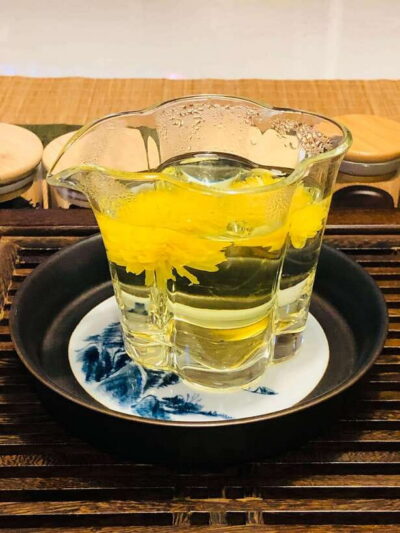
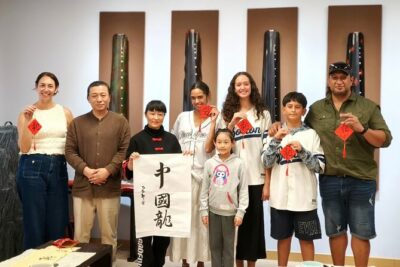
Beijing Culture: Tea Ceremony, Heritage Instrument & Calligraphy
Read our review →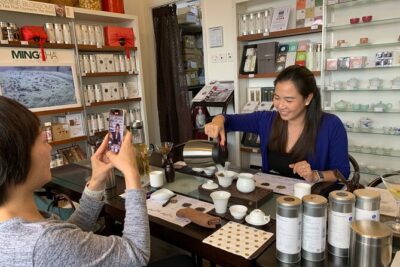
Chinese Tea ceremony in Beijing Hutong courtyard
Read our review →
Leshan Buddha + Panda Base or Old Tea House Private Day Tour
Read our review →
Private Beijing Markets Tour with Tea Tasting at Hongqiao Pearl Market
Read our review →
3-Hour Shanghai Yu Garden &Old Town Private Tour with Tea Tasting
Read our review →Browse the lists this tour appears in