
Reviewed · HISTORICAL TOURS
Guangzhou: Cantonese Heritage Tour with Key Cultural Stops
Guangzhou tells its best stories on foot. This 3.5-hour tour links traditional medicine, old streets, Bruce Lee’s family home, and Cantonese opera in one compact walk through the city’s historic western quarter. You get a useful introduction to Cantonese life without spending a full day inside museums or sitting on a bus.
I like the mix of famous names and everyday culture. The Qingping Herbal Market gives you strong smells and local trade, while Shangxiajiu and Yongqing Fang show how old neighborhoods are being reused. I also like the small group size, capped at eight, and the chance to ask questions in English. The main consideration is the pace: there are several stops in only three and a half hours, and the $6 booking fee does not fully support the guide. An in-person contribution of about 200 RMB, $30, or £20 per person is recommended.
In This Review
- Key things to know before you book
- Starting at Guangzhou Cultural Park Metro Station
- Qingping Herbal Market: Guangzhou’s fragrant first lesson
- Shangxiajiu Pedestrian Street and the arcade streetscape
- Yongqing Fang: old lanes with a newer rhythm
- The cultural street and hands-on traditions
- Bruce Lee’s former residence and family connection
- Cantonese Opera Art Museum: a graceful finish
- What the $6 price really means
- Who will get the most from this walk?
- Practical advice for a smoother experience
- Should you book the Guangzhou Cantonese Heritage Tour?
- FAQ
- Where does the Guangzhou Cantonese Heritage Tour begin?
- Where does the tour finish?
- How long does the experience last?
- Is the tour conducted in English?
- How many people can join the group?
- Is food included in the price?
- What contribution is recommended for the guide?
Key things to know before you book
- Qingping Herbal Market opens the tour with real local commerce, not a polished display made only for visitors.
- Bruce Lee’s former residence connects Guangzhou with a global film icon and his family roots in the city.
- Cantonese Opera Art Museum explains costumes, gestures, and symbolism, making the performance tradition easier to understand.
- Shangxiajiu and Yongqing Fang combine shopping streets, arcade architecture, courtyards, cafés, and food stops in one walk.
- The group is limited to eight people, which suits anyone who wants conversation and room for questions.
- The advertised $6 is an organizing fee, so budget separately for the suggested contribution to your guide.
Starting at Guangzhou Cultural Park Metro Station
The meeting point is outside Exit E of Guangzhou Cultural Park Metro Station, written in Chinese as 文化公园地铁站. This is a sensible place to begin because the route quickly reaches the older parts of Guangzhou rather than wasting time on a long transfer.
You should arrive with comfortable shoes and a little flexibility. The tour moves through markets, shopping streets, lanes, cultural sites, and museum space, so this is a walking experience rather than a seated sightseeing outing. The exact starting time depends on availability when you book.
The tour is offered in English with a live guide. A small group of no more than eight people gives the guide a fair chance to explain details, answer questions, and respond to individual interests. Tony is the guide named most often in the feedback, and he is praised for clear English, local knowledge, patience with questions, and a willingness to adjust the walk to personal requests. That matters here because the value comes less from simply seeing buildings and more from understanding what you are looking at.
More historical tours in Guangzhou:
- Private Historical Tour: Guangzhou City Sightseeing Including Lunch
★ 4.5 · 24 reviews - UNESCO Watchtowers World Heritage Ancient Villages Private Tour
★ 5.0 · 17 reviews - All Inclusive Kaiping Diaolou Heritage Private Day Trip from Guangzhou
★ 5.0 · 5 reviews
Qingping Herbal Market: Guangzhou’s fragrant first lesson
The first major stop is Qingping Herbal Market, with about 30 minutes of guided time. This is one of the most distinctive parts of the experience because it introduces Cantonese culture through work, trade, smell, and traditional Chinese medicine.
Expect shelves and stalls connected with herbal remedies, along with the strong aromas that make this kind of market memorable. Your guide explains local practices and may help you speak with an experienced herbalist about the craft. That human contact is important. A market can look like a blur of dried plants and unfamiliar goods when you walk through alone, but a good explanation gives the place a purpose.
I would not expect a quiet museum visit here. The market setting may feel crowded or intense, and thirty minutes is enough for an introduction rather than a detailed study of Chinese medicine. Still, it is a useful opening because it places Cantonese heritage in daily life. You are not only hearing about the past. You are seeing a tradition that remains part of local commerce.
If you are curious about food or regional ingredients, listen closely when the guide points out items connected with Cantonese cooking. One participant particularly appreciated being introduced to local delicacies during the walk. You may not have time for a full meal, but this is a good place to begin noticing how food, medicine, and trade overlap in southern Chinese culture.
Shangxiajiu Pedestrian Street and the arcade streetscape
The tour then spends about 30 minutes on Shangxiajiu Commercial Pedestrian Street. This is Guangzhou at its most active, with shops, local food, and the distinctive arcade-style buildings associated with the old commercial district.
The covered arcades are more than attractive façades. They create sheltered walkways in a city known for heat and heavy rain, allowing shops and pedestrians to share the same edge. Your guide points out architectural features and explains stories connected with the shopkeepers and businesses along the street.
This is also the point where your appetite may become part of the tour. The smells of street food are hard to ignore, and the guide can suggest more authentic local flavors. Personal expenses are not included, so carry some money if you want to buy a snack or sample a delicacy.
The drawback is that Shangxiajiu can feel busy. It is a commercial street, not a preserved village, and modern retail activity is part of the scene. That is precisely why I think the guide helps. You get more from the stop when someone explains what belongs to the older Cantonese street pattern and what reflects present-day shopping life.
Yongqing Fang: old lanes with a newer rhythm
Next comes Yongqing Fang, where the tour allows about 45 minutes. This is the longest scheduled stop, and it gives you more time to notice the contrast between restored historic buildings and contemporary businesses.
You will pass through old lanes, courtyards, and a wharf area associated with the neighborhood. The appeal is the change of pace. After the market and the commercial street, Yongqing Fang offers quieter corners, cafés, and small cultural spaces tucked into the older fabric of the district.
The guide helps connect the physical setting with the people who lived and worked here. Look for the way older walls, arcades, and lanes meet newer shops and cafés. The area is not presented as a frozen relic. It is a living part of Guangzhou, with history being used rather than simply displayed.
That blend will suit you if you like historic districts with some modern energy. If you want untouched old streets, you may find the restored and commercial elements less satisfying. The tour’s strength is that it does not pretend the past and present are separate.
A few more tours worth putting side by side
- Guided Cycle Tour of Guangzhou
★ 5.0 · 164 reviews - Customised Private Guangzhou City Tour with Flexible Itinerary
★ 5.0 · 107 reviews - Gulong Gorge Skywalk Glass Bridge and Waterfall View Private Tour
★ 5.0 · 103 reviews - Private Guangzhou Full Day City Tour with Old and New Highlights
★ 5.0 · 62 reviews
The cultural street and hands-on traditions
A further 30-minute stop takes you through Guangzhou’s Intangible Cultural Heritage Street. This part of the walk focuses on living crafts and performance traditions, including delicate embroidery and preparations connected with lion dance.
The phrase intangible cultural heritage can sound formal, but the point here is easy to understand: these are skills passed from person to person rather than objects locked behind glass. You may see craftspeople at work and, depending on what is taking place, have a chance to try an activity yourself.
This is one of the better places to ask questions. How is a design made? What do the colors mean? How are lion dance preparations organized? The guide can turn a quick look into a more memorable cultural lesson.
Because the tour lasts only half a day, the time here is limited. You should think of it as an introduction, not a full workshop. Still, it adds something that the historic streets cannot provide. You are not just looking at buildings. You are seeing skills and customs that continue through practice.
Bruce Lee’s former residence and family connection
The stop listed as Lixiaolong Ancestral Home, or Bruce Lee’s former residence, lasts about 30 minutes. This is the tour’s most obvious link to international popular culture, but its value goes beyond a celebrity photograph.
The guide explains Bruce Lee’s life and his family’s connection with Guangzhou. That local angle makes the stop more interesting than a simple account of his films or martial arts image. You get a sense of how a world-famous figure connects back to a particular family story and place.
Bruce Lee fans will naturally find this stop especially appealing. You do not need to be a devoted fan to enjoy it, though. The visit adds a personal thread to the wider story of Cantonese identity, migration, family, and global influence.
The available description does not promise a large museum collection or a long exhibition visit, so keep your expectations measured. The site works best as one chapter in the walk rather than the sole reason to book. Tony, when leading the experience, has been praised for sharing lesser-known details and for answering questions easily. That kind of explanation is likely to make the brief visit worthwhile.
Cantonese Opera Art Museum: a graceful finish
The final stop is the Cantonese Opera Art Museum, with around 20 minutes of guided time. The tour finishes here at 粤剧艺术博物馆, making this both the final cultural stop and the endpoint.
Cantonese opera can be difficult to understand if you only see a short performance without context. The guide explains the meaning of the costumes, the symbolism of the colors, and the purpose of the stylized movements. That background helps you read the visual language of the art rather than treating it as an unfamiliar spectacle.
The museum itself is described as elegant, with exhibits focused on the history and beauty of Cantonese opera. Twenty minutes is short, so you will not explore every display at length. The advantage is that the guide gives you a framework you can use if you later attend a performance or visit another opera collection.
Ending here gives the route a pleasing shape. It begins with practical traditions at the herbal market and finishes with a highly developed stage art. Along the way, you see commerce, food, architecture, family history, craft, and performance.
What the $6 price really means
At $6 per person, the booking price looks remarkably low for a live English-language walking tour lasting three and a half hours. It is good value as an organizing fee, especially with a small group and several cultural stops.
You should read the pricing carefully. The fee goes to the platform that arranges the experience, while the guide is supported by contributions made in person. The recommended amount is 200 RMB, $30, £20, or an equivalent sum per person. That means the realistic cost is closer to the guide contribution plus the booking fee, not simply $6.
This is not a criticism, but it affects your budget and your expectations. If you value the guide’s explanations, local introductions, and time answering questions, you should plan for the suggested contribution. Personal purchases, including food and other items, are extra.
The value is strongest for first-time visitors who want orientation in Guangzhou’s old western neighborhoods. You receive a broad introduction to several connected themes without paying for private transport or a full-day package. The tradeoff is that each stop is brief, so anyone seeking long museum visits or extensive shopping time may prefer to explore independently afterward.
Who will get the most from this walk?
I would recommend this tour to you if you want several sides of Guangzhou in one morning or afternoon. It suits first-time visitors, culture-focused tourists, Bruce Lee fans, food-curious walkers, and anyone who prefers a guide who can explain what is happening around them.
The small group format is useful for solo visitors and couples. You can ask direct questions, and the guide has more room to respond to individual interests than on a large coach outing. Tony has been especially praised for welcoming questions and handling personal requests.
It also suits visitors with limited time. In 3.5 hours, you see a market, a major pedestrian street, a redeveloped historic district, a heritage craft area, Bruce Lee’s former home, and an opera museum. That is a lot of ground in a short period.
I would be more cautious if you dislike walking, crowded commercial streets, or a schedule with frequent changes of scene. You should also avoid booking it if you want a slow, detailed study of one museum or a dedicated food tour. This is a cultural sampler with real local texture, not a specialist course.
Practical advice for a smoother experience
Wear shoes suitable for several hours on foot. The route includes pedestrian streets, lanes, market areas, and cultural sites, and there is no indication that transport between stops is included.
Keep a little time and money available for food. The guide may point out local delicacies, but personal expenses are not part of the price. The market and Shangxiajiu are the likeliest places to find something that catches your eye.
Use the guide actively. Ask about herbal products, arcade architecture, family connections, embroidery, lion dance, or opera costume symbols. The strongest praise for this experience centers on the guide’s ability to explain details and answer questions, so a quiet walk through each stop would miss much of the point.
You can cancel up to 24 hours ahead for a full refund, and you can reserve without paying immediately. Those terms are helpful if your Guangzhou schedule is still moving around. Starting times vary, so check availability before fixing other plans.
Should you book the Guangzhou Cantonese Heritage Tour?
Book it if you want a compact, social introduction to Guangzhou’s Cantonese identity, especially with an English-speaking guide. The combination of Qingping Market, Shangxiajiu, Yongqing Fang, Bruce Lee’s former home, and the Cantonese Opera Art Museum gives you more range than the low booking price suggests.
Just budget honestly for the recommended guide contribution, expect a brisk walking pace, and understand that no single stop receives a long visit. If Tony leads your group, his clear English, local insight, and willingness to handle questions could make the difference between a basic sightseeing walk and a genuinely useful introduction to the city.
For most first-time visitors with half a day to spare, I think it is a smart choice. It gives you enough context to explore Guangzhou more confidently afterward, and it leaves room for your own discoveries.
FAQ
Where does the Guangzhou Cantonese Heritage Tour begin?
It begins outside Exit E of Guangzhou Cultural Park Metro Station, written in Chinese as 文化公园地铁站.
Where does the tour finish?
The tour finishes at the Cantonese Opera Art Museum, written as 粤剧艺术博物馆.
How long does the experience last?
The tour lasts 3.5 hours.
Is the tour conducted in English?
Yes. It includes a live English-speaking guide.
How many people can join the group?
The group is limited to eight participants.
Is food included in the price?
No. Personal expenses are not included, so any food or other purchases cost extra.
What contribution is recommended for the guide?
A contribution of 200 RMB, $30, £20, or an equivalent amount per person is recommended. The $6 fee goes to the platform organizing the experience, while the guide is supported by in-person contributions.
Newest reviews from Guangzhou
- Guangzhou VIP Car Tour– Tailored Sightseeing & Shopping Adventure★ 5.0 · 4 reviews
- Guangzhou Historical Day Tour By Metro & Boat★ 5.0 · 4 reviews
- Private Half-Day Guangzhou City Tour with Pickup★ 5.0 · 4 reviews
- Guangzhou Downtown Hotel – Baiyun Airport OneWay Private Transfer★ 5.0 · 4 reviews
- Private Guangzhou Night Tour with Canton Tower and Bar Hopping★ 5.0 · 4 reviews
- Guangzhou: Private Guided City Tour with a Local★ 4.7 · 4 reviews
- Private Guangzhou Night Tour VIP Cruise and Dim-Sum Dinner Option★ 5.0 · 4 reviews
- From Guangzhou: Mount Danxia and Nanhua Temple Full-Day★ 4.1 · 4 reviews
Historical Tours, compared.
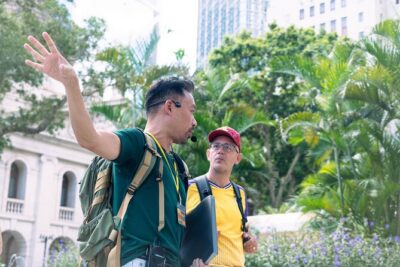
Between Capitalism & Communism: Hong Kong History Tip Based Tour
Read our review →
Beijing Historical Tour II including Summer Palace, Lama Temple & Panda Garden
Read our review →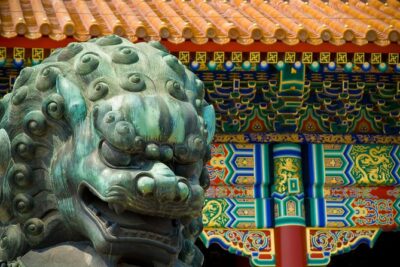
Beijing Historical Tour I – Forbidden City, Tiananmen Square & Temple of Heaven
Read our review →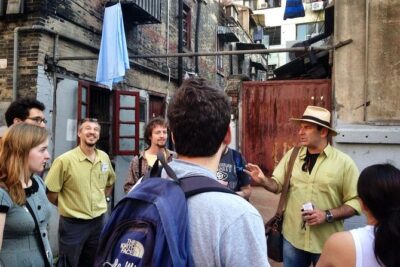
Tour of Jewish Shanghai led by a Jewish History Expert
Read our review →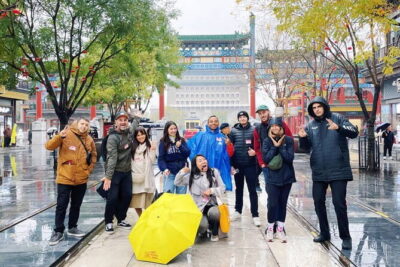
Beijing Historic City Guided Walking Tour + Calligraphy Creation
Read our review →
Beijing Culture: Tea Ceremony, Heritage Instrument & Calligraphy
Read our review →
All inclusive Two-Day Xi’an private Heritage Tour
Read our review →
2-Hour Beijing Private Forbidden City Tour: History & Highlights
Read our review →Browse the lists this tour appears in